Fossil Butte National Monument: Quarry Trail and Fossil Lake Drive

Maya Lin
Maya Lin is a travel journalist and outdoor enthusiast who believes the best trips combine rugged adventures with urban comforts. After spending six years backpacking across four continents, she founded Trail & Town Guide to help fellow travelers navigate both hidden mountain passes and bustling city neighborhoods with confidence.
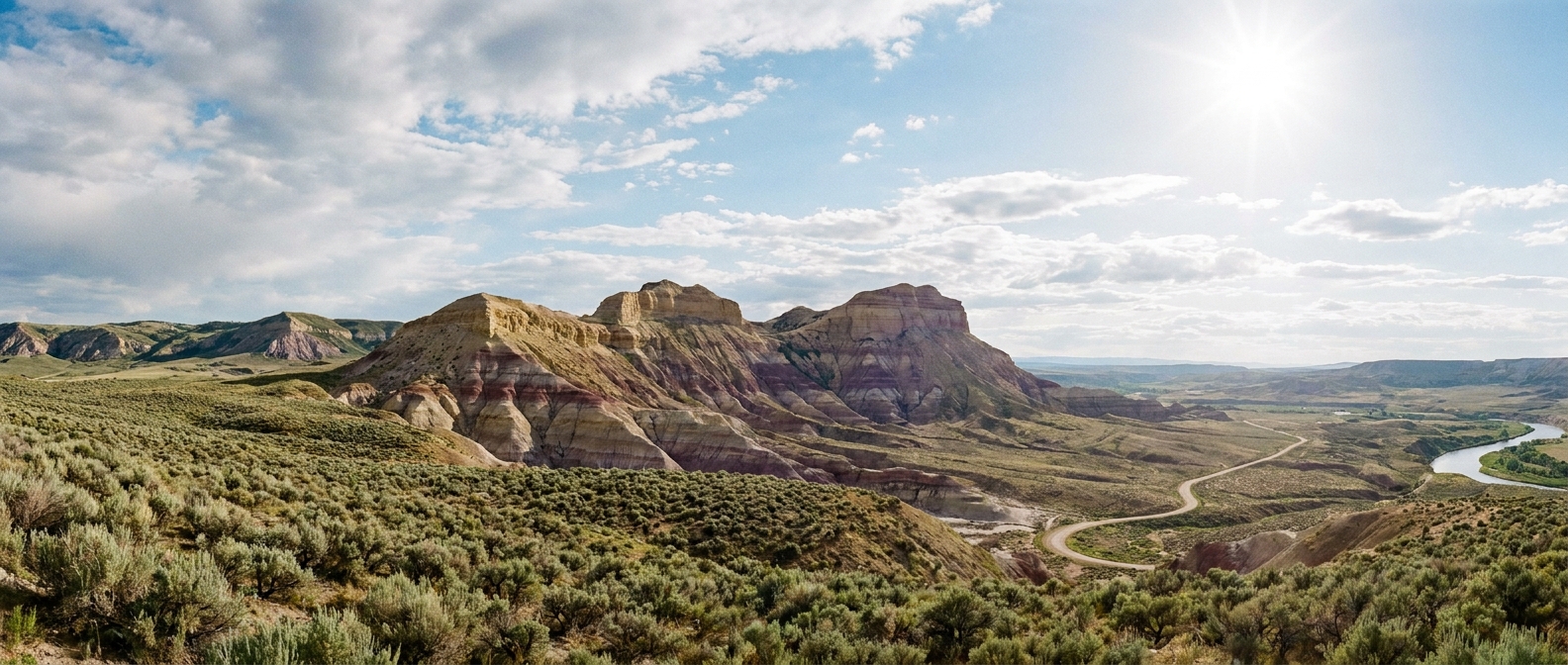
Wyoming’s high desert has a way of looking empty until you learn what used to live here. At Fossil Butte National Monument, the sagebrush hills above Kemmerer conceal one of the world’s richest windows into the Eocene era, when a warm, subtropical lake filled this basin and preserved fish, plants, insects, and even the occasional reptile in astonishing detail.
The monument is compact in the best way. You can pair a short hike with a scenic drive, pop into a small but excellent visitor center, and still be back in town in time for coffee and a late lunch. Below is exactly how to tackle the Historic Quarry Trail, hike the Nature Trail, and hit the best pullouts along the Fossil Lake Scenic Drive, plus practical notes for heat, wind, and rattlesnakes.
Know before you go
- Where it is: Near Kemmerer, Wyoming in the southwest corner of the state.
- Entrance fee: No entrance fee. It is an easy, budget-friendly stop on a Wyoming road trip.
- Best time for most travelers: Late spring through early summer and early fall for comfortable temps and clearer trail conditions.
- Expect high desert conditions: Intense sun, low humidity, fast-changing wind, and big temperature swings.
- Time needed: 2 to 4 hours is enough for the visitor center, scenic drive, and one hike. Add time if you like to linger at overlooks or photograph.
- Facilities: Visitor center with exhibits and restrooms. Services in Kemmerer.
Start at the visitor center
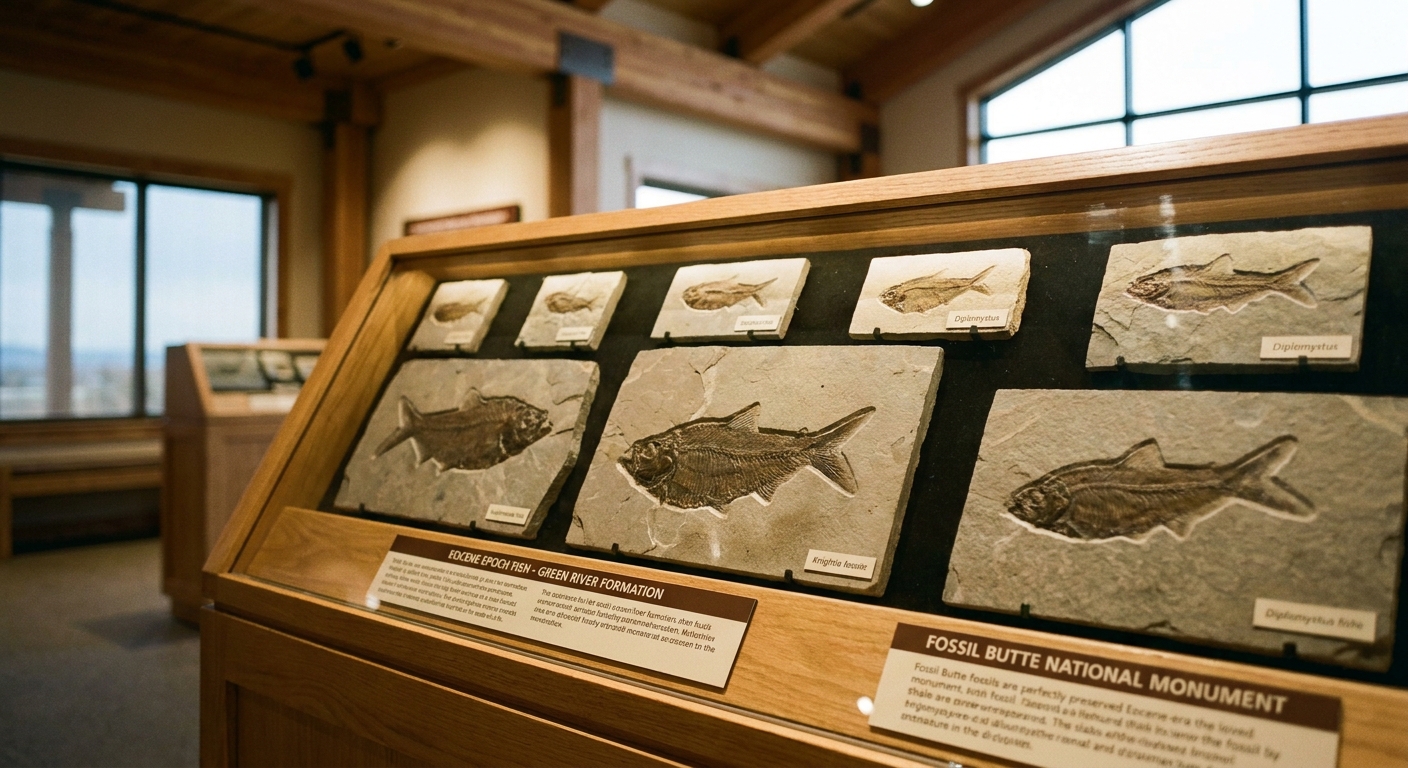
If you only do one thing besides the drive, make it the visitor center exhibits. Fossil Butte is famous for exquisitely preserved fish, and the displays help you understand why: fine-grained lake sediments, low oxygen at depth, and just the right chemistry for delicate preservation.
Look for:
- Fish fossils that show individual bones and fin rays with surprising crispness.
- Plant fossils that hint at a greener, warmer world than today’s sagebrush basin.
- Interpretive panels explaining “Fossil Lake” and the broader Green River Formation story.
It is also the best place to double-check current trail conditions and ask rangers about wildlife activity and seasonal closures.
Historic Quarry Trail
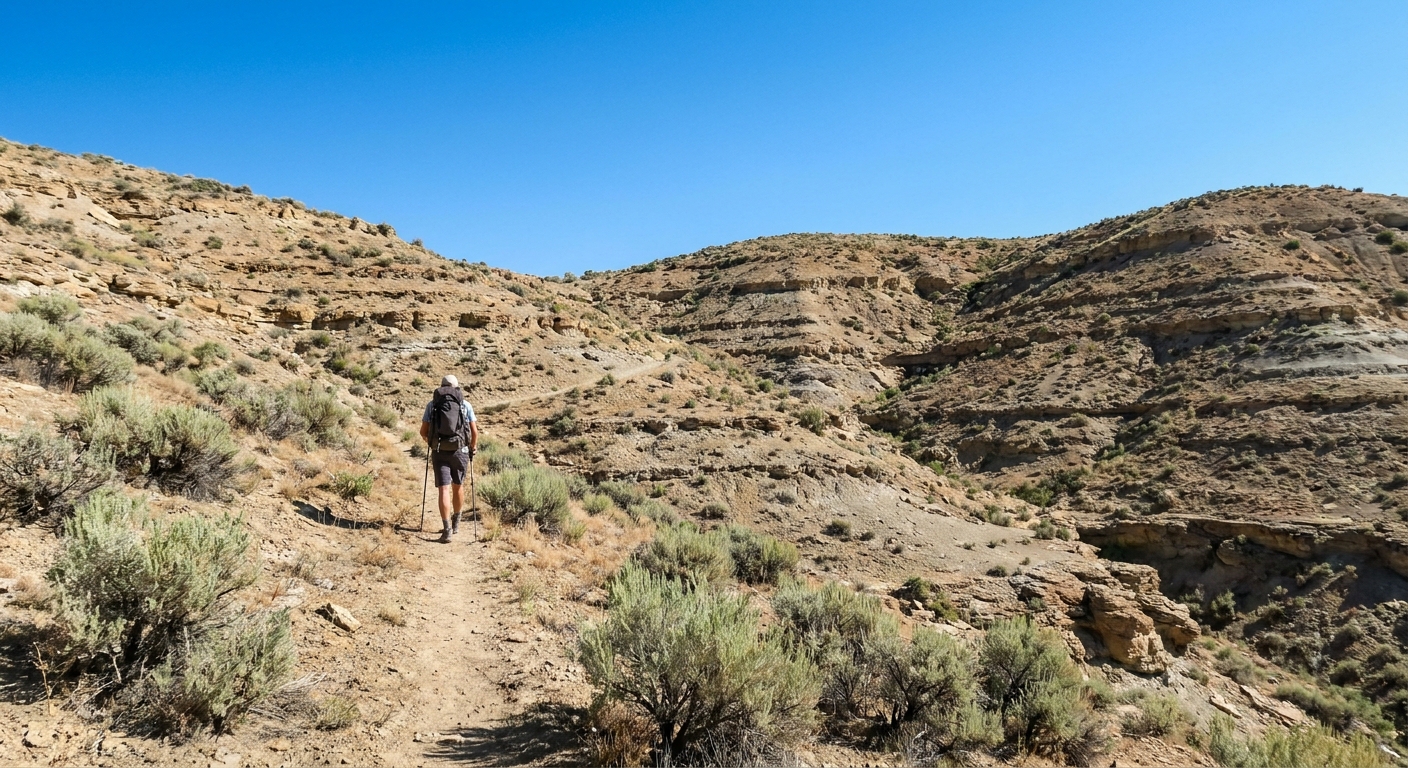
The Historic Quarry Trail is the monument’s signature walk: short, interpretive, and surprisingly immersive for something that does not require a full backpacking mindset. It is a 2.5-mile loop that climbs into the pale layers of the butte, where early fossil quarrying helped reveal just how scientifically important this site is.
What it feels like
Think: crunchy gravel underfoot, the scent of sun-warmed sage, and a steady open-sky climb. The landscape is spare but textured, with subtle color bands in the rock and big views that make you realize how massive the ancient lake basin once was.
What you will see
- Interpretive signs that place you in the Eocene story and explain quarry history.
- Quarry area context, which helps connect the visitor center fossils to the real geology outside.
- Expansive viewpoints across the basin that once held Fossil Lake.
How to hike it comfortably
- Go early in warm months. There is little shade, and the sun is not subtle out here.
- Carry more water than you think. Dry air makes it easy to underestimate how much you are sweating.
- Watch your footing in loose gravel, especially on the descent.
Nature Trail
If you want the other main hike in the monument, this is it. The Nature Trail is a 1.5-mile loop that trades quarry history for a closer look at the high desert environment and the basin-wide story of Fossil Lake.
Why it is worth it
- Big-sky perspective without a huge time commitment.
- More “desert details”, like sagebrush textures, small wildlife movement, and the way wind shapes the experience.
- A different angle on the landscape than you get from the quarry trail.
Maya’s tip: If the wind is ripping (it often is), prioritize the visitor center first, then hike second. It is easier to enjoy the loop when you are not rushing to beat closing time after a windy drive.
Fossil Lake Scenic Drive
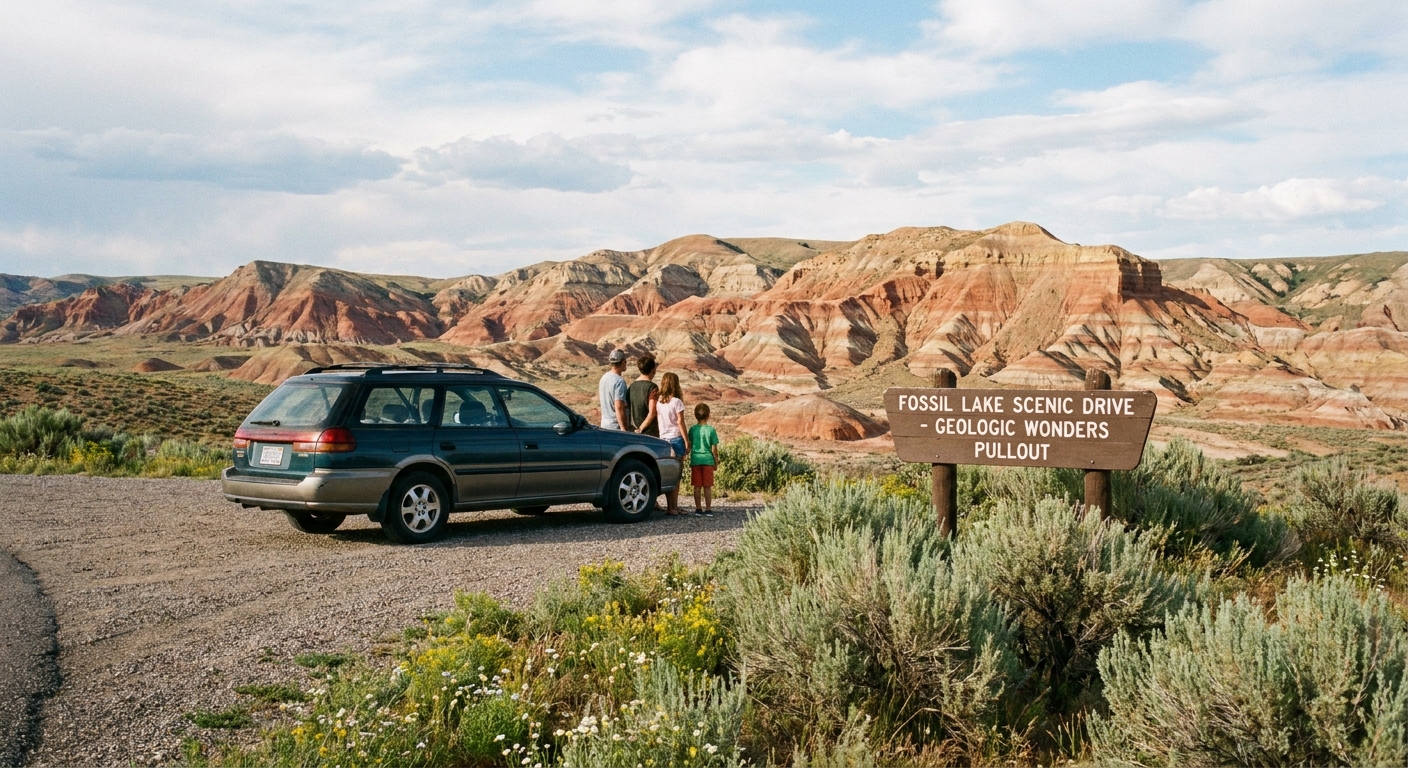
The Fossil Lake Scenic Drive is your easiest way to understand the monument’s geology without committing to longer mileage. Even if you are not a “drive person,” the pullouts here are genuinely useful, each one offering a different angle on the butte’s layered slopes and the broad basin that once held the lake.
What to look for at pullouts
- Layered rock bands that visually hint at time passing in thin slices.
- Wide basin views that help you imagine an ancient lake spreading across today’s desert.
- Wildlife sightings, especially birds riding the wind and small mammals darting through sage.
Plan to stop often, even briefly. A two-minute hop out of the car can completely change how you read the landscape.
Best seasons
Spring (April to early June)
Often the sweet spot. Days are longer, the air is crisp, and you have a better chance of hiking without the full force of midsummer heat. Expect wind, and expect it to change your plans.
Summer (mid-June to August)
Bright, hot, and exposed. This is the season where your experience depends on timing. Aim for morning hikes, visitor center midday, and scenic pullouts later when the light softens.
Fall (September to October)
Another favorite. Cooler temps and clear skies make for excellent visibility and hiking comfort. Nights can get cold fast.
Winter (November to March)
Stark and beautiful, but conditions can be unpredictable and services limited. Only plan winter visits if you are comfortable with high desert winter driving and variable access.
Safety notes
Sun exposure is the main challenge
This landscape is open and reflective. Even on mild days, the sun can feel intense.
- Wear a wide-brim hat and sunscreen.
- Bring more water than you think you need.
- Consider light long sleeves for UV protection rather than relying on sunscreen alone.
Rattlesnakes
Rattlesnakes can be present in Wyoming’s lower-elevation, rocky, and sagebrush habitats during warm months. Most issues come from surprise encounters on trail edges.
- Stay on trail and watch where you step, especially near rocks and shrubs.
- Do not put hands or feet where you cannot see.
- If you hear a rattle, stop, locate the sound, and give space. Back away slowly and detour widely if needed.
Wind and storms
Wind can turn a pleasant overlook into a gritty face-full of dust. Pack sunglasses, secure hats, and avoid exposed high points during lightning.
Pair it with a road trip
Kemmerer
Kemmerer is the natural base for Fossil Butte. It is close, practical, and a smart place to refuel both your gas tank and your snack stash. If you are doing a relaxed day, consider:
- Morning: Visitor center first, then Historic Quarry Trail before the day heats up.
- Midday: Scenic Drive pullouts at a slower pace, with plenty of short stops.
- Afternoon: Back to Kemmerer for a late lunch, then continue your drive east or south.
Bear Lake
If you are road-tripping across the Wyoming-Utah-Idaho corner, Fossil Butte pairs beautifully with Bear Lake. The contrast is the fun part: fossil-rich high desert in the morning, then water and lake-town comforts later.
- Make it a two-stop day: Fossil Butte for a few hours, then drive onward to Bear Lake for sunset and dinner.
- Carry-on-only friendly packing idea: Keep a small “desert kit” accessible, meaning water, sun gear, a salty snack, and a light layer. Toss your swim things in the trunk for the lake later.
If you are chasing the best of both worlds, this is the move: fossils and big geology early, then a lakeside stroll and a cozy meal to end the day.
Half-day itinerary
- Arrive and start inside at the visitor center to get the story straight.
- Hike Historic Quarry Trail (2.5-mile loop) while it is cool.
- Drive Fossil Lake Scenic Drive, stopping at every pullout that catches your eye.
- Optional second hike on the Nature Trail (1.5-mile loop) if the weather is kind and you still have water.
- Head to Kemmerer or continue to Bear Lake for food and a softer landing.
Fossil Butte is not a place that overwhelms you with options. It is a place that rewards attention. Give it a few hours, bring water, and let your imagination do the rest.