Franklin Falls Trail (Denny Creek): What to Know Before You Go

Maya Lin
Maya Lin is a travel journalist and outdoor enthusiast who believes the best trips combine rugged adventures with urban comforts. After spending six years backpacking across four continents, she founded Trail & Town Guide to help fellow travelers navigate both hidden mountain passes and bustling city neighborhoods with confidence.
Franklin Falls is my go-to “I have two hours and still want a real waterfall” hike near Snoqualmie Pass. It is close enough to Seattle to feel almost too convenient, but once you drop into the mossy forest and hear the river start to roar, the freeway fades fast. This guide sticks to the classic short route from the Denny Creek exit, with the practical details that make the difference between a smooth outing and a frustrating one.
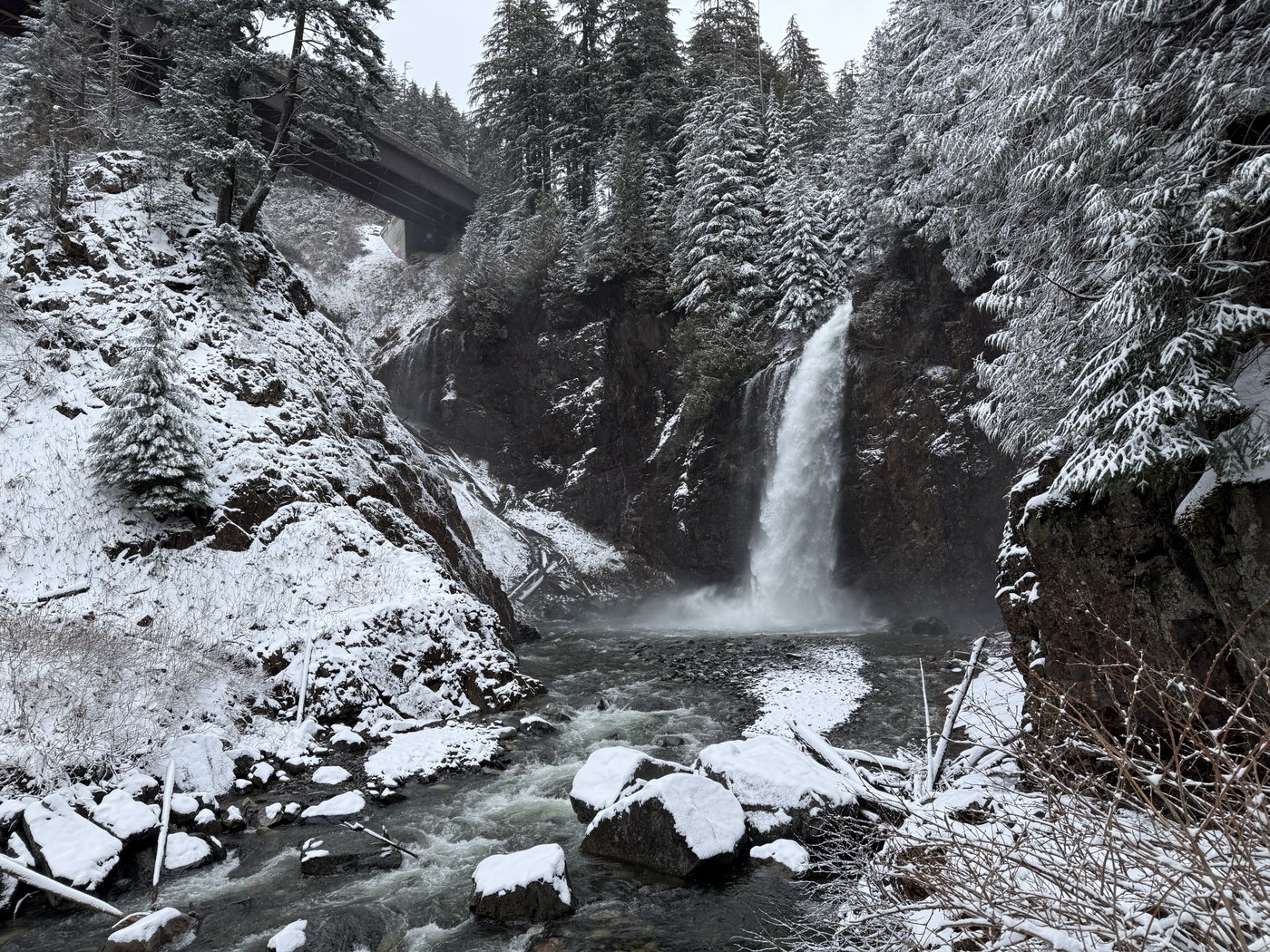
At a glance
- Trailhead: Denny Creek area (Mt. Baker-Snoqualmie National Forest) off I-90
- Distance: About 2 miles round trip (plan on 1.8 to 2.2 depending on where you park and which spur you take)
- Elevation gain: Roughly 300 to 400 feet, with a noticeable drop toward the falls and a steady climb back out
- Time: 1 to 2.5 hours depending on crowds and photo stops
- Difficulty: Easy to moderate, but the final approach can be muddy, slick, and uneven
- Best seasons: Spring through fall for straightforward hiking; winter can turn it into an ice and traction situation
How to get there
From Interstate 90, take Exit 47 (Denny Creek) near Snoqualmie Pass and follow signs for the Denny Creek Recreation Area. The access roads and parking are all clustered in the same general zone, so you will see a mix of families, hikers, and people setting up for longer adventures in the valley.
Local reality check: this is one of the most popular short hikes near Snoqualmie Pass. On weekends, arriving early makes everything easier, especially parking. If you are coming in winter, treat Snoqualmie Pass like a real mountain pass and check current road conditions before you go.
Parking and passes
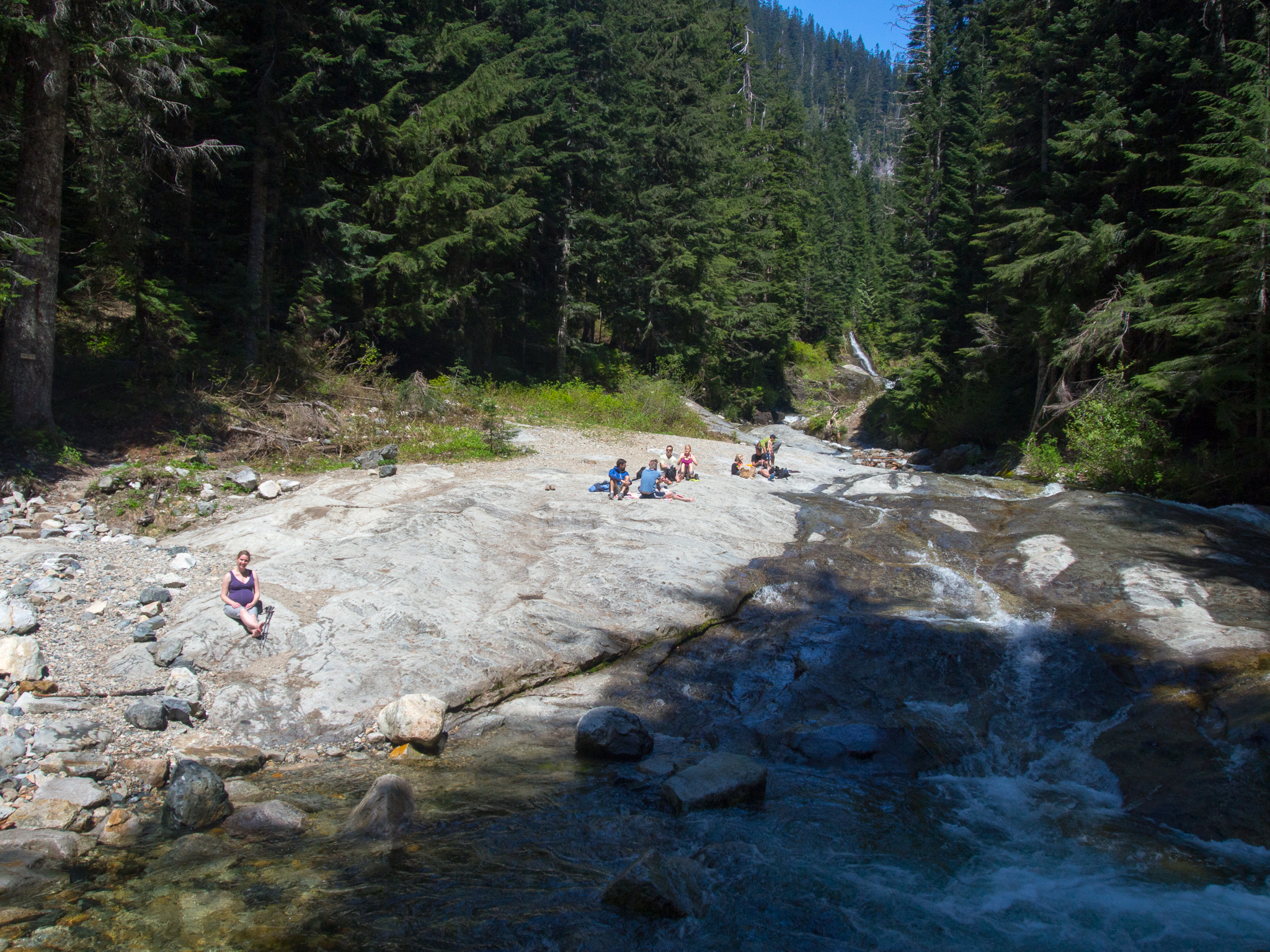
Parking for Franklin Falls is usually in USFS-managed lots in the Denny Creek area. A Northwest Forest Pass is commonly required at signed trailhead lots here, but requirements can vary by the specific lot or pullout. My rule is simple: check the posted signs where you park and confirm current guidance before you go if you want zero surprises.
Tip: If the main lots are full, people often try nearby pullouts. Park only where it is clearly allowed and fully off the roadway. Parking enforcement is common along this corridor, and it is not worth gambling your day on a sketchy shoulder spot.
Know before you go
- Trail conditions change fast: This area gets hammered by weather and foot traffic. If you are heading out in shoulder season or winter, it is worth checking the latest conditions report before you commit.
- Dogs: Dogs are typically allowed on USFS trails. Keep yours leashed near the gorge and on crowded sections. This is not the place for surprise sprinting.
- Restrooms: Vault toilets are often available in the Denny Creek recreation area, but facilities can be seasonal. I do not assume anything is open unless I see it.
The hike
The walk starts off gently through Cascades forest: big evergreens, sword ferns, and that damp, woodsy smell that makes you feel like you are somewhere much farther from the city than you really are.
As you near the falls, it gets rockier and rootier, with slick spots after rain. The sound changes first, then you catch glimpses of whitewater through the trees, and finally the gorge opens up into the main viewpoint zone.
Footing and access
- This is not stroller-friendly or wheelchair-friendly.
- Kids who are comfortable walking on uneven ground usually do fine, but I keep them close near the gorge.
- Trail runners are fine in dry summer conditions, but in shoulder seasons I prefer hiking shoes with decent tread.
Best viewpoint
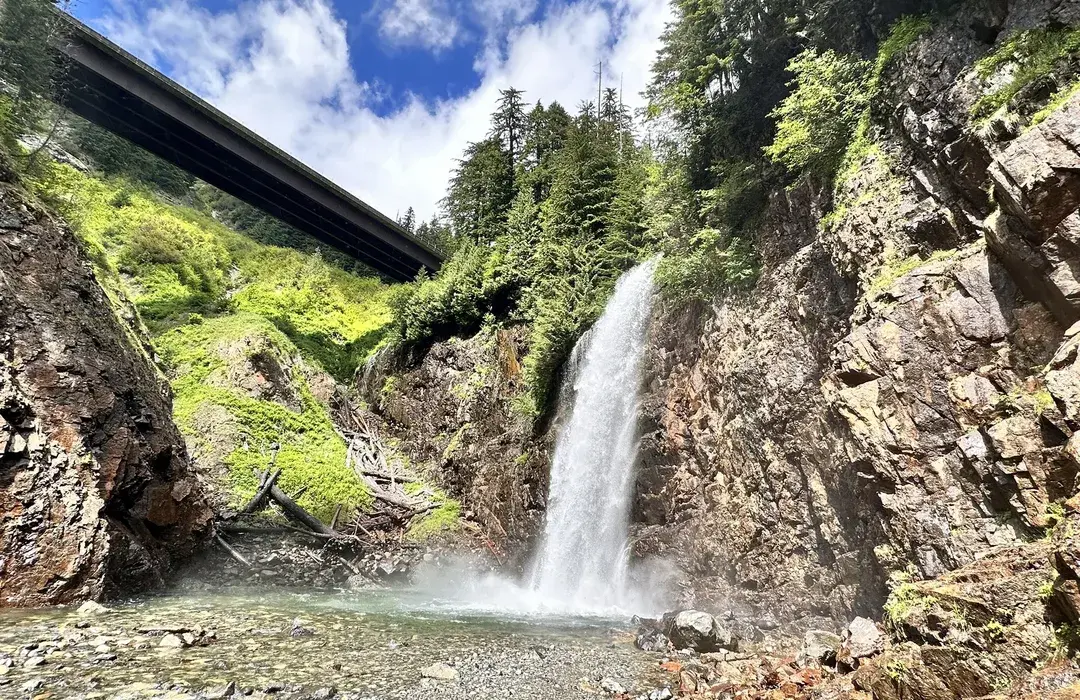
Franklin Falls drops into a narrow rocky slot, and the most common viewpoint is at the trail end where you can see the waterfall spilling into the gorge. This is the classic photo spot and the easiest place to soak in the roar without doing anything questionable.
You may notice social paths that continue closer to the water or down toward the gorge. Conditions change every season, and the rocks can be slick even when they look dry. I treat the area like a coastline: admire it, photograph it, respect it, and do not assume the “obvious” route is safe just because other footprints exist. The gorge edge is steep and unforgiving, and a slip here can be fatal.
- For photos: morning and late afternoon often give softer light through the trees.
- For comfort: bring a light layer even in summer. The spray and shade can feel chilly.
Winter safety
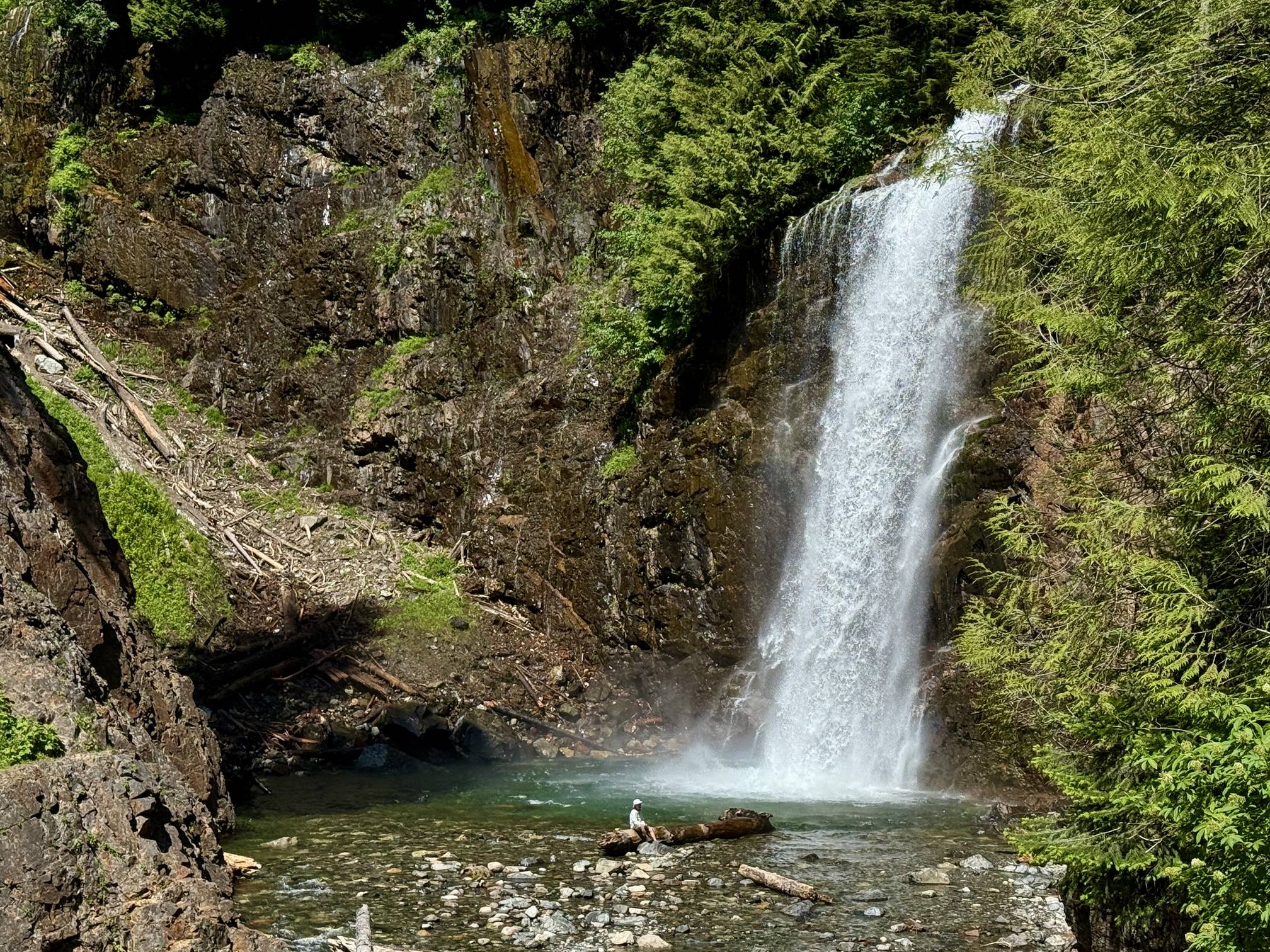
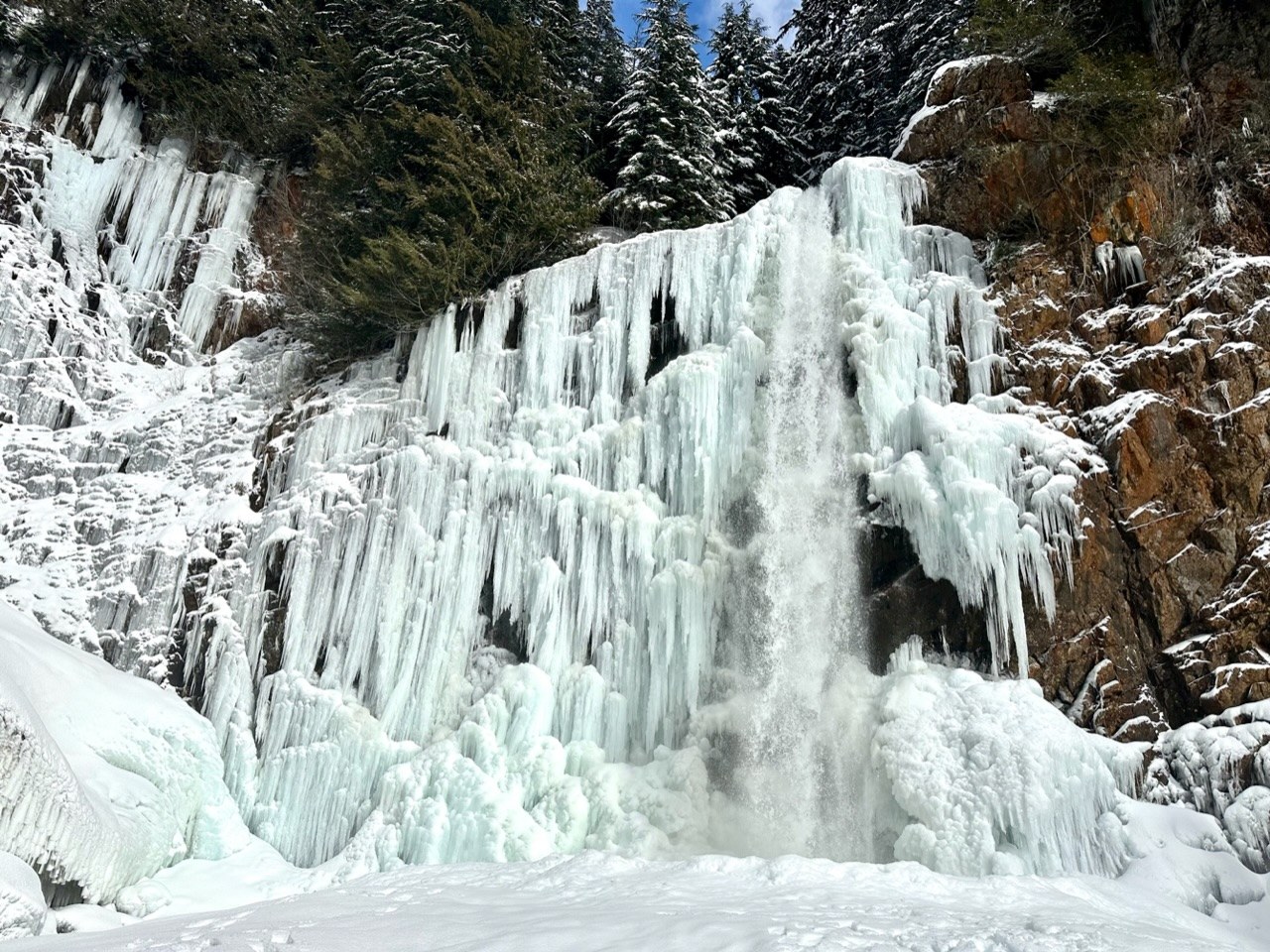
In winter, Franklin Falls can transform from an easy outing into a hike where traction is not optional. Snow compacts into slick paths, and the final approach can become a polished chute of ice from constant foot traffic. The waterfall itself may partially freeze, which is beautiful, but it also draws people into colder, icier, and more hazardous terrain.
What I pack
- Microspikes or similar traction (I bring them even if the parking lot looks fine)
- Trekking poles if you like extra stability
- Warm layers for standing around at the falls, not just walking
- Dry socks in the car for the post-hike comfort win
Ice safety note: Avoid going onto icy ledges near the gorge. The combination of steep terrain, hard ice, and cold water is the kind of risk that escalates instantly.
Vs Wallace Falls
If you have done Wallace Falls near Gold Bar, the biggest difference is the setting and scale of the outing.
- Franklin Falls: a short, punchy hike off I-90 near Snoqualmie Pass, with a dramatic gorge viewpoint and a big payoff for minimal mileage.
- Wallace Falls: a longer-feeling state park-style experience near Gold Bar with multiple waterfall viewpoints at different tiers and a more gradual, maintained trail vibe overall.
I think of Franklin Falls as a quick mountain-side reset, while Wallace Falls feels more like a half-day forest walk where the waterfalls arrive in stages.
Tips
- Go early: Parking and trail crowding are the biggest friction points here.
- Stay on durable paths: The gorge edge is not the place to improvise.
- Pack out everything: Including coffee cups, orange peels, and dog bags. This area sees heavy use and it shows quickly.
- Plan a warm stop: Snoqualmie Pass and North Bend are both close enough for a warm drink and a snack, which is my favorite way to turn a short hike into a full, satisfying mini day-trip.
FAQ
Is Franklin Falls good for beginners?
Yes, especially in dry summer conditions. Just be prepared for uneven footing near the end and keep a conservative distance from the gorge edge.
Do I need a pass?
Often, yes. Many USFS lots in the Denny Creek area are signed for the Northwest Forest Pass, but it can vary by where you park. Check the posted signage at your parking spot and confirm current guidance before your trip.
Can I hike Franklin Falls in winter?
You can, but bring traction and treat the trail like a winter conditions hike, not a casual walk. Ice is common and the final approach is where most people underestimate it.
Is this the same area as the longer Denny Creek hikes?
It starts from the same general Denny Creek access area, but Franklin Falls is its own short outing. If you are looking for longer lake objectives in this zone, those deserve their own separate planning and time.