Glacier National Park in September

Maya Lin
Maya Lin is a travel journalist and outdoor enthusiast who believes the best trips combine rugged adventures with urban comforts. After spending six years backpacking across four continents, she founded Trail & Town Guide to help fellow travelers navigate both hidden mountain passes and bustling city neighborhoods with confidence.
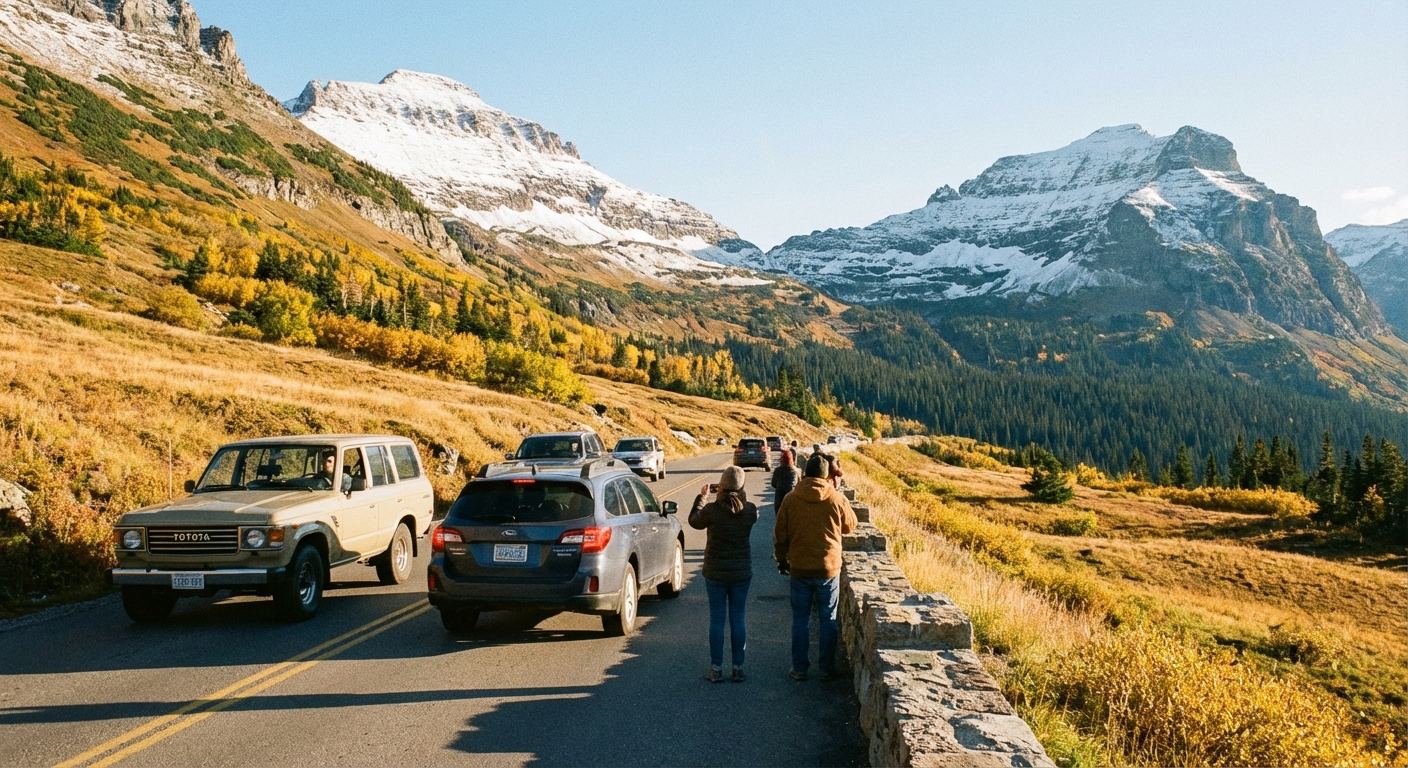
September is my favorite kind of Glacier month: the park starts to exhale, the light goes honey-gold, and you can still stack big days on the trail without feeling like you are hiking in a conga line. But it is also the month where Glacier reminds you who is in charge. One cold front can dust the high passes. One wind shift can push wildfire smoke into the valleys. One rockslide or construction update can change how you move across the park.
This guide is a shoulder-season lens on the classics, especially Going-to-the-Sun Road. You will get realistic expectations for crowds, weather, what is usually open, and how to pivot fast with backup loops so your trip still feels seamless.
September at a glance
- Best for: cooler hiking temps, fewer peak-summer crowds, fall color starting, wildlife activity, easier parking at some trailheads (not all).
- Hard truths: early snow can temporarily close high country, daylight drops quickly, and wildfire smoke is a real variable.
- Trip style sweet spot: 4 to 7 days, with one anchor plan plus two backups you can swap in without wasting driving time.
If you only remember one thing: build your itinerary around flexibility. September rewards travelers who can reorder days.
Reservations and entry
Before you lock in any plan for September, check whether the park is using a Vehicle Reservation System (timed entry) for the year you are visiting. In recent years, reservations have often applied to popular corridors like Going-to-the-Sun Road and, at times, Many Glacier and other areas, usually through early to mid-September. The exact dates, locations, and rules change year to year.
- Do this first: check the official NPS Glacier page for vehicle reservations and current conditions, then build your itinerary around what is actually required.
- Plan for two outcomes: a day where you have a reservation and can commit to a corridor, and a day where you do not and you pivot to a different area or start earlier.
Crowds
Early September still feels like summer
Labor Day week and the first full week after can still be busy, especially along Going-to-the-Sun Road, Logan Pass, Many Glacier, and the big-name lake trails. Lodging stays tight, and midday parking can be a grind.
Mid-September is the sweet spot
By the second and third weeks, families thin out, tour traffic eases, and the park feels less like peak season. Popular trailheads still fill, just later in the morning.
Late September is quieter, and moodier
Fewer people, more chance of frost, and a higher likelihood that a storm disrupts high elevation plans. If your dream is alpine overlooks and you can only visit late in the month, plan to start early and keep a low-elevation alternative ready.
Huckleberry crowds can happen
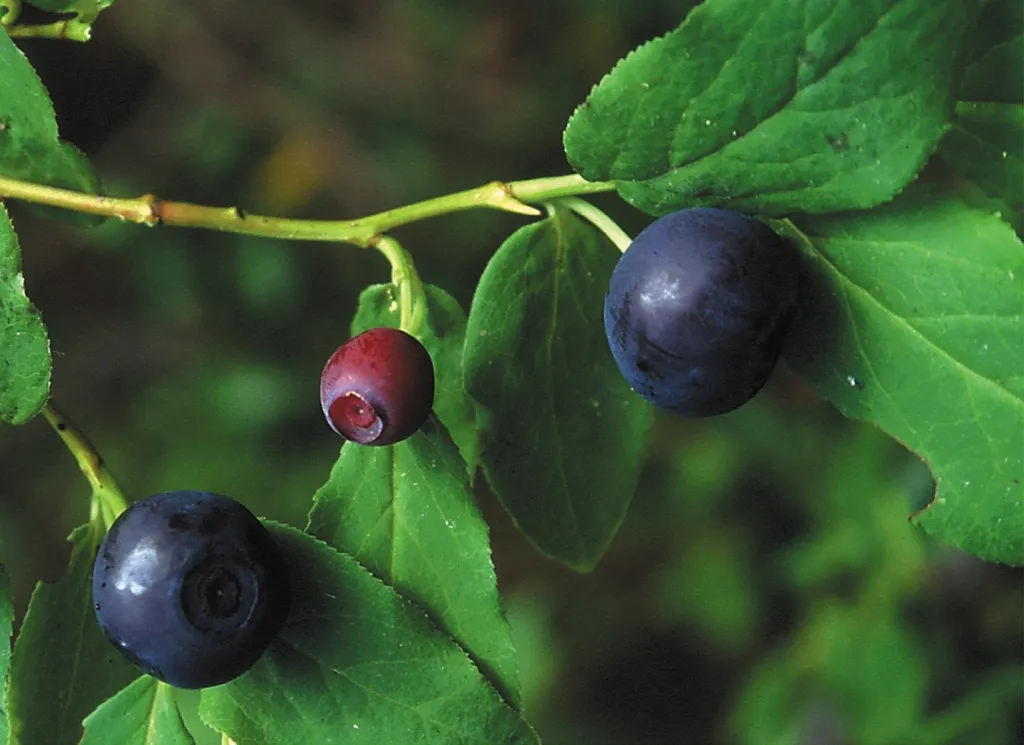
September often overlaps with huckleberry season in and around Glacier, depending on elevation and the year. Translation: you may see locals and visitors pulled over at berry patches (and yes, bears also love this buffet). Expect occasional slowdowns on roadsides and be extra bear-aware on berry-heavy trails.
Weather and trails
September in Glacier can feel like three seasons in one day. Mornings can be cold, afternoons can be warm in the valleys, and the high passes can flip into winter mode fast.
Typical patterns
- Cool mornings: frost is common, especially in shaded valleys.
- Comfortable hiking temps: many days are ideal for long miles, particularly on exposed trails that feel brutal in July.
- Fast-changing high country: Logan Pass and the Garden Wall area are among the first places to see early snow and wind.
- Shorter days: sunset comes earlier, which matters for long point-to-point hikes and for driving Going-to-the-Sun Road without rushing.
Daylight reality
Daylight drops faster than most people expect. Roughly speaking, early September gives you something like 13 hours of light, while late September can be closer to 11 to 12 hours. Build itineraries that finish with cushion, not headlamps.
My September packing shortlist
- Layers: a warm midlayer plus a wind shell. If you run cold, add a light puffy.
- Rain gear: a real rain jacket, not just a just-in-case one.
- Hat and gloves: small, high payoff on chilly mornings.
- Traction optional: microspikes can be useful after an early snow, but not always necessary. Bring them if conditions warrant it, not just because the internet told you to.
- Bear spray: carry it on hikes and know how to use it.
September rule: if you can only pack one extra item, pack warmth. A cold wind at Logan Pass can feel personal.
Going-to-the-Sun Road
Going-to-the-Sun Road is still the spine of a Glacier trip in September, but the experience changes. Think fewer peak-summer patterns, more shoulder-season variability, and higher stakes for weather.
Is the road open?
Often, yes, especially early and mid-month. But September is when you are more likely to see temporary closures from snow, icy conditions, rockfall, or maintenance and construction work. Even if the road is open end-to-end, certain pullouts can close, and parking at Logan Pass can still fill fast on clear weekends.
If you want the most accurate, real-time answer, treat the NPS road status page as part of your morning coffee routine.
Shuttles in September
Shuttle operations can change year to year, and shoulder-season service may be reduced or end earlier than you expect. If you are hoping to rely on the shuttle, verify the current season dates and frequency for the year you are visiting. If shuttles are limited, your plan should lean toward earlier starts and fewer trailhead hops.
What this means for your day
- Start earlier than you think: aim to be rolling before the late-morning rush if Logan Pass is on your list.
- Build a two-side day: pick one primary area (West Glacier side or St. Mary side) and one optional crossing. If the pass is sketchy, you still have a full day.
- Expect slower driving: wildlife sightings, roadside berry pickers, and photo stops all add time.
Logan Pass bottleneck
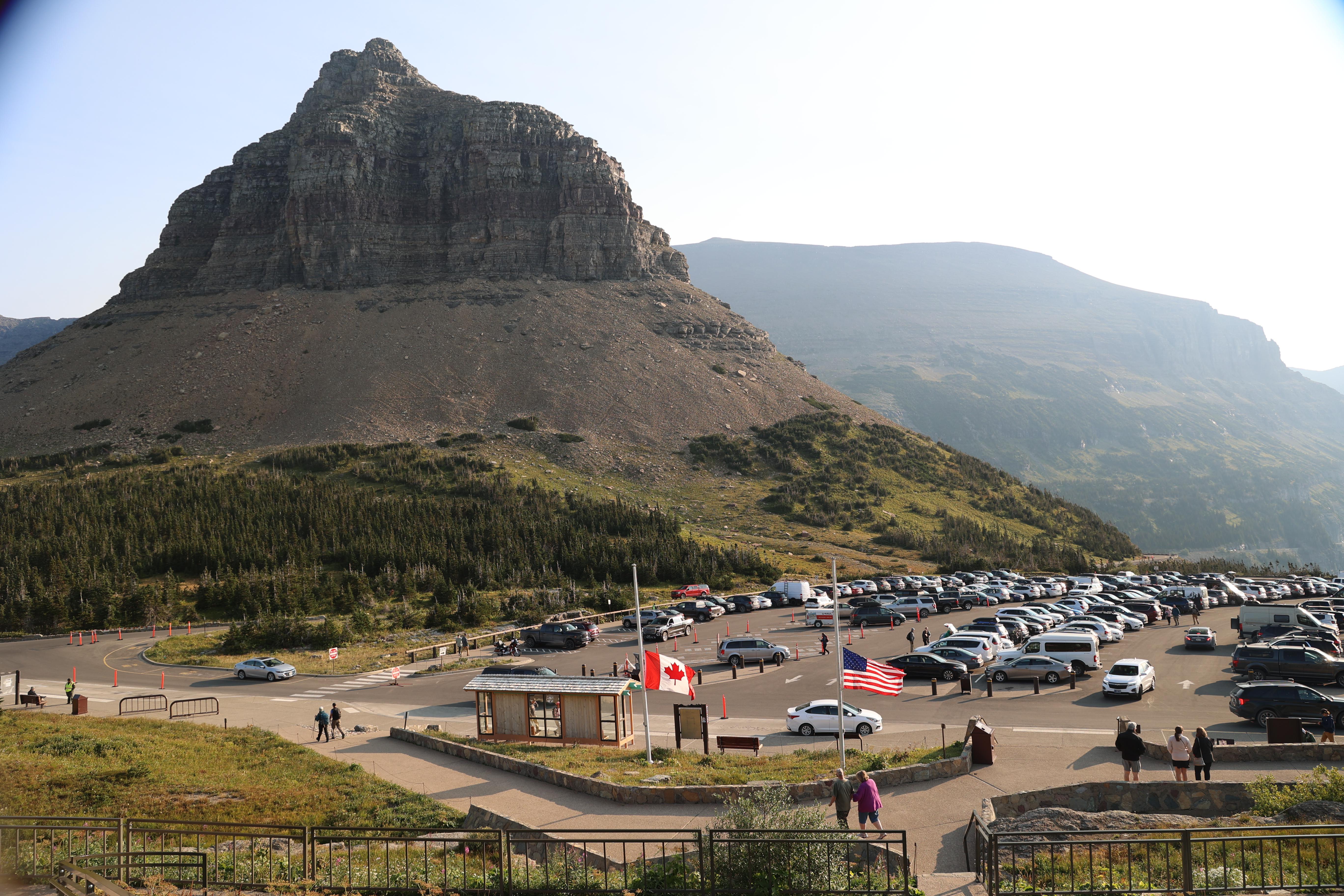
Logan Pass remains the park’s central pinch point. On a crisp bluebird Saturday, it can still feel like July. The best tactic is simple: arrive early, or plan a trail that starts elsewhere and save the pass for a late-afternoon drive-by when people start heading out.
September highlights
1) High routes on cooler days
Cooler temps make exposed routes more comfortable. If the weather is stable, this is prime time for big viewpoints. Keep your eye on wind and any early snow advisories.
2) Rafting wind-down
Commercial rafting seasons around Glacier often taper in September, but late-season schedules and conditions vary by outfitter, water levels, and weather. If rafting is a must-do, book early and confirm operating dates. If it is a nice-to-have, treat it as a flexible add-on for a warm, clear day.
3) Golden light and early color
Aspens and shrubs begin shifting, and the lower sun angle makes the entire park look more dramatic. It is an easy month to come home with photos that look like you had a professional lighting crew.
4) Town recovery days
This is the month to blend trail mornings with town afternoons. Plan one intentional soft landing day to wander Whitefish or Kalispell, grab a strong local coffee, and let your legs reset.
Backup planning
Problem 1: Smoke
Smoke can turn epic viewpoints into a gray blur and aggravate breathing, especially on long climbs. The trick is not to push through. It is to pivot to places where you can still have a great day.
- Best smoke pivots: forested trails, lakeside walks, waterfall corridors, and short hikes that do not rely on huge vistas.
- Concrete ideas: Trail of the Cedars and Avalanche Lake (west side) are classic choices when you want trees and water. St. Mary Falls and Virginia Falls can also work well when you want a rewarding trail without betting the entire day on distant visibility. Always confirm trail status and closures before you go.
- Town reset: build in time to retreat to town for an afternoon if air quality dips, then hike early the next morning if conditions improve.
Problem 2: Road or high-country closures
Early snow or unsafe conditions can temporarily limit access at higher elevations, and Going-to-the-Sun Road can be affected. Your solution is to have loops that keep you on one side of the park without feeling like a consolation prize.
Backup loops
These loops are designed so you can swap them in with minimal mental effort. Pick a home base, then choose the loop that fits the day’s conditions.
Loop A: West side easy day (Apgar and Lake McDonald)
Best when: smoke is moderate, you want forest and water, or high country is questionable.
- Morning: Trail of the Cedars, Avalanche area, or lakeshore wandering near Lake McDonald.
- Midday: scenic drive with pullouts as conditions allow.
- Late day: sunset at the lake if skies are clear.
Loop B: St. Mary and East side without committing to the pass
Best when: Going-to-the-Sun Road is open partially, or you want to avoid the Logan Pass parking gamble.
- Morning: start early on East side trails and overlooks.
- Midday: picnic and short walks near the St. Mary area.
- Optional: if conditions are great, drive up toward the pass and turn around before crowds or weather build.
Loop C: Many Glacier focus day
Best when: you have a clear forecast and want classic Glacier drama.
- Go early: this area can still get busy in September, and parking can fill.
- Choose one big hike: commit to a signature route rather than hopping trailheads.
- Wildlife awareness: berry season plus fewer people can mean more wildlife presence on trails. Hike in groups when you can and stay alert.
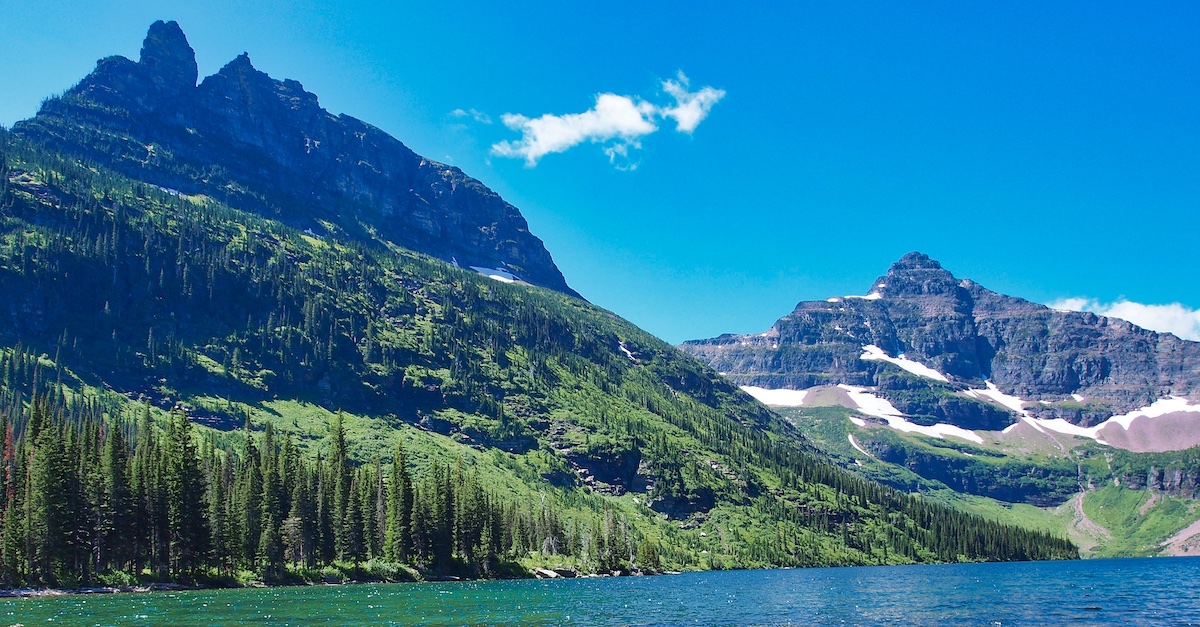
Loop D: Two Medicine calm day
Best when: you want fewer people, a mix of water and mountain views, or you need a Plan B that still feels like Glacier.
- Morning: lakeside walking and a moderate hike.
- Afternoon: scenic pullouts and a relaxed pace.
- Bonus: this is a great loop when the main corridor feels crowded.
How to reorder days
Here is the simple decision framework I use in September:
If the forecast is clear for one day only
- Use that day for Going-to-the-Sun Road plus a high-elevation hike.
- Save lakeside and forested trails for the uncertain days.
If smoke rolls in
- Swap summit-style hikes for waterfalls, lakes, and forest corridors.
- Move big-view drives to early morning or after a wind shift if visibility improves.
If early snow hits Logan Pass
- Stay lower: pick West side lakes, Two Medicine, or other lower elevation options.
- Drive only as far as conditions safely allow, then turn it into a scenic half-day and spend the rest in town.
If parking is the problem
- Flip your day: sunrise start, midday town break, late-afternoon short hike.
- Avoid trailhead pinball. Choose one area and commit.
Where to stay
For a Sun Road heavy trip
- West Glacier or Apgar: easy access to Lake McDonald and the west entrance.
- St. Mary: strong for early starts on the east side and quicker access to Many Glacier and Two Medicine drives.
For easy pivots
- Whitefish: more dining, good urban comfort energy, and an easy reset when weather goes sideways.
- East side small towns: quieter nights and faster trail access, with fewer amenities.
If you are trying to split the difference, I like a two-base approach for 6 to 7 days: a few nights on the west side, then a few nights on the east side. It reduces long daily drives and makes sudden road changes less painful.
Seasonal services
Late September is when Glacier can start to feel like it is easing toward fall operations. Some lodges, campgrounds, ranger programs, and food services may reduce hours or close as the month goes on. Do not assume your favorite store, café, or campground is running on July hours. Check the park’s current operating status before you arrive, especially if you are arriving midweek or late in the month.
Safety notes
- Bear safety is not seasonal. Carry bear spray, keep it accessible, and make noise on brushy sections.
- Give wildlife space. Mountain goats and bighorn sheep are common in high country areas, and bears can be more active around berry patches. Follow NPS distance guidance and never push in for a photo.
- Start earlier. Shorter daylight plus slower road travel can trap you in hike-ends-at-dusk territory.
- Watch for icy mornings. Shaded road sections and bridges can be slick even when the day warms up.
- Do not chase a view through smoke. If air quality is poor, pivot to a lower-exertion day or a town day.
Sample 5-day plan
Day 1: West side warm-up
Lake McDonald area hikes and viewpoints. Backup-friendly and great after travel.
Day 2: Sun Road and Logan Pass (conditions permitting)
Start early. If Logan Pass is packed, shuttles are limited, or conditions are unstable, shift to East side overlooks and turn around before the pass.
Day 3: Many Glacier big day
Commit early. If smoke is heavy, do a shorter lakeside option and save your big climb for the clearest day.
Day 4: Two Medicine quieter loop
A calmer pace, solid scenery, and less dependence on high-country access.
Day 5: Float day
Use this day for whatever you missed: a second attempt at the pass, rafting if available, or a town and coffee reset if conditions are rough.
Quick checklist
- Confirm road status, advisories, and any vehicle reservation requirements the night before and the morning of your drive.
- Choose one best-weather day for your top high-elevation goal.
- Keep two backup loops ready: one low-elevation, one on the opposite side of the park.
- Pack layers, rain protection, and bear spray.
- Plan for earlier starts and earlier dinners.
September in Glacier is about reading the room: the sky, the wind, the road report, and your own energy. Do that, and you get the kind of trip that feels both rugged and easy, like you earned the mountains but still made it back for a warm meal.