Grand Canyon North Rim vs South Rim: Best Day Trip by Season and Drive Time

Maya Lin
Maya Lin is a travel journalist and outdoor enthusiast who believes the best trips combine rugged adventures with urban comforts. After spending six years backpacking across four continents, she founded Trail & Town Guide to help fellow travelers navigate both hidden mountain passes and bustling city neighborhoods with confidence.
I love the Grand Canyon for the same reason I love a city with a great trailhead: it rewards both the quick hit and the deep dive. But the Canyon has a built-in curveball. The North Rim and South Rim are not “two sides of the same place” for day-trippers. They feel like different parks, with different seasons, different road realities, and different kinds of views.
If you are deciding where to spend one day, here is the no-drama way to choose: start with when you are going (because seasonal closures are real), then work backward through drive time, weather, and how many overlooks you want.
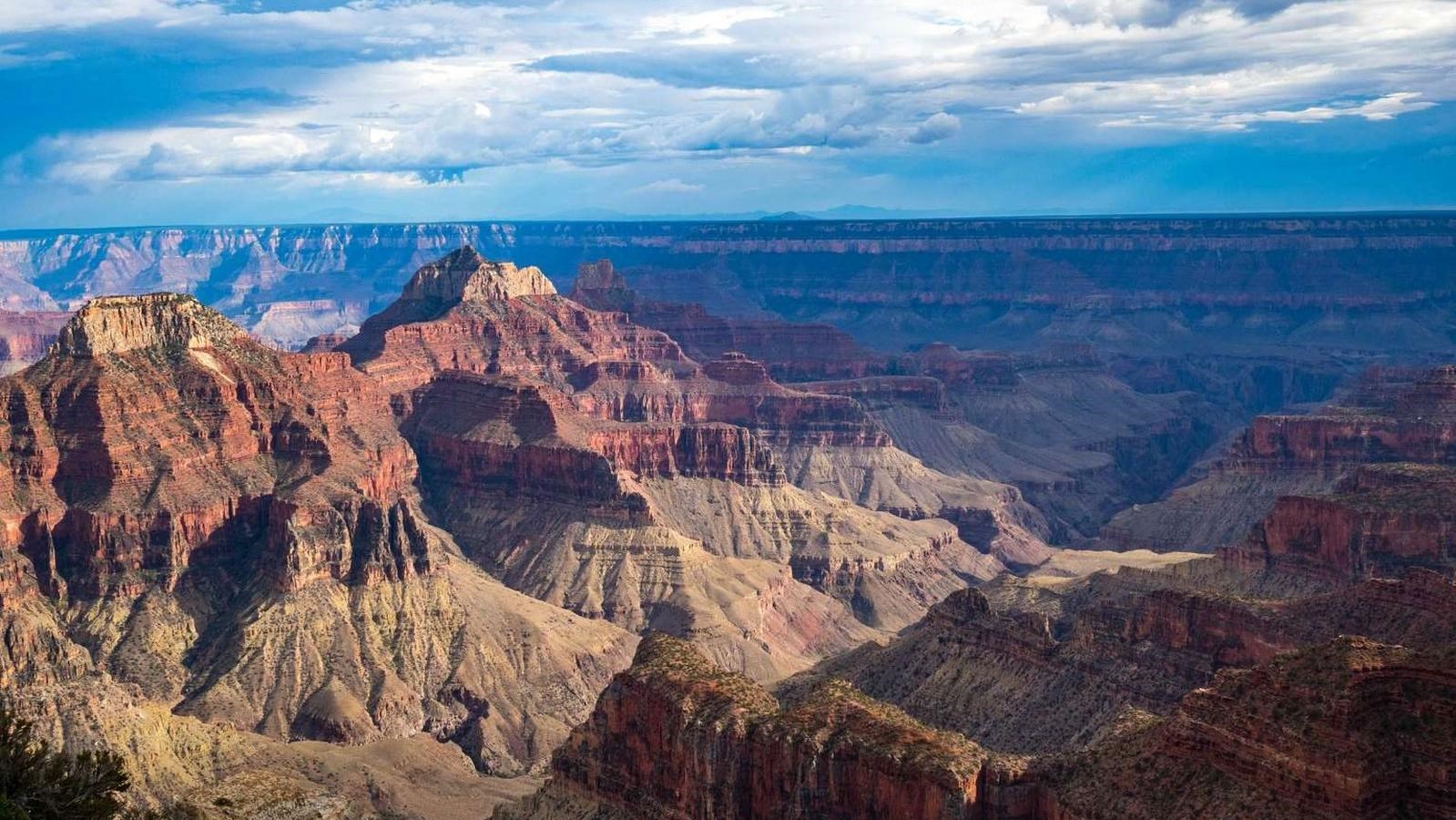
The fastest call: is the North Rim open?
For many travelers, the decision is made for you by the calendar.
North Rim seasonal reality
- North Rim facilities and services are typically open mid-May through mid-October (often around May 15 to October 15). Exact dates vary by year, and some services can open or close on slightly different schedules.
- Highway 67 (the main road to the North Rim) typically closes for winter after mid-October and reopens around mid-May, depending on snow.
- When Highway 67 is closed, the North Rim is not accessible by car for a normal day trip. That makes the South Rim the only practical option for most visitors.
South Rim access
- South Rim is open year-round.
- Roads can still be impacted by snow, especially during winter storms, but the rim does not have the same seasonal shutdown as the North Rim.
Bottom line: If you are traveling in late October through mid-May, plan on the South Rim. If you are traveling in summer to early fall and can handle a longer drive, the North Rim becomes a serious contender.
Drive time: why “just do both” is not a thing
This is the part that surprises first-timers. The Canyon is vast, and there is no bridge across it near the main visitor areas. Driving between rims is a long loop around.
Typical drive times (ballpark)
- North Rim visitor area to South Rim (Grand Canyon Village): roughly 4.5 to 5.5 hours one-way (often longer with stops, wildlife, or construction). Not recommended as a same-day “do both rims” plan.
- Flagstaff to South Rim (Grand Canyon Village): about 1.5 hours one-way.
- Williams to South Rim (Grand Canyon Village): about 1 hour one-way.
- Page, Arizona to North Rim visitor area: about 2 to 2.75 hours one-way, depending on whether you mean Jacob Lake or the rim itself.
- Kanab, Utah to North Rim visitor area: about 1.5 to 2 hours one-way.
- St. George, Utah to North Rim visitor area: about 2.5 to 3 hours one-way.
- Las Vegas to South Rim (Grand Canyon Village): commonly 4.5 to 5+ hours one-way.
- Las Vegas to North Rim visitor area: commonly 4.5 to 5.5+ hours one-way.
Day trip rule of thumb: pick the rim that keeps you under 3 hours each way if you want time for viewpoints, a short walk, and a meal without feeling like your whole day is windshield.
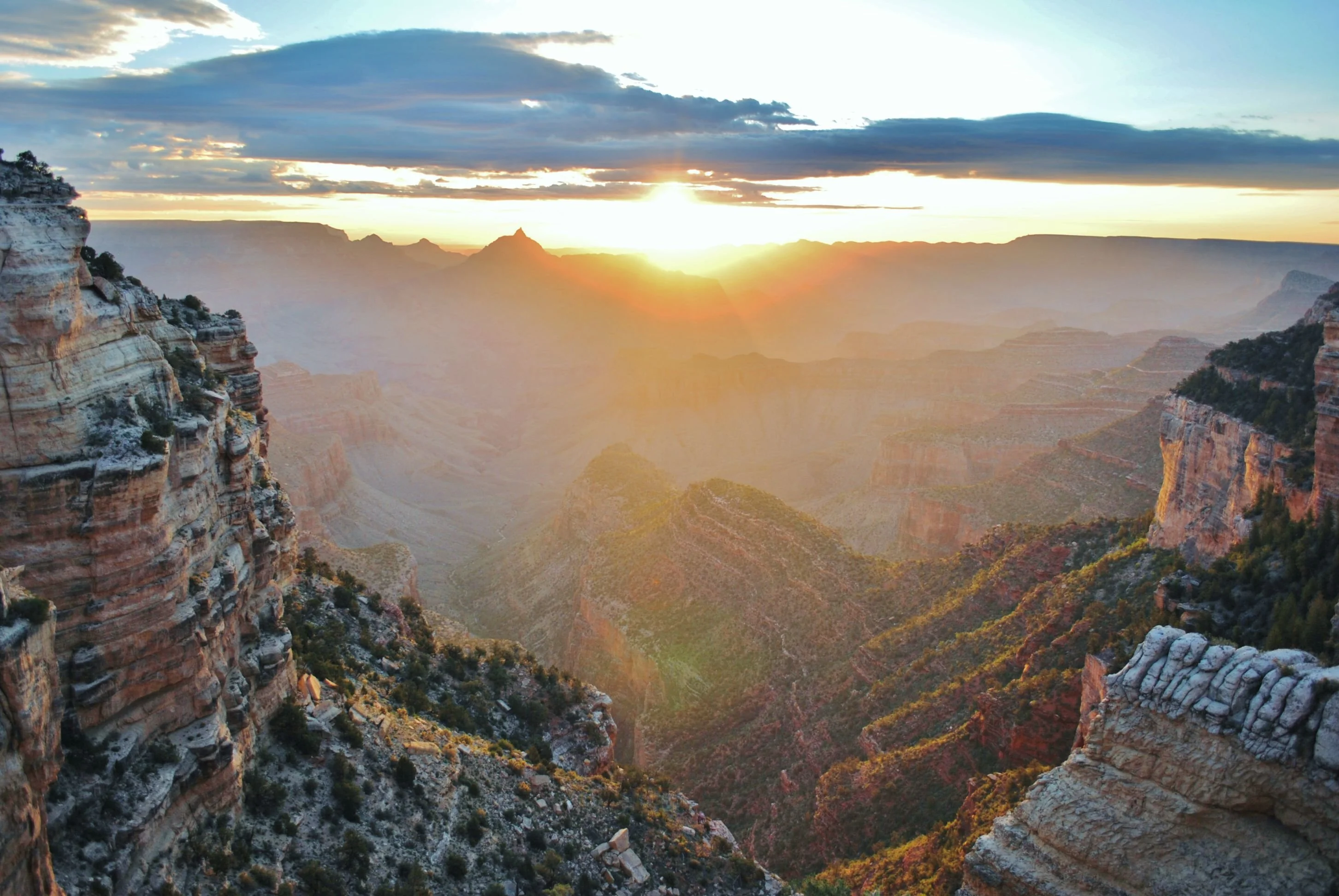
Elevation and weather: different climates
If you only remember one thing, make it this: the North Rim is higher, which means it is cooler and gets more snow. That is why it closes.
North Rim weather vibe
- Higher elevation (around 8,000 to 8,300 feet).
- Cooler summer days than the South Rim, with crisp mornings and evenings even in peak season.
- More likely to see late spring and early fall cold snaps.
- Winter snow is a big deal, which drives closures.
South Rim weather vibe
- Lower than the North Rim (around 6,800 to 7,000 feet near Grand Canyon Village), but still high enough for winter snow.
- Hotter overall and often feels busier and brighter in summer.
- Year-round access makes it the default for winter and shoulder-season trips.
Important day-trip note: Rim temperatures are not the same as inner canyon temperatures. Hiking even a short distance below the rim can feel dramatically hotter, especially late spring through early fall. Pack water and sun protection even if the rim is breezy.
Viewpoints: quick hits vs fewer big stops
For a one-day plan, the number and ease of viewpoints matters. If you love stacking “wow moments” back-to-back, the South Rim tends to deliver more efficiently.
South Rim: more overlooks, more variety
- High concentration of viewpoints along Hermit Road (shuttle-only much of the year) and Desert View Drive.
- Easy classics for a first timer: Mather Point, Yavapai Point, and Desert View (including the Watchtower).
- More paved paths, more signage, more shuttle support, and more options to build a flexible day.
North Rim: fewer stops, calmer feel
- Fewer developed viewpoints, but they feel more intimate and forest-framed.
- Signature stops that punch above their weight: Bright Angel Point, Cape Royal, and Point Imperial.
- Less bustle, especially early morning and late afternoon.
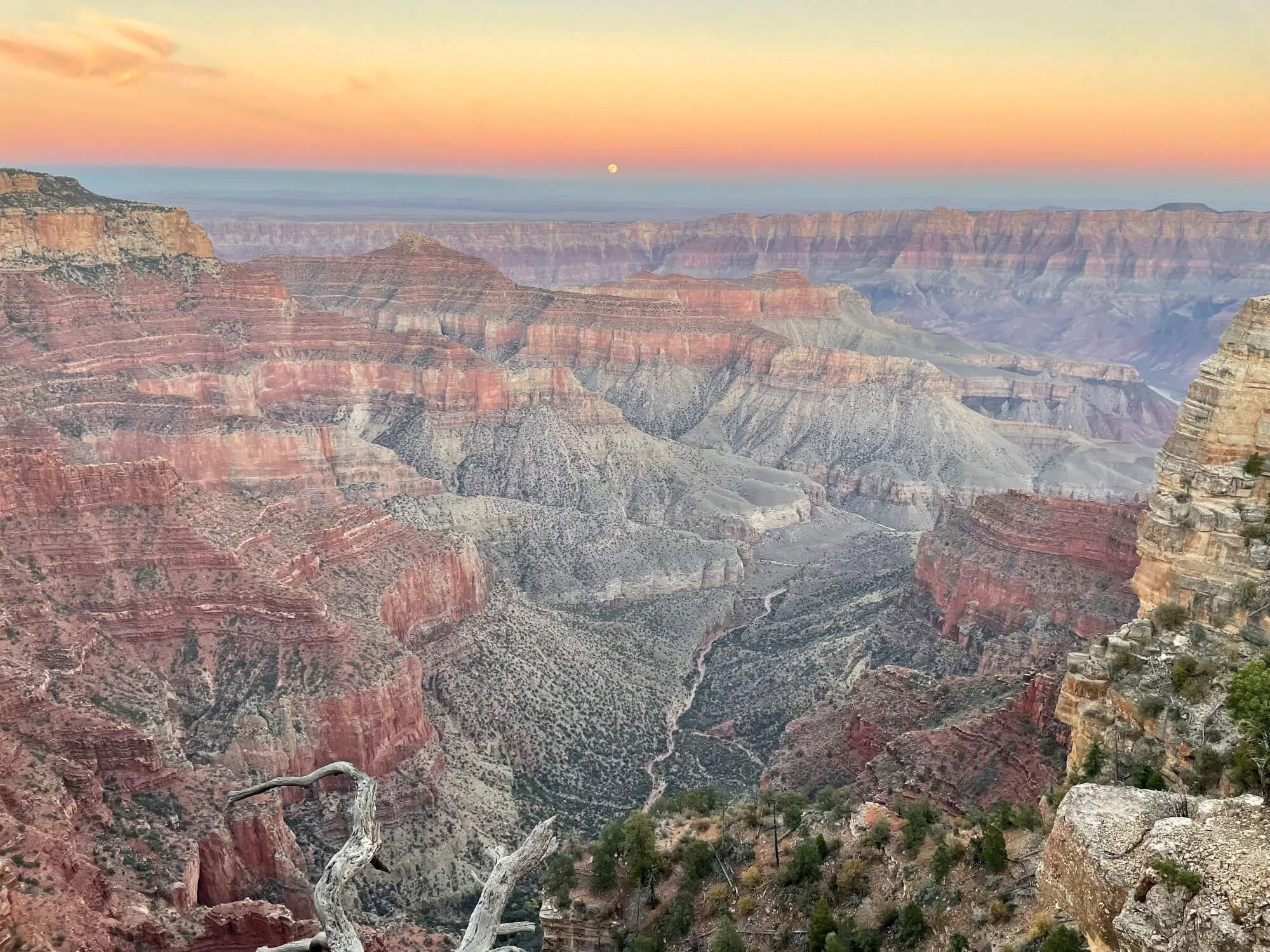
Crowds: busy hub vs quieter rim
Both rims are popular, but they wear popularity differently.
South Rim crowd pattern
- Busier year-round, especially spring break, summer, and fall weekends.
- Parking near Grand Canyon Village and major overlooks can be challenging midday.
- The upside is more services: more food options, more lodging, more tours, more shuttles.
North Rim crowd pattern
- Shorter season, fewer visitors, and a quieter atmosphere.
- Still gets busy in peak summer and around holiday weekends, but it rarely feels like the South Rim at its most packed.
- Because services are limited, lodging books early and dining options are fewer.
If you want calmer: choose North Rim when it is open, or visit the South Rim at sunrise, in winter, or midweek.
Where to stay for a day trip
If you can spend one night, you will turn a rushed day into a genuinely good one. Here is how to pick a base that matches the rim you are visiting.
Staying for the South Rim
- Grand Canyon Village (inside the park): unbeatable for sunrise and sunset access with minimal driving. Great if you want to ditch your car and use shuttles.
- Tusayan: closest town just outside the entrance, convenient and often easier for last-minute availability.
- Williams or Flagstaff: solid for budget and food variety, but you will spend more time driving.
Staying for the North Rim
- North Rim lodging (near the rim): the best way to experience the peaceful evening and early morning light. Limited rooms, book well ahead.
- Jacob Lake area: a practical backup base if rim lodging is full, still closer than southern Arizona hubs.
- Kanab or Page: doable if you accept a longer day trip drive, and good if you are combining with other routes in southern Utah or near Lake Powell.
Carry-on-only tip from someone who hates repacking: if you are road-tripping the region, plan your loop so you sleep near the rim you visit. Driving a long approach in the dark after sunset gets old fast.
Best rim by season
Use this as your shortcut if you do not want to overthink it.
Winter (December to February)
- Pick: South Rim. The North Rim road is typically closed.
- Expect cold temperatures, possible snow, and fewer crowds.
- Bring traction if storms are in the forecast and check road conditions before you go.
Spring (March to May)
- Early spring: South Rim is usually your best and often only option.
- Late spring: North Rim may open around mid-May, but opening dates vary with snowpack.
- South Rim can get crowded around spring break and holidays.
Summer (June to August)
- Pick: North Rim if you want cooler temperatures and a quieter feel, and you can handle the drive.
- Pick: South Rim if you want maximum viewpoints, easier logistics, and more services.
- Monsoon storms often build in the afternoon. Lightning and sudden downpours are real. Plan exposed viewpoints earlier when you can, and keep an eye on the sky.
Fall (September to November)
- September to mid-October: prime time for North Rim, with crisp air and golden light.
- Late October to November: North Rim closures typically kick in, making South Rim the practical choice.
- South Rim in November can be a sweet spot: fewer crowds, cooler hiking temps.
When each rim makes sense
South Rim makes the most sense when:
- Highway 67 to the North Rim is closed (typically mid-October to mid-May).
- You need year-round services, more lodging choices, or public shuttles.
- You are doing a day trip from Flagstaff, Williams, Sedona, or Phoenix and want the shortest drive.
North Rim is often the better fit when:
- It is open season (mid-May through mid-October) and you want cooler temperatures.
- You prioritize lower crowd levels over having lots of viewpoints.
- You are approaching from southern Utah, Page, Kanab, or St. George and the drive time works in your favor.
One honest clarification: there are not many scenarios where the North Rim is your only option, because the South Rim stays open year-round. The main “North Rim makes more sense” situation is peak summer when you want a more relaxed day with cooler air, or when your road trip route puts you naturally closer to the North Rim than the South Rim.
Simple one-day itineraries
South Rim day trip: classic and viewpoint-rich
- Arrive early for easier parking and softer light.
- Walk a rim trail segment near Grand Canyon Village for an immediate Canyon hit without committing to a big descent.
- Use the shuttle corridors or drive Desert View Drive (typically open to private vehicles) to stack overlooks efficiently.
- Stay for sunset if you can, then drive back carefully. Wildlife is common after dark.
North Rim day trip: slower and cooler
- Start with a signature overlook near the visitor area, like Bright Angel Point, to get oriented.
- Plan one short walk instead of many quick stops. The charm is the forest-to-canyon contrast.
- Eat earlier than you think. Dining options are limited and lines can form at peak times.
- Leave time for the drive. Roads can be dark and remote at night.
Safety and logistics
- Inner canyon reality check: going below the rim is optional, and heat ramps up fast as you descend. If you hike down, set a conservative turnaround time and save rim-to-river-and-back ambitions for a dedicated plan, not a casual day trip.
- Shuttle and road notes: Hermit Road is shuttle-only much of the year. Desert View Drive is typically open to private vehicles, but conditions and occasional closures can happen. Check the park updates before you commit.
- Accessibility: if you want easy, paved viewpoints, the South Rim has more of them clustered close together. The North Rim has great viewpoints too, but you may do more short walks between forest and overlooks.
Before you go: quick checklist
- Confirm North Rim status if traveling near opening or closing dates. Conditions can shift year to year.
- Check road and weather the morning of your trip, especially in winter and during monsoon season.
- Pack layers. Rim mornings can be cold even when nearby desert towns are warm.
- Bring more water than you think, plus salty snacks.
- Plan fuel if heading to the North Rim. Services are more spread out.
If you are torn and traveling in summer, my personal tiebreaker is simple: North Rim for peace and cooler air, South Rim for first-time wow and maximum viewpoints. Either way, show up early and let the Canyon have the first word.