Grand Canyon West vs South Rim

Maya Lin
Maya Lin is a travel journalist and outdoor enthusiast who believes the best trips combine rugged adventures with urban comforts. After spending six years backpacking across four continents, she founded Trail & Town Guide to help fellow travelers navigate both hidden mountain passes and bustling city neighborhoods with confidence.
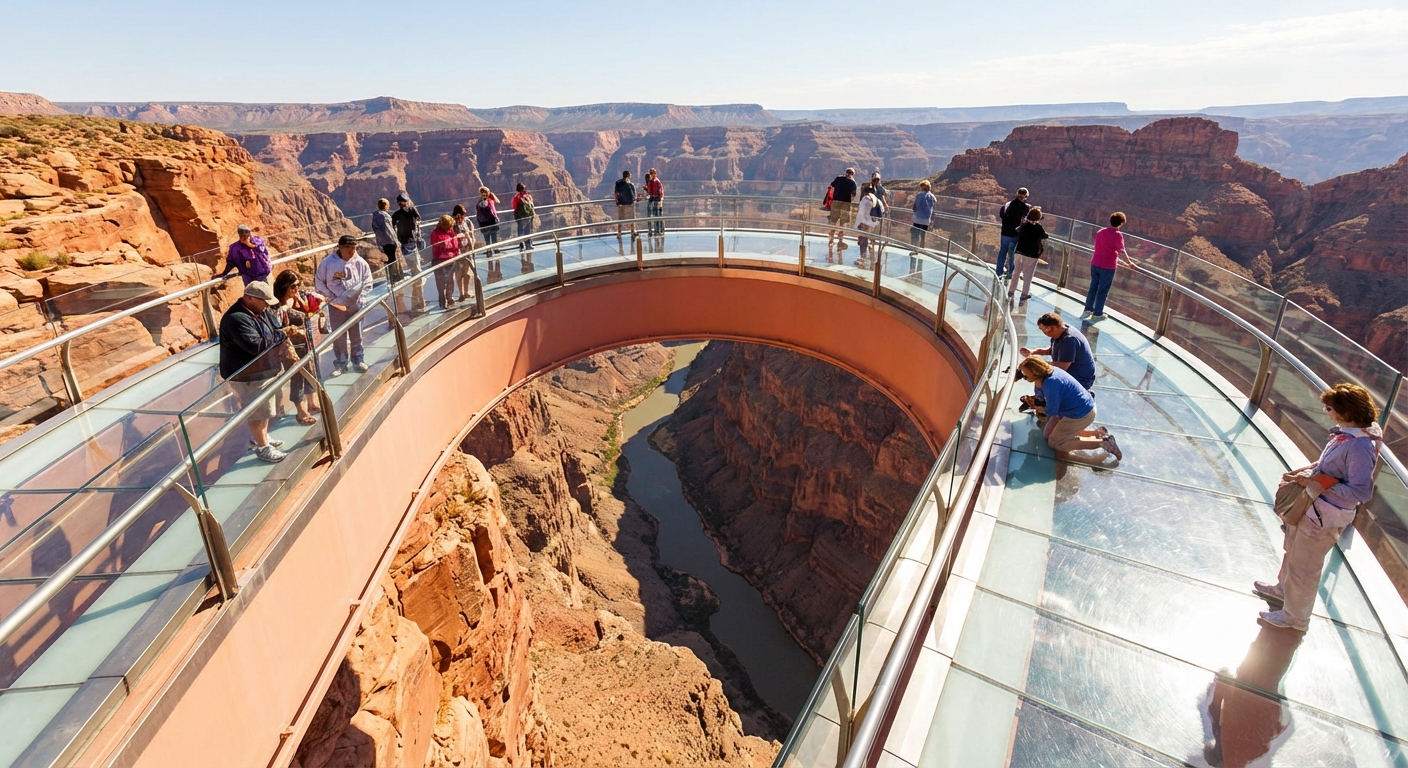
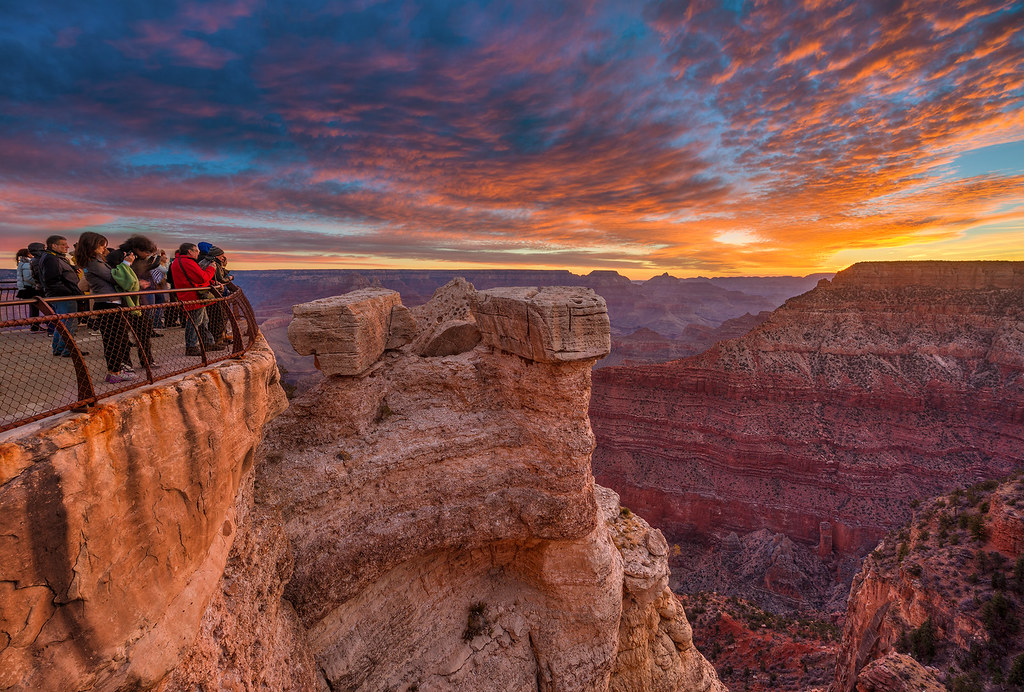
If you are in Las Vegas and the words “Grand Canyon” land in your lap like a last minute buffet reservation, you basically have two very different experiences on the table. Grand Canyon West is the closest and most packaged, anchored by the glass Skywalk on Hualapai Tribal lands. The South Rim is the classic national park version most people picture, with long viewpoints, shuttles, and that slow, cinematic unfolding of the canyon.
This is the decision point: West Rim is an impulse-friendly, pay-to-play look. South Rim is a longer day with the classic national park feel and generally better value if you want more than a quick photo.
At a glance: West vs South
- Distance from Las Vegas: West Rim is significantly closer; the South Rim is a full day commitment or an overnight.
- Who runs it: West Rim is on Hualapai Tribal lands. South Rim is within Grand Canyon National Park (NPS).
- How you see the canyon: West Rim is a few main stops with ticketed access and add-ons. South Rim is a long rim drive and many viewpoints, plus shuttles and walking paths.
- Photography rules: West Rim has stricter policies around the Skywalk. South Rim is generally photo friendly with standard NPS rules.
- Cost structure: West Rim is usually a higher per-person spend once you stack packages, Skywalk, and transport. South Rim is typically cheaper per day, especially if you use the NPS entry pass and bring your own food (though lodging inside or near the park can change that fast).
Drive times from Las Vegas
Reality check: drive times vary a lot with traffic leaving Vegas, road work, Hoover Dam area slowdowns, and winter storms near the South Rim. Fuel up and download offline maps before you go because service can get spotty.
Las Vegas to Grand Canyon West (Skywalk area)
Typical drive time: about 2 to 2.5 hours each way (roughly 125 to 135 miles one way depending on your exact start point and routing). It is close enough to do as a “half day” outing, but most self-drive days still land in the 7 to 9 hour range once you add shuttles, lines, and time at viewpoints.
Route feel: desert highway, then smaller roads as you approach the tribal area. Services thin out, so pack water in Vegas.
Las Vegas to Grand Canyon South Rim (Grand Canyon Village area)
Typical drive time: about 4.5 to 5 hours each way (roughly 275 to 285 miles one way) under normal conditions. This is why the South Rim is a “start early or sleep there” situation. If you are doing it as a day trip, think dawn departure and a late return.
Route feel: mostly easy highway miles, then you enter a more forested high plateau near the park. Winter conditions can impact drive time on the South Rim side, including snow and occasional chain restrictions.
Cost stacks: what you actually pay
Here is the honest truth: most sticker shock happens at the West Rim because the entry experience is built around packages and add-ons. The South Rim looks simpler because it is a national park with a straightforward entry fee.
Grand Canyon West: typical fees to expect
- Base admission: often sold as a package that includes shuttle access between main points (such as Eagle Point and Guano Point). Pricing changes frequently by season and operator.
- Skywalk: usually an additional ticket on top of base admission.
- Photos on the Skywalk: personal cameras are typically restricted on the Skywalk itself, so if you want the classic “standing on glass” shot, expect paid photo packages.
- Transport add-ons: some visitors pay extra for on-site transfers, upgrades, or guided add-ons. If you book a tour from Las Vegas, the tour price can include some of this but not always all optional extras.
- Food: outside food and coolers are generally prohibited at Grand Canyon West (water is the exception), so plan on buying meals on-site.
South Rim: typical fees to expect
- National Park entry fee: one vehicle fee (or per-person if arriving without a private vehicle), valid for multiple days. If you have an America the Beautiful annual pass, it typically covers entry.
- Shuttles: the in-park shuttle system is generally included with entry (seasonal routes vary).
- Parking: included, but popular lots fill, which is why shuttles matter.
- Food and lodging: you can keep costs low by bringing snacks and a picnic, or go full comfort with lodges and dining rooms in the park area. Peak season lodging can be pricey, so book early if you want to stay close.
Bottom line on budget: If you are trying to minimize total spend, the South Rim usually wins unless you are paying for an overnight hotel at peak rates. If you are optimizing for shortest time and simplest “I saw it” logistics, West Rim wins, but it is often the pricier look per hour.
Tribal-land rules
Grand Canyon West is operated by the Hualapai Tribe. That comes with cultural and operational rules that are different from the National Park Service. None of this is inherently negative, but it is important to know what you are agreeing to so you are not frustrated on arrival.
What to expect at Grand Canyon West
- Different policies than NPS: you are not in the national park, so do not assume NPS rules and passes apply.
- Photography restrictions in specific areas: the Skywalk is the big one. Policies are designed for safety, crowd flow, and how the attraction is operated.
- Respect for cultural space: you may encounter cultural presentations, vendors, or areas where behavior expectations are more explicit. Treat it like visiting a community, not just a viewpoint.
What to expect at the South Rim
- NPS rules: consistent policies, clear signage, and a visitor center oriented around education and safety.
- Wide open photography: personal cameras and phones are generally fine throughout viewpoints and trails, with typical restrictions around drones and wildlife harassment.
- More public land feel: there are concessions and lodges, but you can also build a very DIY day with your own food and a simple plan.
Skywalk logistics
The Skywalk is a specific kind of attraction: short, high impact, heavily managed. If you want that feeling of stepping out over the void, it is memorable. If you are expecting the quiet, expansive wandering that the Grand Canyon is famous for, the Skywalk can feel more like an event venue than a national park moment.
What it usually involves
- Timed flow: you move through in a controlled pattern, especially during busy hours.
- Personal item restrictions: you may be required to store phones or cameras before stepping onto the glass.
- Official photos: plan on buying them if you want proof you did it.
- Short duration on the glass: your “on the Skywalk” time is often shorter than people imagine once groups are moving.
How to make it worth it
- Go early: lighter crowds usually mean a smoother experience and less waiting.
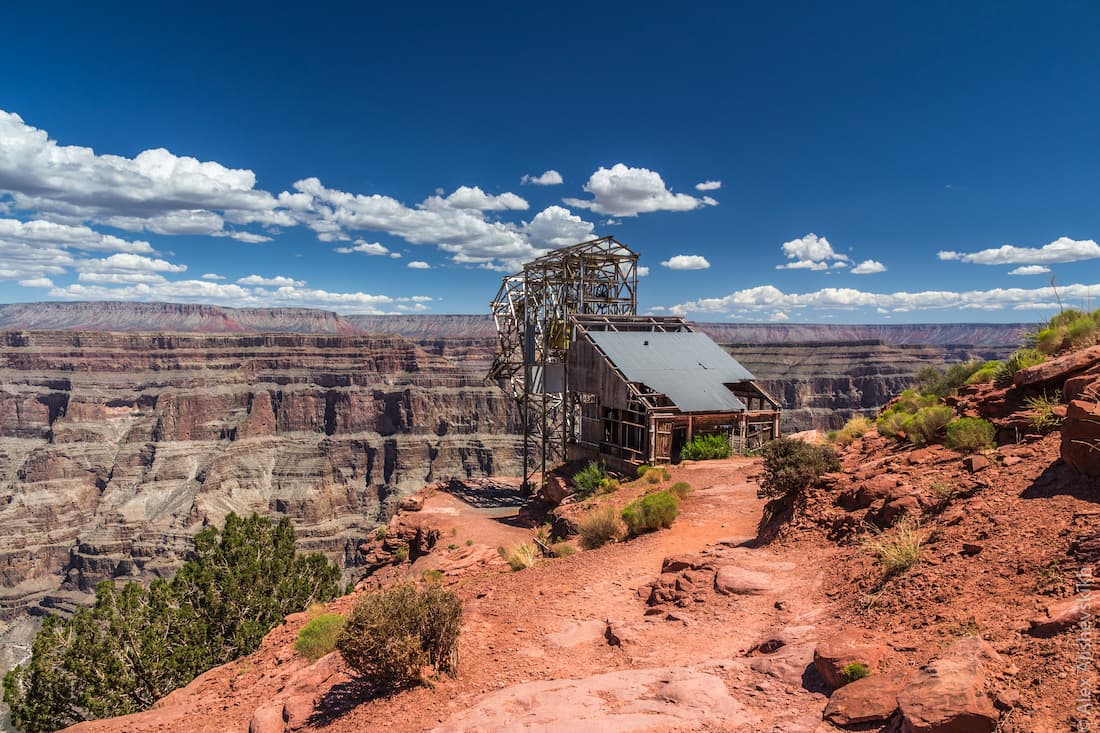
- Pair it with Guano Point: if you are already paying to get out there, make time for viewpoints that feel more open and less controlled.
- Set expectations: treat the Skywalk as a signature stop, not the entire Grand Canyon experience.
Photography rules
Grand Canyon West (Skywalk area)
- Skywalk: personal photography is commonly restricted on the glass walkway. Expect to rely on official photographers if you want photos on the Skywalk itself.
- Other viewpoints: policies can vary by specific area and event programming. When in doubt, ask staff before setting up tripods or professional gear.
South Rim (National Park)
- Personal photography: widely allowed at overlooks and along rim paths.
- Drones: prohibited in Grand Canyon National Park.
- Tripods and sunrise shoots: common and usually fine as long as you are not blocking walkways or railings.
Tip from someone who travels carry-on only: bring a small lens cloth, a backup battery, and downloaded maps. Canyon dust and cold mornings drain phones fast, and service is not guaranteed.
Weather and seasons
- West Rim: lower, hotter, and more exposed. Summer heat can be intense, so plan extra water and shade breaks.
- South Rim: higher elevation, cooler, and more likely to see snow and ice in winter. Even in shoulder season, mornings can feel sharp.
If you are picking purely for comfort: West Rim is often easier in winter, South Rim is often nicer in summer if you hate extreme heat.
Safety basics
- Hydrate: desert air lies to you. Drink water before you feel thirsty.
- Watch storms: summer monsoon lightning is real. If clouds build, move away from exposed rims.
- Stay back: take the railings seriously. Loose rock and strong gusts are not dramatic flourishes.
- Parking strategy: South Rim lots fill. Arrive early and use shuttles instead of circling like it is a sport.
Which rim fits you
Choose Grand Canyon West if you are…
- Time-crunched: you have a half day window and want the closest canyon experience from Vegas.
- Chasing a specific attraction: the Skywalk is the point, not just “a canyon view.”
- Okay with higher per-hour costs: convenience and a marquee moment matter more than breadth.
Choose the South Rim if you are…
- After the classic Grand Canyon: iconic overlooks, longer rim walks, and the national park atmosphere.
- Value-conscious: you want a full day of views without stacking add-on fees.
- Comfortable with an early start: you can handle the drive or, better, stay overnight.
- Interested in more planning options: shuttles, visitor centers, and a wide range of viewpoints.
If your schedule is tight, West Rim scratches the itch. If your curiosity is bigger than your checklist, the South Rim rewards you for slowing down.
Sample itineraries
Option A: West Rim (self-drive half day)
- 7:30 am: leave Las Vegas with water
- 10:00 am: arrive, orient, shuttle to Eagle Point
- Late morning: Skywalk time window and viewpoints
- Lunch: buy food on-site (outside food and coolers are not allowed, water is the exception)
- Afternoon: Guano Point for wider canyon views
- 5:00 pm: drive back toward Las Vegas
Option B: South Rim (long day, better overnight)
- 5:00 am: leave Las Vegas
- 10:00 am: arrive South Rim area, park and use shuttles
- Midday: pick 2 to 4 overlooks and a rim walk segment
- Late afternoon: golden hour viewpoint
- Evening: drive back (late) or stay overnight for a calmer second day
If you want help building a South Rim day that does not feel like a frantic scavenger hunt, start here: Grand Canyon National Park planning basics (NPS). For Town Wander planning ideas and logistics, browse our South Rim hub: Grand Canyon South Rim planning on Town Wander.
What surprised me
West Rim can feel like an attraction complex, especially at peak hours. That can be a plus if you want clear wayfinding and a set experience. The South Rim can feel more like a living place, with families on the rim trail, photographers parked at overlooks, and that hush that hits when you stop talking and just listen to the wind.
Either way, the canyon is still the canyon. The trick is picking the version that matches your time, budget, and patience for rules.
Quick checklist
- I have about 7 to 9 hours total (self-drive): West Rim (and keep expectations tight).
- I have 4 to 6 hours total: consider a helicopter or air tour instead, or save the canyon for another day.
- I have a full day and want the classic park: South Rim.
- I mainly want a photo standing over the canyon: West Rim Skywalk (budget for official photos).
- I want lots of viewpoints and freedom to roam: South Rim.
- I dislike add-on pricing: South Rim.
Whichever you choose, pack water, a layer (the rim can be chilly even when Vegas is hot), and leave room in your day for the moment when the canyon stops being a landmark and becomes a landscape you can actually feel.