Hanging Lake Hike: Permits, Rules, Best Time to Go

Maya Lin
Maya Lin is a travel journalist and outdoor enthusiast who believes the best trips combine rugged adventures with urban comforts. After spending six years backpacking across four continents, she founded Trail & Town Guide to help fellow travelers navigate both hidden mountain passes and bustling city neighborhoods with confidence.
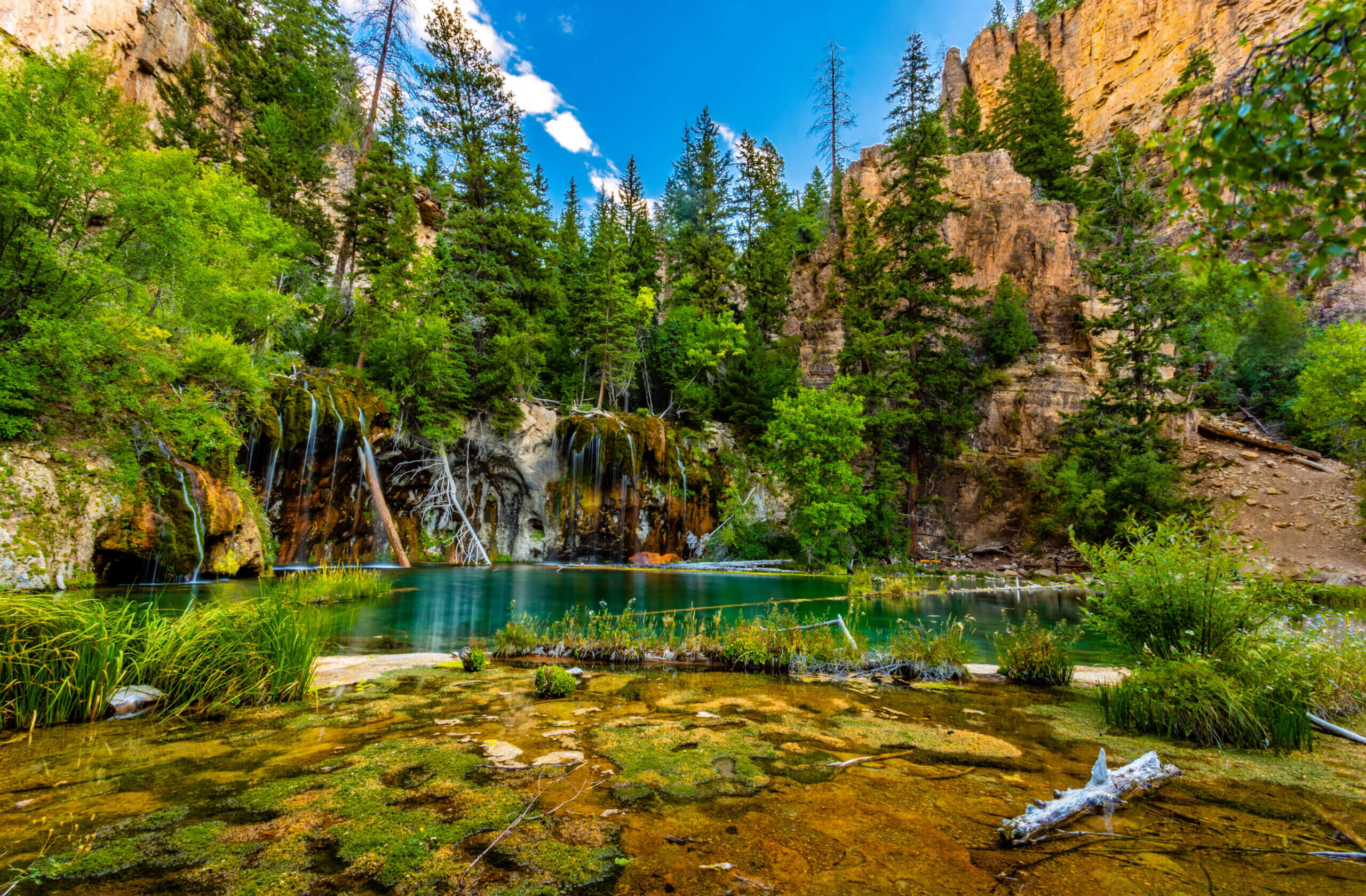
Hanging Lake is one of those Colorado spots that looks edited, like someone bumped up the saturation on the turquoise water and forgot to tell the rest of the planet. The catch is that it is also one of the more tightly managed hikes in the state, and for good reason. The trail is short but steep, the environment is fragile, and the crowds can overwhelm it fast.
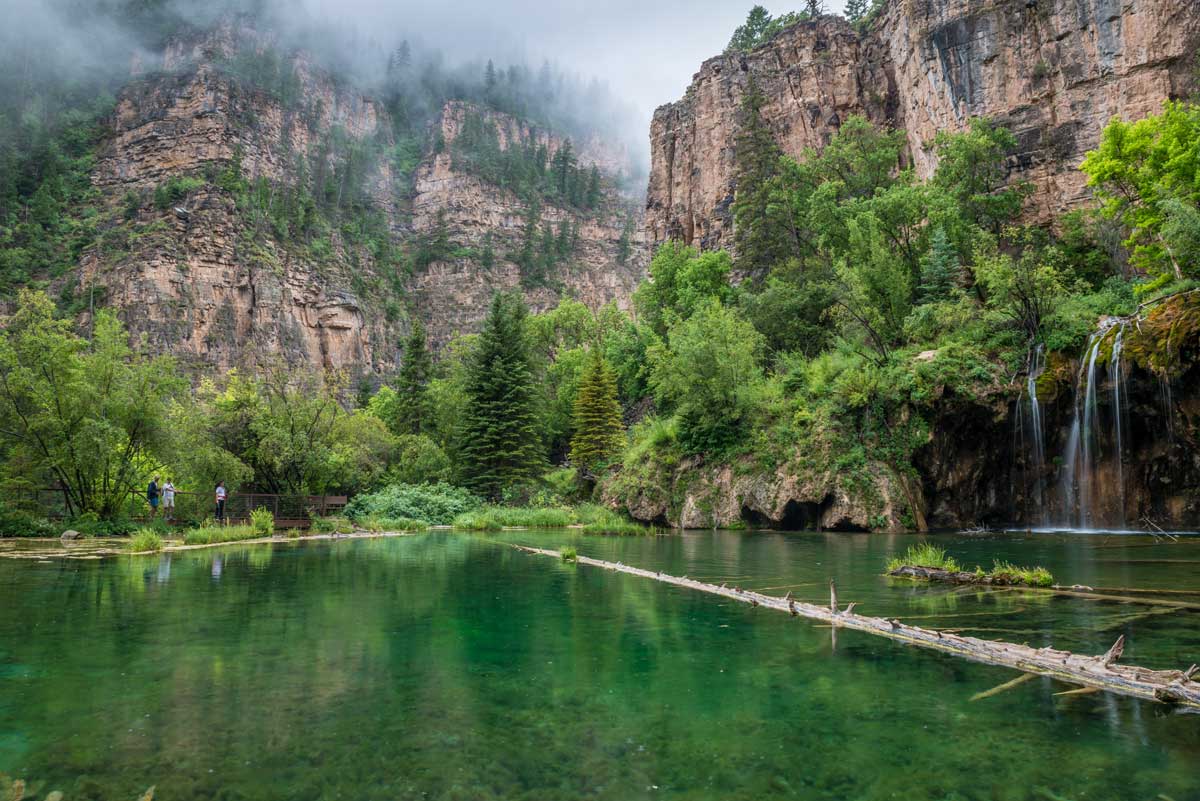
If you want the classic experience, water dripping off the cliff, a still lake, and that moment where you can actually hear the creek, your plan matters almost as much as your fitness. Here is how to do Hanging Lake right, from permits to trail rules to the best time of day to lace up.
Where it is
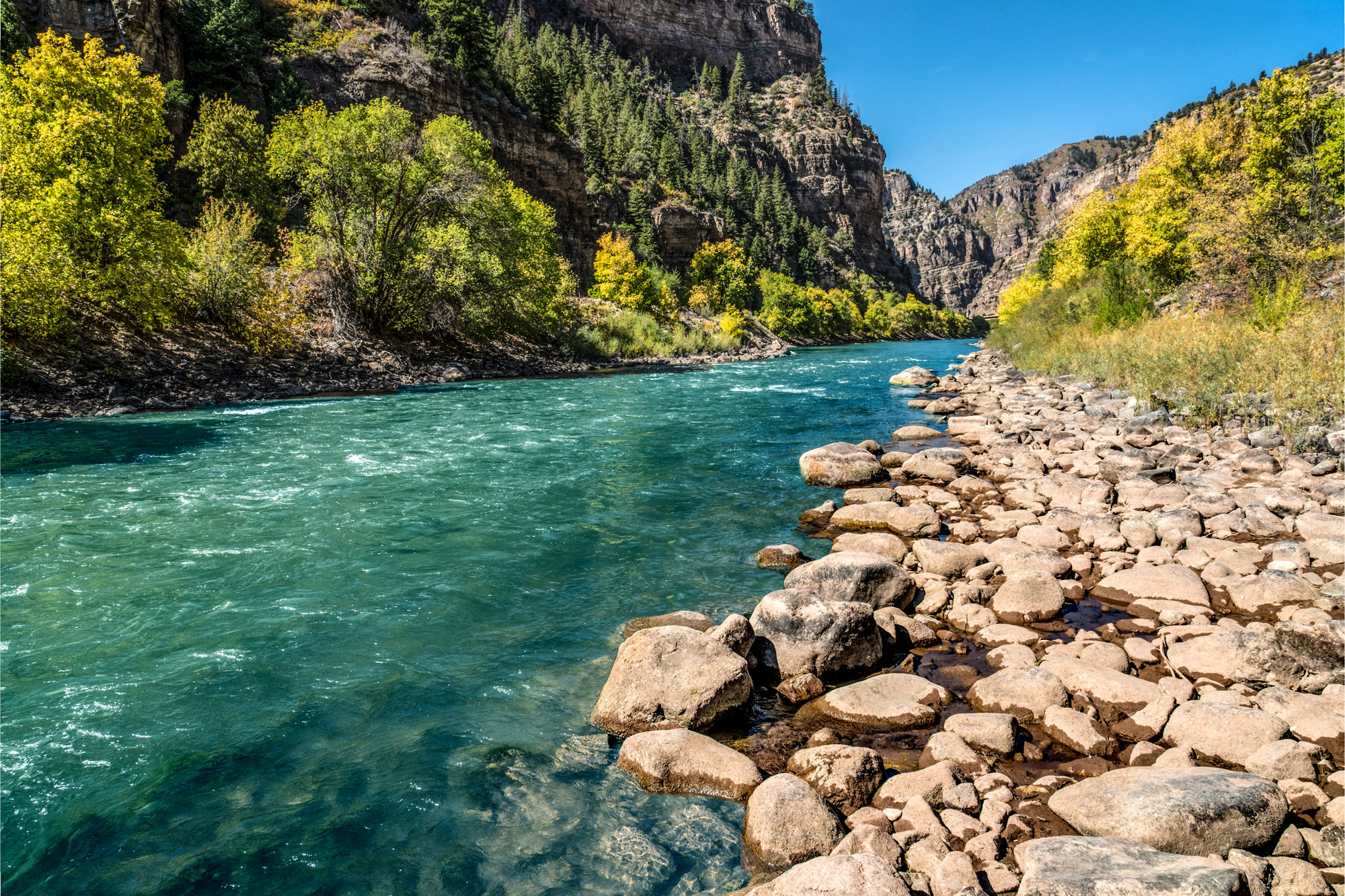
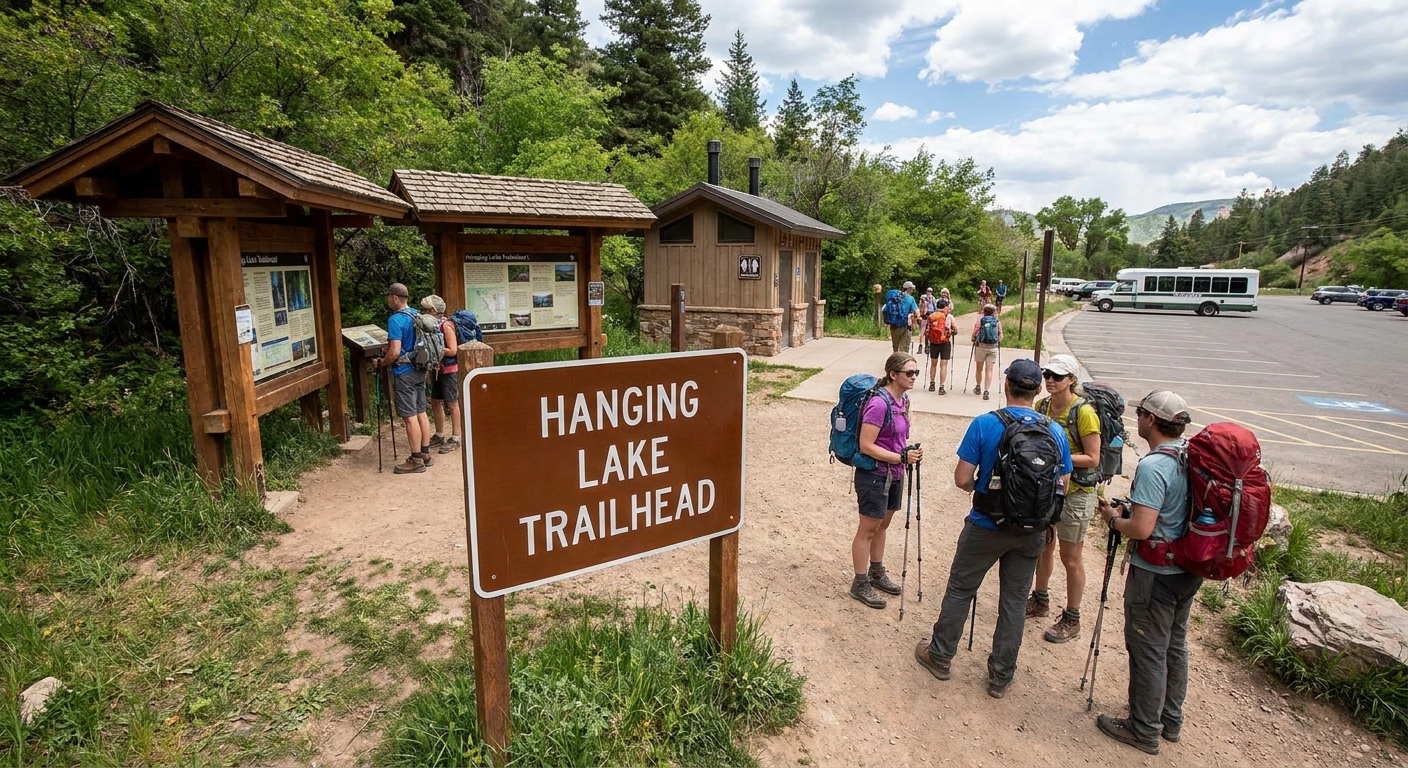
Hanging Lake sits in Glenwood Canyon, just east of Glenwood Springs along I-70. The hike starts at the Hanging Lake Trailhead inside the canyon, and access is controlled through a timed entry permit system.
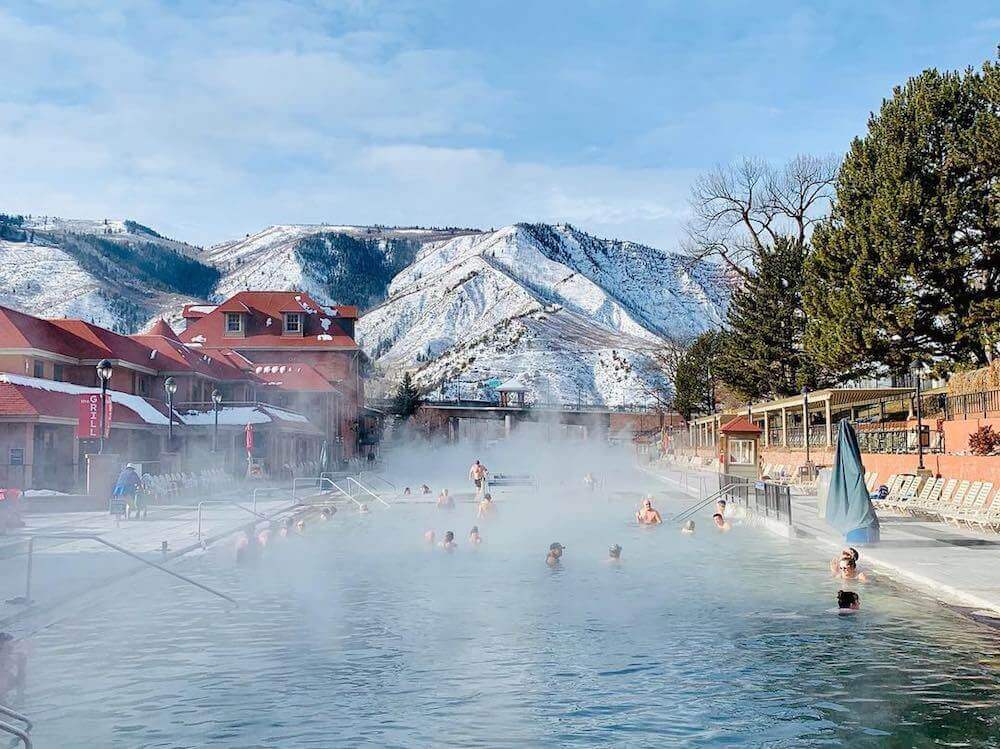
If you are road-tripping Colorado, this location is also why Hanging Lake pairs so well with a soak at Glenwood Hot Springs Pool or Iron Mountain Hot Springs afterward. Rugged hike, urban comfort.
Before you go
- Trailhead: Hanging Lake Trailhead (Glenwood Canyon, off I-70).
- Have ready: Your timed-entry permit confirmation (downloaded or screenshot) plus whatever ID the confirmation instructions require.
- Arrive early: Build a buffer for I-70 traffic and for parking or check-in. Your permit window is not the time to be hunting for a signal.
My carry-on-only traveler tip: Save your permit confirmation offline on your phone. Glenwood Canyon cell service can be spotty, and nothing ruins a morning like scrolling for an email that will not load.
Permits and timed entry
You cannot just show up and hike Hanging Lake whenever you feel like it. Access is managed with timed permits that limit how many people are on the trail at once. That is partly logistics, but it is primarily protection for a sensitive area that has taken real damage in the past.
Who runs the permits
Permit rules and operations for Hanging Lake have changed over the years, so I am not going to point you to a random third-party booking page and pretend it is gospel. The reliable route is this: start at the official Hanging Lake page hosted by the City of Glenwood Springs, then follow their link to the current reservation portal and current-season rules.
What your permit covers
- A specific entry window for your hike.
- Parking or shuttle instructions tied to that time slot, based on the current operating plan.
Check-in and timing
Expect staff to verify your permit at arrival or at the trailhead access point. If you are late, you may be treated as a no-show depending on the day’s capacity. Do not count on a grace period.
Parking and shuttle
Parking in Glenwood Canyon is limited, and the area is managed for both safety and resource protection. Exactly how you access the trailhead can change by season, and sometimes by what is happening in the canyon (construction, closures, staffing).
Some seasons and years have used trailhead parking tied to permits. Other times, operations have shifted toward designated parking with a shuttle component. Because this is one of those “it depends, and it truly changes” situations, the most accurate information you will get is the instruction set attached to your permit confirmation.
How to avoid surprises
- Follow your permit instructions exactly. Treat them like part of the ticket.
- Do not rely on roadside pull-offs. Stopping along I-70 or in unsafe areas is dangerous and typically prohibited.
- Arrive early. Even with timed entry, traffic through the canyon can bottleneck fast.
If you are visiting from Denver or the Front Range, build in a buffer. Mountain highways can be unpredictable with construction, weather, or weekend backups.
Trail stats
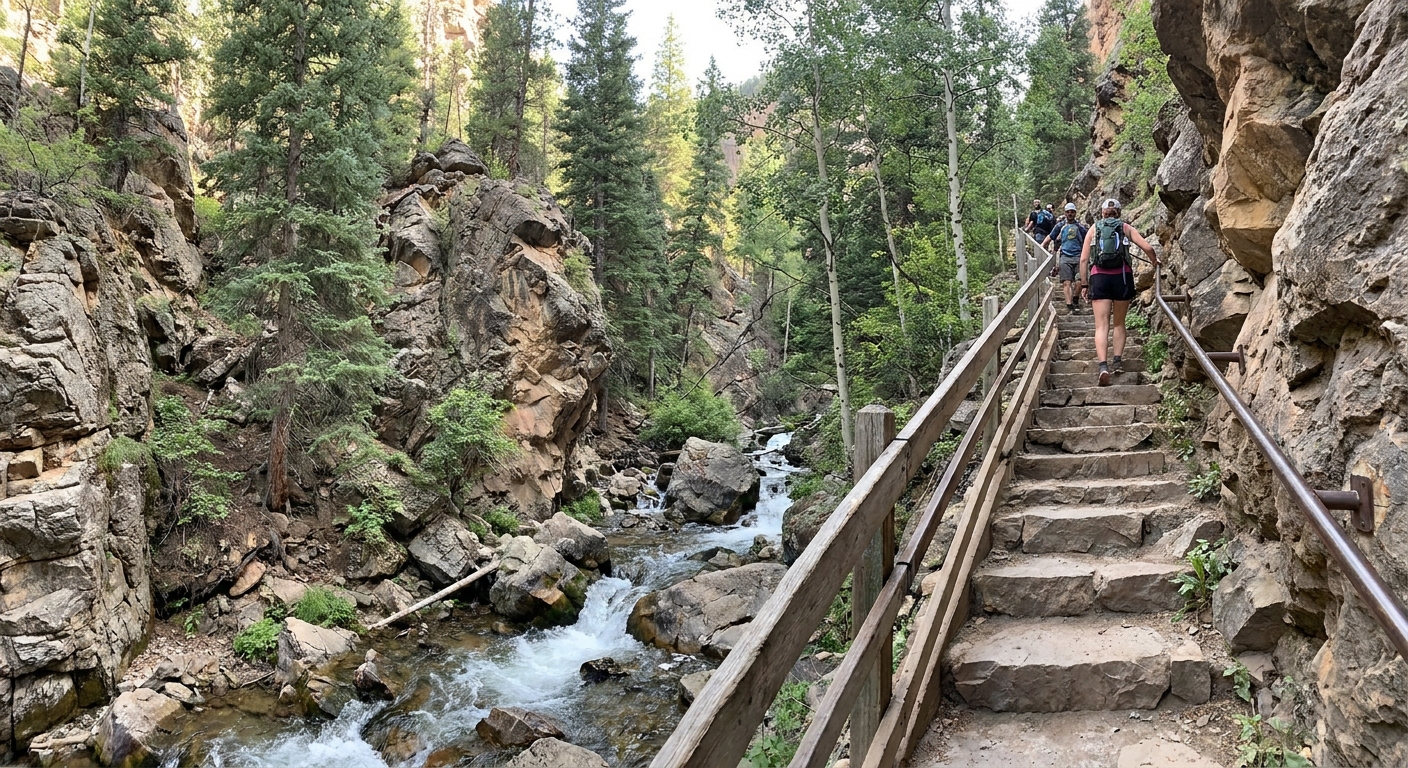
On paper, Hanging Lake is a relatively short out-and-back hike. In reality, it earns its reputation. The trail is steep, often rocky, and gains elevation quickly as it follows Deadhorse Creek through the canyon.
- Distance: about 2.4 miles round trip (verify current posted mileage when you pick up your permit details).
- Elevation gain: roughly 1,000 feet (official figures can vary by source and trail work).
- Typical time: around 2 to 3 hours for most hikers, longer with lots of photo stops.
What it feels like
The climb hits early and does not really let up. You will hear the creek below you, feel cool air in the shaded sections, then suddenly catch warm sun on exposed stretches where the grade makes you check your breathing. Near the top, the damp rock and spray can make the last stretch feel slick even on a dry day.
Bring shoes with real traction, not fashion sneakers. If your knees complain on descents, poles help. This is one of those short hikes where the downhill can feel harder than the climb.
Altitude and comfort
This is not a 14er, but if you are visiting from sea level, the combo of Colorado elevation and a sustained steep grade can feel like a surprise pop quiz. Pace yourself early, drink water, and plan a few breath breaks without shame.
If you are anxious about heights, the good news is that the trail is mostly a canyon climb through trees and rock. There are railings in some spots and a few narrower-feeling sections near the creek, but it is generally not a cliff-edge exposure hike. Still, stay focused, especially when the trail is wet or crowded.
Rules to follow
Hanging Lake is a fragile ecosystem, and the rules are designed to keep it from being loved to death. Rangers and staff do enforce them, but more importantly, the place genuinely needs them.
No swimming or wading
Swimming is not allowed at Hanging Lake. The water and shoreline are part of a sensitive travertine environment. Enjoy it like a museum piece, close enough to admire, not to touch.
No dogs
Dogs are not allowed on the Hanging Lake trail. If you are traveling with a pet, plan a different hike that day or arrange care in Glenwood Springs.
Stay on the trail
Do not shortcut switchbacks or wander off-trail for photos. That creates erosion, damages vegetation, and makes the path worse for everyone after you.
Pack out everything
Carry out all trash, including fruit peels and snack crumbs. In high-traffic areas like this, even small “biodegradable” bits add up fast.
Best time to go
The best time depends on what you want: fewer people, safer footing, prettier water color, or the most comfortable temperatures. You rarely get all four, but you can get close.
Best season
- Late spring to early fall: Usually the easiest window for most hikers. Expect peak crowds in summer.
- Fall: Great colors in Glenwood Canyon and often cooler hiking temps. Permits can still be competitive.
- Winter and shoulder seasons: Conditions can be icy and more technical. Confirm current access rules, and only go if you have the right traction and experience.
Best time of day
- Early morning: My top pick for cooler temps and better odds of quiet at the lake.
- Weekdays: If you can swing it, a Tuesday morning feels like a different universe than a Saturday midday.
- Midday: Most crowded and hottest in summer. Sometimes it is simply the permit you can get.
One more practical note: Hanging Lake sits in a canyon. Light shifts quickly, and the trail can stay damp in spots. If it has rained recently, expect slick rock.
What to pack
This is not a gear-heavy outing, but a few smart choices make the hike smoother.
- Water: Bring more than you think for a short hike. The climb is punchy.
- Snacks: Something small for the turnaround, and take every wrapper back down.
- Traction: Sturdy hiking shoes with grip. In icy months, consider traction devices like microspikes if conditions call for it.
- Layers: Canyon mornings can be cool, but you will warm up fast on the uphill.
- First-aid basics: Blister care is the big one.
Pack for the hike you will have, not the hike you wish you had. Steep trail, slick spots, crowds. Prepare accordingly.
If permits sell out
Permits sell out, plans change, and sometimes you are already in Glenwood Springs when you realize you should have booked sooner. The good news is that Glenwood Canyon and the Roaring Fork Valley have no shortage of scenery.
1) Walk canyon paths
Glenwood Canyon has paved and dirt options with big views of the canyon walls and river. It is a solid choice if you want movement and scenery without a permit race.
2) Doc Holliday’s Grave
For a quick local-history hit with a view, head up to Linwood Cemetery. It is more of a walk than a hike, but the overlook is surprisingly satisfying.
3) Find another waterfall
If what you really wanted was waterfalls and canyon vibes, ask at a Glenwood Springs visitor center or local outdoor shop for a current favorite that matches conditions. You will get better intel than a random outdated blog post anyway.
4) Hot springs reset
If your hiking plan falls apart, pivot fully. Glenwood Springs is one of the best places in Colorado to turn a canceled hike into a recovery day. Soak, grab coffee, and take the win.
Trail etiquette
Hanging Lake is the poster child for why Colorado needs sustainable travel habits in high-impact places. A few small choices help the experience for everyone.
- Keep moving at chokepoints and step aside to let others pass.
- Take photos quickly near viewpoints, then make space.
- Use restrooms before you start. This is not the place for improvisation.
- Respect closures and signs. If an area is roped off, it is usually because the ecosystem there is stressed.
Safety notes
- Footing: Expect wet rock near the top, especially close to spray and seep areas.
- Ice: Shoulder seasons can turn this into a traction hike. Bring gear that matches conditions.
- Weather: Summer storms can roll in fast. If thunder shows up, do not linger on exposed sections.
- Kids and comfort: Strong hiking kids can do it, but it is steep and can feel relentless. Plan extra time and lots of water breaks.
FAQ
How hard is Hanging Lake?
It is short but steep: about 2.4 miles round trip with roughly 1,000 feet of gain. If you are comfortable hiking uphill on rocky terrain and can handle a sustained climb, you will be fine. If you are not used to elevation or steep grades, go slow and bring water.
Can you swim at Hanging Lake?
No. Swimming and wading are not allowed.
Are dogs allowed?
No, dogs are not allowed on the Hanging Lake trail.
Is it worth it?
Yes, if you go in with the right expectations: timed permits, a workout-level climb, and strict rules. The payoff is a turquoise travertine lake and waterfall in a dramatic canyon setting.