Havasu Falls Permits and Trip Logistics

Maya Lin
Maya Lin is a travel journalist and outdoor enthusiast who believes the best trips combine rugged adventures with urban comforts. After spending six years backpacking across four continents, she founded Trail & Town Guide to help fellow travelers navigate both hidden mountain passes and bustling city neighborhoods with confidence.
Havasu Falls looks like a postcard, but planning it feels more like booking a small festival in a remote canyon. You are not just hiking to a waterfall. You are entering the Havasupai Reservation, following specific community rules, and committing to a multi-day, pack-in, pack-out trip where your permit is your lodging.
This guide focuses on what hikers actually need to know: how permits work in real life, what the trail demands, what the campground is like, how to handle water and heat, and the small logistical choices that can make this trip feel smooth instead of stressful.
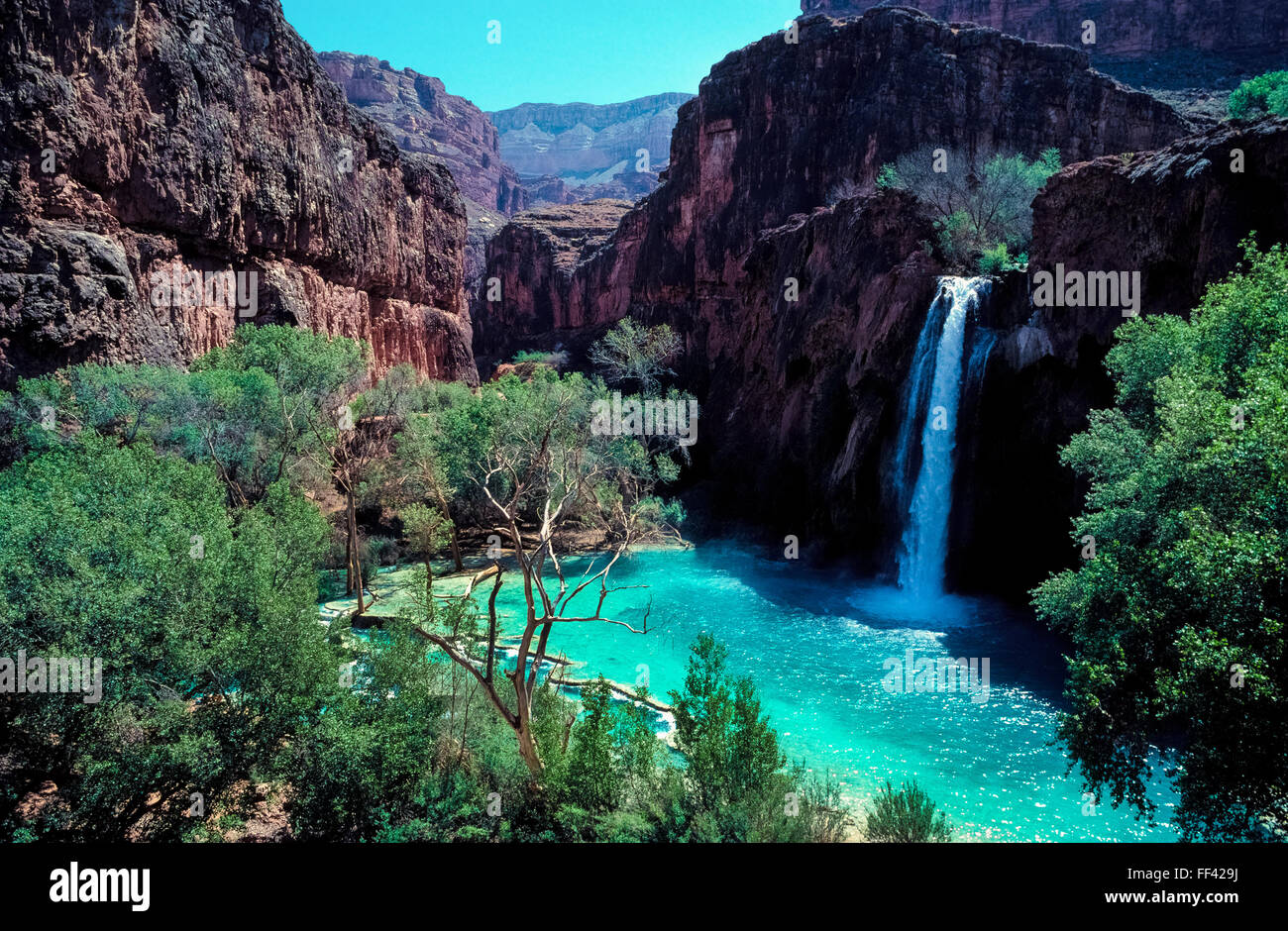
What makes Havasu different from a South Rim hike
If you have hiked the Grand Canyon South Rim, you already understand steep trails, sun exposure, and the concept of earning your views. Havasu is different in three big ways.
- It is permit-driven lodging. Your permit typically bundles a specific lodging type (often campground) and dates. You cannot simply show up and decide to hike it like a day trail.
- It is a remote, multi-day commitment. You are hiking roughly 10 miles one way (varies by route and final campsite spot) before you even start the classic waterfall hopping. That is not a casual out-and-back for most people.
- It is a living community. You pass through Supai village and travel on tribal land. Rules around photos, behavior, drones, alcohol, and where you can go are not suggestions. They are part of being a respectful guest.
Think of Havasu as a backpacking trip with town-adjacent infrastructure and firm boundaries, not a national park day hike where you can improvise the whole plan at the trailhead.
Permits: how the system works (at a practical level)
Havasu Falls access is managed by the Havasupai Tribe. The tribe controls entry through a permit system that is typically handled online via the official Havasupai Reservations platform. Rules and release timing can change year to year, so the most important “hack” is simple: use only official channels and verify details close to your travel date.
What the permit actually covers
Most visitors are booking a campground reservation for specific nights. In practice, this functions as both your entry permit and your lodging reservation. If you are picturing a national park wilderness permit where you can pick any zone and be flexible, reset that expectation now.
Common ways people get dates
- Primary release window. Many hikers plan around the main annual release of reservations. This is the high-competition moment where preparation matters most.
- Official transfers or resale options (when offered). Some years the tribe has supported an official transfer process. If transfers are available, use only the official mechanism. Avoid informal resales or screenshots.
- Last-minute openings. Cancellations happen. If you are local-ish to Arizona or flexible with PTO, checking for openings can pay off.
How to prepare for booking day
- Create your account early and confirm you can log in.
- Know your ideal dates plus two backup options.
- Coordinate your group before you book. Decide who is booking and who is paying.
- Budget for the true cost. Beyond the permit itself, plan for lodging before and after, transportation, and food that does not rely on a cooler.
Town Wander note: Permit rules, fees, and transfer policies can shift. Always double-check the current policies on the official Havasupai Tribe reservation site before you commit to flights or nonrefundable hotels.
Getting there: trailhead logistics and timing
The usual starting point
Most hikes start from the Hualapai Hilltop trailhead. It is remote and services are limited. Do not plan on casually buying fuel, ice, or a last-minute backpacking stove on the way in.
When to start hiking
Heat is the headline hazard here. Many experienced hikers start before sunrise to beat the hottest hours. That does not mean you need to hike in panic mode, but it does mean you should be comfortable hiking by headlamp and have a clear plan for water and sun protection.
Parking and personal security
Parking is typically at or near the trailhead. Treat it like any remote trailhead: lock valuables out of sight, bring a spare key plan, and download offline maps because cell coverage can be unreliable.
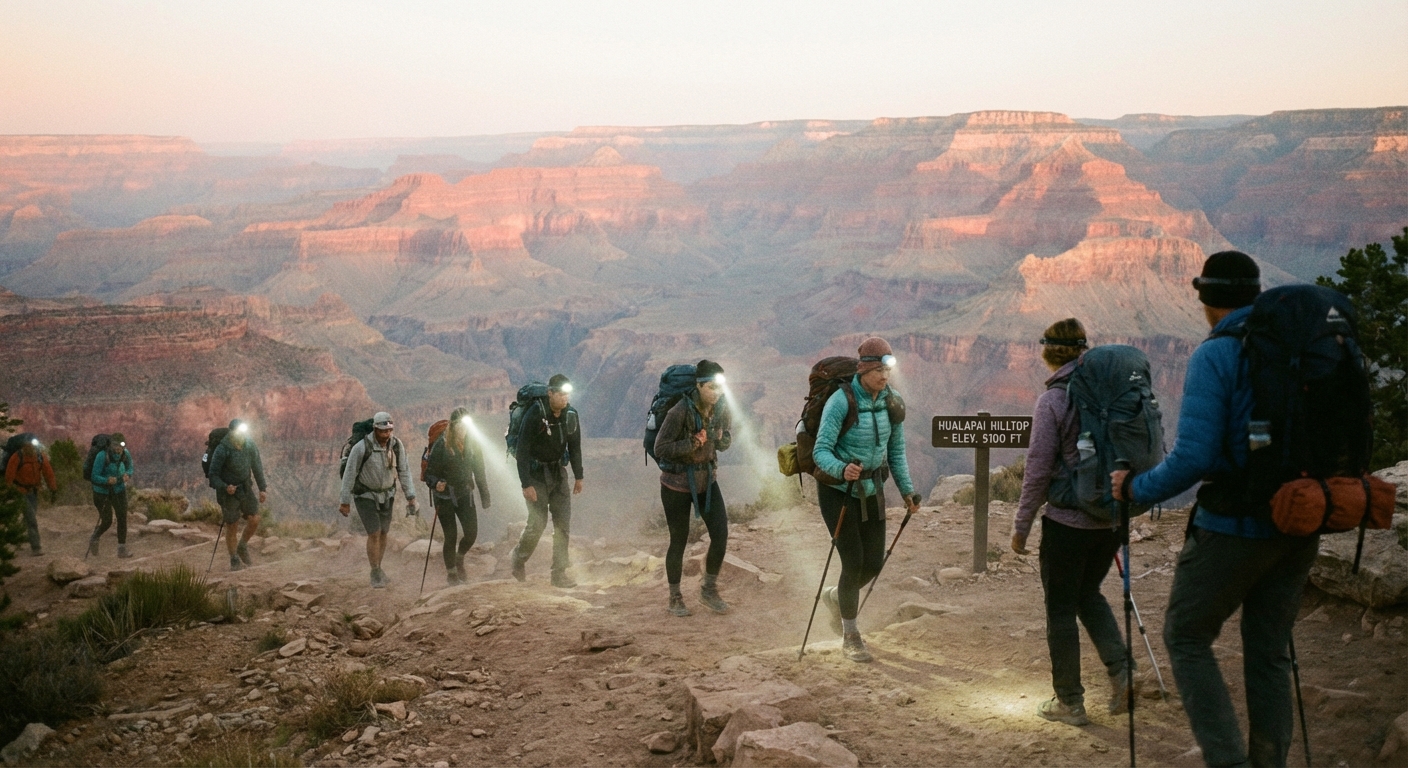
Trail difficulty: what the hike feels like
The hike to Supai and onward to the campground is often described as “not technical.” That can be misleading. It is still a long, exposed desert canyon hike where heat, pace, and pack weight decide how hard your day becomes.
General trail profile
- Steep start, then rolling canyon miles. The first section drops quickly, then you settle into a long, gradual walk through a wide wash and canyon corridor.
- Sun exposure is real. Shade is limited, especially in the middle miles.
- Distance adds up fast. Plan for the hike in, then extra walking to visit waterfalls once you are set up.
Who this is best for
If you can comfortably do a 10-mile hike with a pack on uneven terrain in warm conditions, you are in the right neighborhood. If that sounds like a stretch, you can still make it happen, but you should treat this as a training-backed trip, not a spontaneous weekend.
How it compares to South Rim corridor trails
South Rim day hikes often feel like a cardio challenge with a clear turnaround point. Havasu is more of an endurance logistics day. You are trying to arrive with enough energy to set up camp, find water, and still enjoy your evening. The goal is not to crush mileage. The goal is to stay cool, steady, and uninjured.
Water planning: the detail that makes or breaks your trip
In desert hiking, water is not a “bring a bottle” detail. It is the trip plan.
Carry strategy on the hike in
Plan to carry enough capacity to match your pace and the forecast. Many hikers prefer a bladder plus at least one additional bottle so they can track consumption and mix electrolytes separately.
Refill options
Water availability can vary by season and infrastructure. Assume you will need to treat natural water sources unless you are using a known potable spigot. Bring a filter or purifier you trust, plus a backup method (like tablets) because gear fails at the worst time.
Electrolytes and heat management
- Use electrolytes proactively, not only when you feel bad.
- Eat salty snacks earlier than you think you need them.
- Wear sun protection that reduces water loss: wide-brim hat, sun hoodie, and breathable pants.
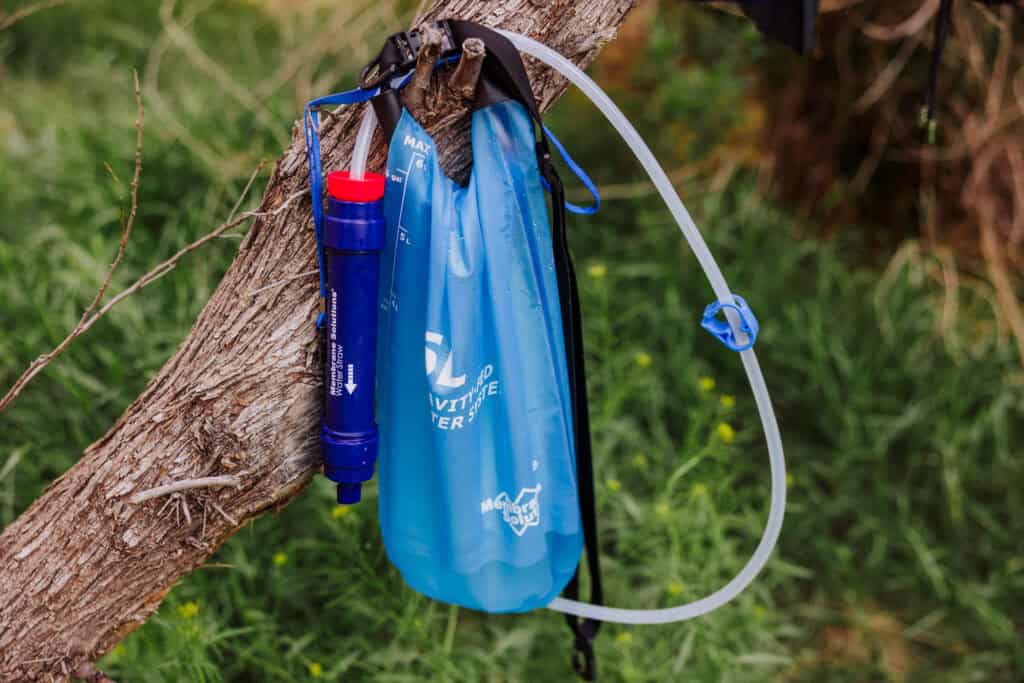
Camping and packing constraints
The Havasu campground is a unique mix of backcountry and community-managed infrastructure. It is not a drive-in campground, and it is not a true wilderness zone either.
What campsite life is like
- Space and shade vary. Some spots are sandy and shaded by trees, others are more exposed.
- Expect neighbors. This is a popular destination and the campground can feel lively.
- Leave no trace expectations are strict. Pack out all trash. Keep your site tidy.
- Critters are confident. Squirrels and raccoons here have a talent for chaos. They will chew through packs, tents, and anything that smells like snacks.
Food storage is not optional
“Keep food secured” is too vague for Havasu. Plan on using a RatSack, Ursack, or hard-sided canister, and store all smellables the same way: food, trash, toiletries, and anything flavored. Do not leave food in your tent unless you want a midnight renovation. If you are in a group, coordinate one system that actually holds everyone’s food so you are not improvising with plastic bags and hope.
Pack weight reality check
This is where my carry-on-only brain and my backpacker brain argue. You want comfort at camp, but every “nice-to-have” is a pound you will feel on the exposed miles. Prioritize:
- Reliable shelter and sleep system (wind and sand happen).
- Sun protection and water capacity.
- Simple food you will actually eat in heat (salty, shelf-stable, low-fuss).
- A small repair kit (blister care, tape, a spare lighter, a few zip ties).
Cooling and food strategy
Plan meals that survive warm temperatures. Think tortillas, nut butter, tuna packets, instant rice, dehydrated meals, salty trail mix, and coffee you can make with minimal fuel. If you are hoping for fragile produce and fancy cheese boards, this is not that trip.
Village rules and respectful travel in Supai
You will pass through Supai village on the way to the campground and may return through it on your hike out. This is not a theme park stop. It is home.
Core etiquette that keeps you on the right side of things
- Follow all posted rules and staff direction. Policies exist to protect community privacy, safety, and the canyon environment.
- Be mindful with cameras. Avoid photographing residents, homes, and sensitive areas. When in doubt, do not take the shot.
- Stay on established paths. This helps reduce erosion and protects culturally important areas.
- Keep noise and behavior in check. Late-night campground chaos affects other hikers and the community.
- Pack out everything. Trash and micro-litter add up fast in a canyon with limited removal capacity.
If you want to practice sustainable travel in a real way, Havasu is your chance. Move slower, take fewer photos, spend your attention on the place itself, and leave it cleaner than you found it.
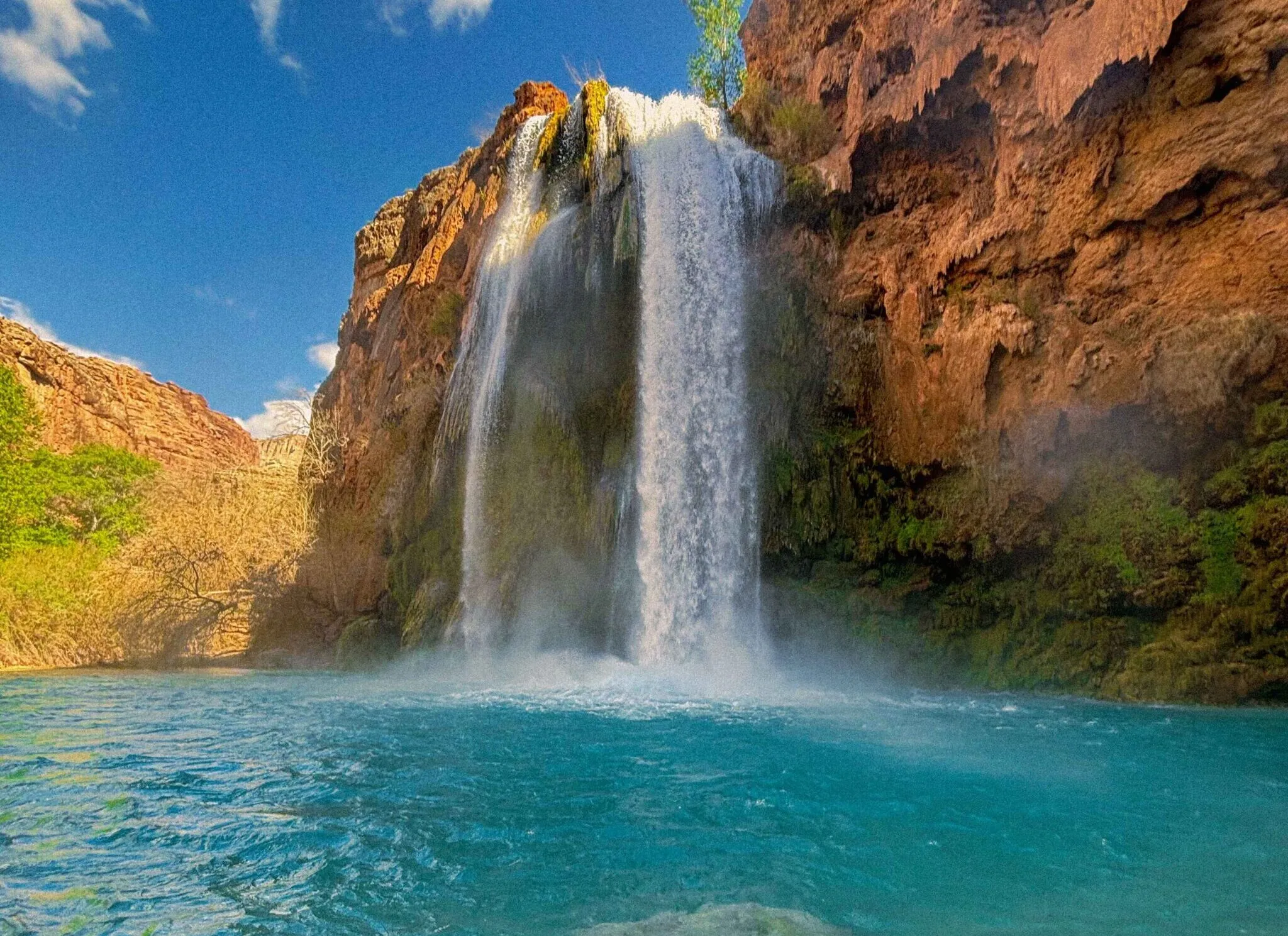
Waterfalls and day exploring
Many people arrive, pitch a tent, and immediately sprint to the Instagram angle. My advice: give yourself one hour to get settled, eat something salty, and drink water. Then go explore.
Mooney Falls: the descent is the point
If Mooney Falls is on your list, do not treat it like a casual stroll. The route down includes a narrow descent with ladders, chains, and carved footholds, and it can get slick, crowded, and slow. This is a classic bottleneck, especially mid-morning through mid-day.
- Go early or go late for fewer people and calmer pacing.
- Wear shoes with real traction, not smooth sandals.
- Keep your pack tight and your hands free.
- If heights or exposure make you freeze up, be honest about it. Turning around is allowed.
Common flow for a 3 to 4 day trip
- Day 1: Hike in, set up camp, short walk to Havasu Falls for sunset.
- Day 2: Longer waterfall exploring day. Start early, rest mid-day, go back out late afternoon. Consider Mooney early to avoid the chain traffic.
- Day 3: Flex day for swimming, photography in softer light, or a slower morning coffee at camp.
- Final day: Pre-dawn start for the hike out, steady pace, lots of water.
Swimming and safety
Conditions change with weather and water flow. Travertine can be slick. Be conservative with jumps, scrambles, and wet rocks. If you are not sure, skip it. A twisted ankle down there is a big logistical problem.
Alternative transport
Yes, alternatives exist. There is sometimes helicopter and mule transport in and out of the canyon, and policies, schedules, and availability can change. This guide is written for a self-supported backpacking trip, because that is how most hikers plan and because it is the most predictable option if you are building a tight itinerary. If you are considering a helicopter or mule plan, confirm current rules and logistics through official channels and build extra buffer time either way.
What to pack: a realistic checklist
Here is my hikers-first, comfort-second list. Adjust for season, but keep the priorities the same.
Must-haves
- Permit confirmation and ID
- Headlamp with fresh batteries
- 3 to 4 liters of water capacity (more if it is hot)
- Filter or purifier plus backup treatment
- Electrolytes and salty snacks
- Sun hoodie or long-sleeve layer, hat, sunscreen
- Blister kit (tape, moleskin or hydrocolloid, small scissors)
- Lightweight shelter, sleeping bag or quilt, sleeping pad
- Stove and fuel (or no-cook plan), lighter plus backup ignition
- Trash bags for packing out waste
- Critter-proof food storage (RatSack, Ursack, or hard-sided canister)
Nice-to-haves that actually matter
- Camp sandals or water shoes for creek edges and comfort
- Small power bank for phone and headlamp charging
- A compact, fast-dry towel
- Earplugs if you are a light sleeper
Leave at home
- Heavy coolers and fragile food fantasies
- Extra outfit options you will not wear
- Large speakers or anything that turns camp into a party
Safety, seasonality, and “should I go?”
Havasu can be magical and it can be brutal. The same canyon that looks friendly in photos can feel punishing under high heat or after storms.
Heat and dehydration
Plan your hiking hours to avoid peak heat when possible. If the forecast is extreme and you are not acclimated, seriously consider rescheduling if your permit allows. Pride is not worth it.
Flash flood awareness
Canyon environments can change fast. Pay attention to weather, especially if storms are predicted upstream. Follow local guidance and do not camp or linger in places that feel vulnerable.
Medical and rescue reality
Help can be far away. Bring the basics to manage blisters, minor cuts, GI issues, and headaches. If you have health concerns, plan conservatively and talk with a medical professional before your trip.
Before you go: a quick logistics checklist
- Confirm your permit details, dates, and any current rules on the official reservation site
- Book pre and post-trip lodging (Peach Springs, Kingman, Flagstaff, or wherever fits your route)
- Plan your food for the number of nights you are actually camping
- Test your filter, stove, and headlamp at home
- Download offline maps and save key reservation info offline
- Tell someone your itinerary and expected exit time
If you plan Havasu like a multi-day desert backpacking trip with community rules and limited flexibility, it becomes exactly what you want it to be: a rare, swim-worthy canyon oasis that you experience slowly, respectfully, and with enough energy to enjoy every shade of blue.