Hiking Safely in Extreme Heat and Desert Conditions

Maya Lin
Maya Lin is a travel journalist and outdoor enthusiast who believes the best trips combine rugged adventures with urban comforts. After spending six years backpacking across four continents, she founded Trail & Town Guide to help fellow travelers navigate both hidden mountain passes and bustling city neighborhoods with confidence.
Desert hikes look deceptively simple from the trailhead. Big sky, open views, a ribbon of dirt disappearing into cactus and rock. But extreme heat is not just uncomfortable. It changes how your body works, how quickly you burn through water and salts, and how fast a minor mistake turns into an emergency.
I love deserts because they reward early mornings, quiet miles, and a good cup of coffee afterward in town. This guide is about getting to that post-hike iced latte safely. You will find practical hydration math, electrolyte strategies that actually work, a clear checklist for heat illness signs, and the desert hazards people forget until it is too late.
Start with risk
Heat safety starts before you lace up. Two hikers can take the same trail on the same day and have totally different risk profiles based on fitness, acclimation, meds, sleep, alcohol the night before, and how much water they brought.
Know the conditions that matter
- Air temperature is only part of the story.
- Sun exposure adds load, especially on pale rock, sand, and slickrock that reflect heat.
- Wind can help sweat evaporate, or it can feel like a hair dryer that accelerates dehydration.
- Humidity is rare in many deserts but dangerous when it happens because sweat stops cooling you effectively.
- Heat index (hot + humid) and Wet Bulb Globe Temperature (heat + sun + wind + humidity) are better indicators than temperature alone when available.
Personal red flags
- Not acclimated to heat (first hot week of the season, or you flew in from a cooler climate)
- History of heat illness
- Illness, fever, diarrhea, or vomiting in the past 48 hours
- Alcohol within 12 hours
- Medications that affect sweating or hydration (ask your clinician if unsure)
- High-effort objectives: steep climbs, scrambling, long exposed ridges, sand slogging
Acclimation is real
Heat acclimation is not a vibe. Most people need about 7 to 14 days of gradual exposure for meaningful adaptation. If you are early in the season or traveling from a cooler place, ramp up with shorter, easier outings, start earlier, and be extra conservative with pace and turnaround time.
If you stack multiple red flags, downgrade the plan. Shorter route, earlier start, more water, more shade breaks, or choose an urban museum day instead. The desert will be there tomorrow.
The best move: timing
In extreme heat, the safest miles are the earliest miles. Your goal is to finish the most exposed sections before the sun is fully overhead.
Best times of day
- Pre-dawn to mid-morning is prime for most desert parks.
- Late afternoon can work, but be careful about heat stored in rock that radiates well past sunset.
- Midday is when the heat load peaks, and that is when emergencies are more likely. If you are hiking then, it should be a short, shaded, conservative route with an exit plan.
A practical pacing rule
In harsh sun, plan to move slower than you think. Build in shade breaks you take on schedule. If you only rest when you feel bad, you are already behind.
Hydration planning
There is no perfect number because sweat rate varies wildly. But deserts punish underestimating, so start with a conservative baseline and adjust.
Baseline water planning
- Cool to warm conditions: about 0.5 liters per hour for moderate effort.
- Hot conditions: 0.75 to 1 liter per hour for moderate effort is common.
- Extreme heat, full sun, sand, or steep climbs: some hikers will need more than 1 liter per hour, but drinking huge amounts of plain water without sodium can be risky.
Important: Hydration is not a contest. Overhydration plus low sodium can contribute to hyponatremia. Many outdoor and sports medicine sources caution that routinely exceeding around 1 liter per hour is unnecessary for many people and can be harmful. Use these numbers as planning ranges, then adjust with conditions, pace, and how you feel.
Simple hydration math (with buffer)
Do this before you leave the trailhead:
- Estimated time moving x liters per hour = baseline water
- Add a buffer for delays, wrong turns, helping someone, or a hot descent back to the car
Example: A 4-hour hike in hot conditions at ~0.75 L/hour is about 3 liters baseline. Add a 25 to 50 percent buffer depending on remoteness and exposure. That puts you at 3.75 to 4.5 liters to carry.
Two planning tips that save people:
- Carry more than you expect to drink. Your extra is for delays, a wrong turn, helping a struggling hiker, or a long hot descent back to the car.
- Do not rely on desert water sources. Springs can be dry, tanks can be empty, and seasonal streams can vanish. If a park lists water availability, treat it as a helpful clue, not a promise.
How to tell if you are falling behind
- Headache, irritability, or that everything feels hard fatigue
- Dry mouth and sticky saliva
- Cramping
- Urine that is dark and low volume (note: some supplements can change color)
- Heart rate that stays elevated even when you slow down
Do not wait until thirst is intense. Thirst can lag behind need in heat.
Electrolytes
In the desert, it is possible to drink plenty of water and still feel awful. That can be an electrolyte problem, but it can also be plain heat strain. Either way, water plus a sodium plan tends to work better than water alone on long, sweaty days.
Why electrolytes matter
Sweat carries sodium and other electrolytes out of your body. If you replace water without replacing sodium during long, sweaty efforts, you can slide into hyponatremia (dangerously low blood sodium). It can look like heat exhaustion and it can become life-threatening.
Simple, effective strategy
- Use an electrolyte drink mix for part of your water, especially on longer hikes or very hot days.
- Bring salty snacks you will actually eat in heat: pretzels, salted nuts, jerky, salted potato chips, or a tortilla with something salty.
- Avoid hours of only plain water during prolonged heavy sweating. Mix in electrolytes and food.
How much sodium?
Needs vary. A common planning range for sustained heat is roughly 300 to 600 mg sodium per hour, then adjust up or down based on your sweat rate, how salty your sweat is, and how you feel. Heavy or salty sweaters may need more, others less.
If you have high blood pressure or heart or kidney conditions, get clinician guidance on sodium and hydration strategies, especially for long or very hot hikes.
Reality check: If you are peeing constantly, your stomach feels sloshy, and you are getting a headache or nausea, consider that you may be overdoing water and underdoing electrolytes. Slow down, get into shade, sip an electrolyte drink, and eat something salty.
Heat illness
People often wait too long because they assume feeling terrible is normal in heat. The desert does not care how tough you are.
Heat cramps
- Signs: painful muscle cramps, usually legs or abdomen, heavy sweating.
- What to do: stop, shade, sip fluids with electrolytes, eat salty food, gently stretch. Do not push on.
Heat exhaustion
- Signs: heavy sweating, weakness, dizziness, headache, nausea, chills or goosebumps, fast pulse, irritability.
- What to do now: get to shade, stop hiking, loosen clothing, cool the body (wet bandana on neck, pour water on skin, fan), sip electrolyte fluids, eat if tolerated. If symptoms are not improving quickly, turn back. If they worsen, treat as emergency.
Heatstroke (medical emergency)
- Signs: confusion, stumbling, fainting, seizures, very hot skin, altered behavior, inability to keep fluids down. Sweating may be present or absent. Do not rely on dry skin as the deciding factor.
- What to do: call emergency services immediately. Move to shade. Start rapid cooling. Cold-water immersion is the gold standard when available. In the field, use what you have: soak clothing, pour water on the person, and fan aggressively. If near a vehicle, run AC. Do not leave the person alone.
If someone is acting weird on a hot hike, assume heatstroke until proven otherwise. In desert rescues, confusion is a huge warning sign.
Clothing and sun
Desert style is not about looking like a minimalist catalog. It is about managing sun load and sweat evaporation.
What to wear
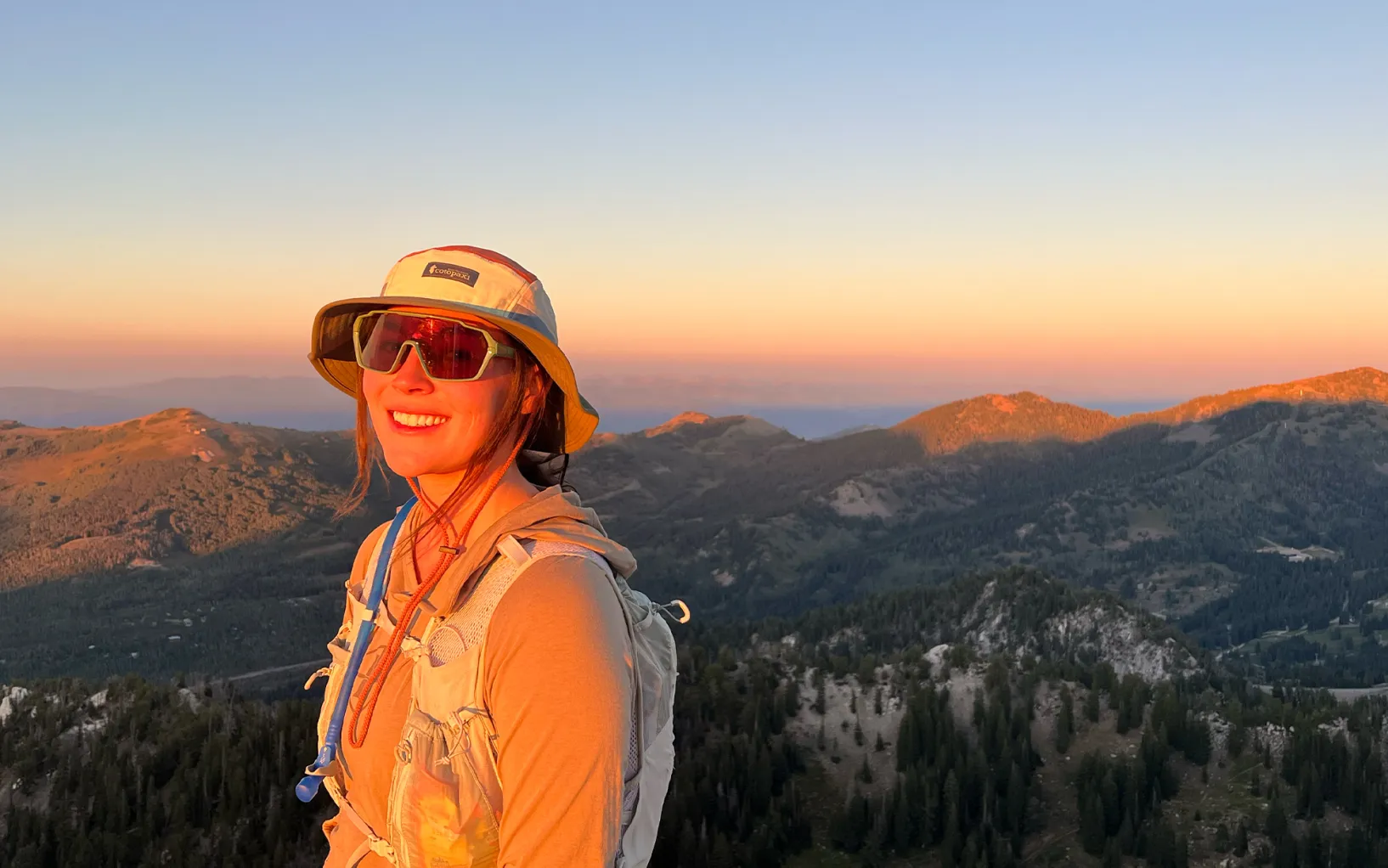
- Light-colored, breathable layers that cover skin. A long-sleeve sun shirt often feels cooler than bare arms because it reduces direct sun.
- Wide-brim hat or a cap with a neck cape for full coverage.
- Ventilated sunglasses with UV protection. Sun glare off sand and rock is no joke.
- Footwear you trust for hot, abrasive terrain. Blisters get worse fast in heat because swelling increases friction.
Sunscreen basics
- Use broad-spectrum SPF 30+ and reapply every two hours, more if you are sweating heavily.
- Do not forget ears, back of neck, hands, and the part line on your scalp.
- Consider a lip balm with SPF. Wind and sun can shred lips in a single day.
Other desert hazards
Deserts are extreme ecosystems. The other risks are often the ones people do not research.
Flash floods
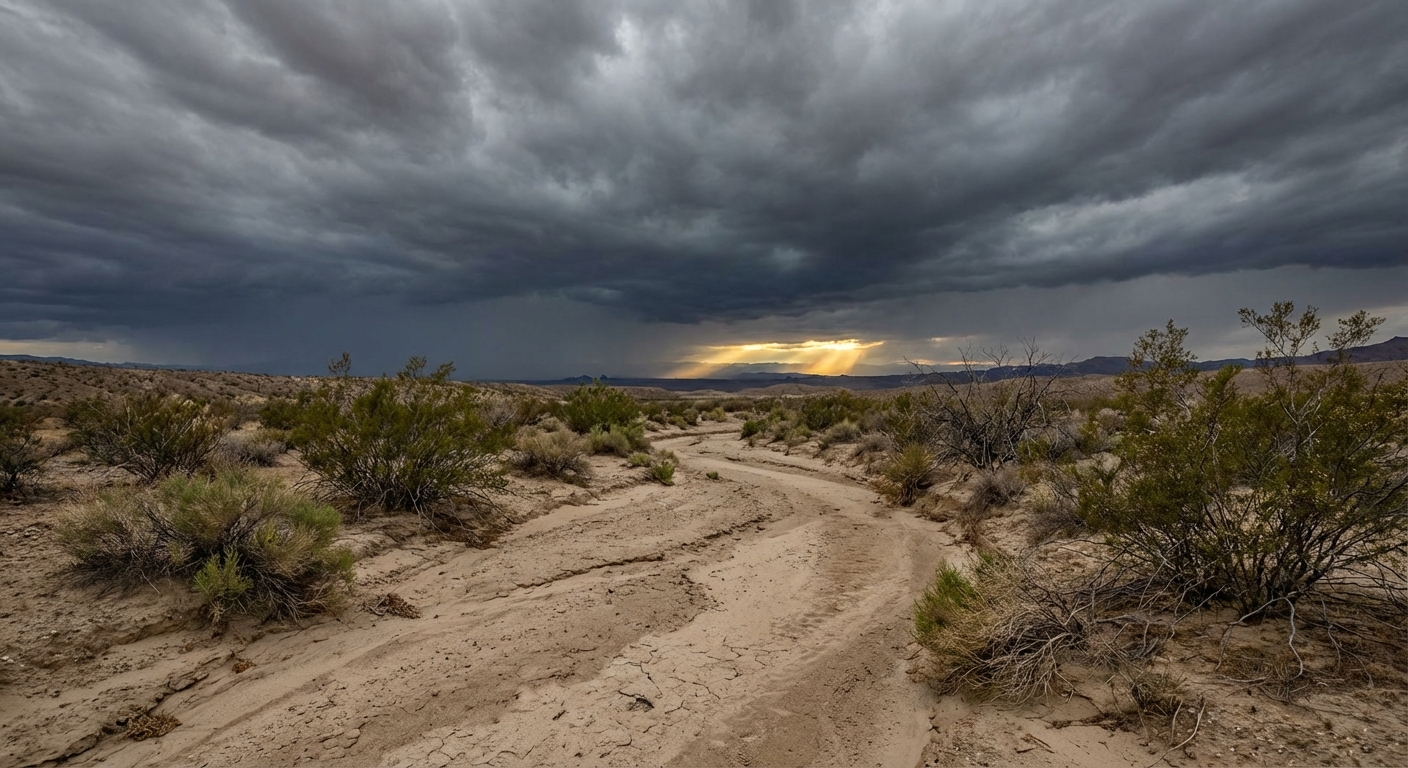
Yes, in the desert. Slot canyons and washes can flood from storms miles away, even under blue skies where you are standing.
- Avoid narrow canyons and washes if storms are in the forecast anywhere in the drainage. Check alerts and radar, not just the sky above your head.
- Possible warning signs: distant thunder, rain curtains in the distance, rising muddy water, debris moving downstream, a sudden increase in flow. Local wind shifts can happen, but do not treat them as a reliable signal on their own.
- Get to high ground early. Do not try to outrun a wall of water in a channel.
Navigation
- Heat amplifies small navigation errors. A wrong turn can double your exposure time.
- Carry offline maps and a backup (paper map or downloaded park map).
- Set a turnaround time and obey it even if the viewpoint is right there.
Rocks that cook
Slickrock and dark volcanic rock can be brutally hot. Sitting on rock in full sun can raise your body temperature faster than you expect. Treat every shade patch like a resource.
Wildlife
- Rattlesnakes: watch where you step and where you place your hands, especially near rocks and brush. Give snakes space.
- Scorpions: shake out shoes if they have been sitting outside overnight.
- Bees and wasps: in drought, they may cluster near water sources. Keep food sealed and stay calm if they investigate.
Gear that matters
I am a carry-on-only person in cities and I hike the same way: bring what matters, skip what does not. In extreme heat, a few small items make a big safety difference.
- Water capacity you can trust: bottles or a hydration bladder plus at least one backup container.
- Electrolytes: drink mix packets or tablets, plus salty snacks.
- Sun protection: hat, sunglasses, sunscreen, UPF layer.
- Cooling tools: a bandana you can soak, or a small cooling towel.
- Navigation: offline maps, fully charged phone, and a power bank.
- Emergency basics: headlamp, whistle, basic first aid, and an emergency blanket (shade and insulation can both matter).
- Trekking poles if you are on sandy or steep terrain. They reduce effort, which reduces heat load.
- Satellite messenger if you hike remote areas often. Desert cell service is famously inconsistent, and an SOS button can be a lifesaver.
On-trail habits
Drink early, eat early
Start sipping in the first 15 minutes. Eat before you feel hungry. Heat suppresses appetite, but your body still needs fuel to regulate temperature.
Use shade like a strategy
When you find shade, take it. Even short shade breaks lower heat strain. If you are hiking with friends, make shade stops part of the plan so nobody feels like they are slowing the group down.
Buddy checks
- Agree on a turnaround time before anyone gets tired or stubborn.
- Do quick check-ins at every break: water left, electrolytes, headache or nausea, and how steady people feel when they stand up.
- Watch the quiet hiker. Heat illness can look like someone getting withdrawn or unusually silent.
Turn around early
The desert is an out-and-back relationship. You must pay for every mile twice. If the return trip will be in hotter conditions, turn around early enough that the hardest part is behind you before peak heat.
If something goes wrong
Heat emergencies are time-sensitive. If you are debating whether to get help, you are probably already late.
When to call for help
- Confusion, fainting, seizures, or inability to walk straight
- Symptoms of heat exhaustion that are not improving with rest, shade, and cooling
- Vomiting that prevents keeping fluids down
- Severe headache with worsening weakness
If you carry a satellite messenger, use the SOS button when symptoms suggest heatstroke, when someone cannot walk out safely, or when you are truly unsure you can self-rescue. That is exactly what it is for.
What to do while waiting
- Get the person into shade or create shade with clothing or an emergency blanket.
- Cool aggressively with water on skin and fanning. If cold-water immersion is available, use it.
- Give small sips of electrolyte drink only if they are alert and can swallow.
- Share location precisely: trail name, nearest landmark, GPS coordinates if possible.
Desert park notes
Town Wander covers places where heat is not a side note. It is the main character.
- Death Valley: summer conditions can be life-threatening even on short walks. Treat quick roadside stops with the same heat respect as a hike.
- Joshua Tree: dry air can hide how fast you are dehydrating. Many routes are fully exposed and navigation can be tricky among boulders.
- Moab: slickrock reflects heat and can stay hot late. Carry more water than you think you need.
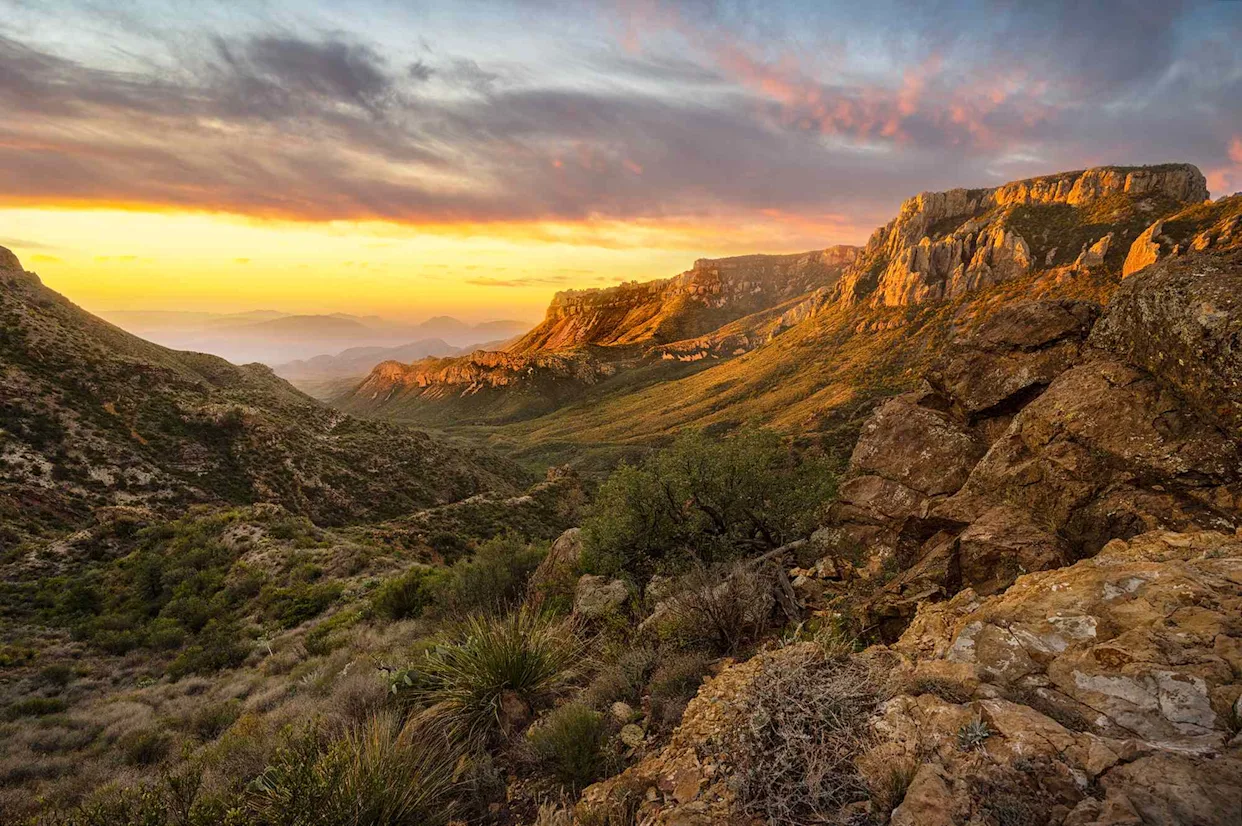
- Big Bend: long, remote trails with limited rescue access. Conservative planning matters.
- Grand Canyon: going down is optional, coming up is mandatory. Inner canyon temperatures can be dramatically hotter than the rim.
Quick checklist
- Start pre-dawn or at first light
- Check heat and storm forecasts (and alerts) for your exact area
- Do the water math: time x liters per hour + buffer
- Carry extra water capacity and an electrolyte plan
- Wear sun-protective layers and a wide-brim hat
- Know turnaround time and bail routes
- Download offline maps and bring a power bank
- Schedule shade breaks before you feel bad
- Know the signs of heat exhaustion and heatstroke
- Check for flash flood risk if hiking canyons or washes
- Leave an itinerary with a trusted contact (route, start time, turnaround time, expected return, and when to call for help)
Desert hiking is incredible when you treat it like the serious environment it is. Plan early, drink smarter than just water, and give yourself permission to call it a day. The best desert stories end with both a safe return and a good meal in town.