How to Acclimate for High Altitude Hiking

Maya Lin
Maya Lin is a travel journalist and outdoor enthusiast who believes the best trips combine rugged adventures with urban comforts. After spending six years backpacking across four continents, she founded Trail & Town Guide to help fellow travelers navigate both hidden mountain passes and bustling city neighborhoods with confidence.
High altitude can turn a dream hike into a headache in a couple of hours. I have watched strong, fit friends get flattened by nausea and brain fog on trails that would have felt easy at home in Denver. The good news is that mountain sickness is often preventable, and acclimatization is not some mystical alpine superpower. It is a set of choices you can make before and during your trek.
This guide breaks down what is actually happening in your body at elevation, how to build a simple acclimatization plan, and how to spot the warning signs early so you can hike safely and still enjoy the views.
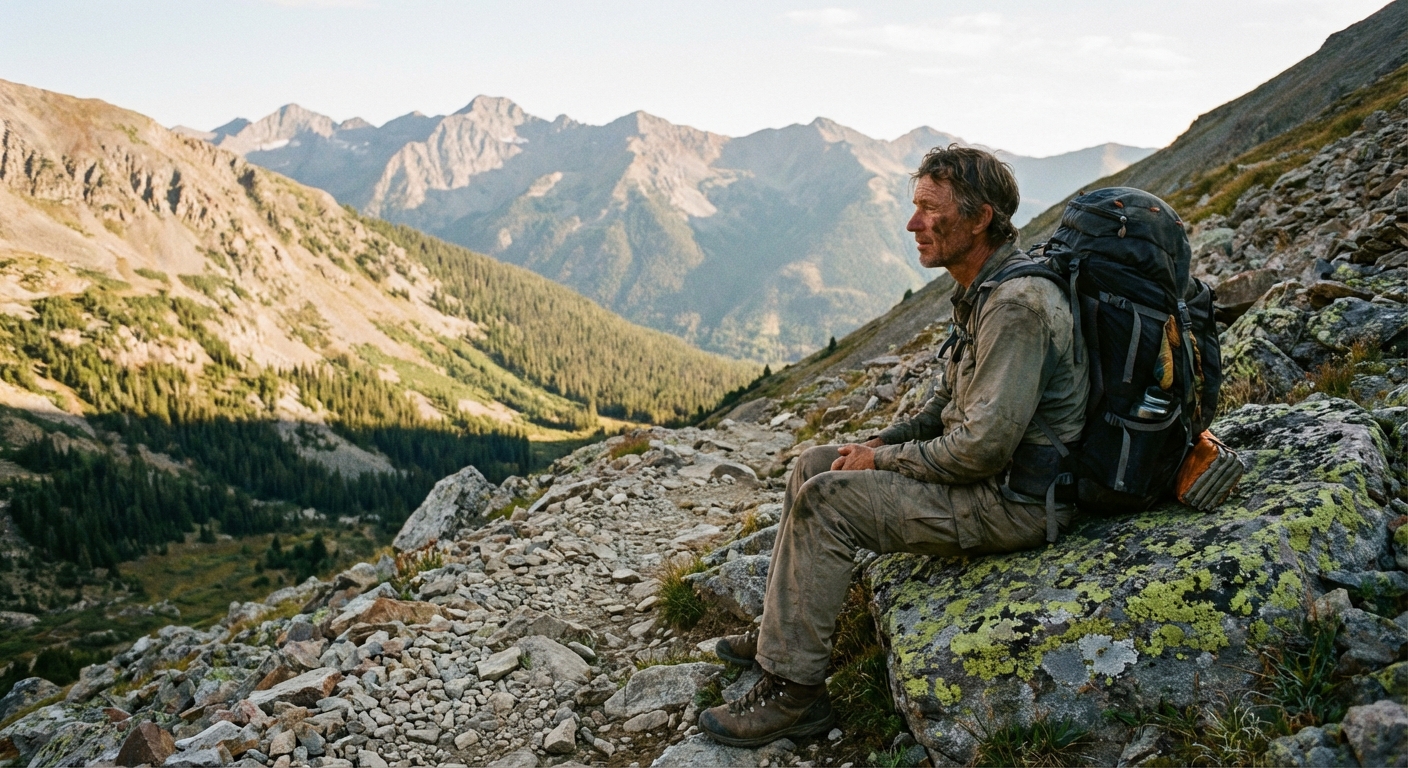
What altitude does to your body
As you gain elevation, the percentage of oxygen in the air stays the same (about 21%), but the air pressure drops. That means each breath delivers fewer oxygen molecules into your bloodstream. Your body responds fast and then slowly:
- Minutes to hours: you breathe faster, your heart rate climbs, you may pee more (altitude diuresis), and sleep can get choppy.
- Days to weeks: your body ramps up longer-term adaptations that improve oxygen delivery and use, including changes in ventilation, blood volume, and eventually increased hemoglobin and red blood cell mass.
Altitude illness happens when the “fast” responses are not enough and the “slow” adaptations have not kicked in yet. The risk rises as you go higher and as you ascend faster, but individual susceptibility matters too. I have met people who feel rough at 8,000 feet and others who stroll around at 14,000 like it is a neighborhood walk.
Altitude sickness: AMS, HACE, and HAPE
Most hikers mean acute mountain sickness (AMS) when they say “altitude sickness.” It is common, it can be miserable, and it is your early warning system.
AMS (acute mountain sickness)
Typically shows up 6 to 24 hours after arriving at a new elevation, and becomes more common once you go above about 8,000 feet (2,500 m) (though it can happen lower or later depending on the person and how fast you ascended).
- Headache (most common)
- Nausea, loss of appetite
- Fatigue, weakness
- Dizziness or lightheadedness
- Poor sleep
Key point: a headache at altitude that comes with one or more of the symptoms above is suspicious for AMS, not just “I need more coffee.”
HACE (high altitude cerebral edema)
Rare but life-threatening brain swelling. This can develop from worsening AMS.
- Confusion, altered behavior
- Loss of coordination or trouble walking a straight line
- Severe headache
- Extreme drowsiness
Action: descend immediately and seek emergency care.
HAPE (high altitude pulmonary edema)
Rare but life-threatening fluid in the lungs. It often starts with worsening breathlessness on exertion and can progress quickly.
- Shortness of breath at rest
- Persistent cough, sometimes frothy sputum
- Chest tightness
- Blue or gray lips or fingernails
- Rapid decline in stamina
Action: descend immediately and seek emergency care.
If someone’s symptoms are getting worse at altitude, the mountain is giving you a clear message. The fix is not to push harder. It is to stop ascending, rest, and if needed, go down.
The acclimatization rules that work
1) Build in time, not just miles
The single best prevention tool is a schedule that respects physiology. Once you are sleeping above about 8,000 feet (2,500 m), a conservative guideline is:
- Increase sleeping elevation by no more than 1,000 to 1,600 feet (300 to 500 m) per night
- Add a rest day every 3 to 4 days or every 3,000 feet (1,000 m) of sleeping elevation gained
Below those elevations, many people can ascend faster without issues, but the “go slow” rule starts to pay dividends once you are sleeping high. On guided treks, the route is often designed around this. When you are planning a DIY itinerary, it is tempting to copy someone’s fast schedule from the internet. That is how “vacation efficiency” becomes “vacation evacuation.”
2) Climb high, sleep low
A classic acclimatization trick is to hike to a higher point during the day, then return to a lower campsite or town to sleep. Sleeping lower gives your body recovery time.
Easy ways to do this:
- Take an acclimatization hike the day before a big ascent.
- On multi-day treks, add a side hike to a nearby ridge or viewpoint, then come back down.
3) Keep your effort in the conversation zone
At altitude, intensity spikes fast. If you are huffing so hard you cannot speak in full sentences, back off. The goal is steady forward motion with minimal spikes in exertion.
Practical pacing cues I use:
- Take shorter steps on steep grades.
- Use the “rest step” (a tiny pause with each step to save energy) if the trail is relentless.
- Schedule short breaks early, before you feel wrecked.
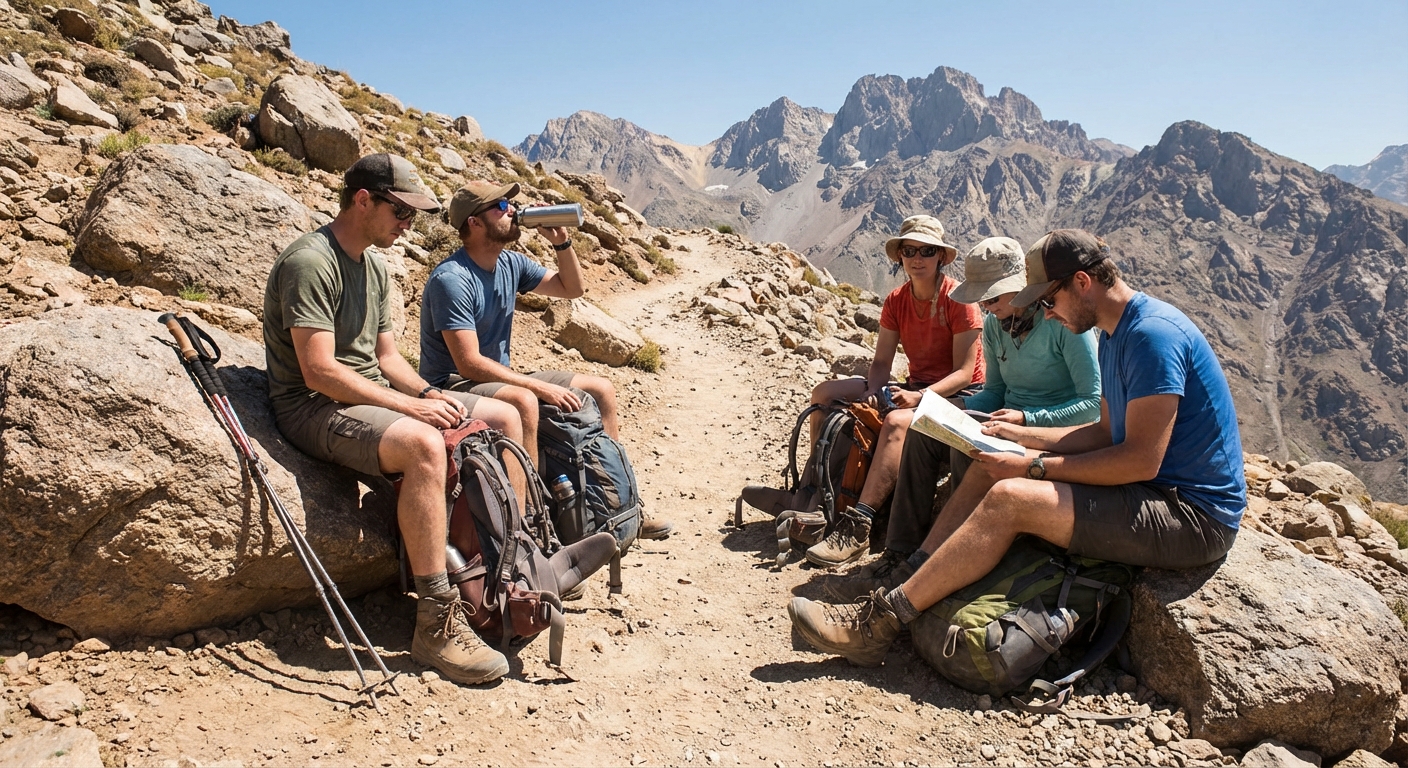
Hydration, food, and sleep
Hydration: aim for steady, not extreme
Dehydration can mimic and worsen AMS symptoms. At altitude you also lose more water through breathing and often increased urination. Drink regularly, and use your urine color as a rough check. Pale yellow is the target.
Two important notes:
- Do not overhydrate. Forcing huge volumes of water can be dangerous and does not prevent altitude illness on its own.
- Add electrolytes if you are sweating a lot or drinking more than usual.
Eat even when your appetite disappears
Altitude can blunt hunger, but your body is burning more carbohydrate at elevation. Small, frequent snacks work better than one big dinner.
- Prioritize carbs you can stomach: rice, noodles, potatoes, oats, tortillas, fruit.
- Keep salty snacks on hand: soup packets, crackers, ramen, nuts.
- Go easy on heavy, greasy meals if nausea is brewing.
Protect sleep like it is in the plan
Sleep is often lighter at altitude. You may wake up more. That is common. What helps:
- Arrive to camp earlier so you are not racing the sunset with an elevated heart rate.
- Keep your core warm at night. Shivering is a stressor.
- Avoid alcohol the first nights at altitude. Be cautious with sedatives and opioids at elevation unless a clinician has specifically advised them.
Acclimatization plans to copy
Because most of us are not training full-time for altitude, the plan needs to be simple and realistic. Here are three templates you can adapt.
If you live near sea level and your hike starts high
- Night 1: sleep at an intermediate elevation if possible (5,000 to 8,000 feet).
- Night 2: sleep at or near the trailhead town (8,000 to 10,000 feet).
- Day 3: start hiking, keep the first day shorter than you think you need.
This is the “arrive early, hike later” strategy. It costs you one vacation day and can save your whole trip.
If you are going above 12,000 feet (3,650 m)
- Add a rest or easy day at 10,000 to 11,000 feet before sleeping higher.
- Use climb high, sleep low at least once.
- Keep your itinerary flexible so you can pause if symptoms appear.
If you only have a weekend
Weekends are where people get into trouble because the schedule is fixed. If you are jumping from low elevation to a big summit day:
- Sleep as high as you safely can the night before, but not if it means racing in late and stressed.
- Start very early, move slowly, and plan a conservative turnaround time.
- Be honest about symptoms and willing to bail.
Medications and prevention
Some travelers use medication to reduce the risk of AMS. This is a conversation to have with a clinician, especially if you have asthma, heart or lung conditions, pregnancy, or a history of severe altitude illness.
Acetazolamide (Diamox)
Acetazolamide is prescription-only. It is the most commonly recommended medication for AMS prevention. It helps your body acclimate faster by changing how you balance blood acidity and breathing. Many people start it the day before ascent (sometimes the day of) and continue for the first couple of days at altitude, but follow your prescriber’s directions.
- Common side effects can include tingling in fingers and toes and increased urination.
- Some people notice carbonated drinks taste weird, which is not tragic but it is memorable.
Pain relief for headaches
Ibuprofen or acetaminophen can help with headache symptoms, but they do not fix worsening altitude illness. If a headache is persistent and paired with nausea, dizziness, or fatigue, treat it as a warning sign and stop ascending.
What about “altitude supplements”?
You will see a lot of products marketed for altitude. Evidence is mixed for most. If you use anything, do not let it replace the foundations: slow ascent, smart pacing, sleep, hydration, and calories.
How to self-check
I like to do a quick check at breakfast and again mid-afternoon. Ask:
- Do I have a headache?
- Am I nauseated or skipping food?
- Do I feel unusually wiped out for the pace?
- Am I dizzy?
- Did I sleep terribly, beyond normal camp sleep?
If you have a headache plus one of the other symptoms, assume AMS until proven otherwise. Compare it to your normal baseline, and say it out loud to your hiking partners. Quiet suffering is how groups miss early warning signs.
What to do if symptoms start
- Stop ascending. Take a long break.
- Hydrate and eat something simple.
- Rest. Many mild cases improve with time.
- Do not “push through” to sleep higher. If symptoms persist or worsen, descend.
A useful rule: if you feel worse with elevation gain, your plan should include less elevation gain.
When to descend
Some mountain decisions are nuanced. This one is not. Descend if:
- Symptoms are getting worse despite rest.
- You have trouble walking straight, confusion, or unusual behavior.
- You are short of breath at rest, have a persistent cough, or feel chest tightness.
- Someone cannot keep down fluids and is becoming weak or lethargic.
Going down even 1,000 to 2,000 feet (300 to 600 m) can make a dramatic difference.
Critical safety note: if someone has severe symptoms, especially signs of HACE or HAPE, they should never descend alone. Keep them with the group, send stronger hikers for help if needed, and treat it like an emergency.
Risk factors to take seriously
Altitude illness is not a fitness test. Endurance athletes get AMS all the time because susceptibility is not the same as strength. You may want a more conservative plan if:
- You have had AMS, HACE, or HAPE before.
- You are ascending quickly from low elevation.
- You are sleeping high and not acclimatizing in stages.
- You are dehydrated, under-fueled, sleep-deprived, or hungover.
- You have certain medical conditions, especially heart or lung issues. Ask a clinician.
Carry-on-only altitude kit
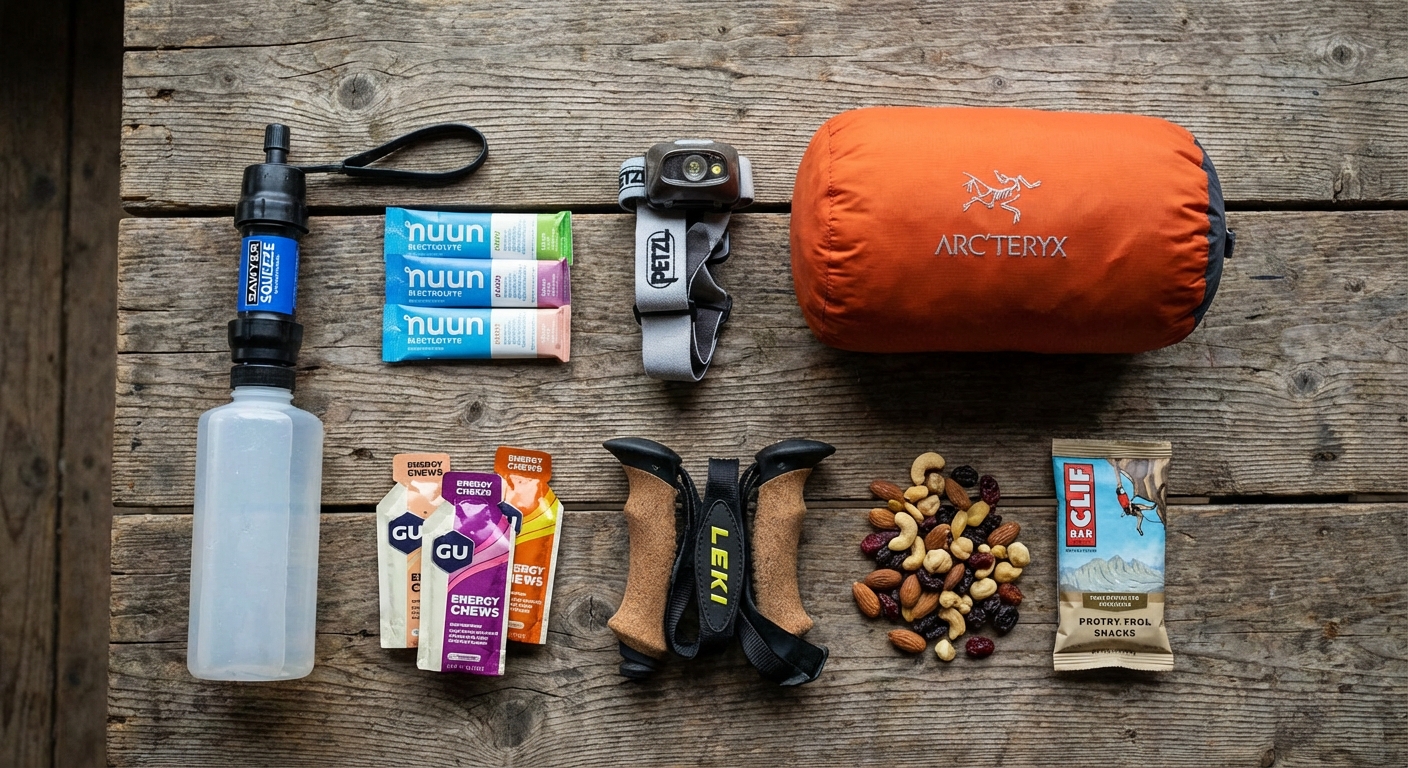
This is what I pack for high-elevation treks when I am trying to keep my kit streamlined but prepared:
- Electrolyte packets
- Quick carbs you will actually eat at altitude (gels, gummies, crackers, instant oats)
- Ibuprofen or acetaminophen
- Water treatment (filter or tablets) so you never ration water
- Warm layer and a reliable rain shell to avoid getting chilled
- Pulse oximeter (optional). Useful for trend watching, not for ignoring symptoms.
Final trail truth
Acclimatization is slow travel with a medical reason. The mountains reward patience, and your best summit strategy is usually the least dramatic one: arrive early, sleep a little lower, eat more than you want, hike at a pace that feels almost too easy, and listen closely when your body starts complaining.
If you want a single mantra to remember at 12,000 feet when the group chat is getting ambitious, it is this: you can always hike higher tomorrow, but you cannot acclimate tomorrow for today.