How to Get National Park Permits and Reservations

Maya Lin
Maya Lin is a travel journalist and outdoor enthusiast who believes the best trips combine rugged adventures with urban comforts. After spending six years backpacking across four continents, she founded Trail & Town Guide to help fellow travelers navigate both hidden mountain passes and bustling city neighborhoods with confidence.
National parks are having a moment, and your favorite trailhead knows it.
In many parks, showing up early is no longer the magic trick. You often need the right kind of access, booked at the right time, on the right platform, sometimes within minutes of release. The good news: once you understand the handful of permit types and how release calendars work, the whole system gets a lot less intimidating.
This guide breaks down the big categories, walks through timed-entry systems in Rocky Mountain, Glacier, Arches, and Yosemite, explains wilderness permits, covers the Half Dome cables lottery and The Wave lottery, and finishes with campsite booking strategies that actually work in the real world.
First, know what you are booking
Most reservation stress comes from mixing up a few similar sounding things:
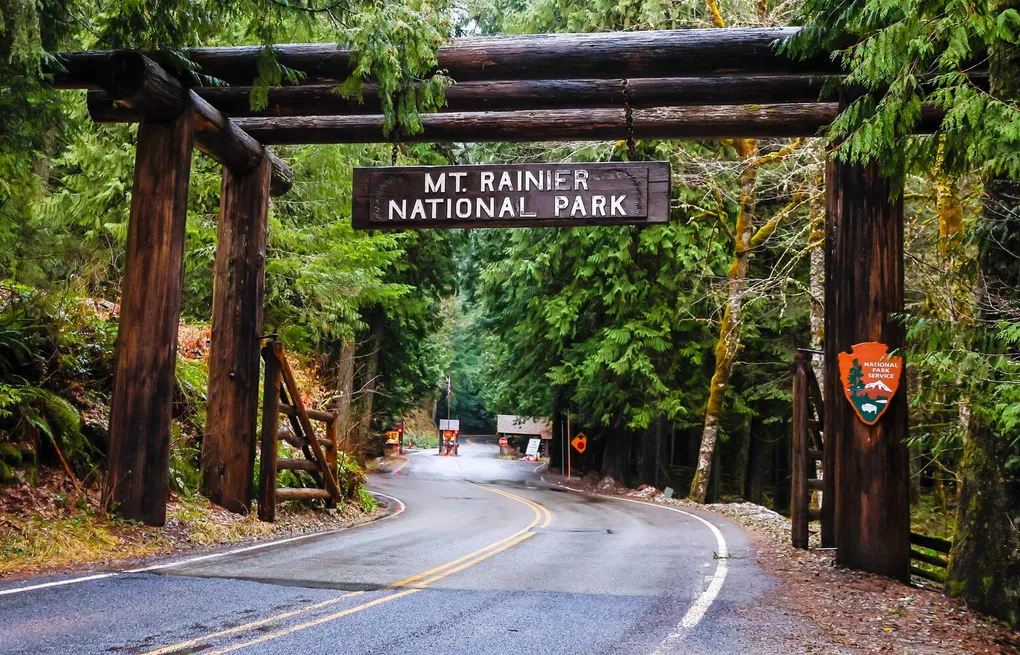
- Timed-entry reservations: A ticket to enter a park or drive a specific corridor during a certain window. You still pay the park entrance fee separately.
- Day-use permits: Permission for a specific hike or area (for example, Half Dome cables).
- Wilderness permits: Authorization to camp overnight in the backcountry, often tied to specific zones, itineraries, or trailheads.
- Campground reservations: A frontcountry campsite booking, usually on Recreation.gov or a park-specific system.
One trip can require more than one of these. Example: You might need a timed-entry reservation to enter the park, plus a campsite reservation to sleep inside, plus a wilderness permit if you are backpacking.
Common gotcha: An America the Beautiful pass can cover your entrance fee, but it does not replace timed-entry, day-use, wilderness, or campground reservations.
The two big booking platforms
Recreation.gov
This is the main federal reservation system for many national parks, campgrounds, permits, and lotteries. If you only do one thing after reading this article, do this: create a Recreation.gov account now, add your phone number, save a payment method, and practice clicking through a sample reservation flow.
Do yourself a favor: download the Recreation.gov mobile app and save your reservation QR codes for offline access (screenshots also work). Cellular service at park entrances is notoriously spotty, and nothing kills the vibe like a loading spinner at the gate.
Park-run or partner systems
A few high-demand permits run through park-specific pages, state systems, or partners. Always start at the park’s official NPS website page for “Plan Your Visit” or “Permits” so you do not end up on outdated third-party advice.
My rule: use blogs for strategy, use the official park page for rules and dates, and use the booking platform for the actual booking.
Timed-entry reservations
Timed-entry programs are designed to spread visitors across the day. They tend to share a few traits, but the details vary by park and year, so always confirm release rules (and release time) on the official park page.
- Release patterns vary: many parks do a big “season drop” months ahead, sometimes paired with smaller rolling releases (next-day, 7-day, or a monthly window). Some do not offer next-day inventory at all.
- Entry windows: you usually must enter during your window, but you can often stay as long as you want after entering.
- Different products: some parks have multiple reservation types (general entry vs a scenic road corridor).
Rocky Mountain National Park (RMNP)
RMNP often uses timed-entry reservations during peak season. In recent years, there have commonly been two options: one for general park access and another that includes access to Bear Lake Road (the corridor for some of the park’s most popular trailheads). Naming, dates, and hours can change season to season, so treat this as a pattern, not a promise.
- What to watch for: whether your itinerary requires Bear Lake Road access.
- Strategy: If you miss Bear Lake, consider alternative trailheads outside that corridor. Also check the current-year rules for whether entering before the timed-entry program starts is allowed and what hours apply.
Glacier National Park
Glacier’s access is often tied to specific corridors, with the biggest headline being Going-to-the-Sun Road. Some seasons also require reservations for other popular areas.
- What to watch for: which areas require their own reservation and whether your dates overlap with corridor programs.
- Strategy: Build two itineraries, one for corridor days and one for “no vehicle reservation required” areas so a missed booking does not derail your whole trip.
Note: Some years, certain in-park services (like specific lodging, camping, or commercial tours) can qualify as an alternate way to access a corridor. The fine print changes frequently, including which reservations count and what proof is required, so verify on the official Glacier trip-planning page before you book anything nonrefundable.
Arches National Park
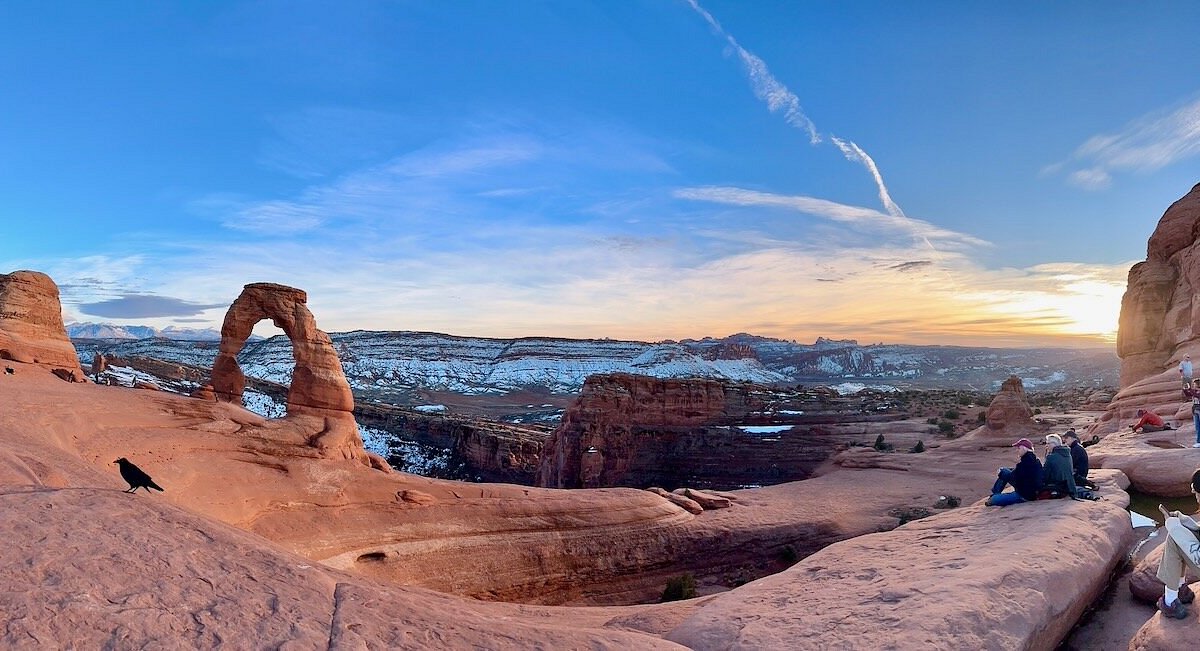
Arches has used timed entry to manage intense mid-morning congestion. Program dates, daily hours, and release patterns vary annually.
- What to watch for: the daily hours when timed entry is enforced and the season dates for that year’s program.
- Strategy: If you can swing it, enter early or later in the day, then take your midday break in Moab with shade and coffee instead of idling in a line of cars.
Yosemite National Park
Yosemite has also used highly publicized entry reservation systems in some recent seasons. The structure can change (and it is not always in effect), but the planning approach is the same: confirm whether you need a vehicle reservation for your dates, learn the release pattern, and screenshot or save proof offline.
- What to watch for: whether your dates require a vehicle reservation, and whether lodging, campground reservations, or shuttle systems change your entry requirements.
- Strategy: If you do not get the reservation you want, plan a day around nearby public lands or less constrained park areas, then return when your entry window is secure.
A release-time workflow (steal this)
- Log in 5 to 10 minutes early on the site or app.
- Have your dates, alternates, and group details copied into one note.
- Open your primary option in one tab and your backup in another.
- Refresh at the release time, select fast, and check out without second-guessing.
If you use multiple devices, keep it reasonable. Aggressive refreshing or running a dozen sessions at once can lead to errors, timeouts, or getting flagged by some systems.
Wilderness permits
If you want to camp overnight in the backcountry, a wilderness permit is your golden ticket. These systems vary wildly by park, but the most common structures are:
- Quota by zone: each backcountry area has a limited number of campers per night.
- Quota by trailhead: you are reserving an entry point with a cap on how many groups can start there each day.
- Itinerary-based permits: you reserve specific campsites or zones for each night.
How to pick an easier itinerary
- Avoid weekend starts if possible. Tuesday and Wednesday entries are often easier.
- Target shoulder season where safe and allowed. Early fall can be the sweet spot in many parks.
- Pick a Plan B zone that is still beautiful but not social-media famous.
- Shorten your trip by one night. Fewer consecutive nights are easier to match within quotas.
What you will need at checkout
Most systems ask for your group size, entry trailhead, itinerary or zone, and sometimes vehicle information. For a smooth booking window, have this written in one note on your phone:
- Preferred entry date and two backup dates
- Preferred trailhead and one backup trailhead
- Preferred campsites or zones by night (if required)
- Group size and vehicle count

Half Dome cables lottery (Yosemite)
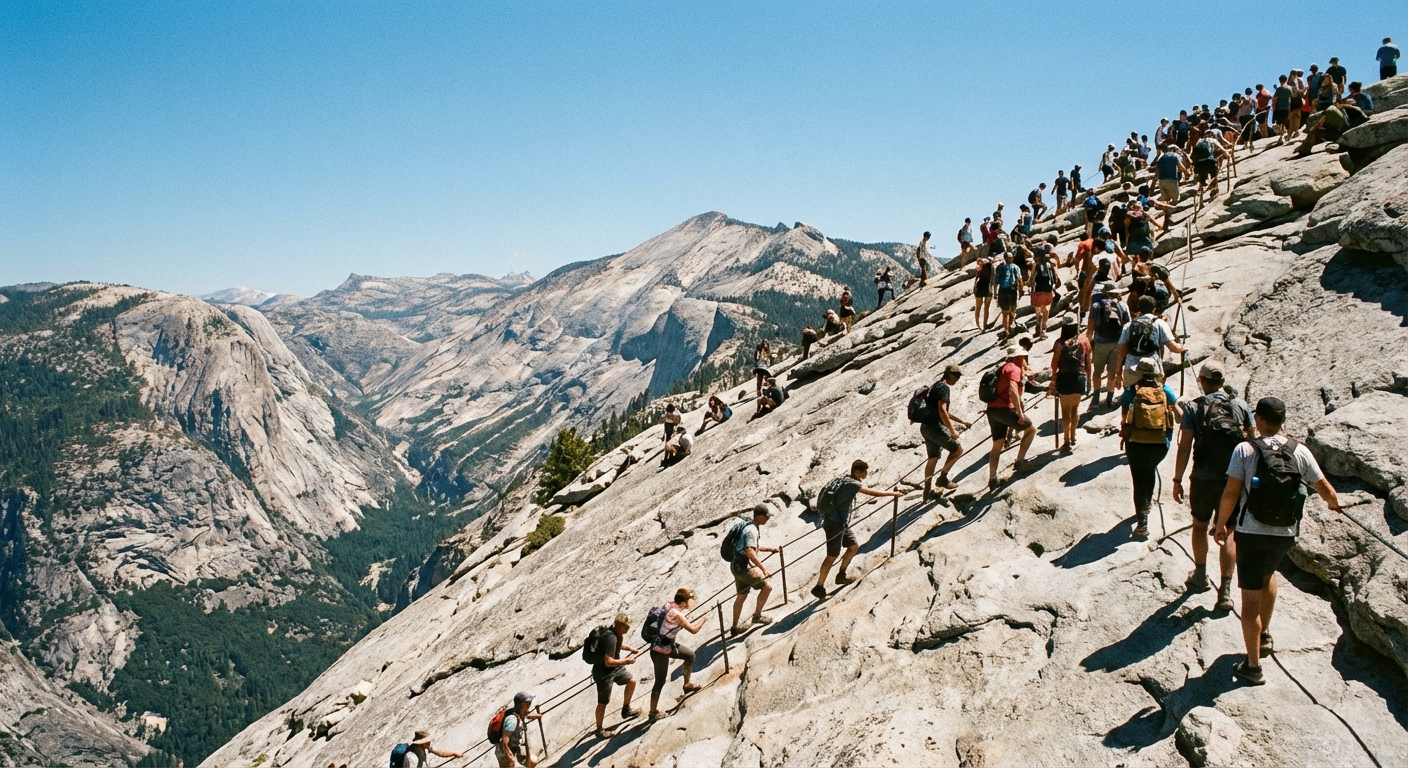
Half Dome is one of those hikes where the permit is part of the experience, like training for a marathon and then still needing a bib. To climb the cables, you need a permit that is typically awarded through a lottery (commonly on Recreation.gov). Dates and mechanics can shift, so confirm each season’s application windows on the official Yosemite permit page.
Two chances to get a permit
- Pre-season lottery: The main lottery for permits across the season.
- In-season lottery: A second chance closer to your hiking date, typically run a few days before (not literally every day of the year).
Tips that increase your odds (without gaming the system)
- Be flexible on dates. Enter for multiple possible days if you can.
- Go midweek. Weekdays usually have less demand than Saturdays.
- Keep your group size realistic. Smaller groups are easier to place in the quota.
- Build a Yosemite Plan B. If you do not get Half Dome, you can still have a world-class day on Clouds Rest, Sentinel Dome and Taft Point, or a Mist Trail combo depending on conditions and closures.
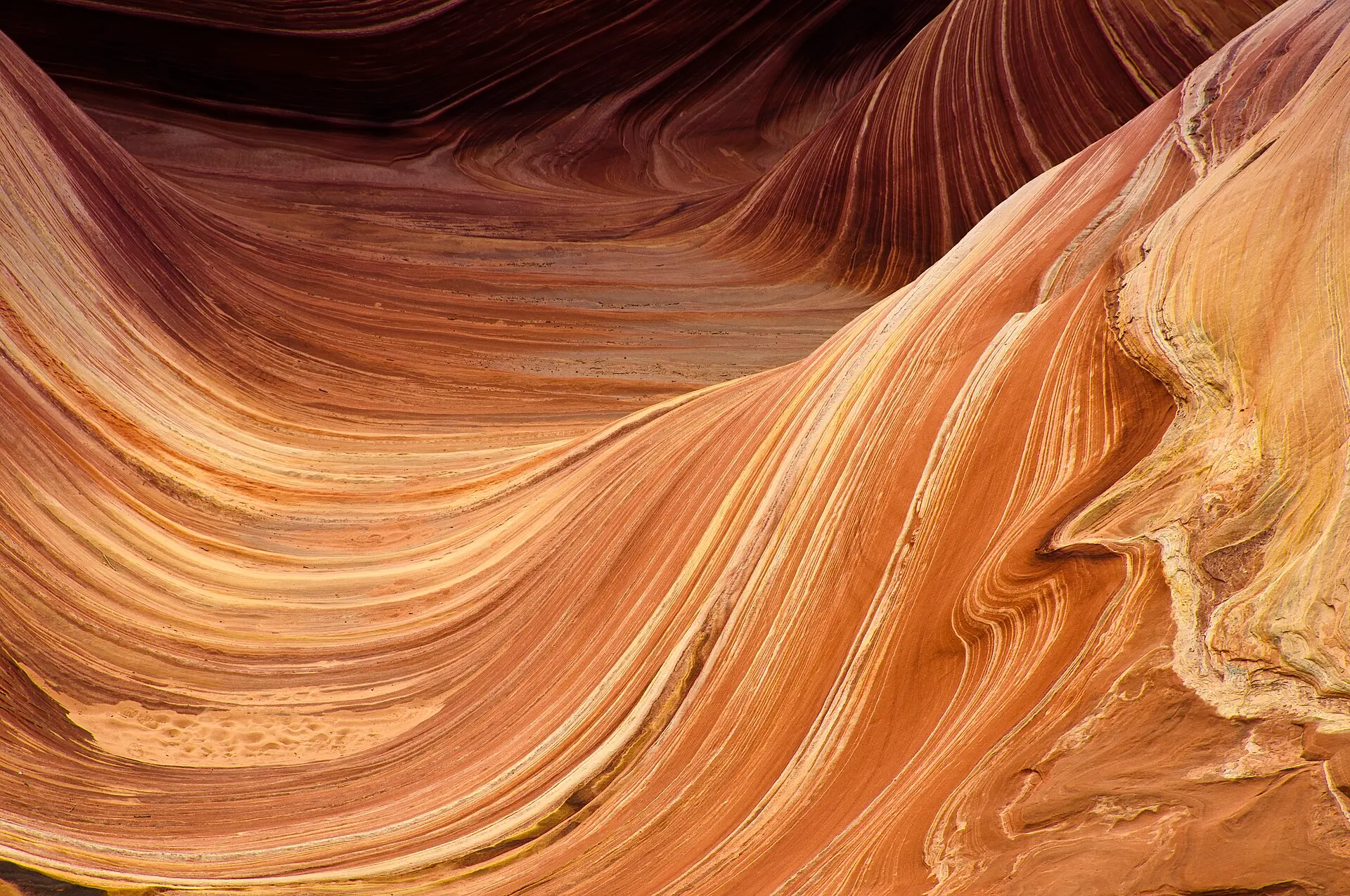
The Wave permit lottery (Coyote Buttes North)
The Wave is one of the most competitive permits in the US. The area is managed by the Bureau of Land Management (BLM), and access is capped to protect a fragile landscape that would be loved to death otherwise.
How permits are awarded
Permits are distributed through lotteries. The structure can change, and the application platform has changed in the past, so treat any blog advice (including this paragraph) as strategy only. For the current, official application site and rules, start at the BLM page for Coyote Buttes North permits and follow its booking link.
What to know before you apply
- Logistics are real: You need to be comfortable navigating desert terrain and managing heat, water, and route-finding.
- Weather matters: Flash floods, snow, or impassable roads can affect access.
- Plan for Kanab: This is one of my favorite “trail and town” pairings. Kanab makes an excellent base for backup hikes when the permit does not come through.
Campsite booking strategies
Frontcountry campgrounds inside national parks can be harder to book than concert tickets. Here is what improves your odds without turning planning into a second job.
1) Learn the release pattern
Some campgrounds release sites in a rolling window (commonly 6 months ahead on Recreation.gov, but not always). Others do seasonal drops or shorter windows (like 4 months). The campground’s booking page usually states this clearly, but you have to read past the pretty photos.
2) Create a two-tab setup
- Tab 1: the campground page with your target dates ready.
- Tab 2: a backup campground or nearby national forest campground.
If you strike out, pivot immediately instead of refreshing the same sold-out dates for 20 minutes.
3) Think outside the park boundary
Some of my best nights have been just outside park lines on public land campgrounds, or even a simple motel when I want a shower and a local breakfast spot.
- Search for national forest and BLM campgrounds near the park.
- Check state parks within an hour’s drive.
- In gateway towns, look for small inns with flexible cancellation policies.
Quick legal and safety note: If you pivot to dispersed camping, confirm local rules, seasonal road access, fire restrictions, food storage requirements, and Leave No Trace expectations. “Looks fine on a map” is not the same as “allowed tonight.”
4) Use cancellations wisely
People cancel constantly as plans change. Your best times to check:
- Early morning and late evening
- Right after a major weather shift
- 1 to 2 weeks before travel when people firm up flights
If you want to automate the refresh cycle, third-party cancellation scanners like Campflare or Campnab can alert you when a site opens up. Use reputable services, and always book through the official platform.
5) Book what you can, then refine
If you are choosing between “perfect dates” and “any dates,” take the dates. You can often modify later. Just be sure you understand the change and cancellation rules before you click.
Reservation window calendar
Exact dates shift year to year. Always confirm on the official park page, and pay attention to the release time zone, not just the month. This calendar reflects the patterns most travelers should plan around.
| When to start watching | What opens around then | Where to book |
|---|---|---|
| January to March | Many summer timed-entry announcements, policy updates, and initial drops | Park official sites, Recreation.gov |
| February to May | Peak season timed-entry reservations for parks like RMNP, Glacier, Arches often release in waves or rolling windows | Recreation.gov (varies by park) |
| Spring (varies annually) | Half Dome pre-season lottery application window commonly occurs around this time | Recreation.gov (verify current season) |
| Spring through fall (ongoing) | Short-notice releases for some timed-entry programs, plus rolling campground inventory | Recreation.gov or park systems |
| Year-round (varies by cycle) | The Wave advance and close-in lotteries run on defined cycles | BLM official permit page (follow current booking link) |
| 4 to 12 months before travel | Many campgrounds and some wilderness permit windows open in rolling fashion or seasonal drops | Recreation.gov or park systems |
If you want one simple habit: set calendar reminders for the release windows of your top two parks, plus a backup destination. I do this every season, and it is the difference between a smooth trip and a week of doom-refreshing.
A quick pre-booking checklist
- Create accounts on Recreation.gov and any park-specific permit sites
- Download the app, save your QR codes offline, and store your confirmation number somewhere easy
- Save a payment method and verify your phone number
- Know which reservation type you need (entry, corridor, day-use, wilderness, campsite)
- Write down: dates, backup dates, trailheads, backup trailheads, group size
- Decide your Plan B hike and Plan B campground now, while you are calm
And a gentle reminder from someone who loves both a rugged trail and a good cafe: a missed permit is not a failed trip. Some of my favorite park days started with a “sold out” screen and ended with a quieter trail, a longer sunset, and a really excellent local espresso in the nearest gateway town.