How to Plan a Multi-Park National Park Road Trip

Maya Lin
Maya Lin is a travel journalist and outdoor enthusiast who believes the best trips combine rugged adventures with urban comforts. After spending six years backpacking across four continents, she founded Trail & Town Guide to help fellow travelers navigate both hidden mountain passes and bustling city neighborhoods with confidence.
If you’ve ever tried to stitch together two or three national parks and ended up with a 6-hour “quick drive” that ate your whole day, welcome. Multi-park road trips are absolutely doable, but they reward planners who think in mileage, booking windows, and weather patterns, not just pretty pins on a map.
This guide walks you through the exact logistics I use to chain parks without burning out: choosing the right region, building a route that doesn’t backtrack, locking campsites early, and budgeting for the not-so-glamorous in-between stretches where the real trip costs like to hide.
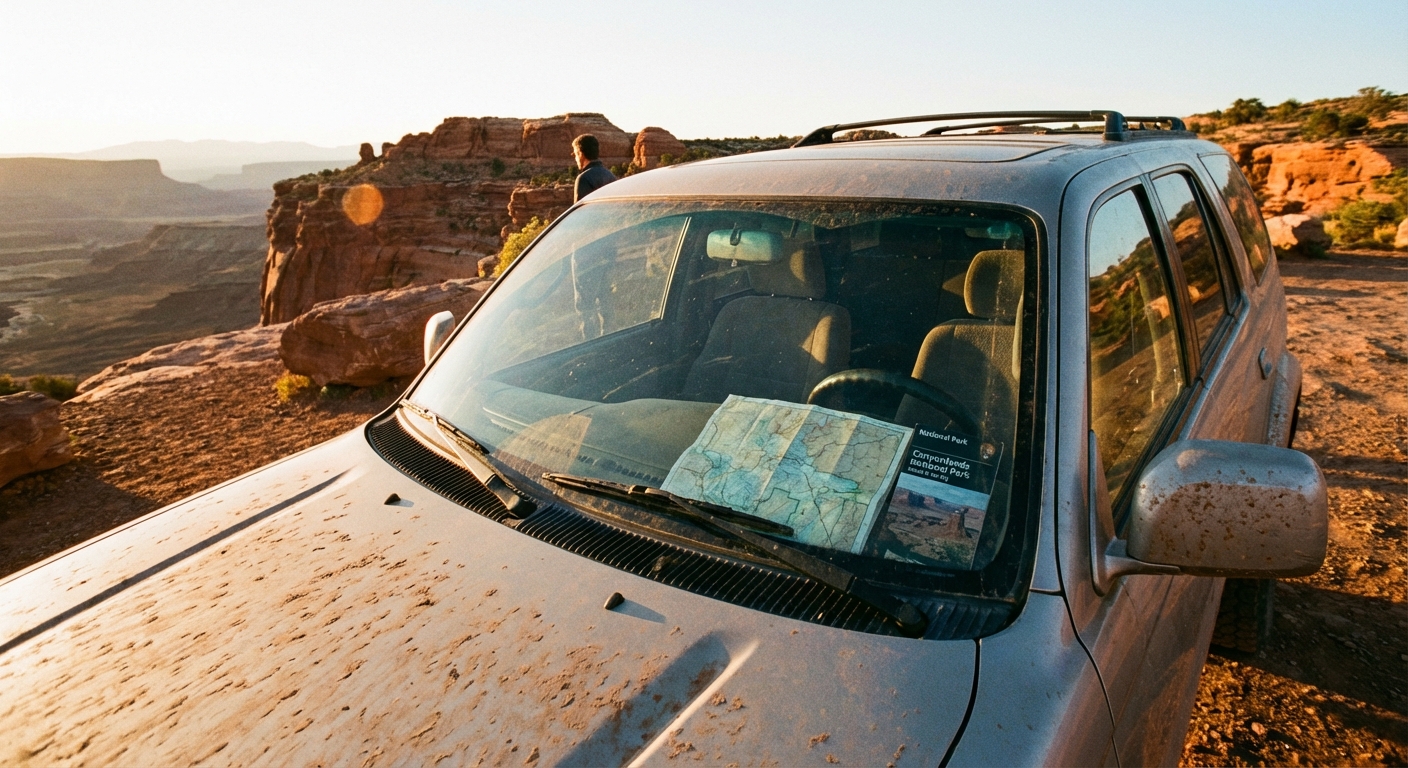
Start with the big decisions
1) Pick a region, not a list
The fastest way to overcomplicate a road trip is to mix parks that look close on a map but are separated by mountain passes, seasonal road closures, ferry schedules, or a whole lot of empty miles. Choose a tight cluster and commit to it.
- Best for first-timers: Utah and Northern Arizona. Short drives, huge scenery payoff.
- Best for variety: California. Coast, desert, alpine, and cities between.
- Best for summer hikers: Pacific Northwest. Great wildflowers and reliable trail access with cooler temps (waterfalls vary by season and snowpack).
2) Set your trip length using a simple rule
For a multi-park trip, a realistic pace is:
- 2 to 4 nights per “big” park (Yosemite, Zion, Glacier, Yellowstone)
- 1 to 2 nights per “small” park (Capitol Reef, Pinnacles, Great Basin)
- 1 buffer night every 5 to 7 days for laundry, weather, and “we found a perfect coffee shop and lost an hour” moments
3) Set your comfort level between parks
This is where Trail and Town thinking saves a trip. Do you want full camping immersion, or a shower and a real bed every few nights?
- All-in camping: Cheapest and often closest to trailheads, but it requires booking precision and gear management.
- Camp plus town nights: My favorite. Camp near the parks, then reset in a nearby town or small city with good food and laundry.
- Lodges and hotels: Easiest logistically, but often the most expensive and book far out in popular parks.
Build a route that works
Do the drive-day math first
When you’re hopping between parks, the drive is part of the plan, not an afterthought. I build routes around two guardrails:
- 3 to 4 hours is a comfortable transfer day that still leaves time for a sunset viewpoint or short hike.
- 5 to 6 hours is doable occasionally, but you’ll feel it. Don’t schedule a big hike day immediately after.
Plan for time zones and traffic
Some parks create surprise delays that don’t show up in a basic map estimate:
- Time zones: Utah and Arizona can be confusing due to daylight saving differences. Confirm your lodging check-in time zone.
- One-road chokepoints: Zion Canyon, Yosemite Valley, and Going-to-the-Sun Road areas can add significant delays depending on season, construction, and reservation systems.
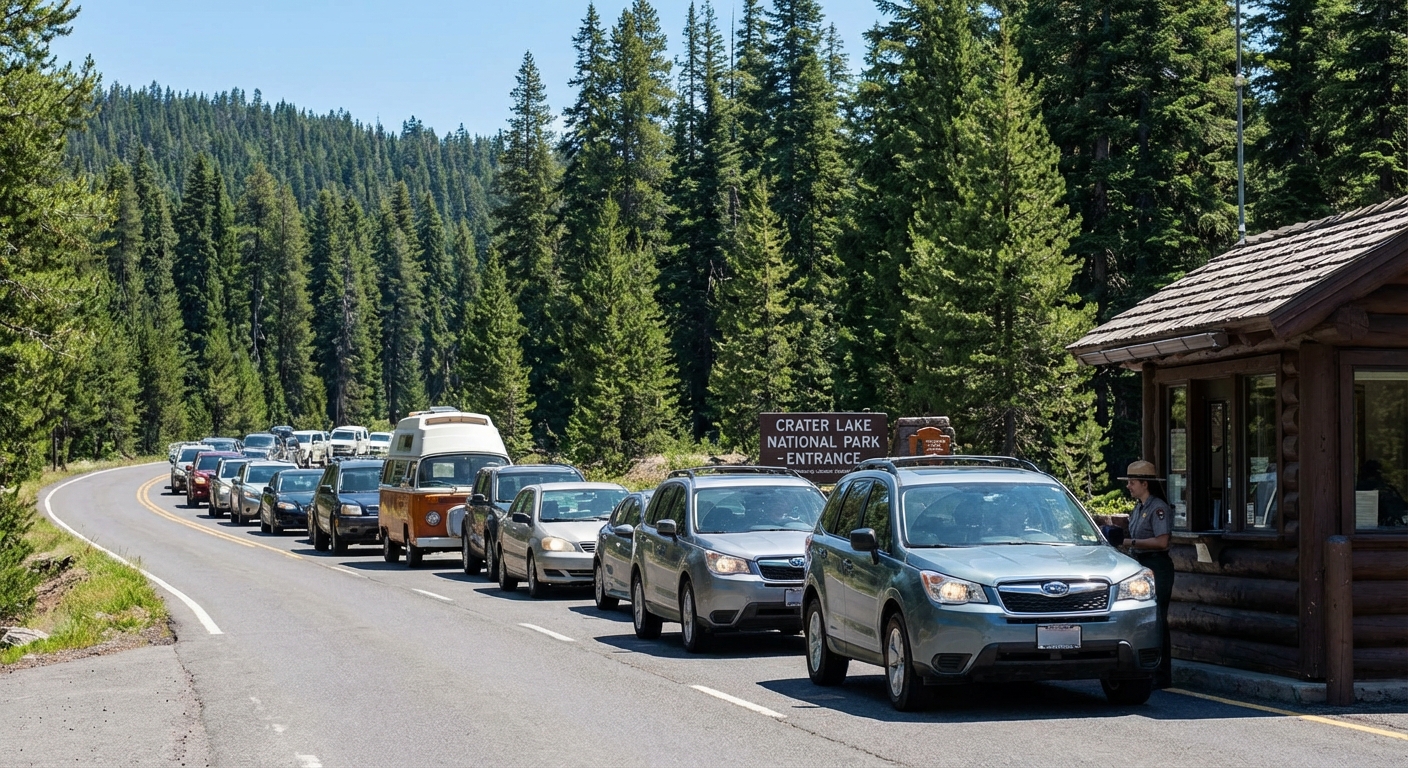
- Entry stations: Weekends and holidays often stack lines mid-morning. Arrive early or late.
Choose loop or one-way
- Loop trips: Easiest for rental cars and less stressful. Great for PNW and Utah circuits.
- One-way trips: Efficient for long distances, but may involve pricier one-way rentals or a return drive you forgot to budget time for.
Best multi-park combos
Pick a cluster, then build your route so you’re not crossing the same terrain twice. These combos keep drives sane and scenery high.
Utah: The Mighty Five (plus add-ons)
If you want maximum wow per mile, this is the classic. The parks are close enough that you can spend your energy hiking, not driving.
- Typical loop start: Las Vegas or Salt Lake City
- Parks: Zion, Bryce Canyon, Capitol Reef, Arches, Canyonlands
- Ideal length: 10 to 14 days (shorter is possible, but you’ll feel rushed)
Suggested route logic: Go west to east (or east to west) to avoid backtracking. Add one town reset night in Moab (between Arches and Canyonlands) if you like breweries, gear shops, and easy logistics.
Easy add-ons:
- Grand Canyon (South Rim): Works well paired with Zion or Bryce if you can add 2 to 3 days.
- Monument Valley: Not a national park, but a bucket-list sunrise drive between Moab and Arizona.
- Goblin Valley State Park: A perfect half-day stop near Capitol Reef.
Drive-day anchor stop idea: Slot in Scenic Byway 12 between Bryce and Capitol Reef. Even if you don’t hike much that day, the views do the heavy lifting.
California: A high-contrast circuit
California is the choose-your-own-adventure of U.S. road trips. The key is grouping by geography so you’re not zigzagging from coast to desert to mountains every other day.
Option A: Sierra focus
- Parks: Yosemite, Sequoia, Kings Canyon
- Ideal length: 7 to 12 days
- Best season: Late spring through early fall (some roads are seasonal)
Option B: Desert to mountains
- Parks: Joshua Tree, Death Valley (seasonal), Sequoia and Kings Canyon
- Ideal length: 8 to 12 days
- Best season: Fall through spring for desert comfort
Option C: Northern California sampler
- Parks: Redwood, Lassen Volcanic, Yosemite (longer drive but doable with a stop)
- Ideal length: 10 to 14 days
Town breaks that make this easier: Fresno or Oakhurst for Yosemite access, Three Rivers for Sequoia, Palm Springs for Joshua Tree, and Bishop for the Eastern Sierra if you route that way.
Drive-day anchor stop idea: If you’re routing along the Eastern Sierra, plan a CA-395 day and give yourself one real stop: a hot springs soak, a short lakeside walk, or a long sandwich break in Bishop. It turns a transfer day into a highlight.
Pacific Northwest: Rainforests to ridgelines
The PNW loop is perfect if you want cool temperatures, lush hikes, and a strong coffee scene between trailheads. This is also a great Trail and Town blend because Seattle and Portland are logical bookends.
- Classic trio: Olympic, Mount Rainier, North Cascades
- Optional add-on: Crater Lake (Oregon) if you have time for a longer loop
- Ideal length: 8 to 14 days
- Best season: July through September for the most reliable access
Route tip: Olympic is bigger than it looks. The drive from the Hoh Rain Forest area to Hurricane Ridge or the coast can be slow. Give Olympic at least 3 nights if you want beaches, rainforest, and alpine views without constant packing.
Drive-day anchor stop idea: Build in one peninsula pacing stop: a grocery restock plus a beach walk (even 45 minutes) before you push to the next base.
Closures and season reality
This is the part people skip, and it’s where itineraries go to die. Elevation and snowpack decide what’s open, not your calendar.
- Yosemite: Tioga Road (CA-120 through the high country) is seasonal and can open late after heavy snow years. If it’s closed, you may need a major reroute.
- Glacier: Going-to-the-Sun Road has seasonal access and can also be impacted by construction and vehicle reservation systems.
- North Cascades and high passes: Some roads and trails don’t melt out until mid to late summer. Shoulder season can mean fewer crowds, but also fewer options.
Before you lock your route, check each park’s official NPS “Plan Your Visit” page for seasonal road status for your specific month. Then check again a week before you go.
Reservations and permits
Know what needs booking
In peak season, you’re competing with everyone else who also had the brilliant idea to go outside. These are the items that commonly require advance planning:
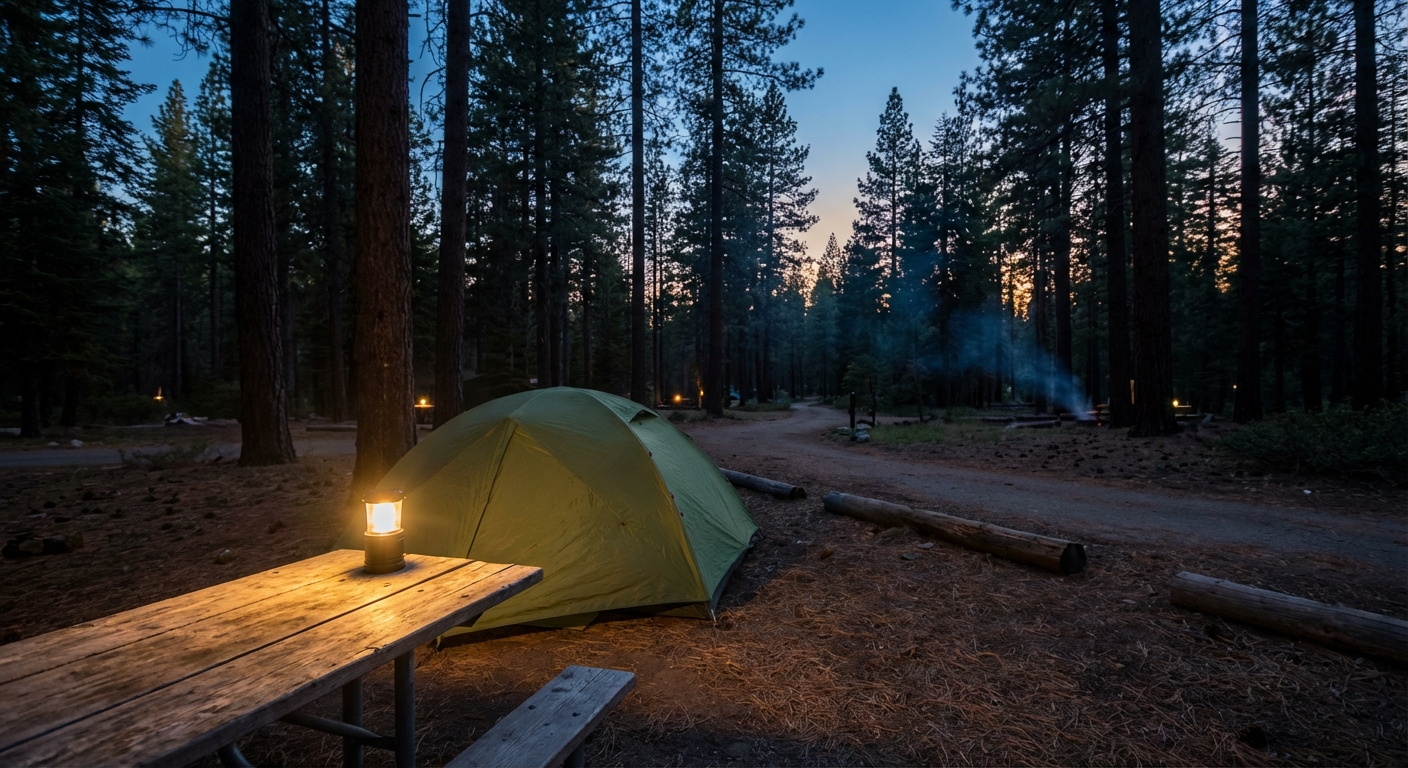
- Campsites: Many popular campgrounds release sites on set schedules, often months in advance.
- In-park lodges: Frequently book 6 to 12 months ahead.
- Timed entry and vehicle reservations: Some parks require an entry time slot or a specific-area vehicle reservation during busy periods. These systems can change year to year, so confirm on the park site for your dates.
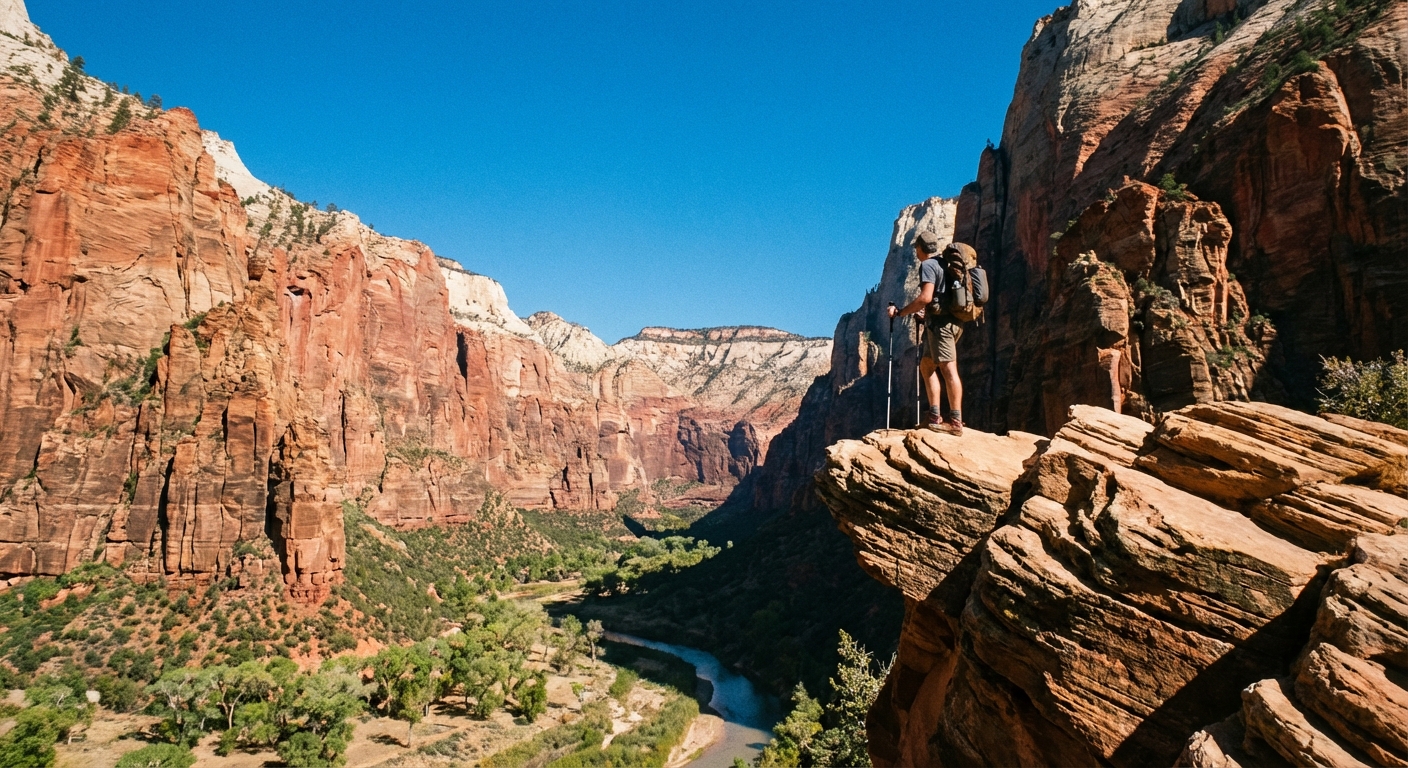
- Special hike permits: Examples include Angels Landing (Zion) and Half Dome (Yosemite), which use lottery systems.
A practical booking timeline
- 6 to 12 months out: Lock your route, request time off, and book any in-park lodges you want.
- 3 to 6 months out: Book campgrounds and key hotels in gateway towns. Confirm any timed entry or vehicle reservation requirements for your dates.
- 2 to 4 weeks out: Build your day-by-day plan, book any private campgrounds as backups, and line up gear checks.
- 48 hours to day-of: Watch for campground cancellations and last-minute permit releases where applicable.
Stay flexible without losing the trip
If you want freedom to chase weather, don’t book every night in one rigid chain. Instead:
- Anchor your highest-demand nights (weekends, in-park campgrounds, festival weeks).
- Float 1 to 3 nights in between with refundable hotels or first-come, first-served style alternatives.
- Carry a list of nearby public lands and state parks so you always have a Plan B within 60 to 90 minutes.
America the Beautiful pass
The America the Beautiful annual pass covers entrance fees at U.S. national parks and many other federal recreation sites for 12 months. If you’re hitting multiple parks, it often pays for itself quickly.
Rule of thumb
If you plan to visit three or more fee-charging parks on one trip, the annual pass is usually a better deal than paying per park. It’s also an easy yes if you think you’ll do another park trip within the next year.
How it works (quick nuance)
- Per vehicle sites: The pass typically covers the driver and all passengers in a private vehicle.
- Per person sites: The pass generally covers the pass holder plus up to three additional adults (kids are often free). Exact rules vary by site, so double-check if you’re traveling with a big group.
What it doesn’t cover
- Campsites and lodging
- Reservation fees (including timed entry or vehicle reservation processing fees, even when entry itself is included)
- Special permits
- Some tours and shuttles run by concessioners
Multi-vehicle tip
If you’re caravanning with friends, check how the pass applies at each park. Some entrances charge per vehicle, while others charge per person. Confirm before you assume one pass covers the whole group.
Budgeting: where money goes
Gas: the silent budget killer
Gas costs swing wildly between cities and remote areas near parks. Build your estimate using distance and a realistic MPG, then add a cushion for detours, scenic drives, and idling in entrance lines.
- Quick estimate: total miles ÷ your MPG = gallons needed
- Then: gallons × average gas price along your route
- Add: 10 to 20 percent buffer for park driving and side trips
Food: set your town-meals strategy
The cheapest multi-park trips are the ones that treat grocery stops like a recurring ritual. I like to plan for:
- 1 grocery restock every 3 to 4 days in a larger town
- 1 local meal per day when I’m in a gateway town (my sustainable travel compromise: spend money where locals work)
- Easy cooler staples: tortillas, hummus, hard cheese, apples, trail mix, bagged salads, instant oatmeal
Lodging: mix camping with smart splurges
If you camp every single night, you can save money but risk wearing yourself down. If you hotel every night near popular parks, you can spend a small fortune fast. The sweet spot for most travelers is a hybrid plan:
- Camp for proximity and sunrise access
- Sleep in town for laundry, showers, and actual rest
- Splurge once for a location you’ll remember (a cabin with a view, a historic lodge, a walkable downtown)
Don’t forget these line items
- Park shuttle fees where applicable (many in-park shuttles are free, but some services and tours cost extra)
- Bear canister rental or purchase (commonly required for some backcountry zones, like parts of the Sierra; frontcountry car camping rules differ)
- Firewood (buy local near the campground to reduce pest spread)
- Coin laundry
- Ice and cooler refills
- Gear replacement surprises (headlamp batteries always die at the worst time)
Make drive days count
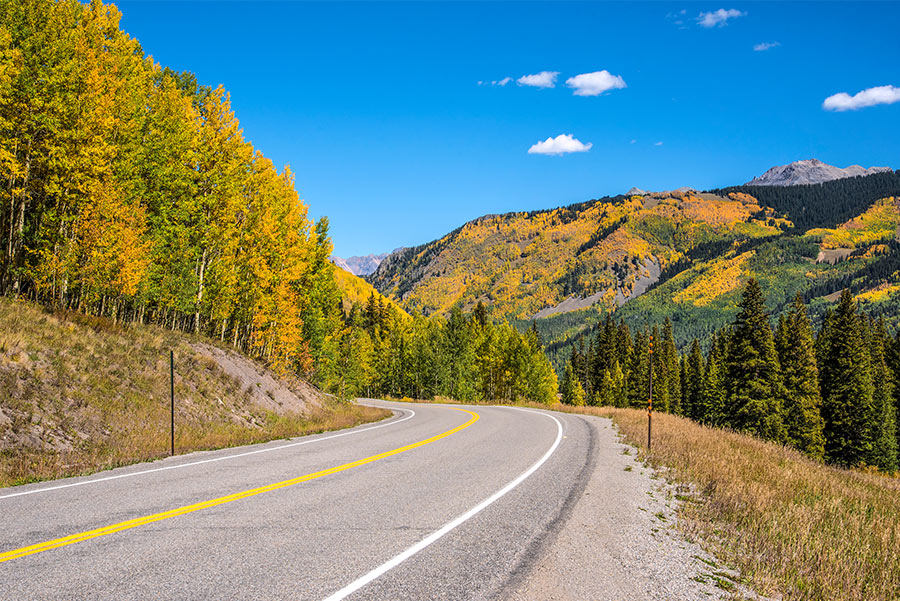
Between-park days can be the most memorable if you plan them with intention. Instead of just getting there, build in one anchor stop:
- A short hike: 1 to 3 miles to shake out your legs after sitting
- A scenic byway: Choose one and commit, even if it adds an hour
- A town wander: Find a local coffee shop, a bookstore, or a market and give yourself an unhurried hour
My personal rule: if the drive is longer than four hours, I’m not scheduling a major hike that same day. I plan for a viewpoint, a short trail, and a good dinner, then I let tomorrow be the big one.
Navigation and connectivity
Cell service disappears fast once you’re in the good stuff. Don’t let a dead signal be the reason you miss a trailhead or scramble for a last-minute campsite.
- Download offline maps before you leave town (Google Maps offline areas, plus a dedicated app like Gaia GPS or OnX Backcountry if you hike).
- Screenshot your confirmations for campgrounds, timed entry, and permits.
- Keep a paper backup for big-route context. It sounds old-school because it is, and it still works.
Pack light (yes, in a car)
I know, I know. A road trip isn’t a flight. But packing like you still have limits keeps your car livable, your mornings faster, and your gear easier to find.
The multi-park essentials
- Clothing system: base layers, one insulating layer, rain shell, and two hiking outfits you can rotate
- Footwear: hiking shoes plus one town shoe or sandal
- Sleep: warm sleeping bag (or quilt), pad, and a pillow you actually like
- Kitchen: stove, lighter, pot, mug, utensil, cooler, and a small spice kit
- Safety: first aid kit, headlamp, offline maps, extra water containers
- Car kit: tire inflator, jumper cables, and a basic tool kit
Weather reality check
Multi-park routes often cross elevation zones fast. You can be in desert heat at noon and in chilly alpine air by evening. Pack layers even in summer, and assume mornings will be cold in higher parks.
Safety and trail ethics
Logistics matter, but the basics matter more. A quick checklist I run every time:
- Heat and hydration: In UT and AZ, carry more water than you think you need and start early. Midday heat isn’t the time to be ambitious.
- Wildlife distance: Give animals space, and never feed them. If you’re close enough for a perfect portrait, you’re probably too close.
- Fire and smoke: Check active fire maps and air quality, and have a reroute option. Smoke can turn a “perfect” week into an indoors week.
- Leave No Trace: Pack out trash, stay on durable surfaces, and follow local rules for human waste and food storage.
Sample itineraries
These are built around realistic transfer days. Drive times are approximate and can swing with entrance lines, roadwork, and stops.
10 days: Utah highlights
- Days 1 to 3: Zion (one big hike day, one canyon day)
- Day 4: Bryce Canyon (about 2 hours from Zion area)
- Days 5 to 6: Capitol Reef (about 2 to 3 hours from Bryce via UT-12)
- Days 7 to 8: Moab base for Arches and Canyonlands (about 2 to 3 hours from Capitol Reef)
- Days 9 to 10: Extra Moab day or return drive with a buffer
8 days: PNW loop (Seattle in, Seattle out)
- Days 1 to 3: Olympic (Seattle to Port Angeles area is roughly 2.5 to 3.5 hours depending on ferry routing; internal park drives can be slow)
- Days 4 to 5: Mount Rainier (about 3 to 5 hours from Olympic areas, depending on where you sleep)
- Days 6 to 7: North Cascades (about 2.5 to 4 hours from Rainier areas)
- Day 8: Return and town day in Seattle (about 2 to 3 hours from the North Cascades corridor)
9 days: California Sierra trio
- Days 1 to 4: Yosemite (two hiking days, one valley day, one flexible)
- Days 5 to 6: Kings Canyon (about 2.5 to 4.5 hours from Yosemite, depending on route and traffic)
- Days 7 to 9: Sequoia (about 1 to 2.5 hours from Kings Canyon areas)
Common mistakes
- Overpacking the route: You can technically “see” five parks, but you’ll remember two. Leave breathing room.
- Ignoring elevation and seasonality: Roads and trails can be closed long after you assume summer starts.
- Booking too many non-refundable nights: Weather happens. Smoke happens. Flexibility is sanity.
- Forgetting recovery: Multiple hiking days plus constant packing equals burnout. Plan town resets.
- Underestimating drive-day hunger: Remote routes can have long stretches without food. Carry snacks and more water than you think you need.
A planning workflow
If you want a simple way to put this all together, here’s the workflow I use.
- Choose your region based on season and drive efficiency.
- Sketch a loop with 3 to 6 hour transfer days max.
- Anchor the high-demand bookings first: campgrounds, lodges, timed entry, permits.
- Fill in town stays every few nights for showers, laundry, and good food.
- Build your budget with a gas buffer and a realistic food plan.
- Finish with your hiking wish list, then match hikes to energy levels and drive days.
Planning a multi-park road trip isn’t about seeing everything. It’s about building a route that leaves you enough time to feel the place, not just photograph the sign.
With a smart region pick, realistic drive days, and the right reservations locked early, multi-park trips go from chaotic to smooth. The parks are the headline, but the logistics are what make the whole story work.