Ice Lakes Basin Near Silverton: Altitude, Roads, and Peak Season
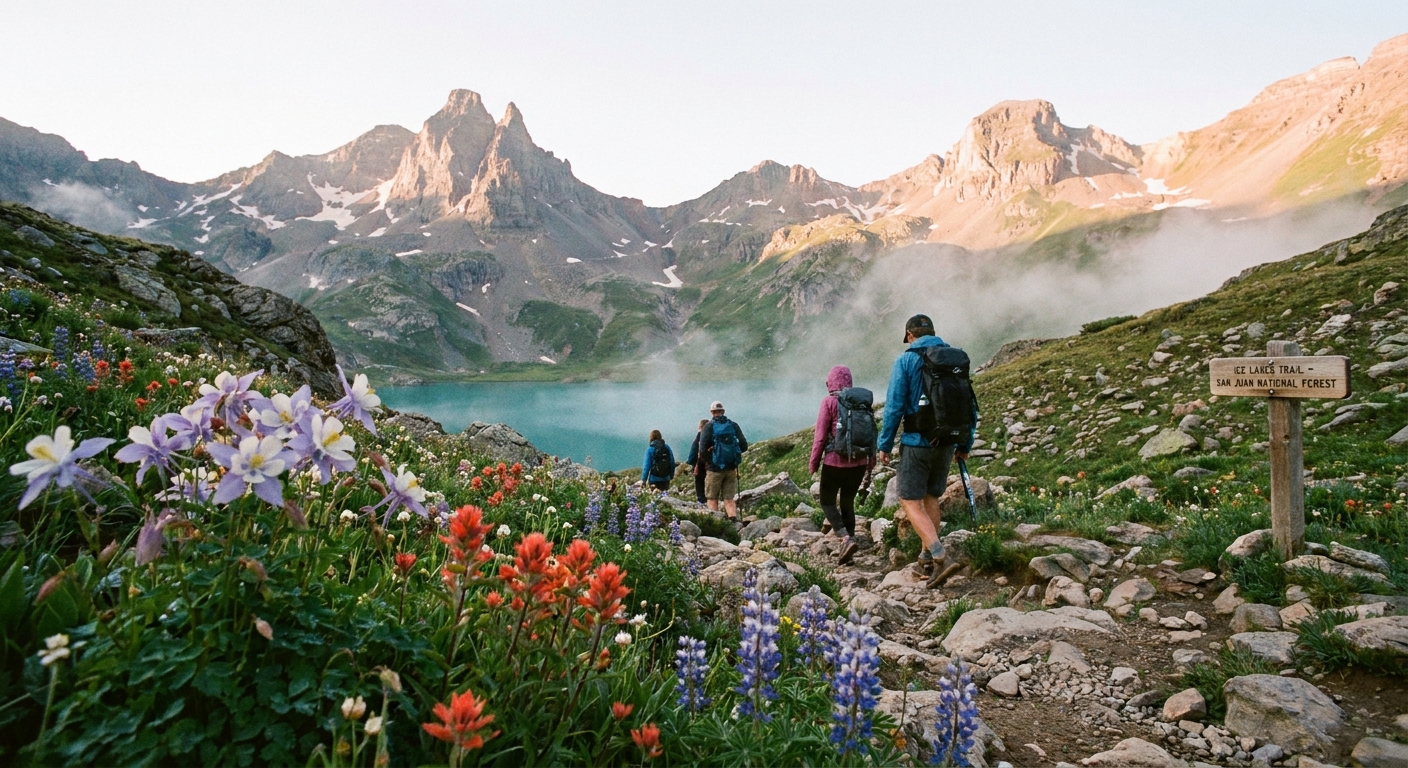

Ice Lakes Basin is the kind of place that looks edited even when it is not. Unreal turquoise water, knife-edge ridgelines, and a short drive from the Victorian streets of Silverton. It is also one of Colorado’s busiest alpine basins, and it sits high enough that your lungs will absolutely have an opinion about your plans.
This page is the briefing I wish every first-timer had before committing to the drive and the climb: how to prep for altitude starting in Silverton, what “rough road” really means, what peak season feels like on the ground, and the simple cues that tell you it is time to turn around.
Quick reality check
- It is a real hike. Expect roughly 7 to 8 miles round trip with about 2,400+ feet of elevation gain, depending on where you park and how far you wander in the basin.
- It is high. Silverton is already around 9,300 feet, and the basin is well above treeline.
- It is popular. Expect crowds in mid-summer, especially weekends.
- Afternoon storms are normal. In July and August, lightning risk is a daily consideration, not a rare event.
- The road can be the hardest part. Some days it is merely rough. Other days it is a clearance test and a patience test.
Altitude prep that starts in Silverton
Because Silverton sits so high, “I drove in last night, I am acclimated” can be a costly assumption. Acclimation is individual. Some people feel fine. Others get a headache just walking to breakfast.
Best-case plan for first-timers
- Sleep in Silverton (or nearby) before hiking. One night helps many people, two helps more.
- Keep day one mellow. Stroll town, ride the train, do a short low-stakes walk, then hydrate and go to bed early.
- Start the hike early. Not only for storms, but because altitude feels easier before the sun heats the climb.
Hydration and fueling that actually helps
Hydration is not a magic spell, but it matters. Aim to sip consistently the day before and the morning of your hike. Pair water with electrolytes if you sweat heavily or tend to get headaches at altitude.
- Eat carbs. Your body burns more energy at altitude, and quick calories are your friend on steep grades.
- Go easy on alcohol. Silverton is charming, but alcohol plus altitude is a classic recipe for a rough morning.
- Pack more snacks than you think. Appetite can drop at elevation, so bring options you will actually want.
Know the red flags for altitude illness
A mild headache or feeling winded can be normal. The line you should not cross is “worsening despite rest.”
- Turn around for: severe headache, vomiting, confusion, staggering, shortness of breath at rest, or symptoms that get worse the higher you go.
- Do not push through. The fix is almost always the same: stop gaining elevation and descend.
My personal rule: if I need to sit down every few minutes and my breathing does not settle after a short break, I treat that as a strong cue to shorten the day.
Road conditions
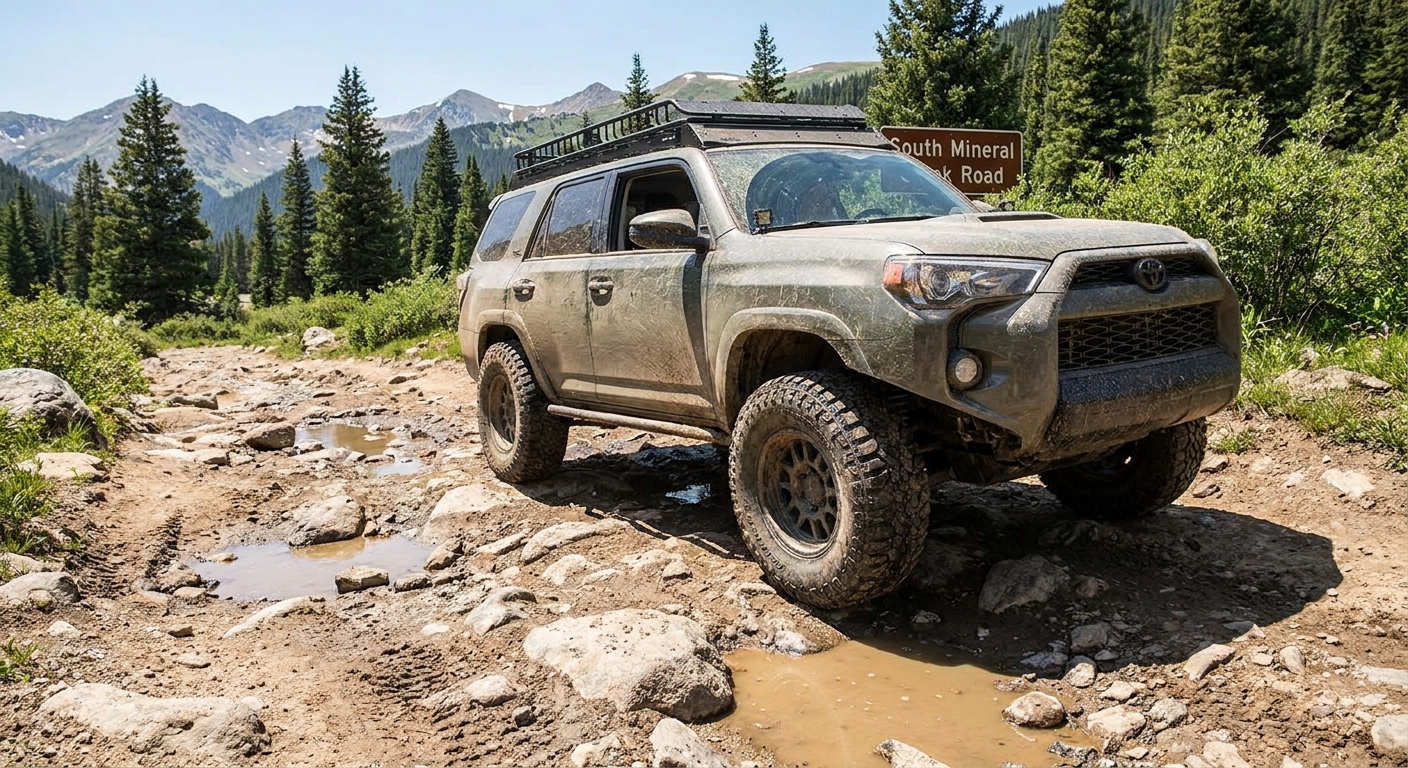
Ice Lakes Basin is typically accessed via the South Mineral Creek area outside Silverton. Most hikers aim for parking near South Mineral Campground and the nearby trailhead access along South Mineral Creek Road. The last stretch of road is where expectations make or break your day. Depending on recent weather, grading, and traffic, you might see deep ruts, embedded rocks, washboard, mud, and standing water.
Set expectations by vehicle
- Low-clearance cars: Plan for a slower drive and accept that you may need to park earlier than you hoped if the road gets chunky. Protect your oil pan and your vacation mood.
- Crossovers and AWD: Clearance matters more than drivetrain on rough, rocky stretches. AWD helps in mud, but it does not lift your undercarriage.
- High-clearance 4WD: Often the least stressful option, especially after heavy rain. Still drive slowly. Sharp rocks do not care that you have a transfer case.
Road etiquette
- Go slow near pedestrians. Dust and flying gravel are real, and visibility can be limited.
- Yield patiently on narrow sections. Use pullouts, communicate clearly, and avoid risky squeezes.
- Do not block turnarounds. If you park, make sure larger vehicles and emergency access can still pass.
A note on workarounds
You will see all kinds of advice online about shortcuts, unofficial parking, and creative shuttle arrangements. I am not going to promise hacks that put you at risk of towing, tickets, or starting your hike already stressed. The cleanest plan is the boring one: know your vehicle limits, arrive early, and be willing to park where it is legal and safe.
Peak season reality
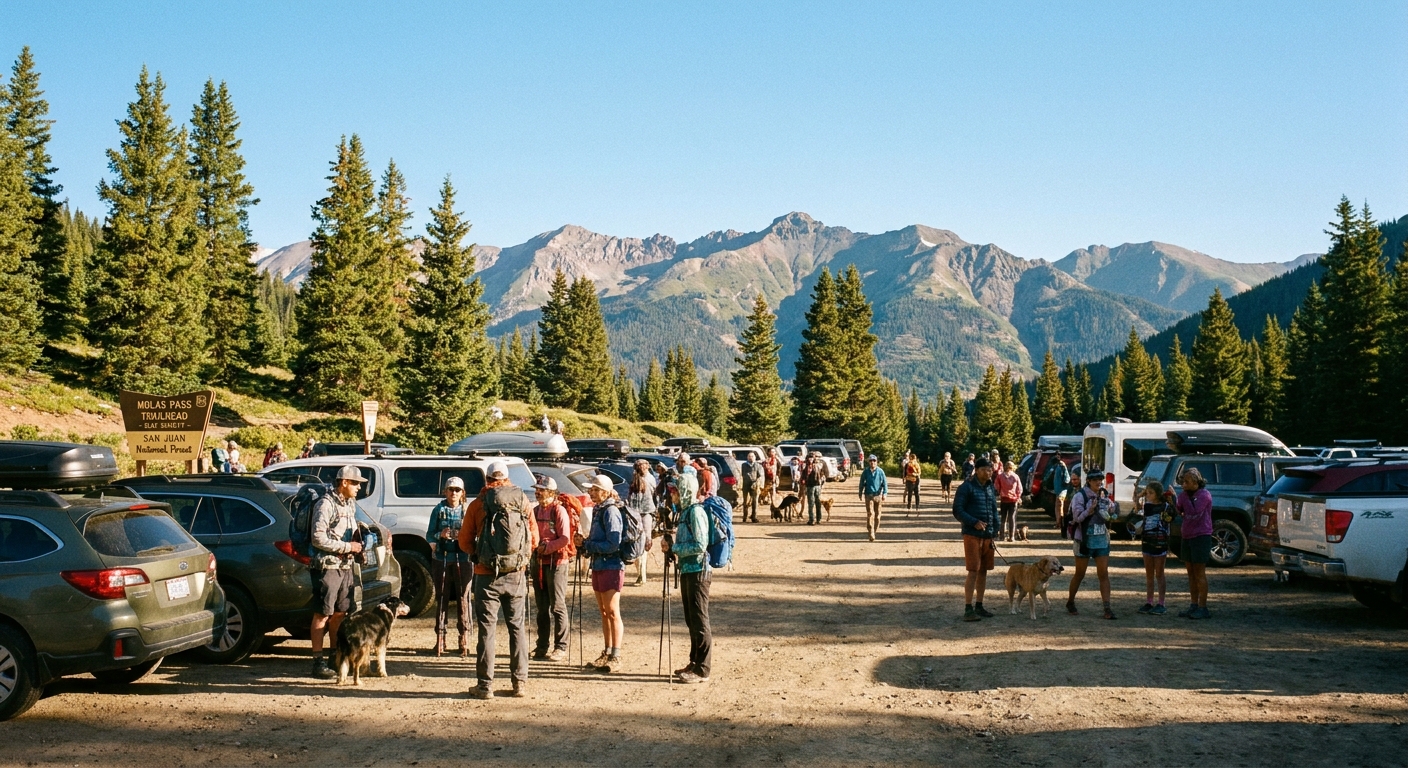
Ice Lakes Basin is not a “secret turquoise lake” anymore. In peak summer, it can feel like a small festival on a steep trail. That does not mean it is not worth it. It means you should plan like a popular place is popular.
When it is busiest
- Mid-July through early September is typically the core window for snow-free access and big color.
- Weekends are the heavy hitters.
- Wildflower peak usually draws extra traffic. Timing varies year to year with snowpack and weather.
How to avoid the worst
- Start early. Think sunrise-adjacent, especially if you want quieter photos and easier parking.
- Choose a weekday. If you can move your schedule, this is the single biggest upgrade.
- Have a backup hike. If parking is full or weather is sketchy, you will be glad you did not pin your whole day on one basin.
One more emotional truth: the basin is still stunning even when you are not alone. If you go in expecting solitude, you will be disappointed. If you go in expecting a shared alpine experience, it is easier to relax into the day.
Afternoon storms
Colorado’s summer pattern often includes clear mornings followed by building clouds and thunderstorms in the afternoon. Above treeline, lightning is the main hazard, not rain. Ice Lakes Basin terrain tends to keep you exposed for long stretches, so storm timing is everything.
My timing rule
- Be heading down by late morning. Earlier is better if clouds are already forming.
- Do not linger on ridges. If you are debating whether to push to a viewpoint, that is usually your answer.
Cloud cues
- Fast-building cauliflower clouds and a darkening base.
- Wind shift and a sudden temperature drop.
- Distant thunder, even once. If you can hear it, you are close enough to be struck.
If thunder is audible, treat it as “turnaround now,” not “maybe after one more photo.”
Turnaround cues
This is the part that keeps people out of trouble: giving yourself permission to turn around before the day turns. Here are practical cues that do not require expert judgment.
Turn around if any happen
- Storm build-up: thunder, graupel, or rapidly darkening clouds while you are still climbing.
- Altitude symptoms: headache that worsens, nausea, dizziness, or unusual fatigue that does not improve with rest.
- Time creep: you are behind your planned schedule on the way up. The descent will not be faster if weather moves in.
- Route confusion: you are wandering between social trails or losing the main track. Alpine terrain punishes “we will figure it out.”
- Road exit risk: heavy rain starts and you are parked on a road you barely crawled up dry. Mud and ruts can escalate quickly.
Not finishing is not failure. It is the skill that lets you come back on a better day.
What to pack
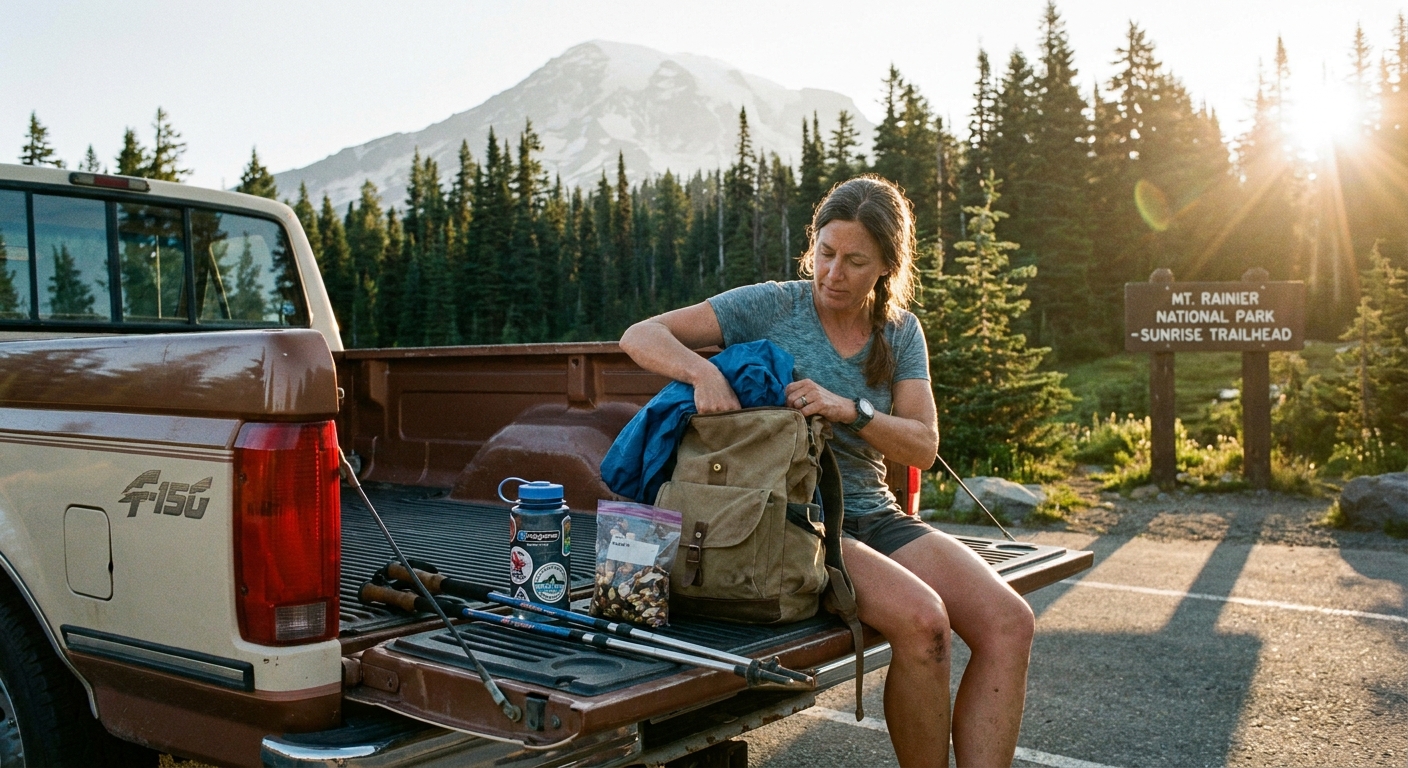
This is a high-alpine hike. Conditions swing from blazing sun to cold rain fast, and the trail can be steep and slick.
- Rain jacket and warm layer: even on a bluebird forecast.
- Sun protection: sunglasses, sunscreen, and a hat. UV is intense at elevation.
- 2 to 3 liters of water for most people, plus electrolytes if you know you need them.
- High-calorie snacks and lunch: bring extra in case the hike takes longer than expected.
- Trekking poles: a knee-saver on the descent, especially if it rains.
- Navigation: offline map downloaded to your phone. Service is unreliable.
- Headlamp: early starts and late finishes happen, even on day hikes.
Leave No Trace
Alpine basins recover slowly. A few small choices make a big difference when thousands of boots hit the same trail each summer.
- Stay on the main trail to protect tundra and reduce erosion.
- Pack out all trash, including food scraps.
- Use restrooms if available. If you must go outside, follow local guidelines and pack out toilet paper.
- Keep dogs under control and be mindful around wildlife and other hikers.
Silverton perks
One reason I love pairing Ice Lakes Basin with Silverton is that you can have a rugged morning and an easy afternoon. When you get back, take the win: change into clean clothes, grab a real meal, and let your legs decompress.
If you are building a weekend around it, consider making your hike day the middle of the trip so you can arrive, acclimate, hike early, then recover with a town evening instead of immediately driving long distances.
Plan it like a pro
- Know the stats: roughly 7 to 8 miles round trip, about 2,400+ feet of gain.
- Acclimate: sleep in Silverton first if you can.
- Start early: morning is for climbing, afternoon is for descending.
- Respect the road: clearance beats confidence.
- Expect crowds: weekdays and sunrise starts help.
- Turnaround cues: thunder, worsening altitude symptoms, or slipping behind schedule.
Ice Lakes Basin is spectacular, but it rewards the hikers who treat it like real alpine terrain, not a quick lake stroll. Do that, and you will walk away with the best kind of souvenir: a safe day that still feels wild.