Iceberg Lake Trail: Bears, Timing, Turnarounds
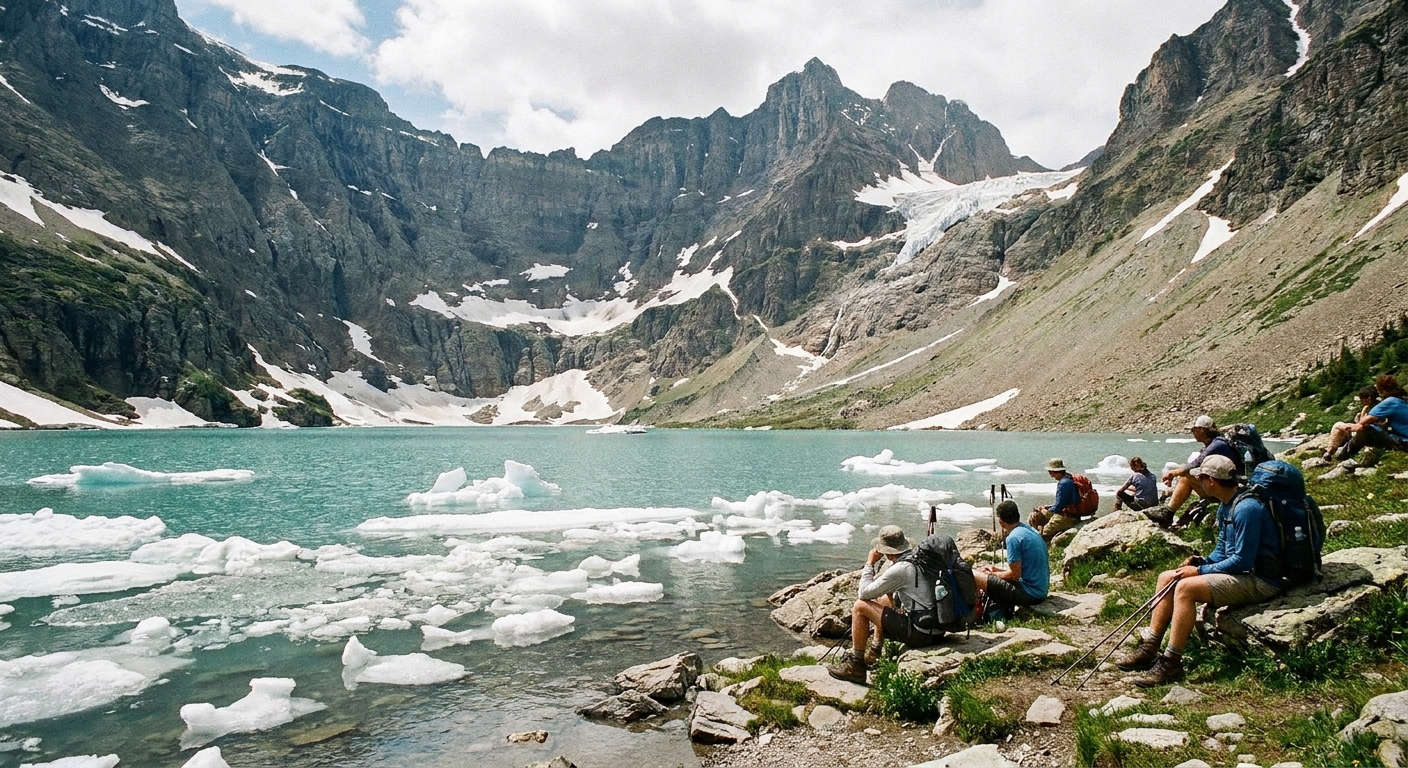
Iceberg Lake is the Many Glacier day hike people whisper about at breakfast: turquoise water, floating ice even in summer, and a valley that feels like it was designed to make you stop talking mid-sentence. It is also prime bear country and a trail where “we’ll see how we feel” can turn into a long, tense walk back if you ignore timing and weather.
This page is the nuts-and-bolts plan for hiking Iceberg Lake Trail as a day hike: realistic start times for parking, bear-aware etiquette that matches Glacier National Park norms, and turnaround points you can defend when your group is tired, the sky turns, or the wind picks up.

Iceberg Lake at a glance
- Trailhead: Many Glacier area (Iceberg Ptarmigan Trailhead, near Swiftcurrent)
- Distance: about 9.6 to 10.0 miles round trip (varies slightly by device and exact trailhead start)
- Elevation gain: roughly 1,200 to 1,500 feet
- Time: most hikers take 4.5 to 7 hours including breaks
- Difficulty: moderate, with a steady climb and big exposure to sun, wind, and weather near the lake
- Best season: mid-July through September for highest odds of snow-free travel, though ice often lingers on the lake well into summer
What it feels like: The first miles are a pleasant forest-to-meadow stroll. The last stretch into the cirque is where the drama ramps up: cliffs, waterfalls, and a final approach that can feel suddenly alpine and windy.
Start times, parking, and how to avoid the crowded slog
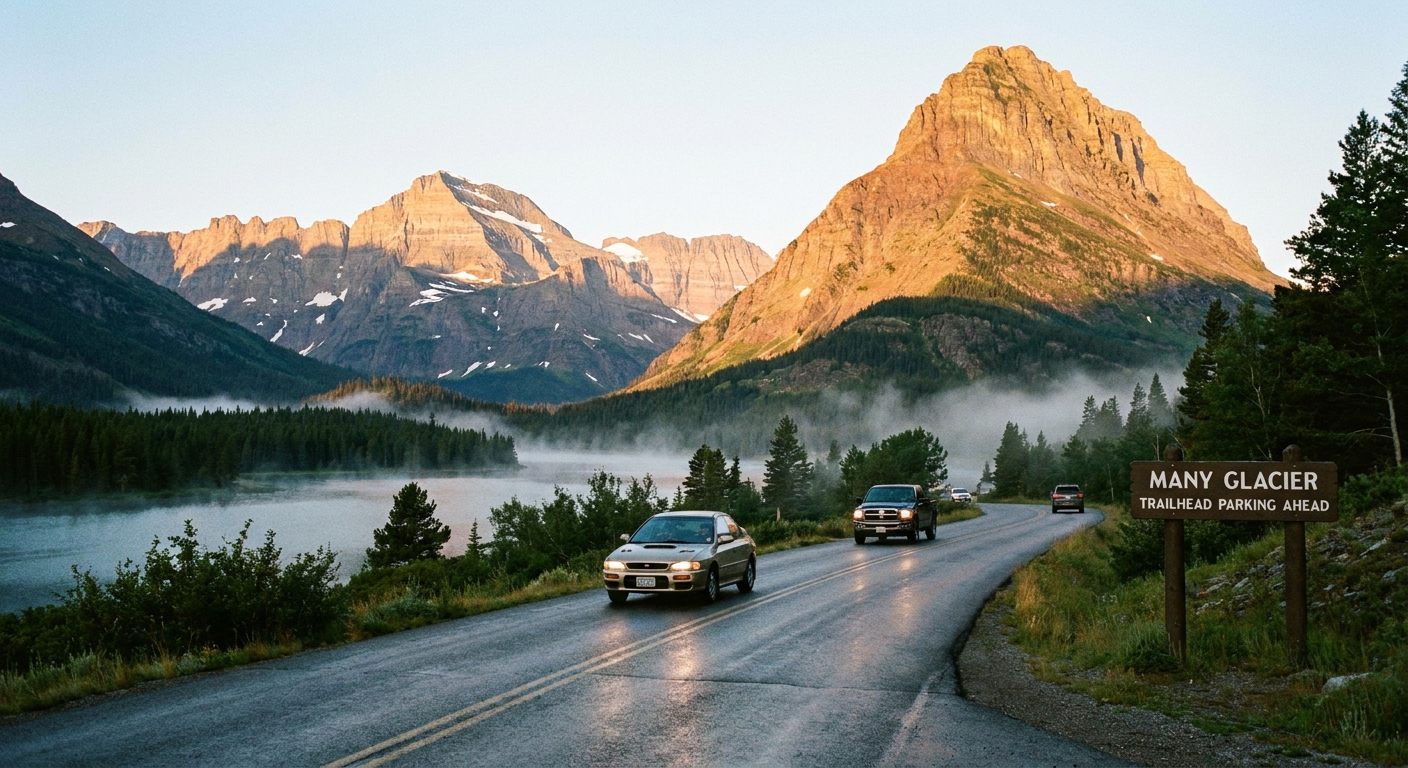
Many Glacier is popular for a reason, and the road and lots are not built for peak-season volume. If you do one thing for this hike, do this: start earlier than you think you need to.
Best arrival windows
- Peak season (mid-July to late August): aim to park by 6:30 to 7:30 am. Earlier is calmer, cooler, and better for wildlife awareness.
- Shoulder season (June, September): you can sometimes arrive closer to 8:00 am, but weather is less predictable and daylight can be shorter.
- If you arrive after 9:00 am in peak season: expect full lots, longer time hunting for a spot, and a busier trail where it is harder to keep groups tight in bear country.
If you are staying inside the Many Glacier area, use that advantage. If you are coming from farther away, build in buffer time for road construction, wildlife traffic jams, and the very human problem of needing coffee.
Navigation: the one junction to watch
Iceberg Lake shares its start with the Ptarmigan Tunnel route, so there is one fork you should have on your radar.
- Ptarmigan Tunnel junction: about 2.7 miles from the trailhead, shortly after the Ptarmigan Falls area. Stay on the signed route for Iceberg Lake unless you are intentionally hiking to Ptarmigan Tunnel.
This is the most important navigational waypoint on the hike. If your group gets spread out, this is where people most often wander the wrong direction and then have to backtrack.
Bear country: how to hike Iceberg Lake the Glacier way
Iceberg Lake is classic grizzly habitat. This does not mean you should skip it. It does mean you should hike like you belong in Glacier, not like you are out for a casual neighborhood walk.
Non-negotiables
- Carry bear spray and keep it accessible (holster or front pocket). It does not help inside your pack.
- Know how to use it before you leave the trailhead. Read the canister instructions and practice the draw motion.
- Hike in a group. Park guidance often recommends groups of 4 or more when possible. Solo hiking is higher risk.
- Make your presence known in brushy, loud-water sections: talk, call out, clap occasionally. You are not “attracting bears”, you are avoiding surprise encounters.
- Never run if you see a bear. Create space, stay calm, and follow posted and ranger guidance.
Trail etiquette that actually matters here
- Give hikers space to bunch up. If someone asks to walk near you for a bit, say yes. They are being smart, not annoying.
- No dogs on this trail. Glacier National Park prohibits pets on all trails. Leave pets at home or plan non-trail activities where pets are allowed.
- Food rules apply on day hikes too. Snacks should be packed securely. Do not leave food unattended at the lake or along the trail.
- Respect closures immediately. If the park closes Iceberg due to bear activity, it is not a suggestion.
My practical rhythm: I treat the first two miles like “bear focus time.” I keep conversation going, I do not daydream with headphones, and I watch the trail edges where berries and brush are thick. Once you are in open meadow, visibility improves, but you still need awareness.
Weather and trail conditions: when to turn around
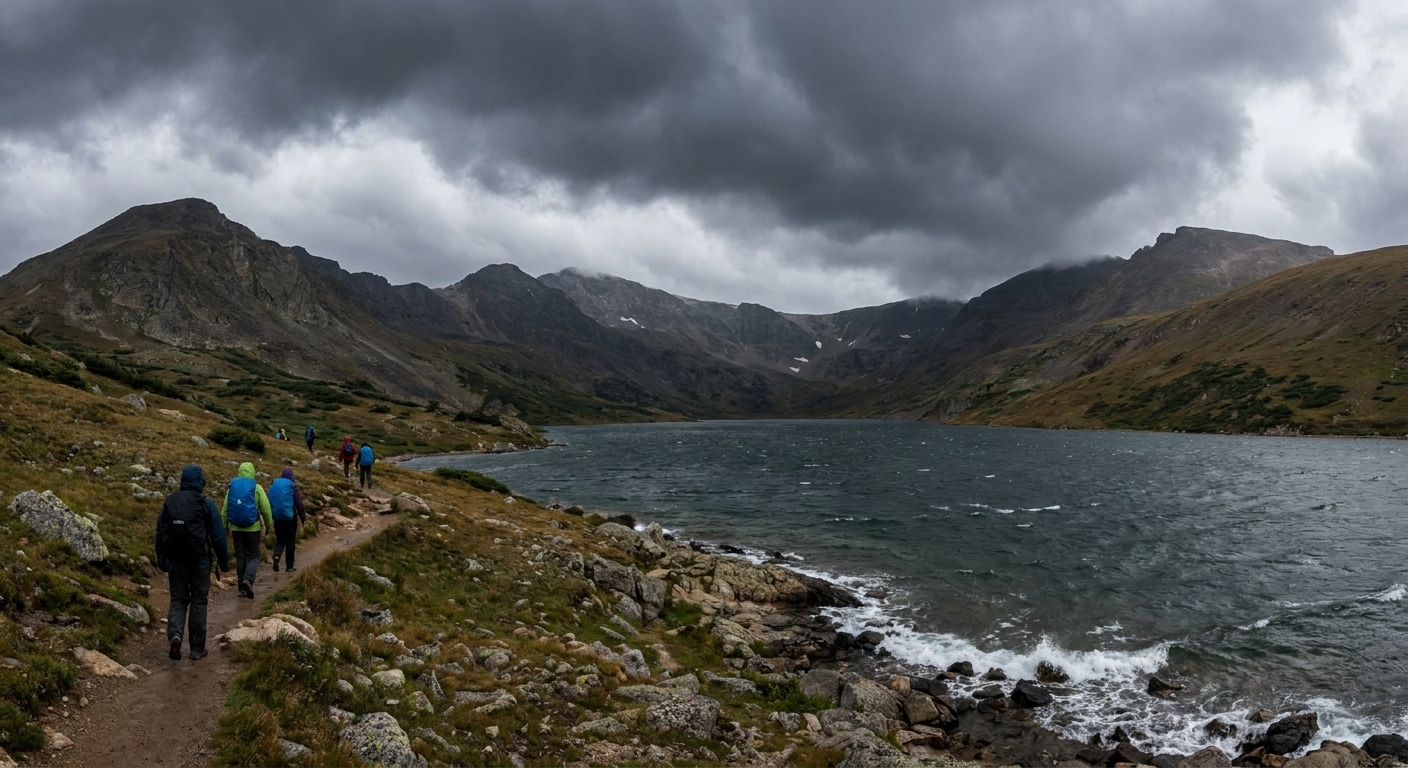
The Iceberg Lake basin can feel like a wind tunnel, and weather can shift quickly off the peaks. The most common mistake I see is hikers pushing to the lake because “we’re almost there,” then lingering too long when the conditions are clearly turning.
Turnaround signals you should take seriously
- Building thunderheads and you can hear distant thunder: turn around. Lightning and exposed viewpoints do not mix.
- Wind spikes in the upper valley: strong gusts make the lakeshore colder and reduce comfort fast, especially if you are damp from sweat or rain.
- Graupel or sleet in summer: that is your warning shot. Temperatures can drop fast in the cirque.
- Snowfields you cannot cross confidently (early season): if you do not have traction and experience, do not gamble near steep runouts.
- Haze from wildfire smoke that worsens: visibility and breathing can degrade quickly, and views may be muted enough that the “summit fever” payoff disappears.
Layering and gear that make this hike easier
- Light rain shell and a warm layer even on bluebird days
- Sun protection: hat, sunglasses, sunscreen. The valley can bake.
- 2 liters of water minimum, more on hot days
- Traction (optional) in early season if rangers report lingering snow near the lake
Realistic turnaround points (with why they work)
Not every group needs to tag the lake to have a great day. The best turnaround is the one that gets everyone back to the car feeling strong, not shattered. These are the checkpoints I use for Iceberg.
Turnaround #1: Ptarmigan Falls area
If you are short on time, hiking with kids, or the morning feels off, this is a satisfying goal. You still get forest, creek sounds, and a “we did a Glacier hike” payoff without committing to the full basin.
- Why it works: earlier return, lower exposure to high winds and storm build-up
- Best for: late starts, smoky days, or anyone nursing a knee
- Good to know: there is a pit toilet near Ptarmigan Falls, which is a big deal if you are hiking with kids or trying to avoid an emergency stop later.
Turnaround #2: The open meadow stretch before the final basin climb
This is my favorite “honest assessment” spot. You have visibility, you can gauge weather over the peaks, and the vibe shifts from leisurely to more alpine.
- Why it works: you can turn back before the most time-committing final miles
- Best for: groups moving slower than expected or seeing building clouds
Turnaround #3: The last junction area (before the final approach)
Sometimes the day is fine until it is not. If wind is ripping, rain is approaching, or you are behind schedule, calling it here is still a win.
- Why it works: you were close enough to get the big valley views, but you avoid getting stuck lingering at a cold lakeshore
- Best for: afternoons with rising thunder risk
Turnaround #4: Iceberg Lake shoreline
If you make it to the lake, keep the stop intentional. Eat, layer up, take photos, and do not let a cold, windy shoreline trick you into staying too long. Your descent still takes time, and tired legs are when attention slips in bear country.
How Iceberg Lake compares to other Many Glacier hikes
Many Glacier is stacked with iconic day hikes, and Iceberg sits in a sweet spot: big scenery without the same sustained climb as some neighbors. Here is how it typically feels compared to other nearby options.
Iceberg Lake vs Grinnell Glacier
- Scenery: both are top-tier. Grinnell has that “glacier up close” drama; Iceberg has the cirque-and-ice-on-water magic.
- Effort: Grinnell generally feels harder with more climbing and sun exposure.
- Crowds: both are popular. Grinnell often feels busier because it is a headline hike.
Iceberg Lake vs Cracker Lake
- Vibe: Cracker is longer and often quieter, with a different color palette and a deeper-in-the-woods feel.
- Effort: Cracker can feel like a grind due to distance. Iceberg’s payoff arrives sooner.
- Wildlife awareness: both require strong bear etiquette. Solitude increases responsibility.
Iceberg Lake vs Swiftcurrent Pass
- Effort: Swiftcurrent Pass is a more sustained climb with big views and a more “mountain pass” feel.
- Conditions: Swiftcurrent can hold snow longer and feels more exposed at the top.
- Why choose Iceberg: you want an iconic destination lake with less elevation gain.
If you are choosing between Many Glacier trailheads and Logan Pass options, keep this page focused on Iceberg and then use our broader comparison content for the bigger parkwide strategy. The key point here: Iceberg is a Many Glacier classic, and it pairs well with other Many Glacier hikes if you are staying in the area.
A simple day plan that works
Early start itinerary
- 6:30 to 7:30 am: park, quick gear check, bear spray accessible, layers ready
- Morning: steady pace, short breaks, keep your group together
- Late morning: reach the upper valley before typical afternoon weather builds
- At the lake: 20 to 40 minutes is plenty for most people, especially if wind is up
- Early afternoon: be heading down before storms are likely
If you started late
If you cannot hit the early window, plan to use one of the turnaround points above. A half-hike in Glacier that feels calm and safe beats a full hike where you are rushing, stressed about parking, or walking out in the worst weather of the day.
Quick checklist before you go
- Check current trail status and bear activity closures for Many Glacier before committing
- Pack bear spray and keep it accessible
- Bring layers for a cold, windy lake basin
- Start early for parking and for safer weather margins
- Know the Ptarmigan Tunnel junction and stay on the Iceberg Lake route
- Choose a turnaround point in advance, then adjust based on conditions
- Practice Leave No Trace: stay on trail, pack out everything, and give wildlife space
Iceberg Lake is one of those hikes that rewards patience: patient pacing, patient weather watching, and patient respect for the fact that you are visiting an ecosystem that runs on its own rules. Do that, and you will earn one of Glacier’s most memorable shorelines.