Indiana Dunes: Short Trails for Beach and Forest

Maya Lin
Maya Lin is a travel journalist and outdoor enthusiast who believes the best trips combine rugged adventures with urban comforts. After spending six years backpacking across four continents, she founded Trail & Town Guide to help fellow travelers navigate both hidden mountain passes and bustling city neighborhoods with confidence.
Indiana Dunes National Park is my favorite kind of “two worlds” trip. One minute you are barefoot on a Lake Michigan beach watching sailboats cut across the water (and on clear days, you can sometimes spot Chicago’s skyline), and a short drive later you are under tall oaks and maples, hiking past wetlands that sound like a bird sanctuary. If you only have a day or a weekend, these short trails deliver the best payoff with minimal logistics and maximum sand-in-your-shoes joy.
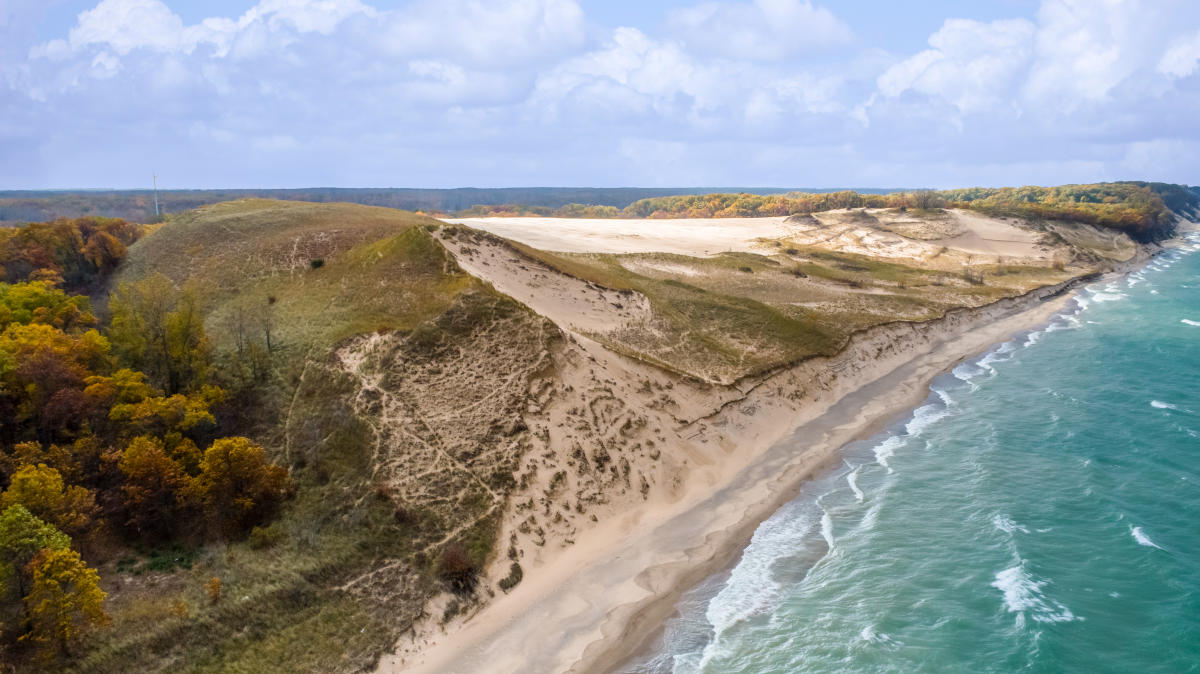
Quick note: Indiana Dunes is a national park wrapped around towns, beaches, and a state park. Parking lots fill fast on summer weekends, so short trails are a smart strategy. Do one early, one midday near the water, and one golden-hour loop in the woods.
Know before you go
Fees and passes
- National Park fee: Indiana Dunes National Park charges an entrance fee (in place since 2022). If you have an America the Beautiful pass, you are set. If not, check the current NPS fee details before you go (fees can change, and fee structure can vary by time period).
- State Park fee: Indiana Dunes State Park charges its own entry fee and it is separate from the national park.
Best seasons for short hikes
- Late spring: Wildflowers, fewer crowds, and excellent bird activity along the marsh and woodland edges.
- Summer: Peak beach vibes, but plan for full lots and hot, leg-sapping sand. Go early.
- Fall: Crisp air, migrating birds, and comfortable hiking temps for dune stair workouts.
- Winter: Quiet trails and frozen shoreline drama, but traction can be helpful on icy boardwalks and steps.
Beach and dune basics
- Sand changes everything: A “short” dune walk can feel like a workout. Budget extra time.
- Footwear: For beach-to-forest combos, closed-toe trail runners are ideal. Pack sandals for after.
- Sun and wind: Lake Michigan can feel cool and breezy even on warm days. Bring a light layer.
- Leave no trace: Stay on marked paths in dune areas. The dunes are living landscapes and fragile.
If you are traveling with kids, the winning formula here is easy path first, then sand, then a snack reward in a nearby town. Great Marsh is a reliable favorite with flat terrain (boardwalk and packed path in sections), and West Beach has facilities that make family resets easier (restrooms are typically available in peak season, but it can vary).
Quick safety check
- Lake conditions: Swim only where and when conditions allow. Waves and currents can turn quickly on windy days.
- Bugs and plants: Marshy areas can be buggy, and poison ivy is common. Long sleeves and bug spray can save your mood.
- Ticks: Do a quick tick check after woodland and edge habitat walks.
Best short trails for beach views
Dune Succession Trail (West Beach stairs)
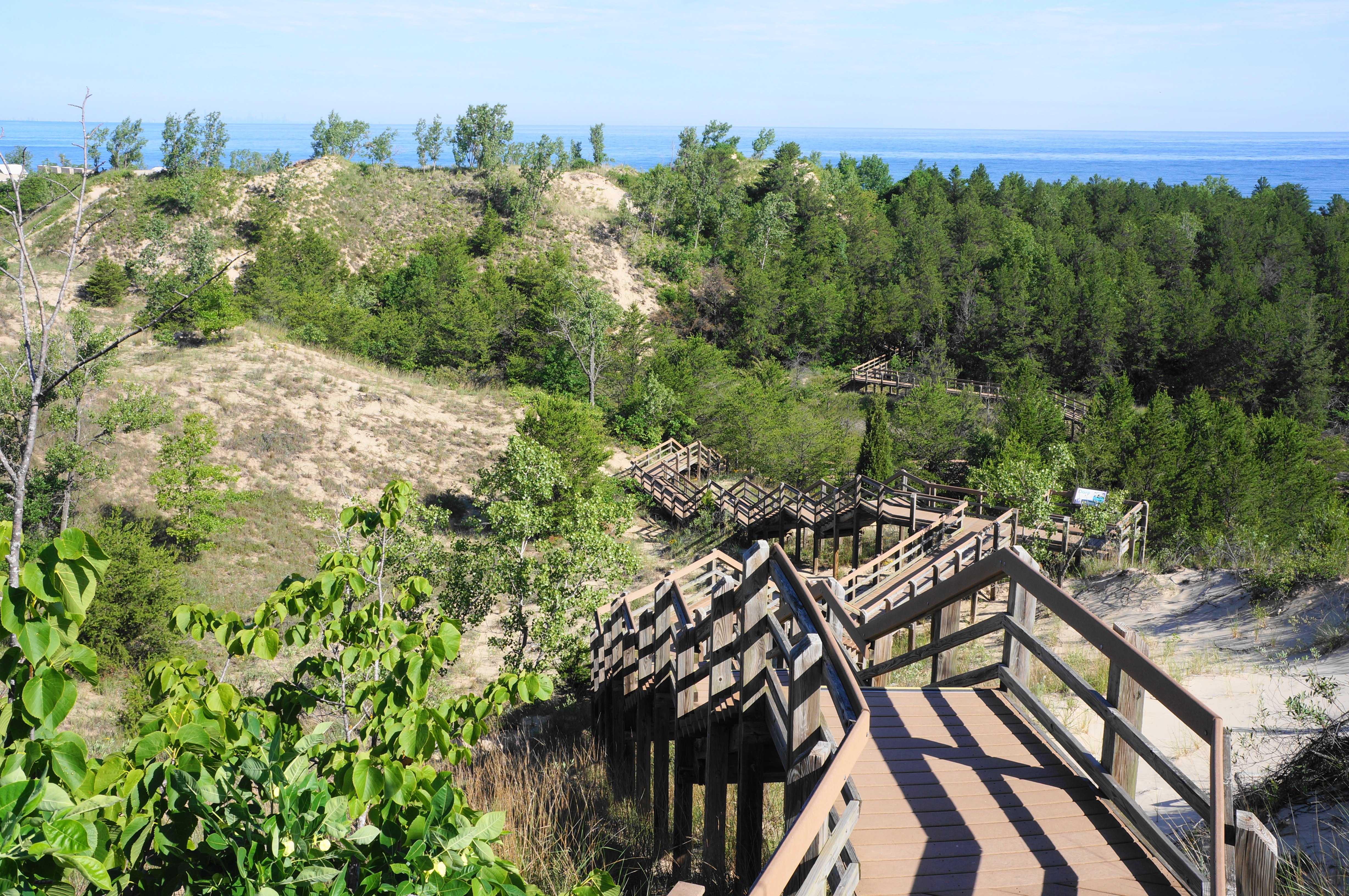
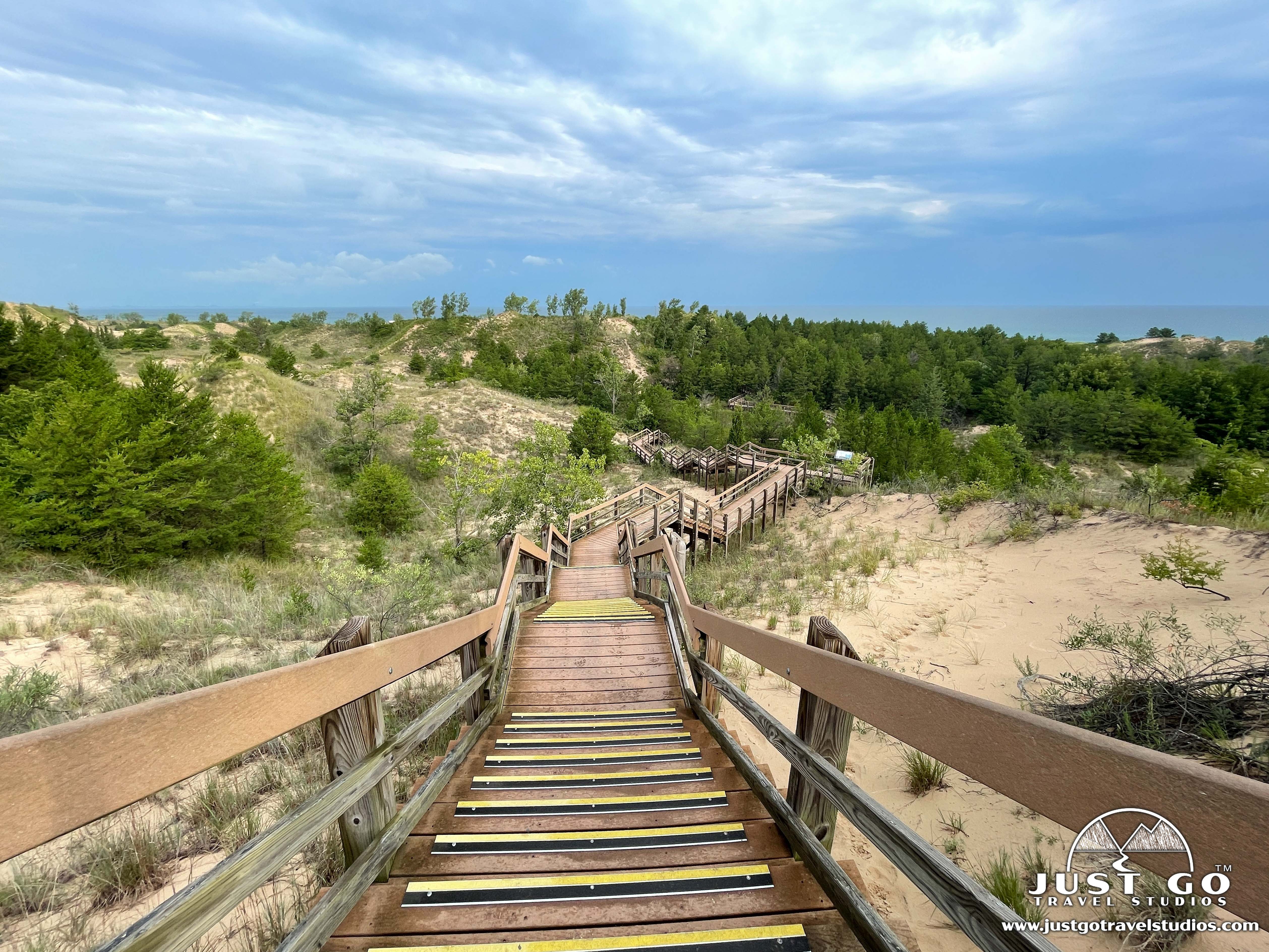
This is the signature short workout in the park, and it is located at West Beach. Expect roughly a 1-mile loop that typically takes 30 to 60 minutes depending on breaks, heat, and how long you stop for views. The main feature is the staircase system (often quoted around 250 steps, give or take) that gets you up and over the dune ridge, with big Lake Michigan views as payoff. It is short, but your calves will remember it. If you want the “I hiked a dune” feeling without committing to a long sandy slog, this is it.
- Why go: Fast, dramatic dune scenery and panoramic lake views.
- Good for: Fitness-minded travelers, older kids who like a challenge, sunrise or early morning hikes.
- Tip: Do this early on hot days. The stairs bake in the sun and the wind can be stronger on the ridge.
- Where to start: West Beach parking area and trailhead signage.
West Beach trails (mix and match)
West Beach is a flexible option when you want a little of everything: beach, dunes, and wooded edges. Think of it as a trail system, not one single route. You can combine the Dune Succession stairs with other marked West Beach routes like the Woods Walk (a quieter, more shaded counterbalance to the open dunes) and the Long Lake trails (a calmer inland feel with water nearby). Pair it with a swim or a beach picnic and you have an easy half-day.
- Why go: Multiple habitats in one place, plus a beach finish line.
- Good for: Families and groups where everyone wants a different amount of effort.
- Tip: If parking is packed midday, consider coming late afternoon for cooler temps and softer light.
- Where to start: West Beach parking area. From there, you can stitch together a short loop that fits your crew.
Lakefront stroll (the no-map walk)
If your group is not in a hiking mood, do a shoreline walk instead. Any beach access gives you a simple out-and-back with immediate lake views and that satisfying “we did something” feeling. Walk until the wind tells you to turn around. For parents with little kids, this is a lifesaver.
- Why go: Zero navigation, maximum lake therapy.
- Good for: Sunset seekers and slow-travel wanderers. Stroller use depends on sand firmness, which varies by day and location.
- Tip: Some access points have limited parking and seasonal facilities. If you want restrooms, aim for the larger beach areas.
Easy family loops in the woods
Great Marsh Trail (flat, scenic, and birdy)
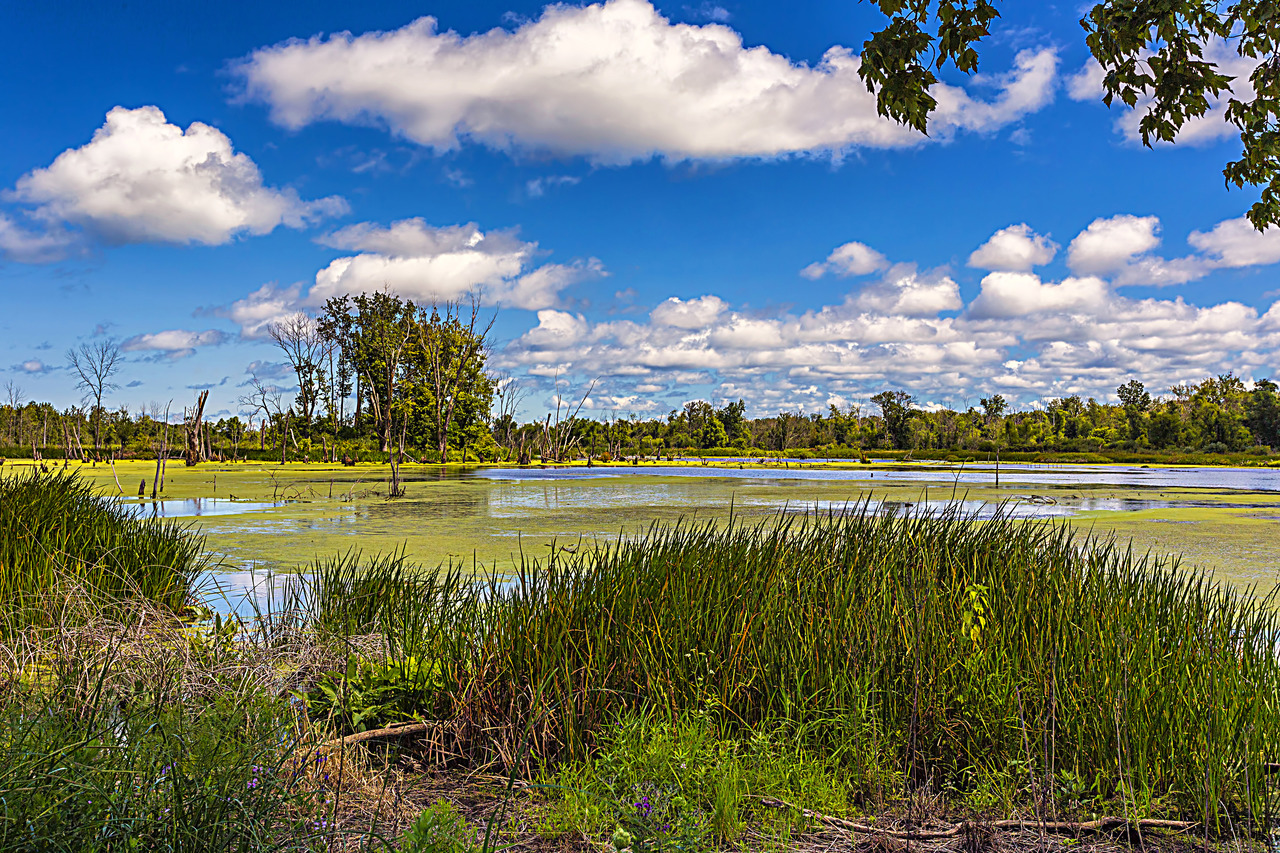
This is one of the most rewarding “short and flat” walks in Indiana Dunes. The most common out-and-back is about 1 mile round trip (you can turn around whenever you want), and it usually takes 30 to 60 minutes depending on bird stops. The route includes boardwalk in sections plus natural or packed path, with wide-open marsh views. The birdlife can be excellent, especially in spring and fall migration. Bring binoculars if you have them, but even without, you will hear plenty.
- Why go: Mostly flat terrain and high wildlife potential.
- Good for: Families, multi-generation groups, and anyone who wants nature without stairs.
- Heads up: It can be wet and buggy during warm months, especially after rain.
- Birding window: Early morning and late afternoon are typically best for activity and softer light.
- Where to start: Great Marsh Trailhead parking area (watch for posted signs on the main park roads).
Heron Rookery Trail (shade and spring wildflowers)
When you want a shaded, low-effort loop that still feels like you are properly in the forest, this trail delivers. Plan on roughly 3.3 miles for the full loop and about 1.5 to 2.5 hours at an easy pace, with extra time if you stop for photos or wildflowers. It is especially nice in summer when the beach is crowded and you want cooler air and quieter vibes. And if you visit in late spring, this area is a standout for wildflowers, which makes it feel like the woods are putting on a show just for you.
- Why go: Easy walking and a peaceful, leafy atmosphere.
- Good for: Hot days, kid-friendly “nature scavenger hunts,” and a quick reset between beach visits.
- Tip: After rain, expect muddy patches. Waterproof shoes help.
- Where to start: Look for the Heron Rookery area trailhead signage on the park map before you go (names and access points can be confusing if you are navigating by memory).
State Park Nature Center area (add-on)
Right next door to the national park is Indiana Dunes State Park, which has excellent short options, especially if you want a nature center stop for kids or weather breaks. If the national park lots are full, this can be a practical pivot. Just note that state park entry fees apply.
- Why go: Extra trail density and family-friendly amenities.
- Good for: Rainy-day flexibility and educational stops.
- Tip: If you do both in a day, start with the national park early, then switch to the state park later.
Short hikes that feel like a workout
Mount Baldy area (views and shifting sands)
Mount Baldy is iconic, but access and routes can change due to shifting sands and restoration efforts. If it is open and you follow current guidance, it can be a memorable short climb and viewpoint experience. Always check current conditions before you go and respect closures. This area has had known hazards in the past due to unstable dunes, so staying on designated routes is not optional. Also, set expectations: even when the area is open, specific routes and viewpoints may be limited and the experience can be more “see the dune safely” than “summit every time.”
- Why go: Big-dune drama close to town.
- Good for: Travelers who want a “dunes like a mini desert” moment.
- Tip: Wind can be intense. If sand is blowing, sunglasses help.
- Where to start: Mount Baldy parking area when open (check alerts for closures and route guidance).
Dune stairs strategy
- Go early: Cooler temps, better parking, fewer people on the stairs.
- Carry less: Keep your daypack light. Bring water and a small snack, not a full beach kit.
- Reward yourself: Plan a post-hike beach sit or a coffee stop in Chesterton or Michigan City.
Birding in short bursts
If you have ever wanted to try birding but did not want to build your whole trip around it, Indiana Dunes is perfect. The park sits on major migration routes, and short walks can be surprisingly productive.
Best times
- Spring migration: Warblers and songbirds can be active, especially after overnight winds or storms.
- Fall migration: Great for raptors and mixed flocks, plus comfortable temperatures.
- Time of day: Sunrise to mid-morning is the sweet spot. Golden hour can also be excellent.
Easy places to start
- Great Marsh Trail: Open sightlines and lots of habitat edges.
- Woodland edges near trailheads: Listen for calls and watch for movement in shrubs and low branches.
- Beach and lakefront: Scan the waterline for gulls and other lakeshore birds, especially on windy days.
Field tip: Keep a tiny notebook or a notes app list. “Small brown bird” counts. You are building observation skills, not a life list. If you want one more level of fun, jot down behavior too: “diving,” “singing,” “hopping in reeds.”
Chicago weekend logistics
Getting there
- From Chicago by car: Expect roughly an hour to 90 minutes depending on where you start and traffic. Summer Fridays and Sundays can be slow.
- By train: The South Shore Line connects the Chicago area to Northwest Indiana. Common stops people use for park access include Dune Park, Beverly Shores, and Michigan City (depending on where you want to start). From the station, you may still want a rideshare, bike, or a friend-with-a-car plan to reach specific trailheads and beaches. Last-mile options can be limited, so plan that part before you go.
Parking and timing
- Arrive early: If you want West Beach or the most popular shoreline areas on a summer weekend, aim for morning.
- Have a backup: Pick two or three trailheads in different parts of the park so you can pivot if a lot is full.
- Golden hour wins: Late afternoon to sunset can bring cooler temps and gorgeous light, plus day-trippers start heading home.
Restrooms and water
- Popular beach areas: Many of the main beach lots have restrooms (and sometimes seasonal facilities). Still, it varies by location and time of year, so it is smart to have a backup stop in town.
- On-trail: Assume you will not have water fountains on the trail. Bring what you need.
Where to base yourself
- Chesterton: Convenient for many park areas and has an easy small-town food scene.
- Porter: Great for quick access to marsh and woodland trails.
- Michigan City: Solid option if you want more dining choices and a bit more town energy.
My ideal weekend rhythm is simple: Saturday morning dune stairs, afternoon beach time, sunset shoreline walk, then a relaxed dinner in town. Sunday is for a flat marsh walk and an unhurried coffee before you head back.
Carry-on-only daypack list
- Refillable water bottle (sand hikes sneak up on you)
- Sun protection: hat, sunglasses, and sunscreen
- Light layer for lake wind
- Snacks that survive heat: trail mix, pretzels, fruit
- Small first-aid basics and blister care
- Bug spray in warm months, especially for marsh trails
- Binoculars (optional, but fun for marsh trails)
- Trash bag for pack-out, plus a towel for sandy feet
If you want the beach comfort upgrade, toss a thin packable blanket in the car and keep your hiking kit separate so you are not hauling beach gear up stairs.
Sample short itineraries
Half-day: dunes + beach
- Morning: West Beach stairs via the Dune Succession Trail (about 1 mile, 30 to 60 minutes) for the workout and views
- Late morning: Quick beach time and a shoreline stroll
- Lunch: Head into town for something easy and local
One day: marsh, dunes, and woods
- Early morning: Great Marsh Trail (about 1 mile round trip, 30 to 60 minutes) for birds and cool air
- Midday: West Beach for a mix-and-match loop (Woods Walk and Long Lake are great add-ons if you want shade and variety)
- Late afternoon: Heron Rookery Trail (about 3.3 miles, 1.5 to 2.5 hours) for shade and a quieter finish
Think of Indiana Dunes as a choose-your-own-adventure park. The “best” trail is often the one with parking, decent wind, and the right vibe for your crew.
Sustainable travel notes
- Stay on trails: Dune vegetation holds the landscape together.
- Pack out everything: Including fruit peels and snack scraps.
- Support nearby towns: Grab coffee, pastries, or dinner locally. It keeps weekend tourism beneficial, not just busy.
- Slow down: Short trails here shine when you add time for listening, birdwatching, and lake watching.
If you do it right, Indiana Dunes feels like a mini escape hatch from the city, with just enough wilderness to make you exhale and just enough comfort nearby to make it easy to repeat.