Ironwood Forest National Monument Hikes Near Tucson
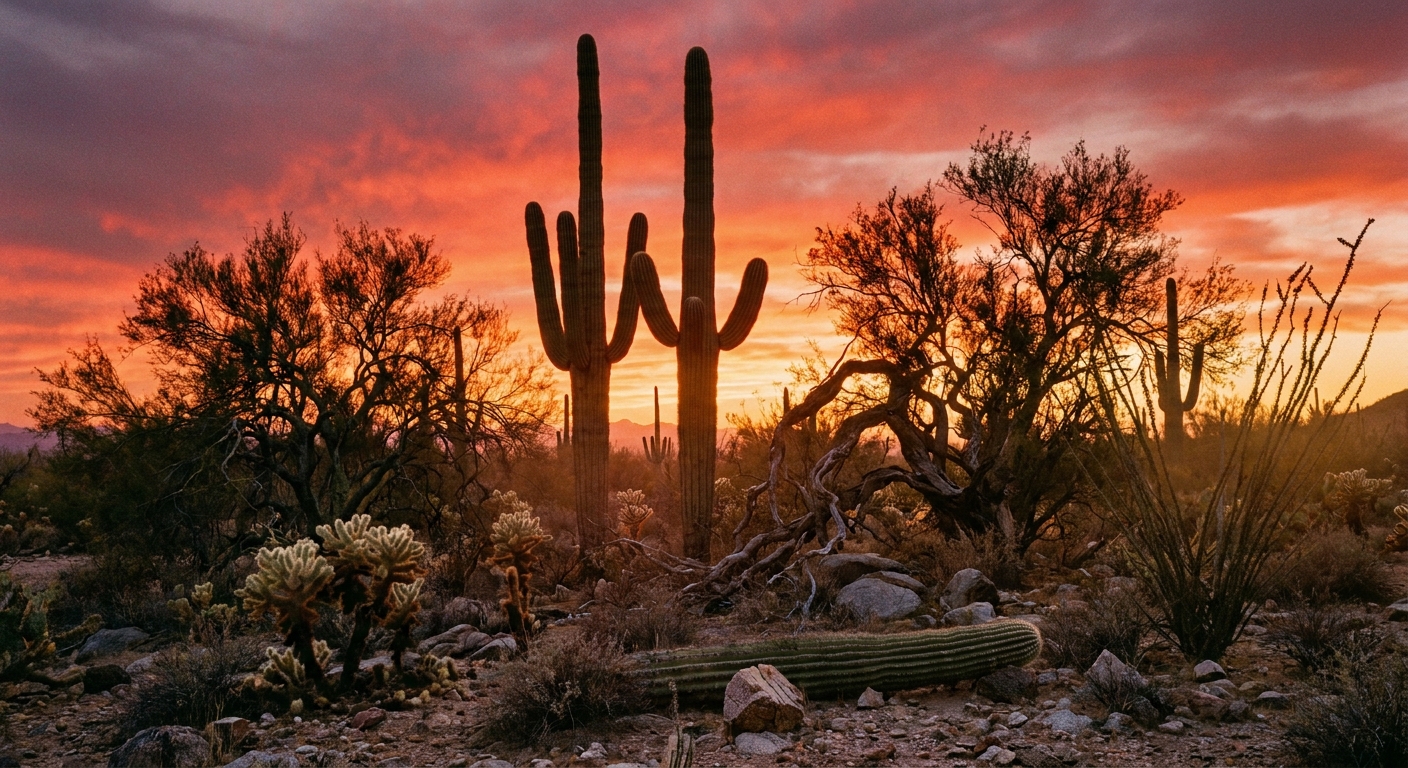
If you have ever driven west of Tucson and watched the city soften into wide-open desert, you have already felt the pull of Ironwood Forest National Monument. It is quiet out here in a way that feels rare this close to a major metro. Visitor services are limited. There is no shuttle system. Just dirt roads, a whole lot of sky, and a forest that looks like it is made of sculpture: saguaros, ironwoods, and cholla lit up like they are holding a small private sunrise.
This is the kind of place I recommend when friends tell me they want “a real Sonoran Desert hike” but do not want to fight for a parking spot at Sabino Canyon. You can absolutely have a low-crowd day in Ironwood Forest, as long as you come prepared, drive patiently, and take heat and water seriously.
Know before you go: Plan as if there are no facilities. In most of the monument you should expect no restrooms, no trash cans, and no potable water. Pack out everything, including your trash, and bring all the water you need.

What makes it different
Ironwood Forest National Monument (managed by the Bureau of Land Management) protects a huge sweep of Sonoran Desert west of Tucson. It is named for the desert ironwood, a slow-growing, extremely tough tree that supports desert wildlife and pollinators. Add in dense stands of saguaros, ocotillo, palo verde, and spring wildflowers after a good winter rain, and you get one of the most iconic desert landscapes in southern Arizona.
One landmark you will notice quickly is Ragged Top Mountain. It is the visual centerpiece of the monument and a useful navigation reference, especially when you are wandering old roads and washes. It also makes a great photo anchor when the light gets low and the shadows stretch.
It is also wonderfully low-key. Many outings here are more like “choose your own adventure” walks on old roads, washes, and informal paths than the signed, numbered trail systems you might be used to in national parks.
My favorite way to think about Ironwood Forest: it is a place to slow down. Fewer checklists, more noticing. The best moments are often the quiet ones, like finding fresh javelina tracks in a sandy wash or hearing cactus wrens argue from the top of a cholla.
Getting there
Where it is
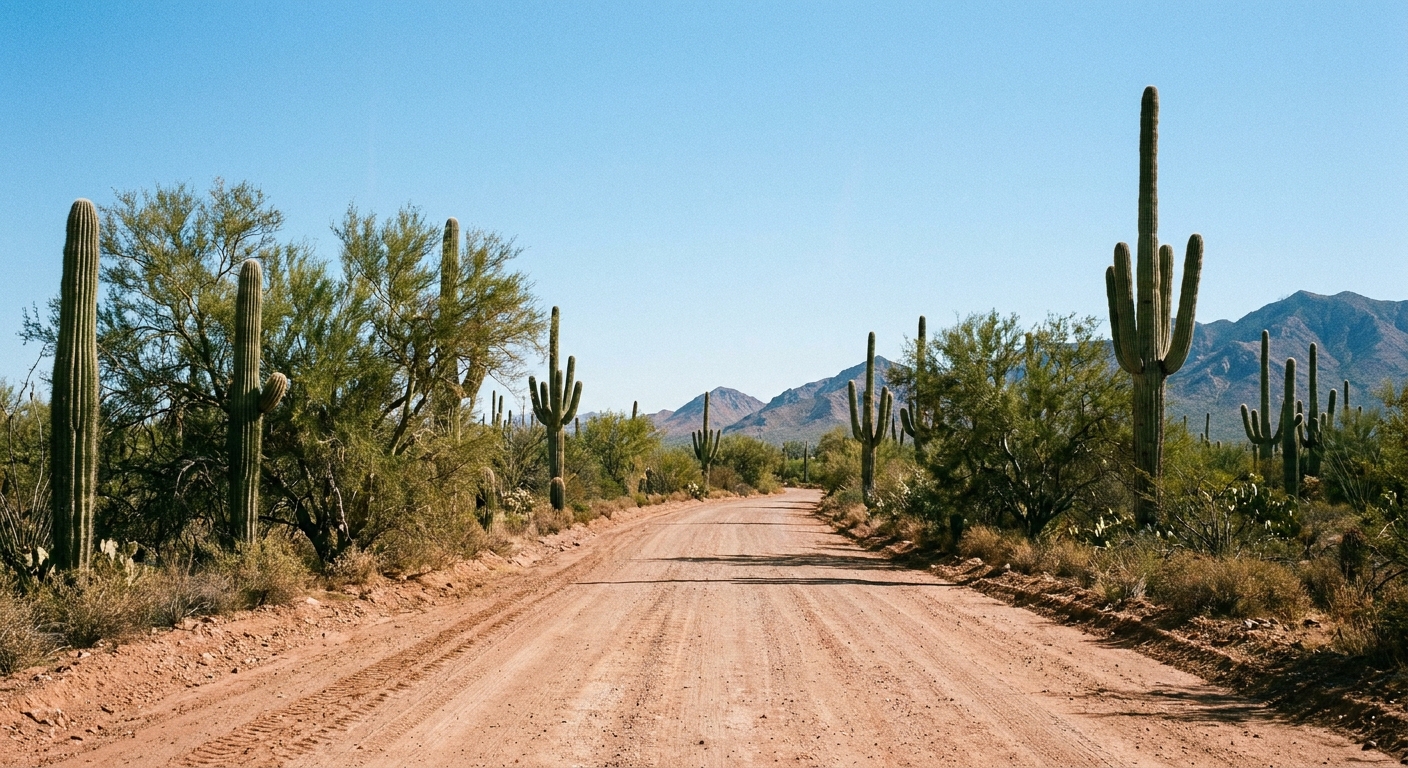
The monument sits west and northwest of Tucson, near communities like Marana, Avra Valley, and Red Rock. Most access points are reached via a mix of paved roads and graded dirt roads.
Road basics
- Cell service can be spotty. Download offline maps before you leave town.
- After rain, roads can change fast. Some stretches can get slick, rutted, or sandy even if they look fine from the pavement. If it feels questionable, it is smart to turn around early.
- High-clearance is helpful, not always required. Some commonly used access roads can be doable in a normal vehicle when dry, but conditions vary by route and season.
- Gates may be closed seasonally or after storms. Respect closures and do not drive around barriers.
Because trailheads are often informal, plan your “parking strategy” too. Choose durable surfaces like existing pullouts and previously disturbed areas, avoid blocking gates, and leave room for ranch and service vehicles to pass.
What you will see
Ironwood Forest is classic Sonoran Desert, but with a density that feels almost botanical garden-like in places. Keep an eye out for:
- Desert ironwood trees with gray-green leaves and dark, heavy trunks. In late spring, their lavender blooms can be subtle but beautiful.
- Saguaro neighborhoods where you can see multiple generations: tiny “thumb” saguaros, teenage columns, and branching elders.
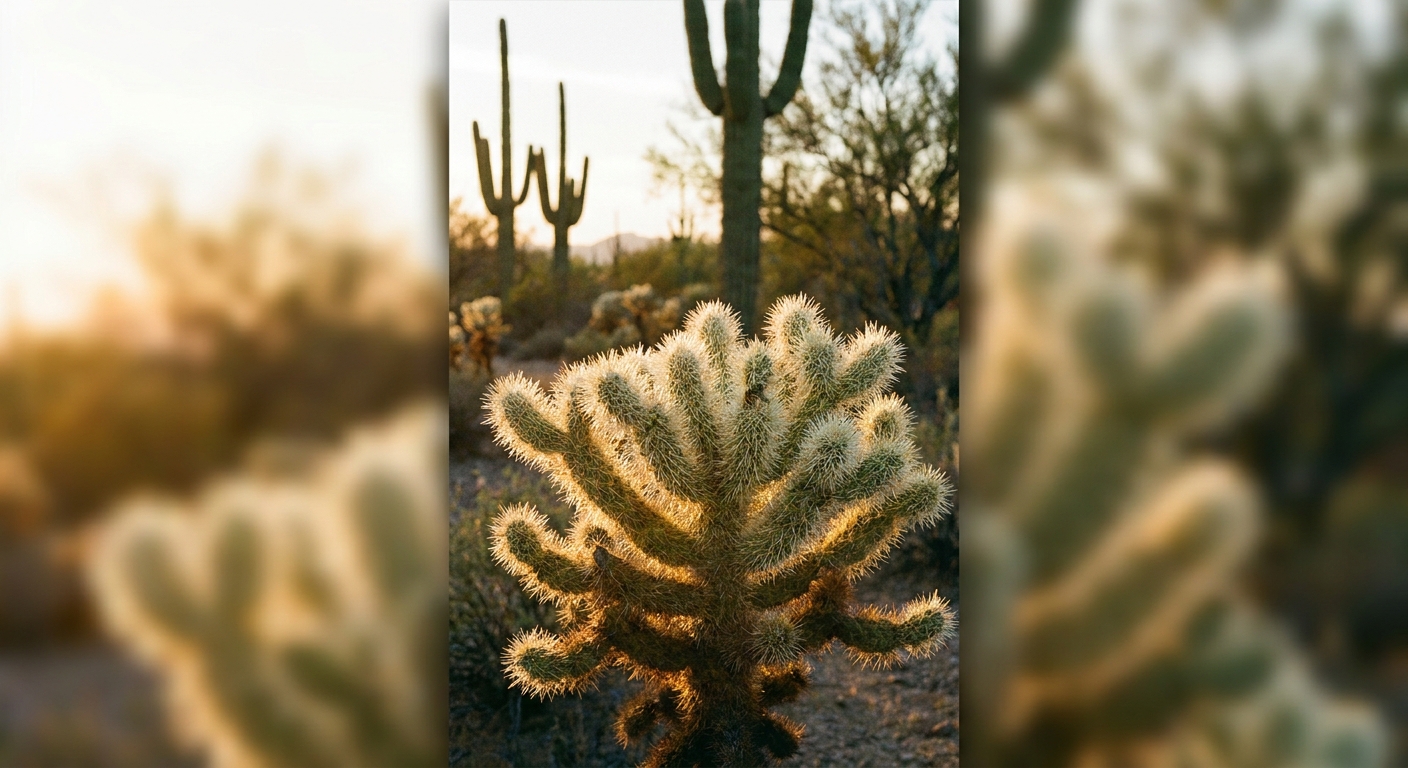
- Cholla gardens, especially teddy-bear cholla that glows in early and late light. Admire from a respectful distance.
- Desert washes that act like wildlife corridors. Look for tracks, scat, and bird activity where the sand holds stories.
- Wildflowers (timing varies year to year). Good winter rains can bring brittlebush, lupine, owl clover, and poppy-like blooms in the region.
Wildlife is usually shy, but you might spot javelina, jackrabbits, mule deer, coyotes, Gila woodpeckers, and hawks riding thermals. Dawn and dusk are prime, which also happens to be when the desert feels most forgiving.
Short hike ideas
Because Ironwood Forest has fewer formal trailheads than places like Saguaro National Park, some of the best outings are short loops you build using old roads, washes, and signed paths where available. Think of these as route ideas rather than strict, officially maintained loops.
1) Golden hour out-and-back (1 to 3 miles)
Perfect for winter afternoons or a sunrise coffee hike. Park at a safe pullout along a public dirt road where you are not blocking access, then walk the road on foot. Roads make surprisingly pleasant desert walks because the grade is gentle, sightlines are open, and you can turn around whenever the light starts to fade. Ragged Top Mountain can be a nice “turnaround beacon” if you want something concrete to aim for without overthinking your route.
- Why it works: easy navigation, low stress, great photography.
- What to watch for: vehicles. Step aside, make eye contact with drivers, and keep kids and dogs close.
2) Wash and road loop (2 to 4 miles)
Look for a broad sandy wash (a dry creek bed) that parallels a two-track or old road. Walk up the wash for a mellow, quiet feel, then return via the road for a faster finish. The scenery changes subtly because washes collect different plants and more animal sign.
- Why it works: washes feel wild and quiet even when roads are nearby.
- What to watch for: fragile banks, hidden holes, and spiky plant debris in the sand.
Monsoon note: In summer, avoid washes if storms are in the forecast, even if the sky above you looks fine. Flash floods can arrive fast and from far away.
3) Saguaro counting micro-loop (under 2 miles)
If you are traveling with someone who is not in the mood for a big hike, choose a small loop around a cactus-dense section near your parking spot. Set a fun goal: count saguaros with arms, or identify three bird calls, or photograph three different cactus types.
- Why it works: it turns a short walk into a memorable experience without pushing anyone past their comfort level.
Navigation note: Even on short routes, carry an offline map. In wide-open desert, it is easy to drift into “just one more wash” mode and end up farther than you intended.
Etiquette
Ironwood Forest is public land, which means it is shared by hikers, horseback riders, hunters (in season), nearby residents, researchers, and people who simply drive out to watch the sunset. A little etiquette goes a long way.
Leave No Trace basics
- Stay on durable surfaces when you can. Think existing roads, washes, rock, and previously disturbed areas. Desert soil crust and plant communities can be slow to recover from foot traffic.
- Pack out everything, including orange peels and sunflower seed shells. In arid places, “biodegradable” can still linger.
- Do not stack rocks or build cairns. They can confuse navigation and disturb habitat.
- Respect cultural and archaeological sites. If you see pottery shards, rock features, or petroglyph areas, look but do not touch or collect.
Wildlife and plants
- Give animals space. If you see javelina, do not approach for photos.
- Do not cut or collect ironwood. Collection is prohibited without authorization, and ironwood is vital for the ecosystem.
- Watch where you place hands and feet. Rattlesnakes are not out to get you, but they do enjoy the same shade you do.
Hunting season awareness
Hunting can be allowed on some BLM lands depending on season and regulations. If you visit during fall or winter, consider wearing a bright layer and choose calmer weekdays or midday hours if you want maximum peace and quiet.
Sound and space
This monument’s superpower is quiet. Keep voices and music low, and if you do play audio, use headphones. If you meet another hiker, a friendly hello and a little spacing keeps the vibe relaxed.
Heat and safety
Ironwood Forest can feel gentle in winter and brutally serious in late spring and summer. The desert does not give many second chances, especially if you are solo.
When to go
- Best seasons: October through April for most hikers.
- Best time of day: sunrise to late morning, or late afternoon in cooler months.
- Hot season reality: If daytime highs are pushing extreme temperatures, choose a city day, a museum, or an early morning stroll that ends before the sun is high.
Water and electrolytes
There is a reason desert locals sound repetitive about water. You can be walking in dry air with a breeze and not realize how fast you are losing fluids. Remember, there is typically no potable water available in the monument.
- Carry a minimum baseline that feels generous for your distance, plus extra for delays.
- Add electrolytes if you sweat heavily or hike in warm weather.
- Do not rely on finding water. Seasonal tanks and puddles are not dependable and may not be safe.
Heat safety essentials
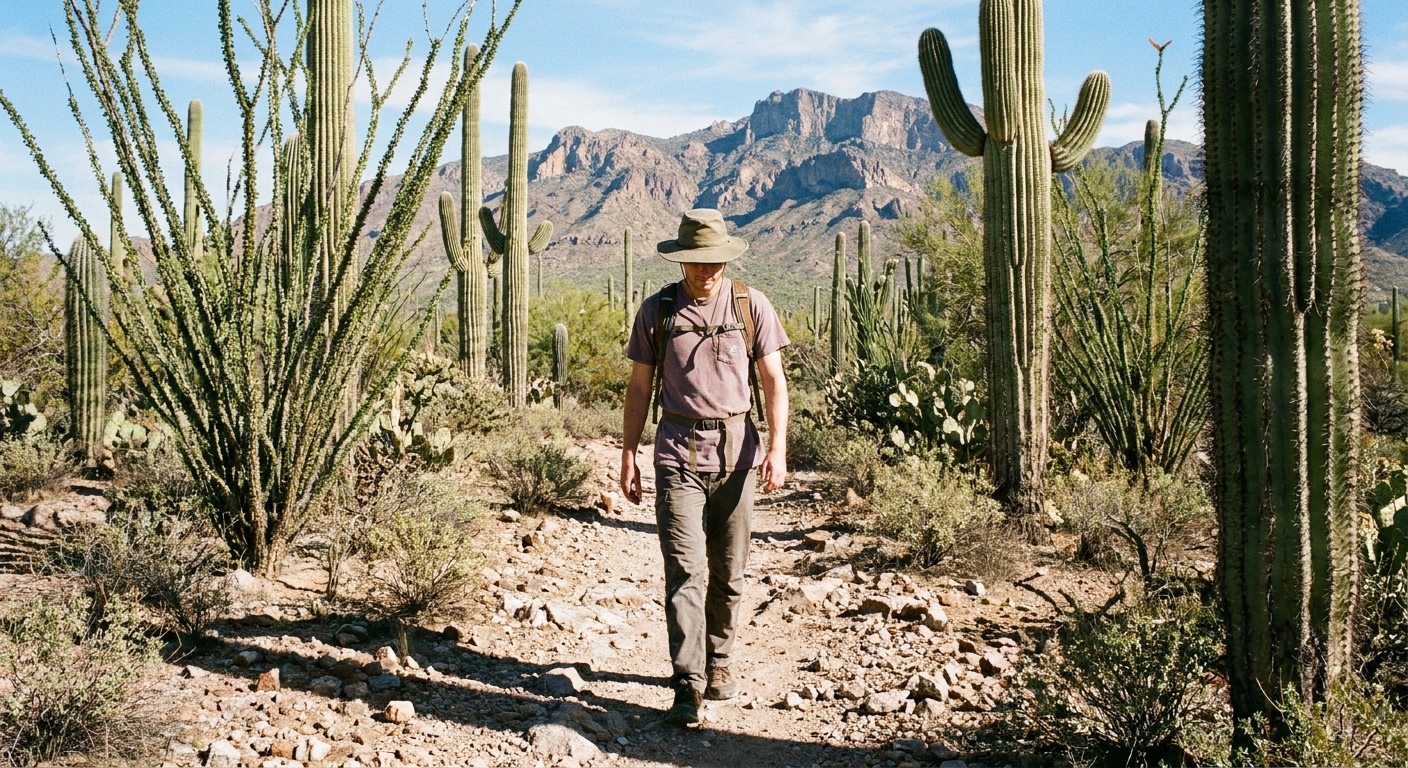
- Wear sun protection: wide-brim hat, sunglasses, and long sleeves can be cooler than bare skin.
- Know early heat illness signs: headache, nausea, chills, unusual fatigue, or cramps. Turn back immediately.
- Take shade breaks before you feel desperate for them. Use a palo verde or ironwood canopy, then keep moving.
Monsoon and lightning
In monsoon season, lightning is a real hazard in open desert, and washes can flood with little warning. If storms are building, keep your outing short, avoid washes, and head back early.
Solo safety
I love solo desert walks, but I treat them like a small expedition even when the mileage is short.
- Tell someone your plan and when you will check in.
- Carry offline maps and a fully charged phone. Consider a satellite communicator if you routinely hike alone.
- Start earlier than you think so you are not finishing in the hottest part of the day.
- Stay route-faithful. Wandering is fun until it is not. Pick clear landmarks and keep your turnaround time strict.
What to pack
My carry-on-only brain loves a simple kit, but the desert rewards a few specific extras.
- Water and electrolytes
- Sun layers: hat, long sleeves, sunscreen, sunglasses
- Closed-toe shoes (cholla spines are persuasive)
- Navigation: offline map + backup battery
- Basic first aid including tweezers for spines
- Headlamp even for daytime hikes
- Trash bag to pack out your waste and any litter you find (remember, there are typically no trash cans)
- Light snacks you will actually eat when it is hot
After the hike
This is my favorite kind of day trip: a quiet, gritty desert morning followed by an easy city afternoon. After your hike, aim for one of Tucson’s local coffee shops, a long lunch, or a museum stop. The contrast is the whole point. You get the open space without giving up the parts of travel that make you feel taken care of.
If you want to keep the desert vibe going without another hike, plan a slow scenic drive back toward town as the light starts to soften. Ironwood Forest does not demand a lot from you, but it does reward anyone who gives it time.
Quick checklist
- Check weather, recent rain, and storm chances
- Download offline maps and share your plan
- Start early, especially in warm months
- Carry plenty of water and electrolytes (no potable water on site)
- Plan for no restrooms and no trash service, pack out everything
- Drive slowly on dirt roads and respect closures
- Stay on durable surfaces and respect wildlife and cultural sites
Ironwood Forest National Monument is the kind of place you return to because it is not trying to entertain you. It just exists, quietly, and lets you meet the Sonoran Desert on its own terms.