Isle Royale: Ferries, Seaplanes, Trails, Where to Sleep

Maya Lin
Maya Lin is a travel journalist and outdoor enthusiast who believes the best trips combine rugged adventures with urban comforts. After spending six years backpacking across four continents, she founded Trail & Town Guide to help fellow travelers navigate both hidden mountain passes and bustling city neighborhoods with confidence.
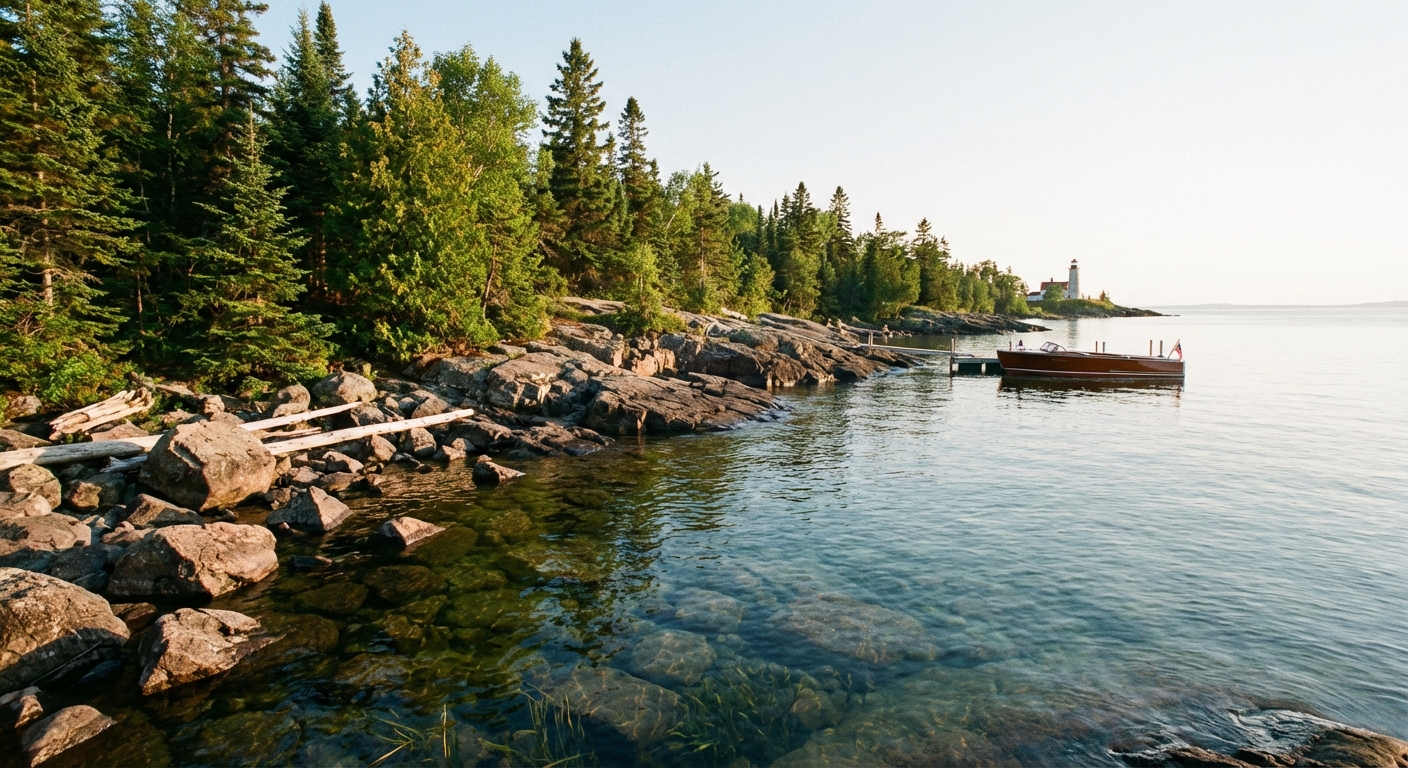
Isle Royale is the kind of national park that rewards commitment. Not because the trails are technical or the peaks are huge, but because just getting there requires planning. Once the ferry wake fades and the shoreline turns to spruce and rock, the island feels like a wilderness time capsule. No roads. No quick bailout. And once you are away from the hubs, no easy or guaranteed resupply. Just footpaths, water, and the very satisfying clink of your bear-resistant food storage being set down at camp.
This is Town Wander territory in its purest form: rugged days on trail, then the cozy relief of a bunkhouse, a hot shower, or at least a wind-sheltered campsite that feels like the world belongs to you, if you book it and time it right.
Before you book
Isle Royale sits in the northwest corner of Lake Superior, and the park’s remoteness is the whole point. It also means your short trip needs to be built around transportation schedules, weather windows, fees, and where you can realistically sleep your first night.
- Season is limited. Most visitor services, ferries, and seaplanes run roughly late spring through early fall (often May to September, varying by operator and year).
- Capacity is real. Lodging is limited and campsites can fill, especially the easy first-night spots near arrival docks.
- Weather means logistics. Lake Superior can turn quickly. Crossings can be delayed or canceled, so build buffer time and keep your first day flexible.
- No driving once you arrive. Your legs and water taxis are the transport system once you’re on the island. Seaplanes are mainly for arrival and departure, not getting around day to day.
- Fees and permits are part of the deal. Expect a per-person entrance fee that is commonly charged per day, and if you are sleeping overnight in the backcountry, you will need a backcountry permit. Fees and rules change, so check current details before you go.
Arrival options
Most visitors arrive by ferry from Minnesota or Michigan, but seaplanes are also a major way people reach the island. “Best” depends on where you are starting from, your comfort with Lake Superior crossings, and how much of your short trip you want to spend in transit.
Grand Portage, Minnesota (ferries)
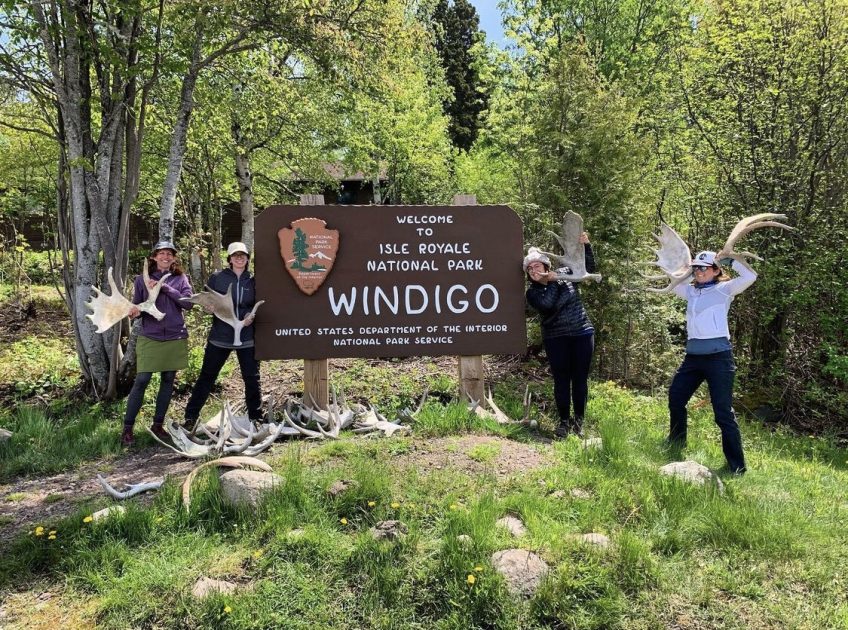
If you like the idea of stepping off the boat and feeling like you are instantly in the backcountry, the Minnesota route is your friend. Windigo is quieter and feels more remote from the moment you arrive.
- Common arrival: Windigo (southwest end of the island)
- Why choose it: A more secluded starting point, great for hikers who want to get moving without the bustle
- Tradeoffs: Fewer amenities and fewer lodging options right at the dock compared with Rock Harbor
- Short-trip reality: Perfect for a 1 to 2 night backpacking loop, or a basecamp-style trip with day hikes around Windigo
Important nuance: Some Grand Portage ferry routes also continue on to Rock Harbor. When you book, check the specific vessel, route, and stop sequence so you are planning for the correct end of the island.
Copper Harbor, Michigan (ferry)
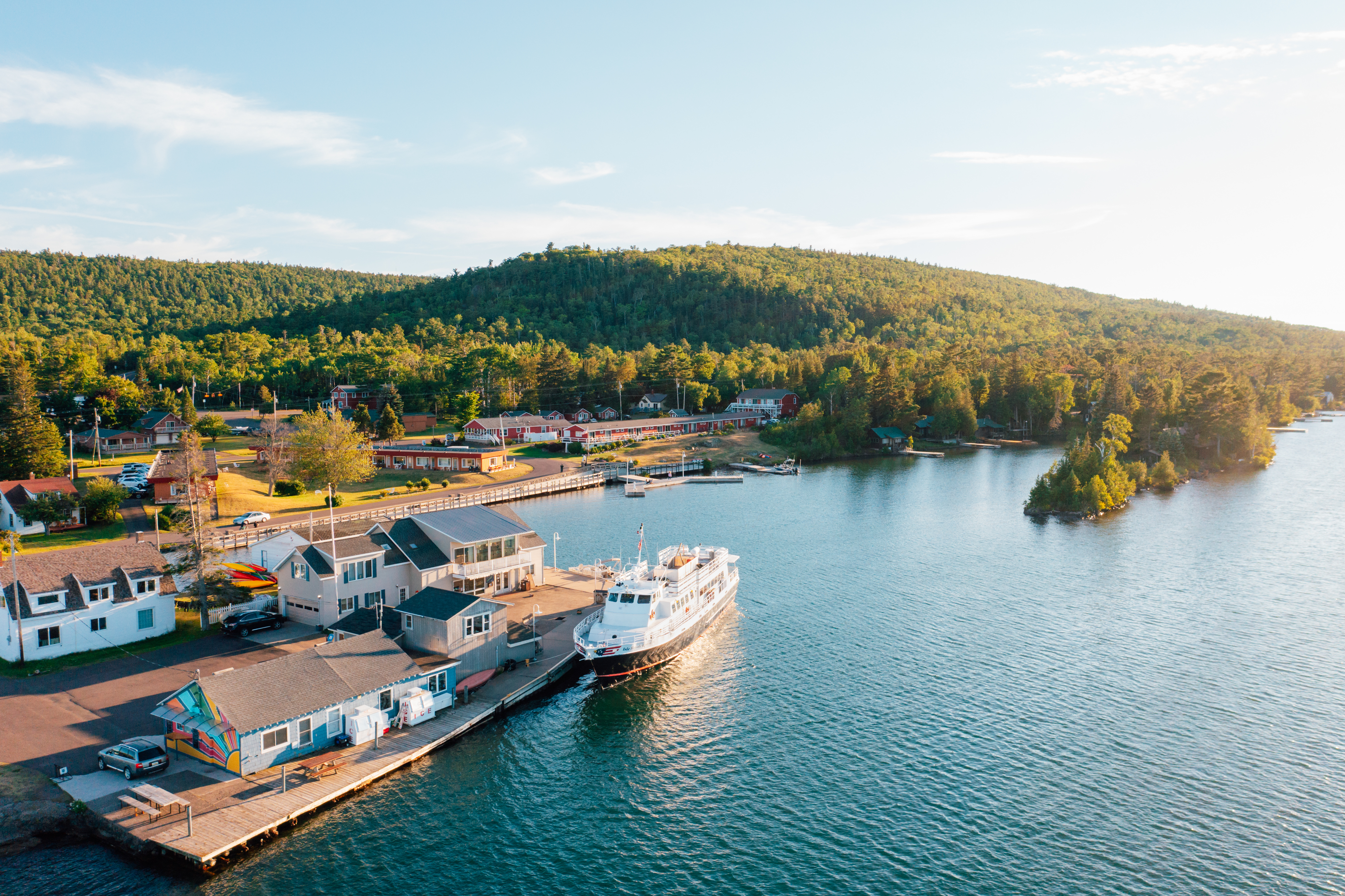
Copper Harbor is often the easiest up-and-running choice for first timers because Rock Harbor is the park’s busiest hub. That bustle can actually be comforting on a short trip, especially if you want a bed and a predictable first night.
- Arrives at: Rock Harbor (northeast end of the island)
- Why choose it: More services nearby, more people to ask questions, and good starter hikes right out of the gate
- Tradeoffs: Popular routes mean earlier sellouts for lodging and nearby campsites
- Short-trip reality: Great for 2 to 3 nights with a mix of day hiking and one classic point-to-point overnighter
Houghton, Michigan (ferry and seaplane)
Houghton adds another Michigan option that can be convenient if you are road-tripping across the Upper Peninsula. It is also one of the key places to catch a seaplane, which can be a game changer if you want to shrink transit time.
- Arrives at: Rock Harbor (by ferry or seaplane)
- Why choose it: Pairs well with a longer UP itinerary and offers more pre-trip lodging choices on the mainland
- Tradeoffs: Still schedule-dependent, and weather still calls the shots
Seaplanes (Houghton, MI or Grand Marais, MN)
If your priority is maximizing time on the island, or if you simply do not love big-water ferry rides, a seaplane is worth a hard look. It is typically faster and can make a very short trip feel more doable.
- Mainland departures: Commonly Houghton, MI and Grand Marais, MN
- Reality check: Routes and schedules vary by operator and season, and can change year to year. Confirm exact departure points, arrival points (Rock Harbor or Windigo), and baggage rules when you book.
- Why choose it: Fast transit, less time committed to a long crossing, and a smoother path to a short itinerary
- Tradeoffs: Often more expensive and more restrictive about luggage weight and packing style
My quick rule: If you want easier services and a smoother first-timer experience, aim for Rock Harbor. If you want a quieter launch into wilderness, aim for Windigo. If you want to shrink transit time and bypass the long ferry ride, consider a seaplane, and build your packing around weight limits.
First night
On Isle Royale, your first night decision shapes everything. A short trip can feel effortless or stressful depending on whether you planned for arrival time, pack weight, and campsite availability.
Option A: Stay near the dock
This is my favorite move for weekend-length trips and for anyone taking their first Lake Superior crossing. It is also a smart hedge if weather nudges your arrival later than expected.
- Rock Harbor arrival: Stay at the developed campground near the docks, or choose lodge-area lodging if you booked it, then do longer hikes the next day.
- Windigo arrival: Stay at the developed campground near Windigo and take an afternoon stroll rather than racing the clock with a full pack.
Quick camping note: The simplest first-night plan is often a hub-adjacent campground at Rock Harbor or Windigo. They are popular for the same reason you want them, so have a backup plan.
Option B: Hike in 2 to 6 miles
You still get that “I earned this” backcountry feeling, but you are not gambling your entire trip on a long first-day push after a crossing.
- Build a route that gets you to a designated campground with multiple tent sites.
- On Isle Royale, 2 to 6 miles can feel longer than the number suggests because of rock, roots, mud, and slow footing. Plan more time than you think you need.
Option C: Go long on day one
This can be amazing, but it is the option most vulnerable to delays, weather shifts, and energy crashes. If you do it, pad your schedule, keep your itinerary simple, and have a backup campground in mind.
On Isle Royale, the best itinerary is the one that still works when the lake decides your ferry is running two hours late.
Starter hikes
If you only have a couple of days, you do not need a grand traverse to feel the island. Pick a classic corridor, pack a lunch, and lean into the slow-travel magic of moving through quiet forest and shoreline.
From Rock Harbor
- Stoll Trail to Scoville Point: A classic first taste route with shoreline vibes and big Lake Superior energy. Do it as an out-and-back if you are staying near the harbor.
- Rock Harbor to Lookout Louise: A great half-day hike for a little elevation, a little forest, and a satisfying overlook payoff.
- Mount Franklin: A solid option when you want a clear goal and a view without committing to a full backpacking day.
From Windigo
- Grace Creek Overlook: A perfect first afternoon or morning hike that delivers a view without a complicated logistics puzzle.
- Windigo Nature Trail: Short, easy, and genuinely pleasant when you want to stretch your legs after arrival.
- Huginnin Cove: A rewarding day-hike target that feels meaningfully wild for the mileage.
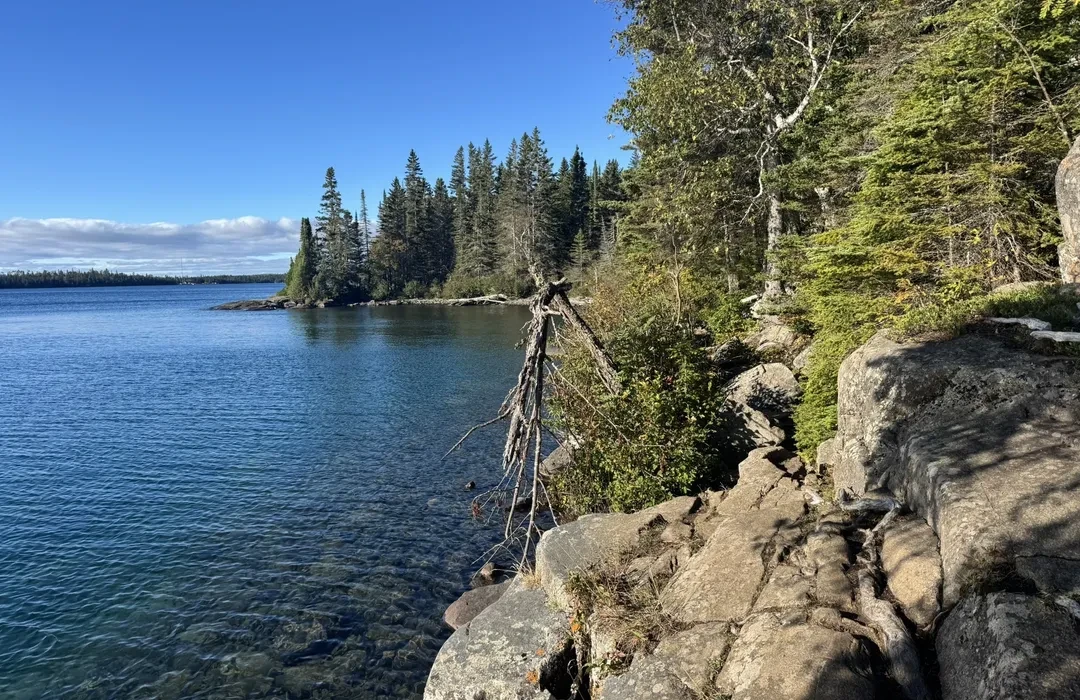
Trail realism: Isle Royale miles can be slow. Expect uneven rock, wet stretches, and sections where you are stepping carefully rather than cruising.
Where to sleep
Sleeping options on Isle Royale feel simple on paper and slightly competitive in real life. The key is to match your expectations to the park’s limited infrastructure.
Lodge and developed options
Rock Harbor is the place to look if you want an indoor night or you are trying to keep gear minimal. Availability can disappear early during peak season, so treat lodging like airfare: if it works, book it.
- Best for: First timers, short trips, anyone doing day hikes and wanting a shower and a real mattress
- Plan for: Limited capacity and specific check-in logistics tied to ferry schedules
Resupply reality: The hubs can have limited services, like snacks or basic items, depending on the season. Once you leave the harbor areas, assume you are fully on your own.
Backcountry camping
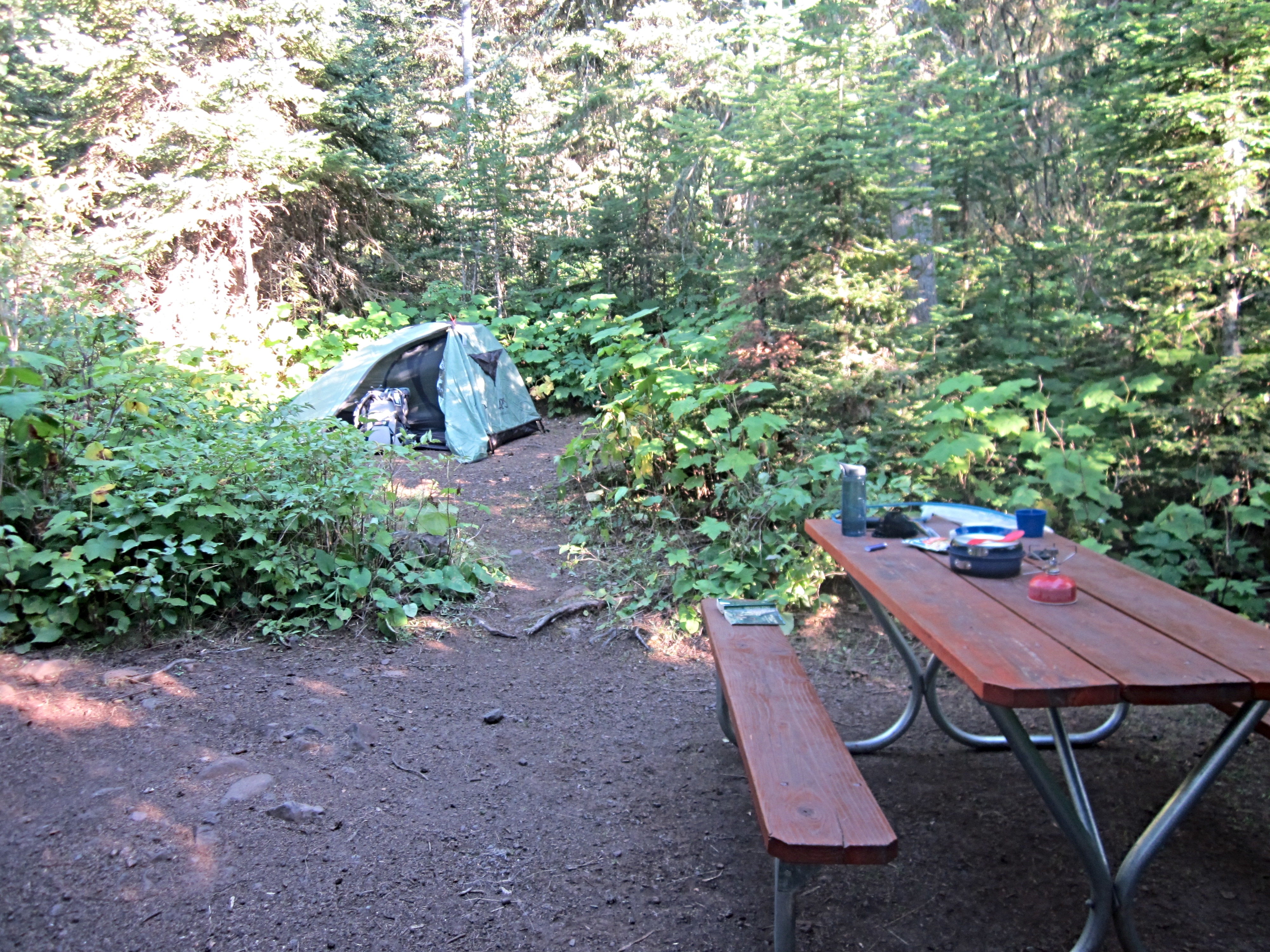
Camping is the island’s default experience and the best way to feel the park after dark. It also requires you to think through where you will be each night and whether you can reasonably reach that campground given your arrival time.
- Permits: All overnight backcountry campers need a backcountry permit. In a place this logistically tight, permits are not just paperwork, they are how you keep your plan realistic.
- Fees: The park charges an entrance fee that is commonly priced per person per day. Verify current fees before you go so it is not an annoying surprise.
- Designated campgrounds: You generally camp in established areas rather than wherever you want.
- Carry in, carry out: There is no casual trash-can bailout once you are away from hubs.
- Food storage: Follow current park guidance for food storage and wildlife safety. Many campgrounds have storage systems, and requirements can vary by area and season.
Shelters
Some campgrounds have shelters, but do not build your plan around snagging one unless you understand the rules and realistic availability. On a short trip, it is safer to assume you will be in your tent.
Rules and safety
This is the compact stuff that keeps a short trip smooth instead of spicy. Always confirm current park rules before you go, because Isle Royale updates guidance as conditions change.
- Water: Plan to treat all drinking water. Filter, boil, or use a purifier. Do not assume water is safe just because it looks pristine.
- Food storage: Use designated storage where provided and follow park instructions. If you bring your own bear-resistant container, make sure it fits your itinerary and the park’s current guidance.
- Fires: Know the current campfire rules for your campgrounds and season. In many areas and conditions, expect stove-first planning and potential restrictions.
- Maps and navigation: Do not rely on cell service. Carry a paper map and know your route.
- Connectivity and payments: Service can be limited or nonexistent. Do not assume you can book, pay, or pull up confirmations on the fly. Have offline copies and a backup plan.
- Baggage restrictions: Ferry and seaplane rules differ. Confirm limits and prohibited items, especially fuel, coolers, trekking poles, and any other bulky gear.
Bugs and weather
Isle Royale’s mood swings are part of its charm, but your packing list should be the boring, prepared adult in the room.
Bugs
Mosquitoes and black flies can be intense, especially in early to mid-summer and in wet areas. If you are planning a quick trip, bugs can be the difference between “magical” and “why did I do this.”
- Bring: A head net, long sleeves, and effective repellent.
- Choose camps smartly: Breezier, more open sites can feel dramatically better than still, boggy ones.
- Timing helps: Later summer and early fall often bring relief, but it varies year to year.
Weather
- Layers win: Even in summer, mornings and evenings can be cool, and rain can move in fast.
- Waterproof matters: A real rain jacket and pack protection are worth their weight here.
- Transit buffer: If you have flights to catch, pad your return day whenever possible. Weather can change schedules.
My carry-on-only mindset
You can pack light and still be comfortable. Think: versatile layers, one warm midlayer, a rain shell, and a bug plan. If you are flying in by seaplane, pay extra attention to weight limits and choose compact, multi-use gear. Your luxury item should be something that makes camp better, like good coffee or a real book, not a second pair of heavy shoes.
Sample plans
2 days
- Day 1: Arrive, stay near the dock, short hike (Scoville Point area from Rock Harbor, or Grace Creek Overlook from Windigo)
- Day 2: Early day hike, return for departure
3 days
- Day 1: Arrive, short hike, sleep near the hub
- Day 2: Longer day hike (Lookout Louise, Mount Franklin, or Huginnin Cove) or a modest backpack to a nearby campground
- Day 3: Return and depart with buffer time
4 days
- Day 1: Arrive and stage
- Day 2: Backpack to a backcountry campground
- Day 3: Day hike from camp or move camp once
- Day 4: Return to dock and depart
Tip: Keep your mileage ambitions modest and your flexibility high. Isle Royale rewards unhurried mornings and early dinners with long, quiet twilights.
Quick checklist
- Confirm ferry schedule or seaplane details, plus baggage rules and weight limits, with your operator. Remember routes and schedules vary by season and year.
- Budget for the park entrance fee and check current pricing before you go.
- If you are camping overnight, understand how you will get your backcountry permit and what your designated campgrounds are.
- Book lodging early if you want indoor sleeping.
- Review current park alerts and rules before departure, especially water treatment, food storage, and any fire restrictions.
- Pack a bug plan, a rain plan, and a warm layer.
- Build a buffer into your exit day if you have tight connections.
- Bring a paper map and do not assume reliable cell service.
If you tell me your starting city and how many nights you have, I can suggest the best arrival option and a first-night plan that feels ambitious but not stressful.