Jet Lag and High Altitude: Timing Your First Hike After a Flight

Maya Lin
Maya Lin is a travel journalist and outdoor enthusiast who believes the best trips combine rugged adventures with urban comforts. After spending six years backpacking across four continents, she founded Trail & Town Guide to help fellow travelers navigate both hidden mountain passes and bustling city neighborhoods with confidence.
There is a particular kind of travel optimism that hits somewhere over the Great Plains: you land, grab a coffee, toss your bag at the hotel, then head straight for a big trail because you are finally here. I love that energy. I also love ending trips without a splitting headache and a sketchy descent done on wobbly legs.
Jet lag and high altitude both mess with the same systems: sleep, breathing, hydration, coordination, and appetite. Stack them, and the “I can push through it” feeling can turn into a fast spiral of poor decisions. The goal is not to baby yourself. The goal is to time your first big hike so your body has a fair shot at doing what you asked it to do.
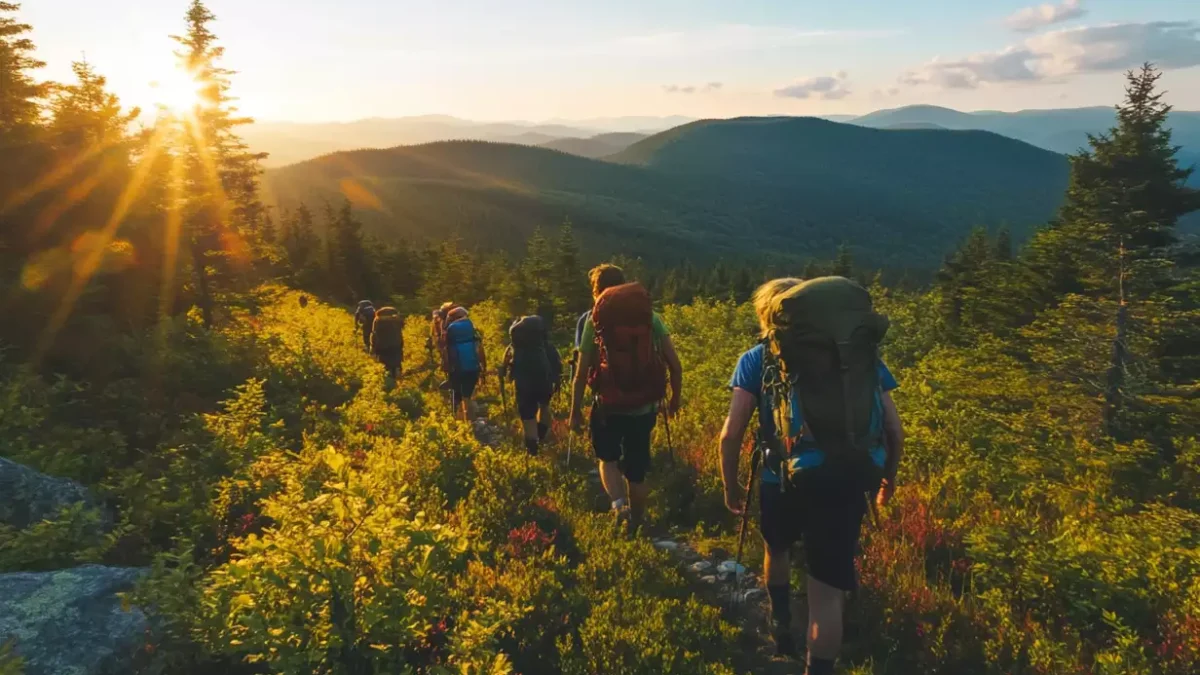
Why jet lag and altitude feel worse together
Jet lag is your circadian rhythm being out of sync with local time. You can feel tired at the wrong hour, wide awake at 3 a.m., or mentally foggy and irritable. Reaction time and balance suffer, even if you do not feel “sleepy.”
Altitude lowers the oxygen partial pressure you can pull in with each breath, which nudges breathing rate and heart rate up and can fragment sleep, especially the first couple nights. Many people also get altitude-related appetite changes and mild nausea, which makes it harder to fuel.
Put them together and you get a triple hit:
- Fatigue plus exertion: you are tired, then you ask your body to work harder for the same pace.
- Sleep disruption on night one: altitude can make your first night choppy even if you were exhausted.
- Decision-making gets sloppy: jet lag can dull judgment while altitude punishes “just one more mile.”
In real trail terms, that combination tends to show up as navigation mistakes, late turnarounds, forgotten snacks, and avoidable stumbles on descents. This is why experienced mountain travelers often say one of the riskiest days is not summit day. It is the day you are convinced you feel fine.
Sleep shift basics in plain English
How long does it take to adjust?
A useful rule of thumb is roughly one day per time zone for many people to feel mostly aligned, with eastbound travel often feeling harder than westbound. Full adaptation can take longer for some, and some folks bounce back faster, especially traveling west. That said, you do not need perfect adaptation to hike. You just need enough alignment to sleep decently, eat normally, and think clearly.
The two levers that move your body clock
- Light: the strongest cue. In general, light earlier in the day tends to shift you earlier (helpful after traveling east), and light later in the day tends to shift you later (helpful after traveling west). The catch is that timing relative to your current internal clock matters, so treat these as broad guidelines, not a math equation.
- Timing of stimulants and sleep: caffeine can help strategically, and naps can help or hurt depending on length and timing.
If you remember only one thing: get outside soon after you arrive, even if you are only walking to coffee. Bright indoor light can help a little, but it is usually much less effective than real daylight.
Light and caffeine timing
Light: the simplest jet lag tool
- Arrive in the morning or midday: get 20 to 45 minutes outside in natural light as soon as you can. A walk to lunch counts.
- Arrive late afternoon or evening: still get a short outdoor reset, but keep it mellow and do not chase a sunset hike if it pushes bedtime late.
- Red-eye arrivals: treat the day like a “soft landing.” Get outside briefly, then protect a reasonable bedtime.
Caffeine: use it like a tool, not a personality
Caffeine can be great for alertness, but it can also wreck the one thing you need most at altitude: a decent first night of sleep. It also hits differently person to person, since caffeine clearance varies widely.
- Cutoff: aim to stop caffeine 6 to 8 hours before bedtime, and earlier if you are sensitive.
- After a red-eye: delay your first caffeine until mid-morning if you can, then keep it modest. If you slam caffeine at 7 a.m., you often crash mid-afternoon and nap too long.
- Before a hike: if you are going out day two, save your “real coffee” for the morning you hike rather than propping yourself up with all-day airport lattes.
Naps: the 20 minute rule
If you nap on arrival day, keep it to 10 to 25 minutes. Longer naps can steal sleep from the night, which matters more than feeling good at 4 p.m.
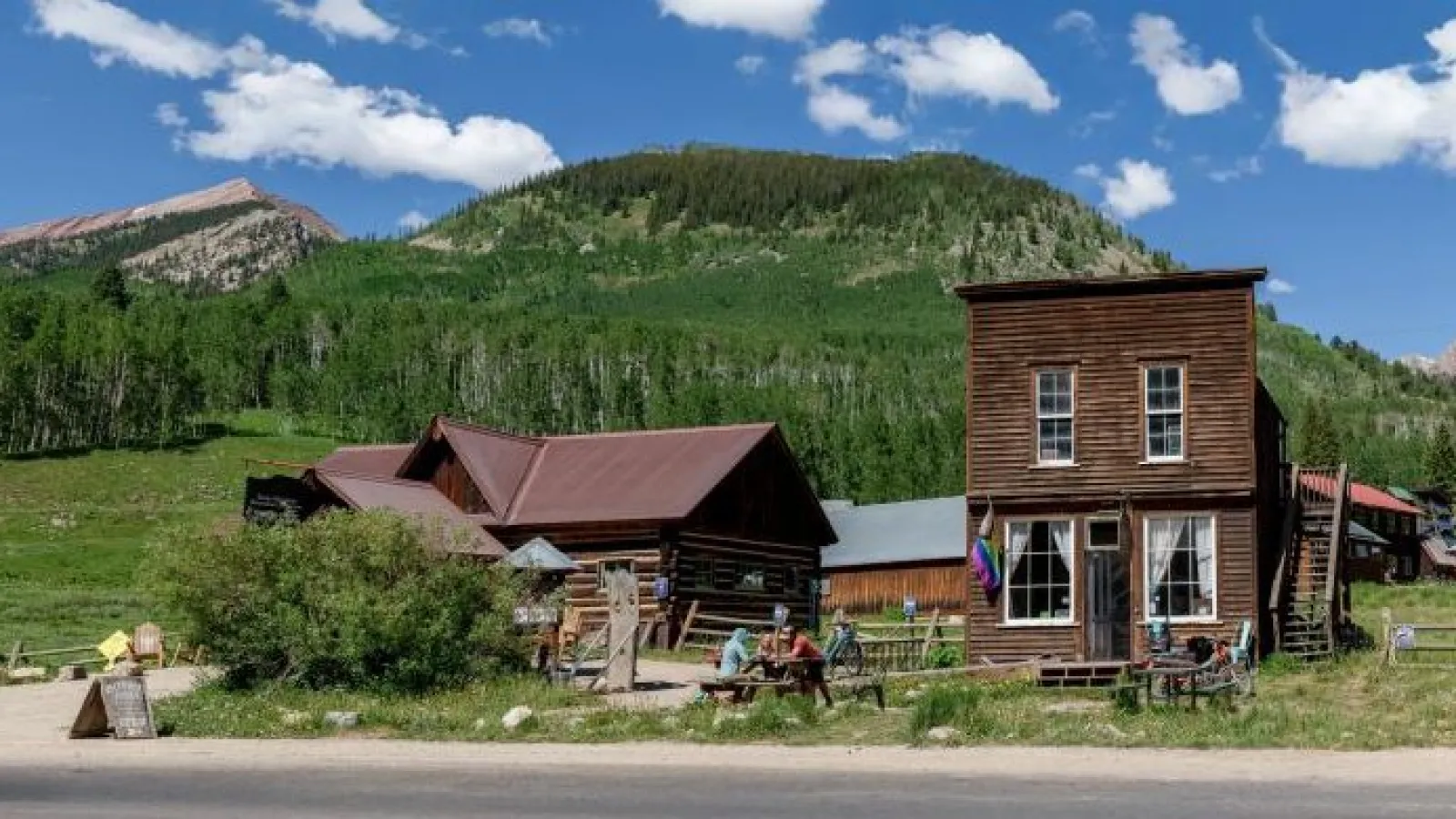
Why flying in tired increases risk at elevation
Most big hikes fail for boring reasons: not eating enough, moving too fast early, missing a turn, underestimating weather, or getting chilled because you stopped too long.
Flying in tired makes all of those more likely:
- You start too hard. Jet-lagged bodies misread effort. At altitude, “moderate” can quietly become “redline.”
- You forget to fuel. Appetite is weird after travel. Altitude can blunt it more.
- You misjudge symptoms. Fatigue, headache, and nausea overlap between sleep loss, dehydration, and altitude. If you are already wiped, it is harder to notice what is new and concerning.
- Your coordination is off. Sleep deprivation increases trip and fall risk, especially on rocky descents.
Conservative timing is not just about altitude illness. It is about avoiding the cascade that starts with “I’m fine” and ends with “Why does my knee feel like that?”
A conservative schedule
This is intentionally cautious. If your trip is short, you can still do something meaningful on day one. Just choose the right kind of “meaningful.”
Arrival day: movement, not a mission
- Best goal: 45 to 120 minutes of easy walking total spread across the day.
- Best terrain: city neighborhoods, riverside paths, a gentle park loop, or a short scenic trail with plenty of bailout options.
- Best finish: an early dinner, hydration, and a bedtime close to local time.
If you want a trail touch on day one, choose something where turning around feels like a win, not a failure.
Day two: the first real hike window
For many travelers, day two is the sweet spot because you have had one sleep in the new time zone and one night of altitude exposure.
- Start later than your ego wants: late morning is fine if weather allows. A dawn start after a rough night often backfires.
- Keep it moderate: choose a hike with a clear turnaround time and a descent you can manage if you are tired.
- Keep your first day-two hike shorter than your normal standard: think 60 to 70 percent of what you would do at home.
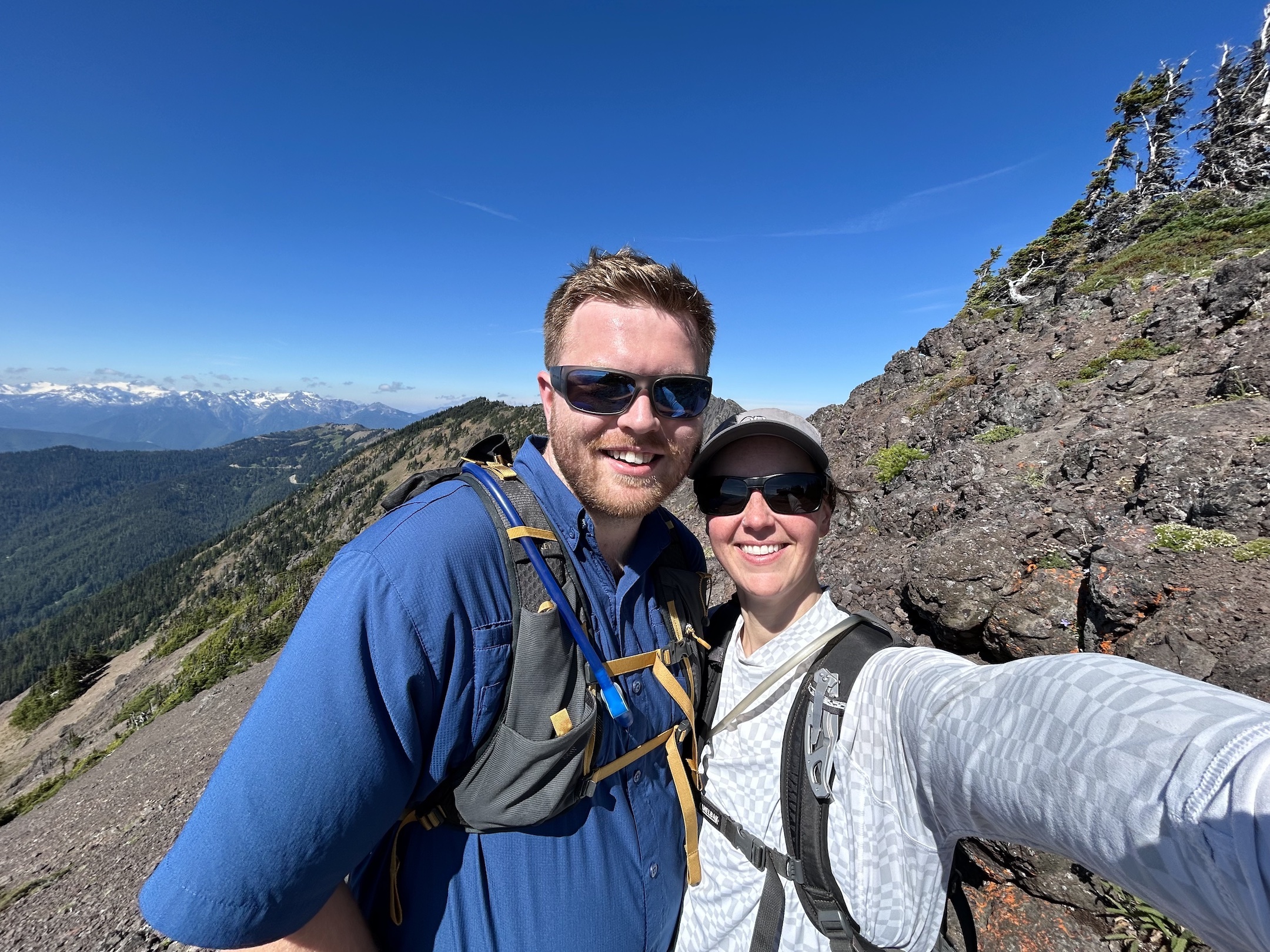
Red-eye vs daytime arrival
If you took a red-eye
Reality check: even if you “slept,” it is usually fragmented. Treat arrival day like a recovery day.
- Arrival to midday: get outside for light, eat a real meal, hydrate. Keep caffeine modest and stop early.
- Midday: optional 10 to 25 minute nap. Set an alarm. Then move your body gently, ideally outdoors.
- Afternoon: choose a city walk, museum, or café hop. If you must trail, pick an easy out-and-back with no exposure and no “point of no return.”
- Evening: early dinner, prepare gear, and get to bed close to local time.
- Hike timing: plan your first big hike on day two, not day one.
If you arrived in the daytime
Daytime arrivals are easier to manage because you can keep your body clock aligned with local time from the start.
- Arrival to afternoon: get outside, take an easy walk, and keep caffeine within your normal pattern.
- Late afternoon option: a short, easy hike can work if you are not pushing bedtime later.
- Hike timing: you may be able to do a moderate hike on day one if altitude is not extreme and you feel steady, but day two is still safer for a summit-style push.
When to choose a city walk
I am all for trail time, but arrival day is where Town Wander’s “trail plus town” philosophy shines. A great city walk can set you up for a better mountain day tomorrow.
Pick the city option if any of these are true:
- You slept less than 5 hours in the past 24 hours.
- You are arriving at around 8,000 feet / 2,400 m or higher, especially if you are sleeping at that elevation or ascending quickly, and you feel headachy, nauseated, or unusually winded just walking.
- Your hike would require technical footing, exposure, or a long drive to a remote trailhead.
- You are already using caffeine just to feel normal, and it is past early afternoon.
- Weather is unstable and you would need a very early start to be safe, but your body is not ready for it.
City-walk alternatives that still “count”:
- A neighborhood loop that includes stairs or a steep park path for gentle altitude stimulus.
- A market lunch mission where you can actually eat and hydrate.
- A sunset viewpoint you can reach without committing to a long descent in the dark.
Two sample itineraries
Itinerary A: red-eye into a mountain town
- Day 0 travel night: hydrate, skip extra alcohol, set your watch to destination time.
- Day 1 morning: check in or drop bags, 20 to 45 minutes outside, hearty breakfast.
- Day 1 midday: optional 20 minute nap, then an easy walk and a low-key lunch.
- Day 1 afternoon: errands and joy: pick up snacks, browse a bookstore, find your go-to coffee shop for tomorrow.
- Day 1 evening: early dinner, water, bedtime close to local time.
- Day 2: moderate hike. Keep intensity honest. Turn around earlier than you think you need to.
Itinerary B: daytime arrival with decent sleep
- Day 1 afternoon: light outdoor exposure, easy stroll, early dinner.
- Day 1 option: short easy hike if you can finish before evening and you feel clear-headed.
- Day 2: your first big hike or summit attempt, with a conservative turnaround time.
Quick checklist
- Sleep: prioritize one solid night before a big effort whenever possible.
- Light: get outside soon after arrival, and again the next morning.
- Caffeine: stop 6 to 8 hours before bed, avoid all-day sipping.
- Hydration and salt: sip regularly and eat real meals. Do not try to “water your way” out of altitude symptoms.
- Acclimatization basics: avoid a huge gain on day one, and if you can, increase sleeping altitude gradually or “sleep lower” than your highest point during the day.
- Intensity: keep day-two effort to about 60 to 70 percent of your sea-level norm.
- Turnaround time: set it in advance and honor it.
- Alcohol and sleep meds: go easy, especially on the first night. Alcohol and sedatives can worsen sleep quality and breathing at altitude. If you use any sleep aid, consider talking with a clinician before your trip.
- Optional melatonin: some travelers use low-dose melatonin to nudge sleep timing. If you try it, keep dosing conservative and check with a clinician if you have medical conditions, take other medications, or are unsure what is safe for you.
If you are debating between “summit today” and “sleep tonight,” choose sleep. The mountains will still be there tomorrow, and you will be better at meeting them.
Safety note: If you develop severe headache, confusion, trouble walking a straight line, shortness of breath at rest, or worsening symptoms despite rest, treat it seriously and seek medical care. The safest response to significant altitude illness is to stop ascending and consider descending.