Joshua Tree Day Hikes and a Palm Springs Weekend

Maya Lin
Maya Lin is a travel journalist and outdoor enthusiast who believes the best trips combine rugged adventures with urban comforts. After spending six years backpacking across four continents, she founded Trail & Town Guide to help fellow travelers navigate both hidden mountain passes and bustling city neighborhoods with confidence.
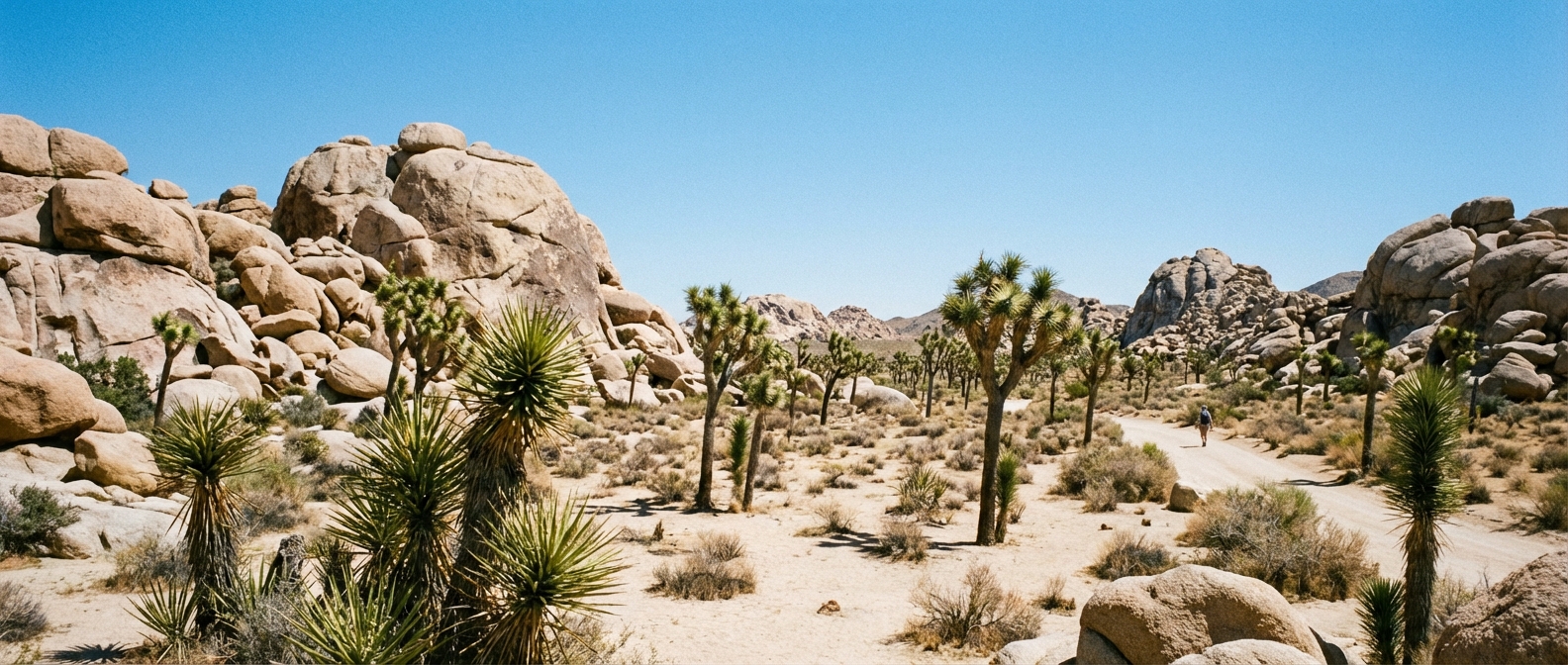
Joshua Tree and Palm Springs feel like two different desert dreams, and that is exactly why they work so well together. Joshua Tree National Park is all rock piles, wide horizons, and that crunchy hush you only get far from streetlights. Palm Springs is the soft landing: pool time, design sightseeing, an excellent cocktail, and a bed that does not involve sand sneaking into your socks.
This itinerary is built for a long weekend where you get real miles on trail and still make it back to town in time for dinner. I am leaning into three best-in-class day hikes that show off wildly different sides of the park: Hidden Valley (easy and iconic), Ryan Mountain (classic summit effort), and 49 Palms Oasis (a shady, palm-lined surprise in the desert).
Quick trip plan
If you want the simplest version, here is the rhythm that works.
- Day 1 (Friday): Arrive Palm Springs, sunset stroll and dinner.
- Day 2 (Saturday): Joshua Tree day trip for Hidden Valley and Ryan Mountain, back to Palm Springs for a shower and a good meal.
- Day 3 (Sunday): Pre-dawn start for 49 Palms Oasis, then Palm Springs architecture and a relaxed lunch before heading home.
Have a fourth day? Add Keys View at sunset or a quick loop at Cholla Cactus Garden, then give Palm Springs a proper spa afternoon.
Logistics
Where to base yourself
Base in Palm Springs (or nearby) if you want trail time plus restaurants, walkable pockets, and pool culture. It keeps your evenings easy, and you can still do Joshua Tree as day trips.
Base near Joshua Tree or Twentynine Palms if your priority is sunrise hiking and stargazing without a drive back to town. You can still do Palm Springs as a half-day detour, but it is less seamless.
Drive times
- Palm Springs to Joshua Tree West Entrance: about 50 to 70 minutes, plus potential entrance waits on peak weekends.
- Palm Springs to 49 Palms Oasis trailhead (Twentynine Palms): about 75 to 95 minutes.
- Joshua Tree West Entrance to Ryan Mountain trailhead: roughly 25 to 35 minutes inside the park, depending on stops and traffic.
Timing tip: On busy weekends (especially October through April), aim to be at an entrance gate by 8:00 am, earlier if you can. If you are staying near Twentynine Palms, the North Entrance can be a smoother starting point for some routes and viewpoints.
Park entry and fees
Joshua Tree National Park charges a per-vehicle entrance fee (good for 7 days). If you visit a few national parks each year, an America the Beautiful annual pass can pay for itself quickly.
Conditions and closures
Desert parks change fast: trail work, parking management, weather, and occasional closures can affect plans (Hidden Valley is one area that can see restrictions). Before you go, check the Joshua Tree NPS conditions page for current alerts, closures, and safety notes.
When to go
Best seasons: October through April for comfortable hiking. You can absolutely do it in shoulder months, but watch the forecast and start earlier.
Summer reality: Heat can be dangerous, especially on Ryan Mountain and the exposed sections of 49 Palms. If you go in summer, hike at dawn, shorten your plans, and move your “town” time to the hottest hours.
What to pack
- Water: plan for more than you think. A common baseline is 2 to 3 liters per person for a half-day, and more for heat or exposed hikes. Electrolytes help.
- Sun protection: brimmed hat, sunglasses, SPF, lip balm.
- Footwear: grippy shoes for sandy tread and rocky steps.
- Layers: desert mornings can be cold, even when afternoons are warm.
- Navigation: download offline maps before you lose signal.
- Leave No Trace: pack out all trash, and keep to established trails to protect fragile desert soil and biological soil crust.
Services and restrooms
Services inside the park are limited. Plan to bring what you need (water, snacks, a full tank of gas), and use visitor centers and developed areas for reliable restrooms when you can. Cell service is spotty, so do not count on streaming maps or sending “running late” texts from the trail.
Hidden Valley
This is the hike I send to almost everyone for a first Joshua Tree morning. It is short, iconic, and delivers that signature feeling of walking through a natural stone playground. Expect boulder stacks, tight little corridors between rocks, and Joshua trees that look like they are posing on purpose.
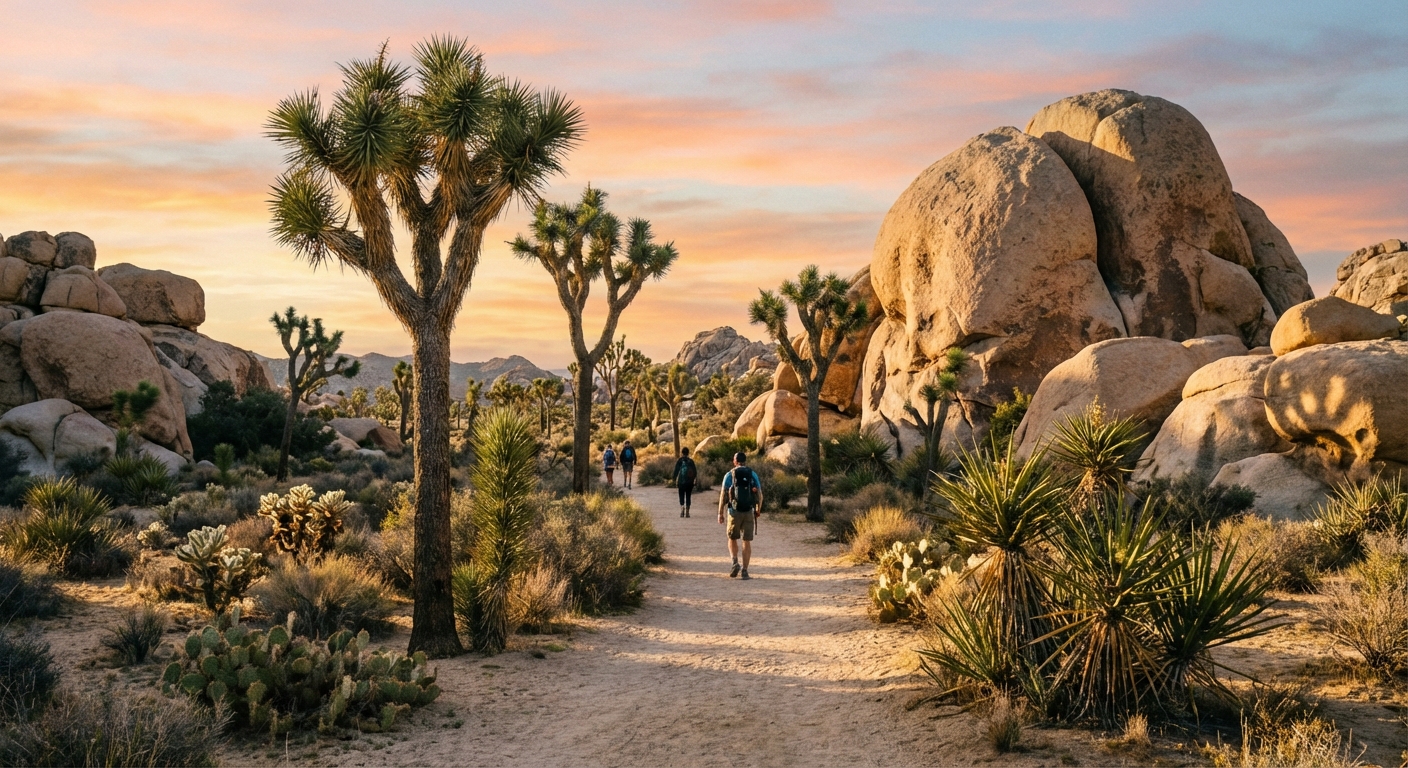
- Distance: about 1 mile loop
- Elevation gain: minimal
- Time: 30 to 60 minutes, longer if you like scrambling and photos
- Difficulty: easy
- Why it is worth it: maximum scenery for minimal effort
Trail tips: Go early for quieter vibes and easier parking. Stay on the loop, and resist the temptation to shortcut across fragile desert soil and biological soil crust, which is living and slow to recover.
Accessibility note: This is a very popular, relatively easy walk, but it is not fully accessible for all mobility needs due to uneven surfaces and steps. If you want an easy, low-effort scenic stop, pair a viewpoint like Keys View with short, flat strolls near developed areas.
Ryan Mountain
Ryan Mountain is the classic “earn your view” hike. It is a steady climb on a good trail to a summit that opens up to panoramic desert in all directions. This is where Joshua Tree starts to make sense at scale. You see how the boulder fields spill into valleys, how the mountains stack in the distance, and how big the sky really is.
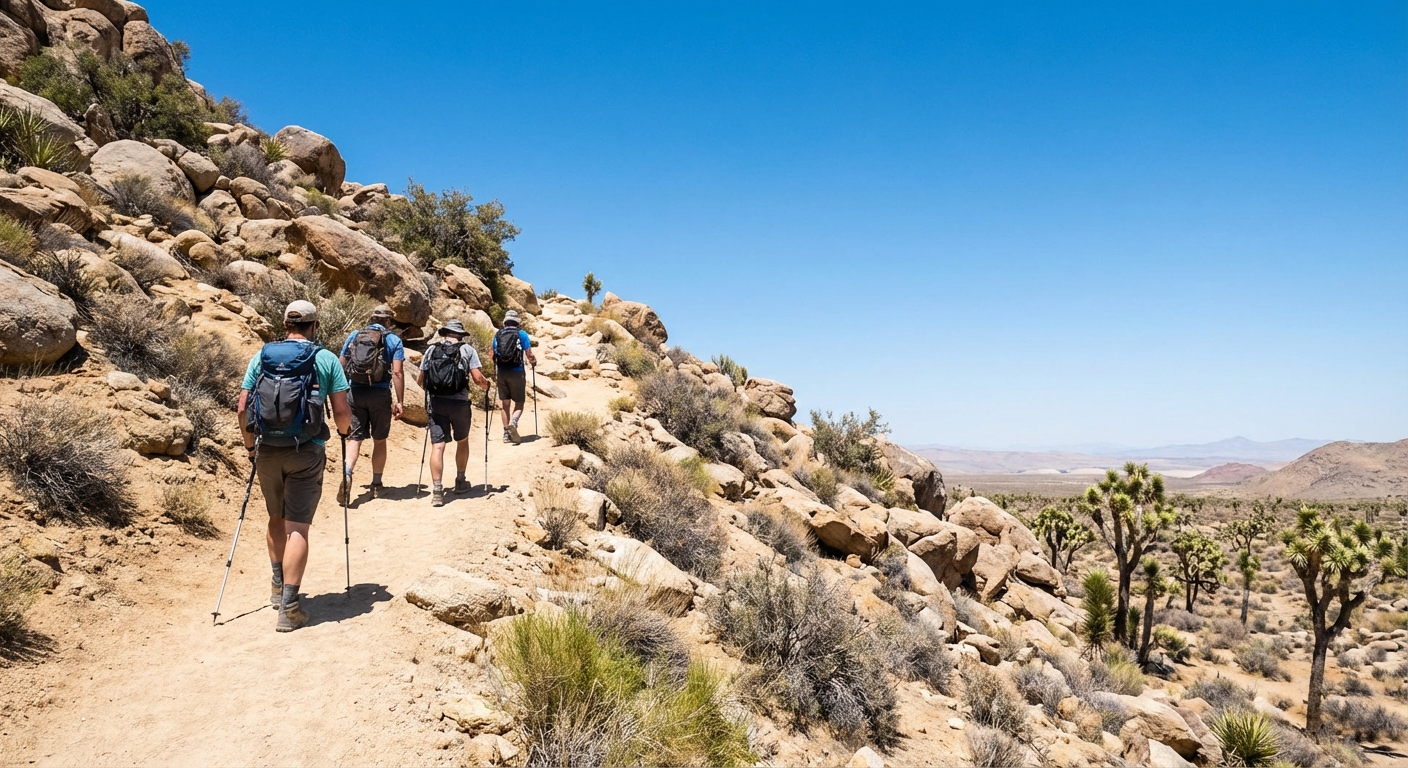
- Distance: about 3 miles round trip
- Elevation gain: about 1,000+ feet
- Time: 1.5 to 2.5 hours
- Difficulty: moderate (steady uphill)
- Why it is worth it: one of the best views per mile in the park
Trail tips: Wind at the top can be surprisingly sharp. Bring a light layer even if the parking lot feels warm. Start early, especially on weekends, because this trailhead fills up fast. Stick to the trail if you are not comfortable with exposure and scrambling.
49 Palms Oasis
49 Palms Oasis is the hike I pick when I want a plot twist. You start in classic Mojave terrain: sun, rock, and open space. Then the trail drops into a canyon where real California fan palms cluster around a spring-fed oasis. It feels like someone hid a tiny secret garden in the desert and then quietly walked away.
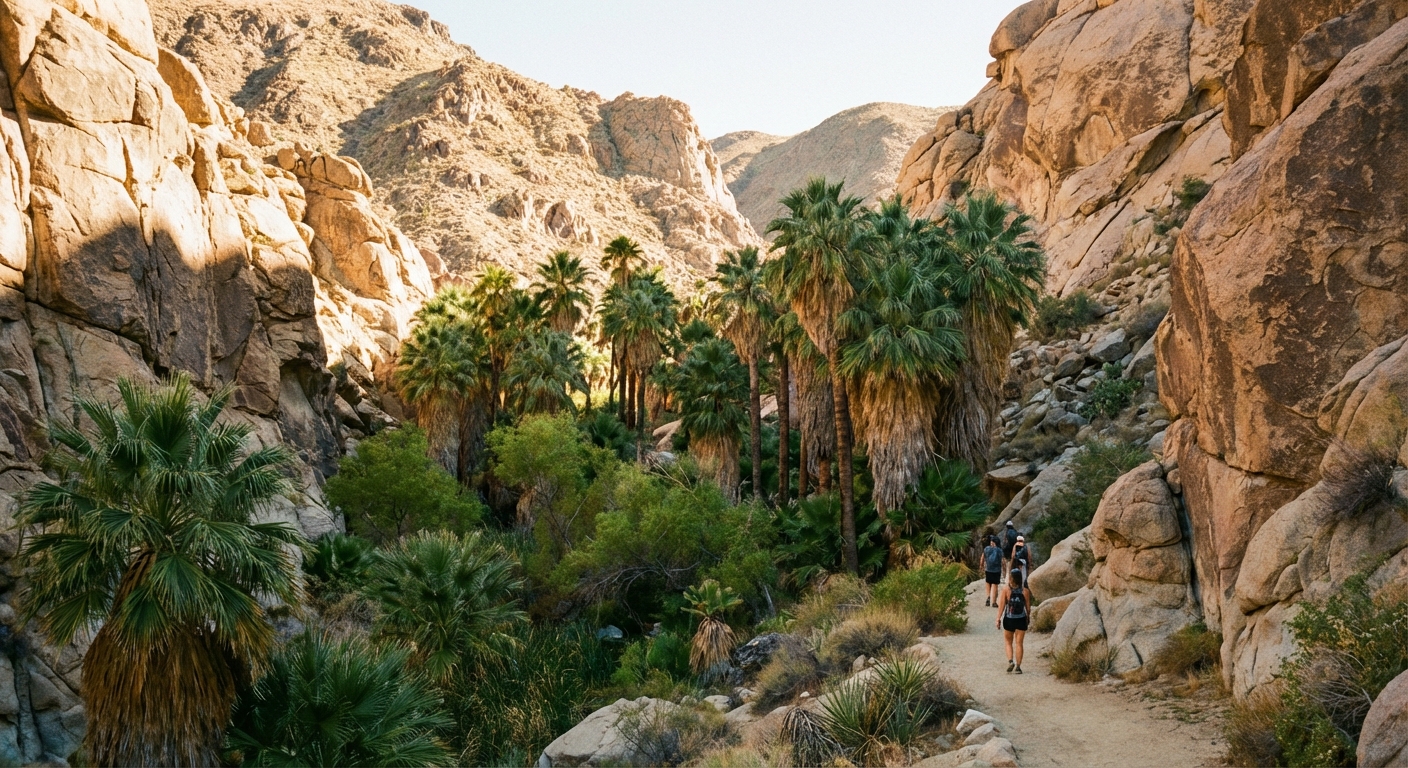
- Distance: about 3 miles round trip
- Elevation gain: roughly 300 to 400 feet (the climb out feels real on the return)
- Time: 1.5 to 2.5 hours
- Difficulty: moderate (up and down with exposed sections)
- Why it is worth it: a true oasis payoff and a different desert ecosystem
Trail tips: This trail is part of Joshua Tree National Park, but it is accessed near Twentynine Palms and separate from the main park roads. That makes it a great Sunday morning option if you want to skip the busiest entrance lines. The route is exposed for much of the way, so sun and water matter here.
Joshua Tree add-ons
- Keys View: a short walk from the parking area to a wide view over the Coachella Valley on clear days.
- Barker Dam: an easy loop with rock art and occasional water in wetter months.
- Cholla Cactus Garden: a quick path through dense cholla, best in softer morning or late afternoon light.
Palm Springs reset
Palm Springs is the rare trail town where the post-hike plan can be as committed as the hike itself. Think: an iced coffee that actually tastes good, a breezy patio lunch, a quick architecture detour, and a pool that makes you forget your calves are sore.
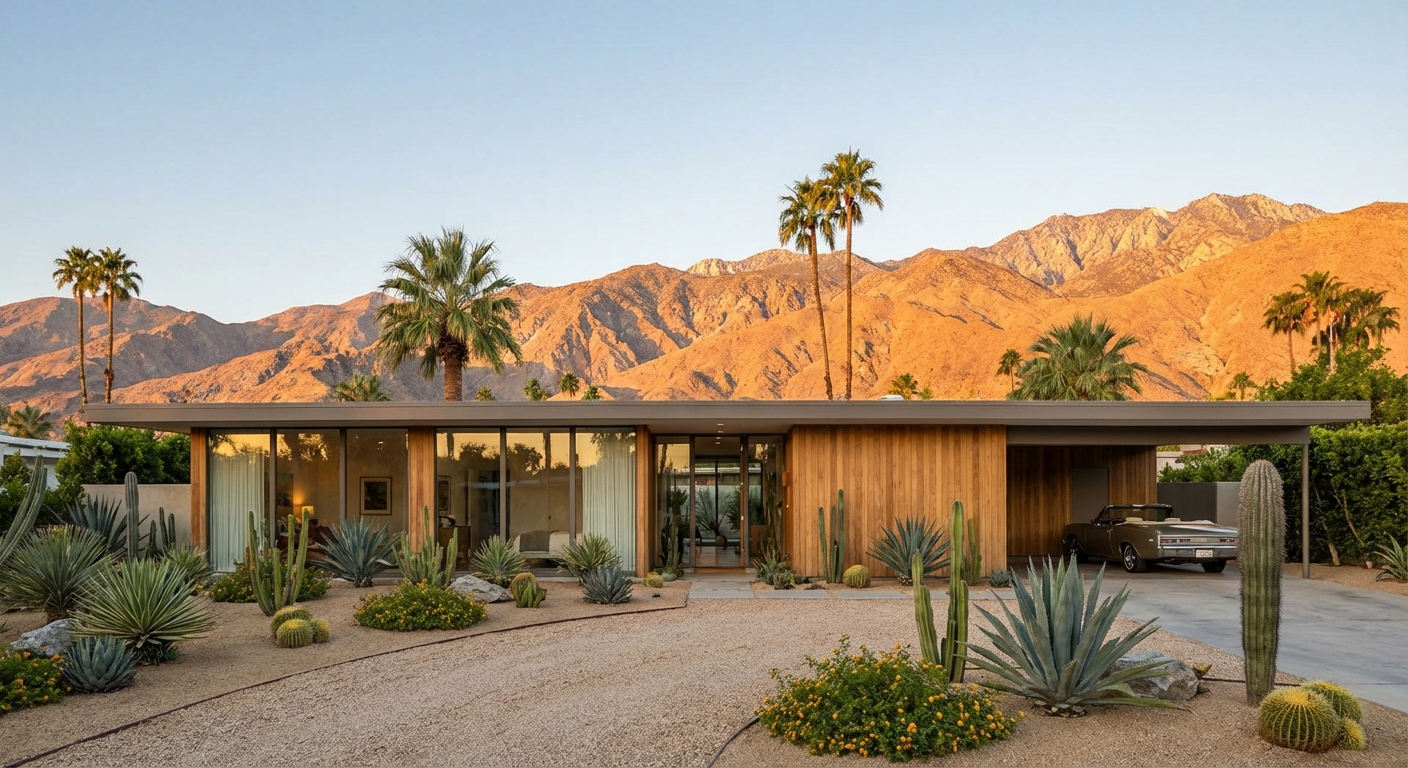
Mid-century architecture
You can go deep with a dedicated architecture tour, but you can also do a satisfying DIY loop in a couple of hours.
- Start downtown: look for clean lines, breeze blocks, and that classic desert-modern mix of shade and glass.
- Drive or bike past mid-century neighborhoods: move slowly, stay respectful, and treat it like a museum where people live.
- Palm Springs Art Museum (optional): a great midday stop when the sun is at full volume.
Where to eat and drink
I look for three things after hiking: something salty, something fresh, and a place that does not mind dusty shoes. If you want a few easy, reliable targets, here are some solid starting points.
- Breakfast and coffee: Koffi is a classic for a reason, and Cheeky’s is a fun brunch move if you are ready for a wait or a line.
- Post-hike lunch: Sandfish Sushi & Whiskey works when you want something crisp and restorative, or keep it simple with a relaxed downtown patio and a big salad.
- Dinner: Workshop Kitchen + Bar is a favorite when you want date-night energy even if your date is your hydration bladder.
Pro tip: In peak season, reservations help. If you are driving back from Joshua Tree, plan dinner for a little later than usual. Park traffic, sunset stops, and the inevitable “wait, pull over, look at that boulder” moments add up.
Relaxation ideas
- Pool time: book a hotel with a good pool scene, or look for a day pass option if you are not staying on-property.
- Spa soak: the Coachella Valley is known for mineral water experiences in nearby Desert Hot Springs if you want a deeper recovery day.
- Aerial tramway: take the Palm Springs Aerial Tramway up to Mt. San Jacinto State Park for a temperature change and easy walks.
3-day itinerary
Day 1: Arrive and ease in
- Afternoon: Check in, grab an iced coffee, and do a short downtown wander.
- Golden hour: Architecture drive-by loop and mountain views.
- Evening: Dinner and a low-key night. You have an early start tomorrow.
Day 2: Hidden Valley + Ryan Mountain
- 6:30 to 7:30 am: Drive to Joshua Tree (build in extra time for entrance lines in peak season).
- 8:00 am: Hidden Valley loop while the light is soft.
- 9:30 am: Ryan Mountain hike.
- 12:30 pm: Picnic lunch or grab food outside the park.
- Afternoon: Scenic stops like Barker Dam or Keys View, then head back to Palm Springs.
- Evening: Shower, dinner, and a poolside decompression session.
Day 3: 49 Palms Oasis + Palm Springs wander
- Early morning: Drive to 49 Palms Oasis trailhead and hike before it heats up (in warmer months, this is a pre-dawn departure).
- Late morning: Return to Palm Springs for brunch or lunch.
- Afternoon: Museum, shops, or tramway depending on weather and energy.
- Departure: Head out with clean clothes and pleasantly tired legs.
Safety and sustainability
The desert is not difficult because it is technical. It is difficult because it is unforgiving. A few habits go a long way.
- Start early: you will hike better and enjoy it more.
- Carry more water than you think you need: and drink steadily, not all at once.
- Respect wildlife: give bighorn sheep space, watch where you put hands and feet, and never feed animals. If you see a rattlesnake, give it distance and let it move on.
- Stay on trail: desert soils and plants can take decades to recover from one shortcut.
- Pack out everything: including food scraps and tissues.
- Know the rules: drones are prohibited in national parks, and it is always worth reviewing current regulations before you go.
If you only remember one thing: shade is scarce, and rescue takes time. Plan like you might not have cell service, because you often will not.
Why this combo works
Some trips are all grit or all gloss. Joshua Tree plus Palm Springs is both, and that mix makes it easier to travel well. You can hike hard in the morning, eat well at night, and still wake up ready to do it again. That is my favorite kind of weekend.