Kenai Fjords National Park Day Trip

Maya Lin
Maya Lin is a travel journalist and outdoor enthusiast who believes the best trips combine rugged adventures with urban comforts. After spending six years backpacking across four continents, she founded Trail & Town Guide to help fellow travelers navigate both hidden mountain passes and bustling city neighborhoods with confidence.
Kenai Fjords National Park is one of the rare Alaska highlights that works as a clean day trip: you can wake up in a real bed, sip a serious coffee in town, and still end up watching tidewater glaciers calve into slate-colored water. The catch is that Kenai Fjords is mostly a water park in the most literal sense. Most of the signature scenery is coastal and marine and is primarily accessed by boat, with the Exit Glacier area as the main road-accessible exception.
This guide helps you choose the right cruise, build an honest wildlife expectation, and set up a land-based backup plan using Exit Glacier Road and nearby hikes. It is built for Seward based day-trippers who want maximum wow per hour without pretending a single day replaces a longer Alaska expedition.
First choice: half-day or full-day cruise
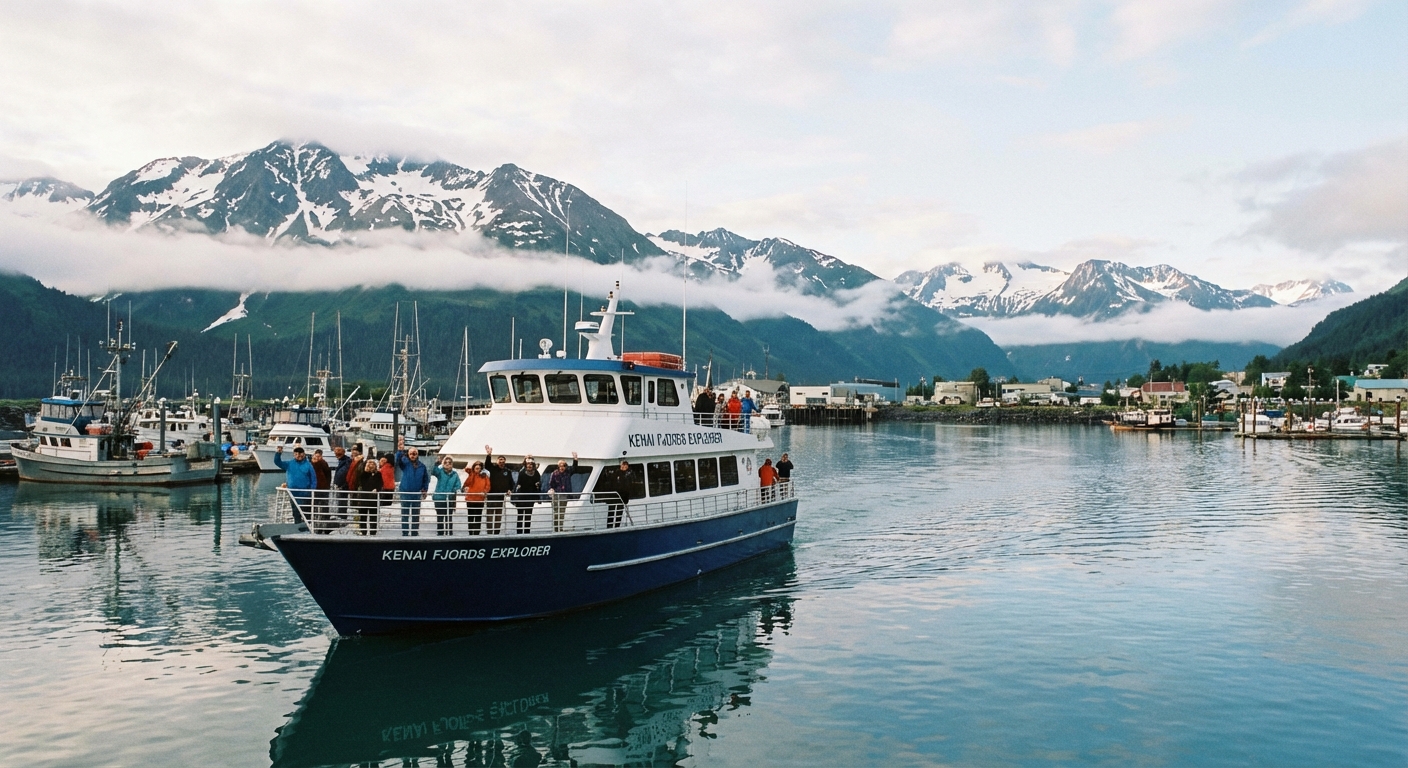
If you only do one thing in Kenai Fjords, do a boat trip. Cruises are how most visitors reach the dramatic stuff: tidewater glaciers, sea lion haul-outs, and the cliffy coastline that feels like Alaska turned up to 11. Exact routes and durations vary by operator and conditions, so treat the times below as typical, not universal.
Half-day cruises
Half-day routes (often about 3.5 to 4.5 hours) usually focus on Resurrection Bay and nearby coastal features. You still get big scenery and a real chance at wildlife, but you spend less time in open water.
- Pros: easier to fit around the Alaska Railroad schedule, more time for Exit Glacier or a town meal, less exposure to rough seas, usually less expensive.
- Cons: less likely to reach the biggest tidewater glaciers, fewer miles means fewer wildlife opportunities overall, and fog can compress the experience if visibility is limited.
Full-day cruises
Full-day routes (often about 6 to 8.5+ hours) push farther into the fjords and are more likely to include a major tidewater glacier. More time on the water also increases your odds of seeing a wider variety of wildlife.
- Pros: better glacier payoff, more coastline variety, higher odds for marine mammals simply because you are out longer.
- Cons: more exposure to swell, more weather risk, longer day with fewer backup options, typically higher cost.
Rule of thumb
- If you have one day in Seward and you get seasick easily, book a half-day and pair it with Exit Glacier.
- If your top priority is tidewater glacier drama and you can handle a long day on a boat, choose a full-day.
- If you are traveling with kids or anyone nervous about rough water, prioritize shorter duration and flexible cancellation policies.
What “Kenai Fjords cruise” means
Most visitors book out of Seward. That is the standard gateway with the highest number of operators and daily departures in summer. You will often check in near the small boat harbor area and then walk to the dock, though exact check-in locations vary.
Quick boundary note
Many half-day cruises spend a lot of time in Resurrection Bay. It is technically outside the official Kenai Fjords National Park boundary, but it is universally packaged and marketed with “Kenai Fjords” because it is the same Seward launch point and the same spectacular coastal environment. Full-day trips are more likely to push deeper into the park’s fjords.
Booking options
- Direct with an operator: often the best for clarity on route, timing, and cancellation rules.
- Through your lodging: convenient, sometimes bundled, but confirm the exact route name and duration.
- Combo tickets (train + cruise): useful if you are coming from Anchorage without a car and want the day scripted.
Questions to ask before you pay
- Is this a Resurrection Bay focused trip or a tidewater glacier trip? What glacier or fjord do they typically aim for?
- What is the check-in time vs the departure time?
- Do they have a comfort plan for rough seas, like an alternate route, or do they cancel?
- What is included: lunch, hot drinks, binoculars, park fees? (Many include fees, not all do.)
- What is the cancellation or reschedule policy if conditions turn?
One practical note: Kenai Fjords National Park has an Exit Glacier area you can reach by road, but the iconic fjords experience is accessed by boat. So when someone says “I’m visiting the park,” clarify whether they mean the marine side, Exit Glacier, or both.
Wildlife expectations
Everyone wants the “whales breaching next to a glacier” moment. It happens, but you will enjoy your day more if you treat wildlife as a possibility, not a promise.
What you often see
- Seabirds and coastal birds are common along the route.
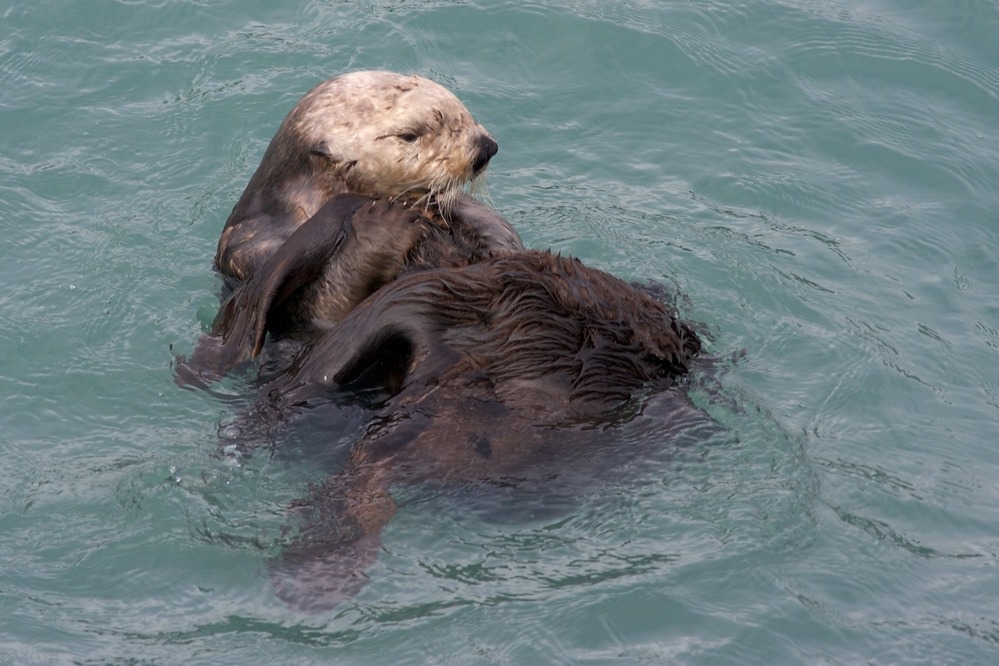
- Sea otters are frequently spotted floating in kelp beds, especially on calmer water.
- Steller sea lions are often seen hauled out on rocky islets, depending on route and timing.
Whales
Whale presence varies by season, food conditions, and pure luck. Longer cruises generally improve your odds because you cover more water and spend more time scanning. Morning vs afternoon can matter less than overall conditions, but calm, clear days help your guide and captain spot blows and flukes.
What changes your odds
- Route distance: more miles, more chances.
- Sea state: chop makes it harder to spot and harder to linger.
- Visibility: fog can turn a “wildlife hunt” into a “gray wall with vibes.”
- Patience: the best sightings often happen after a long stretch of nothing.
If wildlife is your #1 priority, pick a full-day route and sit outside as much as you comfortably can. If your #1 priority is dramatic landscapes, even a half-day can deliver big.
If seas are rough: Plan B
Some days the Gulf of Alaska is not in a sharing mood. If your cruise is canceled, or if you decide you would rather keep your breakfast where it belongs, Seward still gives you a satisfying day.
Plan B 1: Exit Glacier Road
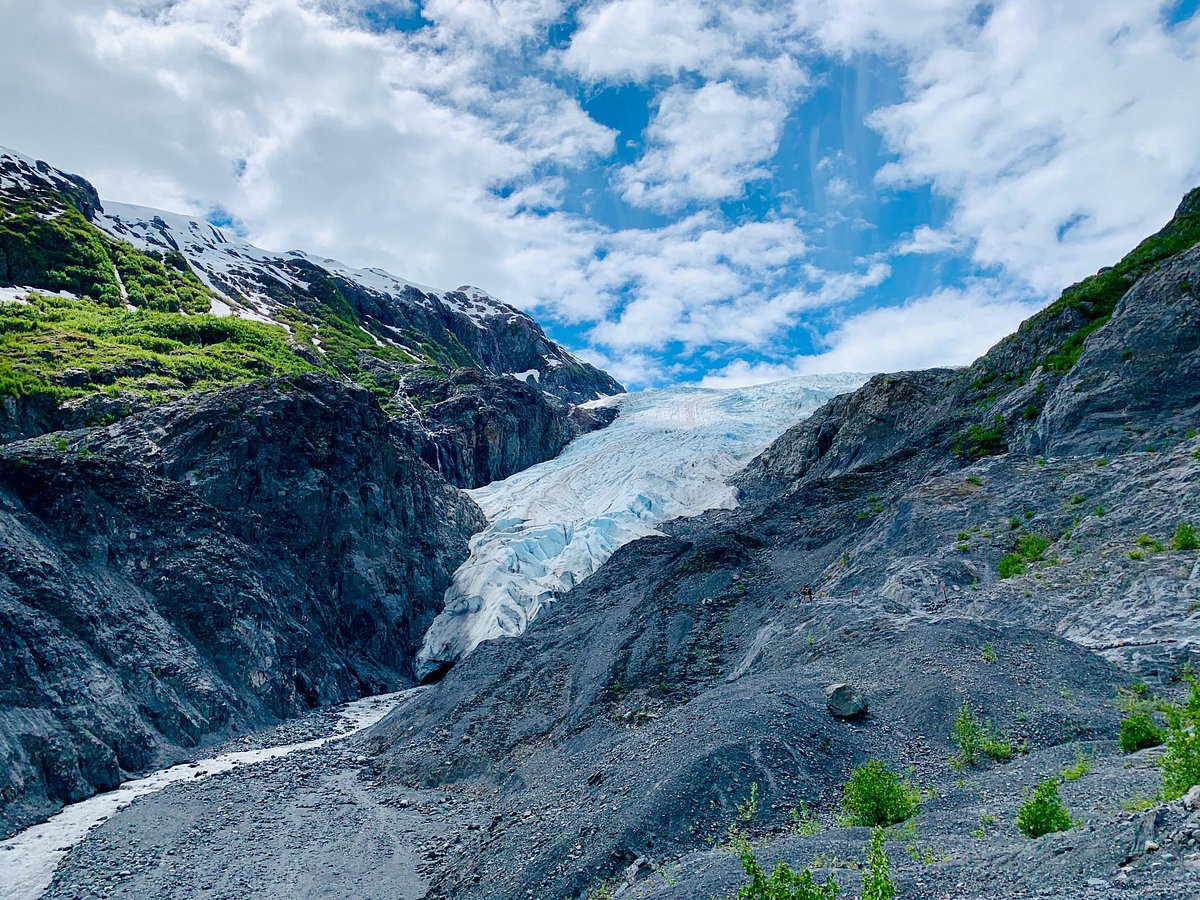
Exit Glacier is the most accessible part of Kenai Fjords National Park by road. It is also one of the most rewarding “short effort, big payoff” stops in Southcentral Alaska.
- Getting there: Drive from Seward out to the Exit Glacier area. The road is paved and straightforward in summer, but seasonal conditions and occasional closures happen, so check current status before you go.
- What to do: Walk to viewpoints and short trails near the glacier area. If you only have energy for one thing, prioritize a clear view of the ice and the valley it carved.
- For ambitious hikers: The Harding Icefield Trail starts here and is the big-name leg burner. It is stunning on a clear day and serious in both distance and elevation. Start early, watch weather, and turn around before you are chasing daylight.
- Why it works in bad weather: even with drizzle, the forest and river valley feel atmospheric, and the glacier often shows through breaks in cloud.
Plan B 2: Hike near town
If the marine forecast is ugly, a land hike can still deliver that “fjords” feeling from above.
- Good options to look up: Tonsina Point for coastal vibes, Lost Lake for a bigger day with views, and Mount Marathon area trails if you want steep local energy without committing to the full race route. Match your choice to your fitness and the conditions.
- Choose a trail that climbs: elevation is your friend for quick, sweeping views when the water is restless.
- Pack for wet: waterproof shell, warm layer, gloves, and a dry bag for electronics.
- Turnaround rules: wind and slick roots are real. Set a conservative turnaround time, especially if you are catching a train.
Plan B 3: An intentional Seward day
This is my favorite “slow travel” pivot: treat weather as a permission slip to know the community you are using as a base.
- Start with a local coffee shop and a real breakfast, not a granola bar in the car.
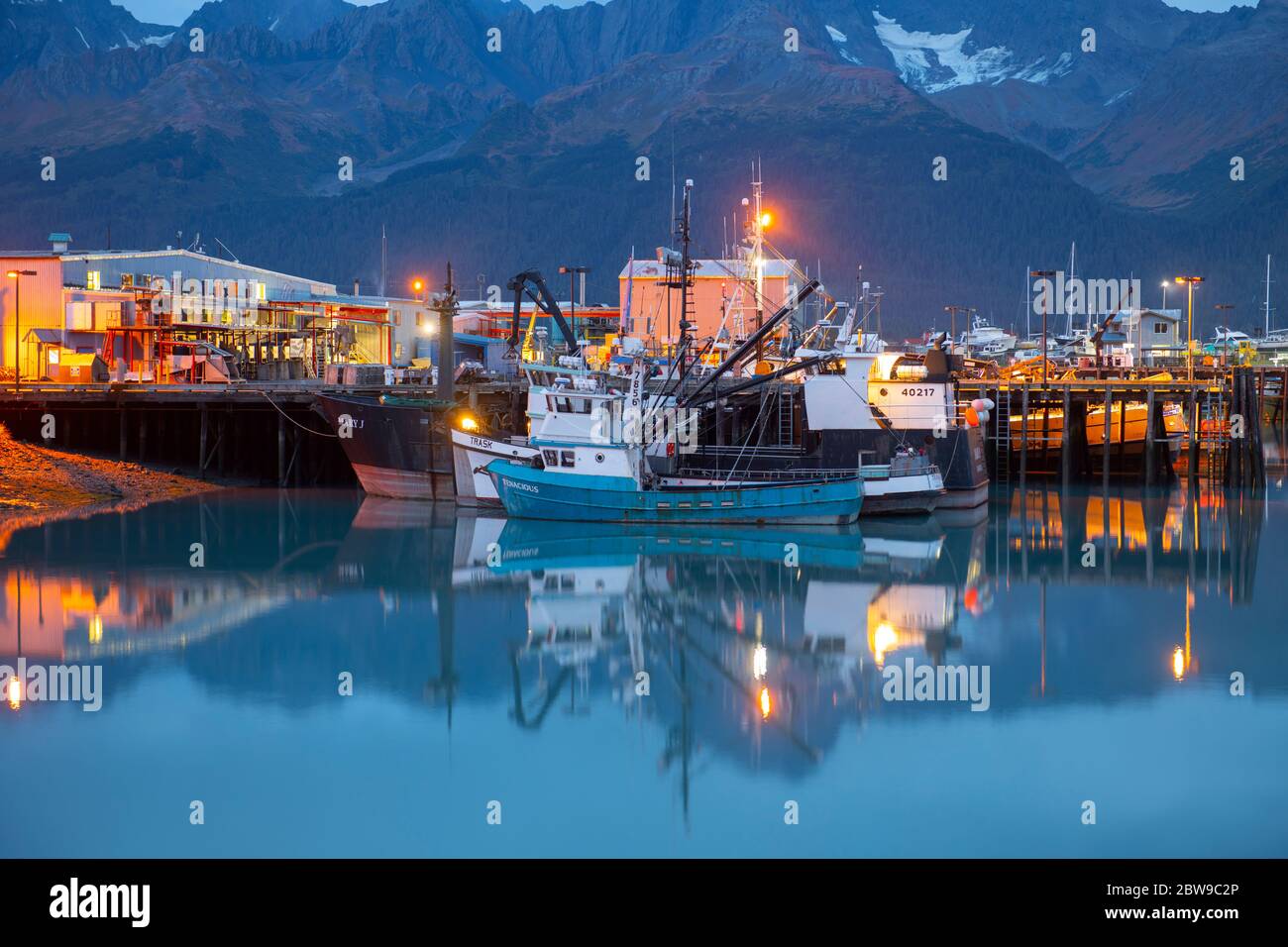
- Walk the waterfront and small boat harbor when the light changes.
- Build a cozy afternoon around hot food, a warm drink, and any indoor attractions you enjoy.
One-day itineraries
Option A: Half-day cruise + Exit Glacier
- Morning: Grab coffee and a quick breakfast in Seward, then check in for your half-day cruise.
- Midday: Return to town, eat something warm, and reassess weather.
- Afternoon: Drive to Exit Glacier Road, walk viewpoints or short trails.
- Evening: Early dinner in Seward, then sunset harbor stroll if skies clear.
Option B: Full-day cruise focus
- Morning: Early breakfast, bring snacks, and dress for wind on deck.
- Day: Cruise. Stay flexible and listen to crew guidance for wildlife viewing.
- Evening: Simple dinner and a low-key night. You will be pleasantly spent.
Option C: No-boat day
- Morning: Exit Glacier Road first for best chance at clearer conditions.
- Midday: Lunch in Seward.
- Afternoon: Short hike with views or waterfront wandering.
- Evening: Cozy meal and pack for tomorrow’s attempt if you can reschedule a cruise.
Seward logistics
Seward is small, which is part of its charm. It is also busy in peak summer, which means you will enjoy it more if you remove friction.
Parking and check-in
- Arrive earlier than you think: you want time to park, find the office, and use the restroom before boarding.
- Expect paid parking in some areas: especially near the harbor. Have a card and a backup plan if lots fill.
- Pack like a carry-on traveler: one day bag, layers, water, and a dry layer. You do not need half your suitcase on a boat.
Alaska Railroad day trips
The train between Anchorage and Seward is a classic for a reason. It is scenic, it avoids driving stress, and it pairs well with a scheduled cruise. The key is booking your cruise time that realistically matches train arrival and departure windows, including check-in buffers.
- If you are doing train + cruise: prioritize a cruise that explicitly welcomes railroad connections, or confirm timing carefully before purchase.
- Do not stack it too tight: you want breathing room for check-in and any minor delays.
Lodging anchors
For a one-night stay, choose lodging that reduces morning stress:
- Walkable to the harbor: ideal if your cruise is early and you want to avoid parking chaos.
- Walkable to food: so you can finish your day without getting back in the car.
- Quiet enough to sleep: summer daylight makes it easy to stay out too late. Blackout curtains are a bonus.
What to pack
Even in summer, Kenai Fjords can feel like a different season once you are on the water. Dress for wind and spray, not for the parking lot.
- Waterproof outer layer: jacket with a hood, plus rain pants if you have them.
- Warm mid-layer: fleece or light puffy.
- Hat and gloves: small, high-impact comfort items on deck.
- Non-slip shoes: you will be walking on wet docks and boat surfaces.
- Binoculars: if you own them, bring them.
- Dry bag or zip bag: for phone and camera.
- Seasickness plan: whatever works for you, taken early as directed. Practical extras: sit midship if you can, look at the horizon, and take meds before you feel bad.
- Refillable water bottle and snacks: even if lunch is included, snacks save morale.
Bad-weather checklist
If you wake up to rain and wind, do not panic-cancel. Use this quick filter:
- Check the marine forecast: wind speed and swell matter more than drizzle.
- Call the operator: ask about route changes, comfort level, and cancellation options.
- Know your body: if you are prone to motion sickness, choose land options when seas are rough.
- Protect the core goal: if glaciers are your must-see, reschedule the cruise and do Exit Glacier today.
- Check official updates: look up current status for Exit Glacier Road and trails if weather has been active.
Kenai Fjords rewards flexibility. Build your day like a good itinerary should: one main plan, one strong backup, and enough buffer to actually enjoy the place.
My favorite Kenai Fjords day is the one that ends with salt on my jacket and a hot bowl of something in Seward, feeling like I earned both.
Quick FAQ
Can you see Kenai Fjords without a boat?
Yes, via the Exit Glacier area, which is accessible by road from Seward. The classic fjords and tidewater glacier experience, however, is primarily by boat.
Is a full-day cruise worth it?
It is worth it if your priority is a higher chance at tidewater glaciers and more wildlife opportunities, and you are comfortable with a longer day on the water. If you are short on time or sensitive to rough seas, a half-day plus Exit Glacier often feels like the best balance.
How early should I arrive for my cruise?
Plan to arrive well before departure to handle parking and check-in without stress. Your confirmation email will list check-in times, and it is smart to treat them as real deadlines, not suggestions.
When is the best time to go?
Most day-trip cruising happens in the late May through September window. Peak summer gives you the most departures and long daylight. Shoulder season can be quieter and moodier, with fewer sailings and a higher chance of weather reshuffling your plans.