Kid-Friendly Day Hikes in US National Parks Beyond the Big Names

Maya Lin
Maya Lin is a travel journalist and outdoor enthusiast who believes the best trips combine rugged adventures with urban comforts. After spending six years backpacking across four continents, she founded Trail & Town Guide to help fellow travelers navigate both hidden mountain passes and bustling city neighborhoods with confidence.
I love a big, iconic hike as much as anyone, but if you are traveling with kids, “iconic” often translates to packed parking lots, shoulder-to-shoulder viewpoints, and a lot of emotional bargaining by mile one. The good news is that many national parks have short, fascinating trails with sturdy footing, nearby restrooms, and scenery that still feels like a payoff.
This list is intentionally not Rocky Mountain focused. Town Wander already covers family adventures in Colorado and the high Rockies. Here, we go coast to coast and lean into less overwhelming alternatives that deliver waterfalls, beaches, volcanic landscapes, desert geology, and old-growth forests without the pressure cooker vibe of the most famous routes.
What makes a hike kid-friendly here
- Short mileage: generally 0.5 to 3 miles, often as a loop or a round-trip out-and-back you can turn around on anytime.
- Reliable footing: boardwalks, packed dirt, gravel, or well-maintained paths. Minimal exposure and scrambling.
- Facilities nearby: restrooms, visitor centers, or picnic areas close to the trailhead whenever possible.
- Easy exit strategy: simple navigation and quick access back to the car.
- High reward-to-effort ratio: water, wildlife potential, dramatic geology, or a memorable feature that keeps kids engaged.
Quick note: conditions change. Always check each park’s official site for closures, tide timing, wildfire smoke, and current restroom availability.
Parent calm kit
Build in micro-missions
Kids do great with tiny goals. Think: “Let’s reach the next bridge,” “Find three different leaf shapes,” or “Spot a woodpecker.” It turns a walk into a game without needing screens.
Plan around bathrooms, not bravery
Even confident hikers crumble when a bathroom is a half-mile too far. If your crew is potty-training or just unpredictable, pick trails with restrooms at the visitor center or picnic area, then keep the hike flexible.
Use the snack ladder
Instead of handing out everything at once, bring small portions and space them out: start snack, halfway snack, viewpoint snack, back-at-the-car snack. Morale stays steady.
Start earlier than you think
Parking and heat are the two fastest ways to drain energy. A morning start often means cooler temps, calmer crowds, and better wildlife odds.
Let the short hike be the point
If you do a 1.5-mile loop and then spend an hour at a visitor center exhibit or a junior ranger program, you still had an excellent national park day.
Best kid-friendly day hikes
Below are approachable trails with a strong payoff and minimal drama. Mileage is approximate and can vary slightly by route choice.
Before you lock anything in: factor in park entry fees, timed entry systems, shuttle seasons, and tour or boat reservations. The hikes are short, but the logistics sometimes are not.
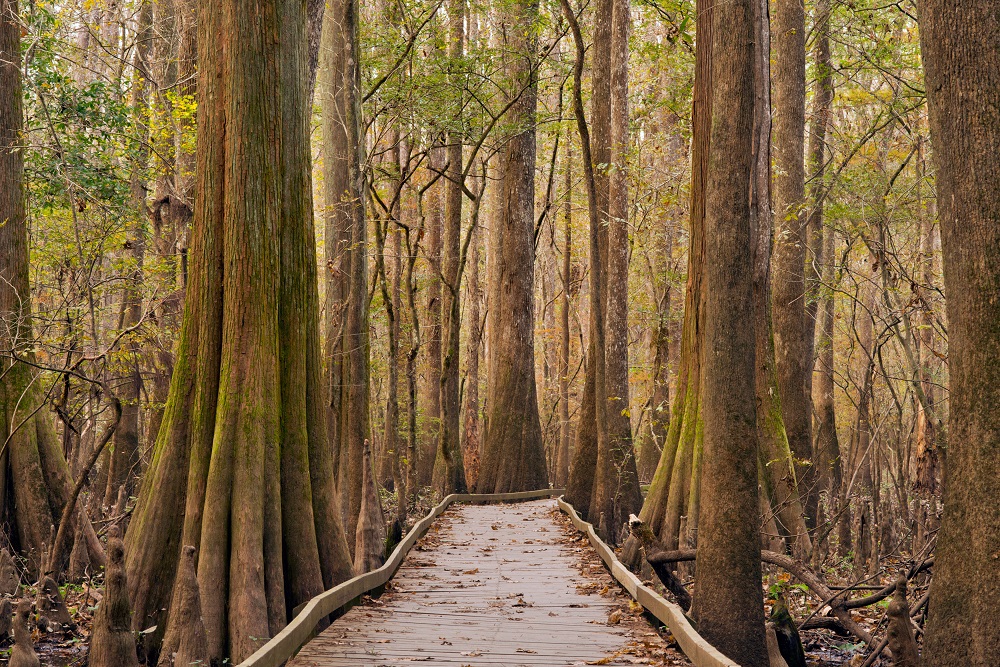
Congaree National Park (South Carolina): Boardwalk Loop Trail
Distance: about 2.4 miles loop
Difficulty: easy, flat
Why it works: Flat boardwalk through a floodplain forest that feels like stepping into a green cathedral. Great for bugs, birds, and “I spy” games.
Footing: boardwalk and packed path
Facilities: restrooms and visitor center nearby
Stroller or carrier: stroller-friendly on the boardwalk; carrier also works
- Kid hook: Look for knees of bald cypress trees and see who can spot the first woodpecker.
- Parent tip: This area is famous for insects in warm months. Bring repellent and consider lightweight long sleeves for comfort.
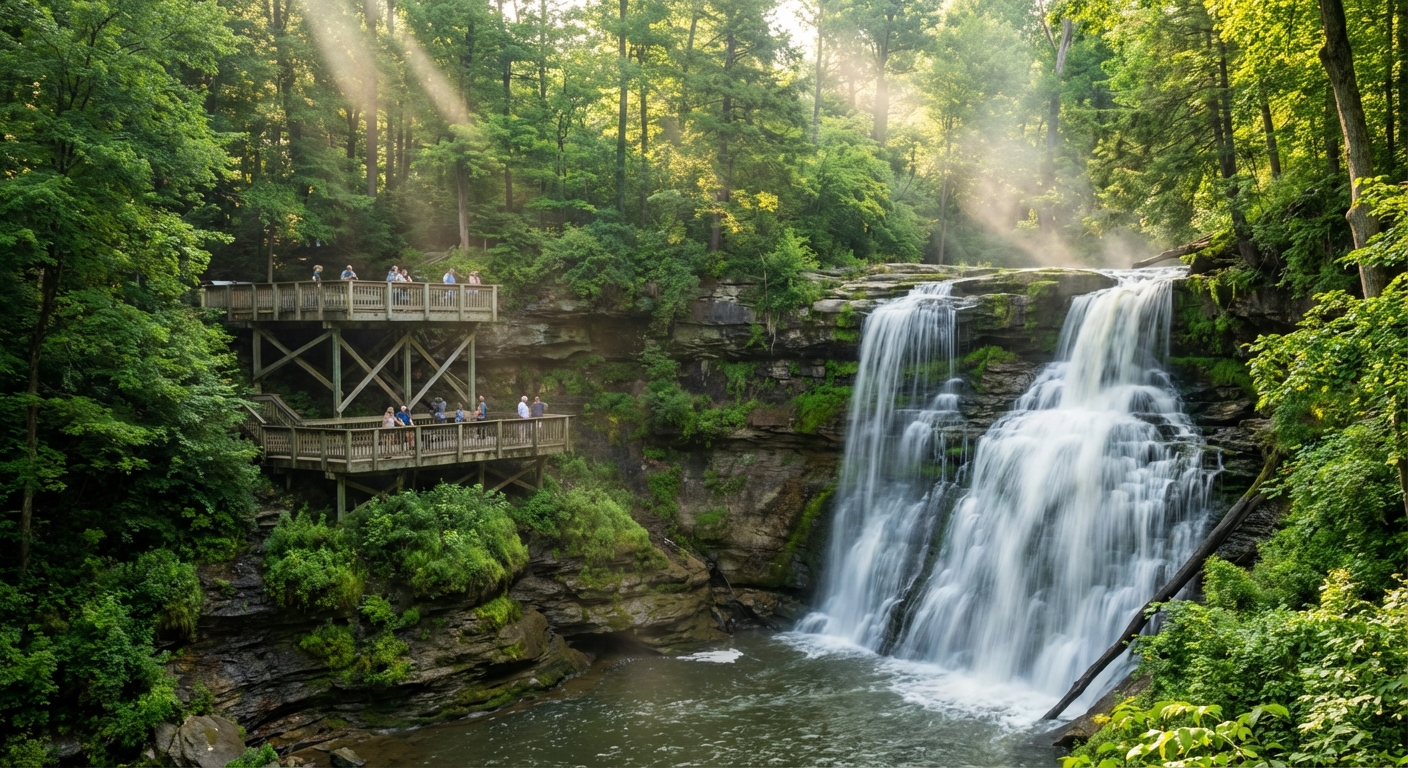
Cuyahoga Valley National Park (Ohio): Brandywine Falls Trail
Distance: about 1.5 miles loop
Difficulty: easy to moderate (stairs)
Why it works: A classic waterfall payoff without a huge climb, plus viewing platforms that make it feel safe and structured.
Footing: boardwalk sections, stairs, maintained trail
Facilities: restrooms can be seasonal and may be vault toilets at nearby areas, check current status
Stroller or carrier: carrier recommended; not great for strollers because of stairs
- Kid hook: Let kids be the “waterfall sound meter” and describe the loudest spot.
- Parent tip: The loop includes stairs. If you have a toddler in a carrier, take breaks and keep water handy.
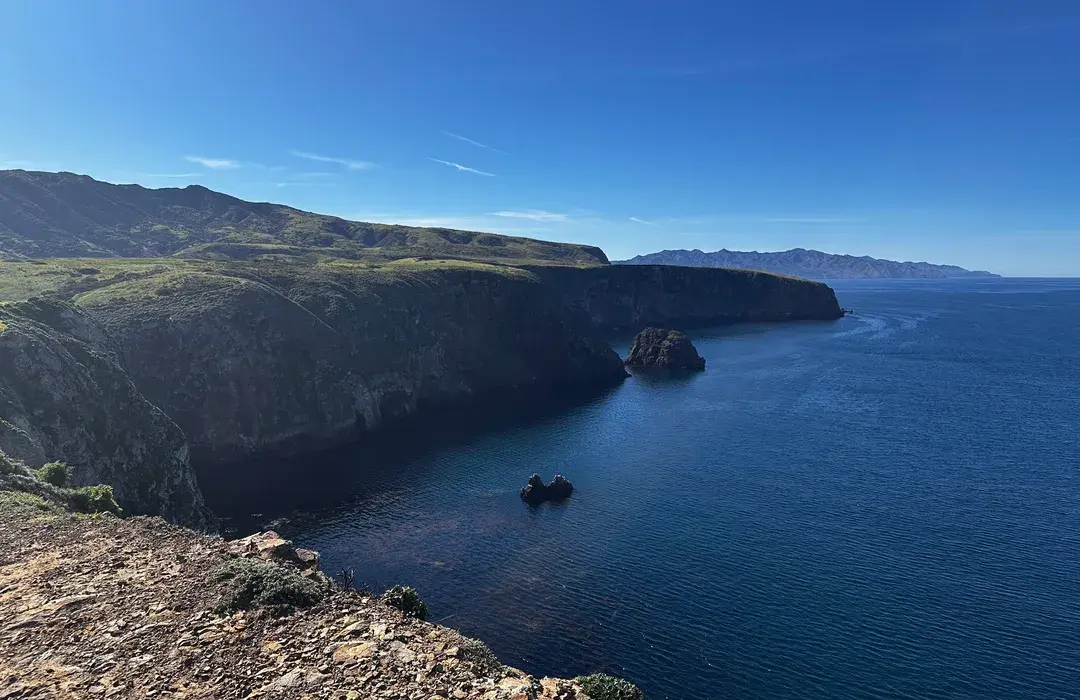
Channel Islands National Park (California): Cavern Point Loop, Santa Cruz Island
Distance: about 2 miles loop
Difficulty: moderate (exposed, uneven, cliff edges)
Why it works: Big ocean views fast, without committing to an all-day island trek. It feels adventurous because you took a boat, but the hike itself stays reasonable.
Footing: dirt trail with uneven sections and drop-offs in places
Facilities: restrooms at Scorpion Ranch area (near the landing)
Stroller or carrier: carrier recommended; not stroller-friendly
- Kid hook: Bring binoculars and make it a “spot the dolphins” mission.
- Parent tip: Boat schedules and seasickness can make or break your day. Book your ferry early in peak seasons, pack layers, and bring sun protection even if the mainland is cool.
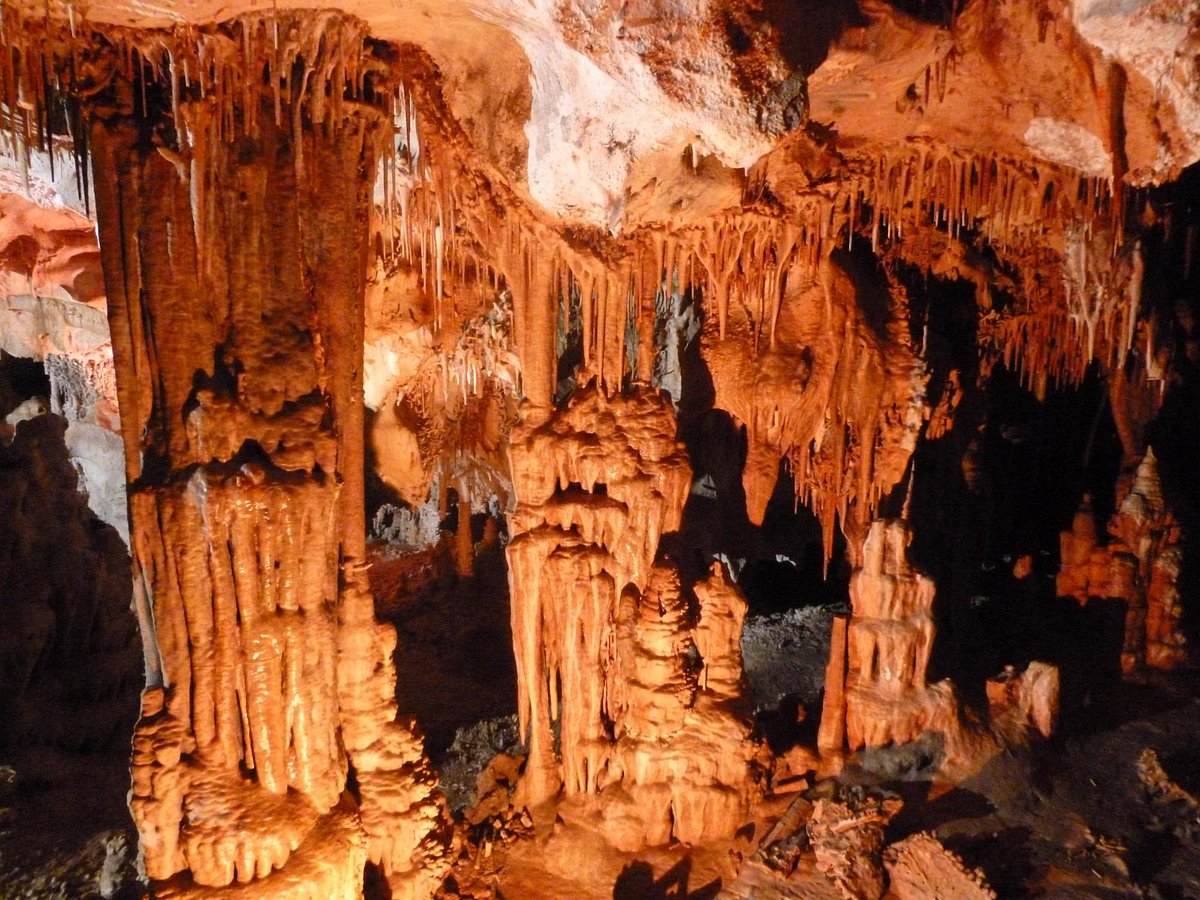
Great Basin National Park (Nevada): Lehman Caves Tour + Mountain View Nature Trail
Distance: Mountain View Nature Trail is about 0.6 miles loop (easy); cave tour distance varies
Difficulty: easy outdoors; cave tour includes stairs and railings
Why it works: Not every “hike day” has to be all trail. Pair a cave tour with a short nature loop for an unforgettable, low-mileage win in a park that often feels dramatically calmer than the big-name western icons.
Footing: maintained path outside; cave tour has stairs and handrails
Facilities: visitor center and restrooms nearby
Stroller or carrier: outdoor loop can work with a sturdy stroller; cave tour is better with a carrier
- Kid hook: Caves feel like a real expedition without sun, heat, or long mileage.
- Parent tip: Cave tours can sell out. Reserve ahead when possible and bring a warm layer, caves stay cool. If you came here for bristlecones, note that bristlecone trails are higher up the mountain and require a scenic drive and more effort than this visitor-area loop.
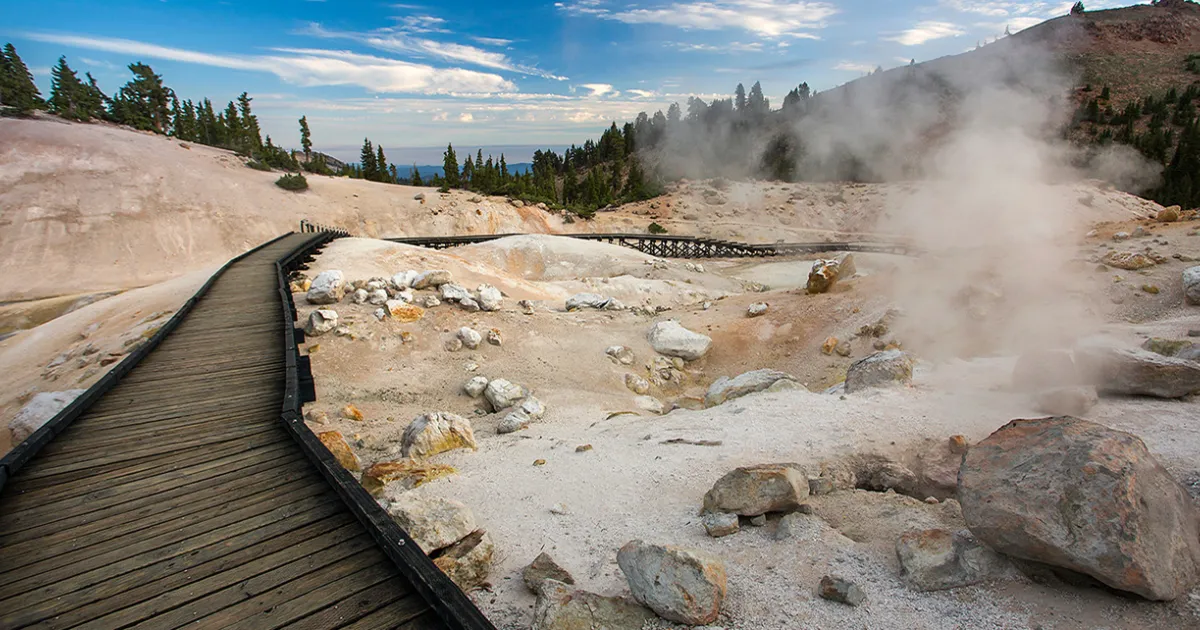
Lassen Volcanic National Park (California): Sulphur Works
Distance: about 0.3 miles round trip (wander-friendly)
Difficulty: easy
Why it works: Maximum “whoa” factor for minimal effort. Bubbling mud pots and steaming vents make kids feel like they are walking on another planet.
Footing: boardwalk and short maintained paths (configuration can vary)
Facilities: roadside parking; visitor services vary by season
Stroller or carrier: stroller may work in places, but a carrier keeps it simple
- Kid hook: Let them describe the smells and sounds like a science reporter.
- Parent tip: Set a clear boundary about staying on the boardwalk and marked paths. Geothermal areas are not a place for wandering feet.
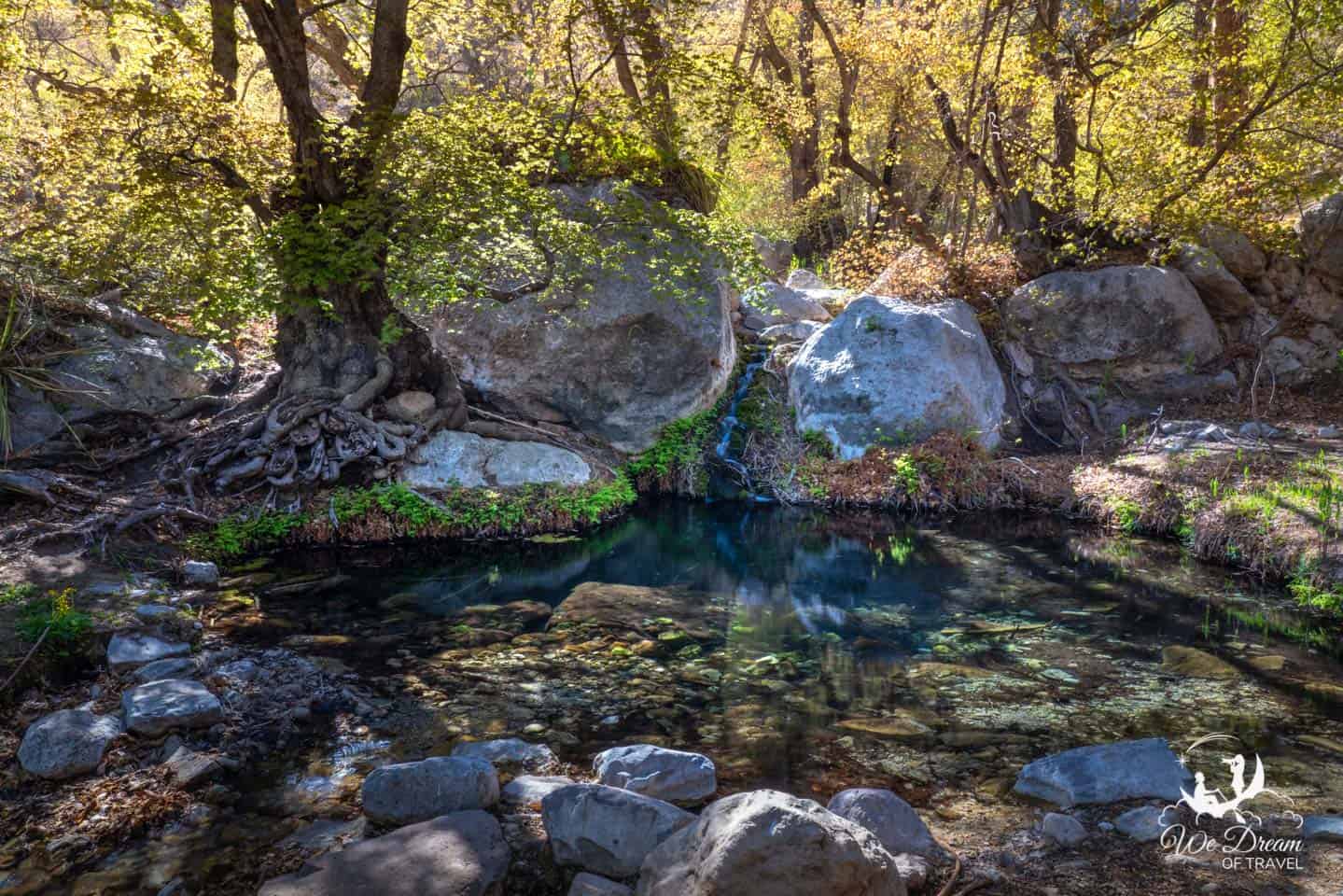
Guadalupe Mountains National Park (Texas): Smith Spring Trail
Distance: about 2.3 miles round trip (commonly hiked as an out-and-back; maps can vary)
Difficulty: easy to moderate (rocky, some elevation gain, can feel hot and exposed)
Why it works: Desert-to-oasis contrast, historic ruins, and a spring that feels like a secret reward. It is a great alternative to more punishing desert hikes that are long and brutally exposed, as long as you treat it like a real hike and not a sidewalk stroll.
Footing: rocky desert trail, generally clear but uneven
Facilities: restrooms at the visitor center/trailhead area
Stroller or carrier: carrier recommended; not stroller-friendly
- Kid hook: Turn it into a “find the changing plants” hike as you move from desert scrub to shaded spring area.
- Parent tip: Start early in warmer months and bring more water than you think you need. Closed-toe shoes help on the rocky tread.
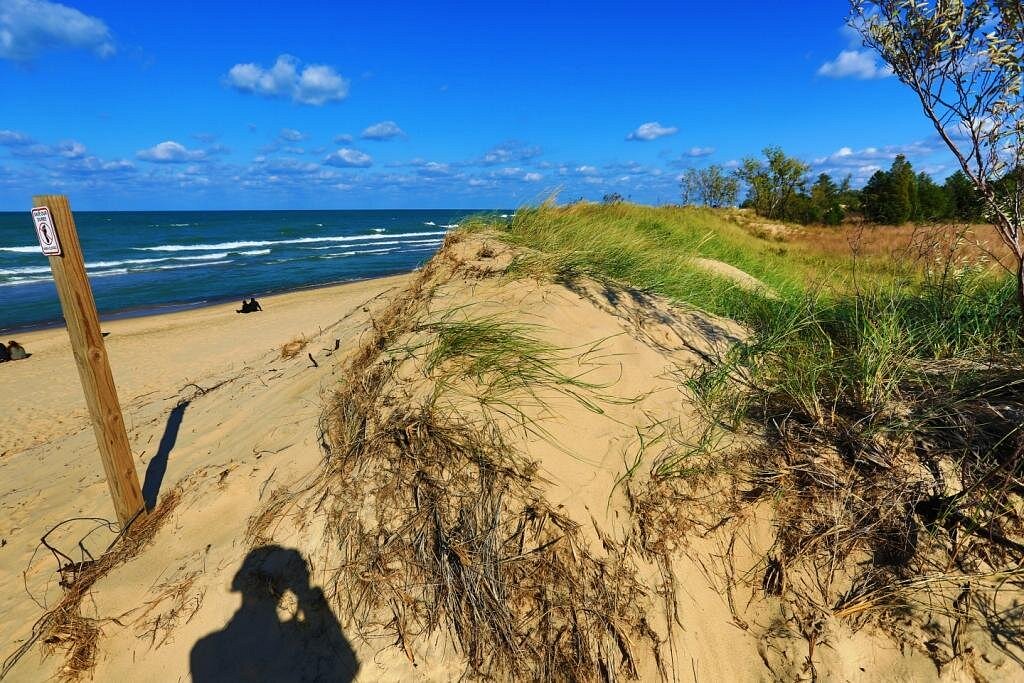
Indiana Dunes National Park (Indiana): Dune Succession Trail (pick your section)
Distance: varies; build your own out-and-back or short loop
Difficulty: easy to moderate (sand and stairs change the math fast)
Why it works: A living lesson in ecology with beach access. You can do a quick loop or simply hike to a viewpoint and call it a day.
Footing: mix of boardwalk, sand, and stairs
Facilities: restrooms available at many beach and visitor areas in-season
Stroller or carrier: carrier recommended once you hit stairs or deep sand
- Kid hook: Finish with beach time. Nothing motivates like “sandcastle after the trail.”
- Parent tip: Sand makes miles feel longer. Treat this as a shorter hike than the mileage suggests.
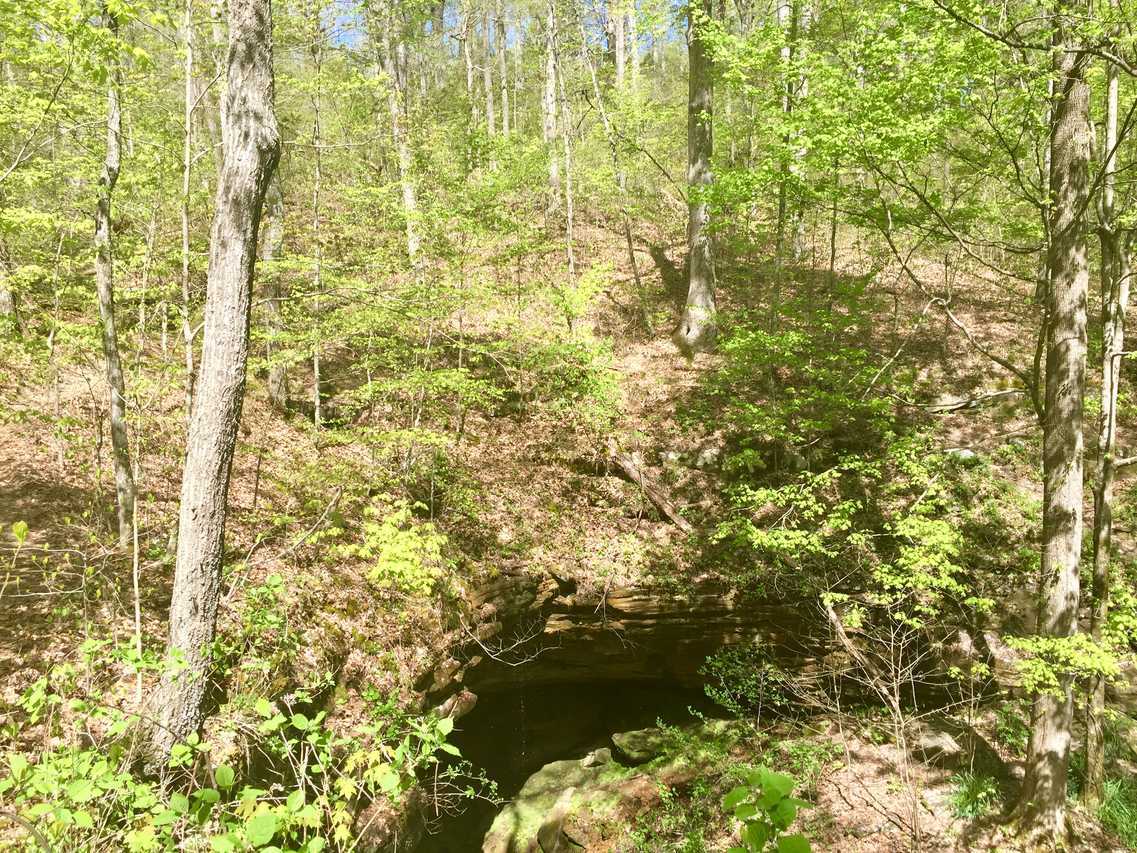
Mammoth Cave National Park (Kentucky): Sand Cave Trail
Distance: about 0.3 miles round trip
Difficulty: easy
Why it works: Short, shady, and features a cave entrance you can view from the trail. It is a great add-on when you are doing longer cave tours or want something easy outdoors.
Footing: mostly flat, maintained path
Facilities: services vary by area; verify current parking and restroom options before you go
Stroller or carrier: stroller-friendly for many families; carrier also works
- Kid hook: Make it a “cave explorer” walk and talk about how caves form.
- Parent tip: Confirm current access and any safety notices before you leave. This spot has serious history and occasional management changes, and it is worth arriving with the right expectations.
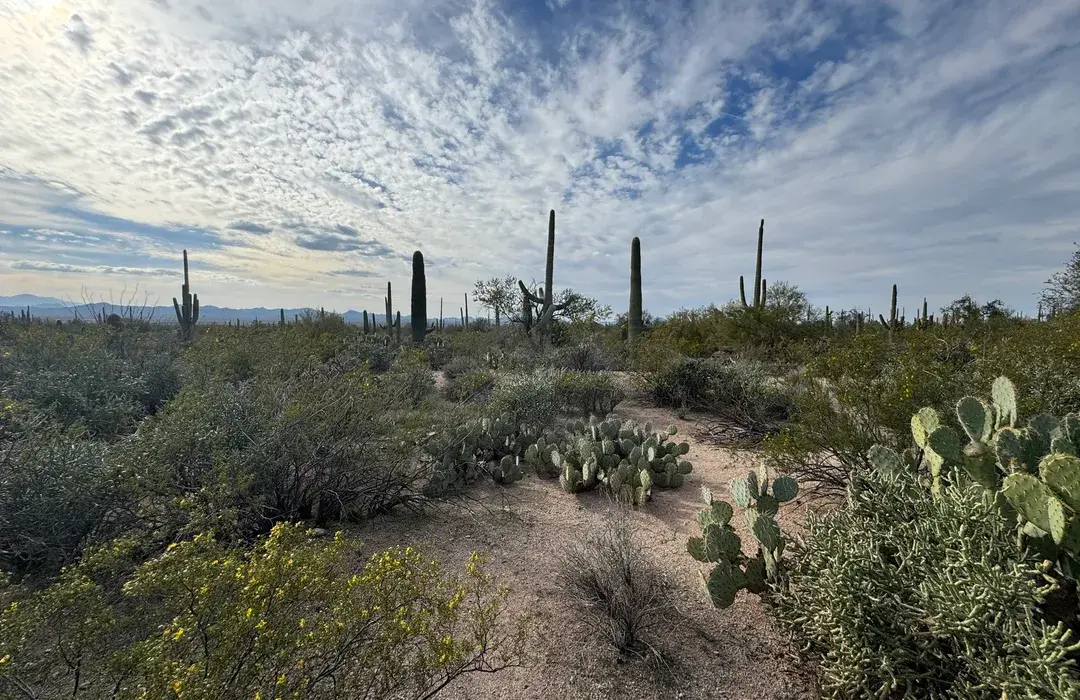
Saguaro National Park (Arizona): Desert Discovery Nature Trail
Distance: about 0.5 miles loop
Difficulty: easy
Why it works: A quick loop that delivers the full saguaro experience, plus it is designed for learning. It is a calmer alternative to longer, hotter desert trails when kids are along for the ride.
Footing: well-maintained desert path
Facilities: visitor center and restrooms nearby (varies by district)
Stroller or carrier: often stroller-friendly; carrier works anytime
- Kid hook: Count how many saguaros have arms and how many do not.
- Parent tip: Go early or near sunset for cooler temps and better light for photos. In hotter months, this is a “short and smart” hike.
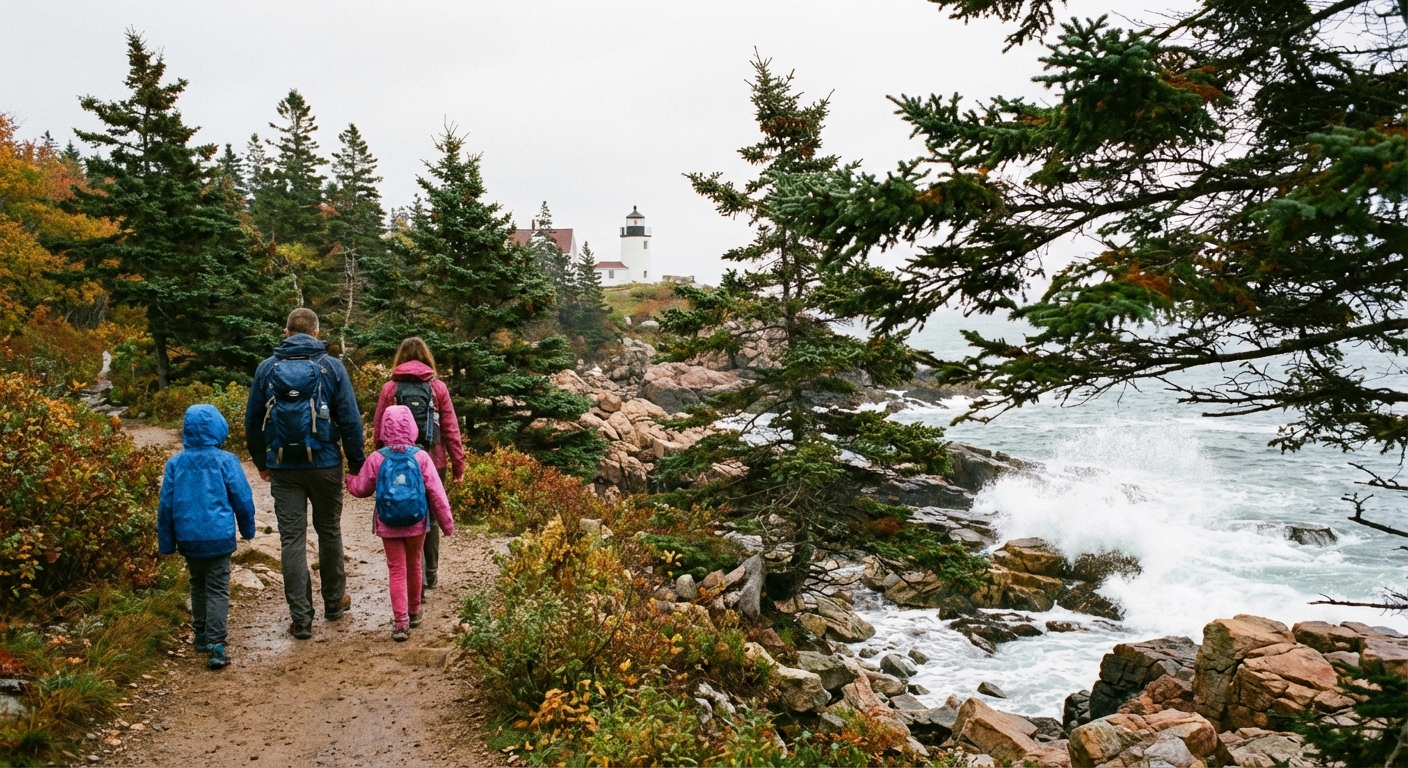
Acadia National Park (Maine): Ocean Path (pick your stretch)
Distance: about 2.2 miles one-way from Sand Beach to Otter Point (about 4.4 miles round trip); easy to do a shorter out-and-back
Difficulty: easy (with rocky edges at viewpoints)
Why it works: This is Acadia without the intensity of the steeper summit hikes. You get constant ocean views, plenty of turnaround points, and a natural rhythm that works well with kids.
Footing: paved and packed gravel sections, plus rocky shoreline viewpoints
Facilities: restrooms at developed areas along Park Loop Road in-season; availability varies
Stroller or carrier: stroller-friendly on paved sections; carrier helpful if you plan to scramble on rocks
- Kid hook: Wave watching. Let them pick a “favorite wave” spot and linger.
- Parent tip: Acadia can have big-peak-season logistics, including shuttles, parking pressure, and in some periods timed entry requirements for certain areas. Check the park site the night before. Also, keep a close eye near rocky edges, especially on windy days or rough surf.
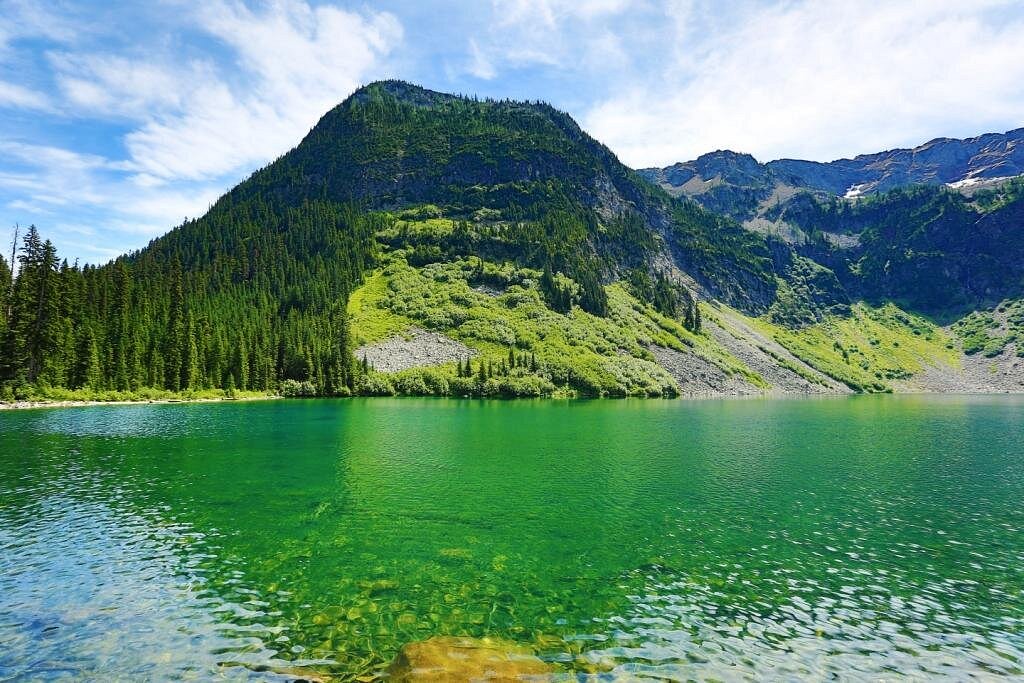
North Cascades National Park (Washington): Rainy Lake Trail
Distance: about 2 miles round trip
Difficulty: easy
Why it works: One of the most reliable, low-effort alpine lake payoffs in the Pacific Northwest. If you want that mountain feeling without a mountain suffer-fest, this is it.
Footing: wide, well-graded trail suitable for many families
Facilities: restrooms at Rainy Pass can be seasonal and are not guaranteed year-round; confirm before you go
Stroller or carrier: often stroller-friendly with a sturdy stroller; carrier works well too
- Kid hook: Bring a small magnifier and look for interesting rocks and pinecones near the lake.
- Parent tip: This is bear country. Talk through wildlife etiquette before you start so everyone knows the plan.
Why this is not another Rockies list
Rocky Mountain National Park and Colorado family trails are incredible, but they are also just one slice of what makes national parks special. This roundup deliberately:
- Mixes regions: Great Lakes dunes, Southeast floodplain forest, Southwest saguaros, Texas desert springs, New England coastline, and Pacific Northwest alpine lakes.
- Highlights calmer corridors: Parks like Great Basin and Guadalupe Mountains can feel dramatically less crowded than the most famous “must-do” routes.
- Prioritizes logistics: solid footing, flexible turnarounds, and nearby facilities to reduce the classic parent stress points.
- Builds in non-hike wins: caves, shoreline strolls, and short geothermal walks that still feel like a big day.
Make it smoother
The night before
- Pick one primary hike and one backup that is shorter, shadier, or closer to bathrooms.
- Pack layers, water, and a small trash bag to pack out wrappers and fruit peels.
- Download offline maps if service is spotty.
- Check fees and reservations: ferries (Channel Islands), cave tours (Great Basin and Mammoth Cave), and any timed entry or shuttle guidance in peak season (Acadia).
Morning of
- Arrive early for parking and cooler temps.
- Bathroom first, always.
- Do the hike before the big snack. Hungry kids hike like tiny revolutionaries.
After the hike
- Visitor center stop for exhibits and junior ranger options.
- Picnic lunch near the trailhead so nobody has to “earn” food.
- Optional second micro-walk if energy is still high.
Packing list for kid hikes
- Water: more than you think, especially in desert parks.
- Sun protection: hats, sunscreen, and sunglasses.
- Warm layer: even in summer for coasts, mountains, and caves.
- Snacks: mix of quick sugar and real fuel (fruit, crackers, nut-free bars if needed).
- Mini first-aid: bandages, blister care, wipes.
- Bug protection: repellent for humid parks and evening walks.
- Small entertainment: binoculars, magnifier, or a simple nature scavenger list on paper.
If you want the secret sauce: pack one “luxury” item that buys peace. For my crew, it is always a warm drink for the grown-ups and a surprise treat for the turnaround point.
Sustainability with kids
Family hiking is a perfect time to build good trail habits early. Stick to established paths, pack out all trash, keep a respectful distance from wildlife, and model quiet voices in sensitive habitats. Kids mirror what they see, and national parks are basically the best classroom in the country.
If you try one of these hikes, plan it as a full day experience: a short trail, a visitor center, a local lunch in the nearest town, and maybe that perfect coffee shop on the way out. Rugged adventure and urban comfort can absolutely share the same itinerary.