Kid-Friendly Itinerary: Parks and Museums

Maya Lin
Maya Lin is a travel journalist and outdoor enthusiast who believes the best trips combine rugged adventures with urban comforts. After spending six years backpacking across four continents, she founded Trail & Town Guide to help fellow travelers navigate both hidden mountain passes and bustling city neighborhoods with confidence.
Some families are “all trail” people. Others are “all city” people. Most of us are both, we just forget that kids have smaller batteries, louder opinions, and a sixth sense for when you planned a day that looks great on Google Maps and terrible in real life.
The good news is that national parks and city museums actually pair beautifully for families. Parks let kids move, climb, and get pleasantly tired. Museums give you weatherproof hours, reliable restrooms, and that satisfying feeling that everyone learned something.
Below is the approach I use when I’m helping friends stitch together a trip that feels like an adventure and a vacation.
The balance rule
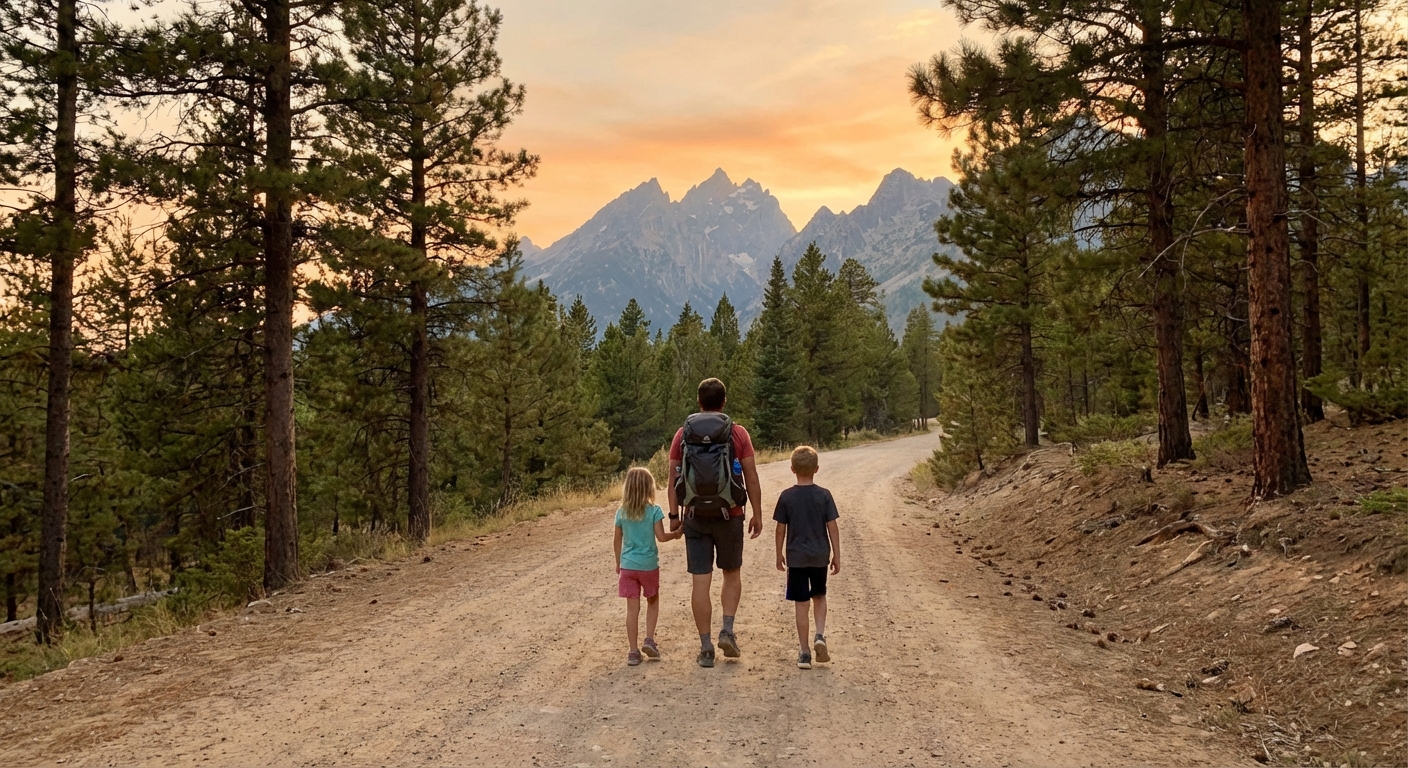
If you remember one thing, make it this: alternate high-output and low-output blocks. Kids can absolutely do long hikes and big museums, just not back to back all day long.
My simple pacing formula
- One anchor activity per day. Either a big park day (longer hike, junior ranger program, boat tour) or a big city day (major museum plus a neighborhood). Everything else is “bonus.”
- Two-hour chunks. Plan your day in 2-hour blocks, not “we’ll see everything.” Most kids do best with 90 to 120 minutes before they need a reset.
- One guaranteed reset. Nap, quiet time in the hotel, playground stop, or an unstructured snack break. Put it on the schedule like a reservation.
- End with a win. A short sunset walk, dessert, a hotel pool, a carousel, a bookstore. Ending strong matters more than maximizing.
Think of your itinerary like a playlist. You want a mix, not twelve high-energy tracks in a row.
Pick the right pair
The best kid-friendly planning happens before you ever look at a map. Start by choosing a park and a museum that naturally match your family’s energy, attention span, and mobility needs.
How to pick a park for kids
- Look for “short rewards.” Waterfalls, boardwalks, overlooks, tide pools, geothermal features, wildlife drives. These deliver wonder fast.
- Prioritize easy logistics. Parks with shuttles, plentiful pullouts, and nearby lodging reduce “I’m bored” time stuck in a car.
- Check Junior Ranger options. Many (and often most) U.S. national parks offer Junior Ranger booklets and ranger talks, but schedules can be seasonal and staffing-dependent. It is built-in engagement and a legit souvenir.
- Know your trail type. Loops beat out-and-backs for many kids. Boardwalks and wide paths reduce stroller stress.
How to pick a museum kids like
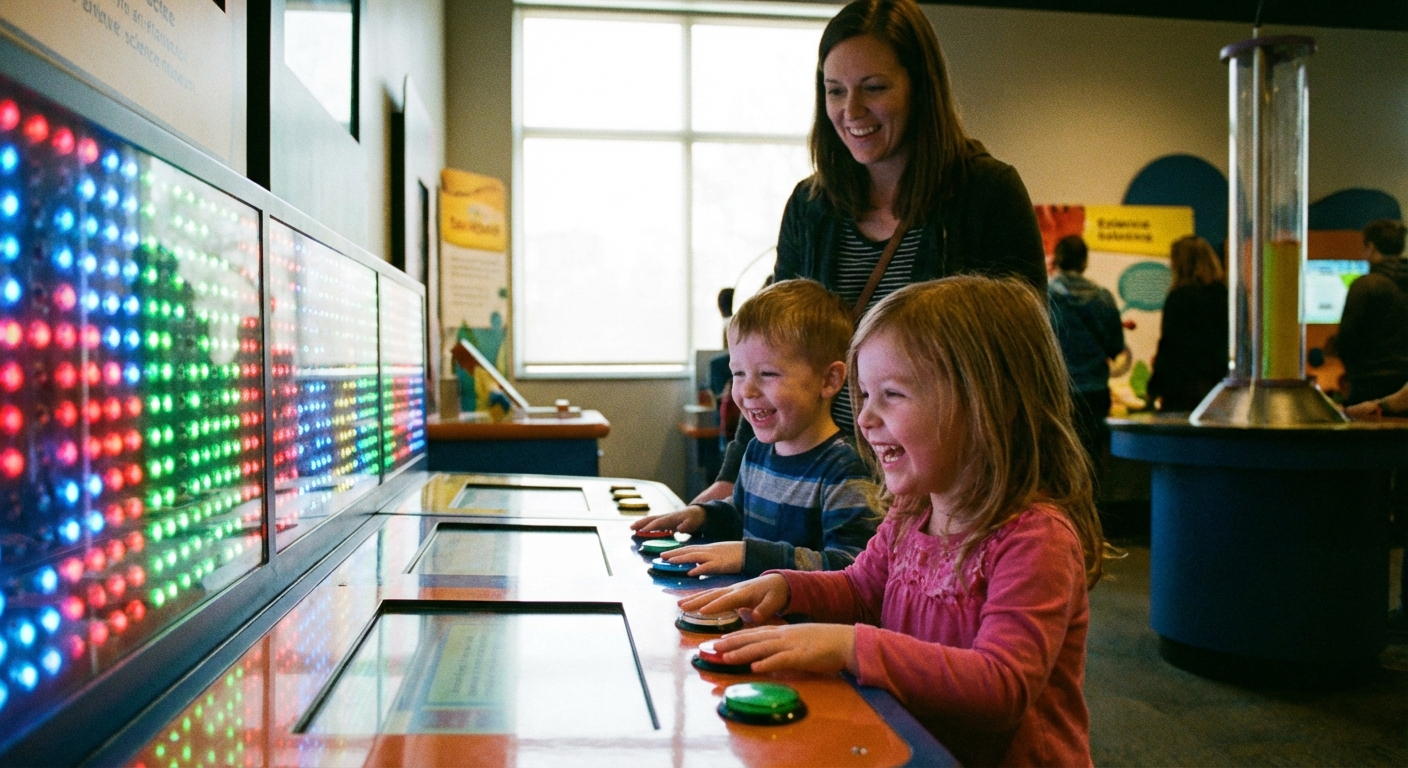
- Go hands-on when possible. Children’s museums and science museums are the obvious wins, but many art and history museums also have family galleries or activity carts.
- Check the family page before you buy tickets. Look for timed-entry rules, stroller policies, nursing rooms, sensory kits, and whether outside snacks are allowed.
- Pick one big idea. Dinosaurs. Space. Ancient Egypt. Trains. A single theme keeps kids oriented and excited.
- Scout the cafe situation. A museum with a decent cafe can rescue a wobbly moment fast.
Plan for kid rhythms
Parents often plan around attraction hours. Kids plan around hunger, tiredness, and control. If you work with those three, everything gets easier.
Morning: movement first
For most kids, mornings are golden. Start with the activity that requires the most patience or physical effort.
- In parks: sunrise wildlife drive, easy hike before heat, junior ranger program.
- In cities: museum right at opening time, then a long lunch and a park or playground.
Midday: protect the reset
Midday is when crowds, heat, and decision fatigue peak. Plan for something that feels like a break, even if you are still “doing” something.
- Hotel quiet time, pool, or cartoons for 45 minutes.
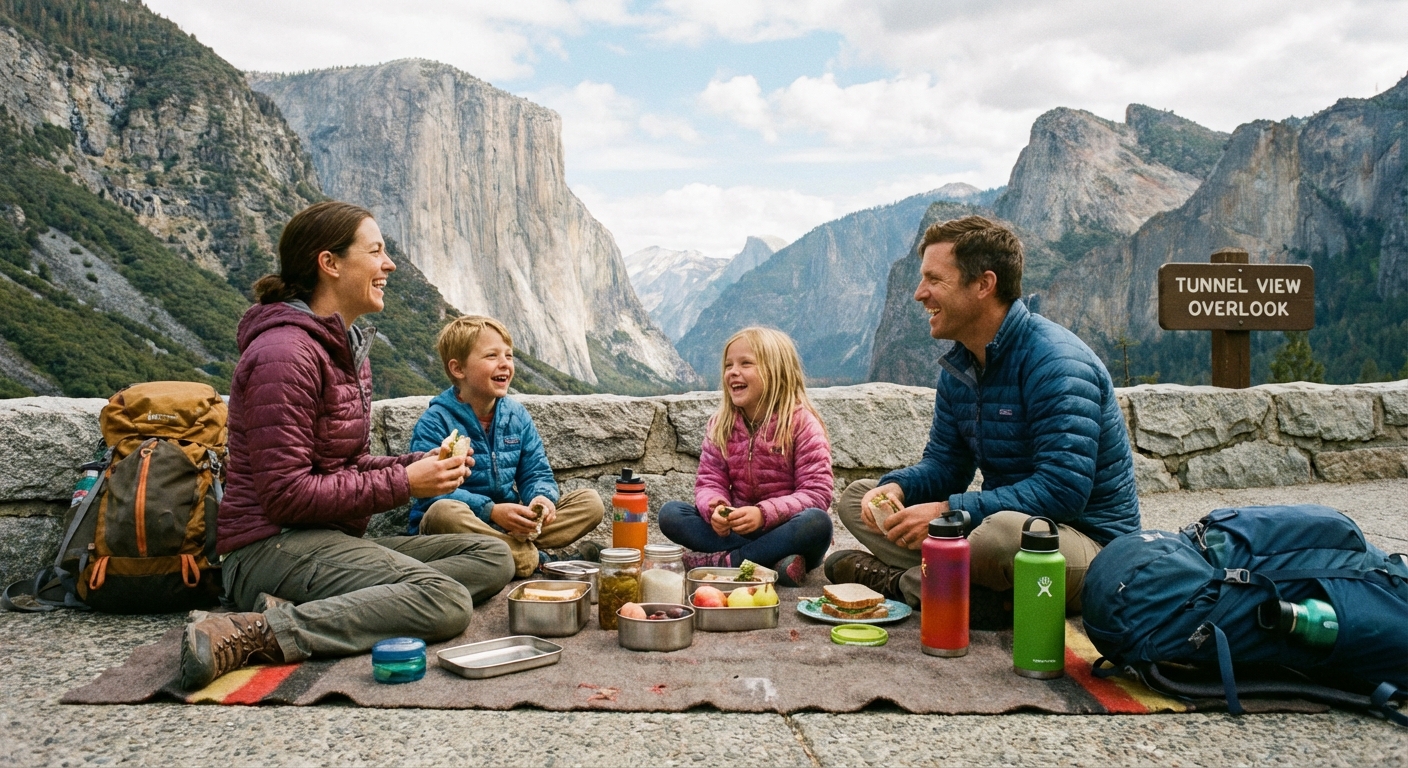
- Picnic lunch in shade.
- Scenic drive with an audiobook.
Late afternoon: stay flexible
This is the best time for low-stakes exploring.
- City neighborhood wander with a snack mission.
- Short boardwalk trail.
- Visitor center and a gift shop moment for postcards or stickers.
Evening: keep it simple
Evenings are not when you want to be negotiating lineups or long waits. Pick one easy dinner strategy and repeat it.
- Early dinner at 5:00 or 5:30.
- Takeout picnic on a hotel bed is still a win.
- Grocery-store “charcuterie” for kids: fruit, cheese, crackers, something crunchy.
Two trip models
Here are two frameworks that work in almost any destination with both a park and a city.
Model A: 4 days, 2 and 2
- Day 1 (City light): Arrive, neighborhood stroll, early bedtime.
- Day 2 (Museum day): Big museum in the morning, long lunch, playground, easy dinner.
- Day 3 (Park day): Early start, short hike + junior ranger, picnic lunch, nap or quiet time, sunset viewpoint.
- Day 4 (Choose-your-own): Kid votes: second small museum, boat ride, zoo, or another short park trail.
Model B: 6 days, park heavy
- Day 1: City arrival + easy neighborhood.
- Day 2: Museum morning + free afternoon.
- Day 3: Transfer to park town, visitor center, short sunset walk.
- Day 4: Park anchor day (biggest hike or activity).
- Day 5: Park light day (scenic drive, ranger talk, lakeside time).
- Day 6: Back to city, celebratory meal, souvenir stop.
Notice what’s missing: back-to-back “big days.” That is intentional.
A real example
If you like seeing the strategy in the wild, here is a concrete version you can copy and tweak.
Yosemite + San Francisco (5 days)
- Day 1 (SF light): Arrive, early dinner, short waterfront walk, sleep.
- Day 2 (SF museum): Exploratorium or California Academy of Sciences at opening, long lunch, playground (or Golden Gate Park), early night.
- Day 3 (Transfer day): Drive to Yosemite area, stop for a grocery run, visitor center if time, quick sunset viewpoint.
- Day 4 (Yosemite anchor): Early Valley loop, short “big payoff” walk (waterfall or meadow), Junior Ranger, midday quiet time, easy evening stroll.
- Day 5 (Choose-your-own): Scenic drive or another short trail, then head out.
Same rule, different scenery: one big thing, one reset, one small win at the end.
Museums as a game
When a museum works for kids, it is usually because they feel a little control and a clear mission.
Try a 5-item scavenger list
Keep it short and visual. For younger kids, you can describe instead of writing.
- Find an animal.
- Find something shiny.
- Find something older than a grandparent.
- Find a picture with a storm.
- Find your favorite thing and explain why.
Use the one gallery rule
If kids are fading, pick one more gallery or exhibit and end there. Leaving while things are still okay makes it easier to come back another day.
Build in sensory breaks
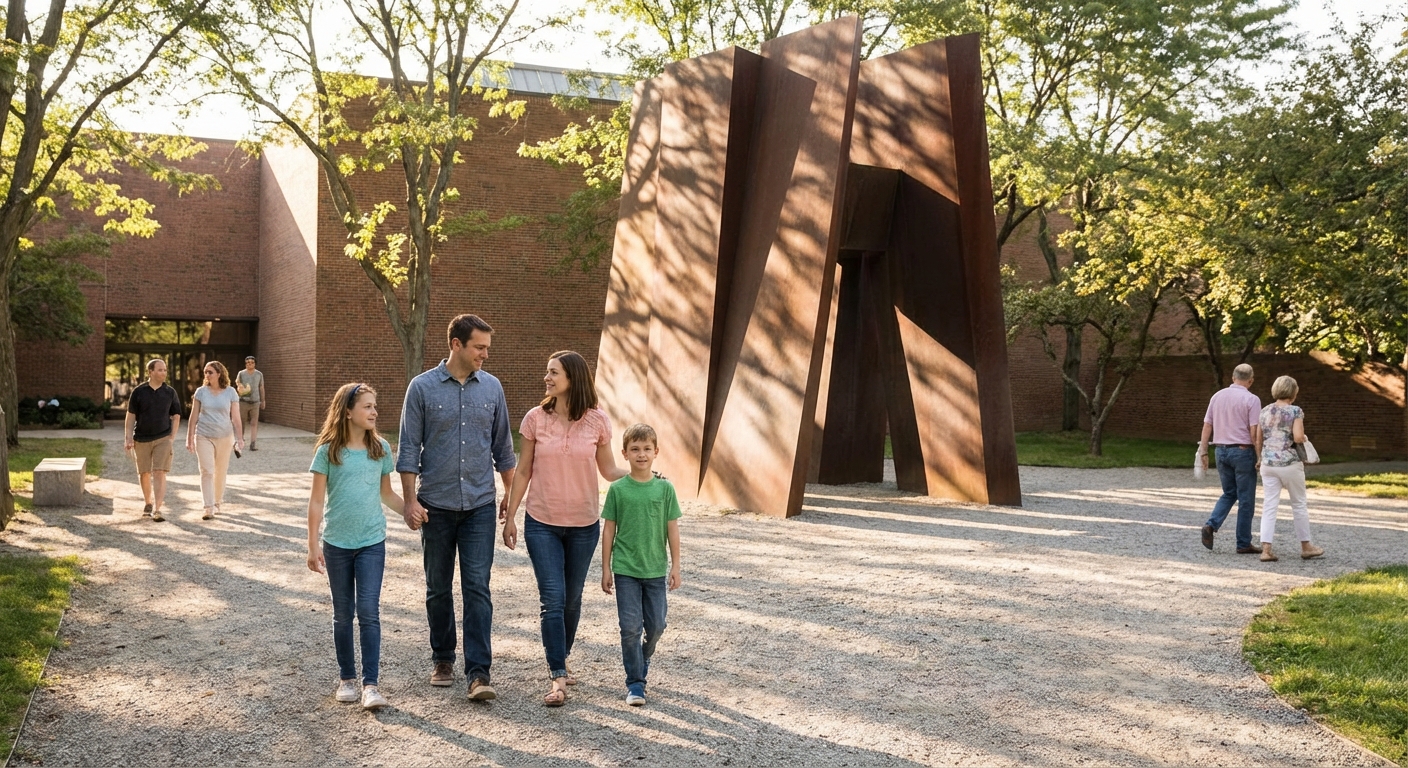
- Courtyard or sculpture garden loop.
- Sit and sketch for 10 minutes with a tiny notebook.
- Cafe stop even if it is just water and fries.
Park days, kid-sized
Kids do not need a “kiddie” park day. They need a park day that respects time, weather, and their sense of accomplishment.
Choose trails with payoffs
- Water features: rivers, falls, tide pools, lakes.
- Rock features: boulders, caves (where allowed), hoodoos, arches.
- Wildlife corridors: dawn and dusk viewpoints, marsh boardwalks.
Turn hikes into missions
- “Let’s find three animal tracks.”
- “You’re the map reader to the next junction.”
- “Photo challenge: your best tree, your best rock, your best view.”
Tiny comfort boosts
I am firmly pro hot chocolate, even in July, if it buys you an extra mile.
- Bring a thermos surprise.
- Pack a “trail dessert” for the turnaround point.
- Let kids pick a postcard at the visitor center.
Use the visitor center early
Visitor centers are your cheat code: bathrooms, shade, exhibits, and rangers who know which short trail is actually worth it today.
Safety and realism
National parks are magical, and they are still real places with heat, cliffs, and wildlife. A few boring rules keep the day fun.
- Turnaround time beats summit goals. Pick a hard stop time and actually honor it. The hike back counts too.
- Heat and hydration are not optional. Carry more water than you think, add electrolytes on hot days, and take shade breaks before anyone looks grumpy.
- Wildlife distance is the rule. Use zoom, not feet. If you cannot tell what the animal is doing, you are probably too close.
- Expect spotty cell service. Download maps, screenshots, and reservations ahead of time.
- Know the terrain. Some parks have fast weather shifts, some are just relentlessly sunny. Check the forecast and plan layers like a grown-up.
Accessibility and ages
One of the most underrated planning moves is admitting what your kids can realistically do right now, and building from there. This is not “lowering the bar.” It is setting yourself up to enjoy the trip you are on.
Toddlers and preschoolers
- Choose boardwalks, paved paths, and short loops with frequent “look at that!” moments.
- Prioritize bathrooms and snack stops over distance.
- Museum win: one hands-on gallery plus a courtyard loop.
Big kids and tweens
- Give them a job: map reader, photo lead, junior ranger captain.
- Let them pick one “stretch” activity (longer hike, special exhibit) and build the day around it.
- Museum win: one big exhibit plus a mission (scavenger list or sketch challenge).
Strollers and mobility needs
- Look for “accessible trails” and “paved viewpoints” on the park site, not just on travel blogs.
- Museums: confirm elevator access, stroller rules, and quiet spaces ahead of time.
- If anyone in your group is sensory-sensitive, check for sensory kits, low-stimulation hours, and a clear re-entry policy.
Logistics that help
Tickets and timing
- Reserve timed entries. Popular museums and some parks require timed-entry or vehicle reservations in peak seasons. Requirements change, so verify on the official park or museum site for your dates.
- Arrive at opening. The first hour is calmer, quieter, and more stroller-friendly.
- Leave one afternoon unplanned. A free block is insurance against weather, crankiness, or a surprise “best playground ever.”
Transportation
- In cities: pick one transit method you can repeat. A single subway line you understand beats complicated transfers.
- In parks: confirm car seat needs, shuttle rules, and parking patterns. In some parks, the shuttle is easier than circling for a spot with a tired kid.
Food strategy
- Carry two snacks per kid per outing, plus one “emergency snack” you never mention until needed.
- For museums, eat before you enter if the cafe line is notoriously slow.
- For parks, pack lunch the night before. Future you will thank you.
Packing lists
I’m a carry-on-only person, but with kids I do believe in a small, intentional day bag. The trick is packing for the day you are having, not the day you fear.
Museum day bag
- Tickets and ID screenshot
- Wipes and hand sanitizer
- Refillable water bottles
- Two snacks per kid
- Tiny notebook and pencil (quiet activity)
- Light layers for strong air conditioning
- Small power bank
Park day bag
- Sun protection: hats, sunscreen, sunglasses
- Water, plus electrolytes if it is hot
- Warm layer and rain shell (weather can change quickly)
- Basic first aid: blister care, bandages
- Bug protection in season
- Trash bag for pack-in, pack-out snacks
- Junior ranger booklet if you picked it up
Build in choices
One of the fastest ways to reduce power struggles is to offer bounded choices. Not “what do you want to do today?” but “do you want the dinosaur hall first or the space hall?”
- Let kids pick one snack and one activity per day.
- Give them a simple map and let them “lead” to the next stop.
- Use a daily highlight ritual at dinner: everyone shares their best moment.
Travel is more fun when kids feel like participants, not luggage.
Budget notes
Family trips add up fast, but a few small moves can stretch your fun.
- Look at memberships. A science museum membership can pay for itself in one visit, and some have reciprocal entry at partner museums when you travel.
- Consider the America the Beautiful pass. If you are hitting multiple fee sites, the annual national parks pass can be a smart deal.
- Use the free stuff. Junior Ranger programs are typically low-cost or free, and ranger talks can be the best “show” in the park.
Sustainable travel
Kids are naturally good at small rituals, which makes sustainable habits easier than you think.
- Refill culture: bring bottles and make refilling a game. “Best water fountain” becomes its own quest.
- Leave No Trace: keep a dedicated snack-trash zip bag. Celebrate a “clean trail” moment.
- Support local: pick one local spot in the city and one in the park gateway town. A bakery breakfast or a family-run diner counts as cultural anthropology in the tastiest way.
Quick checklist
- Pick one park and one city base that are realistically connected.
- Reserve any timed entries first (museum tickets, park vehicle reservations).
- Choose one anchor activity per day.
- Schedule a daily reset (nap or quiet time).
- Plan two-hour blocks, not “all day” agendas.
- Pack snacks like your happiness depends on it, because it does.
- End each day with an easy win.
If you want your trip to feel balanced, plan it like a balance: a little grit, a little comfort, and enough breathing room for the moments your kids will actually remember.