Kyoto on a Budget

Maya Lin
Maya Lin is a travel journalist and outdoor enthusiast who believes the best trips combine rugged adventures with urban comforts. After spending six years backpacking across four continents, she founded Trail & Town Guide to help fellow travelers navigate both hidden mountain passes and bustling city neighborhoods with confidence.
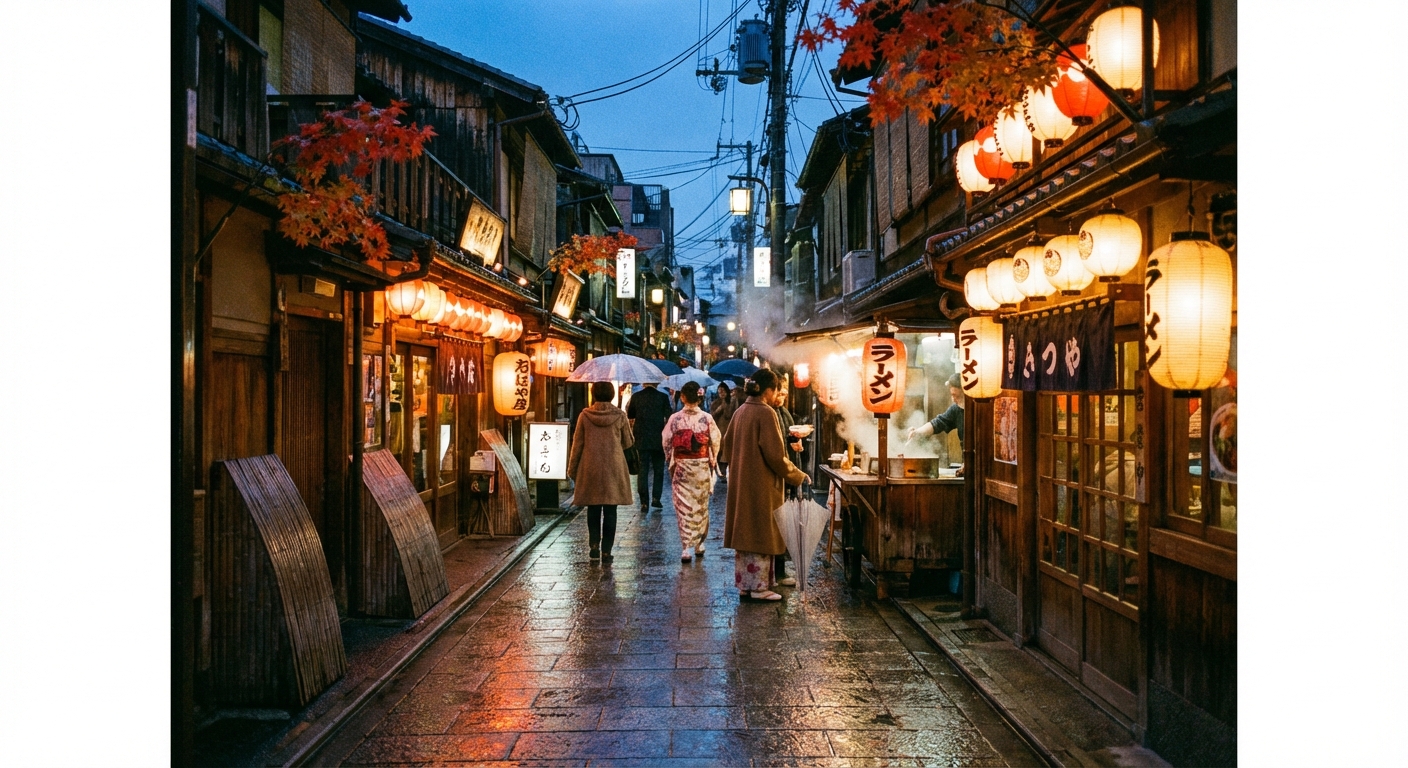
Kyoto has a reputation for being refined, serene, and occasionally expensive. But it is also a city built for walkers, packed with public spaces, and full of neighborhood rituals you can experience for the price of a coffee or a bus fare (often free, or just a few hundred yen). If you want temple gates at sunrise and cozy izakaya nights without torching your wallet, here is the game plan I use.
Budget basics: what Kyoto actually costs
Kyoto is very doable on a shoestring if you treat transportation and accommodation like your two big levers. Food can be affordable, especially if you lean into set meals, markets, and convenience store classics.
- Transit: Expect short rides to add up if you bounce between districts. Group your sightseeing by neighborhood.
- Attractions: Many headline temples charge admission, but Kyoto also has a deep bench of free shrines, scenic streets, riverside paths, and viewpoint hikes.
- Food: You can eat well on inexpensive bowls, bakeries, supermarkets, and market stalls. It is one of my favorite cities for “small bites all day.”
Where to stay cheap (without feeling like you are suffering)
Pick the right base neighborhood
Kyoto is spread out. Stay where you can walk to a lot, then use transit to hop to one other area per day.
- Downtown Kawaramachi and Shijo: Best all-around base for budget travelers. Walkable to Nishiki Market, Gion edges, and tons of cheap eats.
- Gojo: Often better value than the core downtown blocks, still walkable and well-connected.
- Kyoto Station area: Not the prettiest, but extremely practical for day trips and late arrivals. Great for budget business hotels.
- Demachiyanagi: Quieter, student energy, near the Kamo River and northern shrine walks.
Accommodation types that save serious yen
- Hostels and capsule hotels: Good for solo travelers and short stays. Look for ones with women-only floors if you prefer.
- Business hotels: My underrated budget favorite in Japan. Small rooms, spotless bathrooms, consistent quality, often includes loungewear and good toiletries.
- Guesthouses (minshuku): Sometimes cheaper if you book early, especially in shoulder seasons. You get a more local feel, but check curfew rules.
- Apartment-style stays: Best if you want a kitchenette for breakfast and coffee. Even making one meal a day at “home” adds up.
Booking tactics
- Travel in shoulder season: Late winter and early summer can be a sweet spot for prices (and lighter crowds).
- Stay 2 to 4 nights in one place: Fewer check-ins, less time wasted, and sometimes discounts.
- Prioritize location over room size: In Kyoto, walking is an attraction. A great base saves money and energy.
Getting around Kyoto for less
Kyoto rewards slow travel. The cheapest rides are the ones you do not take because you planned your day by district and walked between highlights.
Know the transit mix
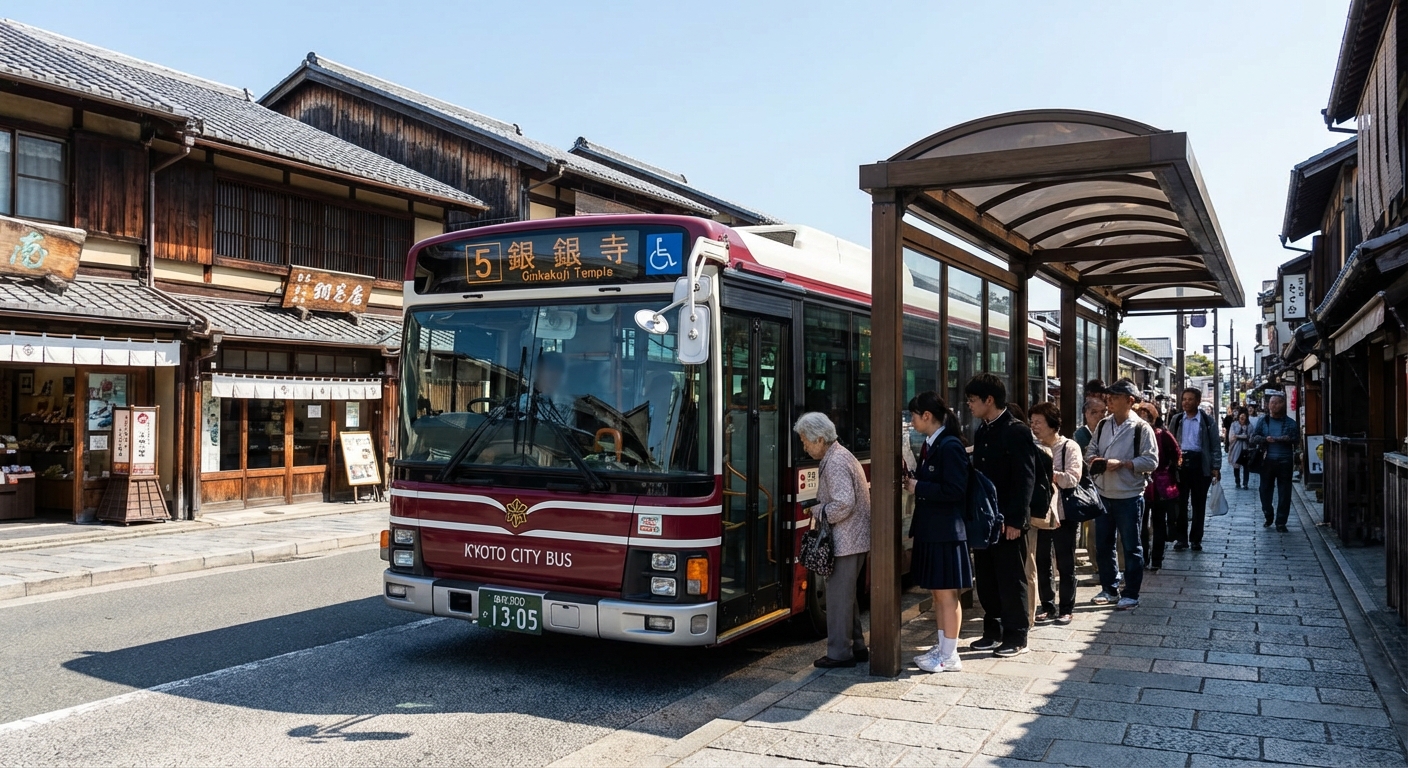
- Buses: They reach the most places, including many temples, but can be crowded and slow during peak hours.
- Subway: Faster and more predictable, especially north to south. Use it when buses look chaotic.
- Trains: Great for Arashiyama and the Fushimi Inari area, plus day trips.
- Biking: One of the best budget upgrades. Central Kyoto is fairly flat, but some sightseeing routes are hilly. Plan for a few climbs.
IC cards: the easiest money saver
Get an ICOCA (Kansai) or any major Japanese IC card and tap in and out on trains, subways, and most city buses, plus many convenience stores. Bus payment can vary a bit by operator and route, so follow the onboard signs and driver announcements for where to tap and when.
When passes make sense
Kyoto phased out its famous 1-day bus pass, and the current push is toward options like the Subway & Bus pass (availability and details can change). Passes can be worthwhile on a true transit-heavy day, especially if you are mixing subway and bus. If your plan is a long walk with a couple of rides, pay as you go and spend the difference on snacks.
My favorite low-cost strategy: two areas a day
Pick one district for the morning and one for late afternoon and evening. Walk within each district. Use transit once or twice. That is how you get Kyoto’s atmosphere without the constant fare drip.
Free and low-cost cultural sights (that still feel iconic)
Walk the old streets in Gion and Higashiyama
You do not need a ticket to feel Kyoto’s historic heartbeat. Start around Yasaka Shrine (free), then wander the lanes toward Ninenzaka and Sannenzaka. Go early for quieter streets and better photos.
Shrines you can visit for free
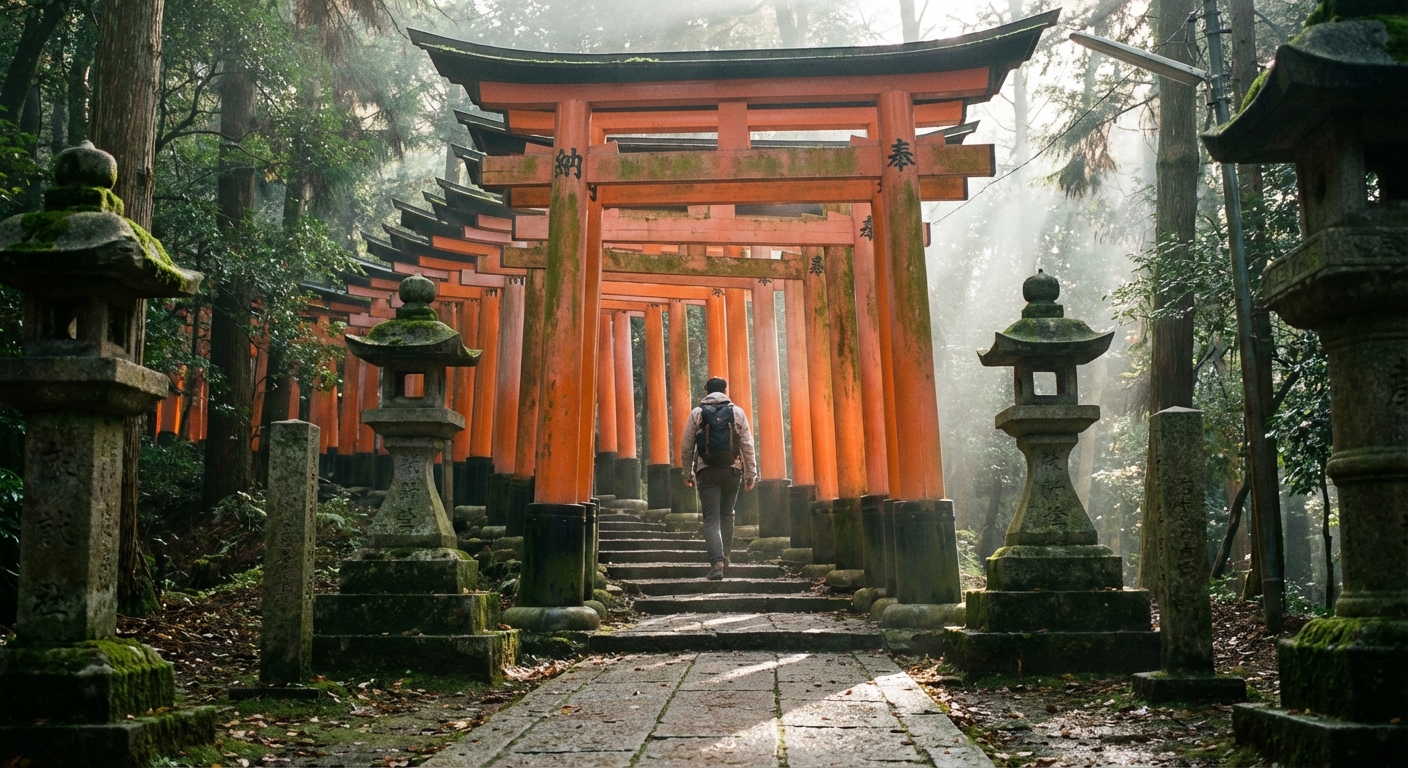
- Fushimi Inari Taisha: Free, open all hours. Walk past the first crowded torii section and keep climbing for calmer forest vibes and viewpoints.
- Yasaka Shrine: A classic, especially atmospheric in the evening when lanterns glow.
- Heian Shrine approach: The massive torii gate and main approach are free and striking. (The garden, Shin’en, is ticketed.)
- Kitano Tenmangu: Free entry to the main grounds. Some special areas and seasonal illuminations can be ticketed.
Markets and “everyday Kyoto”
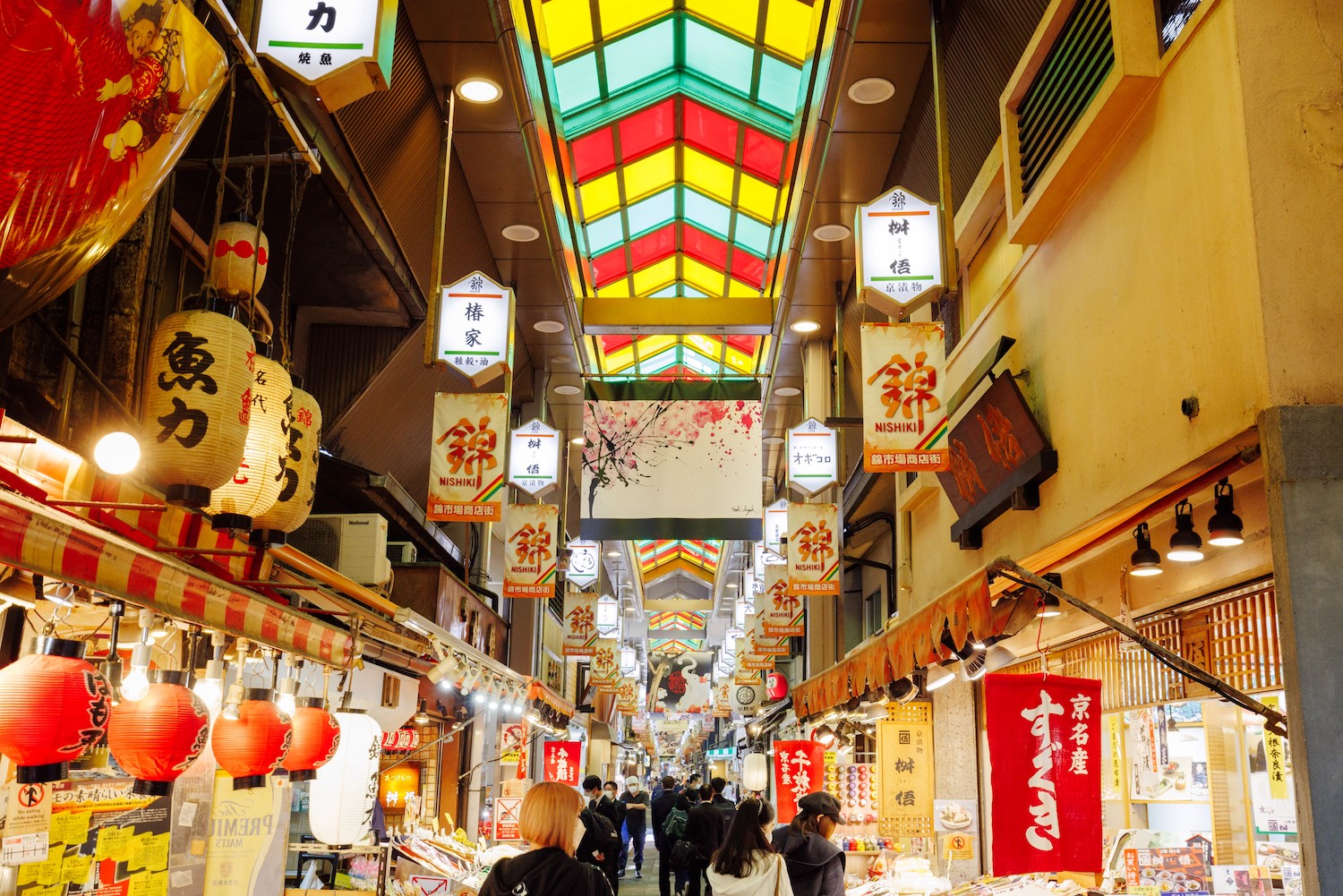
- Nishiki Market: Free to browse. Set a snack budget and share bites if you are traveling with a friend.
- Temple flea markets: Cultural gold even if you buy nothing. The most famous are Kobo-san at To-ji (21st) and Tenjin-san at Kitano Tenmangu (25th).
Free viewpoints and easy nature escapes
- Kamo River: Kyoto’s living room. Grab a convenience store picnic and join the locals at sunset.
- Philosopher’s Path: Free canal-side walk that shines in cherry blossom season and still feels peaceful off-peak.
- Arashiyama riverside: The famous bamboo grove is free and often crowded, but the river paths and bridges nearby are the real budget win.
Self-guided walking routes (my shoestring favorites)
Kyoto is a city where walking is not just transportation. It is how you notice the tiny shrines tucked between houses, the incense drifting out of a doorway, the way the light hits a wooden lattice at 4 p.m.
Route 1: Higashiyama morning loop (2 to 4 hours)
- Start: Yasaka Shrine
- Wander: Ninenzaka and Sannenzaka streets
- Stretch your legs: Side alleys toward Maruyama Park and back
- Budget note: This route is high-impact even if you skip paid temple interiors
Route 2: Kamo River to Demachiyanagi (sunset stroll)
- Start: Sanjo or Shijo area
- Walk: North along the riverbanks
- Finish: Demachiyanagi for casual dinner options and a calmer neighborhood feel
- Budget note: Perfect “free evening” that still feels like an event
Route 3: Fushimi Inari + backstreets (half-day)
- Start: Fushimi Inari Taisha early
- Climb: As far as your time and legs allow
- After: Wander the surrounding streets for low-key local shops and simple meals
- Budget note: Bring water and a snack to avoid paying premium prices at the busiest points
Route 4: Arashiyama beyond the bamboo (3 to 5 hours)
- Start: Arashiyama station area
- Walk: Bamboo grove briefly, then head to riverside paths and quieter lanes
- Add-on: Short hillside walks for views (choose based on energy and weather)
- Budget note: Your best value is simply staying on foot and skipping taxis
Cheap eats in Kyoto (and how to eat well without overthinking it)
I love Kyoto for budget eating because “simple” is often “excellent.” You can keep costs down and still taste the city.
Go-to budget meals
- Udon and soba shops: Quick, filling, and easy to find near stations.
- Rice bowls and set meals (teishoku): Usually the best hunger-to-yen ratio.
- Supermarkets: Look for discounted bento in the evening. This is one of Japan’s great budget travel hacks.
- Convenience stores: Not glamorous, but reliable for breakfasts and trail snacks. I build “walk days” around onigiri and a coffee.
Nishiki Market without spending a fortune
Walk the whole market first, then buy. Pick one “splurge bite” you really want, then fill in with cheaper options. Sharing food is the secret weapon here.
Quick etiquette note: Nishiki is strict about tabearuki (walking while eating). Plan to eat standing at the stall where you bought it, or in a designated spot, then continue browsing.
Free, memorable experiences that feel like Kyoto
- Early-morning shrine visit: Jet lag is your friend. Kyoto is magic before tour groups arrive.
- Kyoto Station views: Kyoto Station has free viewing areas, including the Skyway and an observation terrace-style viewpoint. Great for a quick skyline reset.
- Neighborhood coffee crawl: One drink, one quiet hour, one notebook page. If you want it more practical, pick a cafe near where you will be walking next so you do not add extra transit.
- Temple exterior appreciation: Even when a temple charges admission, the approach roads, gates, and surrounding streets can be beautiful and free.
Carry-on only packing: Kyoto edition
Kyoto is walk-heavy. Pack like you mean it.
- Comfortable shoes: You will take them off frequently at certain sites. Choose easy-on, easy-off.
- Light rain layer: Weather changes fast, and umbrellas add bulk.
- Refillable water bottle: Save money and reduce waste.
- Small trash bag: Public bins can be scarce. Keeping your own tiny bag is both practical and polite.
- Compact towel or handkerchief: A Japan travel essential.
Sustainable shoestring travel in Kyoto
Budget travel and sustainable travel overlap more than people think. The cheapest choices are often the gentlest choices.
- Walk and bike when you can: Less transit cost, less emissions, more discovery.
- Stay longer in one area: You will spend less and connect more with neighborhoods.
- Support small businesses: Buy one thoughtfully chosen snack, coffee, or craft rather than a pile of disposable souvenirs.
- Be shrine and temple respectful: Quiet voices, no flash, follow photography rules, and do not block paths for photos.
- Eat with care in busy markets: In places like Nishiki, do not walk while eating. It keeps lanes clear and is part of being a good guest.
Budget pitfalls to avoid
- Taxi temptation: When buses are packed, taxis look like salvation. Save them for late-night or mobility needs, not as your default.
- Paying admission all day: Kyoto has enough beautiful approaches, gates, and streets that you can mix one paid interior with several free stops and still feel full.
- Peak-season sticker shock: Accommodation spikes hard during cherry blossoms and autumn foliage. Book early, or shift dates by even a week if you can.
- Cash surprises: Many small stalls and older shops are cash-first. Carry a little cash so you do not end up buying the “only card-friendly option” out of convenience.
- Underestimating early closing: Some areas get quiet earlier than you expect. If a specific shop or cheap eat is a must, go before dinner time.
One paid sight worth it (if you want one)
If you want to pay for exactly one “wow, that was worth it” temple or garden, pick it intentionally and keep the rest of the day free. Fees change, but these tend to deliver.
- Kiyomizu-dera: Big Kyoto energy, especially early or near sunset. Even the approach streets are an experience.
- Kinkaku-ji (Golden Pavilion): Iconic and easy to pair with other northwest stops if you are already in that area.
- A paid garden: If you crave quiet, a ticketed garden can be the best budget splurge per minute of calm.
Sample 3-day budget itinerary
Day 1: Downtown and river life
- Morning: Nishiki Market browsing, set a snack budget (and eat at the stall, not on the move)
- Afternoon: Walk downtown side streets and shopping arcades
- Evening: Kamo River sunset stroll, inexpensive dinner nearby
Day 2: Higashiyama classics on foot
- Early: Yasaka Shrine and quiet lanes
- Late morning: Philosopher’s Path (time it for calmer hours)
- Evening: Lantern-lit walk near Gion without committing to pricey entertainment
Day 3: Choose your big free anchor
- Option A: Fushimi Inari hike and surrounding backstreets
- Option B: Arashiyama river paths and easy hillside walks
- Evening: Supermarket bento picnic by the river if the weather is good
Quick budget checklist
- Stay near a walkable hub (Kawaramachi, Gojo, or Kyoto Station)
- Use an IC card for transit and convenience store purchases (follow bus tap instructions onboard)
- Plan by district to cut down on fares
- Mix free shrines and riverside walks with one paid “must-see” if you want
- Eat one supermarket or convenience meal per day to balance splurges
- Start early for crowds and for the best atmosphere
Kyoto on a shoestring is not about skipping the good stuff. It is about letting the city unfold at walking pace, then spending money only where it truly adds to your story.