Lake 22 Hike on the Mountain Loop Highway

Maya Lin
Maya Lin is a travel journalist and outdoor enthusiast who believes the best trips combine rugged adventures with urban comforts. After spending six years backpacking across four continents, she founded Trail & Town Guide to help fellow travelers navigate both hidden mountain passes and bustling city neighborhoods with confidence.
Lake 22 is one of those Washington hikes that somehow feels both approachable and properly alpine. You start in mossy forest, climb through boulders and roots, tiptoe across slick boardwalks, and then suddenly you are standing at a cold, dark lake tucked under steep, rocky walls. It is a classic Mountain Loop Highway payoff: big scenery without needing to backpack or spend hours on rough roads.
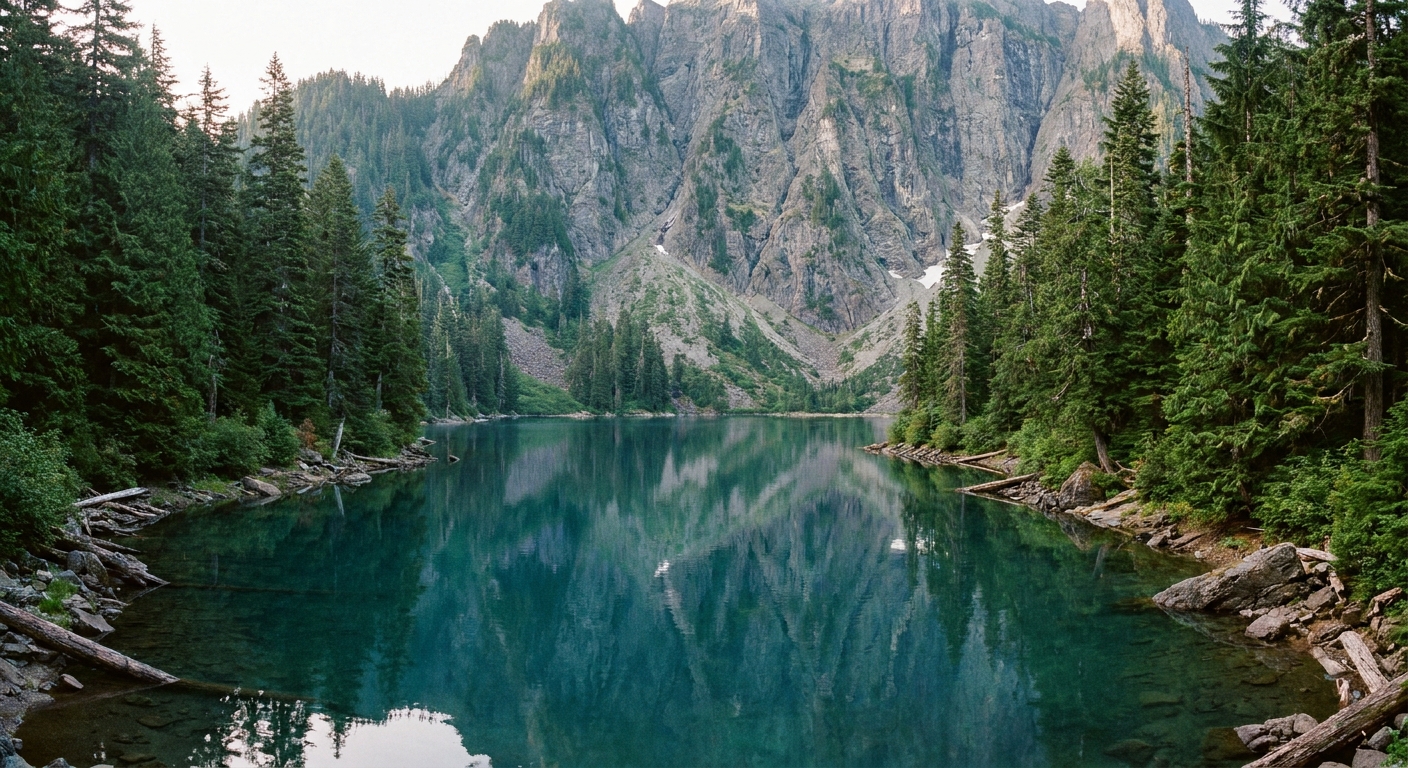
This guide covers Lake 22 via Granite Falls and Verlot on the Mountain Loop Highway, including mileage, elevation, what the boardwalks are like, what to expect at the lake shore, and the parking pass situation.
Lake 22 at a glance
- Round-trip distance: roughly 5.4 to 5.6 miles
- Elevation gain: roughly 1,350 to 1,450 feet
- Typical hiking time: 3 to 5 hours, depending on pace and stops
- Difficulty: Moderate, with steady climbing and plenty of roots and rocks
- Trail type: Out-and-back
- Best for: A half-day alpine lake hike near the Mountain Loop Highway
If you are used to groomed city-park paths, this trail will feel rugged. If you are used to backcountry routes, it is a straightforward, well-trodden climb that still keeps you honest.
Getting there
The Lake 22 Trailhead sits along the Mountain Loop Highway corridor reached via the Granite Falls and Verlot area northeast of Everett. In practical terms, most people drive to Granite Falls, pass the Verlot Public Service Center area, then follow Mountain Loop Highway signs to the signed Lake 22 Trailhead turnoff and parking lot.
My timing tip: Start early, especially on weekends and summer days. Parking fills fast, and Lake 22 is not the kind of place where showing up at noon leads to a peaceful experience.
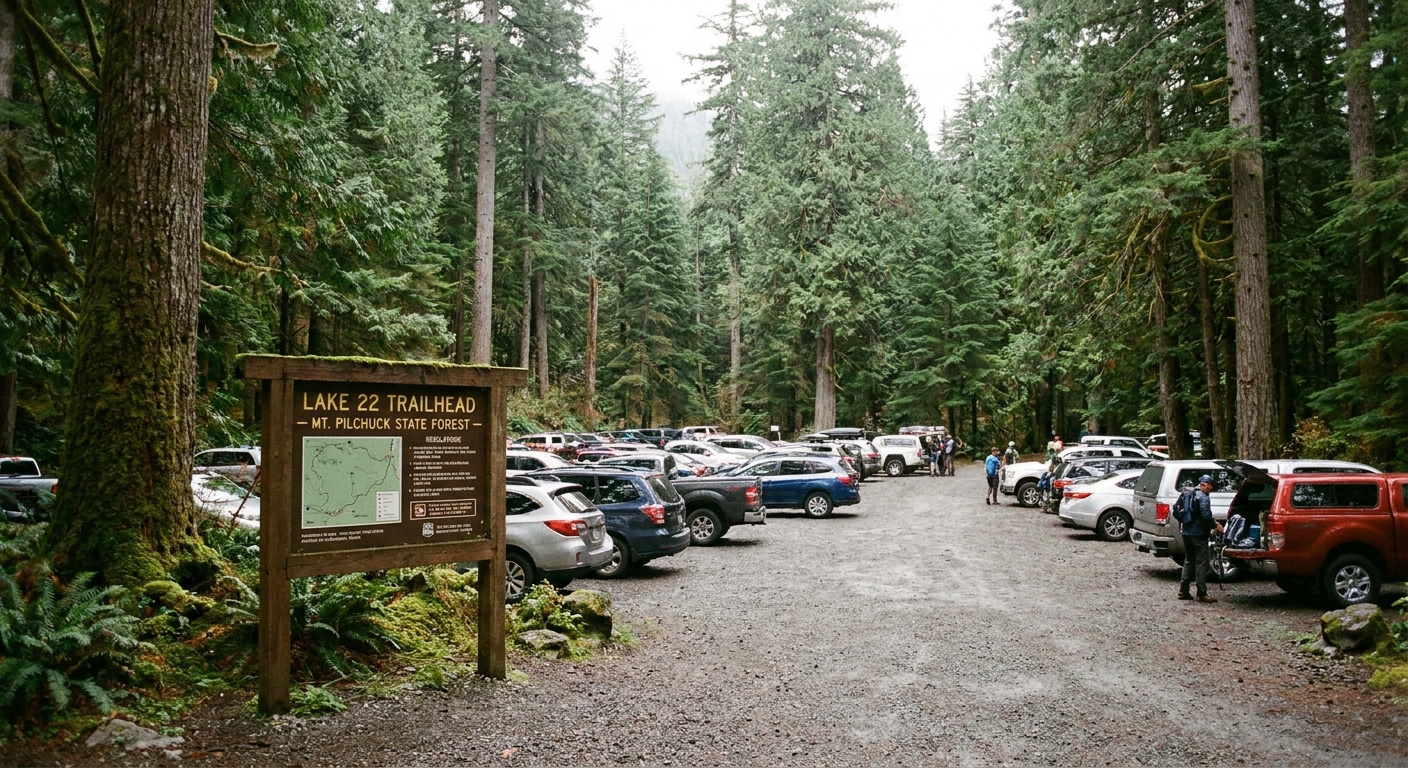
Parking pass and permits
Lake 22 is on U.S. Forest Service land. Parking at the trailhead typically requires a Northwest Forest Pass, but fee programs and accepted passes can change. Treat the posted trailhead signage and the current Mt. Baker-Snoqualmie National Forest information as the final word, especially in shoulder season and after maintenance or road work.
- Plan to bring: A Northwest Forest Pass (annual or day, where day passes are offered)
- Usually not needed: Any special hiking permit just to day hike to the lake
Closures and temporary restrictions do happen in the Mountain Loop corridor from time to time. Before you go, do a quick check for current alerts (road status, trail work, or area closures), then confirm any day-of details at the trailhead kiosk.
Facilities
Do not count on a lot of amenities here. In general, assume basics only and plan to be self-sufficient. If a toilet is present, it is typically a simple trailhead setup and may not be stocked. There is usually no garbage service, so pack out everything.
Trail conditions
The Lake 22 trail is maintained, but it is not smooth. Expect a steady climb with:
- Rooty tread in the forested sections
- Rock steps and bouldery footing as you gain elevation
- Wooden bridges and boardwalks in wetter stretches
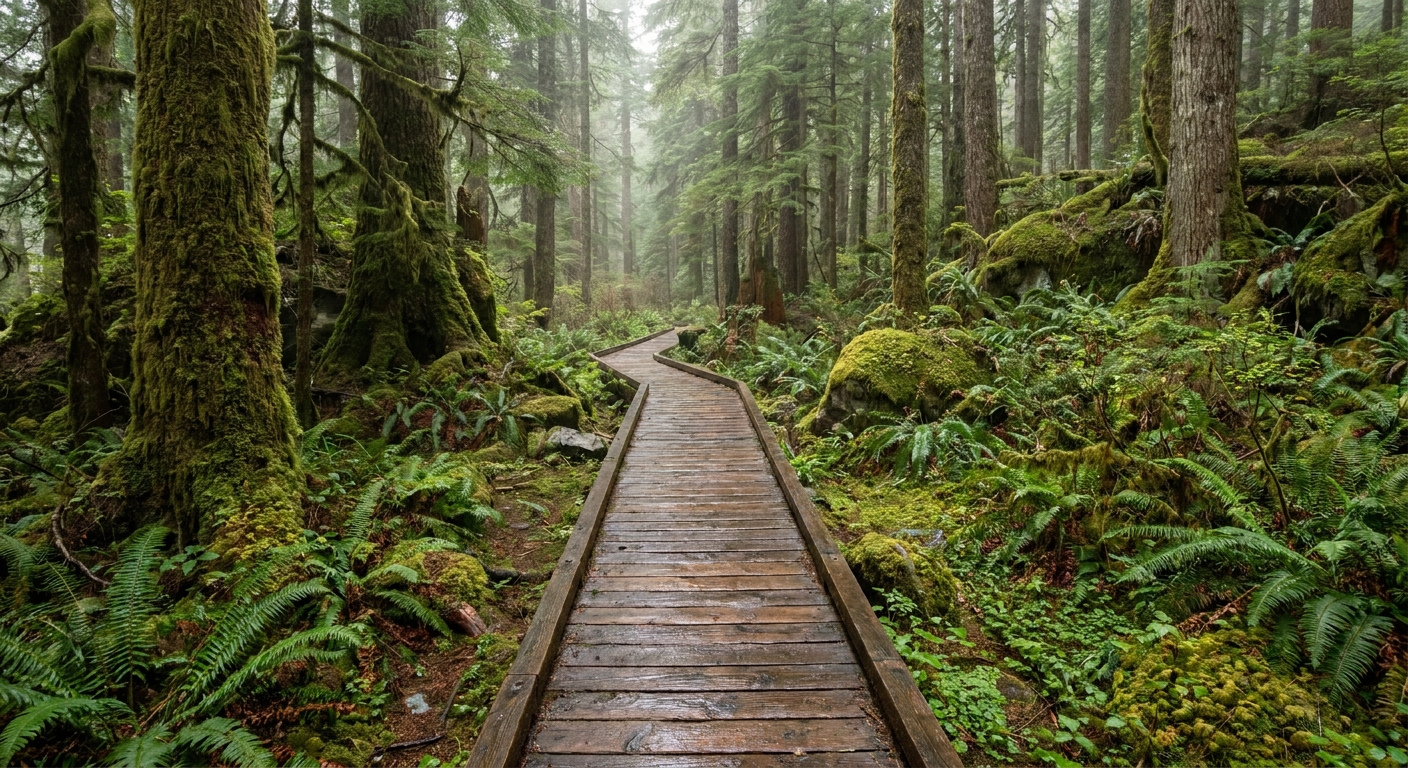
About those boardwalks: they can be slick, especially in rain, shoulder season, or early morning shade. Take them like you would take polished tile in wet trail runners. Short steps, no hero moves. If boards are frosty, leaf-covered, or have algae sheen, slow down even more and give other hikers space.
Footwear note: Trail runners are fine in summer if you are comfortable on uneven surfaces. In spring, fall, or after heavy rain, waterproof hiking shoes can make the experience a lot more pleasant.
Hike description
1) Forest start
You begin under a thick canopy of evergreens where the air feels cooler and the ground stays damp longer than you think it should. The grade ramps up fairly early, and it stays consistent. This is not a trail with long flat breaks.
2) Wet areas and boardwalks
As you climb, you will cross small drainages and see puddled areas where the trail would be a mess without the woodwork. The boardwalks are a blessing, but they are also the #1 slip hazard on this hike. If you hike with trekking poles, this is where you will be glad you brought them. Use a careful pole plant on wood so the tips do not skitter.
3) Rocky approach
Near the upper portion, the trail gets rockier and feels more alpine. You will notice fewer ferns and more talus and exposed stone. The last stretch tends to slow people down, not because it is confusing, but because you start watching every foot placement.
4) Lake 22 shoreline
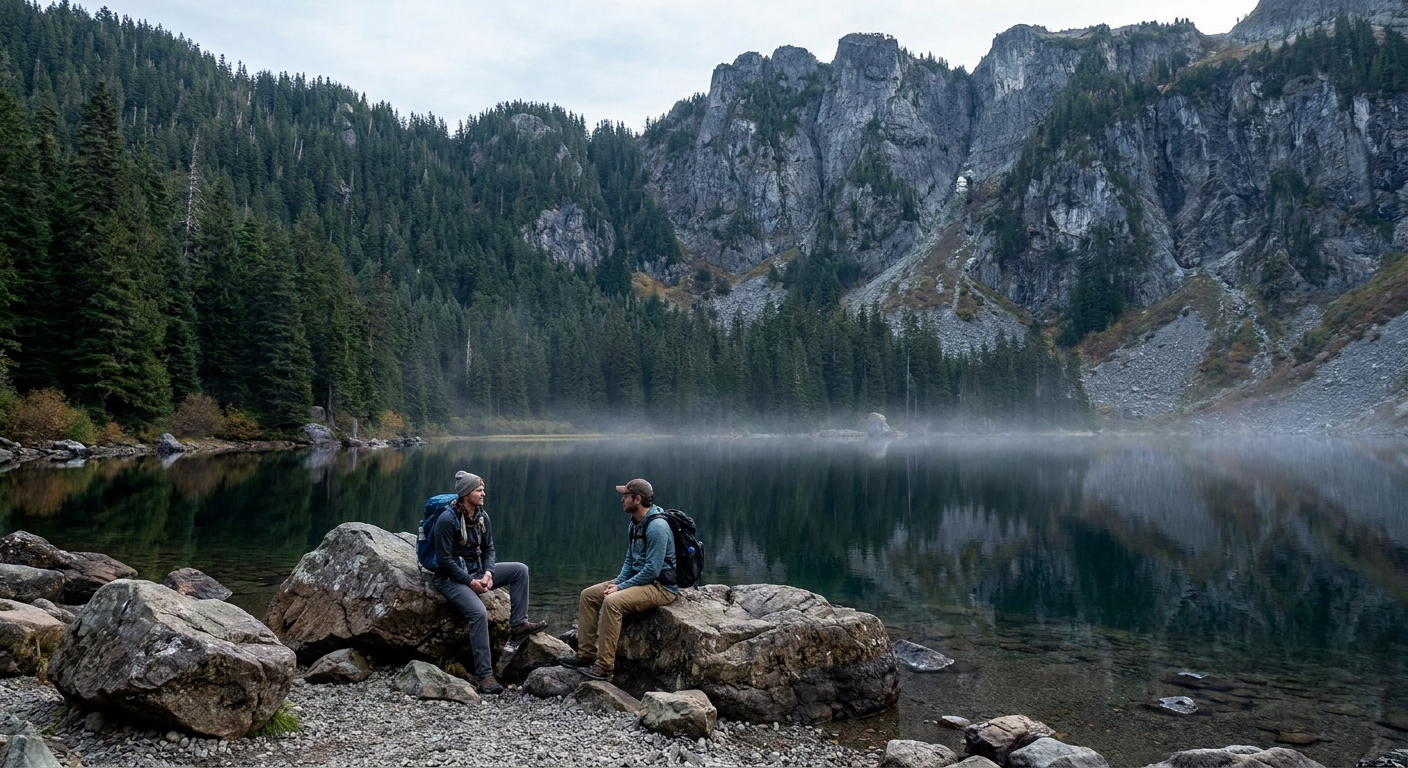
The lake appears with that satisfying "you made it" reveal. On calm days, the water can look like dark glass, reflecting the surrounding cliffs. The shoreline is mostly rocks and logs, and the best resting spots are often taken quickly on busy days.
Lakeshore reality check: It can feel chilly even when the trail below is warm. Wind funnels across the water, and damp air clings to you the moment you stop moving.
When to go
Summer
Summer is the easiest season for footing and access. Expect crowds, especially on weekends. If you want a quieter experience, go midweek or start early.
Shoulder season
Spring and fall can be gorgeous, but the trail stays wet, the boardwalks get slick, and the lake can feel especially cold and moody. I love this vibe, but I pack warmer layers and keep my pace conservative.
Winter
Snow and ice can turn a moderate hike into a serious outing. This basin sits below steep terrain, so winter hazards can include icy fall conditions and avalanche runout depending on snowpack and weather. If you are not comfortable assessing winter hazards and conditions, pick a lower-elevation objective and save Lake 22 for a friendlier season.
What to pack
I am a minimalist packer by nature, and I bring that same carry-on-only mindset to day hikes. For Lake 22, a few small items make a big difference without turning your pack into a junk drawer.
- Traction-aware footwear: grippy soles matter on wet roots and boardwalks
- Rain shell: even if the forecast looks polite
- Warm layer: the lake can feel cooler than the trail below
- Water and snacks: steady climbing burns more than you expect
- Trekking poles (optional but helpful): for slick wood and rocky steps
- Small sit pad (optional): the rocks at the lake can be damp and cold
Leave No Trace note: Pack out everything, including food scraps. Alpine lakes are sensitive environments, and the popularity of this trail makes small impacts add up quickly.
Safety and etiquette
- Go slow on the boardwalks: most slips I see here happen on wet wood, not on the dirt trail
- Yield smartly: uphill hikers appreciate a brief, predictable pause from downhill traffic on narrow sections
- Keep dogs under control: follow posted rules at the trailhead, and assume you may need to leash up on crowded days or narrow sections
- Watch the edge near the lake: rocks can be loose, and the water is very cold
If you are hiking with newer hikers, this is a great trail to practice rest-step pacing and snack breaks so you do not bonk late in the hike, especially on the way back down.
Avoiding crowds
Not everyone wants a 5:00 a.m. alarm. Here are my realistic crowd-avoidance moves:
- Go midweek, especially Tuesday through Thursday
- Start earlier than you think: even 8:00 a.m. can be meaningfully calmer than late morning
- Plan for a lingering lakeshore break: if the shore is packed when you arrive, eat a snack, wander a bit, and wait for a spot to open up
Quick FAQ
Is Lake 22 good for beginners?
It is beginner-friendly for people with decent fitness, but it is not easy. The elevation gain is steady, and the footing is rooty and rocky. If you are brand new to hiking, take your time and bring traction-minded shoes and extra snacks.
Are the boardwalks scary?
They are not high-exposure, but they can be slippery. Most people are fine if they slow down and avoid rushing past others.
Can you swim in Lake 22?
Technically people do, but the water is very cold, and it is not a beachy lakeshore. If you choose to wade or swim, be cautious and do not count on it being comfortable even in summer.
Do I need a permit?
You typically do not need a special hiking permit just to day hike Lake 22. Parking generally requires a Northwest Forest Pass or other posted day-use fee, so confirm current requirements on-site and with the Mt. Baker-Snoqualmie National Forest updates before you go.
Is there cell service?
It is unreliable. Download maps ahead of time and do not assume you will be able to send messages from the lakeshore.
My favorite way to end the day
Lake 22 is the kind of hike that leaves you pleasantly wrecked: legs worked, brain quieted, lungs full of cedar air. When I plan this trip from the Seattle area, I like to build in time for one small comfort afterward, usually a strong coffee and a slow drive back down from the highway corridor while my socks dry on the dashboard. Rugged first, cozy after. That is my ideal Washington day.