Lake Valhalla Hike From Stevens Pass

Maya Lin
Maya Lin is a travel journalist and outdoor enthusiast who believes the best trips combine rugged adventures with urban comforts. After spending six years backpacking across four continents, she founded Trail & Town Guide to help fellow travelers navigate both hidden mountain passes and bustling city neighborhoods with confidence.
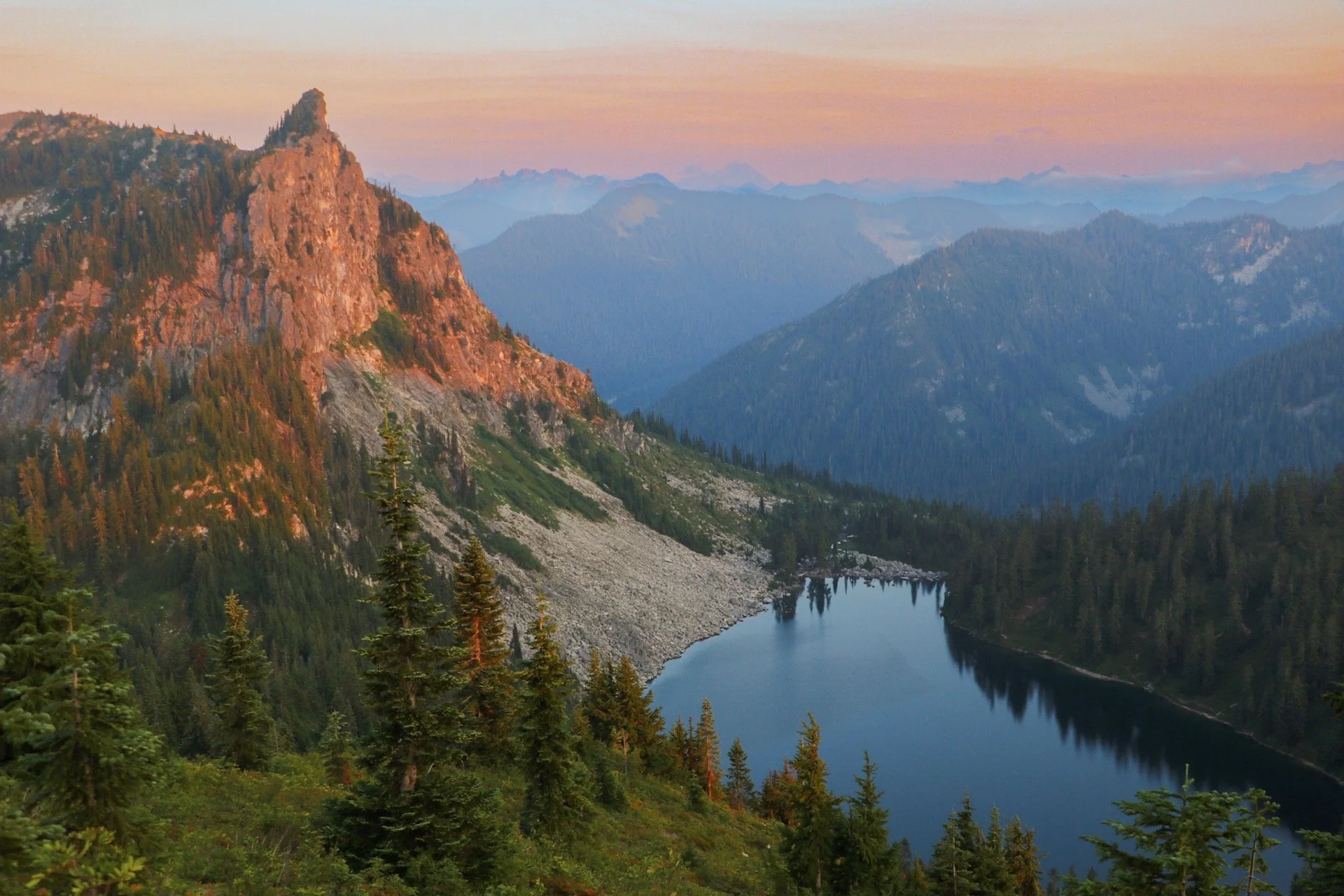
I love a hike that feels properly alpine but still lets me reward myself with a real coffee afterward, and Lake Valhalla from Stevens Pass is exactly that kind of day. You get an efficient climb on the Pacific Crest Trail (PCT), big hemlock-and-fir Cascades scenery, and a lake that looks like it belongs on a postcard even when the rest of Highway 2 is doing its best rainy-day impression.
This guide sticks to one straightforward approach: Lake Valhalla from the Stevens Pass trailhead on the PCT. No side quests, no alternative lakes, no extra trailheads. Just the cleanest way to get to the water and back.
Quick stats
- Trailhead: Stevens Pass (Pacific Crest Trail access on US-2)
- Route type: Out-and-back
- Distance: About 11.5 miles round trip
- Elevation gain: About 2,000 feet
- Time: 5 to 7 hours for most hikers
- Difficulty: Moderate to moderately strenuous due to the steady climb, with early-season snow potential
These numbers are for the common PCT approach from Stevens Pass. Your total can vary a little based on where you park and exactly where you hop on the PCT, but if you are starting at Stevens Pass and hiking in on the PCT, plan on a full roughly 11.5-mile day.
Getting there and parking
Stevens Pass sits right on US-2, which is why this hike punches above its weight for payoff-to-effort. The PCT crosses the pass, and the Lake Valhalla route uses that backbone trail.
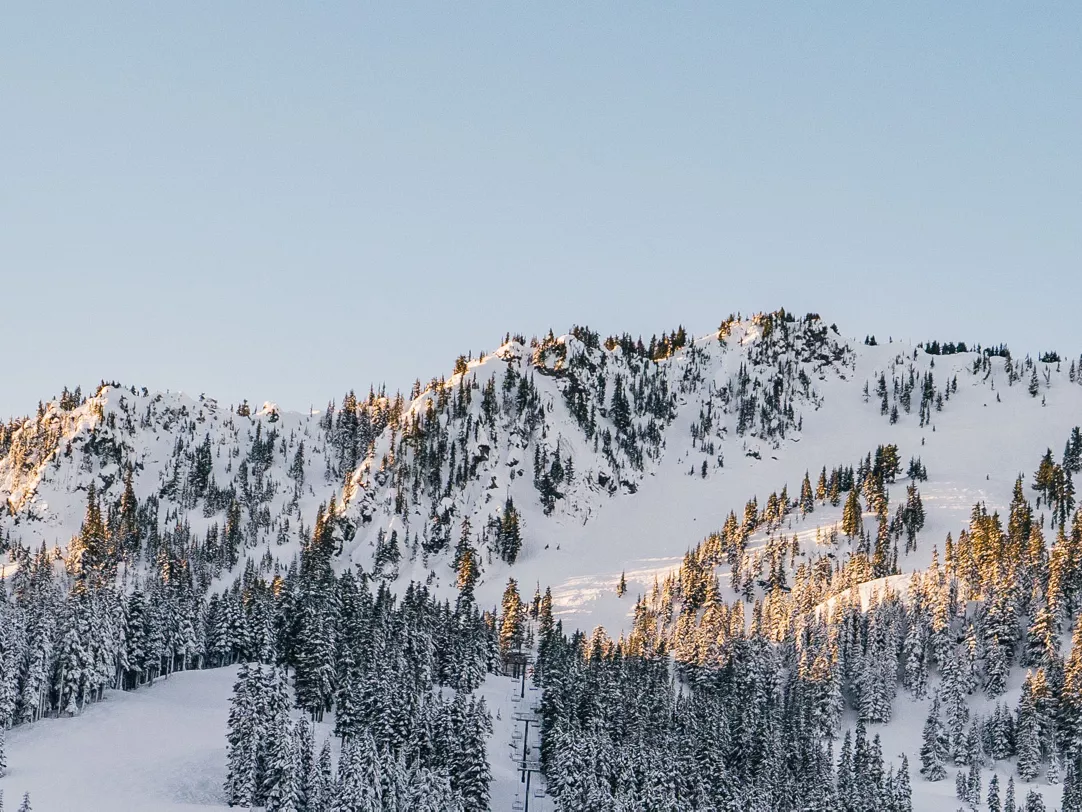
Where you are aiming to start: the signed PCT access near the Stevens Pass ski area base.
Reality check up front: parking and day-use access at the ski area can be operationally variable. Construction, events, paid parking trials, and seasonal rules come and go. Treat anything you read online (including this guide) as a starting point, and confirm the current setup before you commit to the drive.
Where to park
- Most common option when permitted: day-use parking in the ski area base lots, then walk to the signed PCT access.
- If day-use parking is not allowed or lots are closed: do not invent a shoulder spot on US-2. Parking rules change, and US-2 is not a place to gamble with safety or towing. If the base lots are not available, it is smarter to pick a different hike than to force this one.
- Road safety: US-2 traffic moves fast. Avoid walking along the highway shoulder when you can.
Start cue that stays true: once you are in the Stevens Pass base area, look for PCT signs directing you away from the highway and into the forest. If you do not see any PCT signage, pause and re-orient before you start walking uphill on something that feels like a service road.
Parking pass
Pass requirements around Stevens Pass are not always the same as a classic Forest Service trailhead, and they can change season to season.
- Stevens Pass ski area lots: if you are parking in the ski area’s managed base lots, a Northwest Forest Pass typically is not the system in play. That said, ski area parking policies and any fees are set by current operations, so verify before you go.
- Forest Service trailhead lots and pullouts nearby: if you park at a signed Forest Service fee site, then a Northwest Forest Pass or America the Beautiful pass may be required if posted.
My personal approach is simple: I try to use the main Stevens Pass day-use area for this hike when it is open, and I keep a Forest Pass in my glove box for the other trailhead-style lots I use in the Cascades.
Permits and rules
This is the part that gets confusing online because people mix up permit systems.
- Central Cascades Wilderness Permit: Not required for this hike.
- Wilderness permit: you are traveling into the Alpine Lakes Wilderness, where a free self-issue wilderness permit is generally required for day use and overnight use.
Where you usually get the self-issue permit on this approach: not at the ski area buildings, but at or near the Alpine Lakes Wilderness boundary along the PCT. In a normal season, look for a wilderness boundary sign and a registration box or post nearby. Because registers can be damaged, moved seasonally, or temporarily missing, bring a pen and be ready to fill out the permit when you first see the station. If you do not encounter a register at all, follow current Forest Service guidance for self-issue areas and do your best to comply with posted instructions.
- Dogs: dogs are commonly seen. Rules and expectations can vary by posted signage. If there is any leash requirement posted at the pass or along the route, follow it. If not, keep your dog under tight control and be ready to leash up fast around horses, runners, kids, and wildlife.
- Campfires: fire rules in the Alpine Lakes Wilderness can be specific by area and can also be affected by seasonal fire bans. Do not assume campfires are allowed at Lake Valhalla. Check current Mt. Baker-Snoqualmie National Forest and Alpine Lakes Wilderness regulations before your trip, and plan to use a stove for cooking.
Translation: you can day hike Lake Valhalla from Stevens Pass without a lottery-style permit, but you still do the standard Alpine Lakes Wilderness paperwork when you reach the self-issue station, and you should plan on a no-campfire trip.
The hike
1) Get on the PCT
From Stevens Pass, your first job is simple: get yourself onto the Pacific Crest Trail. Look for signed PCT access near the ski area base and follow the PCT heading away from the highway and into the trees.
If you are starting early or hiking in shoulder season, take a minute to confirm you are on the PCT. Stevens Pass has multiple routes and service roads nearby, and it is easier to fix a wrong turn in the first five minutes than the first fifty.
2) Settle into the climb
Once you are on the PCT, the trail settles into what I think of as an efficient climb. The grade is steady and very workable. It is the kind of uphill where you find a rhythm and keep it.
Expect classic Cascades scenery: hemlock, fir, damp earth, and that bright green that shows up as soon as snowmelt starts feeding everything.
Water note: on many summer days, I treat this as a carry-your-water hike until the lake. Seasonal trickles come and go. If you do filter, many hikers prefer using moving water like an inlet or outlet when available, rather than filtering right off a heavily used shoreline.
3) Take the Lake Valhalla spur
The most important navigation moment of the day is the junction where you leave the PCT onto the spur trail to Lake Valhalla. If you are trying to keep this guide “pure,” this is also where you stay focused and do not get pulled into alternative approaches like the Smithbrook route.
- Rough mileage cue: the spur is roughly 5.5 to 6 miles one way from Stevens Pass, with the junction occurring near the end of that inbound leg.
- What it looks like: a signed junction in peak season, plus an obvious, well-used tread.
- What it feels like: once you commit to the spur, you generally drop toward the basin. If you keep grinding upward for a long time with no hint of a turnoff, pause and confirm you did not walk past it.
If you think you missed it: stop, check your offline map, and backtrack to the last place where a junction would make sense. In early-season snow, it is especially easy to walk right past the turn because the sign or the tread can be partially buried.
Navigation tip: have an offline map downloaded. Early season snow can blur the junction, and a busy day can create misleading boot paths.
4) Arrive at the lake
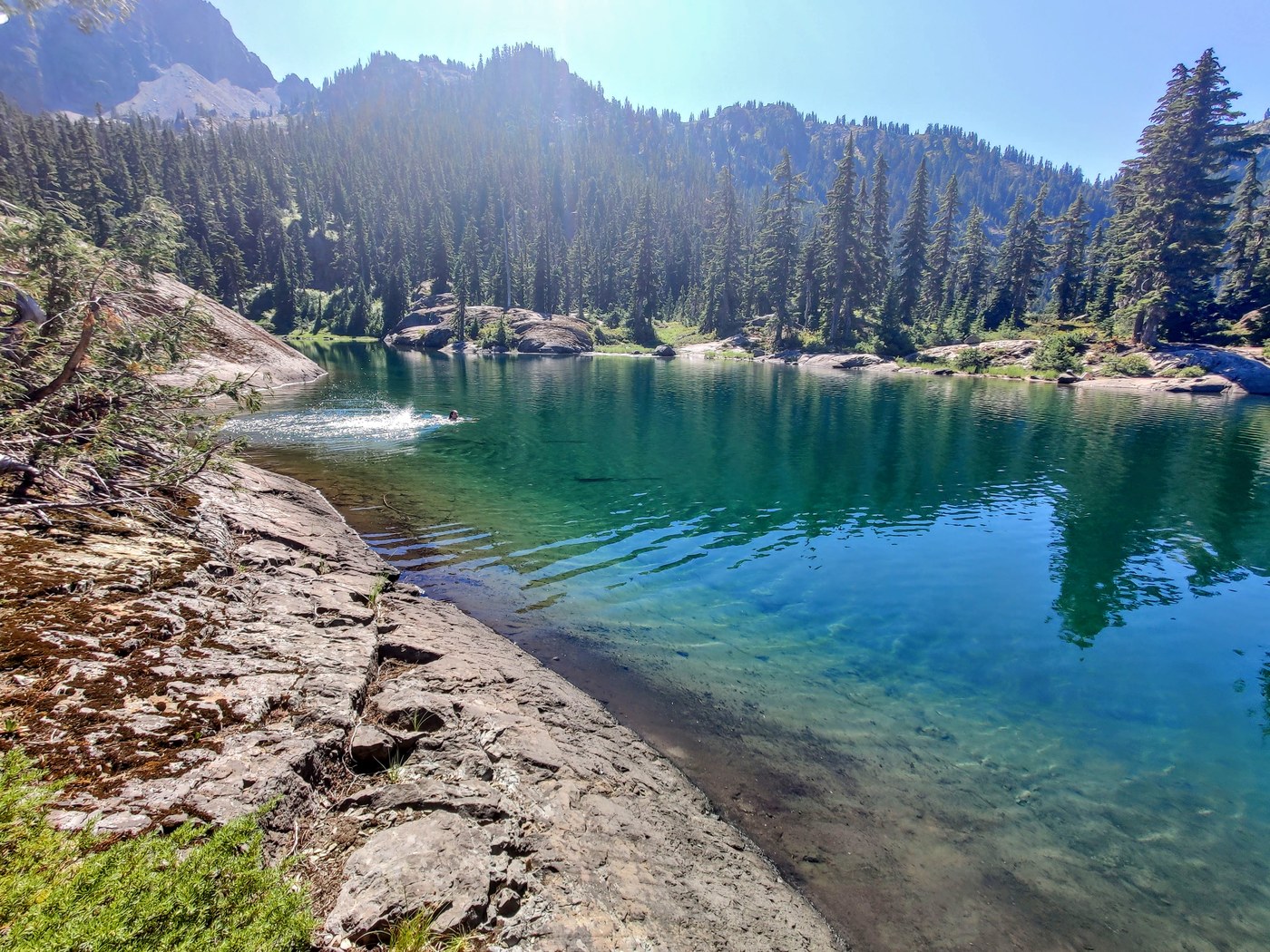
Lake Valhalla sits in a bowl with a rugged, high-country feel that absolutely punches above the effort. This is the snack-break shoreline, the socks-off rock, the five quiet minutes where you remember you have a body and not just an inbox.
Be gentle with the shoreline. Social trails multiply fast here, and it does not take many boots to turn a pretty spot into a dusty mess.
Key junctions
- Start: signed PCT access near Stevens Pass
- Mainline: stay on the PCT through the steady forest climb
- Critical turn: take the Lake Valhalla spur late in the inbound leg (roughly 5.5 to 6 miles one way from the pass overall)
- Finish: follow the spur down into the basin to the lake
Lingering snow
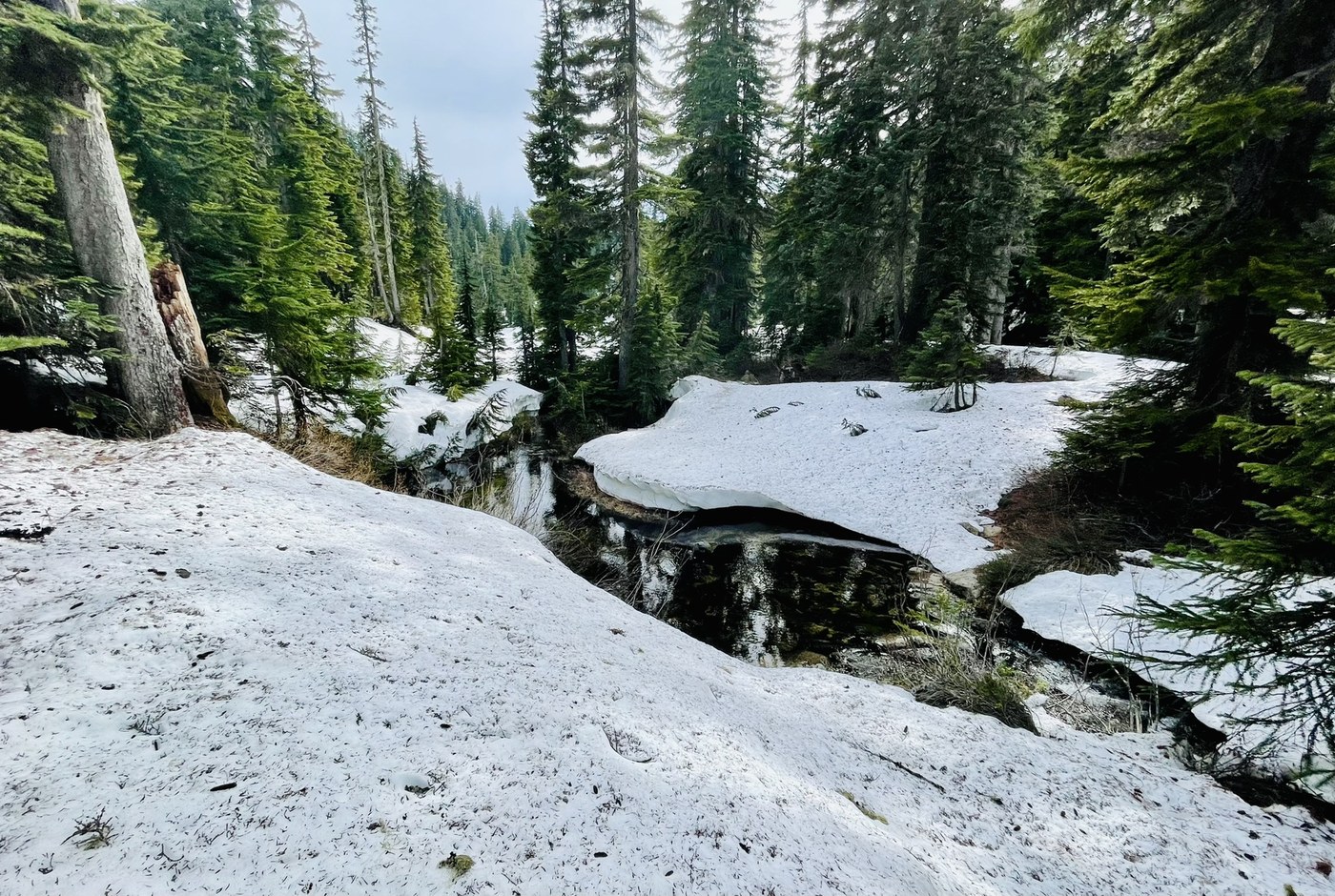
Lake Valhalla is a classic “snow lingers” hike. Even when Stevens Pass looks mostly melted out, shaded sections along the PCT and the basin around the lake can hold snow well into early summer.
When snow is most likely
- Late spring through early summer: patchy snow on the trail, with deeper drifts in shaded areas.
- Early season mornings: firmer snow that can be less slushy but also slick.
- Afternoons: softer snow that can turn into postholing, especially if you step off the established footprint.
Gear I actually consider here
- Traction: microspikes can help on firm snow or icy patches, but they are not a magic trick. If the snow is steep enough to feel like a slide would be ugly, you need to rethink the plan, not just add metal to your shoes.
- Trekking poles: very helpful for balance on uneven snow and for probing depth near tree wells.
- Navigation: download an offline map. When the trail disappears under snow, it is easy to drift off the intended line.
Safety callouts
- Avoid steep snow without the right skills: microspikes do not replace an ice axe and self-arrest practice.
- Watch for tree wells: snow can hollow around trunks, creating hidden holes.
- Turnaround is success: if conditions are beyond your comfort, the mountains will still be here next weekend.
When to go
If you want the easiest trail conditions, aim for mid-summer through early fall. For that fresh snowmelt look without the most intense bug pressure, late July into August tends to be the sweet spot in many years.
- Best for minimal snow: August to September
- Best for early-season alpine vibes: July, with snow still possible
- Best for solitude: weekdays, or very early weekend starts
Bugs: mosquitoes can be intense in peak melt season, especially on warm, still days. Bring repellent if you value your sanity.
Weather can turn quickly near a pass. If thunderstorms are in the forecast, start early and keep an eye on the sky. Lakeside lounging is a lot less relaxing when you are trying to out-hustle lightning.
What to pack
I am a carry-on-only traveler, and I bring the same philosophy to day hikes: pack light, pack smart, and do not skip the boring essentials.
- Water: at least 1.5 to 2 liters per person (more on hot days)
- Water treatment: if you plan to filter, bring a filter or treatment. Do not assume clear water equals clean water.
- Layers: a light insulating layer plus a shell. Stevens Pass weather flips fast.
- Food: lunch and extra snacks. This climb earns more calories than you think.
- Sun protection: sunglasses and sunscreen, especially with snow glare
- Bug protection: repellent in mid-summer, plus long sleeves if you hate mosquito diplomacy
- Ten essentials: navigation, light, first aid, fire starter, extra food, extra water, extra layers, sun protection, knife or multi-tool, emergency shelter
Cell service: do not count on reliable reception. Download maps ahead of time and tell someone your plan.
Trail etiquette
Lake Valhalla is popular for a reason, which means your choices matter.
- Stay on durable surfaces: especially near the lake, fragile plants get trampled quickly.
- Pack out all trash: including food scraps. Yes, even the orange peels.
- Bathroom plan: there may or may not be public restrooms open at Stevens Pass depending on season and operations. If you find a toilet, use it. If you do not, follow Leave No Trace practices and go far from water.
- Keep the lake wild: no soap in the water, no washing dishes at the shoreline.
- Be kind with noise: plenty of people come here for the quiet. Let them have it.
If you camp
If you turn this into an overnight, camp only on established, durable sites and stay back from the water. The goal is for Lake Valhalla to still look like Lake Valhalla when the next group arrives.
FAQ
Is Lake Valhalla a good hike for beginners?
It is a solid step up from a flat stroll. The climb is steady, and the full Stevens Pass PCT approach makes it a bigger day than the shorter Smithbrook option. If you are newer to hiking, go mid-summer, start early, and take plenty of breaks.
Is this hike good for trail runners or older kids?
In late summer when the trail is mostly dry, it can be a great outing for trail runners and strong hikers in the older-kid range who are comfortable with a sustained climb and the longer mileage. Earlier in the season, snow patches can make it feel more serious than the numbers suggest.
Is this hike dog-friendly?
Often yes, but it depends on your dog and the season. Snow patches, heat, and sharp rocks can be tough on paws. Bring water for your dog, follow any posted leash rules, and keep them close and under control around other hikers and wildlife.
Do I need a permit like the Enchantments?
No. You do not need a limited-entry lottery permit for this day hike. You do need the standard free self-issue Alpine Lakes Wilderness permit when you reach the wilderness boundary register (when it is present).
Can I swim in Lake Valhalla?
People do on hot days, but it is mountain water, so expect it to be cold. If you take a dip, keep it low impact: no soap, avoid reapplying sunscreen right at the shoreline, and be mindful of other visitors.