Las Vegas Hiking Day Trips: Red Rock Canyon and Valley of Fire

Maya Lin
Maya Lin is a travel journalist and outdoor enthusiast who believes the best trips combine rugged adventures with urban comforts. After spending six years backpacking across four continents, she founded Trail & Town Guide to help fellow travelers navigate both hidden mountain passes and bustling city neighborhoods with confidence.
Las Vegas is one of my favorite “trail and town” basecamps because you can sleep in a real bed, drink excellent coffee, and still be on sandstone in under an hour. If you have one free day between shows, pool time, or conference sessions, make it a desert day.
This guide pairs the two best hiking day trips from the Strip: Red Rock Canyon for close-to-town scenery and short, choose-your-own-adventure trails, and Valley of Fire for that other-planet color palette that makes your camera roll look like it got a filter upgrade.
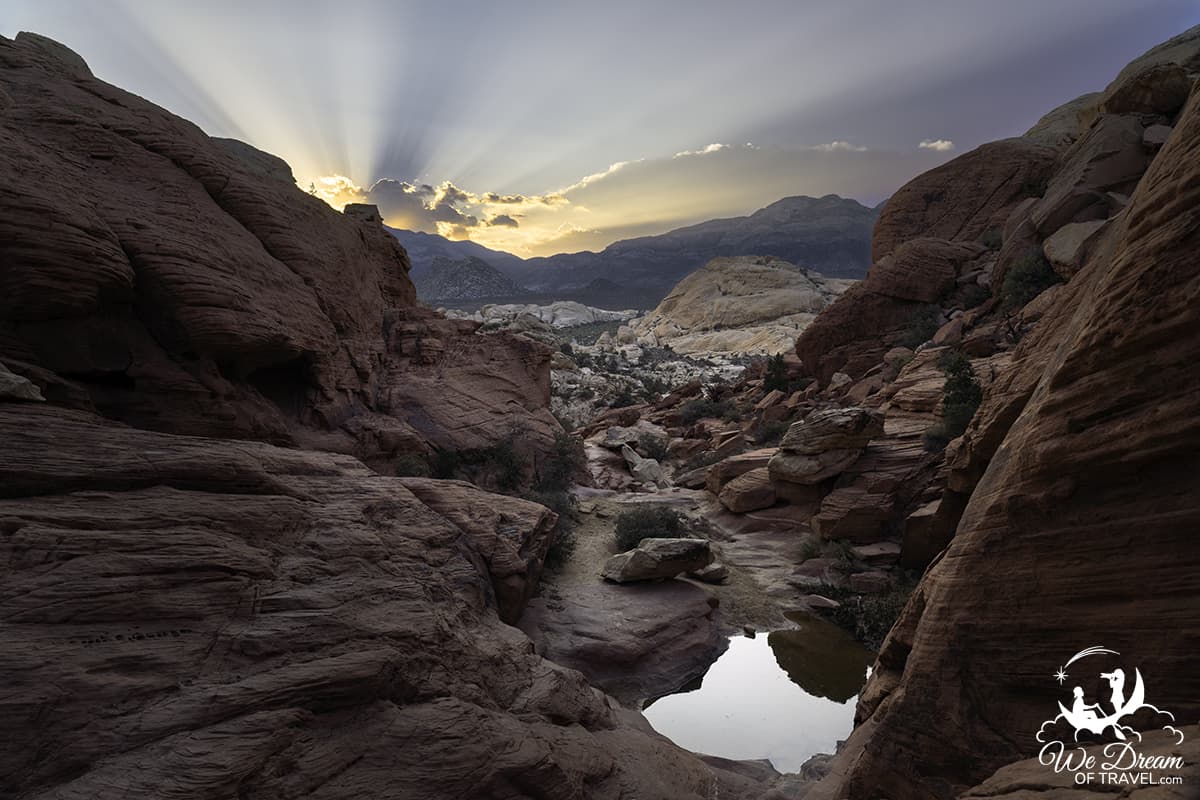
Red Rock vs. Valley of Fire
If you are deciding between them, here is the honest shortcut:
- Pick Red Rock Canyon if you want the easiest logistics from the Strip, lots of short trails, and the option to be back for a late lunch or afternoon nap.
- Pick Valley of Fire if you want a bigger “wow” factor, more open desert driving, and iconic rock formations that feel like a national park road trip in miniature.
- Do both if you have two mornings. They are different enough that it does not feel repetitive.
Before you go: desert reality check
Heat is the main hazard
Las Vegas hiking is not technically complicated most of the time. It is sun exposure and dehydration that sneak up on visitors, especially anyone coming from humid climates.
- Start early. In warm months, aim to be hiking at or near sunrise.
- Turn around sooner than you think. If you are halfway through your water, you are halfway through your hike.
- Watch the forecast. If it is very hot, choose the shortest trail, skip scrambles, and prioritize shade where you can find it.
Water and gear that actually matter
- Water: For most visitors, plan at least 2 liters per person for a short morning, and 3 to 4 liters for longer outings or hotter conditions. Add more if you run warm or are new to desert hiking.
- Electrolytes: A packet or two makes a noticeable difference.
- Sun protection: Hat with a brim, sunglasses, and sunscreen you will reapply.
- Footwear: Trail runners or light hikers with grip. Sandstone can be slick in dusty spots.
- Navigation: Offline map downloaded before you leave service. Cell reception can be inconsistent once you are deep in canyons.
- Timing: Build in “photo and shade breaks.” Your pace will be slower than you expect if you are not acclimated.
Maya’s carry-on-only tip: pack a collapsible daypack, a soft flask, and electrolyte packets. You can land in Vegas with everything you need for a safe desert morning without checking a bag.
Red Rock Canyon day trip from Las Vegas
Red Rock Canyon National Conservation Area is the classic Vegas hiking day trip. It is close, scenic, and flexible. You can do a 30-minute stroll or a half-day hike without committing to a long drive.
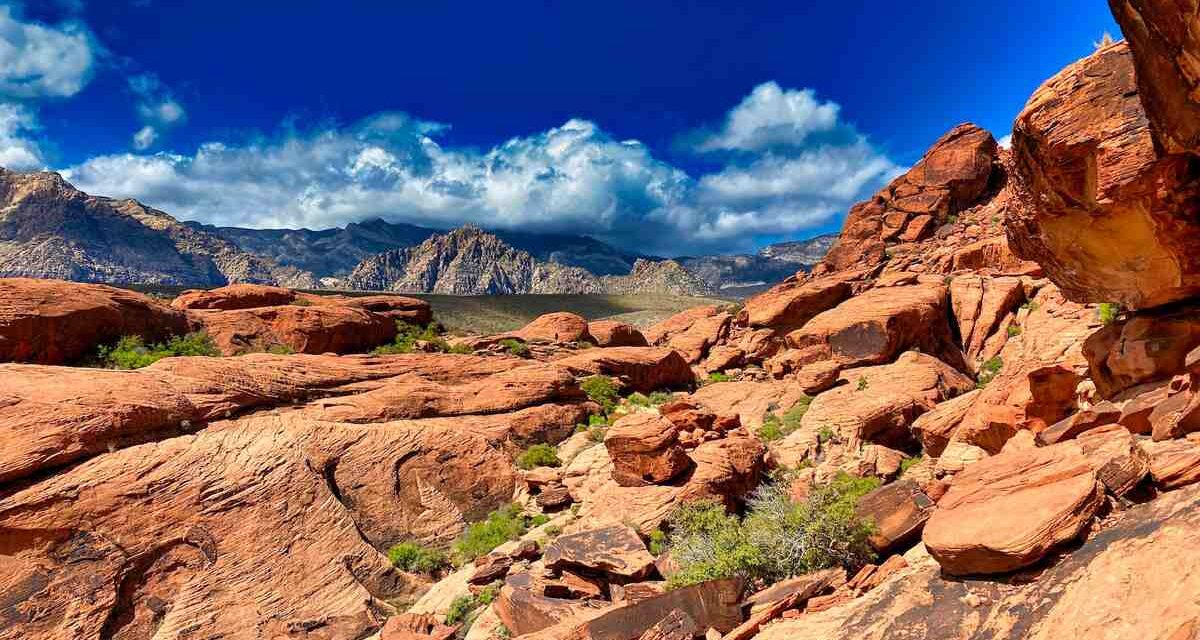
Red Rock entry logistics and fees
Getting there
From the Strip, most hotels are roughly 30 to 45 minutes from the Red Rock entrance by car, depending on where you are staying and traffic.
Reservations and timed entry
Red Rock’s Scenic Drive uses a timed entry reservation system during the busiest season for day-use vehicles. The exact dates and rules can change year to year, so check the official Red Rock Canyon NCA website before you go. If you arrive without the right reservation during timed-entry periods, you may be turned away even if you are happy to pay the entry fee.
- Plan A: Reserve a timed-entry slot for the Scenic Drive on your target morning.
- Plan B: Go very early if your reservation window allows, or choose a trailhead outside the Scenic Drive when possible.
Fees
Red Rock charges a per-vehicle day-use entrance fee. If you plan to visit multiple federal fee sites in the region, a park pass can sometimes pay off, but always confirm pass acceptance and what it covers for this specific site.
Shuttles, tours, and rideshares
If you do not want to rent a car, Red Rock is one of the easier places to book a half-day tour from Vegas. Tours are convenient, but you lose flexibility for “one more viewpoint” stops and coffee detours on the way back.
Important rideshare reality check: Getting an Uber or Lyft out to Red Rock can be doable. Getting one back is where people get stuck. Cell service is spotty in places, drivers often do not want the long pickup drive for a one-way fare, and waits can be brutal. If you do not have your own car, choose a guided tour, a rental car, or a taxi or car service with a pre-arranged pickup time so you are not stranded in the sun.
Best short hikes in Red Rock for casual visitors
These are my go-to picks when I am traveling with friends who want big scenery without a big suffer-fest. Distances vary by exact route and turnaround point, so treat these as flexible options rather than rigid marching orders.
Calico Tanks (classic viewpoint)
One of the most rewarding short hikes in Red Rock. You climb through colorful Calico sandstone toward a natural basin and a view out toward the Las Vegas Valley. Go early for cooler temps and fewer people.
Calico Hills (choose your distance)
Great for a quick taste of Red Rock’s texture and color. It is easy to tailor: stroll a bit for photos, or keep going if you are feeling good.
Lost Creek (easy, family-friendly)
An approachable option when the group wants something short and low-stress. It is not the most dramatic trail in the park, but it is a solid “stretch your legs” walk with interpretive vibes.
Ice Box Canyon (a step up)
If you want a more rugged canyon experience without committing to an all-day trek, this is a favorite. It can feel noticeably cooler deeper in the canyon, but do not let that trick you into under-packing water.
Trail etiquette note: Red Rock is extremely popular. Stay on trail to protect fragile desert soils and cryptobiotic crust, and yield politely on narrow sections.
Red Rock itineraries from the Strip
Itinerary A: Sunrise to brunch (4 to 6 hours total)
- 6:00 to 6:30 am: Leave your hotel with coffee and water already sorted.
- 7:00 am: Arrive for Scenic Drive entry and park at your first trailhead.
- 7:15 to 9:30 am: Hike Calico Tanks or Calico Hills at an easy pace with photo stops.
- 9:45 to 10:30 am: Short second stop for viewpoints or a quick nature walk.
- 11:00 am: Back in town for brunch, shower, and a very earned iced latte.
Itinerary B: Half-day sampler (6 to 8 hours total)
- Early morning: Start with a longer short hike like Ice Box Canyon.
- Late morning: Drive to a couple of overlooks on the Scenic Drive.
- Lunch: Picnic in a designated area or head back toward Summerlin for a sit-down meal.
Reality check: Red Rock is close, but parking can be the bottleneck. Early starts are not just for heat, they are for parking sanity.
Valley of Fire day trip from Las Vegas
Valley of Fire State Park is the place I send people who want to feel like they left Earth for a few hours. The rock is a saturated red-orange that glows at golden hour, and the formations come fast once you enter the park.
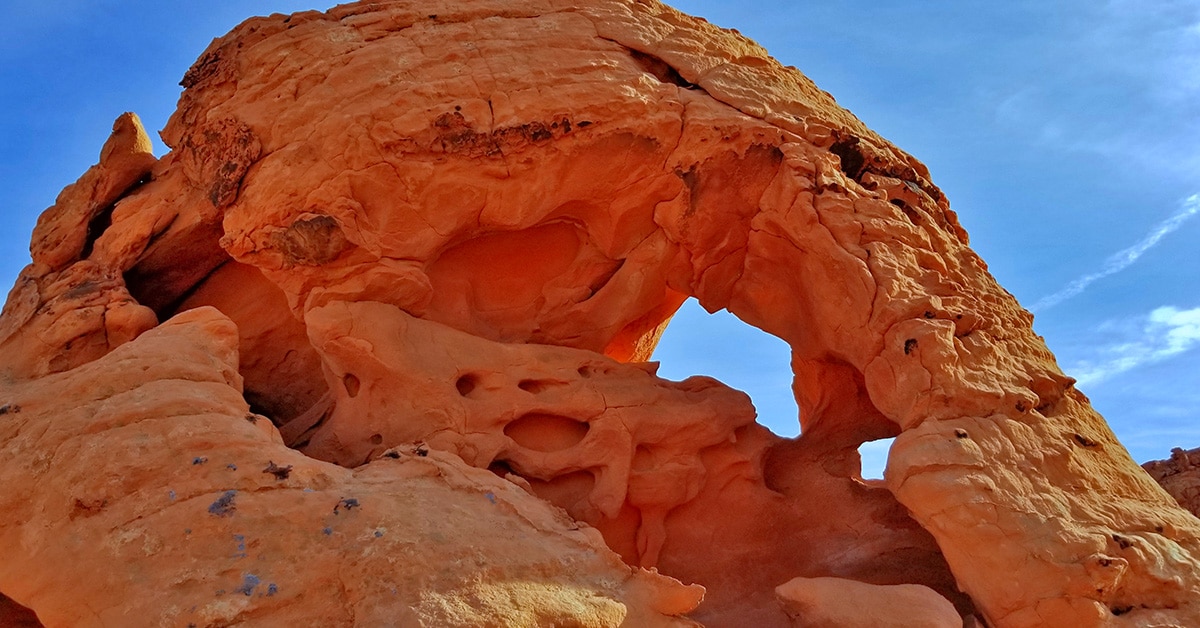
Valley of Fire entry logistics and fees
Getting there
From most Vegas hotels, plan roughly 50 minutes to 1 hour 15 minutes of driving each way, depending on your starting point and traffic. It is a true day trip, but still very doable without feeling rushed if you start early.
Fees
Valley of Fire is a Nevada state park with a per-vehicle entry fee. Keep a card and some patience handy at the entrance, since weekends and peak seasons can create short lines.
Reservations
For day use, you typically do not need a reservation to enter, but policies can change during special events or peak travel periods. If you are visiting on a holiday weekend, double-check the state park site for any alerts.
Services and cell signal
Services are limited once you are inside the park. Download maps ahead of time, fuel up before you leave the city, and assume you will not have reliable cell service in every pullout.
Best short hikes in Valley of Fire for casual visitors
Valley of Fire is perfect for “short hike, big payoff” travel days. Many highlights are close to the road, and you can stack a few short trails together without doing one long suffer.
Fire Wave (iconic, go early)
This is the park’s most famous short hike for a reason: striped sandstone that looks like swirling paint. Start early and be extra mindful of heat, since much of the route is exposed.
Summer closure note: Valley of Fire may close the Fire Wave and other highly exposed trails in summer (often around May 15 to September 30) due to extreme heat danger. Check the official Nevada State Parks alerts before you build your day around this hike. If it is closed, swap in a shorter roadside viewpoint stop, stick to very early hours, and keep the “big hiking” energy for a cooler-season trip.
White Domes loop (scenic variety)
A compact loop with lots of visual payoff, including sculpted rock, open desert views, and interesting textures. It is a great “if we only do one trail” option.
Mouse’s Tank (easy, canyon walk)
A straightforward out-and-back through a narrow wash, with petroglyph viewing opportunities along the way. It is beginner-friendly and great for families.
Elephant Rock (quick stop)
A short walk to a photogenic formation near an entrance. Perfect as a first or last stop when you want a classic shot without a big hike.
Leave-no-trace note: Valley of Fire’s surfaces are fragile. Stick to established paths, do not climb on sensitive areas, and never touch or trace petroglyphs.
Valley of Fire itineraries from the Strip
Itinerary A: The classics morning (7 to 9 hours total)
- 6:00 to 6:30 am: Depart Vegas, ideally with breakfast in hand.
- 7:15 to 7:45 am: Enter the park and drive to your first trailhead.
- 8:00 to 9:30 am: Hike Fire Wave early before the day heats up (only if open).
- 10:00 to 11:30 am: Do Mouse’s Tank as a slower canyon stroll.
- Lunch: Picnic at a designated area.
- Early afternoon: White Domes loop if temperatures allow, or swap for scenic drives and overlooks.
- 3:00 to 4:00 pm: Head back to Vegas.
Itinerary B: Golden hour photography (afternoon into sunset)
If you are visiting in cooler months, Valley of Fire at late afternoon is unreal. Plan for sunset light, but be conservative with hiking distance so you are not navigating unfamiliar terrain in the dark.
- Mid-afternoon: Enter the park, do Elephant Rock and a short viewpoint stop.
- Late afternoon: White Domes loop and scenic pullouts.
- Sunset: Choose one safe, easy location for sunset glow.
- After sunset: Drive out carefully, watching for wildlife.
Which one should you do with one day?
If you want the easiest win
Red Rock Canyon. It is closer, the trails stack well, and you can be back on the Strip early enough to still feel like you had a full Vegas day.
If you want the most dramatic scenery
Valley of Fire. The colors and formations are unforgettable, especially in softer light.
If you are traveling in extreme heat
Consider a very early Red Rock morning with a short hike, then retreat back to town before late morning. Valley of Fire is spectacular, but it is also more committing if you realize you underestimated the heat. Also note that Valley of Fire may close exposed trails in the hottest months, so you will want a backup plan ready.
Planning notes: driving and timing
Car rental vs rideshare
- Red Rock: Strongly favor a rental car or a guided tour. Standard rideshares can leave you stranded when it is time to get back to town.
- Valley of Fire: Strongly favor a rental car. It is farther, and the park experience is built around scenic driving between trailheads.
What to put in your day bag
- Water + electrolytes
- Salty snacks and something you will actually eat in the heat
- Sun protection
- Light layer for early starts (desert mornings can be chilly)
- Offline map
- Small first aid basics and blister care
- Trash bag to pack out every wrapper
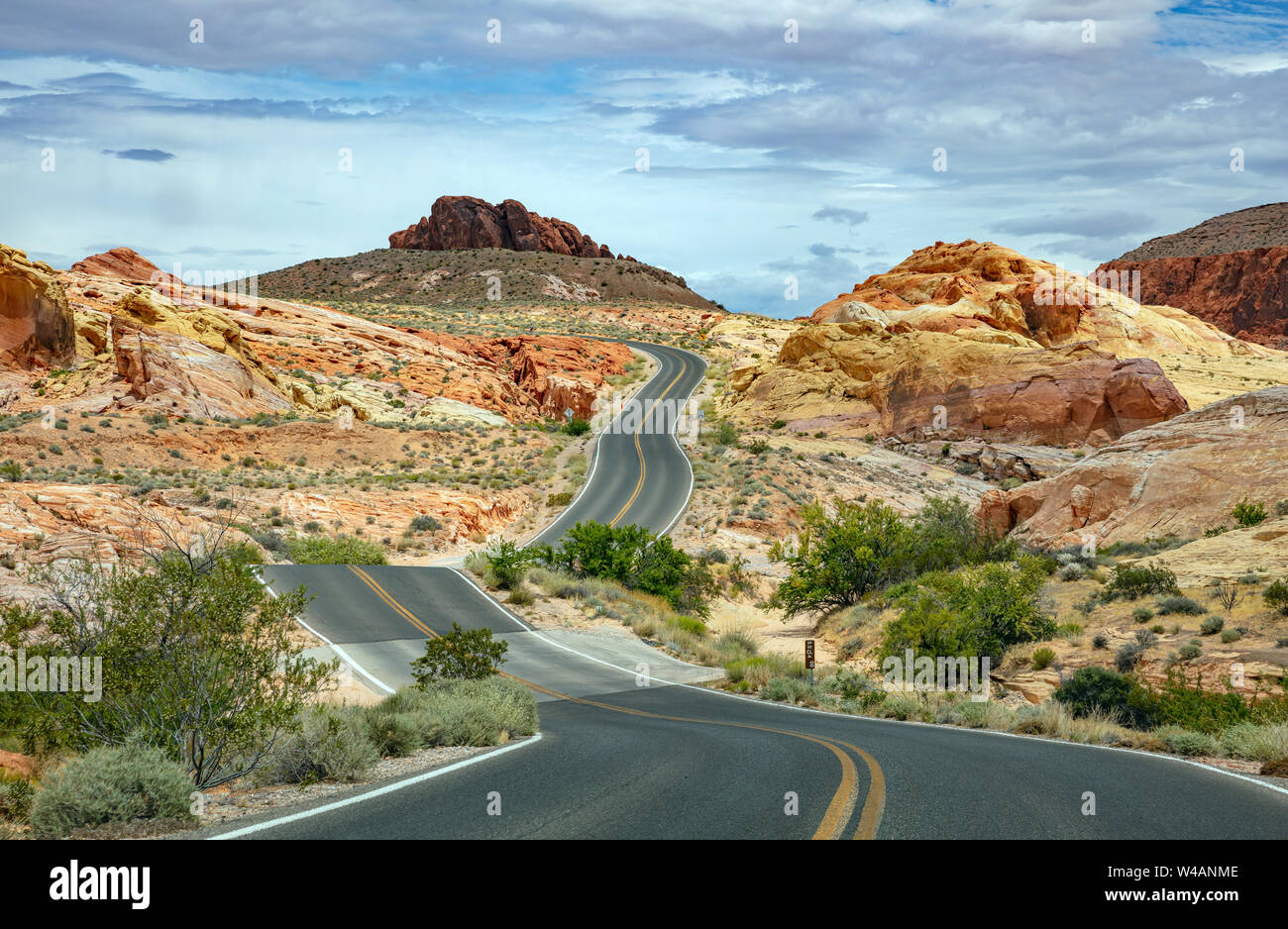
Make it a trail and town day
The best part of hiking out of Las Vegas is the contrast. You can be sweaty and salty at 10:30 am, then cleaned up for a nice lunch, a museum stop, or a reservation dinner.
If you want to keep the “town” side strong, plan your post-hike reward before you leave your hotel: pick a coffee shop for the drive back, set a late lunch spot near your hotel, and schedule downtime. Desert mornings are energizing, but they can also quietly wipe you out.
Whether you choose Red Rock’s close-in sandstone or Valley of Fire’s glowing formations, you will leave Vegas with something better than a hangover: a day that actually feels like you went somewhere.