Leave No Trace: 9 Ways to Protect Trails

Maya Lin
Maya Lin is a travel journalist and outdoor enthusiast who believes the best trips combine rugged adventures with urban comforts. After spending six years backpacking across four continents, she founded Trail & Town Guide to help fellow travelers navigate both hidden mountain passes and bustling city neighborhoods with confidence.
I love a trail day that ends with a hot shower, a local espresso, and my boots drying by the door. The problem is that the outdoors does not get to reset the way we do. A shortcut becomes an erosion gully. One tossed orange peel becomes a habit. One loud drone flight can disturb wildlife and displace animals from feeding areas.
Leave No Trace (LNT) is not about being perfect. It is about making a series of small choices that keep wild places wild and keep trails open for everyone. LNT is commonly taught as seven principles. Below are nine practical, modern ways to apply them on today’s busy trails: crowded trailheads, social media hotspots, dogs on trail, drones, and the gear we all carry.
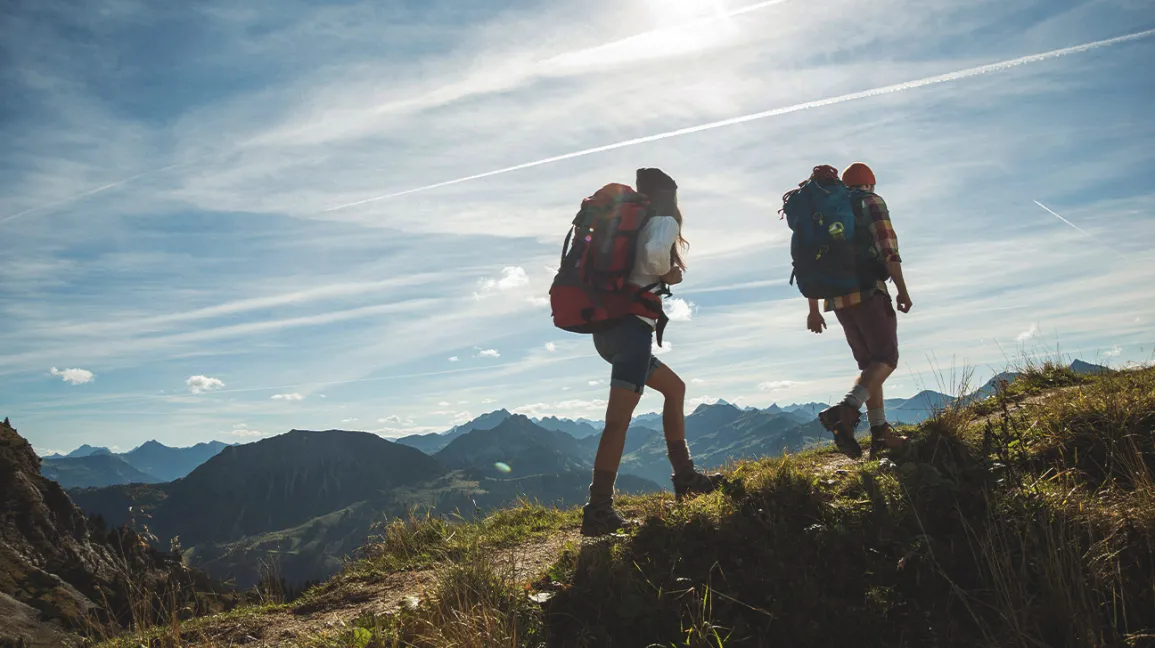
1) Plan ahead so you do not improvise damage
Most trail impact happens when people get surprised: by weather, by darkness, by a full parking lot, by a closed bridge. Planning is the least glamorous LNT skill and the most powerful.
Do this before you go
- Check conditions from the managing agency (park service, forest service, local conservancy) for closures, fire restrictions, and muddy-trail advisories.
- Pick the right trail for the day: match distance, elevation, and daylight to your slowest hiker. “We’ll see how it goes” often turns into off-trail wandering at dusk.
- Start earlier than you think on popular hikes. If the trailhead is overflowing, pivot to a less-loved trail instead of parking on vegetation or blocking access roads.
- Carry the basics: map or offline GPS, headlamp, layers, rain shell, and enough food and water to avoid risky shortcuts.
Modern twist: If a location is trending on social media, assume it will be busier, noisier, and more fragile than your last visit. Build a Plan B that you are genuinely excited about.
2) Stay on the trail, even when it is tempting
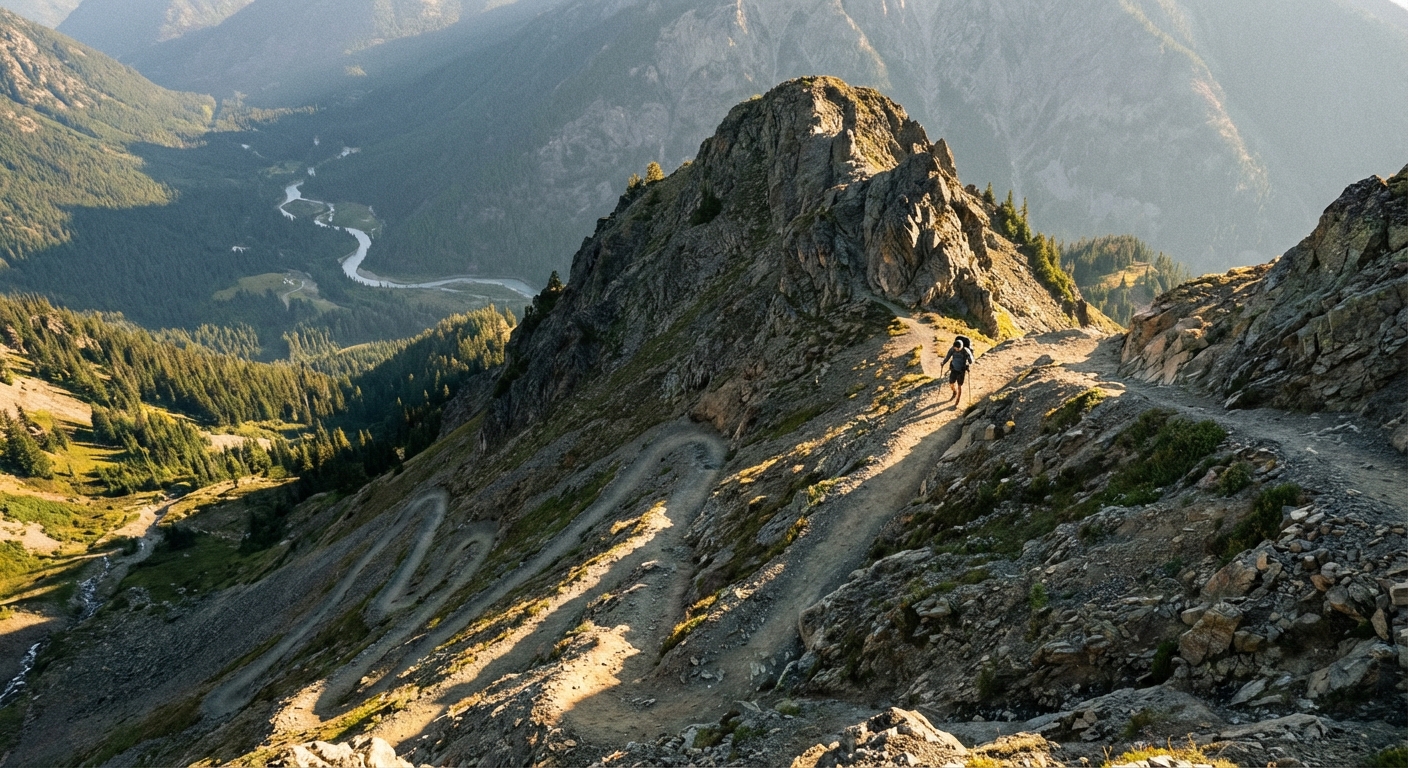
Cutting switchbacks and stepping off trail feels harmless in the moment. Multiply that by a thousand boots and you get widened trails, braided paths, and vegetation that cannot recover.
Trail-protecting habits
- Walk single file in the middle, even through mud. Skirting the edge widens the trail and kills plants that hold soil in place.
- Do not cut switchbacks. Switchbacks are erosion control, not a suggestion.
- At viewpoints, stand on rock, sand, or durable surfaces instead of crushing alpine plants near the edge.
- When the trail is flooded or snow-covered, follow the official route if it is safe. If you must detour for safety, keep the detour short and on durable ground, then rejoin the trail.
3) Pack out everything, including the stuff people argue about
“Pack it in, pack it out” includes more than wrappers. It includes scraps, tissues, and the tiny things that slip out of pockets.
What to pack out (yes, all of it)
- Food scraps like orange peels, apple cores, and nut shells. They attract animals, can introduce non-native seeds, and do not decompose the way people think.
- Micro-trash like bar wrapper corners, twist ties, cigarette butts, and bottle caps. These are the most common items I pick up on trail.
- Dog waste (more on that below). Bagging it and leaving it “for later” still counts as litter.
A simple system that works
- Bring a dedicated trash bag (a zip-top bag works) and a second bag for “messy” items.
- Do a two-minute sweep at every break spot before you leave. Look for the tiny bits that fall out when you open a snack.
- Pack out other people’s trash when you can. One extra wrapper is a high-impact good deed.
4) Handle human waste the right way, every time
There is nothing glamorous about this section, but it matters. Poor waste practices contaminate water, create health risks, and are a major reason areas get restricted.
If there is a toilet, use it
At trailheads and popular routes, toilets exist for a reason. Use them even if it adds a few minutes at the start or end.
If you have to go in the backcountry
- Go far from water: at least 200 feet (about 70 big steps) from lakes, streams, and dry washes.
- Choose a durable spot: mineral soil is better than fragile vegetation.
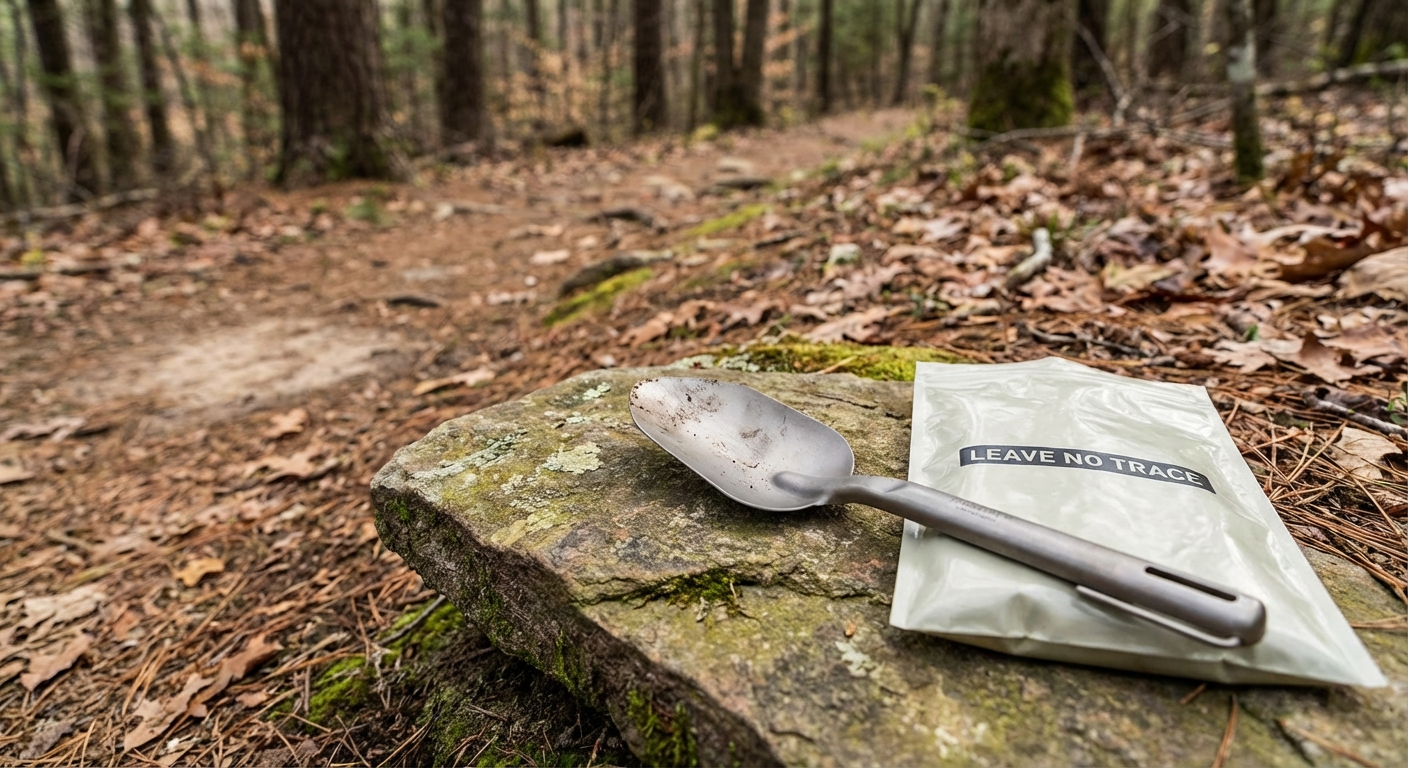
- Dig a small cathole: typically 6 to 8 inches deep in most environments, then cover it thoroughly.
- Pack out toilet paper in a sealed bag. Animals dig it up and it rarely decomposes fast in dry or cold places.
When you should pack it out
Some high-use or sensitive places require wag bags or other pack-out systems. Follow local rules. If an area is popular enough to have signs about it, it is popular enough that impact adds up fast.
5) Leave what you find, including the “cute” rocks
Souvenirs belong in a museum gift shop, not in your backpack. Natural objects are habitat, history, and sometimes research data.
What to avoid taking or altering
- Wildflowers, rocks, shells, antlers, feathers. Even if they seem abandoned, they may be shelter or nutrients for something else.
- Cairns and rock stacks. They confuse navigation and disturb habitat. Keep official trail markers intact, but resist the urge to build your own.
- Carving initials into bark, benches, or sandstone. It lasts far longer than the relationship that inspired it.
Try this instead: Take photos, sketch a quick scene in your notes, or pin the location in your map app for a future return.
6) Be smart with campfires, or skip them
Campfires are a vibe, I get it. They can also be a source of wildfires, scarred campsites, and depleted deadwood. In many places, the most responsible fire is no fire.
If you can skip it
- Bring a warm layer and a hot drink. A small stove and a thermos do more for comfort than a smoky fire.
- Use a headlamp and enjoy the dark. Night skies do not need extra light.
If fires are allowed and you choose to have one
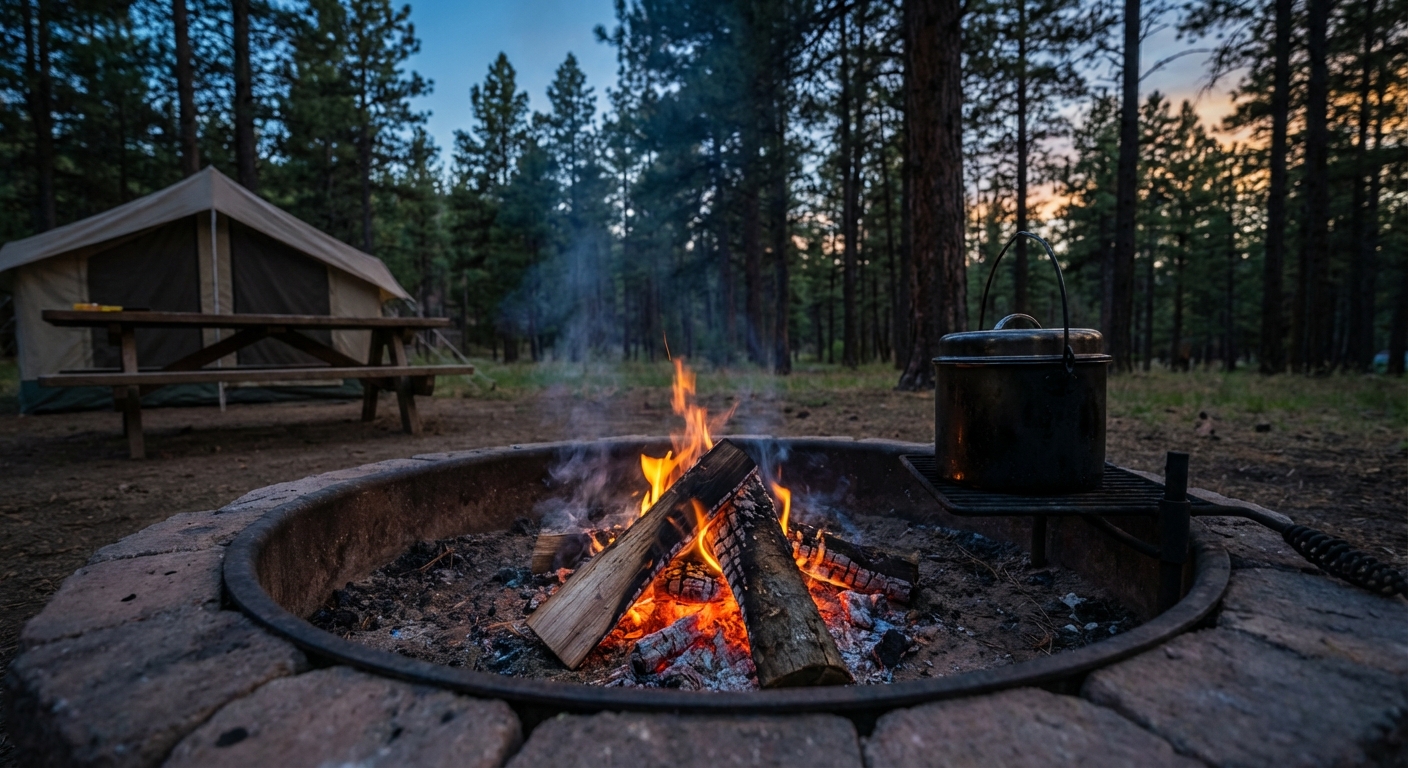
- Use established fire rings, not new pits.
- Keep it small. Big bonfires are not safer or better.
- Burn only small, dead, downed wood if collecting is permitted. Never break branches off trees, even dead ones.
- Drown, stir, and feel before leaving. If you cannot touch the ashes, it is not out.
7) Respect wildlife by being boring and predictable
The best wildlife encounters are the ones where the animal keeps doing what it was doing. Feeding, approaching, or crowding wildlife changes behavior and can get animals killed.
Wildlife-safe behavior
- Keep your distance and use zoom. If an animal changes its behavior because of you, you are too close.
- Never feed wildlife, intentionally or by accident. Store food securely and do not leave packs unattended at overlooks.
- Hike quietly, especially at dawn and dusk when animals are most active.
- Control pets. Even friendly dogs can stress wildlife or trigger defensive behavior.
Modern twist: Drones are restricted or prohibited in many parks and wilderness areas. Check the rules before you go, and if they are allowed, keep your distance and avoid wildlife entirely. If you are posting wildlife photos, avoid geotagging sensitive locations and never reveal nesting or denning sites. The crowd that follows can do real damage.
8) Share the trail like you share a city sidewalk
Leave No Trace is also social. Crowded trails are both ecosystems and communities. Your choices affect both.
Low-impact trail etiquette
- Yield thoughtfully. A common practice is downhill hikers yielding to uphill hikers, but it is not universal. Prioritize what keeps everyone stable and safe. Also note that hikers generally yield to horses and pack stock. Step onto durable surfaces, not fragile plants.
- Keep groups small when possible. Large groups are louder, harder to pass, and rougher on narrow trails.
- Volume check. If you are playing music, you are choosing the soundtrack for everyone. Use headphones or enjoy the ambient playlist: wind, water, birds.
- Take breaks off the main path to avoid blocking traffic and widening trails.
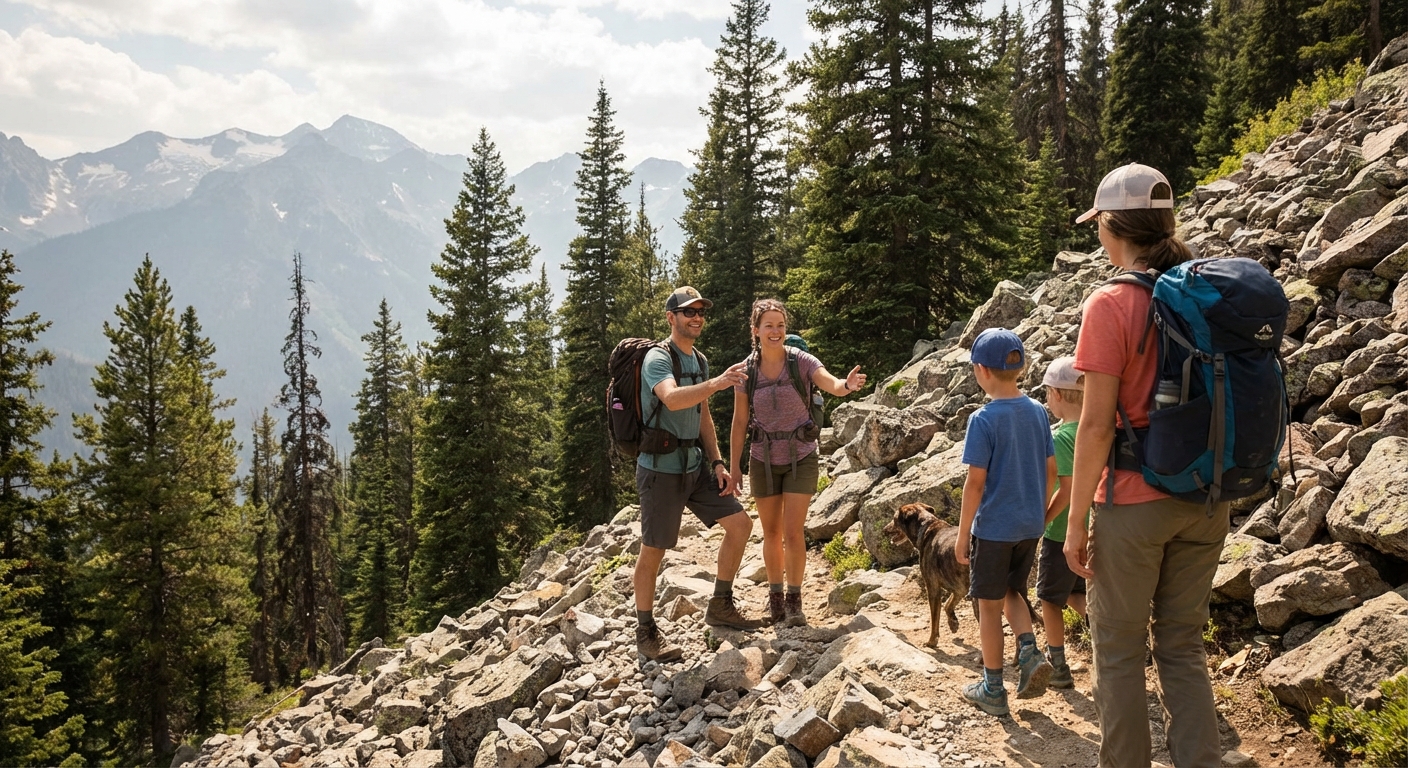
9) Make your hike dog-friendly and trail-friendly
I am pro-dog on trail, when it is done responsibly. Dogs can also be a major source of conflict and environmental impact if we treat them like they are in an off-leash park.
Dog LNT essentials
- Follow leash rules and use a leash in high-traffic, wildlife-heavy, or narrow areas even if it is not required.
- Pack out waste. Carry extra bags and a dedicated container so you are not tempted to leave it. If you bag it, it leaves with you.
- Keep dogs out of fragile water edges where banks erode easily and where amphibians may be present.
- Yield space to hikers who are nervous around dogs. A short leash and a calm sit goes a long way.
A quick Leave No Trace checklist
If you only remember one thing, make it this: your future self wants to return to a place that still feels like a place.
- Check rules and conditions before you go
- Stay on the main trail, do not cut switchbacks
- Pack out all trash, scraps, and hygiene items
- Handle human waste properly or pack it out where required
- Leave natural objects where they are
- Skip fires when you can, keep them small when you cannot
- Give wildlife space, store food securely
- Keep noise low and share the trail kindly
- Manage dogs responsibly and pack out their waste
Small actions, big access
Here is the part people do not say out loud: Leave No Trace is also how we keep access. When trails stay healthy and communities stay supportive, areas do not need as many restrictions, closures, and permits.
So pack the trowel. Take the extra minute to stay on trail. Carry out the micro-trash. Then reward yourself the way I do: with a great local coffee on the drive home and the satisfaction of leaving the mountains exactly how you found them.