Little Annapurna Scramble From the Core Enchantments

Maya Lin
Maya Lin is a travel journalist and outdoor enthusiast who believes the best trips combine rugged adventures with urban comforts. After spending six years backpacking across four continents, she founded Trail & Town Guide to help fellow travelers navigate both hidden mountain passes and bustling city neighborhoods with confidence.
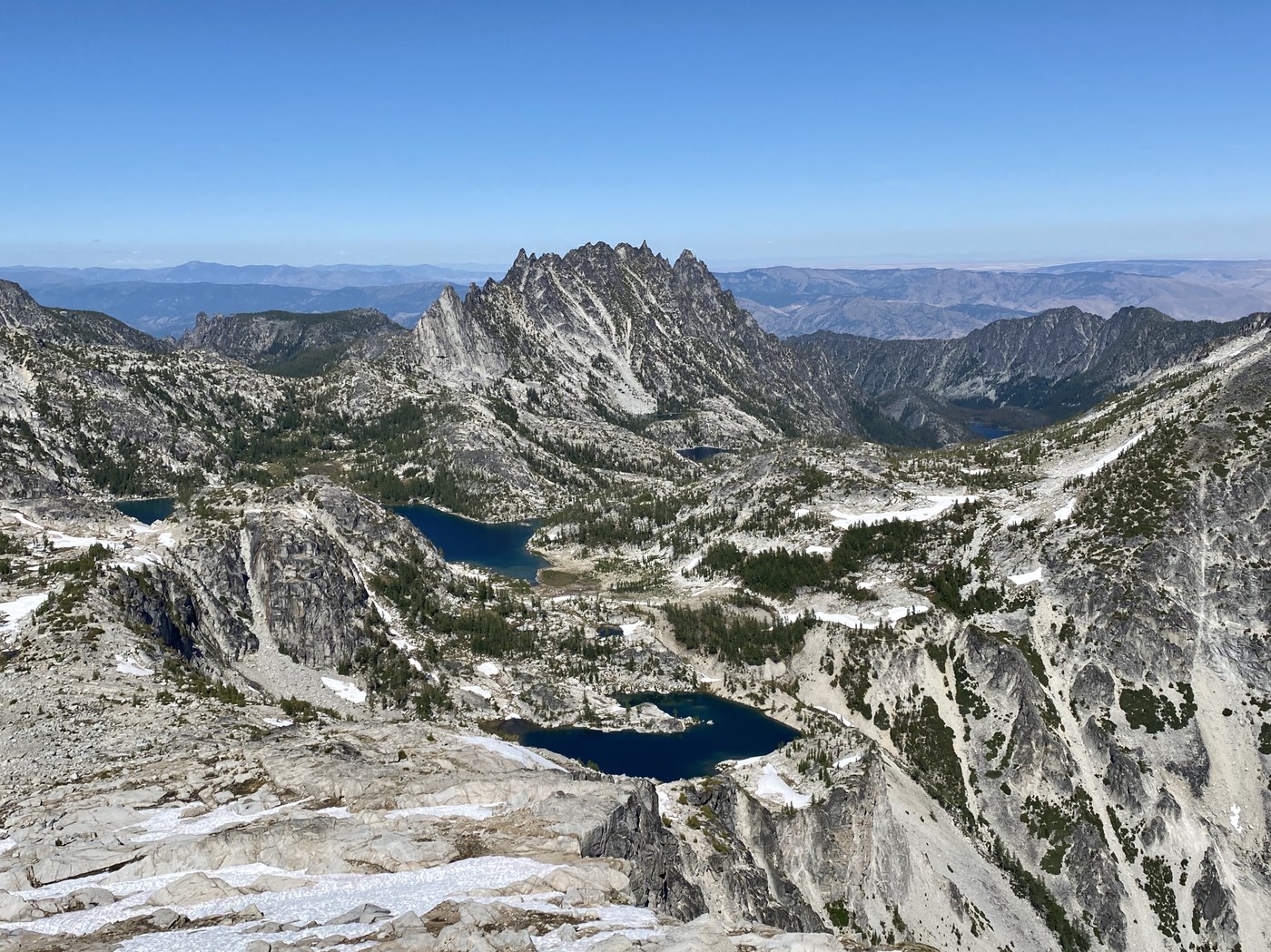
The first time I looked up at Little Annapurna from the upper Core Enchantments, it felt almost rude not to go. You are already surrounded by granite and larches and those impossibly blue lakes, and then there is this compact summit right there, like a bonus level you can unlock if you still have legs.
Little Annapurna is not a maintained trail from the Core. It is an off-trail scramble on steep, loose alpine terrain with real consequences if you pick the wrong gully, push into sketchy snow, or ignore weather building over the Stuart Range. If you have solid route-finding judgment and you are comfortable with Class 2 to easy Class 3 scrambling, it is one of the most rewarding add-ons in the Enchantments.
Quick reality check
This guide starts from the upper Core Enchantments and assumes you are already up there, either after climbing Aasgard Pass from Colchuck or after coming in via Snow Lakes. (If you are looking for advice about getting up Aasgard, stop at the pass and handle that as its own objective.)
- Route type: Off-trail scramble on granite, talus, sand, and seasonal snowfields.
- Difficulty: Often described as Class 2 with short Class 3 moves, depending on line choice, conditions, and comfort.
- Why it is tricky: Multiple gullies and ribs look “about right” and some are loose, cliffy, or end in steeper scrambling than expected.
- Best for: Experienced hikers who can navigate without cairns and turn around early without ego.
Permits and rules
The Enchantments are special because they are managed tightly. If you are overnighting, you need the correct Enchantments overnight permit for your zone. Day hiking does not require an overnight permit, but you are still on the hook for all the usual rules: pack out trash, protect fragile vegetation, and keep wildlife wild. If you are not sure what applies to your plan, check current Forest Service guidance before you go.
When to go
After Aasgard, if you are still strong
After topping out on Aasgard, most people need a break, a snack, and a mental reset. The mistake I see is charging straight for a summit while dehydrated and salt-depleted. Give yourself enough time in the Core to eat, filter water, and re-check the weather before you commit.
- Sweet spot: Mid to late morning on a stable forecast, after you have recovered from the climb and before afternoon clouds build.
- Good sign: You can keep a steady pace on uneven talus without stumbling from fatigue.
- Bad sign: You are already behind your day plan before even leaving the basin.
If you approached from Snow Lakes
Coming in from Snow Lakes tends to be longer and more cumulative, even if it feels less dramatic than Aasgard. If you are day-hiking from the Snow Lakes side, Little Annapurna can turn into a “summit tax” that costs more time than you budgeted.
- Sweet spot: If you are overnighting in the Core and can summit early the next morning.
- Day-hike reality: Consider Little Annapurna only if your pace has been consistently faster than expected and you have a hard turnaround time you will respect.
Route overview
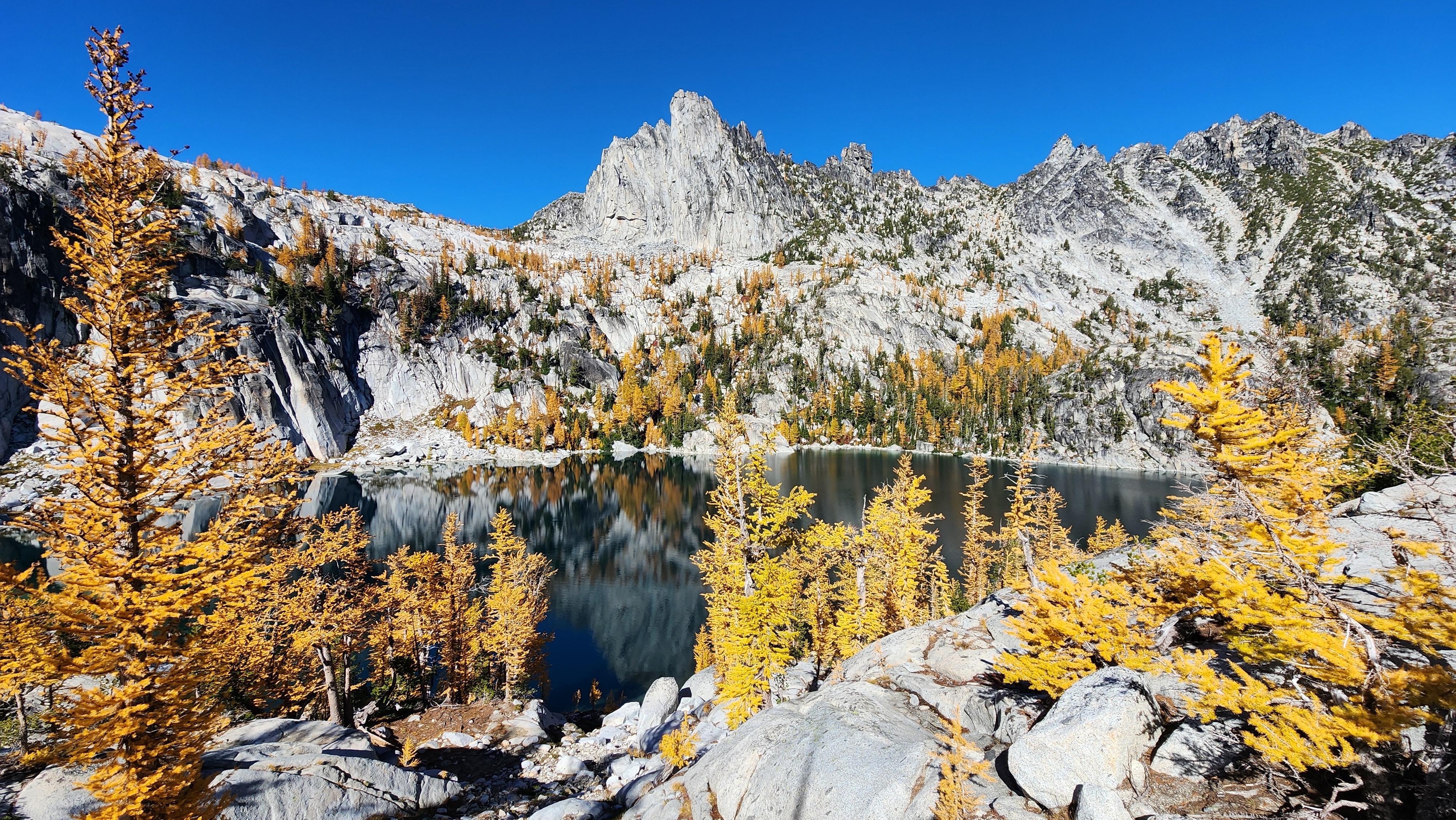
Where you are starting from: When people say “upper Core,” they usually mean the higher lakes area around the Perfection Lake and Inspiration Lake basin, trending upward toward the broad granite benches below McClellan Peak and Dragontail. You do not need to tag a specific named lake to do this, but you do want to be in the highest part of the Core basin, above the busier lower lakes.
From the upper Core, Little Annapurna is generally accessed via the broad basin above the highest lakes, then up the south and southeast side of the peak. On dry ground, most parties link together slabs and stable talus. In early season, the same terrain can be snow-covered, turning a casual scramble into a steep snow climb.
Key concept: You are aiming for the gentlest-looking ramp and rib system rather than committing to the first steep gully you see. Gullies in the Enchantments can be a mix of ball-bearing sand and refrigerator-sized blocks. They can also funnel rockfall if there are parties above you.
Typical line (dry-season feel)
- Start from the upper Core lakes area and traverse toward the base of Little Annapurna on open granite.
- Angle up on talus and slabs, generally staying on ribs when possible because they are often more stable than the loose center of gullies.
- Near the top, pick the easiest weakness to the summit block, often involving short hands-on scrambling.
What “off-trail” means here
Do not expect a consistent boot path. You might find sporadic cairns, but you should treat them as suggestions, not instructions. In a landscape like this, cairns also get built by well-meaning people who were just as uncertain as you are.
Distance and gain
Because this is off-trail, there is no single official mileage. Most parties experience Little Annapurna as roughly a 2 to 3 mile round trip add-on from the upper Core lakes area, with about 1,200 to 1,600 feet of elevation gain, depending on where you start, what line you take, and how much you wander around the slabs.
Navigation tips
Granite basins are beautiful precisely because they are open and clean. They are also notorious for making everything look the same on the way down, especially when granite benches and talus fields start blending together. My best navigation habit in the Enchantments is embarrassingly simple: I stop, turn around, and look back at my ascent line every few minutes, like I am studying the exit door in a crowded coffee shop.
- Use big landmarks: Lakes, obvious granite benches, and the overall profile of Dragontail and McClellan Peak help you stay oriented.
- Avoid committing to a “mystery notch”: If your line requires you to drop into a blind pocket to see if it goes, it usually costs time and energy.
- Keep your descent in mind: If you are climbing something you would not want to downclimb, reassess before it gets harder.
- Visibility matters: In smoke, fog, or incoming clouds, navigation gets exponentially harder. Little Annapurna is a great choice on a clear day and a poor choice in flat light.
Snow season
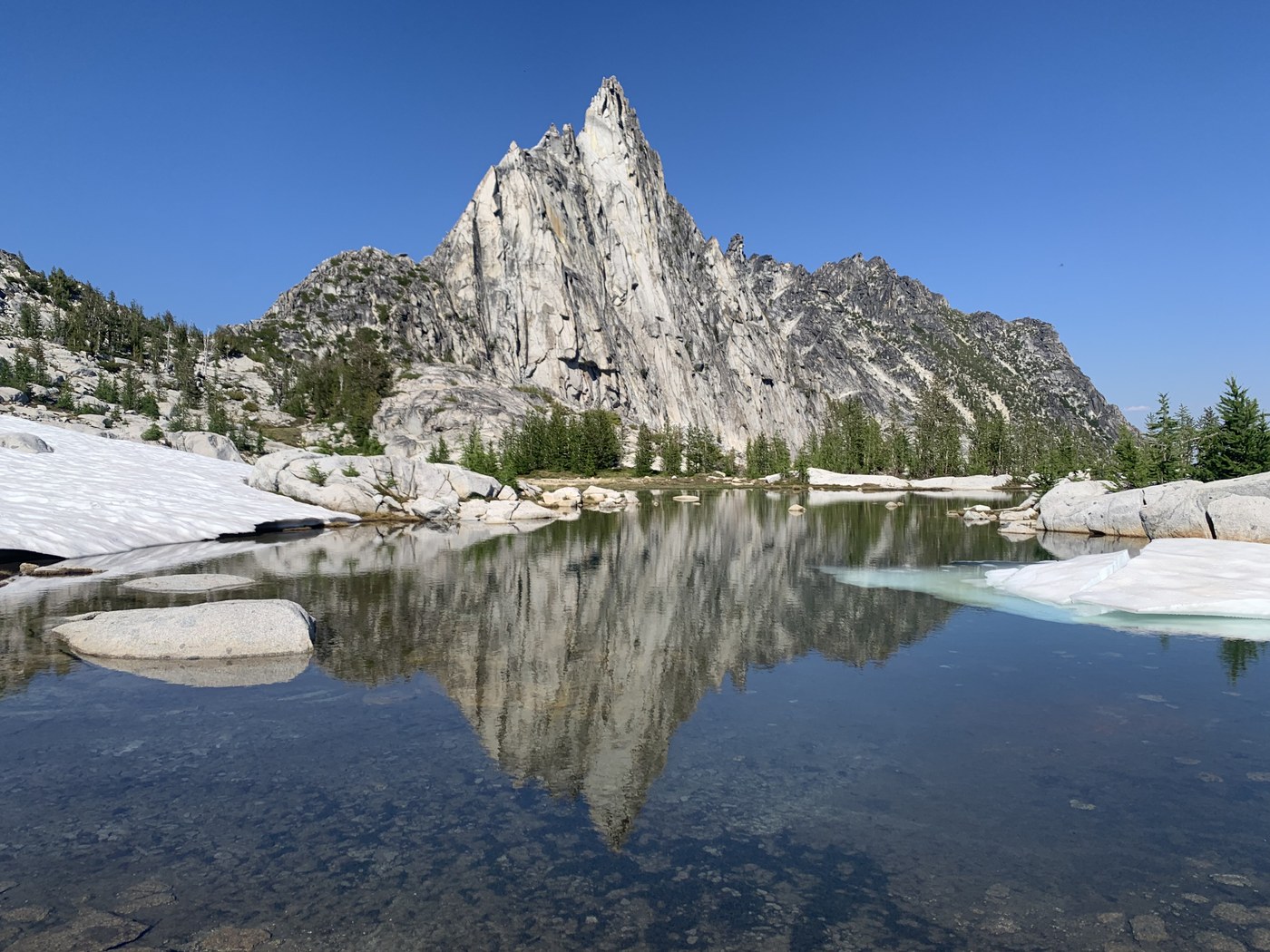
Early season and shoulder season can leave snowfields draped across the approach and upper slopes. That changes the risk profile fast, especially if you are transitioning between rock and snow repeatedly.
What to watch for
- Morning firmness: Early starts can mean hard, slick snow. A slip can run long, even if the slope does not look extreme at first glance.
- Afternoon softness: Later in the day, postholing and rotten snow can turn the climb into a slog and make ankle injuries more likely.
- Runout: Ask yourself where you would end up if you fell. Granite benches and boulders in the runout are a loud “no.”
- Moats and gaps: Late-season snow often pulls away from rock, creating hidden holes that are easy to step into.
Gear and skills reality
If you are relying on a trekking pole poke-test and hope, you are not equipped for steep snow travel. In firm conditions, microspikes may not be enough, and an ice axe only helps if you actually know how to arrest a fall. If you do not have the tools or training, the smartest move is to enjoy the lakes, shoot photos, and save the summit for a drier window.
My personal rule: if I am hesitating because the snow feels like it could turn a simple scramble into a slide, I do not negotiate with that voice. I turn around.
Mountain goats
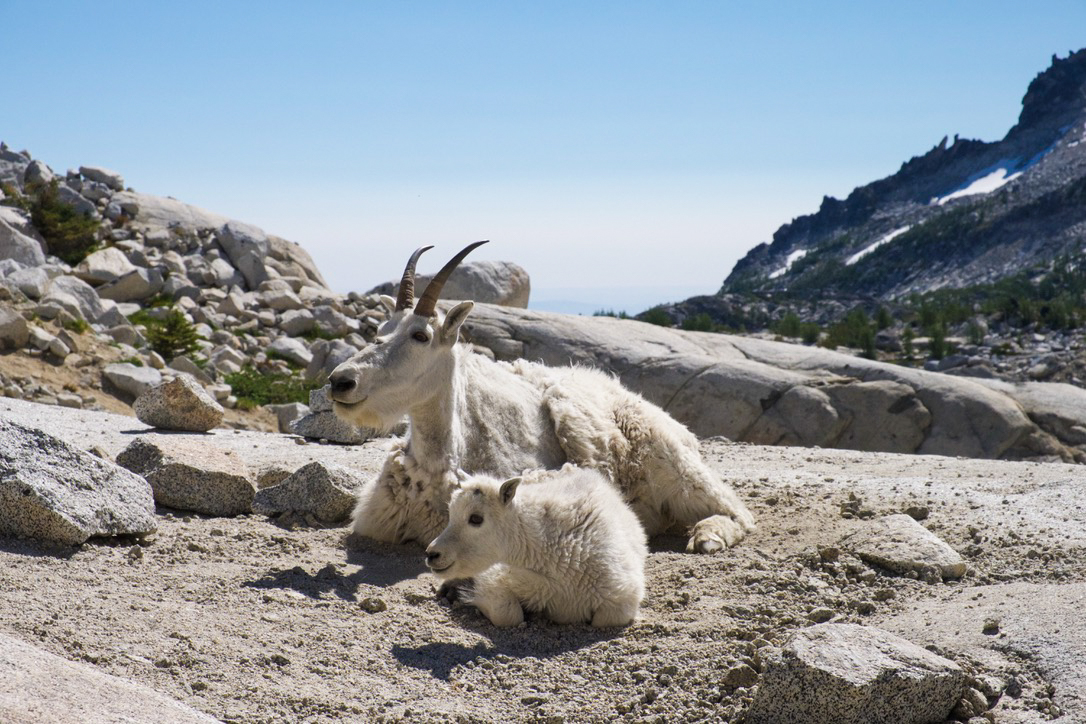
The Enchantments are famous for mountain goats, and yes, you might see them on the approach or near the summit. They are beautiful. They are also habituated to humans and can be pushy because they crave salt, and that pushiness can cross into aggressive behavior if people crowd them or accidentally reward them.
- Keep distance: If a goat is on your line, stop and let it move. Do not try to “shoo” it off a narrow ledge.
- Be smart about bathroom breaks: Goats may approach urine for salt. Follow local guidance and Leave No Trace principles, and do not let goats crowd you. If a goat starts closing the distance, move away and give it room.
- Do not feed: Ever. Even accidental feeding changes behavior.
- Secure salty items: Trekking pole grips, sweaty hats, and packs left unattended can get investigated.
Time budget
People underestimate Little Annapurna because it is “right there.” Off-trail travel is slower than it looks, and the Core is full of distractions that you will want to linger over because it is stunning.
From the upper Core basin (typical summer conditions)
- Ascent: roughly 1 to 2 hours, depending on line choice, comfort on talus, and how often you stop for route checks.
- Summit time: 10 to 30 minutes, longer if it is calm and you brought enough layers to sit.
- Descent: roughly 45 minutes to 1.5 hours, often slower than expected because downclimbing and loose footing demand attention.
- Total add-on: plan on 2.5 to 4.5 hours round trip from the upper Core lakes area. Add time for crowds, snow, route-finding detours, and where you start within the basin.
Time traps to budget for
- Route-finding corrections and backtracking
- Snow crossings that require careful steps
- Waiting for other parties in narrow sections
- Extended breaks because the views are ridiculous
When to skip it
I love a summit, but I love getting home on time more. Skip the scramble if any of these are true.
- Weather is building: Thunderstorms, graupel, or fast-moving clouds are not “maybe” problems on exposed granite.
- Visibility is poor: Smoke and haze can erase landmarks and make route-finding on the descent stressful.
- You are behind schedule: If your exit is long, you need margin. The Enchantments punish late starts and slow exits.
- The snow feels consequential: Hard snow with bad runout, or soft snow with postholing and hidden gaps.
- You are already shaky on talus: If you are tripping often, your body is telling you something.
- Goats are crowding you: If goats are not giving space, do not escalate the situation on a narrow ridge.
There is no shame in calling it at the basin. Some of my favorite Enchantments days never included a summit, just slow laps between lakes and the kind of quiet that makes you forget your inbox exists.
What to pack
This is where my carry-on-only brain meets alpine reality: keep it light, but do not skimp on the pieces that keep you stable and warm when the wind kicks up.
- Navigation: offline map on your phone plus a small power bank. In off-trail terrain, battery is safety.
- Footwear: trail runners work for many in dry conditions, but choose what you trust on talus.
- Layers: a wind layer and an insulating layer. Summits are often noticeably colder and windier than the lakes.
- Water plan: filter in the basin before you climb. Scrambling thirsty is how mistakes happen.
- Sun protection: sunglasses and sunscreen. Granite reflects.
- Optional for early season: traction and an ice axe only if you have the skill to use them.
Etiquette and safety
The Enchantments are not the place for loose-rock bravado.
If there are other climbers below you, treat every step like you are carrying a tray of coffee. Slow is smooth.
- Watch your feet: If you dislodge rock, yell a clear warning and stop moving until it settles.
- Spread out: Avoid stacking people directly above and below in a gully.
- Give space at cruxy moves: Let one party clear a tricky spot before the next commits.
- Leave no trace: Stay durable. Granite and talus are best. Avoid trampling fragile plants that cling to tiny soil pockets.
Emergency note
Do not count on reliable cell service in the Core. If you have a satellite communicator, this is the kind of terrain where it actually earns its keep. Either way, tell someone your plan and your latest reasonable turnaround time, then stick to it.
FAQ
Is Little Annapurna technical?
In typical summer conditions, most hikers experience it as a non-technical scramble with some hands-on moves. Early season snow can change that dramatically.
Do I need a rope?
Most parties do not carry a rope for Little Annapurna in dry conditions. If you are considering a rope because you feel uneasy, that is often a sign the scramble is outside your comfort zone or conditions are not right.
Is the descent harder?
Often, yes. Loose terrain is more awkward on the way down, and it is easier to drift into the wrong gully. Take your time and keep checking that you recognize the terrain.
Can I add it late in the day?
I would not count on it. Late-day light and fatigue make route-finding and footing worse. If you want the summit, build your day around it, not around wishful thinking.