Little Yosemite Valley Permit From Happy Isles

Maya Lin
Maya Lin is a travel journalist and outdoor enthusiast who believes the best trips combine rugged adventures with urban comforts. After spending six years backpacking across four continents, she founded Trail & Town Guide to help fellow travelers navigate both hidden mountain passes and bustling city neighborhoods with confidence.
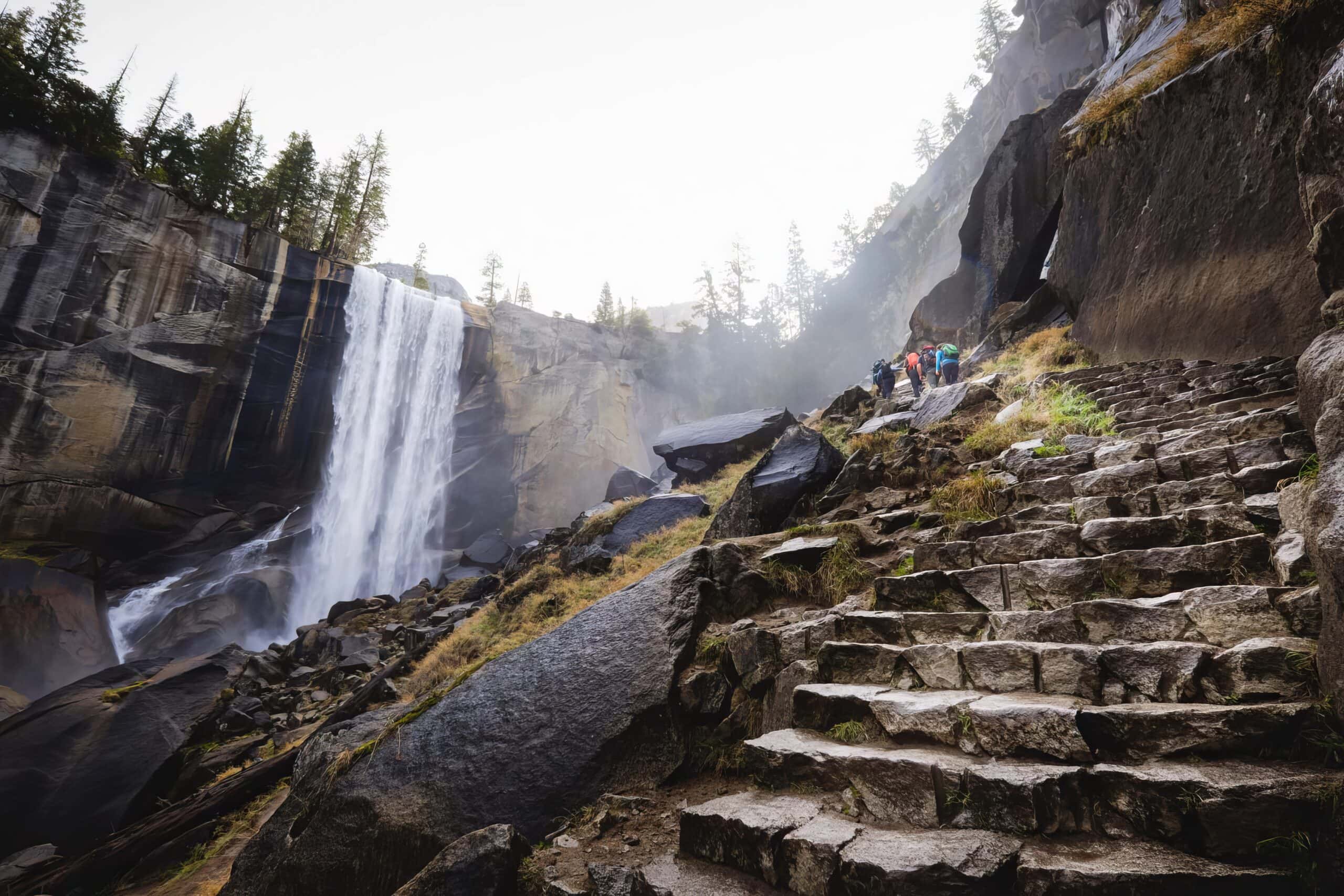
The Mist Trail to Vernal and Nevada Falls is one of those Yosemite days that feels like a highlight reel: granite steps, thunderous spray, rainbow mist, and that moment when Nevada Fall finally shows itself and everyone goes quiet. The catch is that if you keep going toward Little Yosemite Valley (LYV) and plan to camp overnight, you are traveling under wilderness regulations and you need a Yosemite wilderness permit with the correct entry trailhead for your first night.
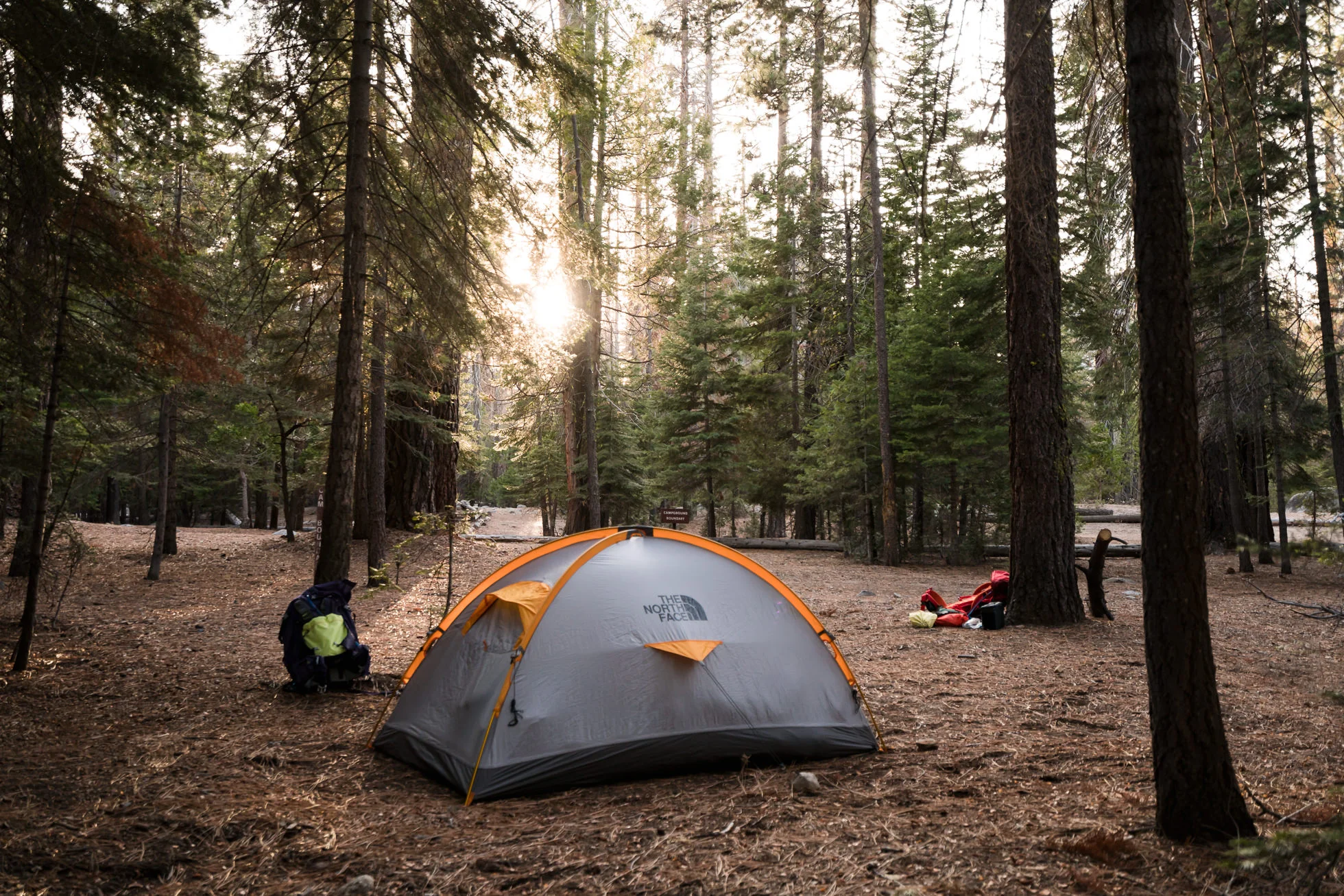
Below is the practical version of how the permit system works, what to book, what to expect at camp (yes, toilets and water exist, but read the fine print), and how an LYV night can pair beautifully with Half Dome if you also secure the cables access.
What permit you actually need
For an overnight at Little Yosemite Valley coming from Yosemite Valley, you generally want a wilderness permit with an entry trailhead of Happy Isles that allows your first night to be in the LYV area.
In plain terms:
- Day hikers can hike to Vernal Fall and Nevada Fall without a wilderness permit.
- Overnight hikers who plan to camp beyond the day use corridor and spend the night in the backcountry (including Little Yosemite Valley) need a wilderness permit.
- Your permit is tied to your entry trailhead quota and your start date. It is not a free form backcountry pass.
Important nuance: you can reach LYV from other trailheads too (for example, via routes that start from Glacier Point Road when it is open), but if your plan is the classic Valley start, focus on the Happy Isles options.
When you book, read the trailhead label carefully. Yosemite often lists more than one Happy Isles entry, and they can come with different first night rules. You are looking for the Happy Isles permit that explicitly allows travel up the Merced River corridor and a first night in the LYV area, not a Happy Isles entry aimed at a different first night zone.
Happy Isles quota basics
Happy Isles is the front door to some of Yosemite’s biggest ticket terrain: Nevada Fall, Little Yosemite Valley, the Half Dome spur, and onward routes toward Sunrise, Merced Lake, and the Cathedral Range. Because of that, the Happy Isles daily wilderness quota is one of the most competitive in the park.
Two things to know before you hit refresh a hundred times:
- Quota is per trailhead entry per day, not per campsite. LYV feels busy because many itineraries funnel through it.
- Some permits are reservable in advance, and some inventory can be held back depending on the season and Yosemite’s current system.
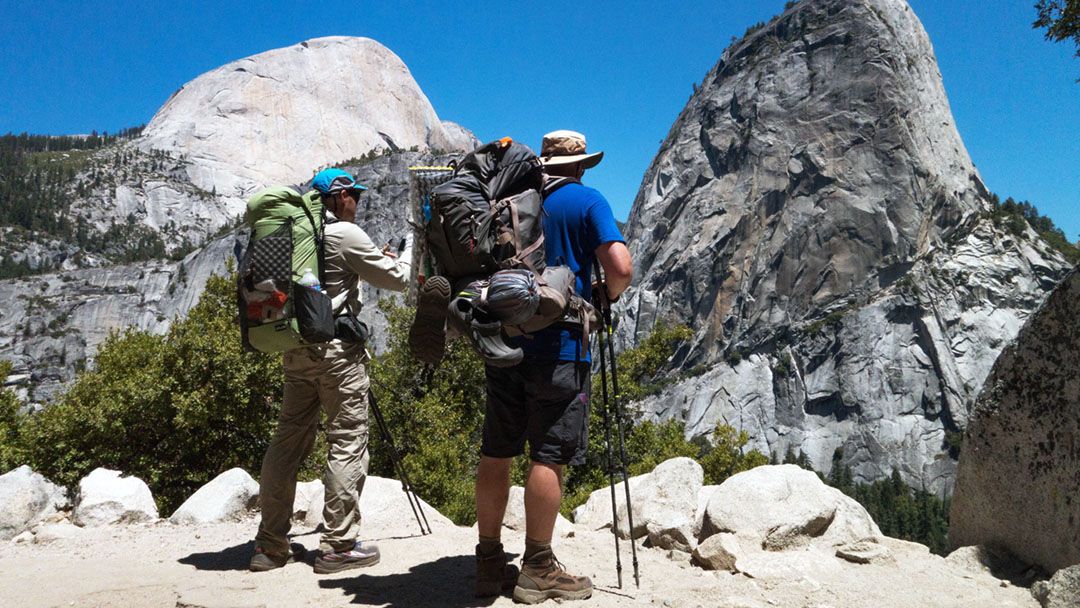
If you can be flexible on weekday starts, shoulder season dates, or group size, you will have a much easier time.
Reservation window and booking
Yosemite wilderness permits are managed through the park’s official reservation system. The exact reservation window, release time, and how much last minute availability exists can change year to year, so confirm the current rules on Yosemite National Park’s wilderness permit page before you plan your whole trip around one date.
That said, the pattern is consistent:
- You book a permit for a specific entry trailhead (Happy Isles) and start date.
- Group size matters. Smaller groups often find space first.
- There is usually a clear rule for when unclaimed reservations can be released. Know that cutoff.
My practical strategy: pick two or three start dates, be willing to take a Happy Isles option that routes you via the John Muir Trail if the Mist Trail flavored option is gone, and aim for midweek.
One concrete check before you commit: verify the current release day and time for reservations, and whether any same week or walk up inventory exists this season (and how it is distributed). Yosemite changes this often enough that it is worth 60 seconds of confirmation.
Mist Trail vs John Muir Trail
When people say “Happy Isles to Little Yosemite Valley,” they often picture the Mist Trail. In reality, you can reach LYV via either the Mist Trail or the John Muir Trail (JMT), and the best choice depends on season, trail conditions, and your knees.
Mist Trail
- Shorter and more direct to Vernal and Nevada Falls.
- Can be slippery and very crowded in summer.
- Spring and early summer can mean serious spray. Think good tread and trekking poles. Save microspikes for icy shoulder season conditions.
John Muir Trail
- Usually a bit longer with more gradual grades.
- Great if you prefer fewer granite staircases and less mist soaked traffic.
- Often used as a descent route even when people ascend the Mist Trail.
Many overnight hikers go up one and come down the other for variety. Your wilderness permit ties to the entry trailhead, not which of these two you step on every minute of the day. Still, always follow seasonal closures and routing rules. Yosemite sometimes implements Mist Trail specific restrictions (including one way routing or closures during certain conditions), and that can change your plan on the fly.
Permit pickup and verification
Yosemite requires you to pick up or otherwise verify your wilderness permit before you hike. This step is not just bureaucracy. It is how the park confirms you have the right itinerary, understands current fire and bear restrictions, and has a record of who is in the backcountry.
- Location: typically a Yosemite Valley wilderness center or permit station used for wilderness permits.
- Timing: there is usually a deadline on your start date. Miss it and your permit can be released.
- Bring: photo ID, your reservation confirmation details, and make sure the listed trip leader is the person handling pickup or verification.
Procedures can vary by season. Sometimes it is in person pickup, sometimes it is a self issue style process, sometimes it involves a QR code or printing. Whatever the method, confirm the current process and hours before you arrive.
Bear canisters are required
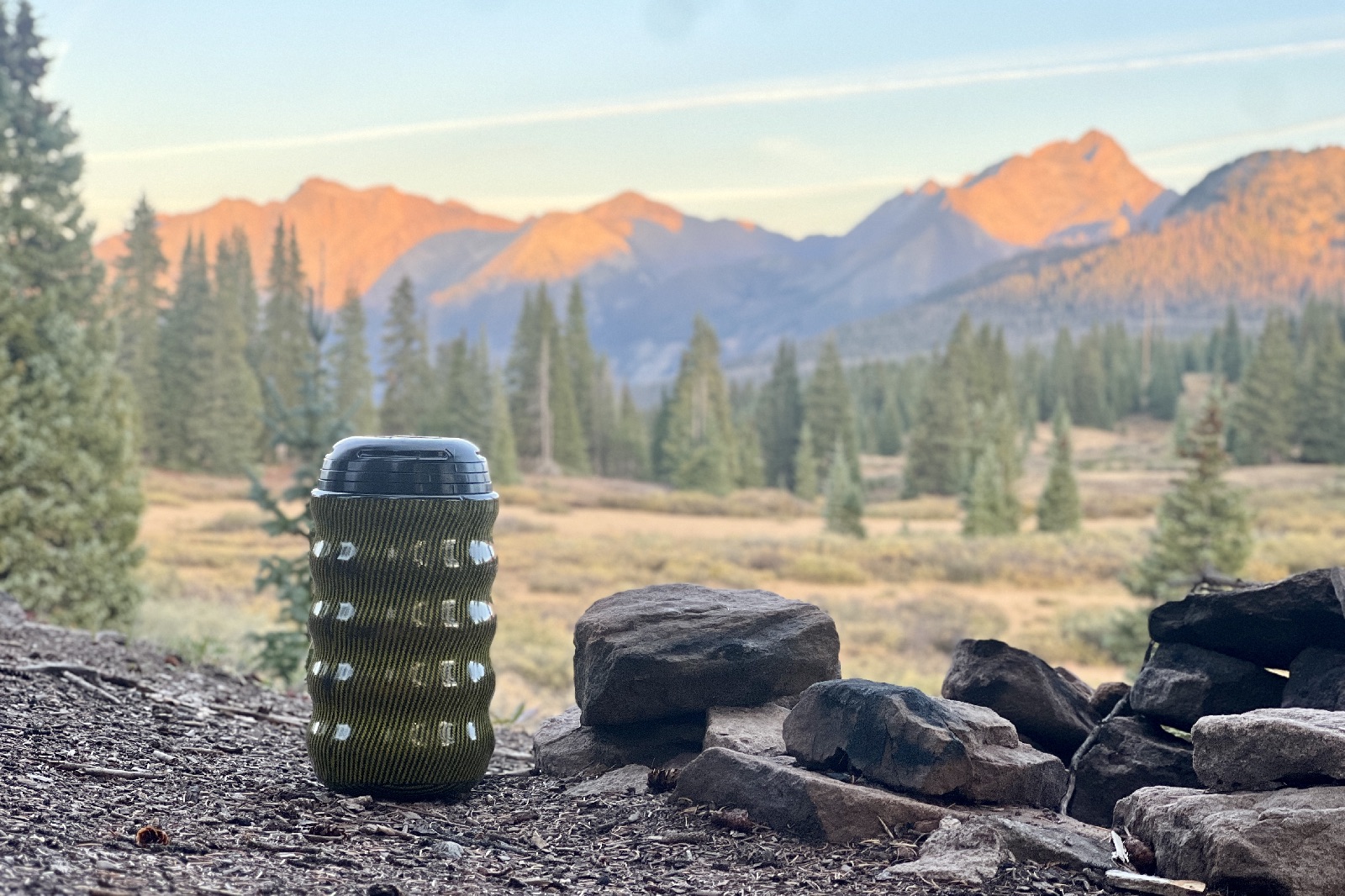
If you camp in Little Yosemite Valley, plan on carrying a hard sided bear canister. This is standard Yosemite backcountry practice, and it is taken seriously for good reason. Bears here are persistent, clever, and very practiced around human food.
- Use a canister big enough for all food and scented items: trash, toothpaste, sunscreen, lip balm, and anything that smells like a snack.
- Store it closed and latched, and place it away from your sleeping area (follow ranger guidance on distance).
- Do not count on hanging food. Yosemite regulations are built around canisters.
What LYV camp is like
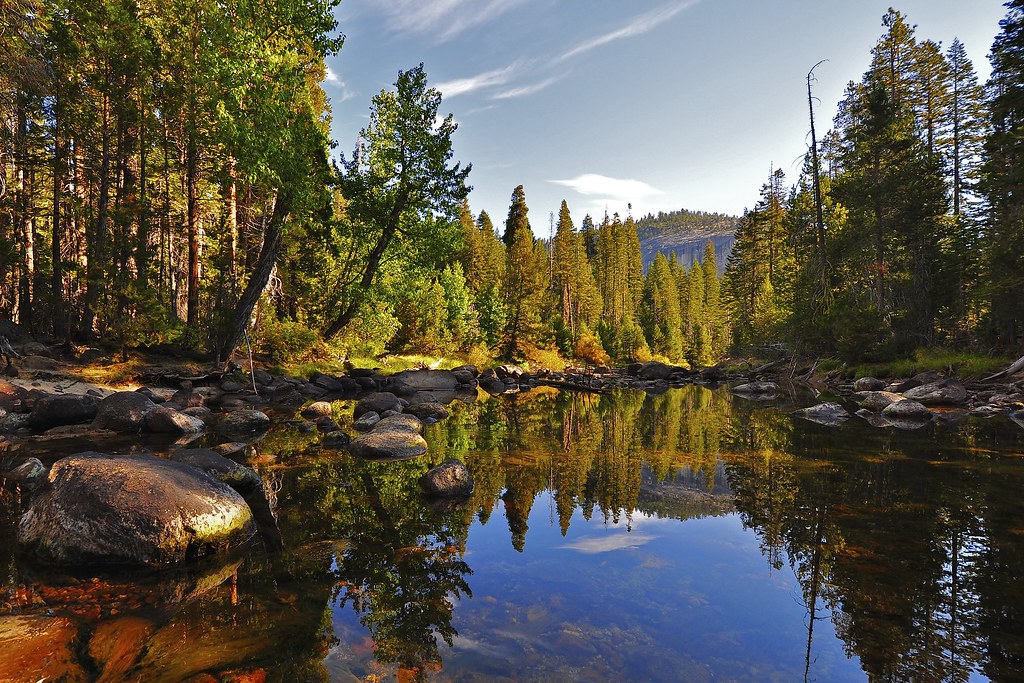
Little Yosemite Valley is not a secret. It is popular for a reason. It is also surprisingly comfortable by backcountry standards, which is part of why I love it as a first Yosemite overnight for hikers who want a rugged day with a more forgiving camp setup.
Where you can camp
Plan to camp in the designated backpackers camping area in Little Yosemite Valley, and follow posted rules about where tents can go. In general, do not camp right on the riverbank and do not create new sites. If you are unsure what is allowed, ask at permit pickup because seasonal restoration work and closures can shift boundaries.
Toilets
There are typically composting toilets in the LYV area. Still bring your own toilet paper and hand sanitizer because supplies can run low and conditions change.
Water
There is typically access to water from the Merced River and nearby sources, but you must treat or filter everything. Water availability and advisories can vary with season and management rules. Ask at permit pickup for the current best source locations.
Food storage
Keep camp clean. Cook away from your tent, pack out all trash, and avoid scented items in your sleeping area.
Campsite vibe
Expect a social atmosphere in peak season. If you want quieter, aim for shoulder season or pick a site farther from the main foot traffic while still staying within the allowed camping area.
Half Dome and your permit
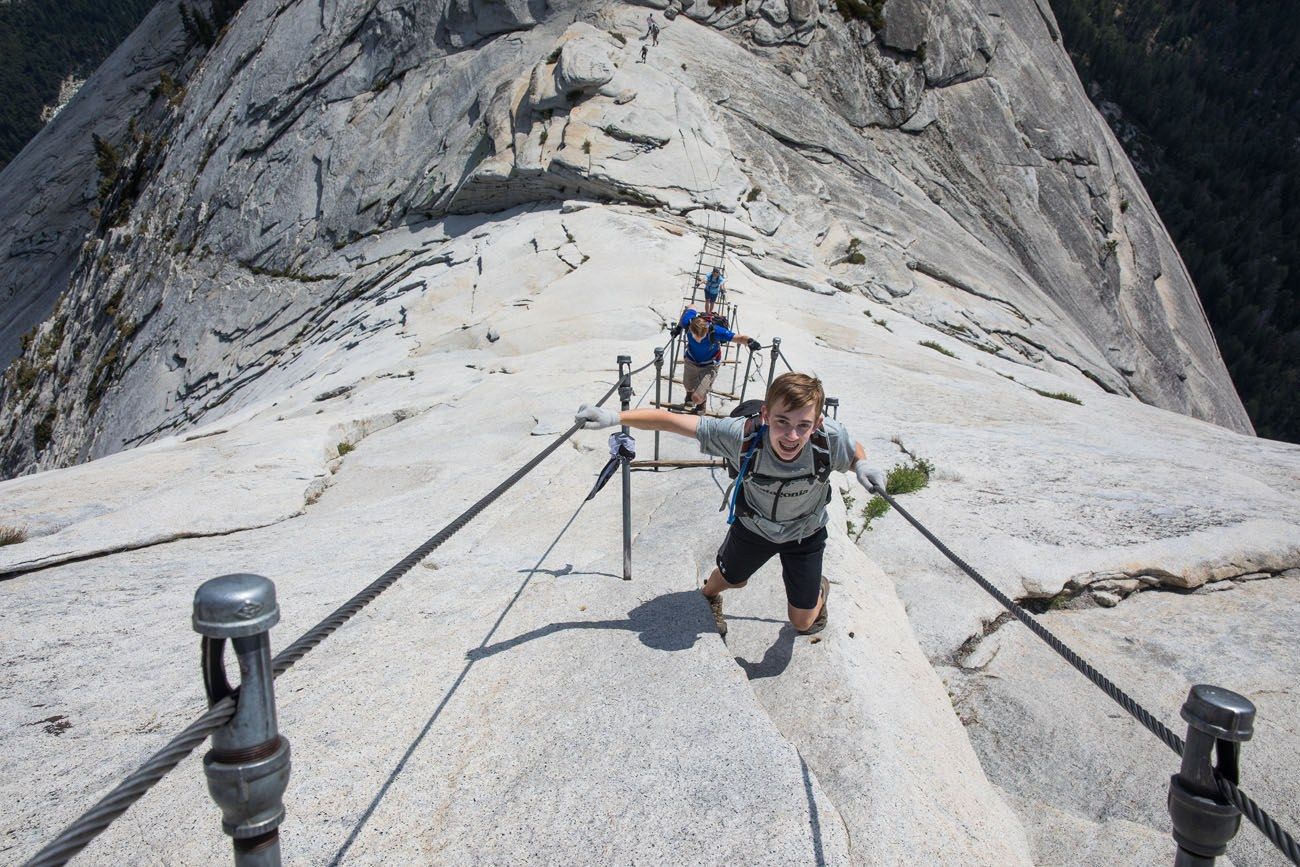
This is the part that trips up a lot of first timers: an LYV wilderness permit does not automatically include Half Dome cables access.
Here is the clean separation to keep in your head:
- Wilderness permit: allows you to camp overnight in the backcountry, including Little Yosemite Valley, based on your trailhead quota and itinerary.
- Half Dome access: is controlled separately from standard wilderness camping. Day hikers use a standalone lottery, and backpackers typically need to request Half Dome as an add on during the wilderness permit booking process when that option is offered.
In other words, if Half Dome is part of your dream itinerary, look for the Half Dome request option while you are doing the wilderness permit application and do not assume you can tack it on later. Rules and availability can change by year, so confirm the current process during booking.
If you do have both squared away, LYV becomes the classic staging point: hike up from Happy Isles, camp, then start early for Half Dome the next morning and enjoy the cables before the day hike crowd peaks.
Suggested overnight plan
If your goal is “Mist Trail magic, sleep in LYV, maybe do Half Dome,” this is the flow I recommend for most reasonably fit hikers who pack light.
Day 1: Happy Isles to LYV
- Distance and gain: roughly 4.5 to 6 miles one way depending on routing, with about 2,000 to 2,500 feet of elevation gain.
- Start early from Happy Isles.
- Take the Mist Trail up (or the JMT if you prefer steadier grades or want to avoid the wettest, most crowded stretch).
- Stop at Nevada Fall for a real break, then continue to Little Yosemite Valley.
- Set up camp, filter water, and get dinner done early.
Day 2: Half Dome (optional) then hike out
- Half Dome add on: if you have authorized Half Dome access, start pre dawn.
- Distance and gain: LYV to Half Dome and back is roughly 4.5 to 5.5 miles round trip with about 1,500 to 1,700 feet of gain, then add your hike out to the Valley.
- Return to LYV, break camp, and hike out via the JMT for a knee friendlier descent if conditions and routing rules allow.
If you are not doing Half Dome, LYV is still worth the overnight. You can explore nearby river areas, relax under the pines, and enjoy that rare Yosemite quiet that happens after most day hikers turn back.
What to pack for LYV
I am a carry on only traveler in cities, and in Yosemite I bring that same energy: fewer items, better choices.
- Bear canister: required.
- Water treatment: filter, purifier, or tablets. Always.
- Layers: it can be hot hiking up and chilly at night.
- Headlamp: essential if you are starting early for Half Dome.
- Footing support: grippy shoes and trekking poles if your knees complain on descents.
- Sun protection: hat, sunglasses, sunscreen. Granite reflects.
And one small luxury I never regret: a real instant coffee packet or a tiny pour over. LYV mornings deserve a good cup.
Rules that can ruin your trip
- Start date matters: your permit is valid for the date and trailhead you reserved. Do not wing it.
- Camp where allowed: follow all posted rules about camping zones, distance from water, and closures.
- Fire restrictions: stoves are usually fine, wood fires are often restricted. Confirm current regulations at pickup.
- Pack out trash: including food scraps. Leave No Trace is not optional here.
- Keep wildlife wild: secure food, never feed animals, and do not treat squirrels like campground pets.
FAQ
Can I camp at LYV with just a Half Dome permit?
No. Half Dome access controls the cables route. Camping overnight requires a Yosemite wilderness permit.
Can I day hike to LYV without a wilderness permit?
If you are not camping overnight and you are following day use rules, you can hike the corridor. The wilderness permit is for overnight travel and camping.
Do I need to specify Mist Trail or John Muir Trail?
Your permit is anchored to the Happy Isles entry and the first night rules for that permit. In practice, people use both the Mist Trail and JMT to reach the same area, but you must follow seasonal closures, one way routing, and ranger instructions in effect during your trip.
Are there bear lockers at LYV?
There are communal food storage lockers in the LYV backpackers area in many seasons, but do not plan your safety strategy around infrastructure. Yosemite still requires you to bring and use a bear canister for food and scented items in the wilderness.
Is there reliable water at LYV?
There is typically access to water in the area, but reliability depends on season and conditions. Always treat your water and confirm current source info at permit pickup.
My last tip
It is easy to think of Yosemite permits as red tape. I get it. But they are also what keeps LYV from turning into a chaotic free for all. Once you have the right Happy Isles wilderness permit secured, you can hike past Nevada Fall with a light kind of confidence: you are not just visiting Yosemite’s front country highlights. You are earning an overnight in the canyon, where the river noise replaces traffic and the granite glows pink right before dark.