London to Bath Day Trip

Maya Lin
Maya Lin is a travel journalist and outdoor enthusiast who believes the best trips combine rugged adventures with urban comforts. After spending six years backpacking across four continents, she founded Trail & Town Guide to help fellow travelers navigate both hidden mountain passes and bustling city neighborhoods with confidence.
Bath is my favorite kind of day trip: you get a UNESCO World Heritage-listed dose of history, a genuinely walkable center, and enough café stops to keep your London pace feeling civilized. You can do it in a single day without sprinting, as long as you treat the train plan like your trailhead logistics: know your start point, lock in your timing, and keep your route simple.

Step 1: Pick your London departure station
For Bath, you’re almost always aiming for London Paddington. Most fast services run on the Great Western Main Line, typically operated by GWR. If you’re staying in central London, Paddington’s also easy to reach via the Elizabeth line, Bakerloo, Circle, District, and Hammersmith & City lines.
Good to know: You’ll often find a direct train, but some itineraries involve one easy change (commonly at Reading). Total journey time can be similar, so don’t panic if the best-priced option is not direct.
Which Bath station should you use?
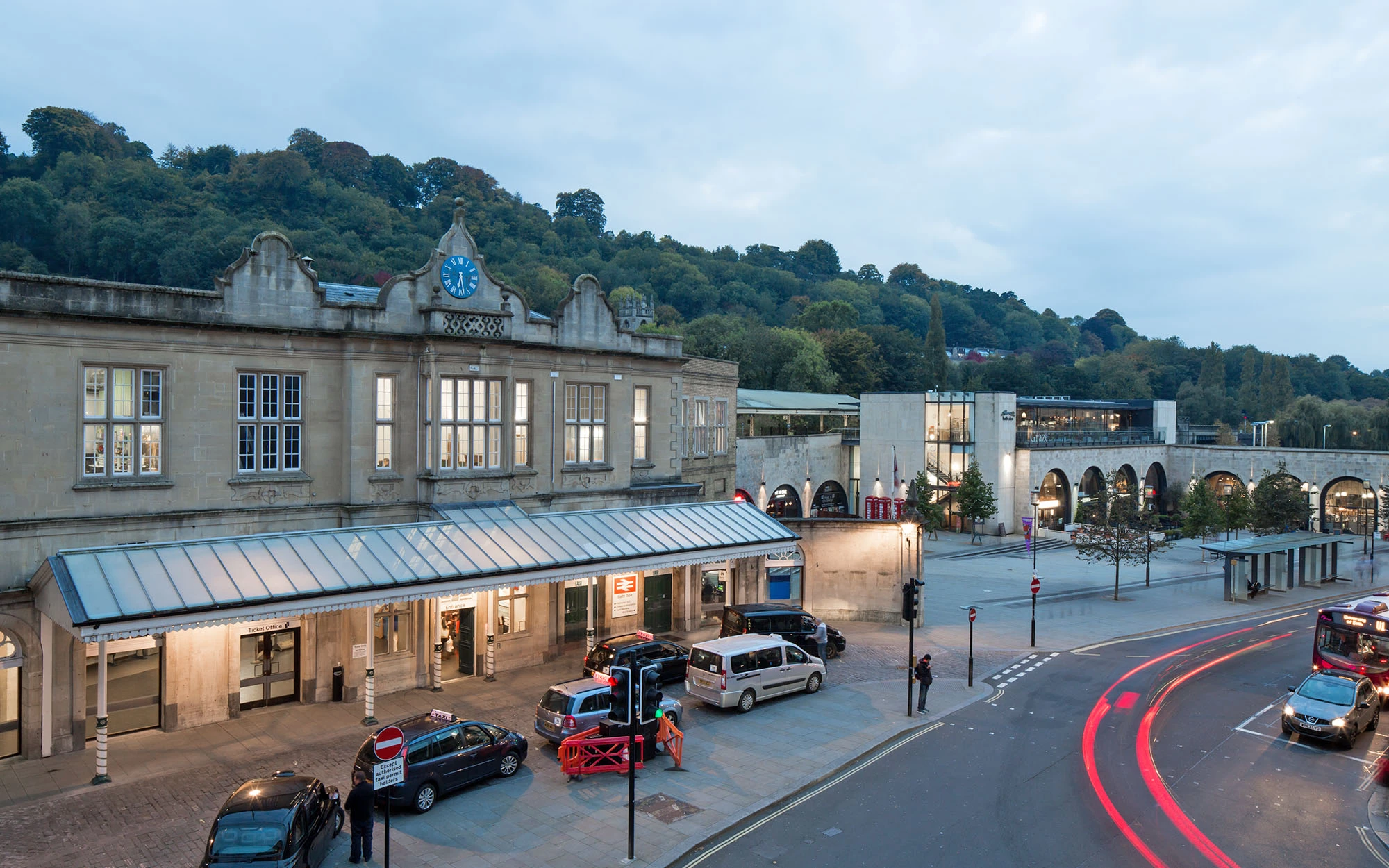
- Bath Spa (recommended): The main station. It’s an easy walk to the historic center and the river.
- Oldfield Park: A smaller station, occasionally useful depending on where you’re staying, but not ideal for a first-time day trip.
Rule of thumb: Buy tickets to and from Bath Spa.
Step 2: Choose a train strategy
Trains from London to Bath are straightforward. The key decision is how much flexibility you want versus how much you want to save.
Option A: Fast and simple
Take a direct or near-direct service from London Paddington to Bath Spa. Journey time is usually about 1 hour 20 minutes to 1 hour 35 minutes, but it can vary (especially on weekends or during engineering works). Always do a quick timetable check for your date.
Option B: Cheapest with planning
Book an Advance ticket. It’s usually the best price, but it ties you to a specific train. Great if you’re comfortable committing to a schedule.
Option C: Most flexible
Buy an Off-Peak or Anytime ticket. These cost more but let you shift your plans if you linger over coffee, get sucked into a museum, or decide you’re not leaving Bath until you’ve done one more slow lap past the Crescent.
Important nuance: Off-Peak is flexible within its rules. It can have time restrictions and sometimes route or operator limits. Check the restriction details shown at purchase (often listed as a “restriction code”).
My personal sweet spot: an Off-Peak ticket for flexibility, plus an early start so the day feels roomy.
Step 3: Buy the right ticket
In the UK, ticket names sound intimidating until you translate them into normal human:
- Advance: Cheapest, fixed train, limited changes.
- Off-Peak: Cheaper than Anytime, more flexible, but restricted.
- Anytime: Maximum flexibility, maximum cost.
- Railcard: Discount card (16-25, Two Together, Senior, etc.). If you qualify and you’ll take more than a couple of train trips, it can pay for itself fast.
Where to buy
- Online/app: National Rail, GWR, Trainline, or any major UK train operator app. Look for e-tickets (QR codes) to skip the machine lines.
- At the station: Ticket machines or the ticket office at Paddington. Fine if you’re buying flexible tickets, riskier for cheap Advance fares.
Seat reservations and luggage
On many services you can reserve a seat, but it’s not guaranteed on every train or ticket type, and it can get suspended during disruption. If it’s available (and you’re traveling on a weekend or a busy time), I’d take it. Luggage is informal: there are overhead racks and luggage areas. For a day trip, a small backpack is perfect.
Step 4: Nail the timing
Bath rewards an early start. Aim to arrive by mid-morning so you can enjoy the historic core before it gets busiest. Build in a little buffer for station-to-center walking, photos, and the occasional “wait, that street is too pretty, I need to detour.”
A practical timeline
- 07:30 to 09:00 Depart London Paddington
- 09:00 to 10:15 Arrive Bath Spa, coffee and orientation walk
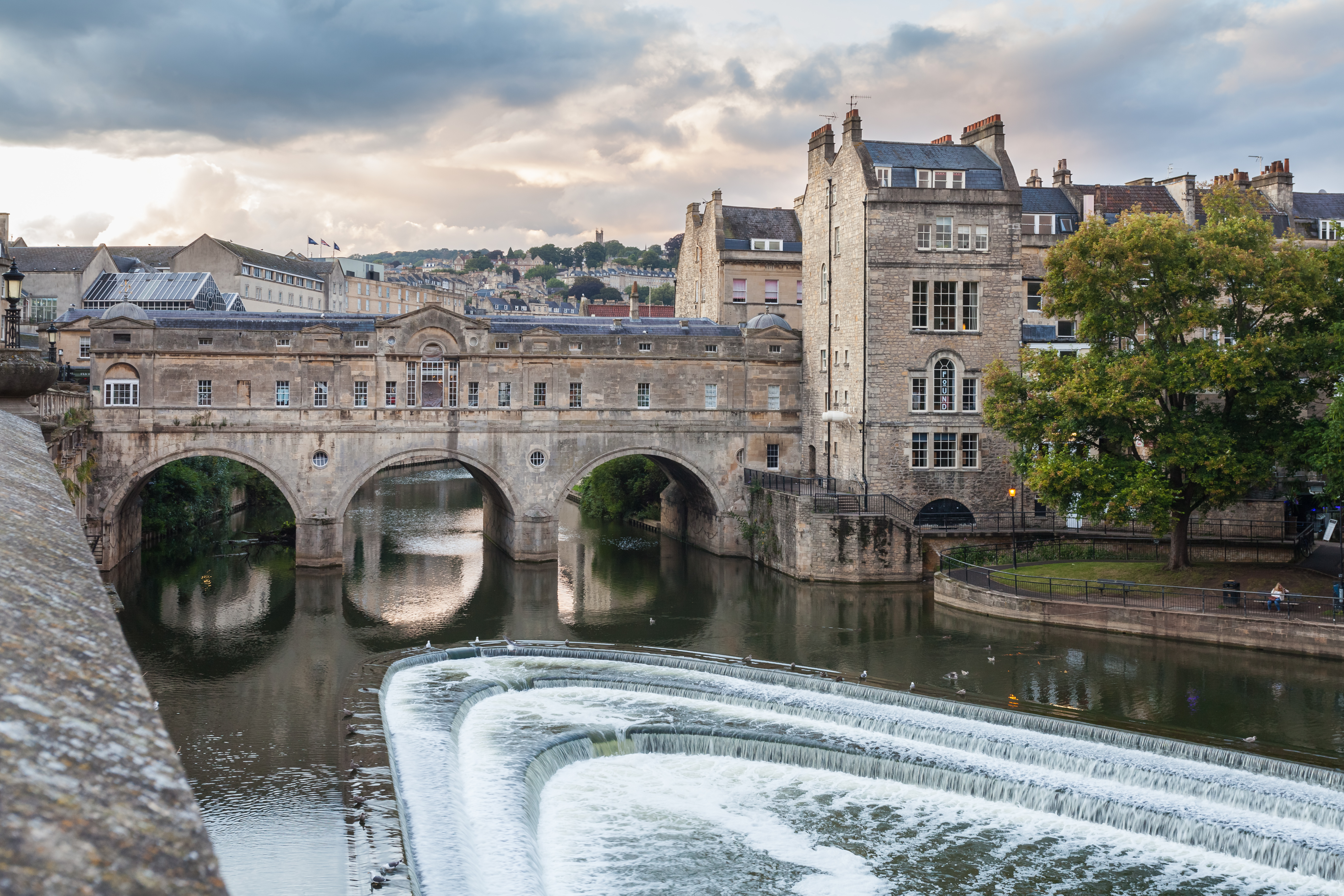
- 10:15 to 11:00 Pulteney Bridge and river view
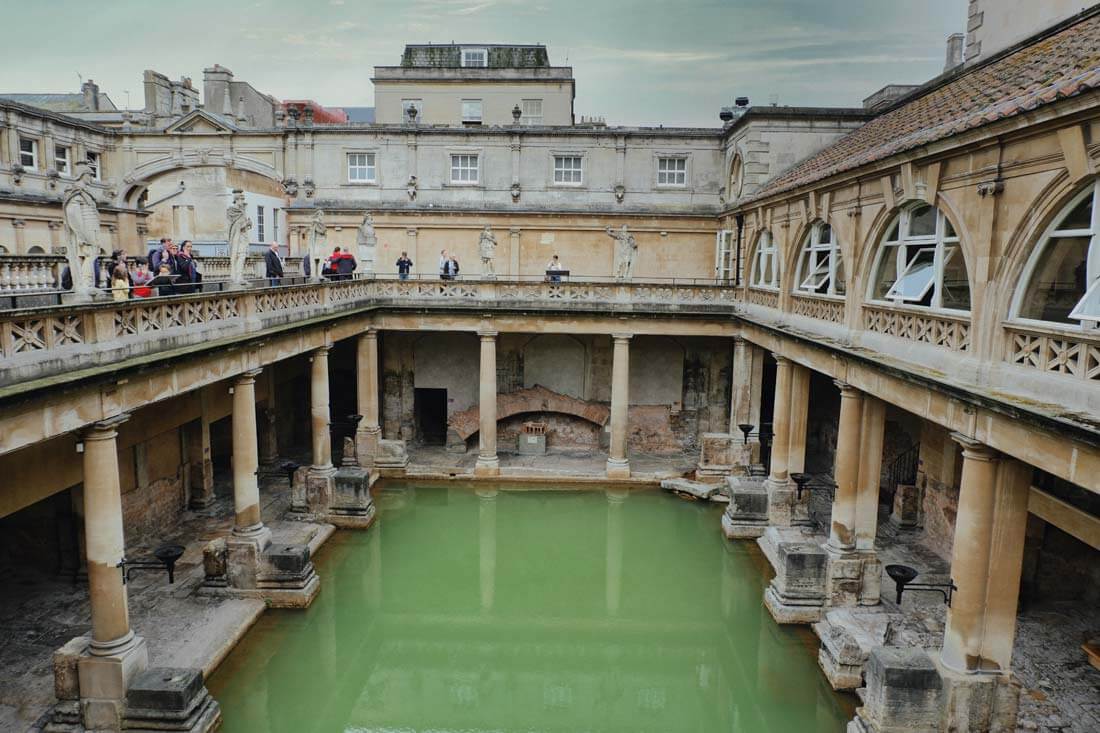
- 11:15 to 13:15 Roman Baths (timed entry)
- 13:15 to 14:15 Lunch
- 14:15 to 15:00 Bath Abbey and central lanes (quick pop-in)
- 15:00 to 17:15 Georgian loop (Circus, Royal Crescent, park)
- 17:15 to 18:15 Coffee or early dinner
- 18:15 to 19:45 Train back (or later, but check last trains)
If you only take one planning step from this whole guide, make it this: pre-book the Roman Baths for late morning. That single timed entry anchors the rest of your day.
Also: Before you leave London, check the last practical train back for your date. It’s the simplest way to keep your evening stress-free.
Step 5: Build your walking route
Bath is tailor-made for walking. You can keep the whole day within a compact loop and still hit the big sights. Below is a route that feels logical on foot, with minimal backtracking.
Start: Bath Spa to the river
From Bath Spa, walk toward the River Avon. This is your quick reset from London: the pace drops, the honey-colored stone shows up, and suddenly everything looks like a period drama set.
Stop 1: Pulteney Bridge and the river view
Pulteney Bridge is one of those rare bridges that is also a shopping street. Walk onto the bridge, then step down toward the river for the classic view of the weir. It’s an excellent first photo stop and a good way to orient yourself.
Stop 2: The Roman Baths (book ahead)
This is Bath’s headline act. The Roman Baths are right in the center, and timed tickets help keep crowds manageable. Expect a well-curated site with audio guides, steaming water, and a surprisingly vivid sense of how this place worked as a social hub, not just a soak.
- How long to allow: 1.5 to 2 hours (add time if you love museum reading)
- Tip: If your entry time is fixed, arrive a bit early so you’re not speed-walking through the front door.
Note: You don’t bathe at the Roman Baths. If you want a soak, you’re looking for Thermae Bath Spa (see below).
Stop 3: Bath Abbey and the surrounding streets
Right next door, Bath Abbey is worth a look for its fan-vaulted ceiling and the calm contrast it provides after the busier museum spaces. Then wander the nearby streets and lanes, which are full of small shops and easy snack stops. If you’re tempted by tower climbs or longer visits, just know it will push the rest of the day back a bit.
Stop 4: The Georgian loop (Circus to Royal Crescent)
After lunch, walk uphill into the city’s Georgian architecture greatest hits. It’s not a brutal climb, but it is a real one.
- The Circus: A perfect circle of townhouses that feels oddly modern and ancient at the same time.
- Royal Crescent: The famous arc of homes and the lawn in front, ideal for a short sit-down break.
- Royal Victoria Park: A green buffer that makes Bath feel like a city built around walking.
Optional detour: Jane Austen Centre
If literature’s your thing, the Jane Austen Centre is compact and fun, and it fits nicely between the central sights and the Georgian loop. If you’re short on time, prioritize the Baths and the Crescent instead.
Step 6: Want a proper soak?
If you want to end your day trip with a spa session, Thermae Bath Spa is the modern option that uses the naturally warm mineral water. The rooftop pool is the main draw, especially later in the afternoon.
- Time needed: 2 to 3 hours for a relaxed visit
- Booking: Reserve ahead, especially on weekends
- Reality check: Spas can have periodic maintenance or schedule changes. If this is the centerpiece of your day, confirm opening times before you commit to trains.
- Trade-off: A spa session will likely replace one chunk of sightseeing, which is totally fine if your goal is slow travel in a single city.
Step 7: Food and coffee stops
Bath is built for meandering, and meandering requires snacks. I plan food stops the way I plan water refills on a hike: frequent, low-stress, and strategically placed.
Easy lunch plan
- Grab lunch in the central area after the Roman Baths so you can head uphill afterward without thinking about it.
- If it’s sunny, consider takeaway and eat in one of the greenspaces near the Georgian area.
Where to aim (simple and practical)
- Near the Abbey: Abbey Green and the small lanes around it are great for a compact lunch stop.
- For an easy stroll-and-shop lane: Milsom Street and George Street are reliable for cafés and quick bites.
- For a post-Crescent breather: The park edges near Royal Victoria Park are perfect for something to-go.
Coffee strategy
Pick one coffee stop in the morning near the center and one in the afternoon near the Georgian loop. It breaks up the walking and keeps your energy steady, which matters more than you’d think if you’re doing Bath and London in the same day.
Step 8: Get back to London
For the return, the biggest mistake is wandering back to the station too late and then discovering your platform is a brisk, confusing walk away. Aim to be at Bath Spa about 15 to 20 minutes before departure, especially if you need to grab a snack, use the restroom, or just find your carriage calmly.
If trains are disrupted
- Check live updates on the operator app (often GWR) or National Rail.
- If you’ve got an Advance ticket and your train is canceled, you can usually travel on the next available service on the same route or operator, or as advised by staff. If you’re unsure, ask for an endorsement or guidance at the station.
- Keep your evening plans in London light. Think dinner near your neighborhood, not a timed theater dash across town.
Accessibility and getting around
Bath’s center is compact, but it’s not flat. The walk up to the Circus and Royal Crescent is a steady hill, and some streets are uneven.
- If you want less climbing, do the riverside and central sights, then consider a taxi up to the Crescent.
- Alternatively, a hop-on, hop-off bus can be a nice way to cover the highlights without turning the day into a stair workout.
- If you need step-free routes, check station and attraction accessibility details in advance since layouts and works can change.
What to pack
- Comfortable walking shoes: Bath is small, but you’ll walk a lot, and some streets are uneven.
- Light rain layer: UK weather loves a plot twist.
- Reusable water bottle: Easy to refill, less plastic, more time wandering.
- Portable phone charger: Tickets, maps, and photos add up.
- Small tote or daypack: For snacks, a scarf, and any market finds you didn’t plan to buy.
Quick priorities
If your day is tighter than expected, use this list:
- Roman Baths
- Pulteney Bridge and river view
- Royal Crescent
- The Circus
- Bath Abbey (swap higher if you love churches and architecture)
Bath is the rare destination where even a simplified plan still feels complete. Keep your route walkable, book the one timed attraction that matters, and let the rest be a gentle drift through stone streets and warm pastry smells.