Madera Canyon Trails and Birding Near Tucson

Maya Lin
Maya Lin is a travel journalist and outdoor enthusiast who believes the best trips combine rugged adventures with urban comforts. After spending six years backpacking across four continents, she founded Trail & Town Guide to help fellow travelers navigate both hidden mountain passes and bustling city neighborhoods with confidence.
Madera Canyon is the Tucson area’s easiest “wait, how is this Arizona?” switch-flip. One hour you are in the saguaro-studded valley heat, the next you are walking under oaks and pines with canyon shade, spring water, and bird calls that feel more Rocky Mountain than Sonoran Desert.
It is also a true Sky Island, an isolated mountain range rising from desert lowlands. That means two things for trip planning: temperatures and wildlife change fast with elevation, and conditions can shift quickly during monsoon season. This guide helps you choose the right trail from the main recreation area trailheads, set realistic birding expectations, and keep the day smooth with parking, fees, and safety rules.
Quick orientation
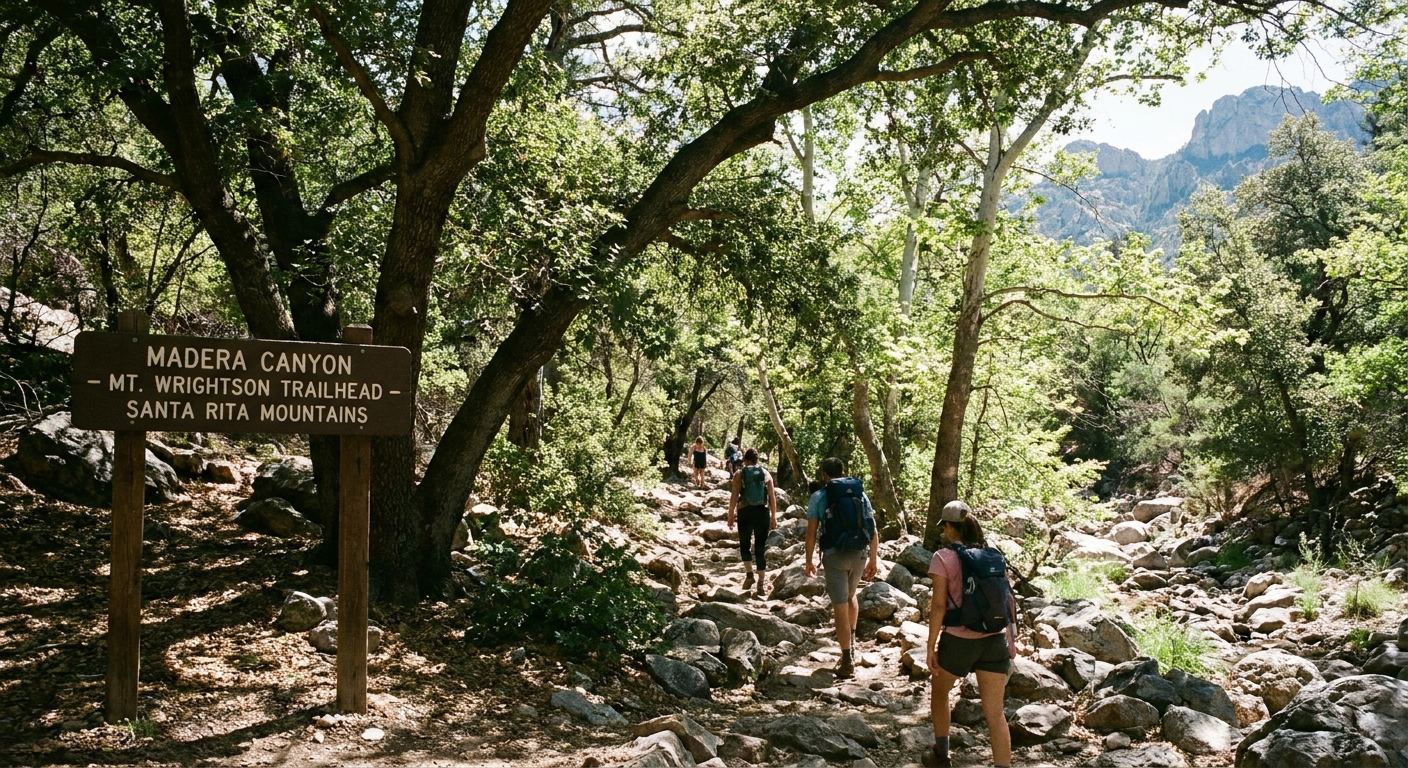
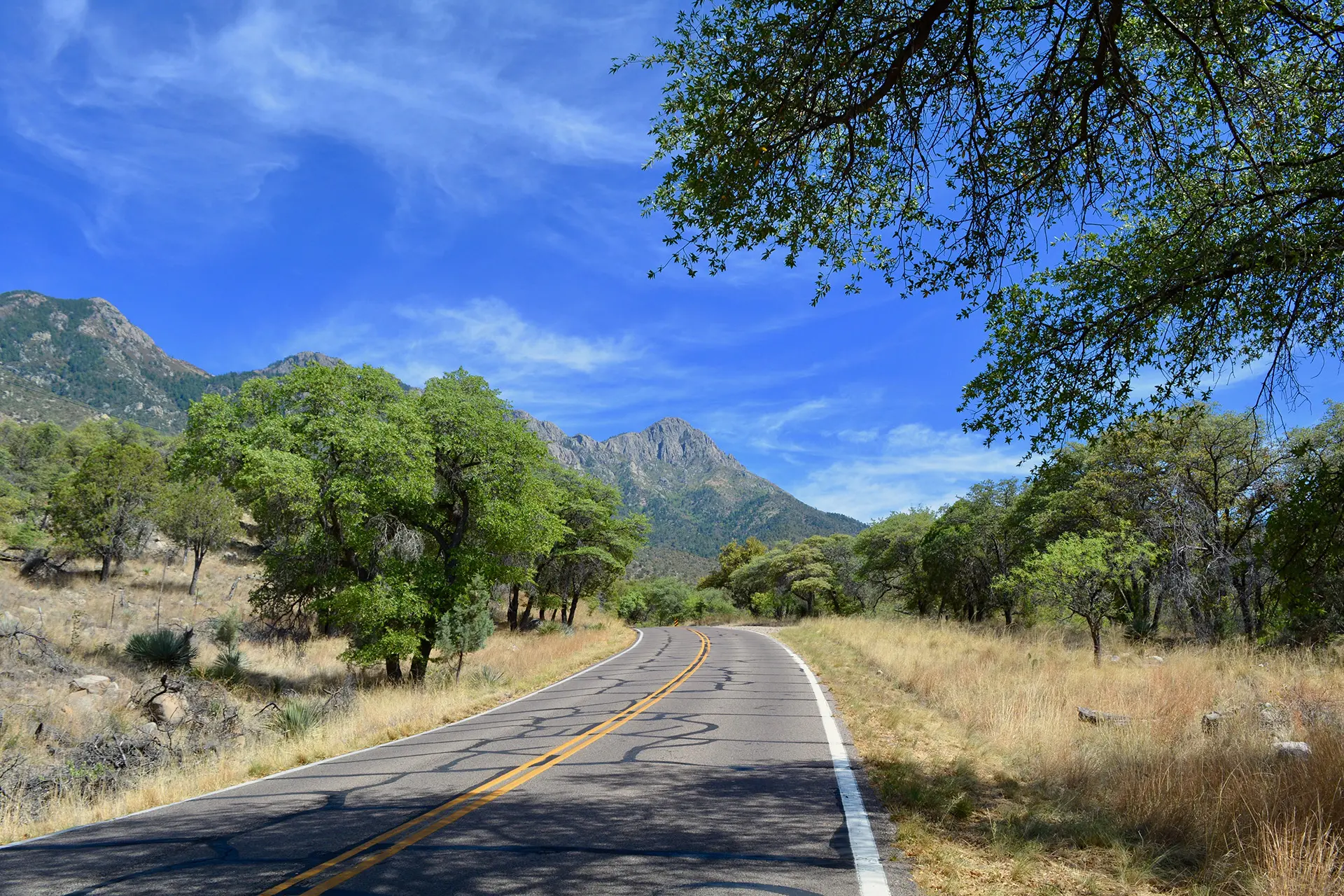
Madera Canyon sits in the Santa Rita Mountains, south of Tucson near Green Valley. Most visitors focus on the Madera Canyon Recreation Area where you will find picnic areas, trailheads, restrooms, and the densest cluster of birding hotspots near feeders and riparian pockets.
Unlike Sabino Canyon, this is not a tram-style canyon day. You are planning around trailheads, elevation gain, shade, and weather. If you want a walk-with-a-view and then lunch in town, Madera Canyon can still deliver. You just do it on foot.
Fees, passes, and parking basics
Entrance and day-use
Much of the recreation area is managed by the U.S. Forest Service. Day-use fees and pass requirements can vary by site and season, so confirm on the official Forest Service page before you go. In practice, you will want one of these options ready:
- Pay the posted day-use fee for the area you park in.
- Use an America the Beautiful pass (Interagency Annual, Senior, Access, etc.) if the site accepts it.
- Bring a pen if the lot uses self-pay envelopes, which is common in forest day-use areas.
Parking reality check
On weekends and during peak birding and fall hiking season, parking can fill early. If you want a calm start and a better chance at a close spot, aim to arrive early morning. If you show up late morning on a perfect-weather Saturday, plan emotionally for a little circling.
Carry cash or a card depending on the pay system posted. Do not assume cell service will cooperate with last-minute online payments.
Sky island temps: how different is it from Tucson?
If Tucson hiking has taught you to start before sunrise and still sweat through breakfast, Madera Canyon can feel like relief. Higher elevation means cooler air, more shade, and faster weather changes.
- Expect noticeably cooler temperatures than the Tucson valley, especially in shade and near the creek.
- Bring layers even in warm months. Morning can be crisp, and afternoon storms can drop temps quickly.
- Sun is still sun. You can get burned in the forest. Pack sunscreen and water like you would in the desert.
My rule: dress for Tucson, pack for Madera. A light insulating layer and a rain shell weigh almost nothing and save the day when the canyon decides to act like a mountain.
Pick your trail: best options from the recreation area trailheads
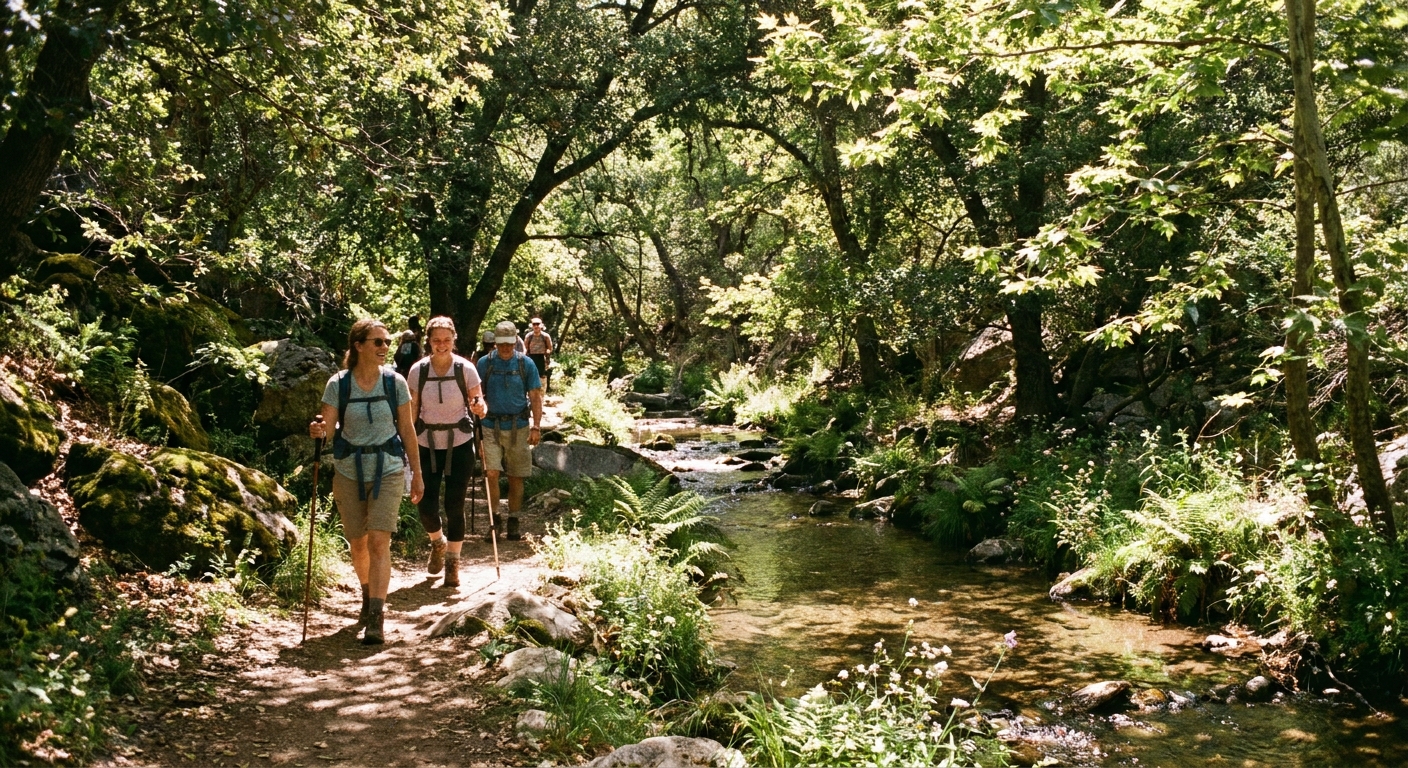
Madera Canyon is great because you can tailor the day, from a mellow birding stroll to a leg-burning climb into higher forest. Below are the most common trail choices starting from the main recreation area trailheads, with a focus on what they feel like on the ground.
Easy and birdy: Madera Nature Trail and nearby connectors
If your goal is to hear canyon birds, take photos, and still have energy for a late lunch in Tucson or Green Valley, stick close to the developed areas. The Madera Nature Trail is a classic place to start, and you can add short connector paths near the picnic areas to wander riparian pockets and oak woodland without committing to big elevation gain.
- Best for: casual hikers, families, anyone prioritizing birding over mileage
- What it feels like: shaded, stop-and-go, lots of “wait, what was that call?” moments
- Pro tip: move slowly and listen. In Madera Canyon, the birds often announce themselves before you ever see them.
Classic canyon hike: Madera Canyon Trail
This is the backbone route many hikers use to travel deeper into the canyon. You can do it as a short out-and-back or link it with other trails for a longer day. The beauty is flexibility: you can turn around when the grade steepens, when weather changes, or when you have already had your fill of views.
- Best for: hikers who want a “real hike” without navigating complicated junctions
- What to watch: conditions vary with storms, seasonal water, and downed branches after monsoon
Big climb, big payoff: Old Baldy Trail and Super Trail to Mt. Wrightson
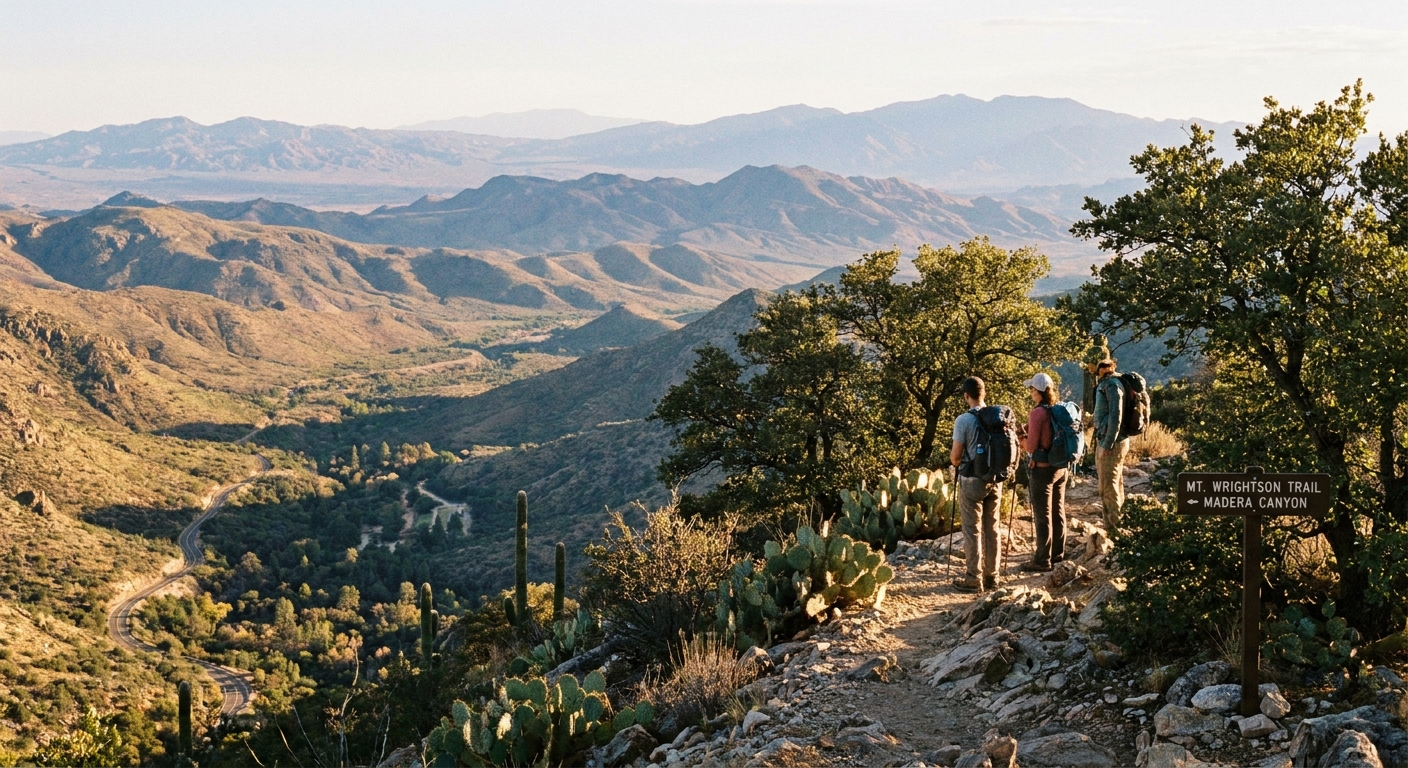
If you want the full Sky Island vibe, climb. The big-name objective here is Mt. Wrightson, and the two most common ways up are the Old Baldy Trail and the Super Trail. Both gain serious elevation and move you through distinct vegetation zones. That transition is half the fun, especially if you are coming from saguaro country. Expect steeper grades, more exposure in spots, and bigger temperature swings.
- Best for: strong hikers chasing views, solitude, and a “mountain day” close to Tucson
- Bring: extra water, salty snacks, a layer, and a hard turnaround time
Planning note: rather than promising a single “best loop,” choose your route based on your comfort with elevation gain and your weather window. In monsoon season, conservative plans are smart plans.
Birding in Madera Canyon: honest seasonal expectations
Madera Canyon is famous for birding because it sits at a crossroads of habitats and migration routes. But it is not a guaranteed “rare bird buffet” every single day. Your odds improve a lot when you match your visit to the season.
Spring: migration and variety
Spring is a high-excitement window. Migrants move through, breeding activity ramps up, and the canyon can feel loud in the best way. This is when patience is rewarded, especially in the morning.
Summer: monsoon energy and specialty birds
Summer can be fantastic for certain species, including some that draw visitors specifically to southern Arizona. The tradeoff is weather. Heat in the valley can be intense, and the canyon is vulnerable to afternoon thunderstorms.
Fall: comfortable hiking plus steady birding
Fall is my “best of both worlds” pick. Temperatures ease up, trails feel more comfortable for longer hikes, and birding stays interesting even if the peak migration rush has softened.
Winter: quieter, still worth it
Winter birding is calmer and more subtle. You may not get the same diversity as spring, but the canyon still hosts a mix of resident species and seasonal visitors. Bonus: fewer crowds and crisp hiking weather.
Where to look
- Riparian pockets near water and shade tend to concentrate activity.
- Edges and openings can be great for flycatching and spotting movement.
- Early morning is usually best for sound and sightings.
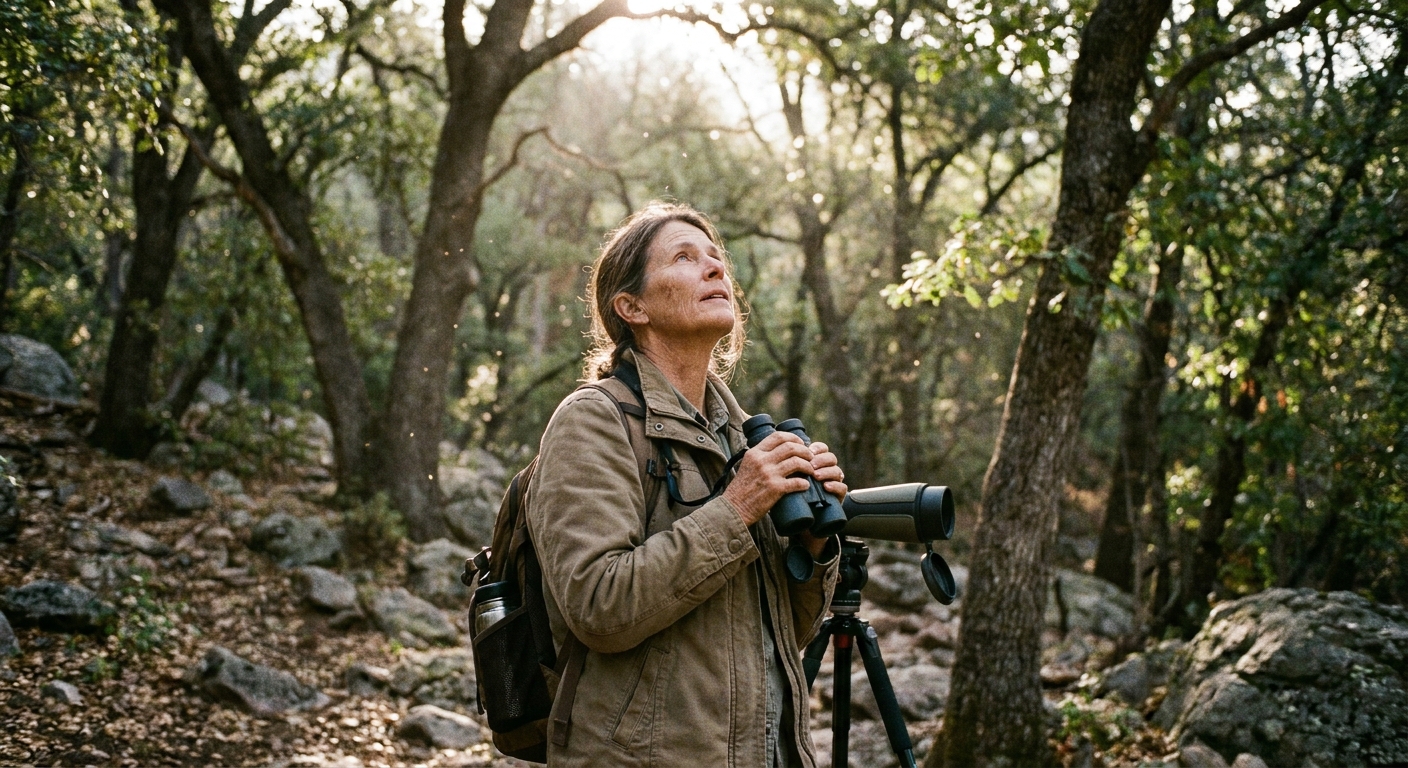
Birding etiquette that helps everyone: keep voices low near concentrated birding areas, avoid blocking narrow paths, and do not stress wildlife for a photo.
Monsoon and bear-aware turnaround rules
Madera Canyon is not the place to “see how it goes” with summer storms or wildlife signs. A few simple decision rules keep your day safe and drama-free.
Monsoon: turn around early, not late
- Start earlier than you think during monsoon season. Build your hike so you are headed down before typical afternoon storm timing.
- At the first sound of thunder, treat it as your cue to shorten plans. Lightning risk is real, even if the sky above you still looks friendly.
- Avoid washes and low crossings if storms are building. Flash flooding can happen quickly and upstream rain can matter more than what is falling on you.
Bears and other wildlife: give space and follow closures
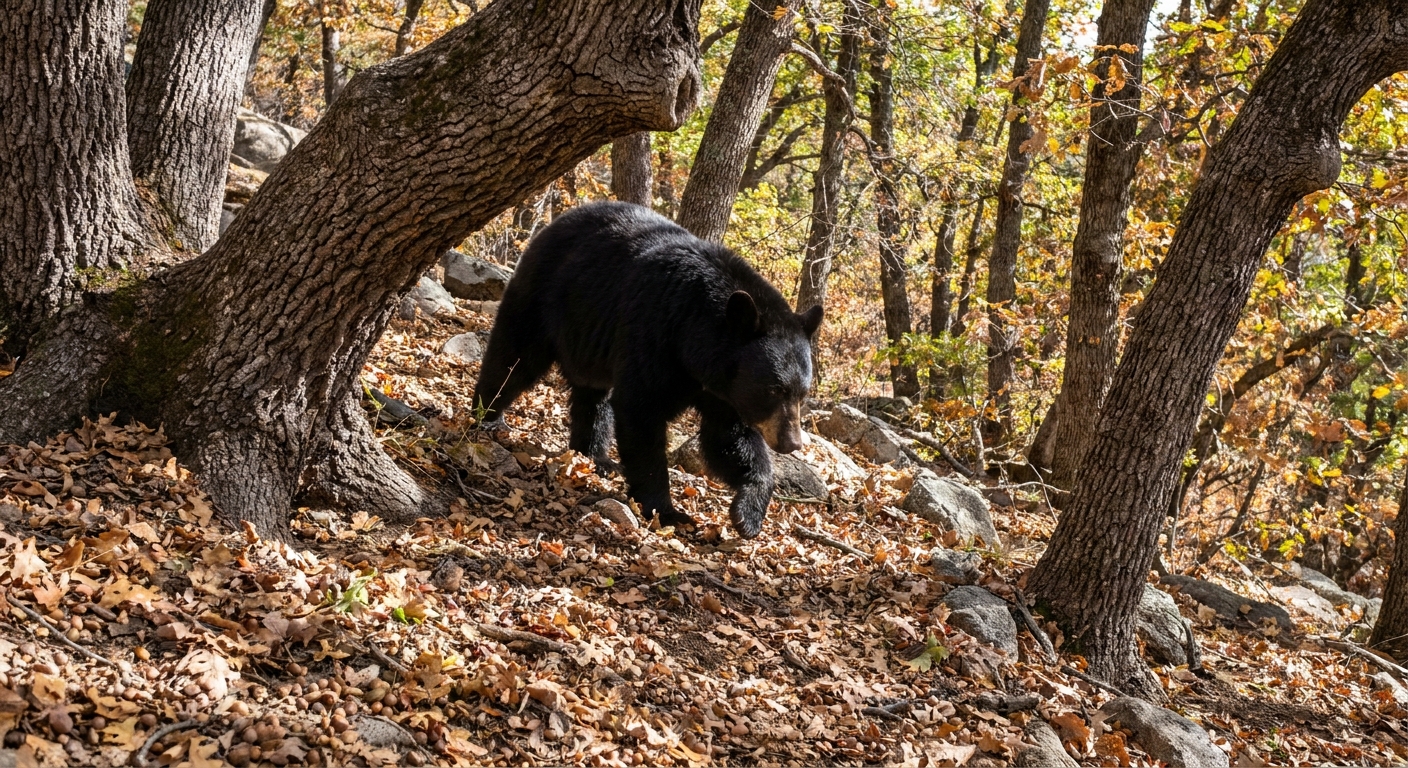
Yes, you are in bear country here. Most visitors never have an issue, but you should hike like you might.
- If you see a bear: stop, give it space, and do not crowd it for a photo. Back away calmly and let it move on.
- If you see fresh scat, tracks, or strong odor: tighten up your group, make your presence known, and consider turning around if you feel uneasy.
- Carry food smartly: keep snacks sealed, do not leave food unattended at picnic areas, and pack out everything.
- Obey posted closures: temporary trail or area closures can happen for wildlife activity. Do not treat them as suggestions.
If you are hiking solo, I recommend choosing more trafficked trails and hiking during busier daylight hours, especially in seasons when wildlife is more active.
What to pack for a carry-on-only kind of day hike
Madera Canyon is close enough to Tucson to feel casual, but it behaves like a mountain. Pack like you respect that.
- Water: more than you think you need, especially if you are climbing
- Electrolytes or salty snacks: the dry air still dehydrates you
- Light layers: a warm layer for mornings and a shell for storms
- Sun protection: hat, sunscreen, sunglasses
- Traction-friendly shoes: trails can be rocky, muddy after storms, or slick with leaf litter
- Small first aid kit: blisters happen fast on steeper grades
- Binoculars: even a compact pair transforms the birding experience
If you are visiting in monsoon season, I also like carrying a small dry bag or zip bag for phone and keys. Sudden downpours can be surprisingly intense.
Pair the canyon with town comforts
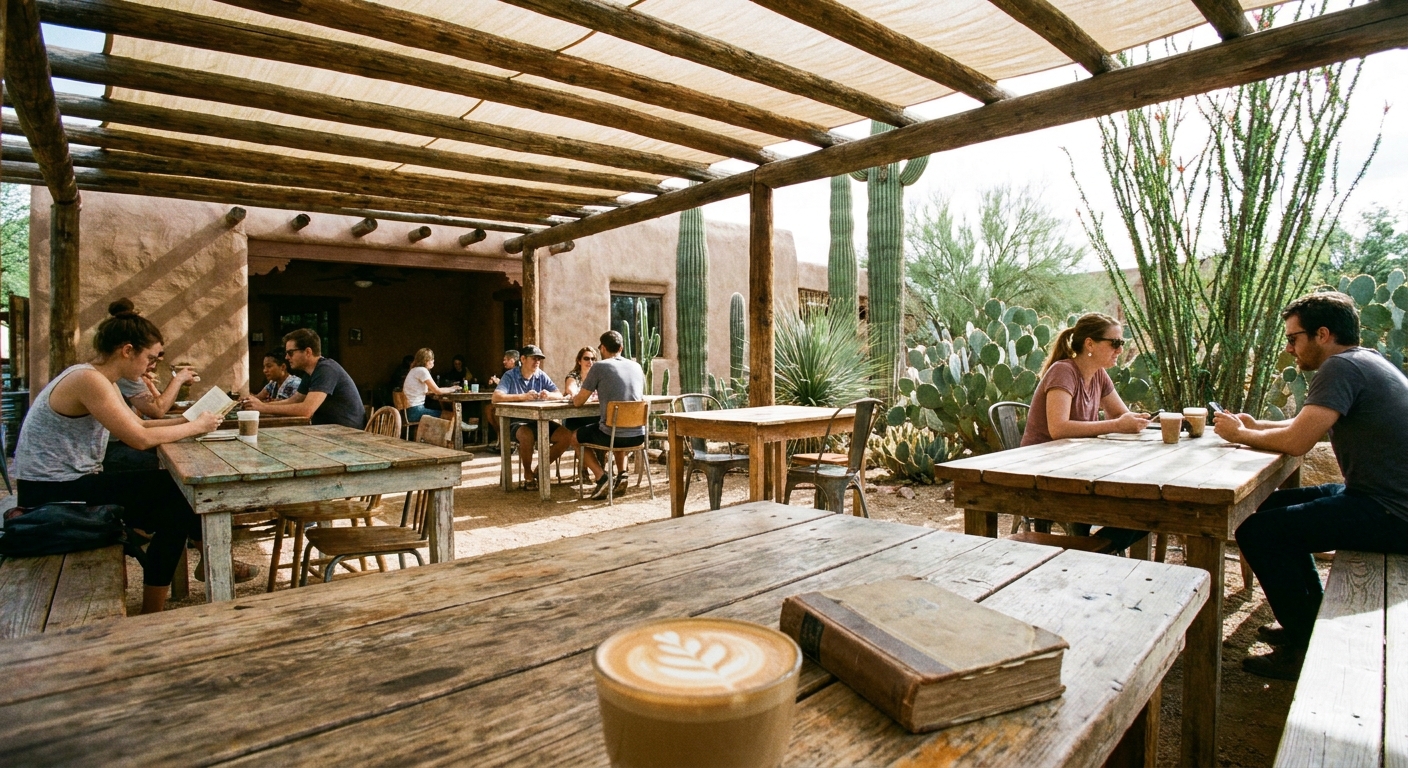
This is where Madera Canyon really fits the Trail and Town philosophy. You can spend the morning in cool shade and still be back in civilization for a solid meal and a good coffee without committing to an all-day expedition.
- Green Valley is the closest easy landing spot for lunch and errands.
- Tucson makes a perfect second act if you want museums, a brewery patio, or a late afternoon stroll in a neighborhood that feels worlds away from the canyon.
Just remember: once you leave the canyon, the valley heat can hit you like opening an oven. Keep a cold drink in the car and do not underestimate how tired you might feel after hiking at elevation.
Sample half-day and full-day plans
Half-day: birding first, gentle hiking second
- Arrive early for parking and the most active bird morning.
- Spend 60 to 90 minutes near the developed areas moving slowly and listening.
- Add a short out-and-back on a main canyon trail until the grade or time tells you to turn.
- Leave before midday in warm months to avoid building storms and heat on the drive back.
Full-day: climb into the sky island
- Start at first light and choose a route that gains elevation.
- Set a firm turnaround time based on weather and daylight, not just distance.
- Break often in shade and keep snacks accessible.
- Plan for a storm pivot during monsoon: if clouds build, downgrade your route early.
Know before you go
- Check current conditions with the U.S. Forest Service before you drive up, especially after storms.
- Respect wildlife and any temporary closures.
- Start early for both parking and bird activity.
- Expect cooler temps than Tucson, but still pack for sun and rapid weather change.
Madera Canyon is one of those places that rewards a little planning and a slower pace. Come for the birds, stay for the shady climb, and head back to town feeling like you found a different Arizona hiding in plain sight.