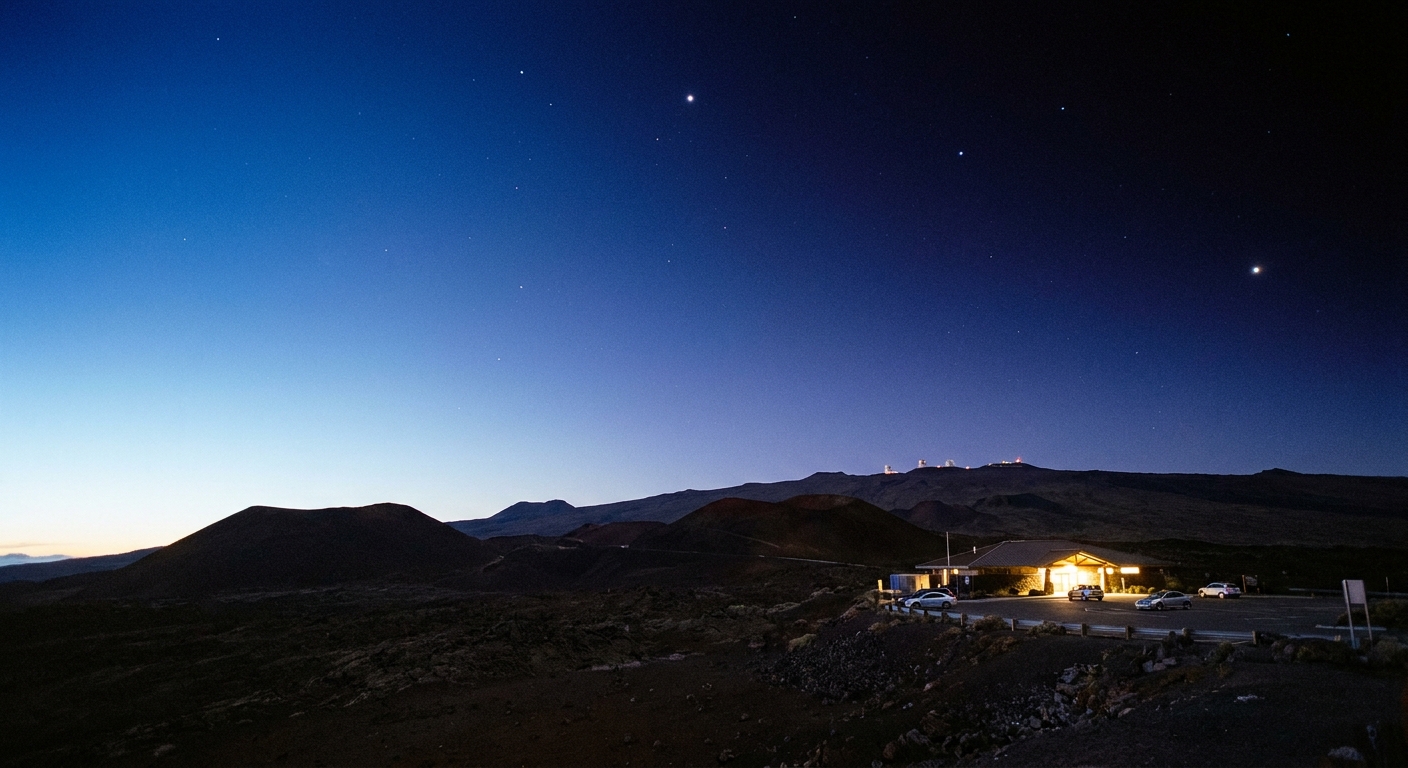
Mauna Kea Visitor Station Sunset: Altitude Safety Without Summit Driving
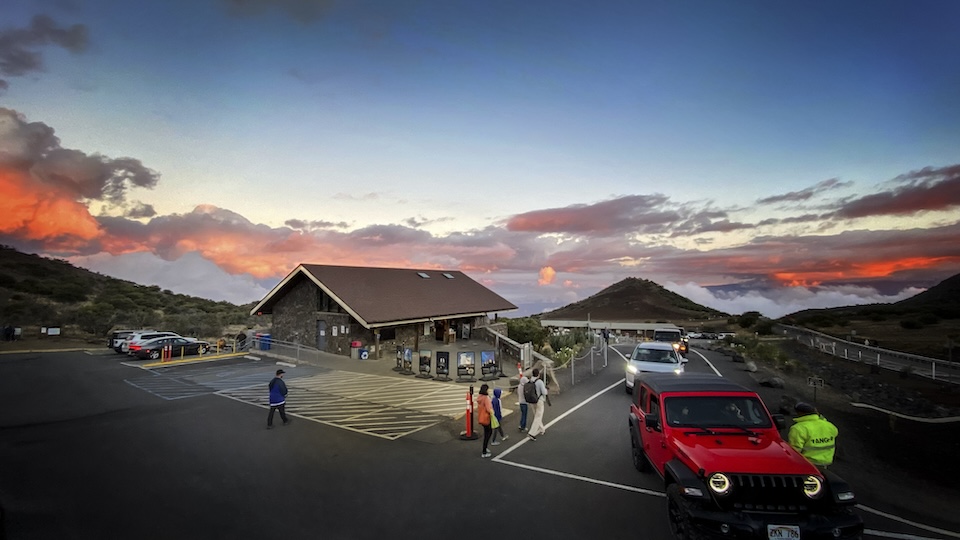
Mauna Kea has a way of making people feel brave and a little reckless at the same time. The photos from the summit are famous, the road is legendary, and the altitude is no joke. But if you are planning a Big Island trip and you want the “wow” of a high-elevation sunset without the stress and risk of driving above the Visitor Station toward the summit, the Mauna Kea Visitor Information Station is the sweet spot.
Key context up front: the Visitor Information Station (VIS) sits at about 9,200 feet (2,800 meters). The summit is about 13,800 feet (4,205 meters). That difference matters, but 9,200 feet is still high enough to make plenty of people feel it.
This guide stays firmly in the visitor-level lane. That means: what it is like to watch sunset from near the Visitor Station, how to handle the altitude smartly, what the rental-car reality looks like, what to wear when the temperature drops fast, what to do about fuel, and how to show respect on a mountain that is deeply sacred to many Hawaiians.

What it feels like
The Mauna Kea Visitor Information Station (often shortened to VIS) sits high on the mountain, well above the beaches and resort zones, and it feels like it. Even without going to the summit, you get big skies, thin air, and that surreal “above the clouds” glow when weather cooperates.
At the VIS, you can:
- Enjoy sunset colors with a high-elevation horizon and often a cloud layer below you
- Step out for short walks around the immediate area
- Warm up inside if the station is open
- See stars begin to appear quickly after sundown on clear nights (though the area can have headlights and people coming and going)
What you should not expect is a resort-style viewpoint with guardrails and lots of services. This is a rugged, exposed mountain environment. Plan for wind, cold, and limited amenities that can vary by day and by operating hours.
Check hours and conditions
Before you commit to the drive, do a quick reality check. Hours, parking management, and occasional weather or road-related changes can affect what your evening looks like.
- Check the official VIS page for current hours, advisories, and any posted guidance for visitors.
- Check weather for the mid-elevation range (not just Kona or Hilo). Wind and cold are the big mood-setters up there.
- Go in with a plan B in case conditions are poor or the area is already packed near sunset.
Altitude: the part people underestimate
The VIS is already at significant elevation at roughly 9,200 feet (2,800 meters). For many travelers, it is the highest place they have been in years. Altitude affects everyone differently, and you can feel symptoms even if you are fit, even if you hiked yesterday, even if you live at sea level and “usually do fine.”
Common mild symptoms
- Headache or pressure behind the eyes
- Light nausea or loss of appetite
- Unusual fatigue
- Lightheadedness, especially when standing up quickly
- Shortness of breath that feels out of proportion to the effort
How to do it safely
- Go slow the whole day. If you are landing and driving straight up, your body has no time to adjust. If you can, spend your morning at sea level, hydrate, and eat an actual meal before you go.
- Keep it a shorter visit. Sunset plus a little stargazing is plenty for many people. Treat it like a high-altitude “taste,” not an all-night hangout.
- Hydrate for comfort, not as a cure. Drinking water and having electrolytes can help you feel better overall, but it does not “prevent” altitude illness. Pair fluids with food.
- Skip alcohol beforehand. It can amplify dehydration and make symptoms feel worse.
- Bring pain relief you know works for you. A mild headache is common, but do not try to “power through” worsening symptoms.
- Listen to your body. If symptoms get worse, the fix is simple: descend.
When symptoms mean “leave now”
If anyone in your group develops severe headache, repeated vomiting, confusion, trouble walking straight, or worsening shortness of breath at rest, do not wait it out. Get to lower elevation and seek medical advice. Most visitors will never experience severe altitude illness, but it is not something to debate on a dark mountain road.
Acclimation from Kona and Hilo
You do not need a multi-day acclimation itinerary to visit the VIS, but a little strategy helps.
From Kona (west side)
- Best same-day approach: Easy morning, lunch, then drive up with time to arrive well before sunset.
- Smart stop idea: A low-key afternoon in Waimea can be a gentle transition because it is cooler and higher than the coast, though it is not a magic shield against altitude.
- Timing reality: Plan on a solid drive across the island, plus extra time near sunset when parking and traffic can slow things down.
From Hilo (east side)
- Best same-day approach: Keep the day simple and avoid stacking strenuous activities like long hikes right before heading up.
- If you did Volcanoes earlier: Hawaiʻi Volcanoes National Park includes elevation changes, but it does not guarantee acclimation. Treat the VIS as its own high-elevation environment.
- Timing reality: It is generally a shorter drive than from Kona, but still build in buffer time so you are not rushing at altitude.
Either way, aim to arrive early enough to park, orient yourself, and settle in without rushing. A frantic dash to “catch” the sunset is a great way to spike stress, miss the best light, and feel worse at altitude.
Fuel and the drive
This is the detail that catches people off guard: there are no gas stations on Saddle Road (Daniel K. Inouye Highway) or at the VIS. Top off before you leave Kona, Waimea, Hilo, or wherever you are coming from. Also bring snacks and water since you are heading into a place where convenience does not exist.
A few driving notes that make the whole night feel calmer:
- Expect limited services and spotty cell signal. Download maps before you go and keep your group together.
- Drive down like you mean to arrive safely. It is dark, it is cold, and people can be tired. Use lower gears as needed, keep extra distance, and do not tailgate.
- Do not stop in the roadway. Pull fully into designated areas if you need to adjust layers, take a breather, or turn around.
Summit driving and rentals
Let’s separate two things that get mixed together online: (1) driving to the Visitor Station and (2) driving beyond it toward the summit and observatories.
The road to the VIS is paved. The more challenging section people talk about is typically above the VIS, where conditions can include steep grades, rougher surfaces, and rapidly changing weather.
What is generally true
- Many rental companies restrict travel beyond the VIS. Policies often exclude driving on the upper access road and may void coverage if you continue higher.
- The VIS is the “safer yes” for many travelers. It is the goal for visitors who want the experience without pushing into summit conditions.
What varies, and what to verify
Rental rules change, and they vary by company, vehicle class, and even by booking channel. Some travelers assume “no Mauna Kea” means you cannot even go to the Visitor Station. Others assume “it’s paved so it must be fine.” Both assumptions can be wrong depending on your agreement.
Do this before you go:
- Check your rental contract for Mauna Kea language, specifically any mention of “summit,” “beyond the visitor center,” “unsealed roads,” “restricted areas,” or “observatories.”
- Call the company and ask one clear question: “Is driving to the Mauna Kea Visitor Information Station permitted, and is it covered?”
- If the answer is unclear, do not gamble. Choose another sunset plan.
Even if your vehicle is permitted to reach the VIS, treat the drive like mountain driving: keep extra distance, avoid aggressive passing, and plan to return down in the dark.
What to wear
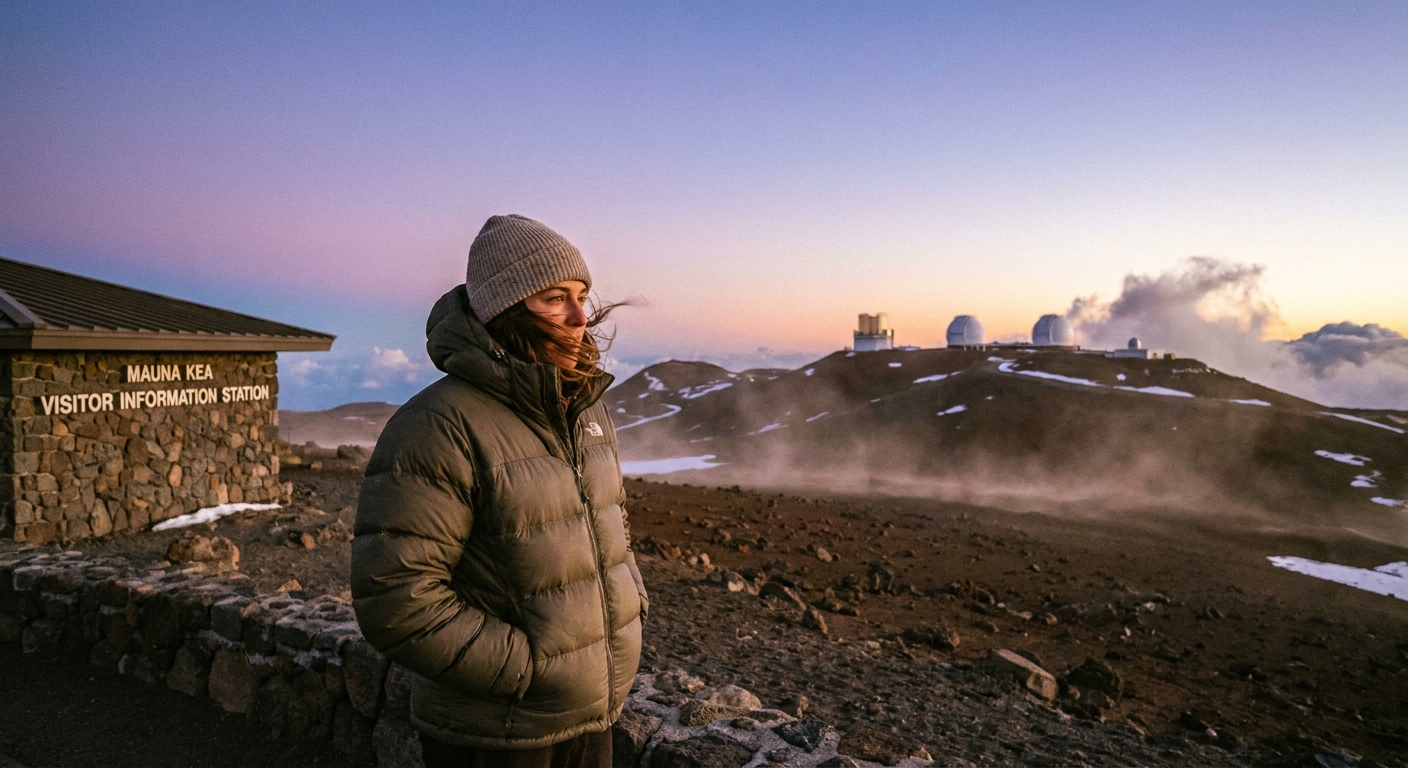
I am a carry-on-only person, but Mauna Kea is the place where “I’ll be fine in a hoodie” turns into teeth-chattering regret. Expect a big temperature drop and wind, even if it was beach weather two hours earlier.
Layer checklist
- Base layer: A long-sleeve shirt that feels comfortable against skin
- Warm layer: Fleece or a light insulated jacket
- Shell: Windbreaker or rain jacket, even if the forecast looks dry
- Legs: Long pants
- Feet: Closed-toe shoes, ideally sneakers or light hikers
- Extras: Beanie and light gloves if you run cold
Bring a blanket if you have one. It is not glamorous, but it is the difference between enjoying the sky and counting the minutes until you can get back in the car.
Timing for sunset
Sunset is the headline, but your whole plan should include what happens after the sun drops. Darkness comes quickly, and the temperature usually follows.
- Arrive early. Give yourself time to park and find a spot without rushing. Near sunset, it can feel like everyone on the island had the same idea.
- Eat beforehand. A real meal at lower elevation helps, and it keeps you from getting lightheaded.
- Decide your turnaround time. If you are feeling even mildly off, leave soon after sunset. You can always stargaze another night at a lower elevation.
- Drive down rested. If the driver is cold, tired, or headachy, swap drivers or leave earlier.
Respect on Mauna Kea
Mauna Kea is not just a scenic high point. It is a sacred mountain with deep cultural significance. Visitors can enjoy the area while also behaving like guests.
Simple ways to show respect
- Stay on established paths and areas. Avoid trampling fragile terrain.
- Keep noise low. Let the place feel like the place.
- Do not treat cultural concerns as a photo backdrop. If you encounter signage or information that explains significance, read it and move thoughtfully.
- Leave no trace. Pack out all trash, including food scraps.
- Follow posted guidance. If areas are closed or access is limited, respect that without argument.
If you want to go deeper than the sunset moment, consider visiting museums, cultural centers, or locally guided experiences on the island that share Hawaiian history and perspectives in context.
When to skip it
Sometimes the most responsible move is choosing a different sunset. Skip the VIS if:
- You are sick, hungover, or unusually fatigued
- You are traveling with very young children who struggle with cold, long car rides, or altitude
- Anyone in your group has a medical condition that makes altitude riskier, and you do not have medical clearance
- Weather is deteriorating, winds are high, or visibility is poor
- Your rental agreement is unclear or explicitly restrictive
- You do not feel comfortable driving down a mountain road in the dark
- You do not have enough fuel to comfortably round-trip without stress
Alternate sunsets that still feel like Hawaiʻi magic include beach sunsets on the Kona coast, high viewpoints in Waimea, or even a slow evening in Hilo with a great coffee and rain-on-lava ambiance when the weather rolls in.
Quick checklist
- Check the official VIS page for current hours, advisories, and closures
- Confirm rental-car permission for the Visitor Station, not beyond it
- Fuel up before you leave, because there is no gas on Saddle Road or at the VIS
- Eat a real meal and hydrate before you go
- Bring warm layers, wind protection, and closed-toe shoes
- Arrive early, keep the visit reasonable, and listen to your body
- Leave at the first sign that altitude is not agreeing with you
- Be respectful: quiet, leave no trace, follow posted guidance
Mauna Kea does not require summit ambition to be awe-inspiring. If you treat the Visitor Station sunset like a high-altitude outing instead of a casual beach stop, you can get the drama of the sky and the peace of mind that you are not taking unnecessary risks.