Moab Day Hikes: Arches, Canyonlands, Dead Horse Point

Maya Lin
Maya Lin is a travel journalist and outdoor enthusiast who believes the best trips combine rugged adventures with urban comforts. After spending six years backpacking across four continents, she founded Trail & Town Guide to help fellow travelers navigate both hidden mountain passes and bustling city neighborhoods with confidence.
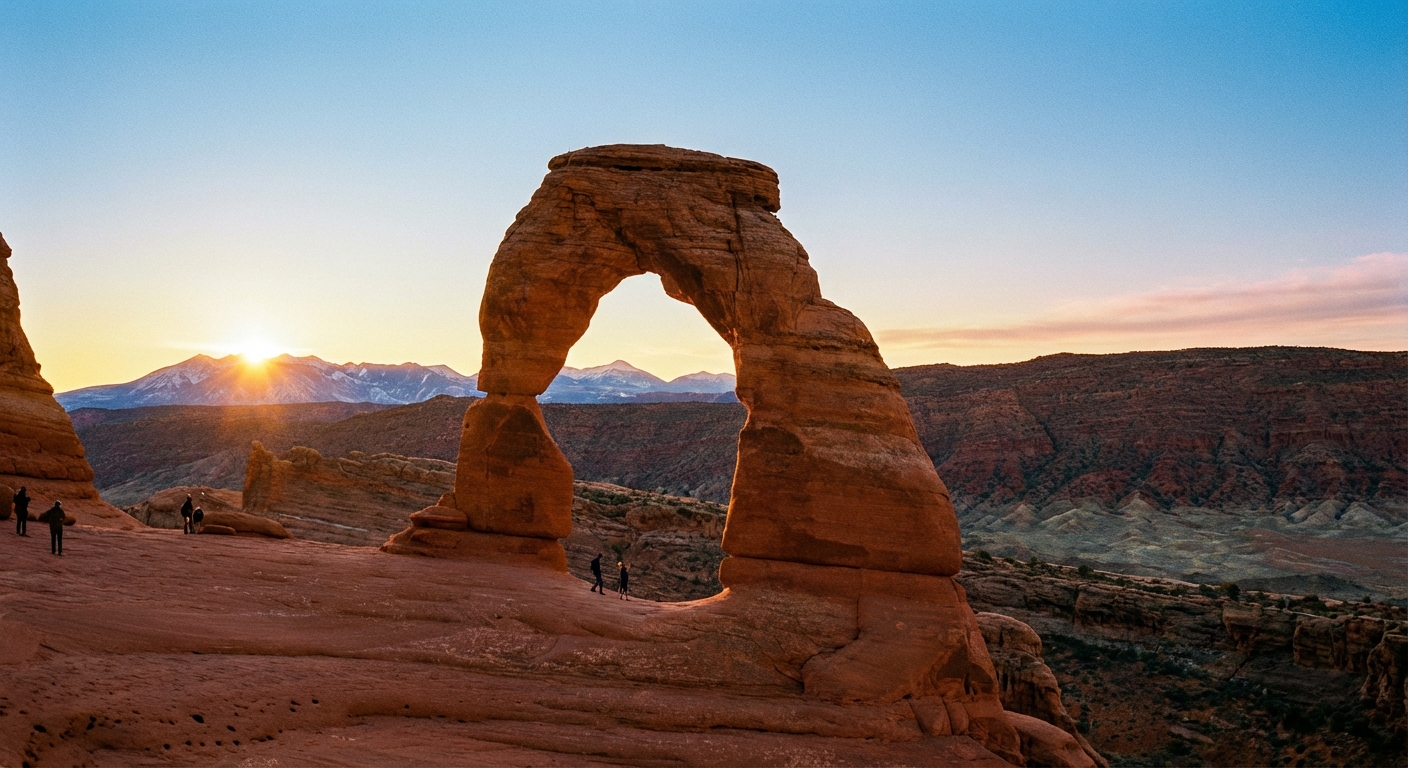
Moab is my favorite kind of trip: sunrise slickrock, midday tacos, an afternoon nap in AC, then a golden hour viewpoint that makes you forget your phone exists. This corner of Utah gives you three headline parks within an easy drive of town, which means you can hike hard and still be back in time for a real dinner.
This guide focuses on the best day hikes near Moab in Arches National Park, Canyonlands National Park (Island in the Sky), and Dead Horse Point State Park, plus the practical stuff I wish someone handed me my first time: when to start, what to pack, where to refuel, and where to sleep.
Before you go: timing, permits, and what to pack
Best seasons and start times
Spring (March to May) and fall (September to early November) are the sweet spots. Summer heat can be intense and shade is limited. If you visit June through August, plan on pre-dawn starts, long breaks in town midday, and shorter hikes.
- Sunrise: best for Mesa Arch and beating crowds in Arches.
- Golden hour: best for Dead Horse Point overlooks and Grand View Point.
- Midday: best reserved for lunch, laundry, and a nap.
Quick drive times from Moab (planning cheat sheet)
- Arches entrance: about 10 minutes from downtown Moab (traffic can change everything).
- Canyonlands (Island in the Sky): about 45 minutes.
- Dead Horse Point State Park: about 45 minutes.
Arches timed entry (important)
Arches National Park often uses a timed entry reservation system during peak season. The months and hours vary year to year (typically covering daytime entry windows), so check the official NPS Arches timed-entry page before you go and book as soon as your dates open. If you cannot get a reservation, your best workaround is entering very early or going later in the day when rules allow. Always verify the current policy for your travel dates.
Also check park alerts: Before you leave town, scan the NPS site for current conditions and closures (heat restrictions, rockfall, trail work, road construction).
Fees and passes
Arches and Canyonlands are covered by the America the Beautiful pass. Dead Horse Point is a Utah State Park and requires a separate entry fee. The national park pass does not work there.
Dead Horse Point fee note: Fees are typically charged per vehicle and often fall in the $10 to $20 range depending on the season and entry type. Verify current fees on the Utah State Parks site before you go.
Water and sun: the desert is not kidding
For most Moab day hikes, I carry 2 to 3 liters per person for half-day outings and more in heat, plus electrolytes. You will also want: sunscreen, a brimmed hat, sunglasses, and closed-toe shoes with grippy soles. Trails can be a mix of sand, slickrock, and uneven ledges.
Storms and lightning
In summer, afternoon thunderstorms can roll in fast. Slickrock and exposed rims are not where you want to be if you hear thunder. Check the forecast, start early, and if storms build, head off exposed high points and back toward your vehicle.
Cell service and navigation
Cell service can be spotty once you are inside the parks. Download maps ahead of time (or bring a paper map), and do not count on streaming your way through a trail decision.
Leave No Trace in cryptobiotic soil country
That dark, knobby crust off the trail is cryptobiotic soil, a living community that prevents erosion. One footprint can take decades to recover. Stay on marked trails and rock surfaces whenever possible.
Arches National Park day hikes
Arches is the park for iconic sandstone shapes, quick-hit viewpoints, and trails that make you feel like you are walking through a geology museum with the roof removed. Start early and you can stack two hikes before lunch.
Delicate Arch
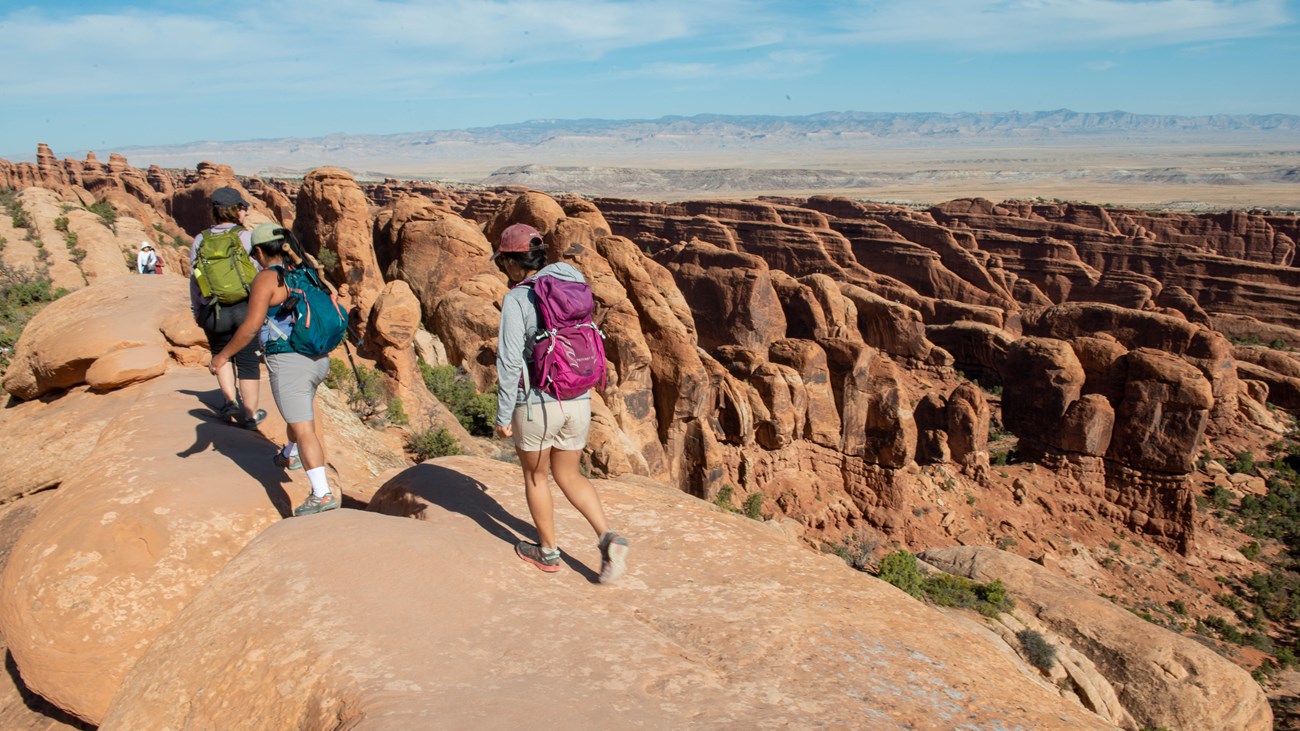
If you only do one “big” hike in Arches, make it this one. The trail climbs steadily over slickrock and ends with that first full view of the arch, framed by open sky. It is popular for a reason.
- Distance: about 3.0 to 3.2 miles round trip
- Time: 2 to 3 hours
- Difficulty: moderate with sustained uphill and sun exposure
- Best time: sunrise for cooler temps, or late afternoon for warmer light
- Trailhead: Delicate Arch Trailhead
Maya tip: The last section has exposure near ledges. If you are hiking with kids or anyone nervous about heights, take it slow and stay focused on footing. Bring a headlamp if you are starting pre-dawn or finishing after sunset.
Devils Garden (Landscape Arch and beyond)
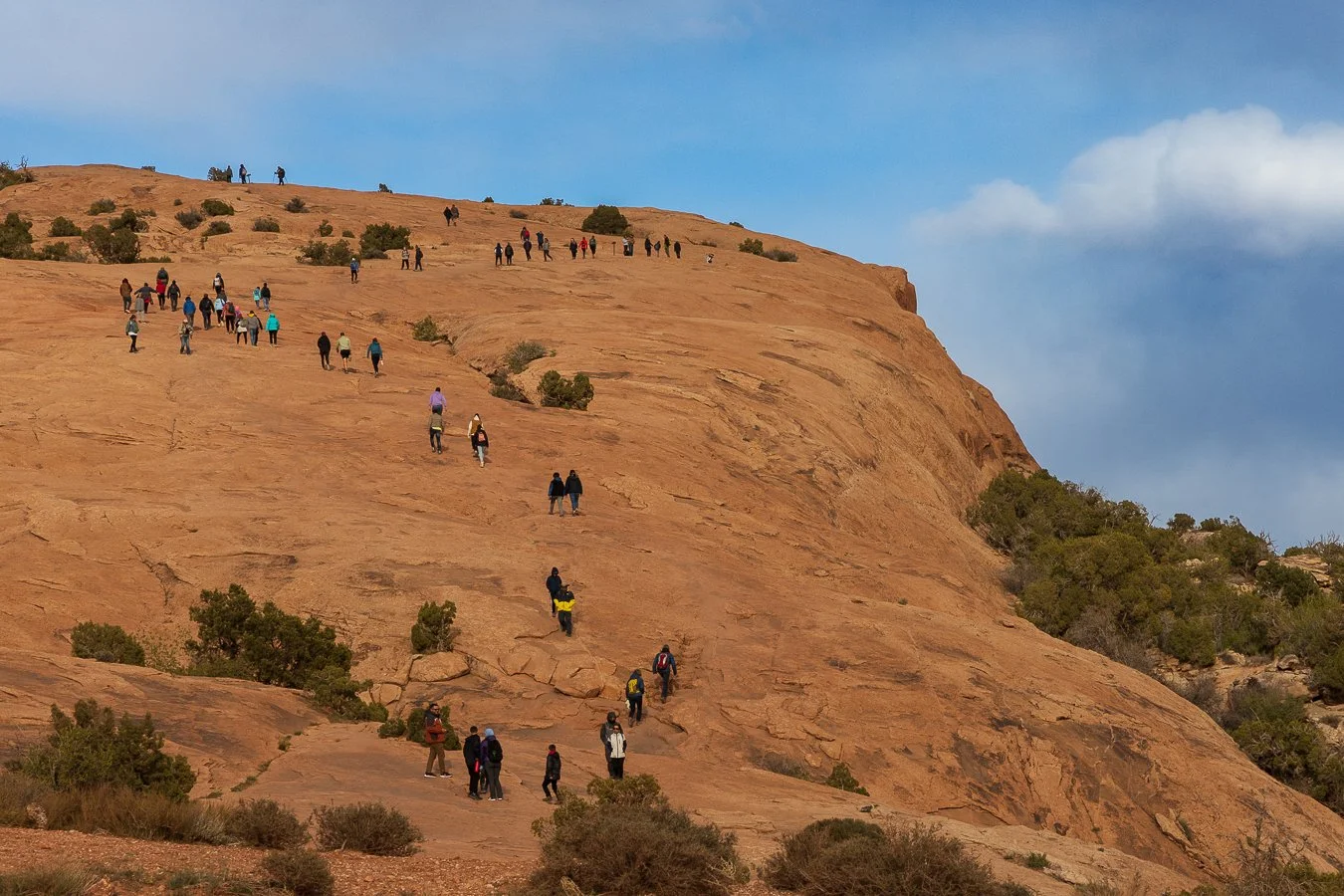
Devils Garden is where Arches starts feeling like a real hike. You can keep it simple with a classic out-and-back, or you can earn your views on narrow fins, small scrambles, and multiple arches.
Common route options (pick your mileage):
- Landscape Arch out-and-back: about 1.8 miles round trip, 1 to 1.5 hours, easy
- Double O Arch out-and-back: about 4.2 miles round trip, 2 to 3 hours, moderate to strenuous
- Devils Garden Primitive Loop (via Double O): about 7.2 miles round trip, 3.5 to 5+ hours, strenuous with route-finding and exposure
What to expect: sections of sand, rock steps, and in the longer routes, exposed fin walking where cairns guide you. The mileage is not huge, but the pace can be slower because you are navigating slickrock, stepping up ledges, and sometimes waiting your turn on narrow sections.
Maya tip: If you want the longer options, start early. Parking at Devils Garden can fill fast, and hiking fins in midday heat is the kind of “character building” you do not need.
Canyonlands (Island in the Sky) day hikes
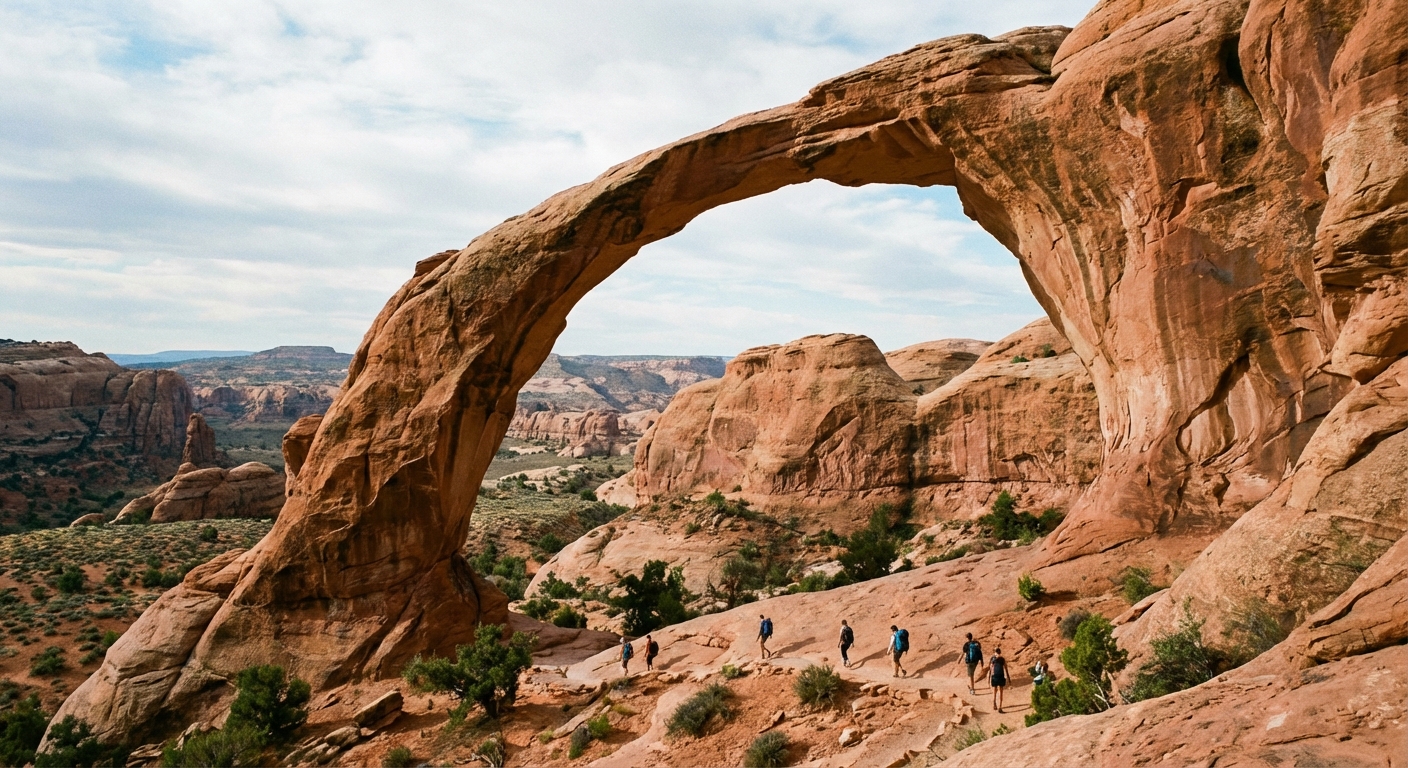
Island in the Sky is the “wow, the Earth is huge” side of the Moab area. The hikes can be short on paper, but slow-going in places thanks to steps, slickrock, and real exposure near rim viewpoints. If Arches is about intimate formations, Canyonlands is about distance and depth.
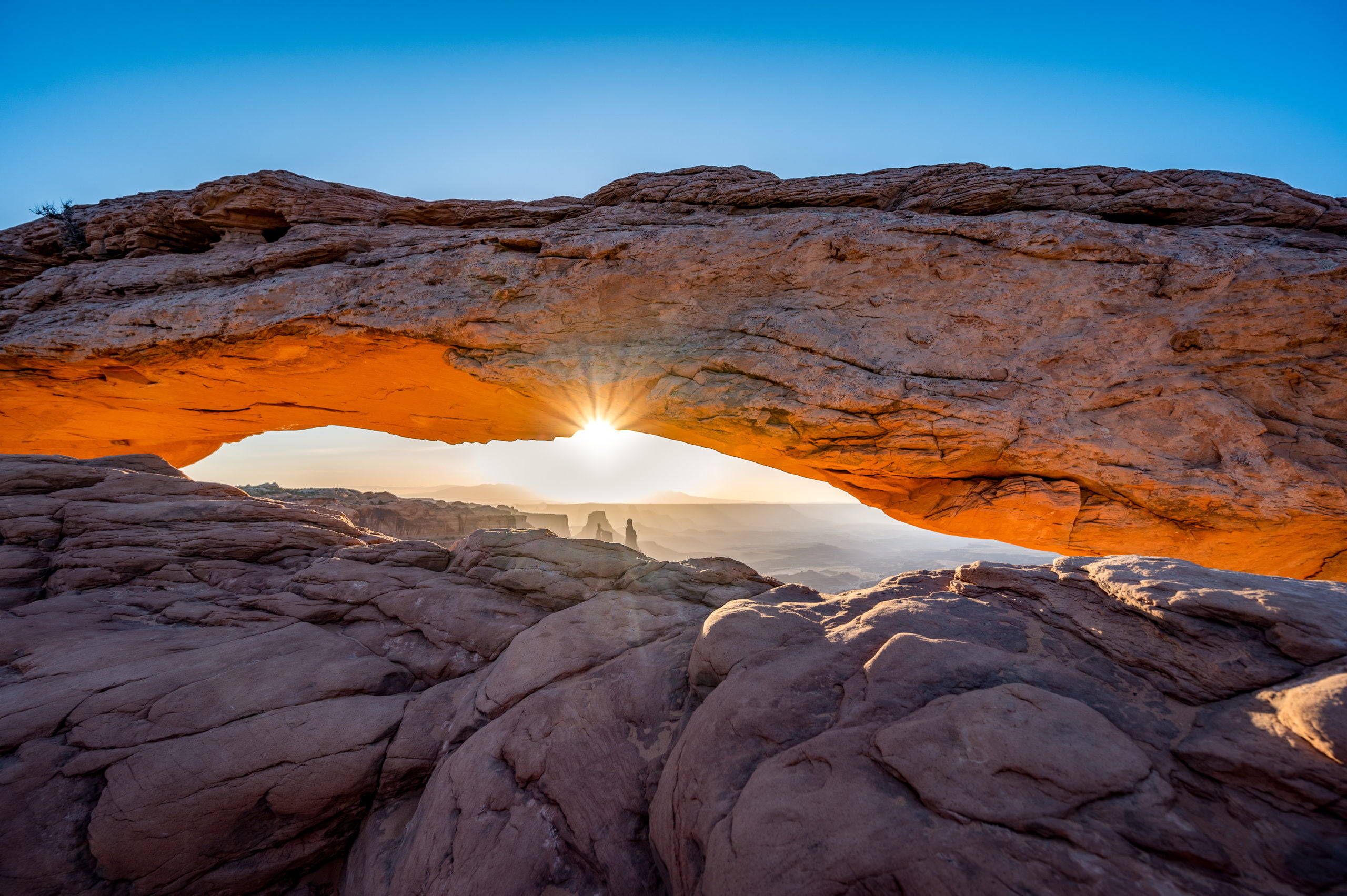
Mesa Arch (sunrise classic)
Mesa Arch is famous for a reason: at sunrise, the underside of the arch can glow orange while the canyon beyond stays cool and blue. It is a short trail, but it feels like an event, especially if you arrive early.
- Distance: about 0.5 miles round trip
- Time: 30 to 60 minutes (longer if you linger for photos)
- Difficulty: easy
- Best time: sunrise, arrive 30 to 45 minutes before
Maya tip: It is not a place for solitude at sunrise. If you want quieter, come mid-morning or at sunset for softer crowds and still-great light.
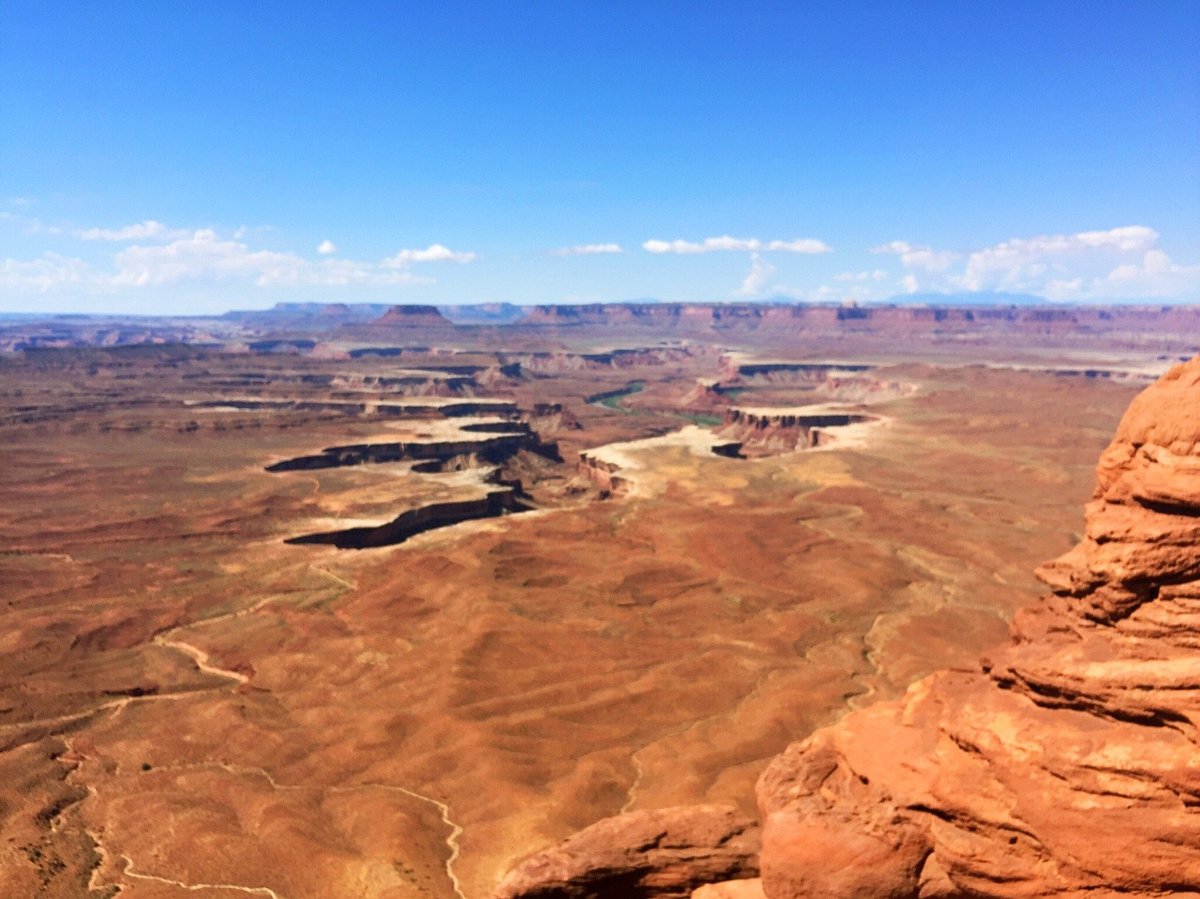
Grand View Point
This is one of the best effort-to-reward hikes in the region. The trail is mostly straightforward, following the canyon rim to viewpoints that keep unfolding like pages in a book. If you are choosing one longer walk in Canyonlands, this is a strong contender.
- Distance: about 2.0 miles round trip
- Time: 1 to 2 hours
- Difficulty: easy to moderate (exposure near the rim)
- Best time: late afternoon into sunset
Safety note: Wind can be intense near the rim. Keep a comfortable buffer from edges, especially with kids.
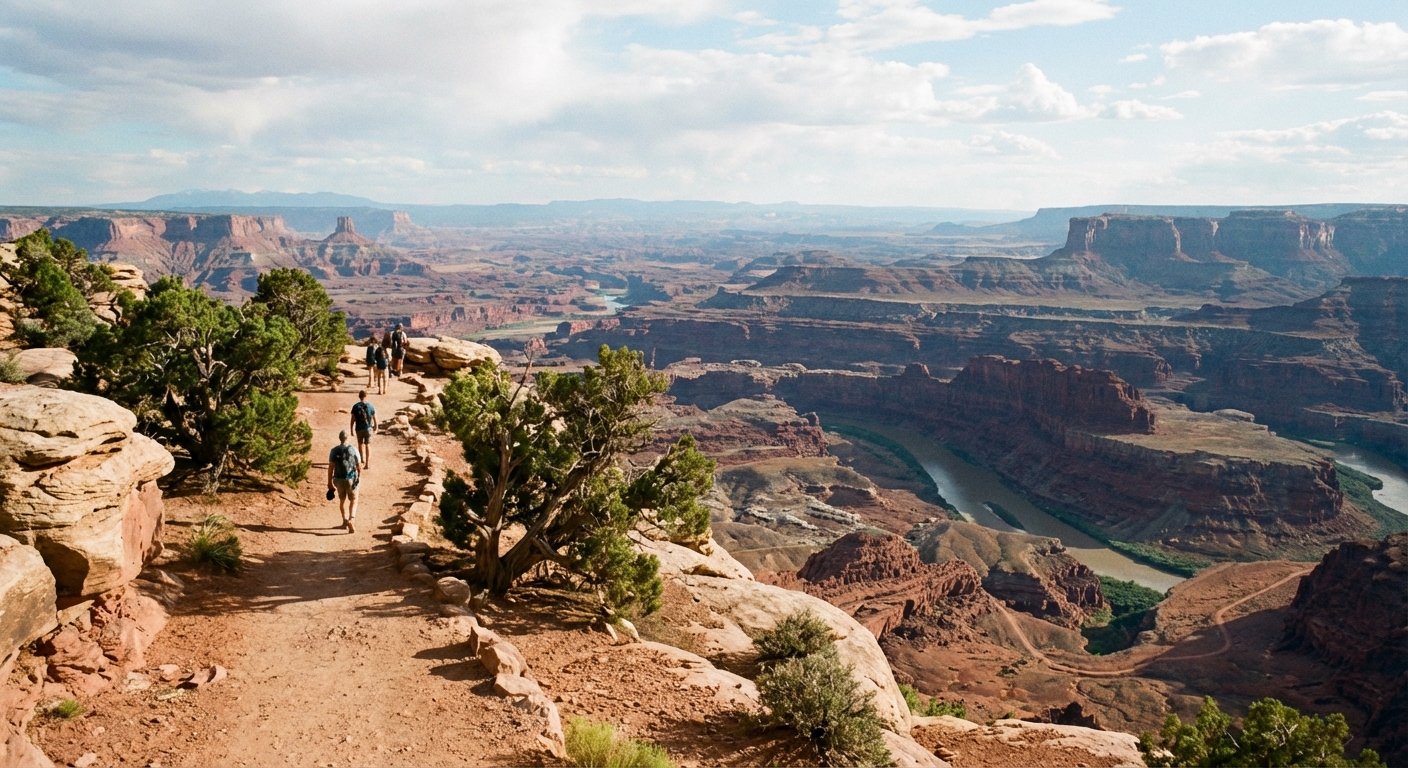
Dead Horse Point State Park day hikes
Dead Horse Point is close to Moab and surprisingly accessible, which makes it perfect for an easier day, a half-day, or a sunset stop when you do not want to commit to a full national park push. The viewpoints over the Colorado River are some of the most dramatic in Utah.
Heads up: This is a state park with its own separate entry fee (not covered by the America the Beautiful pass). Fees often fall in the $10 to $20 per vehicle range, but verify current pricing before you go.
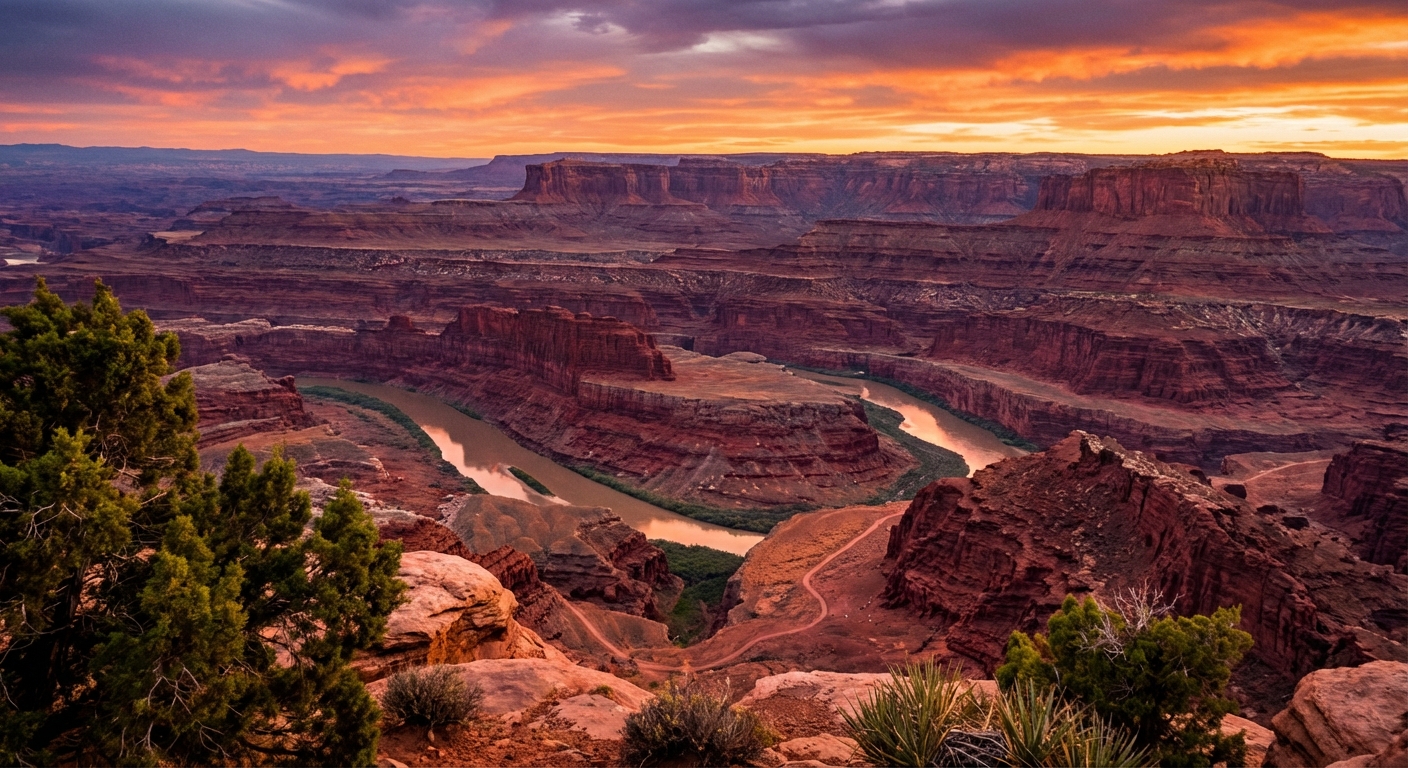
Rim Overlook and easy loops
If you want maximum scenery with minimal mileage, string together the overlooks along the rim. You can keep it short or turn it into a longer walk by linking trails into a loop.
Easy, plan-ahead options:
- Overlook Trail: short and paved, about 0.5 miles round trip, 20 to 45 minutes
- Rim Loop (mix of rim-side trails): roughly 5 miles for a full loop-style walk, 2 to 3.5 hours, easy to moderate
- Difficulty: easy overall, with exposure near rim edges
- Best time: late afternoon through sunset
Maya tip: Bring a light layer even in warm months. The rim catches wind and temperatures can drop fast after sunset.
Three easy itineraries (pick your vibe)
1) Icon day: Delicate Arch + Moab dinner
- Early morning: Delicate Arch hike
- Late morning: scenic drive stops in Arches (Balanced Rock, Windows area if time)
- Afternoon: back to town for a shower and a cold drink
- Evening: dinner in Moab, optional sunset at a nearby viewpoint
2) Sunrise and big views: Mesa Arch + Grand View Point
- Pre-dawn: drive to Canyonlands Island in the Sky
- Sunrise: Mesa Arch
- Mid-morning: Grand View Point hike
- Lunch: picnic in the park or back in Moab
- Golden hour: short overlook stops on the drive out
3) Low-effort, high-reward: Devils Garden short + Dead Horse sunset
- Morning: Devils Garden to Landscape Arch
- Midday: lunch and coffee in Moab
- Late afternoon: Dead Horse Point viewpoints and an easy rim walk
Where to eat in Moab
Moab is an outdoors town that understands hunger. These are the kinds of places I reach for when I want something that feels like a reward, not a compromise.
Coffee and breakfast
- Moab Garage Co.: excellent coffee drinks and a solid breakfast situation, plus it is an easy stop before you point the car toward red rock.
- Love Muffin Cafe: quick, friendly, and great for grabbing breakfast before an early trailhead.
- Grocery stop: City Market is handy for trail snacks, fruit, and picnic supplies.
Casual lunch
- Quesadilla Mobilla: fast, filling, and exactly what you want after baking in the sun for a few hours.
- Sandwiches to-go: grab something packable if you are heading to Canyonlands and want an easy picnic.
Dinner and a real sit-down meal
- Milt’s Stop & Eat: an old-school Moab classic for burgers and shakes. Perfect “we earned this” energy.
- Desert Bistro: a nicer option when you want a real dinner and a slower pace.
Maya tip: In peak season, the wait times can spike. Put your name in, then walk the main strip or pop into a shop while you wait.
Where to stay in Moab
Moab lodging runs the spectrum from trail-dust-friendly motels to stylish desert hotels. What you choose depends on whether you want a kitchen, a pool, or just a clean place to crash before a 4:30 a.m. alarm.
Walkable and easy
- In-town hotels: easiest access to restaurants and shops, quick drives to Arches, and less planning after a long day.
- Look for: early breakfast options, ice machines, and a mini fridge for hydration recovery.
Comfort and views
- Under Canvas Moab: if you want that desert-sky vibe without giving up a real bed. Great for trips where the lodging is part of the fun.
- Resort-style stays: pools and hot tubs are not just luxuries here. They are a legitimate recovery tool.
- Look for: shaded parking and solid AC in summer.
Longer stays
- Condos or suites: a kitchen helps if you are doing multiple days in the parks and want to keep costs down.
Camping
There are campgrounds in the region, but they can book out early in peak season. If camping is your plan, reserve ahead where possible and be realistic about heat, wind, and dust.
Quick trail checklist
- 2 to 3 liters of water per person (more in heat)
- Electrolytes and salty snacks
- Sun protection: hat, sunscreen, sunglasses
- Sturdy shoes with good traction
- Light layer for wind and evenings
- Headlamp for sunrise and sunset plans
- Offline map or downloaded park maps
- Small trash bag to pack out everything
If you are trying to “do it all” in one day, you will spend most of your time driving. Moab is better when you pick one main park focus, then add a second stop as a bonus.
FAQ
How far is Moab from Arches, Canyonlands, and Dead Horse Point?
Arches is closest, just outside town. Canyonlands Island in the Sky and Dead Horse Point are farther but still easy day trips from Moab, often around a 45-minute drive each way depending on traffic and where you are staying.
Which hike is best if I only have half a day?
Pick Delicate Arch for the classic experience, or Mesa Arch plus a nearby viewpoint for a shorter morning with big payoff.
Do I need hiking boots?
Not necessarily. Many people hike these trails in sturdy trail runners. The key is traction and foot support, especially on slickrock and sandy sections.
Is Moab good for beginners?
Yes. You can choose easy hikes with huge scenery, then level up to longer routes like a full Devils Garden day as your comfort grows.