Navajo National Monument: Betatakin Tickets and Sandal Trail

Maya Lin
Maya Lin is a travel journalist and outdoor enthusiast who believes the best trips combine rugged adventures with urban comforts. After spending six years backpacking across four continents, she founded Trail & Town Guide to help fellow travelers navigate both hidden mountain passes and bustling city neighborhoods with confidence.
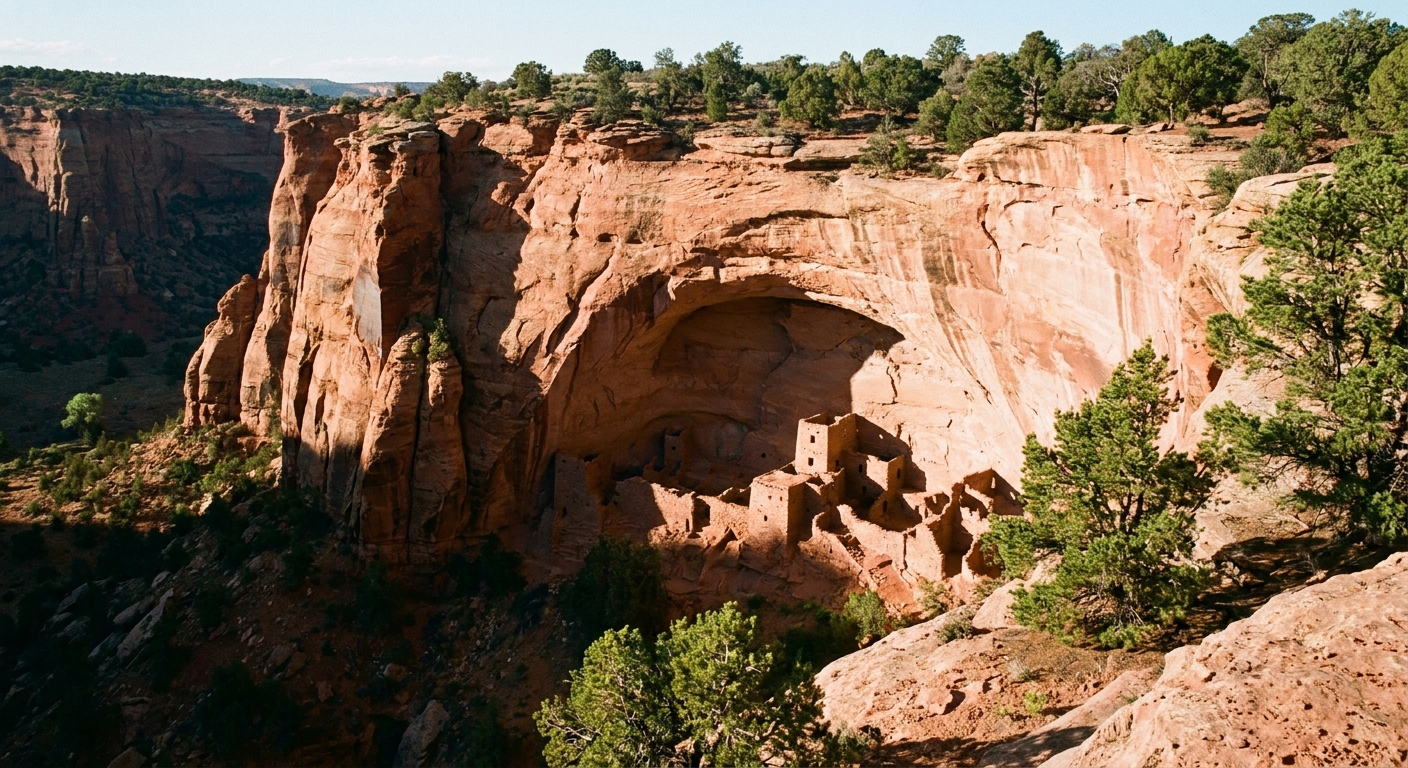
Navajo National Monument is one of those places that sneaks up on you. You pull off US-160 in Northern Arizona expecting a quick viewpoint, and suddenly you are staring into a sandstone amphitheater that once held a thriving Ancestral Puebloan community, with Diné (Navajo) homelands all around you. It is quiet, wind-scented, and deeply human.
This page is here to answer the practical questions travelers actually have: Which cliff-dwelling tours require tickets, what you can do without a tour, how long the Sandal Trail really takes, what the seasonal ranger-led schedule usually looks like, and how to fit a half-day stop into a Page to Monument Valley loop without turning your road trip into a sprint.
Quick map in your head
Navajo National Monument has three well-known cliff dwellings: Betatakin, Keet Seel, and Inscription House. For most visitors, the experience centers on the visitor center area and the trails that start nearby.
- Visitor Center: your hub for current tour times, trail conditions, heat advisories, and cultural guidance.
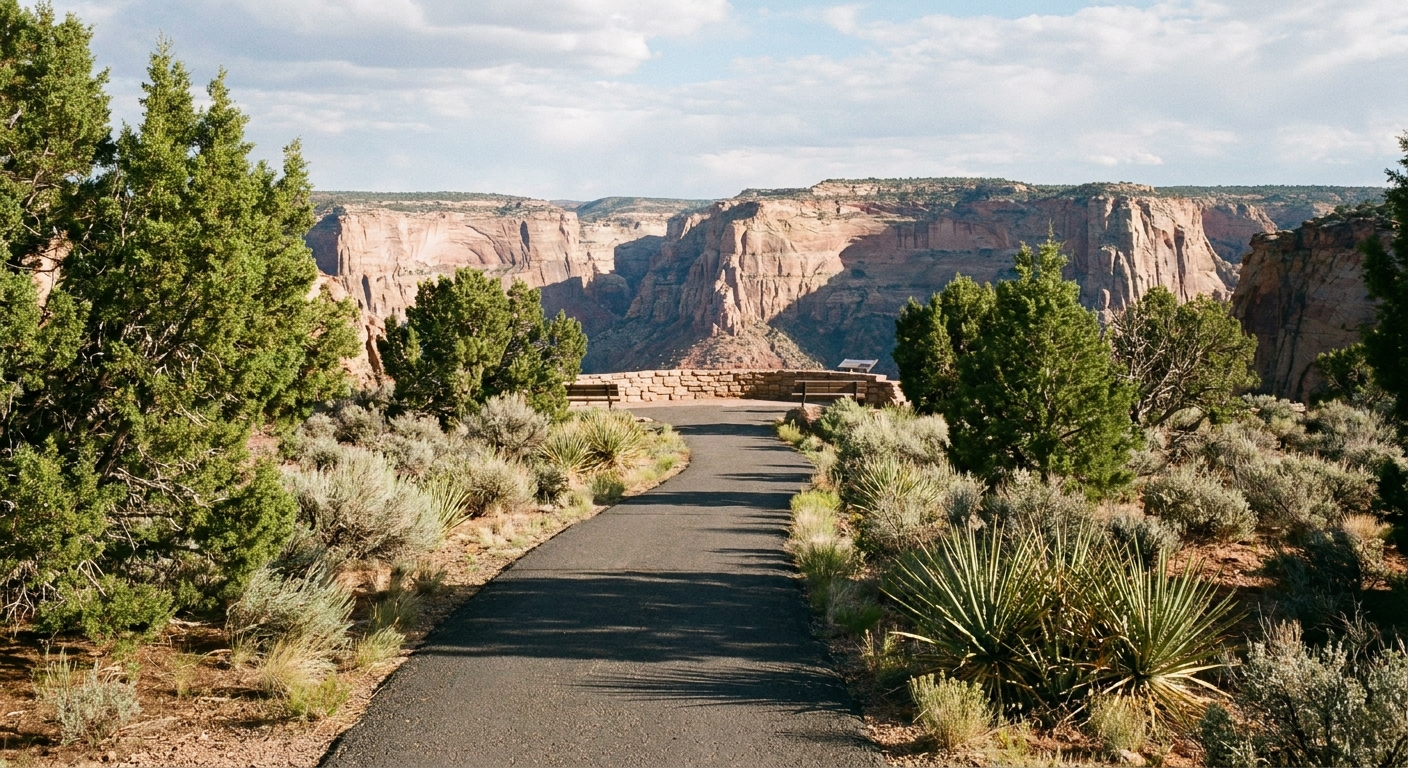
- Sandal Trail: the short, paved overlook trail with one of the best low-effort views into Betatakin Canyon.
- Aspen Trail: a short but steep out-and-back trail that drops into the canyon for a different perspective.
- Betatakin guided hike: the classic ranger-led hike down into Betatakin Canyon to view the cliff dwelling from below.
- Keet Seel: stunning, but not casual. It typically requires a strenuous 17-mile round-trip backcountry hike and a permit, and access can be limited by conditions and staffing.
If you are choosing between “quick stop” and “half-day,” the make-or-break factor is usually whether you can get on a ranger-led Betatakin hike.
Betatakin tour tickets
Do you need advance tickets?
Often, yes. The Betatakin guided hike is capacity-limited and frequently requires a timed ticket or reservation depending on the season and staffing. Policies can shift year to year, so treat this as your planning baseline:
- Ranger-led Betatakin hikes: plan on needing a ticket and/or advance reservation during peak travel months (late spring through early fall). In shoulder seasons, some days may be same-day sign-up.
- Sandal Trail: no ticket. It is self-guided and open when conditions allow.
- Aspen Trail: no ticket. Self-guided.
Best practice: if Betatakin is the reason you are detouring, call the visitor center a few days ahead and again the morning you plan to go. This is not overkill here. Tours can fill, get adjusted for extreme heat, or change with staffing and road conditions.
Where to get tickets
Tickets, if required, are typically handled through the visitor center desk and sometimes through an online reservation partner depending on the season. Because this can change, your most reliable move is to:
- Check the official National Park Service Navajo National Monument page for current tour info.
- Confirm details directly with the Navajo National Monument Visitor Center by phone.
How long the Betatakin guided hike takes
Plan for a real half-day commitment. The ranger-led hike is typically about 3 to 5 miles round trip (route varies) and usually takes 3 to 5 hours from check-in to return. It is not technical, but it includes elevation change, sun exposure, and a return climb that feels extra honest in the heat.
Fitness and packing notes (carry-on only mindset, applied to day hiking)
- Water: in warm months, treat 2 to 3 liters per person as the baseline for a half-day hike here, and more is never a bad idea. This is one of those places where underpacking water is the fastest way to turn a good plan into a bad afternoon.
- Sun protection: hat, sunscreen, and sunglasses matter more here than fancy gear.
- Closed-toe shoes: do not do this in sandals, even if the trail name tempts you.
- Food: a small salty snack goes a long way on the return climb.
Sandal and Aspen trails
Sandal Trail (self-guided)
The Sandal Trail is the quick win: a paved path from the visitor center area to overlooks of Betatakin Canyon. It is designed for accessibility and families, and it is ideal if you cannot snag a tour ticket.
- Distance: about 1 mile round trip (short and sweet).
- Time: 30 to 60 minutes depending on how long you linger at the overlooks.
- Difficulty: easy, with typical high-desert sun exposure.
Plan to go earlier in the day for softer light and less heat. If you are chasing that “coffee shop glow” feeling in the desert, this is the closest you will get: calm air, golden rock, and the occasional raven doing acrobatics on thermals.
Aspen Trail (self-guided)
The Aspen Trail is the “short on paper, spicy in real life” option. It drops into the canyon and climbs back out, so you get more effort and a more enclosed, canyon-side feel than the rim overlooks.
- Distance: about 0.8 miles round trip, out-and-back.
- Elevation: roughly 300 feet of descent, which you earn back on the return.
- Time: about 45 to 90 minutes depending on pace and stops.
- Difficulty: moderate to strenuous for the distance because it is steep and can be hot.
Ranger-led schedules
Ranger-led programming at Navajo National Monument is seasonal. In general:
- Late spring to early fall: the best chance of regular, scheduled ranger-led Betatakin hikes, with the highest demand and the hottest temperatures.
- Shoulder seasons (spring and fall): fewer tours, but often the most comfortable hiking weather.
- Winter: limited services and fewer programs. Snow is possible, and road conditions can affect access.
Heat is the big decider. During extreme heat, tours may shift earlier, reduce group sizes, or be canceled for safety. Your smartest move is to build flexibility into your day and treat the posted schedule as “current plan, subject to desert reality.”
Photo etiquette
Cliff dwellings are not just scenic ruins. They are cultural sites connected to living communities. The monument’s photo guidance is designed to protect fragile resources and respect cultural values.
General guidelines to plan for
- Follow ranger instructions on where photography is allowed during guided hikes.
- No climbing, no leaning on walls, no entering closed areas for a better angle. Foot traffic and touch are major sources of damage.
- Skip drones. Drones are typically prohibited in national monuments and parks except with specific authorization.
- Be mindful of people. If other visitors are having a quiet moment, treat the space like a museum and a place of remembrance, not a set.
- Do not remove anything, including pottery shards or small stones. Leave it exactly as you found it.
If you want a great photo while keeping your impact light: use a longer lens, shoot from designated overlooks, and let the shadows do some storytelling. The contrast between bright sandstone and cool alcoves is part of the magic.
Page to Monument Valley loop
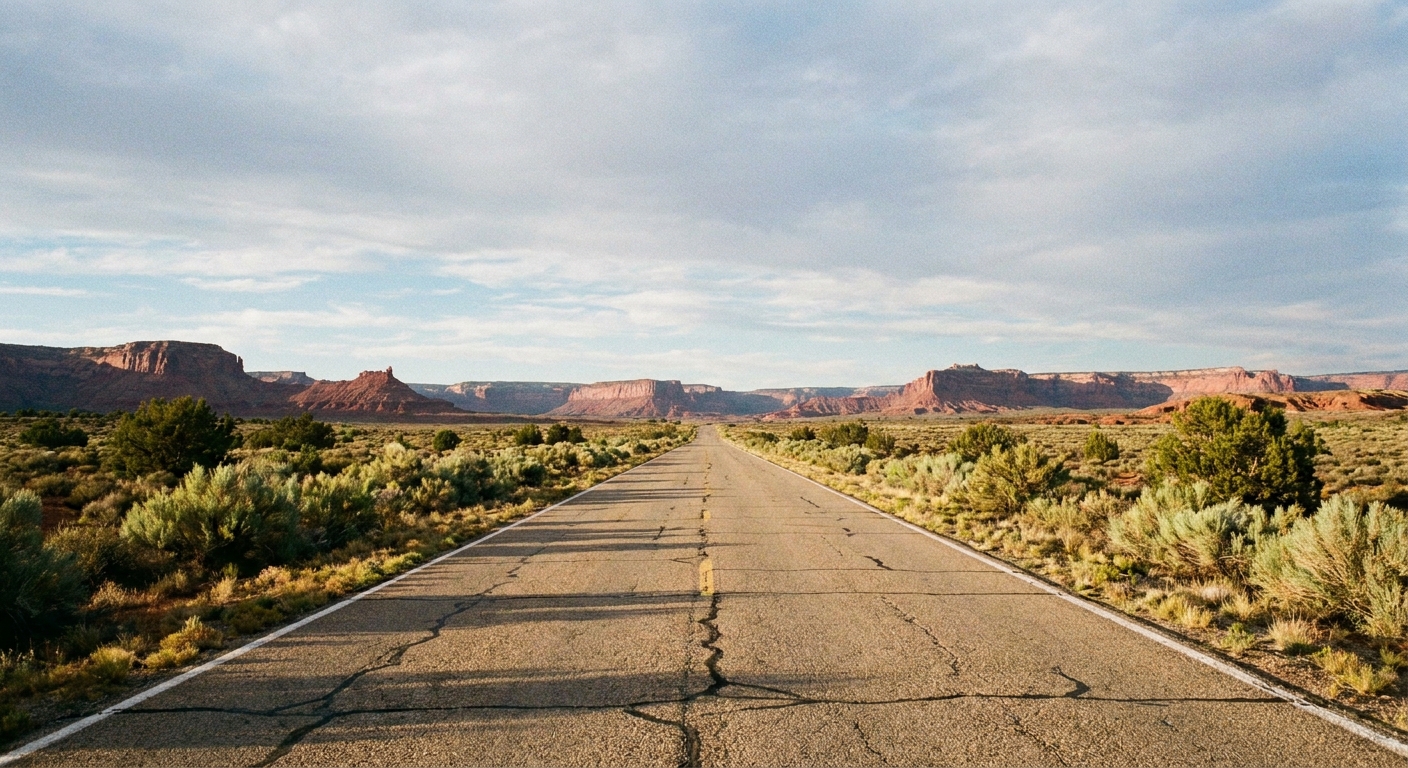
This is the logistics section I wish more sites spelled out. Navajo National Monument looks close on a map, but Northern Arizona distances can still surprise you. The good news: this stop is more doable than many people assume, as long as you are honest about your hiking time.
Drive times
- Page to Navajo National Monument (visitor center): about 1 hour 30 minutes (roughly 90 miles), depending on route, stops, and road work.
- Navajo National Monument to Monument Valley: about 1 hour (roughly 60 miles), depending on route, stops, and construction.
Those times are for wheels-turning driving. Add 10 to 20 minutes for fuel, bathrooms, and the inevitable “wait, pull over, that view is ridiculous” moments.
Half-day plan (best if you overnight in Monument Valley or Kayenta)
- Morning: Depart Page early to arrive around opening hours.
- Mid-morning: Visitor center exhibits and orientation (20 to 40 minutes).
- Late morning: Sandal Trail (45 minutes) and, if you want extra movement, Aspen Trail (60 to 90 minutes).
- Midday: If you have a ranger-led Betatakin ticket, do the guided hike and keep the rest of the day simple. This is the main event and can run 3 to 5 hours.
- Afternoon: Drive onward to Monument Valley for late light.
Pick your plan
Use this simple decision tree:
- You have a Betatakin guided hike ticket: build the half-day around that time slot. Consider Sandal Trail only if you have extra energy and time.
- No ticket, limited time: do Sandal Trail + visitor center. You will still leave feeling like you saw something special.
- No ticket, you want a short but steep hike: add the Aspen Trail and treat Betatakin as an overlook experience this trip.
Tips for an easier visit
- Arrive with snacks and water. Services are limited in this region, and you do not want to be rationing water on a sunny trail.
- Plan bathroom stops around the visitor center.
- Check conditions the day you go. Heat, snow, and monsoon storms can all change what is safe or available.
- Slow down. This is a place that rewards sitting quietly at an overlook for five extra minutes.
If you are doing the Page to Monument Valley loop, Navajo National Monument is a detour that adds meaning, not just mileage. Even a quick Sandal Trail walk gives you the context to understand how people lived here and why the landscape still feels alive.