Pecos National Historical Park Walks: Glorieta Pass and Pecos Pueblo

Maya Lin
Maya Lin is a travel journalist and outdoor enthusiast who believes the best trips combine rugged adventures with urban comforts. After spending six years backpacking across four continents, she founded Trail & Town Guide to help fellow travelers navigate both hidden mountain passes and bustling city neighborhoods with confidence.
Pecos National Historical Park sits in that sweet spot I’m always chasing: big, open New Mexico sky and deep history you can actually walk through, plus the very real possibility of being back in Santa Fe for a shower and a great dinner. If you have half a day between museum hopping and mountain drives, this is one of the most rewarding side trips in the Santa Fe corridor.
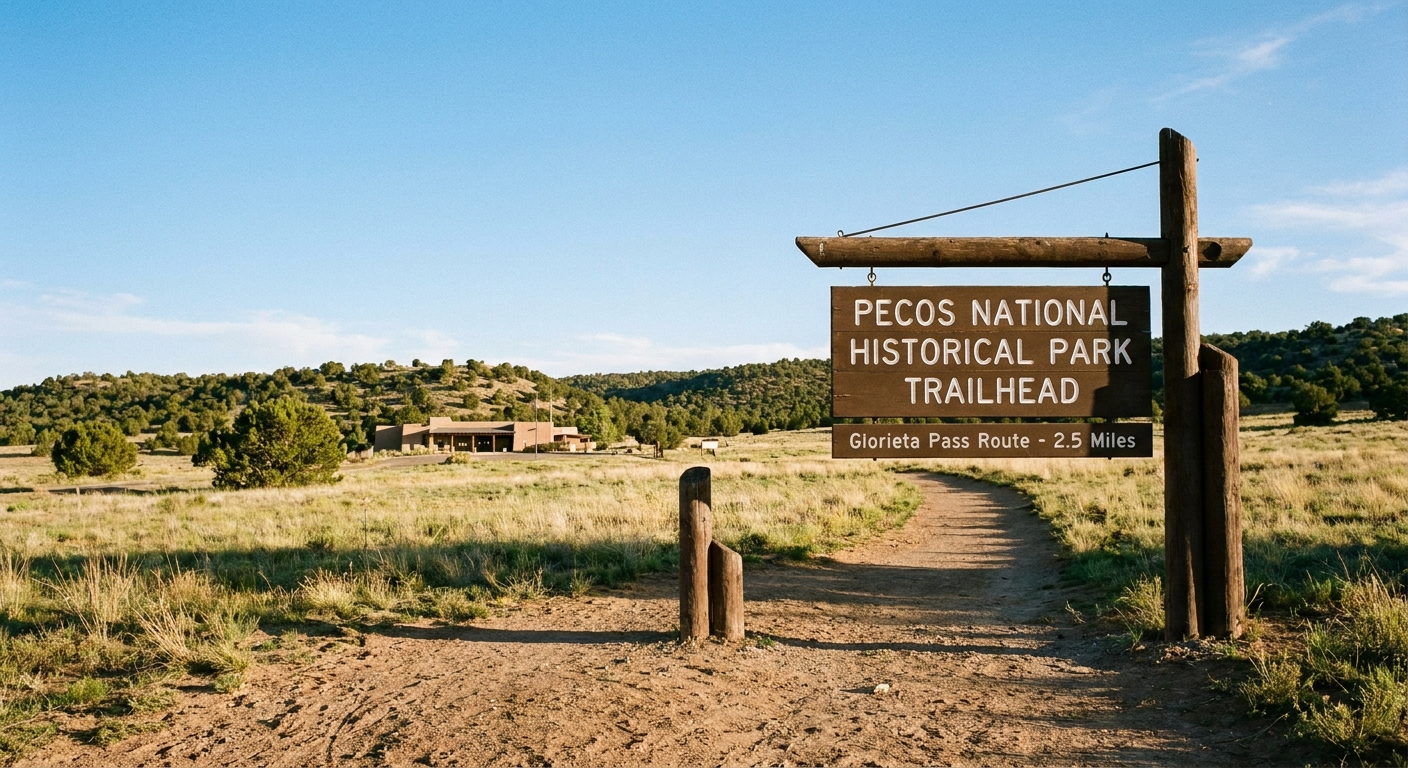
Here’s how to tackle the park’s two most satisfying on-foot experiences, the Pecos Pueblo and Spanish mission ruins near the visitor center and the Glorieta Pass battlefield routes a short drive away. I’ll also cover the Forked Lightning Ranch option, when tours are worth your time, and the practical stuff people forget until they are roasting in the high desert sun.
Quick orientation
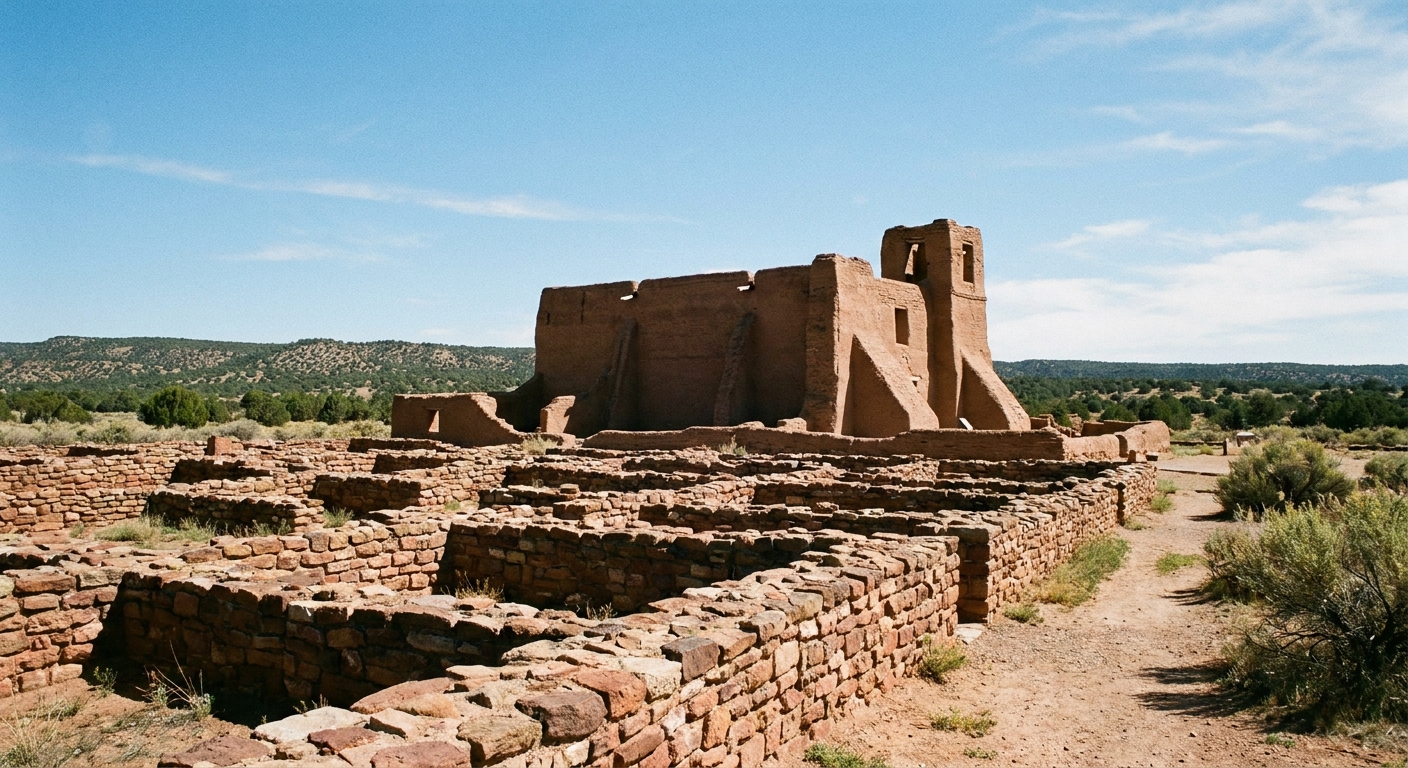
Pecos NHP protects a layered landscape: an ancestral Pueblo community that grew into a major trade center, the remains of a Spanish mission built after colonization, and a Civil War battlefield where terrain, logistics, and one audacious supply raid helped decide the fate of the Southwest campaign.
The park’s experience is split into two main areas:
- Main park unit (Visitor Center area): Pecos Pueblo and mission ruins, short interpretive trails, and ranger programs. This is where most first-time visitors start.
- Glorieta Pass Battlefield unit: separate trailheads for battlefield walks. You drive here from the visitor center area.
Think of it as “ruins and context first, battlefield second” if you want the day to make emotional sense. But if you are chasing cooler morning temps, you can still do the battlefield earlier in the day, as long as you stop at the visitor center first for access details.
Pecos Pueblo and mission ruins
What it’s like
This is the walk that makes Pecos feel intimate. You’re not just reading plaques, you’re moving through the footprint of a thriving community and then into the later mission era. The landscape is open and breezy, with long views that help you understand why this place mattered as a crossroads.
The main loop here is the Ancestral Sites Trail, about 1.25 miles total. Expect a mostly easy, interpretive stroll on established paths with some uneven ground around archaeological features. If you have limited time, prioritize this over everything else.
Access and etiquette
- Start point: Visitor Center area. Begin inside if it’s open so you can see maps, ask about trail conditions, and catch any scheduled talks.
- Stay on trails: The ruins are fragile. It can be tempting to step over low walls for a better angle, but even light foot traffic damages sites over time.
- Accessibility notes: Some sections are relatively flat and approachable, but surfaces can be uneven. Check with staff for the most accessible route on the day you visit.
Glorieta Pass Battlefield
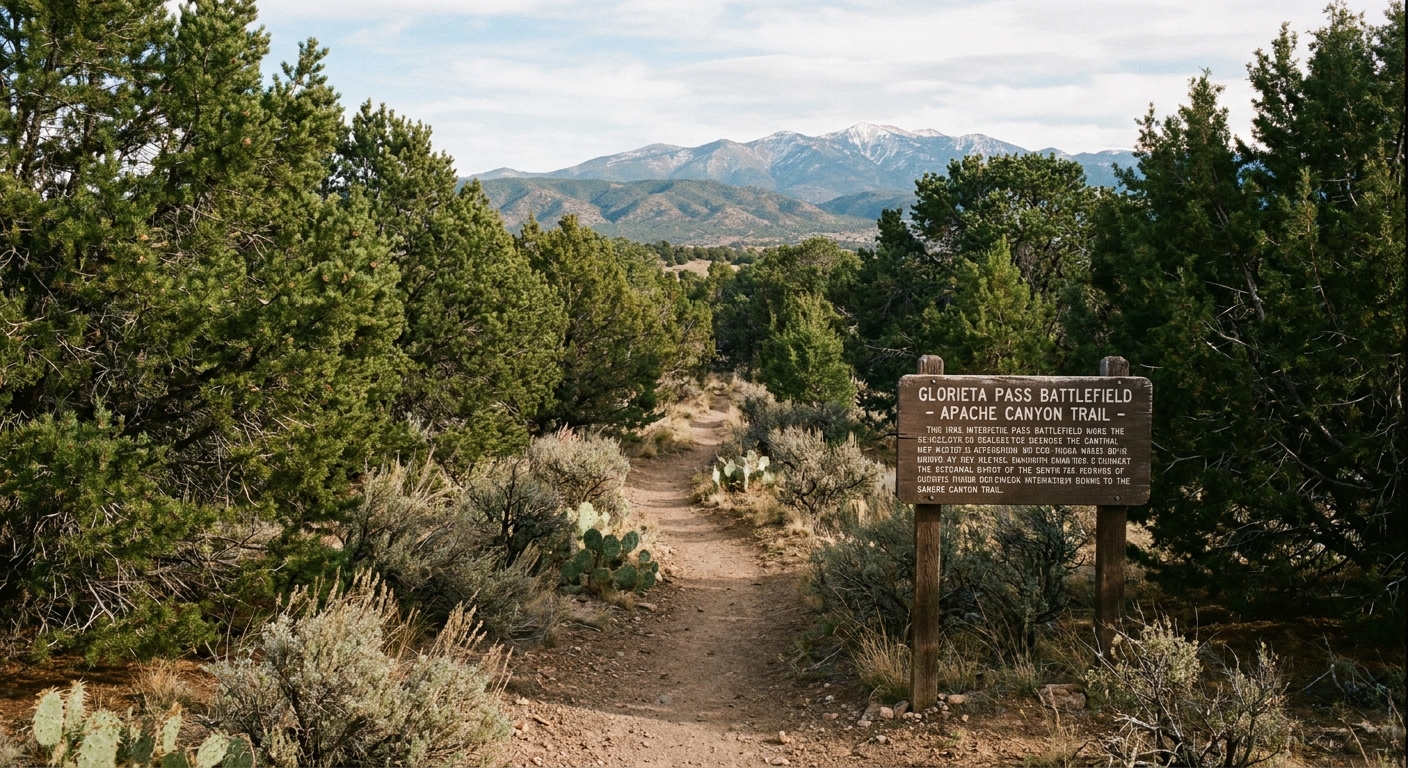
Glorieta Pass is often called the “Gettysburg of the West,” and while that nickname can oversimplify things, it hints at why this place matters. In 1862, Confederate forces pushed up the Rio Grande corridor aiming to control supply routes and potentially open the way to Colorado’s resources. Union forces, along with local volunteers, met them in the mountain pass country east of Santa Fe. The fighting was tactical and brutal, but the turning point was logistical: a Union detachment destroyed the Confederate supply train at Johnson’s Ranch, forcing a retreat and reshaping the campaign.
When you walk here, you are not just tracing troop movements. You are seeing how narrow terrain, cover, and the high-altitude sun shaped decisions.
Before you drive out: the gate code
This is the one logistical detail that can wreck your momentum if you miss it. Glorieta Pass Battlefield access is controlled by a locked gate, and you need a padlock code. In practice, that means you should stop at the main visitor center first (during open hours) to get the current code and any same-day access notes. Without it, you can arrive ready to hike and end up staring at a locked gate.
Glorieta Battlefield walk
This is the classic battlefield walk: interpretive stops, big landscape perspective, and enough context to understand how the engagement unfolded without needing to be a Civil War specialist. It’s exposed in many stretches, so timing and water matter.
- Best time: Earlier in the day for cooler temps and cleaner light for photos. Just remember the gate code requirement, which typically pushes the earliest realistic start until after you have visited the visitor center.
- What to bring: Sun hat, sunscreen, water, and wind protection. The pass can feel surprisingly chilly when weather moves in.
- Good for: First-time visitors, history lovers, and anyone who wants a meaningful walk without committing to a long hike.
Forked Lightning Ranch and Johnson’s Ranch
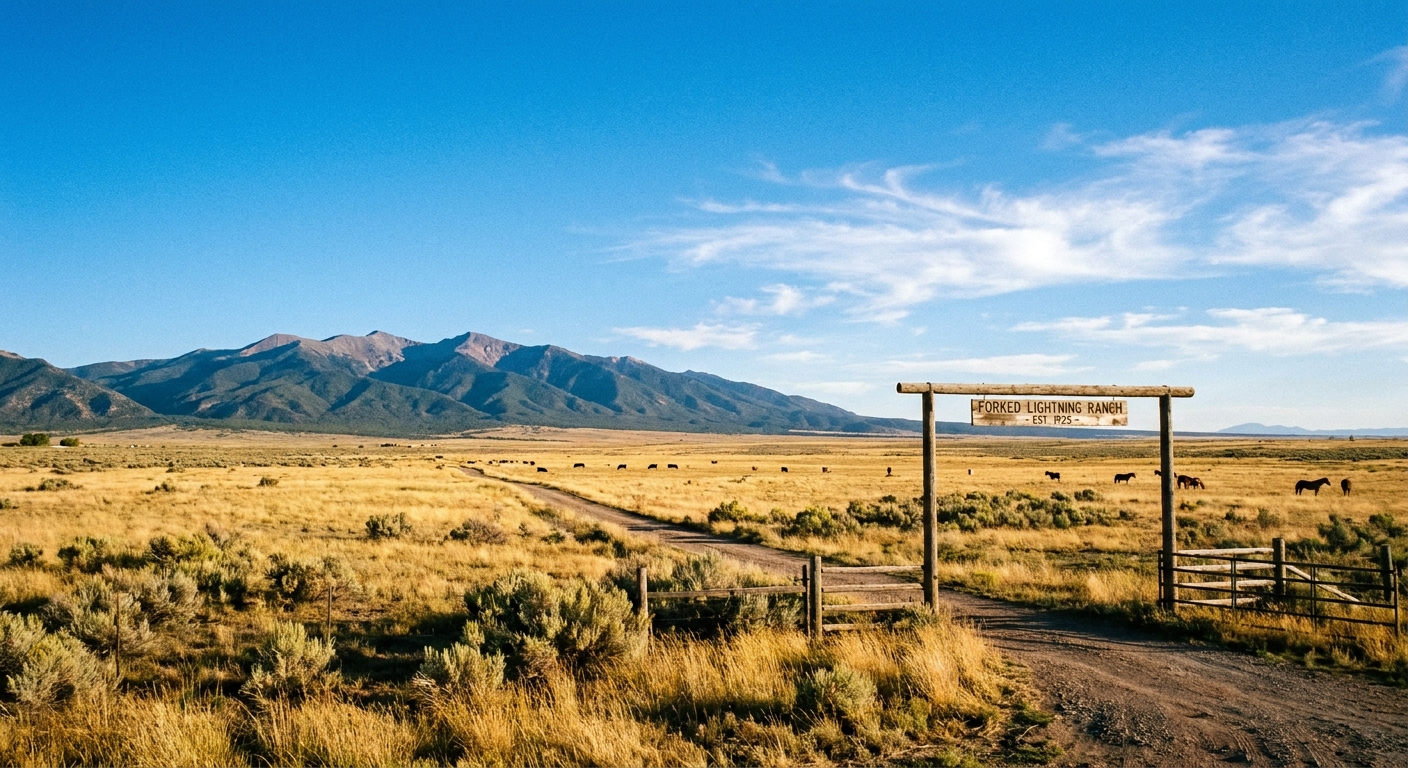
The Forked Lightning Ranch area is tied to the broader Glorieta Pass story, especially the movement of troops and the supply-train action that changed everything. The vibe is quieter and more reflective, with a landscape that reads as ranch country first and battlefield second. If you like connecting dots through geography, this is a satisfying add-on.
Because naming and access points can vary by unit and season, I treat this route like a “check first, commit second” walk. Ask at the visitor center which trailheads are best accessed that day and which interpretive materials are currently available. This is also the moment to confirm access logistics, including any gates and codes.
- Go here if: you already did the main battlefield walk or you want a less-busy walk with strong historical context.
- Skip if: you only have one short window and want the most comprehensive battlefield interpretation in one place.
Hours and timing
Pecos is an easy win for a half-day, but only if you plan around operating hours. In general, the visitor center and staffed facilities keep seasonal schedules, and some ranger programs run only at certain times of year.
- Before you go: confirm current visitor center hours and any temporary closures on the official National Park Service page for Pecos NHP.
- Plan for Glorieta access: because you need the gate padlock code in person, build a visitor center stop into your schedule before heading to the battlefield unit.
- Winter shoulder season: fewer crowds and crisp air, but shorter daylight and occasional weather that can make the pass feel harsh.
- Summer: longer days and more programming, but plan around heat and storms. Afternoon thunderstorms can build fast.
If your Santa Fe itinerary is tight, aim for a morning start and you will be back in town with daylight to spare.
Sun, altitude, what to pack
Pecos NHP is not a wilderness expedition, but it still behaves like northern New Mexico: bright sun, thin air, and wind that can turn “pleasant stroll” into “why didn’t I bring a layer?”
- Sun: Much of both the ruins area and battlefield walks are exposed. Bring sunscreen and a brimmed hat, even on cooler days.
- Water: Carry more than you think you need. If you’re visiting from lower elevations, the dry air will sneak up on you.
- Footwear: Comfortable walking shoes with decent grip for uneven surfaces and gravel.
- Layers: A light jacket or windbreaker is useful year-round, especially at Glorieta Pass.
When tours are worth it
I’m a big fan of self-guided wandering, but Pecos is one of those places where a good ranger talk genuinely upgrades the experience. You’re looking at subtle ruins and broad landscapes. A guide can help you “see” what isn’t obvious at first glance.
Plan around a tour if
- You want a clearer picture of Pecos Pueblo life, trade networks, and how the community fit into the region.
- You’re interested in the mission era and want nuance beyond a quick sign read.
- Civil War history is your main draw and you want the battlefield story told with terrain-based clarity.
Skip the tour if
- You only have a short stop and mainly want a scenic, interpretive walk.
- You are arriving late in the day and programs are not running.
Pro tip: even if you do not join a formal tour, popping into the visitor center to ask “What should I not miss today?” often gets you the one detail that makes the rest of the visit click.
Half-day plans from Santa Fe
Pecos NHP works beautifully as a “town morning, trail afternoon” or the reverse. Here are two reliable half-day rhythms that keep you comfortable and avoid the mid-day sun.
Option A: ruins first, battlefield second
- Early coffee and breakfast in Santa Fe, then drive out while the air is still cool.
- Visitor center and Pecos Pueblo ruins for the cultural foundation and best interpretive flow.
- Drive to Glorieta Pass for a battlefield walk before afternoon heat peaks.
- Back to Santa Fe for a late lunch, a shower, and an evening in the Railyard or Canyon Road.
Option B: early battlefield, then ruins
- Start at the visitor center when it opens to get oriented and pick up the current Glorieta gate padlock code.
- Head straight to Glorieta Pass for the earliest realistic start on the battlefield trails that day. You still get cooler temps and great light, just not pre-opening sunrise access.
- Finish at the ruins loop (the Ancestral Sites Trail) late morning, when the story threads feel clearer and services are easiest to find.
- Return to Santa Fe mid-day and lean into indoor culture, galleries, and long lunches.
If you’re staying in Santa Fe, this is also an easy way to balance your trip’s energy: you get real trail time without giving up the comforts of a well-located hotel.
Connect the stories
If you want Pecos to land emotionally, hold one thought as you walk: this landscape has always been about movement. Trade routes, cultural exchange, colonization, and then armies and supply lines. The Pueblo ruins and the battlefield are not separate attractions. They’re chapters in a long narrative about why this corridor mattered, and still matters, between mountains and city.
Slow down at one viewpoint, put your phone away for two minutes, and listen to the wind. Pecos is a place where the silence feels earned.
Before you go
- Confirm current visitor center hours and any unit closures on the NPS site.
- If you plan to hike at Glorieta Pass, stop at the visitor center first to get the current gate padlock code.
- Bring water, sunscreen, hat, and a light layer.
- Start early if you want the best weather window at Glorieta Pass, but tie your start time to visitor center opening hours.
- Consider a ranger-led program if you’re hungry for deeper context.
- Plan your return to Santa Fe with time for traffic and a relaxed meal.
If you’re building a Santa Fe trip that blends history with fresh air, Pecos National Historical Park is one of the easiest, most underrated ways to do it.