Point Lobos Near Monterey: Short Trails, Otters, Seals, and Entry Tips
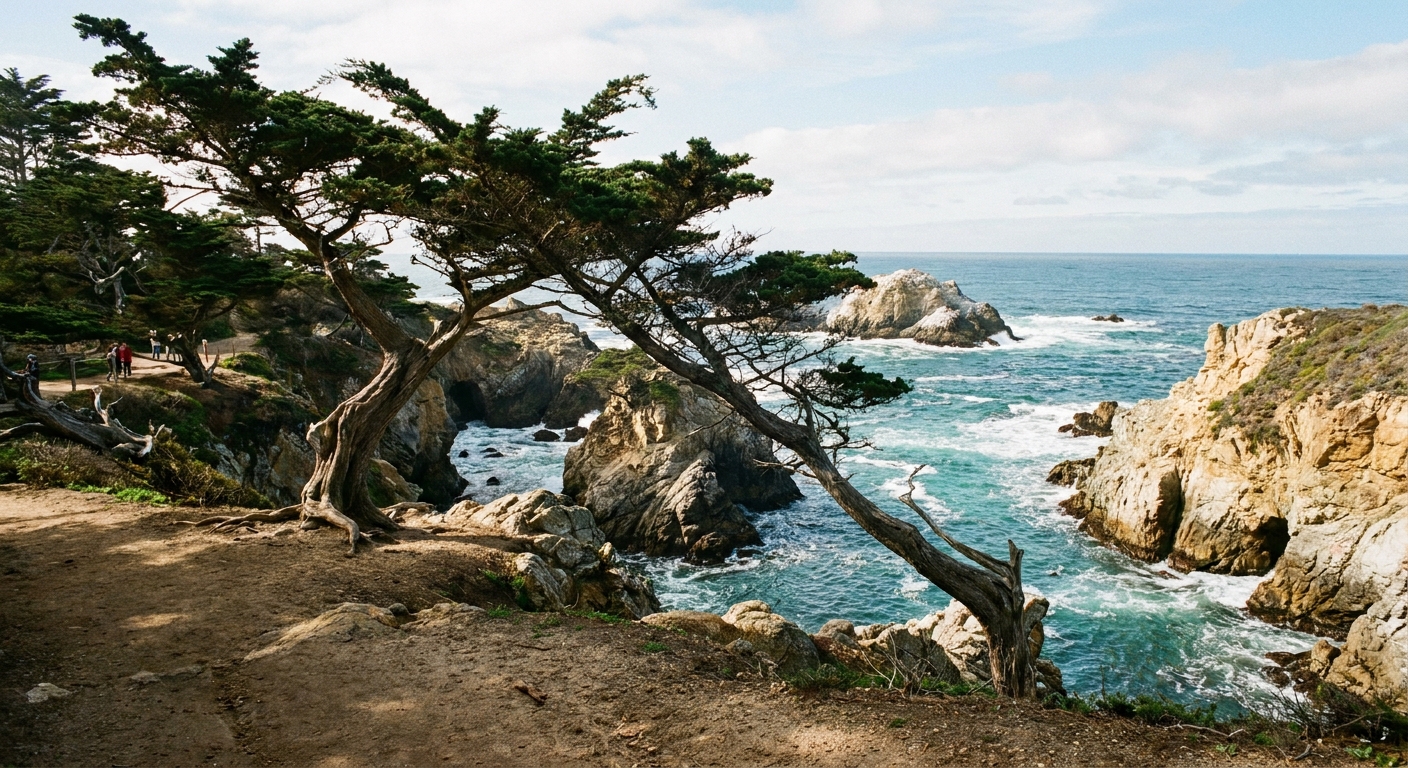
Point Lobos State Natural Reserve is the rare coastal park that feels like a mini Big Sur without the full day commitment. You get cypress groves sculpted by wind, tide pools that demand you slow down, and some of the best “maybe we will see wildlife” odds on the Monterey Peninsula that are actually not wishful thinking.
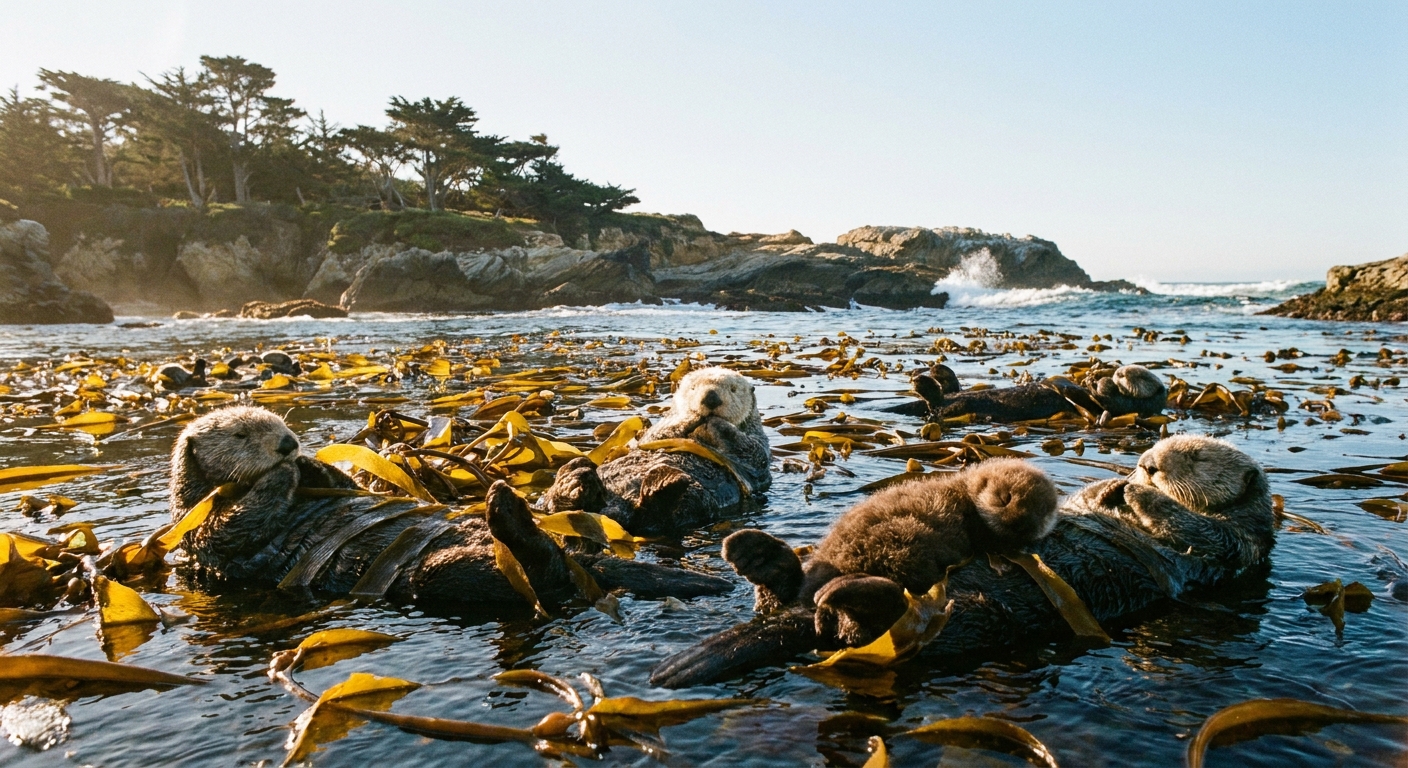
If you have a half day between Monterey, Carmel-by-the-Sea, and Highway 1, Point Lobos is the sweet spot: short loops with big scenery, easy-to-moderate walking, and a seriously good chance of spotting sea otters and harbor seals if you give yourself a little time to scan.

Before you go
- Hours and fees: Day-use hours and the vehicle entry fee can change. Check the official California State Parks Point Lobos page before you go.
- Parking: This is the main bottleneck. On busy days, the park can temporarily stop letting cars in when lots fill.
- Dogs: Verify the current policy before arriving. In general, California state park trail rules can be stricter than people expect, and Point Lobos is not a “bring the dog and wander everywhere” kind of place.
- Restrooms and water: Restrooms are available near main day-use areas. Do not assume water is available everywhere. Bring what you need.
- What to pack: A wind layer, sun protection, water, a small snack, and binoculars if you have them.
When to go for otters and seals
Wildlife is never guaranteed, but the time of day changes your odds and your experience on the trails.
Morning: calmer water, easier spotting
- Sea otters: Mornings often mean smoother water and less glare, which helps you pick out otters floating in kelp beds. If you have binoculars, this is where they pay for themselves.
- Harbor seals: You may see them hauled out on sand or rock in protected coves. Quieter mornings help if you are willing to watch for a few minutes instead of doing the quick look-and-go.
- Vibe: Cooler air, softer light, fewer people if you arrive early.
Midday: bright light, more company
- Sea otters: Midday light can make the water look clearer in certain coves, but wind and glare can make scanning harder.
- Harbor seals: They can be present throughout the day. Viewing quality depends on where they choose to rest and how busy the shoreline is.
- Vibe: More foot traffic, fuller parking lots, more stop-and-start at viewpoints.
My rule of thumb: If wildlife is the main goal, arrive early and build in “quiet scanning time.” Otters and seals are often out in the kelp beds and protected coves, so the best sightings are usually the ones you earn by lingering.
Pick a short trail
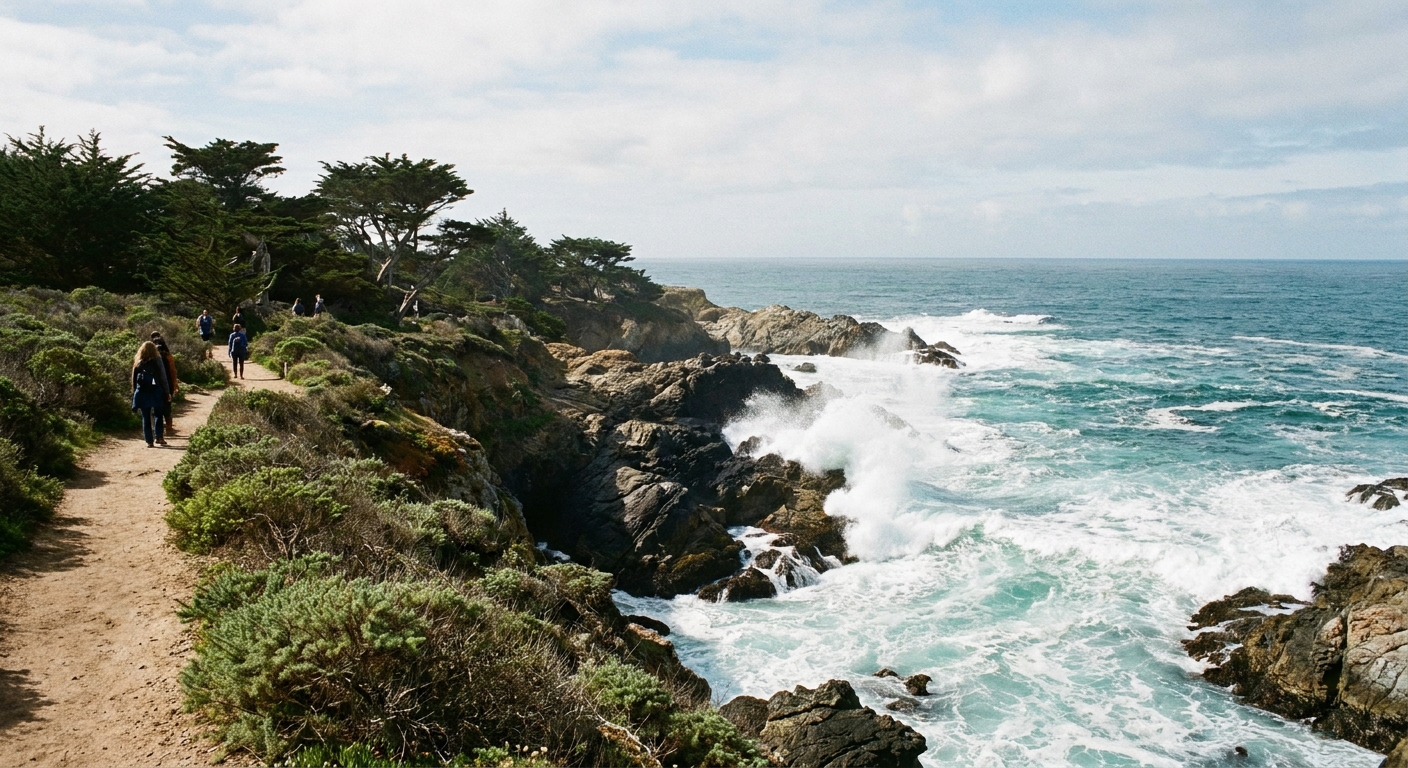
Point Lobos has a web of interconnected routes. If you want a shorter walk with big payoff, these two options are the easiest way to get the Point Lobos highlight reel without overthinking it.
Sea Lion Point Trail: coastal drama
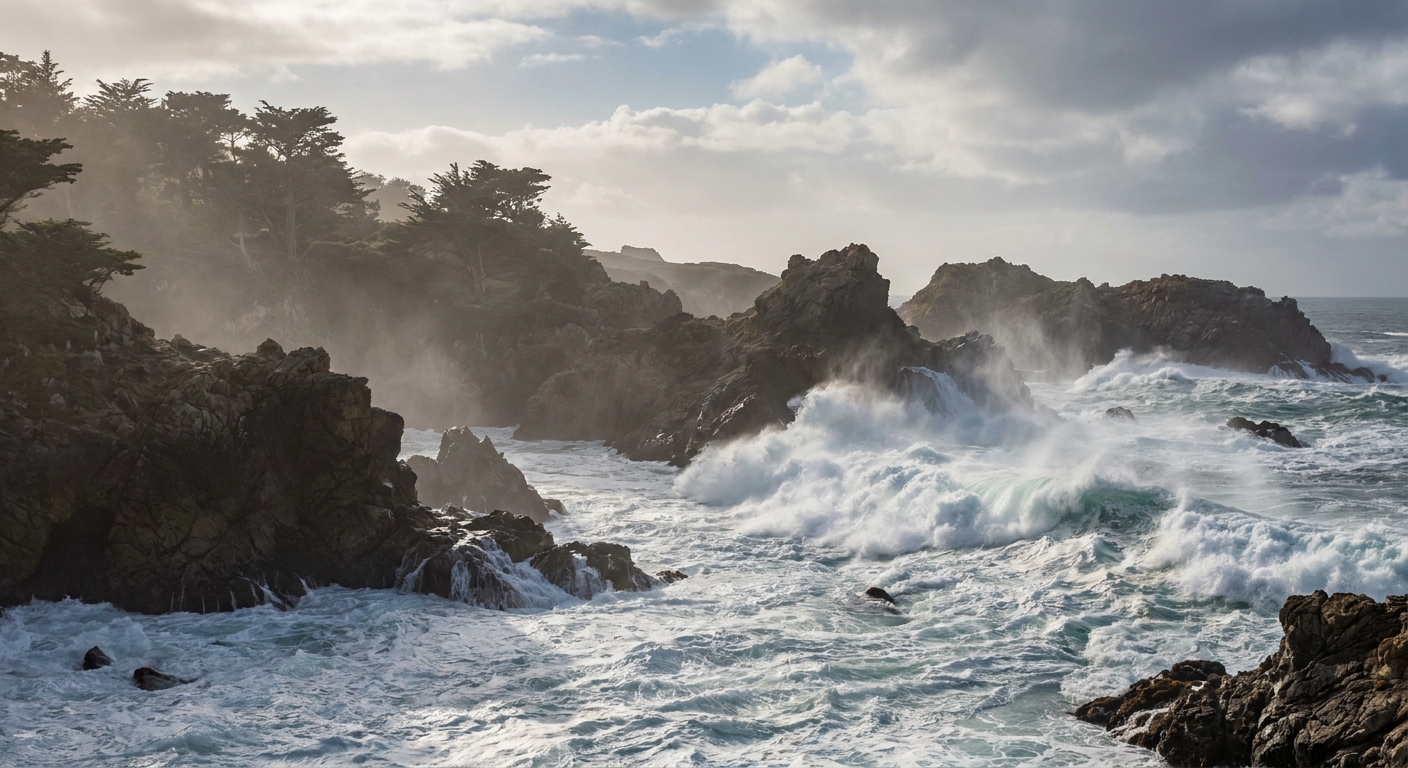
This is the choice when you want that classic rocky shoreline experience. Expect wave action, spray on windy days, and constant reasons to stop and stare. It is ideal if you want ocean energy and quick scenic payoffs.
- Typical time: About 30 to 60 minutes at a relaxed pace, longer if you linger at overlooks.
- Best for: Big views, surf sound, quick “wow” moments
- Watch for: Slick rock near edges and surprise wave sets if you wander down toward the waterline
Bird Island Trail: iconic cypress views
Bird Island Trail is the pick for that Point Lobos postcard look: rugged coast, cypress silhouettes, and an overlook that makes you hang around. It can be a strong option for otter scanning because you naturally spend time looking out over the water.
- Typical time: About 45 to 75 minutes with stops.
- Best for: Signature scenery, birds, marine life viewing from above
- Watch for: Wind at viewpoints and narrow sections where slower hikers can create brief bottlenecks
If you only do one: Choose Bird Island Trail for the classic view and the easiest “linger and scan” setup. Choose Sea Lion Point Trail if you want more moving water and rocky shoreline drama in a shorter burst.
Naming note: Maps and signs may show these as “Bird Island Trail” and “Sea Lion Point” (or “Sea Lion Point Trail”). If in doubt, grab the free park map at the entrance kiosk and match the names there.
Add-on: Cypress Grove Trail
If you have time for a second short segment, Cypress Grove Trail is the Point Lobos mood in one loop: twisted, wind-bent trees, filtered light, and that unmistakable “this is California coast” feeling.
- Typical time: About 45 to 90 minutes depending on photo stops.
- Best for: Iconic cypress scenery and a slightly quieter vibe
- Watch for: Rooty, uneven tread in spots and plenty of natural “photo traffic”
Easier access and mobility notes
Point Lobos is rugged by nature, so I like to be careful with the word “accessible.” There are easier options, especially near main day-use areas, but many of the most photogenic viewpoints involve uneven ground, narrow paths, or steps.
- Best bet for flatter terrain: Stick close to the main parking and day-use zones and focus on the most developed overlooks.
- Ask for current conditions: If you need ADA-specific guidance, ask at the entrance kiosk for what is currently accessible. Surfacing and grade can change with maintenance, erosion, or storm damage.
- Good mixed-mobility strategy: Choose a central viewpoint as your meetup point, then let stronger walkers add Bird Island Trail or Cypress Grove Trail while others enjoy a shorter, flatter scenic segment and wildlife scanning.
Tides and rocky shore safety
The beauty here is close to the edge, literally. Point Lobos has rocky shelves, coves, and low shoreline areas where the ocean can shift from calm to serious quickly.
Simple rules that keep it fun
- Do not turn your back on the ocean near rocks or low ledges.
- Wet, dark rock is a warning that waves have been reaching that spot. It is often slick.
- Check tide and swell if you plan to explore tide pools or low benches. Higher tide reduces safe space, and swell can push water farther than you expect.
- Stay on established paths where possible. Social trails often mean fragile habitat and sketchier footing.
This is also a great place to practice low-impact wildlife viewing. Give marine mammals a wide buffer, never approach, and let them rest.
Parking and entry
Point Lobos can feel deceptively small at the entrance and then surprisingly expansive once you are on the trails. The limiting factor is almost always access, not distance.
How it usually works
- Day-use entry fee: Expect a vehicle entry fee at the gate.
- Parking fills early: On peak days, the lots can fill and entry may be temporarily limited until spaces open.
Reservations and timed entry
Often, Point Lobos operates without reservations and simply manages entry based on parking capacity. That said, reservation or timed-entry pilots can be introduced to manage crowding.
- If timed windows are in effect: Your arrival time may matter, and missing a window could mean waiting or adjusting.
- Cell service can be unreliable: Screenshot confirmations before you reach the gate.
- Weekends and holidays: If reservations exist, earlier slots usually go first.
Best move: Check the official Point Lobos State Natural Reserve page and the California State Parks reservation portal the week of your visit, then again the night before. Policies can shift seasonally.
A relaxed half-day plan
This is my favorite way to do Point Lobos without turning it into an endurance event or a full-day parking chess match.
Option A: wildlife-first morning (2 to 3 hours)
- Arrive early and do a slow first scan from an overlook before you even start walking.
- Walk Bird Island Trail at an unhurried pace and stop often to scan kelp beds and coves.
- Add Sea Lion Point Trail if you want more surf and rocky coastline.
- Finish with a snack break and one last “binocular minute” before leaving.
Option B: midday scenic sampler (1.5 to 2.5 hours)
- Choose one primary trail: Bird Island Trail for classic views or Sea Lion Point Trail for wave action.
- If you still have time, add Cypress Grove Trail for the iconic trees.
- Spend extra time at overlooks instead of trying to “complete” multiple trails.
Pair it with Carmel
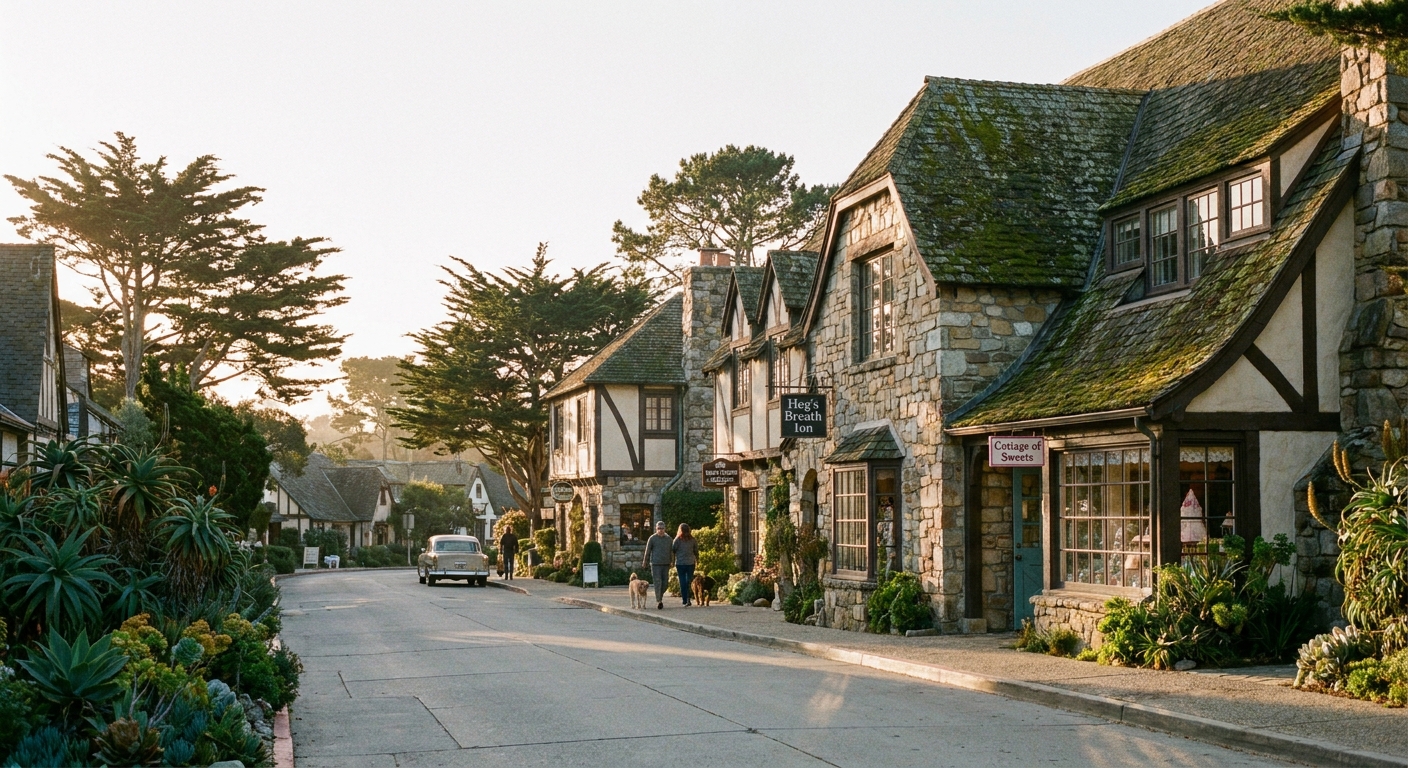
Point Lobos pairs beautifully with Carmel because the transition is instant: rugged coast to cozy town in under fifteen minutes. You do not need to tack on a big Big Sur drive to make this day feel complete.
My favorite Carmel reset
- Post-hike coffee: Carmel is excellent for lingering over a warm drink and letting the salt air settle.
- Easy stroll: Walk a few village blocks, browse galleries, then call it a win.
- Beach decompression: If you still have daylight, Carmel Beach is a simple, low-effort finale.
If you are doing carry-on only travel like me, this is also a great day to keep your kit minimal: a light layer, water, sun protection, and a small snack. Point Lobos rewards wandering, not overpacking.
Quick tips
- Binoculars change everything for otters, seals, and birdlife, even compact ones.
- Dress for wind even on sunny days. The coastline can flip temperatures fast.
- Plan around access, not mileage: The limiting factor is usually parking or entry controls, not your legs.
- Stay patient at overlooks: Wildlife moments often happen after five quiet minutes, not in the first thirty seconds.
- Give wildlife space: Enjoy the front row seat from a respectful distance and never feed or approach animals.