Rental Car vs. Public Transit for Multi-Stop Trips

Maya Lin
Maya Lin is a travel journalist and outdoor enthusiast who believes the best trips combine rugged adventures with urban comforts. After spending six years backpacking across four continents, she founded Trail & Town Guide to help fellow travelers navigate both hidden mountain passes and bustling city neighborhoods with confidence.
I love an itinerary that does not make you choose between alpine switchbacks and a great espresso in a busy neighborhood. The problem is that transportation is usually where the dream gets expensive, complicated, or both.
If your trip has multiple stops, especially a mix of remote trails and big cities, the “rent a car or take transit?” question is not philosophical. It is math, logistics, and a little bit of self-knowledge.
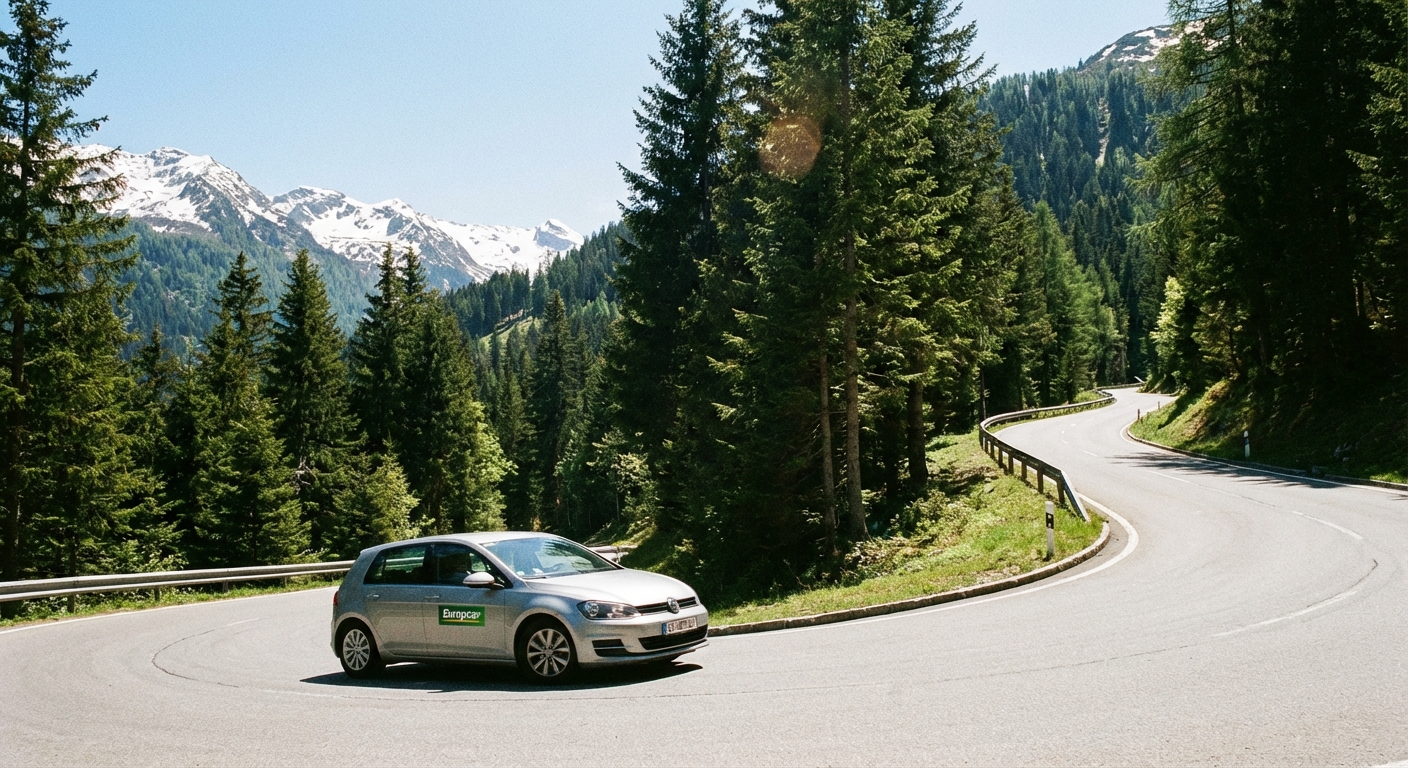
Below is the way I break it down when I am planning for Trail & Town Guide readers: cost, time, access, stress level, and what happens when your itinerary goes off script.
The quick decision
If you only read one section, make it this one. These rules of thumb are not perfect, but they are surprisingly reliable.
- Pick a rental car if you have two or more remote stops, you are carrying bulky gear, or you want sunrise trailhead starts without watching a bus schedule like a hawk.
- Pick public transit if your stops are mostly cities, you are visiting places with paid parking and congestion, or you are traveling solo and your route follows major rail corridors.
- Go hybrid if you are doing city plus one outdoor region. Use transit in cities, then rent a car only for the outdoor segment (more on this below).
My most common “best of both worlds” plan: arrive by train, spend a few days car-free in the city, then do a 2 to 4 day car rental for trailheads and small towns, then return the car before your final city nights.
What actually costs more?
People often compare a daily car rate to a train ticket and call it done. For multi-stop trips, the hidden line items are where the real story lives.
Rental car costs you should budget for
- Daily rate: Varies wildly by season and location. Airport pickups can be convenient but often include extra fees.
- Insurance: Your credit card may cover collision damage in some countries, but not liability. Know what you already have and what you do not.
- Fuel or charging: For gasoline, remote areas often mean higher prices. For EVs, confirm charging access near rural lodging.
- Parking: The budget killer in cities. Hotels can charge as much as a nice dinner per night.
- Tolls and congestion charges: Common around major metros and on faster highways.
- One-way drop fees: If you pick up in one city and return in another, this can be anywhere from manageable to brutal.
- Cross-border fees: If your itinerary hops countries, you may need written permission, extra insurance, or you may be blocked entirely.
- Driver requirements and add-ons: Young driver fees, additional driver fees, and the automatic vs. manual question can all change pricing and availability. In many countries, you may also need an International Driving Permit (IDP) alongside your license. Even when it is not strictly required, some rental counters and police checks expect it, so it is worth confirming before you land.
Public transit costs you should budget for
- Intercity tickets: Trains and long-distance buses are often cheapest when booked early on popular routes, but some corridors have fixed pricing or promos.
- Last-mile rides: Taxis or rideshares from a station to your lodging, or from town to a trailhead, add up fast.
- Local transit passes: Often a great deal in cities, especially if you plan multiple days of museums, neighborhoods, and markets.
- Gear surcharges: Some systems charge extra for bikes or large luggage, and some buses have limited storage.
- Storage and lockers: Many major stations have luggage lockers or staffed left-luggage desks. This can be a huge money and sanity saver if you want to explore a town, hit a museum, or do a quick hike during a stopover without hauling everything with you.
A simple way to compare: Add up total “door to door” cost for each leg. If public transit requires three rideshares and a shuttle to hit two trailheads, it may be more expensive than it looks.
Convenience: time, flexibility, and energy
Multi-stop trips are not just about getting there. They are about how much decision fatigue you want in the middle of your vacation.
Rental car wins when
- Your schedule is weird: Dawn hikes, late dinners in small towns, or spontaneous detours.
- You want to chase weather: If the clouds close in on one range, you can pivot to a lower elevation trail.
- You are visiting several small places: A string of villages, viewpoints, and short hikes is where cars shine.
- You have a group: Cost per person can drop quickly with 2 to 4 travelers, especially when you are splitting fuel and the daily rate. Just keep an eye on fees that do not split neatly, like parking, tolls, and one-way drop charges.
Public transit wins when
- Traffic and parking are painful: Dense cities, historic centers, and anywhere with tight streets.
- You want “arrive and walk” days: The best city travel days are often the least planned.
- You are doing long intercity hops: A train ride is productive time. You can read, nap, write postcards, and actually look out the window.
- You want to lower trip stress: No driving rules to learn, no toll booths, no “where did I leave the car?” moments.
- You want fewer moving parts: One good rail leg beats three transfers on a rainy day with a backpack.
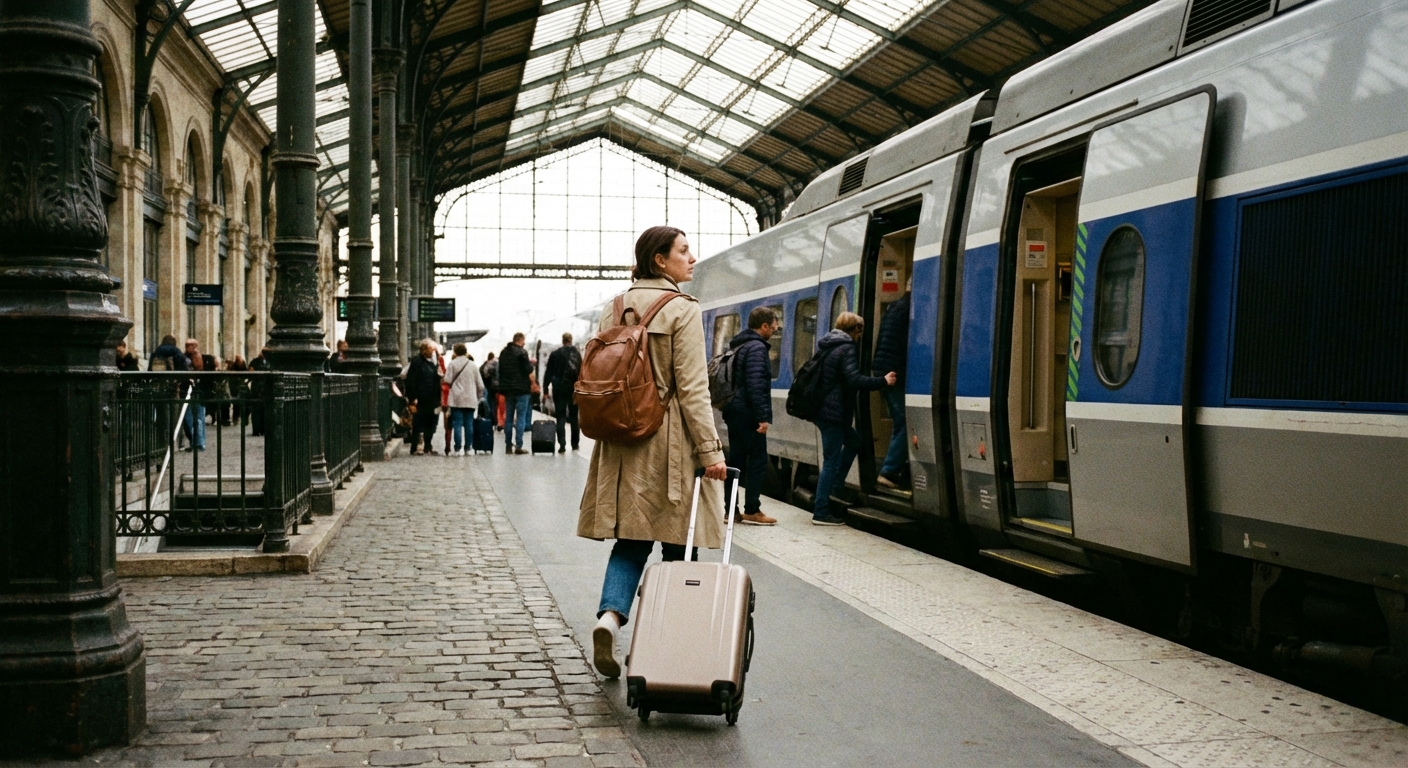
Access: trailheads and city centers
This is where most itineraries get stuck. Cities tend to be transit-friendly but car-hostile. Trailheads tend to be car-friendly but transit-hostile.
Questions to ask for trail access
- Is the trailhead served by a seasonal shuttle? Many parks and popular hiking regions run them, and in some destinations they are the default way to get around. But hours can be limited and shoulder season service may disappear.
- Do you need a permit with a timed entry? Some areas require arrival within a window. Transit delays can turn into missed entry.
- Is the access road rough? If reviews mention potholes, river crossings, or steep gravel, you may need higher clearance. Not all rentals allow off-pavement driving.
- Is there safe overnight parking? For hut-to-hut or point-to-point routes, you might leave a car for a night or two. Check theft risk and rules.
Questions to ask for city access
- Can you park where you are sleeping? If not, you are paying in time and stress.
- Are there low-emission zones or restricted centers? Some cities fine cars without permits.
- Is public transit reliable late at night? If you are a night market person, confirm last trains and safe routes home.
Comfort, safety, and sustainability
Transportation is not just logistics. It shapes your trip and your impact.
Comfort
- Car: Best for controlling temperature, storing snacks, and not hauling gear up stairs. Worst when it turns into a full-time thing you manage.
- Transit: Best for relaxing and people-watching. Worst when you are standing with a backpack during rush hour or when luggage racks fill up on a popular route.
Safety
- Car: You control your space, but you also take on unfamiliar roads, fatigue, and weather driving. If you are traveling in winter mountain regions, confirm whether your rental includes winter tires or allows chains where required.
- Transit: Generally safe in most destinations with normal precautions. The risk is usually the last-mile connection late at night or in low-service areas.
Sustainability
My default is to go car-free when a destination supports it. Trains and buses often have a lower per-person footprint than a solo rental car, especially when vehicles are reasonably full and routes are direct. The details vary by occupancy, vehicle type, and electricity grid. If you do rent, consider:
- Renting the smallest car that fits your gear.
- Using a hybrid or EV if charging is realistic for your route.
- Consolidating errands into one drive instead of lots of short hops.
- Keeping city days car-free even if you have a car in your name.
The hybrid strategy
If your itinerary includes both busy cities and remote trails, a hybrid plan usually wins on both cost and sanity.
One micro-example from my own planning life: on a recent city plus mountains trip, I skipped the car for the first three nights, used trains and my feet, then rented for a three-day loop of trailheads and small towns. The car cost less than paying city parking for a week, and I did not spend my first day of vacation learning local driving rules in downtown traffic.
Hybrid approach A: City first, car later
- Arrive by train or fly into the city.
- Spend 2 to 4 days on foot and transit.
- Pick up a rental car outside the city center (often cheaper and easier).
- Drive the outdoor loop with trailheads, lakes, and small towns.
- Return the car before your final city nights.
Hybrid approach B: Car for the middle
This is ideal when you have two major cities with a rural region in the middle.
- Transit within City A.
- Rent a car for the rural segment only.
- Drop the car on the edge of City B, then go transit-only again.
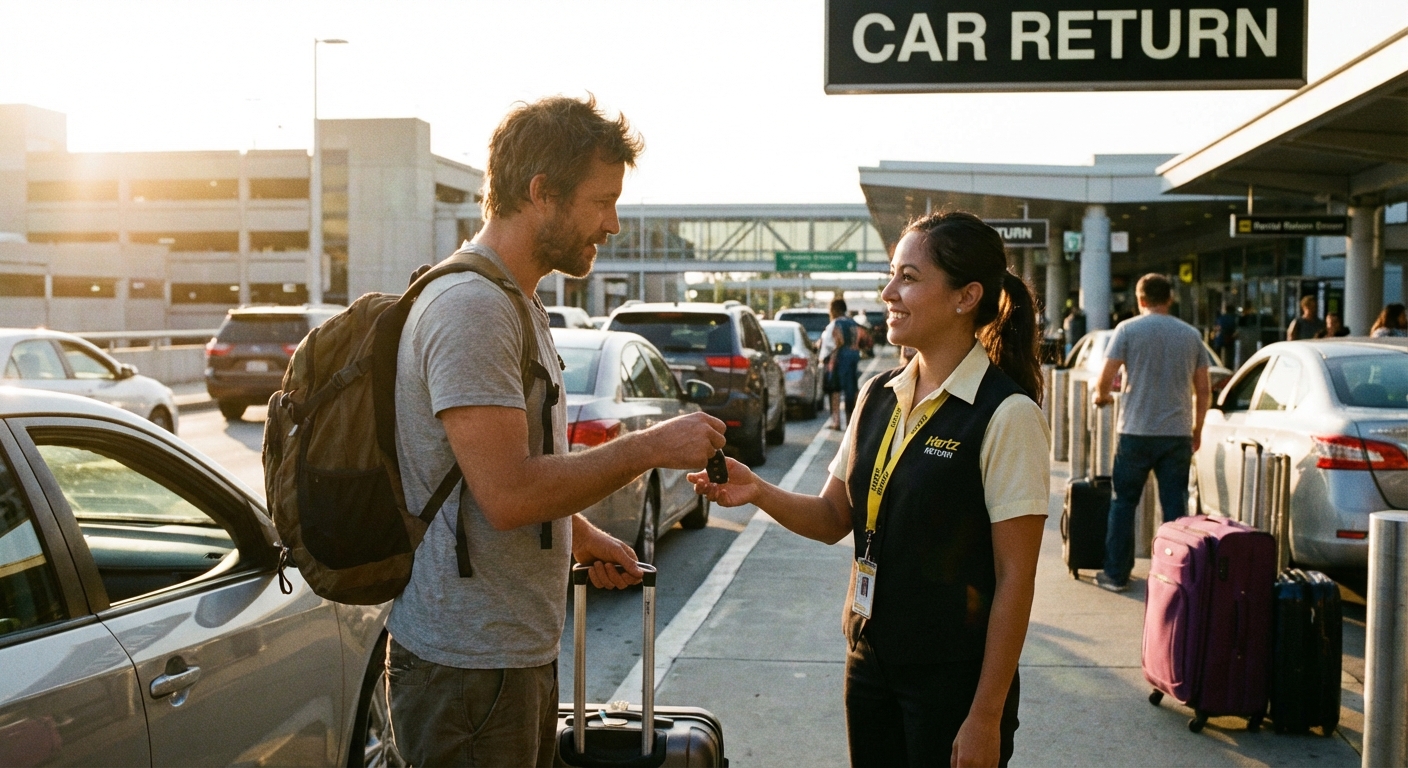
How to decide for your itinerary
Here is the checklist I use when I am mapping a trip that jumps between trails and neighborhoods.
Step 1: List your stops and classify them
- City core: walkable, parking expensive, transit strong.
- Small town: some taxis, limited local transit, parking easy.
- Outdoor hub: trail shuttles may exist, but early starts are tricky without a car.
- Remote trailhead: usually car-required unless you book a tour or private transfer.
Step 2: Map “door to door” time for each leg
Do not compare station-to-station. Compare hotel-to-hotel and trailhead-to-hotel. Add buffer time for transfers, waiting, and service gaps.
Step 3: Price both options honestly
- For cars, include parking, tolls, and drop fees.
- For transit, include last-mile rides and any shuttles to hikes.
Step 4: Decide what you want your “hard days” to be
Every trip has a couple of demanding days. Choose your hard:
- If you would rather navigate a new city metro system than drive narrow mountain roads, choose transit.
- If you would rather drive than coordinate three transfers with a backpack and wet boots, choose the car.
Common scenarios
Scenario: Two big cities plus one national park
Best pick: Hybrid. Transit in both cities, rent a car only for the park and nearby towns.
Scenario: One city, then a multi-day loop of small towns and trailheads
Best pick: Rental car. You will spend too much time solving last-mile problems otherwise.
Scenario: Solo traveler on a famous rail corridor with day hikes
Best pick: Public transit. Book popular train legs early when it matters, then choose hikes reachable by local bus, park shuttle, or guided transport.
Scenario: Friends trip with camping gear and a loose plan
Best pick: Rental car. The flexibility is worth it, and splitting costs makes it more reasonable.
Practical tips
- If you rent a car, keep city stays car-free. Pick lodging near transit, park once, and do not touch the keys until you leave.
- Choose accommodation near stations, not just attractions. On multi-stop trips, logistics beats a prettier lobby.
- Book the pain points first. This usually means peak train legs, popular trail shuttles, and any permits with timed entry.
- Build a disruption buffer. Strikes, weather, construction, and seasonal schedules happen. If you have a timed entry, a long hike, or a “cannot miss” dinner reservation, do not plan to arrive on the last possible connection.
- Plan for wet gear days. A car trunk is a nice drying closet. On transit, pack a lightweight waterproof stuff sack for muddy shoes.
- Know your real luggage tolerance. If you cannot lift your bag up a bus stairwell, you packed too much. My bias is still carry-on only, especially on transit-heavy trips.
- Car booking reality check. Compare pay-now vs. pay-later options, read cancellation rules, and confirm what your lodging charges for parking before you commit to keeping a car overnight.
The bottom line
For itineraries that bounce between remote trails and busy cities, the “best” transportation is usually the one that changes as your surroundings change. Use public transit where it is excellent and rent a car where it is essential.
If you want a one-sentence answer: go transit-first, then add a short, strategic car rental for the wild parts. That is how you get sunrise trailheads and late-night city eats in the same week, without turning transportation into your full-time job.