Saguaro Blooms and Wildflower Windows in Tucson
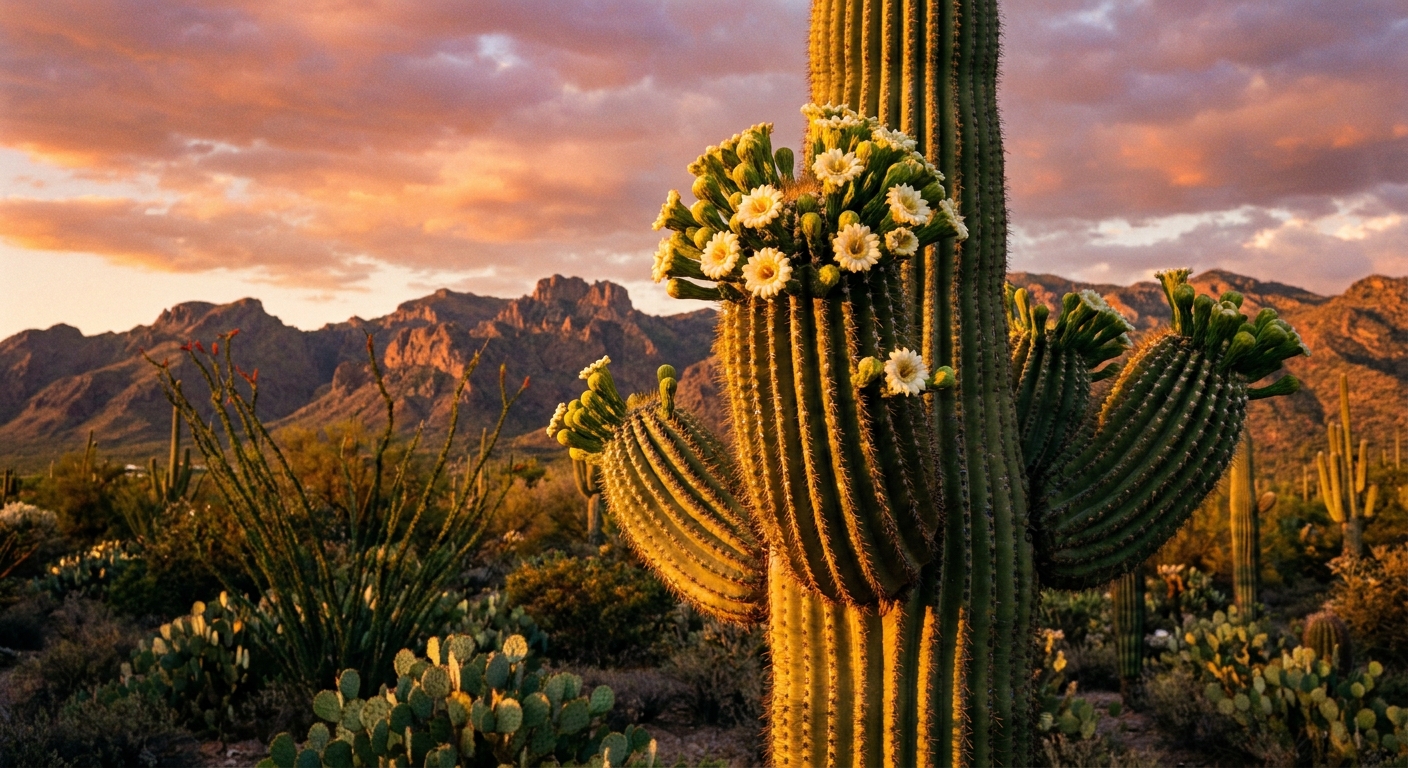
Tucson has a way of making you plan a whole trip around a plant. One week the desert looks like it is holding its breath, and the next it is throwing color from curbside medians to cactus-studded ridgelines. If you are chasing saguaro blossoms, you are aiming for a short, luminous window in late spring. If you are chasing wildflowers, you are really chasing a moving target: rain timing, warm days, cool nights, and elevation.
This is the bloom story locals learn fast: lower, warmer areas color up earlier, and higher, cooler areas lag behind. Use that simple rule, then fine-tune with the practical ideas below so you can see flowers without turning your visit into an all-day grind.

Bloom timing, the honest version
Bloom calendars are guidelines, not guarantees, because the Sonoran Desert is driven by rainfall patterns. Still, Tucson’s seasons follow a pretty reliable rhythm. Think of it as a relay race that starts on the valley floor and hands off to higher ground.
Typical wildflower windows (by elevation)
- Low desert and valley neighborhoods (roughly 2,000 to 3,000 feet): In good years, blooms can start as early as late February and run into early April. Common sights include brittlebush, desert marigold, Mexican gold poppy, globe mallow, and owl clover depending on the year and the exact spot.
- Foothills and mid-elevation slopes (roughly 3,000 to 5,000 feet): Often best from March into April. This is where you can still catch spring color even when the valley starts heating up.
- Sky island elevations (roughly 6,000 feet and up, like Mt. Lemmon): Often best from late April into June, and at the highest elevations some flowers can extend into summer, especially after a wet winter.
Typical saguaro bloom timing
Saguaro flowers usually peak around May into early June in and around Tucson. In cooler years they can run a bit later; in hotter springs they can feel like they show up all at once and fade quickly. A detail that helps with planning: saguaro blossoms typically open in the evening and are often most open pre-dawn through morning, so early hours are your best bet for seeing them fresh.
Quick takeaway: For wildflowers, start low and early in the season, then climb in elevation as spring progresses. For saguaro blooms, plan sunrise or early morning visits in May and early June.
Other desert blooms to watch
Even if you miss a “super bloom” year, Tucson still delivers plenty of showy plants that photograph beautifully and feel very Sonoran.
- Ocotillo: Often lights up March through May (timing varies), especially after spring rains. Those red tips are hard to miss along scenic roads.
- Palo verde: Typically April through May, when whole hillsides can look dusted in yellow.
- Prickly pear and cholla: Often April through June depending on species, elevation, and temperatures.
- Fairy duster and chuparosa: Can bloom in cooler months and again with good conditions, which makes them a great “bonus” when wildflowers are thin.
If you want real-time timing help, the Arizona-Sonora Desert Museum and local park staff are great sources for what is blooming now.
East and west: what changes
You do not need a complicated matrix to understand why Tucson’s bloom scenes vary. It comes down to aspect, elevation, and how quickly the ground warms up.
- Warmer, lower zones tend to show color first. They also fade first once daytime highs stack up.
- Cooler foothills hold blooms longer and are a smart fallback when the valley feels like an oven.
- Higher mountain drives are your late-spring insurance policy, especially if your trip lands after peak wildflower season on the valley floor.
If you are staying in central Tucson and deciding where to go, here is a traveler-friendly approach: check a forecast, start early, and plan one “low desert” stop plus one “higher and cooler” stop in the same day. You get variety, and you stop gambling your entire itinerary on a single bloom zone.
Heat and hydration realities
Tucson’s bloom season overlaps with the ramp into desert heat. The flowers are at their best when your body is least forgiving about mistakes.
Timing that makes everything easier
- Sunrise to mid-morning: Best light for photos, coolest temps, and the time you are most likely to see saguaro blossoms looking fresh.
- Late afternoon: Great for golden light, but pay attention to heat radiating off rocks and pavement.
- Midday: Save for museums, long lunch, or a shaded coffee shop crawl.
How much water to bring
For short walks and photo stops, a good baseline is at least 1 liter per person. If it is hot, sunny, or you are doing anything longer than an hour, plan closer to 2 liters per person, plus electrolytes. Desert air can make you feel fine right up until you are suddenly not.
Desert comfort checklist
- Wide-brim hat or cap, sunglasses, and sunscreen
- Light long sleeves for sun protection
- Electrolytes or salty snacks
- Closed-toe shoes, even for “easy” paths
- A small trash bag so you can pack out everything
One more Tucson-specific note: many scenic pullouts and trailheads have limited shade. Treat your car like a mini basecamp and keep extra water in it, but never leave pets in the vehicle even briefly.
Short scenic drives
If you want maximum flower viewing with minimum exertion, Tucson is perfect. These are drives where you can stack overlooks, short strolls, and photo stops without committing to a long hike.
Quick logistics: Saguaro National Park requires an entrance fee or a pass (America the Beautiful passes are accepted). The Mt. Lemmon drive is in Coronado National Forest and may require a Coronado National Forest day-use fee at certain recreation sites. Always confirm current fees, hours, and closures before you go.
Bajada Loop Drive (Saguaro National Park West)
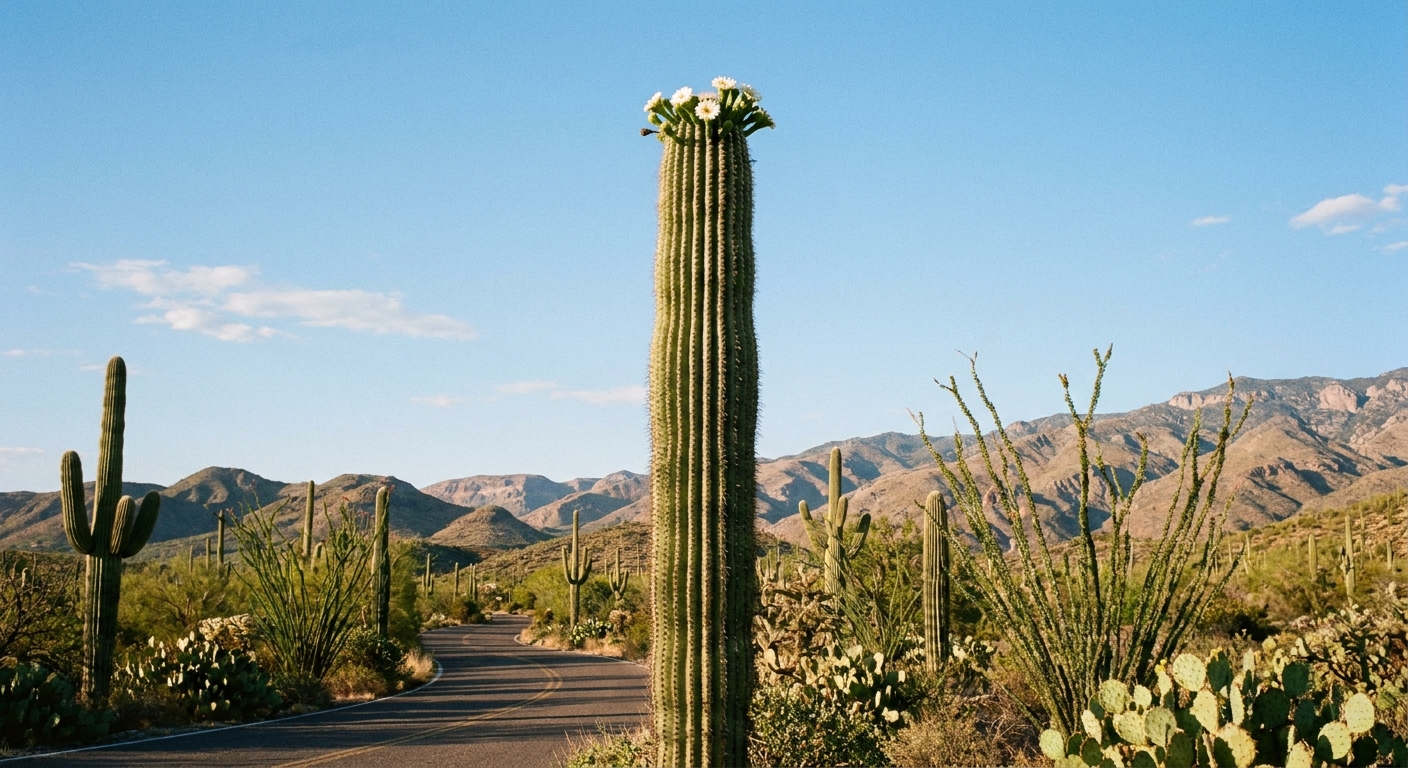
This is one of the easiest ways to immerse yourself in classic saguaro scenery. In spring, look for color from brittlebush and Mexican gold poppy in good years, plus the iconic saguaro silhouettes that make even a quick stop feel cinematic.
- Best time: Early morning for soft light and fewer cars.
- What it’s good for: Big cactus landscapes, quick pullouts, short nature trails.
Cactus Forest Drive (Saguaro National Park East)
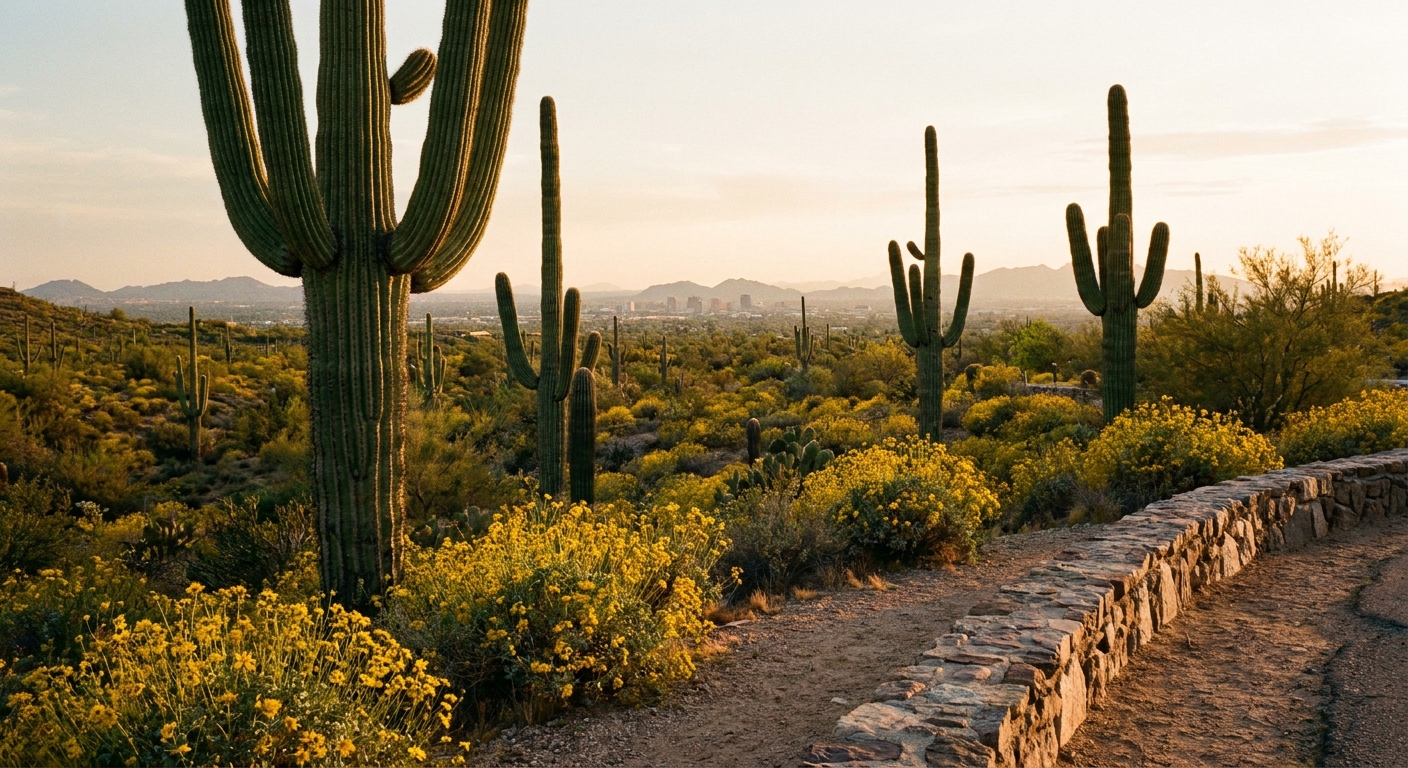
If your mental image of Tucson includes dense saguaro stands and wide-open desert views, this drive is the bullseye. It is also a strong option for saguaro bloom season because you can hop between viewpoints quickly and catch blossoms high on cactus crowns.
- Best time: Sunrise through mid-morning, especially in May and early June.
- What it’s good for: Saguaro blooms, sunset silhouettes, easy interpretive stops.
Mount Lemmon Highway (Sky Island strategy)
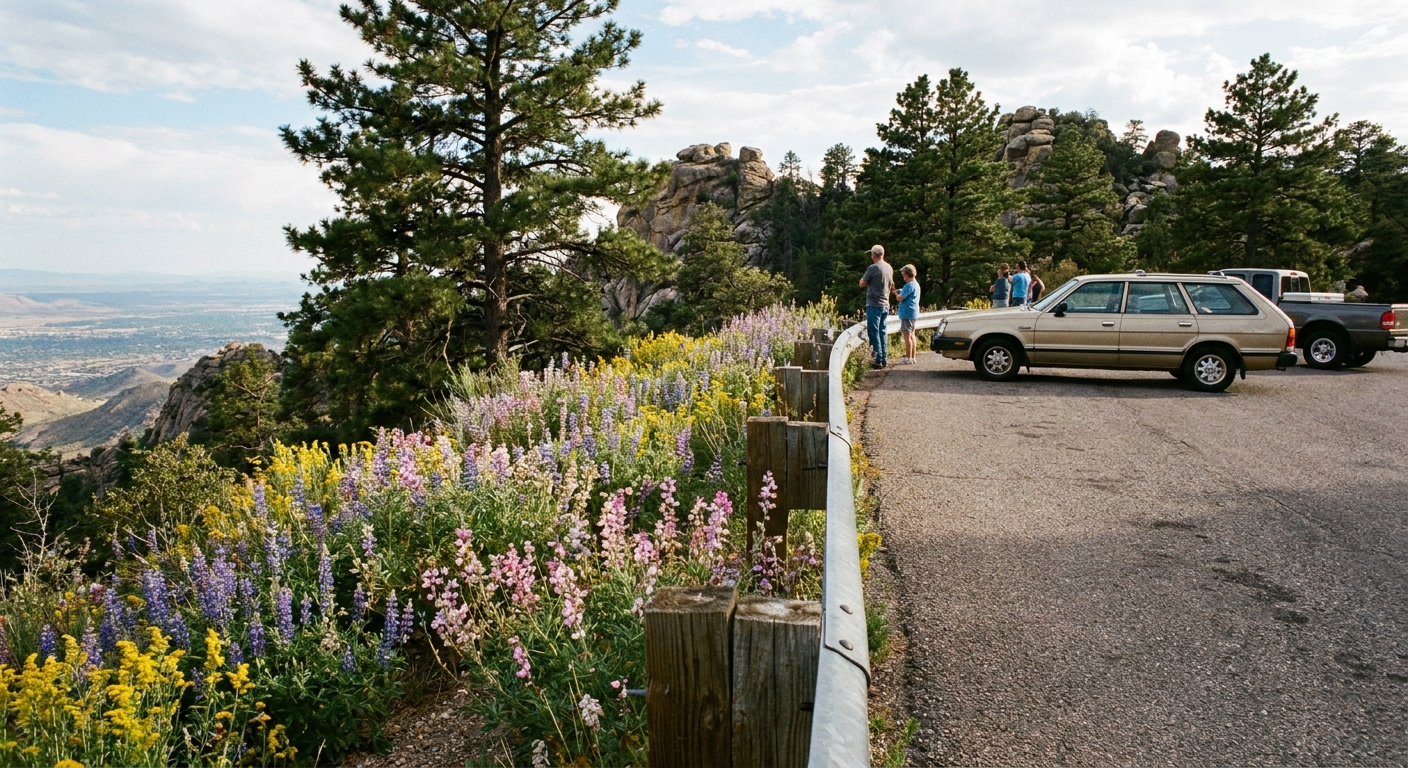
When Tucson is already flirting with summer, the drive up Mount Lemmon is how you buy yourself more spring. You climb through multiple life zones in under an hour, swapping saguaros for oak, then pine, and often finding different wildflowers as you gain elevation.
- Best time: Late spring into early summer for higher-elevation blooms.
- What it’s good for: Cooler temperatures, forest scents, and extending your flower season.
Gates Pass and Tucson Mountain Park
If you want a strong bloom-and-saguaro payoff without committing to a national park loop, the Gates Pass area is a classic. In spring, you can catch brittlebush, ocotillo, and wide desert views that look expensive at sunset.
- Best time: Morning for cooler temps, late afternoon for golden light.
- What it’s good for: Quick pullouts, big views, and easy “we just want to see the desert” stops close to town.
Easy walks
These are the kinds of outings I love when I am traveling carry-on only and still want that “I actually saw the desert up close” feeling. All are short, approachable, and great for photography.
Desert Discovery Trail (Saguaro National Park West)
A short interpretive loop that is ideal for families, first-time desert visitors, and anyone wanting a low-commitment bloom fix. In good spring years, the edges of the trail can light up with color.
Valley View Overlook Trail (Saguaro National Park West)
Still fairly short, with a payoff that feels bigger than the effort. You get broad views that make it easier to photograph flowers in context, not just as close-ups.
Mica View and nearby short trails (Saguaro National Park East)
Great for pairing with Cactus Forest Drive. You can do a short wander, then hop back in the car for another viewpoint, which is perfect during warmer parts of the season.
Sabino Canyon (foothills option)
For a non-park alternative with a lot of “desert meets water” energy, Sabino Canyon is a solid pick in spring. Bloom timing varies, but the foothills setting can hold onto color a little longer than the valley floor.
Tip: For peak wildflower color, you want edges: trail borders, washes, and gentle slopes that collect water. Scan the landscape the way rain would move across it.
Weekend note: Popular pullouts and trailheads can fill quickly on spring weekends. Starting early is not just about heat, it is also about parking.
Photography tips
You do not need a giant lens or a complicated setup to come home with shots that feel like Tucson. A few small choices make a big difference.
Catch saguaro blooms without craning your neck
- Go early: Morning light is kinder, and the blossoms look fresher.
- Use angled light: Stand so the cactus is evenly lit, or shoot with the sun at an angle to reveal texture.
- Try a tighter frame: If your phone allows, use 2x or 3x zoom instead of stepping too close to the cactus base.
Make wildflowers look like more than tiny dots
- Get low: A knee-level perspective makes a small patch feel immersive.
- Look for contrast: Yellow brittlebush against dark volcanic rock, or magenta globe mallow against pale sand.
- Include a sense of place: Put saguaros, mountains, or a curving wash in the background so the image reads “Sonoran Desert,” not “generic flower.”
Wind is your real enemy
Spring breezes are common. To keep petals sharp, shoot bursts, steady your elbows against your body, and consider photographing flowers in the early morning when winds are often calmer.
Leave no trace
Stay on trail, do not pick wildflowers, and avoid stepping on dark, crusty soil where present (that living soil crust can take years to recover). Resist the temptation to touch cactus blossoms. The best desert photos are the ones you take without leaving a mark.
A bloom-perfect day
If you want a simple formula that works in most spring weeks, try this:
- Start: Sunrise drive in one of the Saguaro National Park loops for soft light and saguaro blooms in season.
- Middle: Brunch and a slow neighborhood wander or museum stop while the sun is harsh.
- Finish: Late afternoon foothills stroll or a climb toward Mount Lemmon if the valley is hot and you want cooler air.
That rhythm gives you the best light, the best temperatures, and the best chance of catching flowers at their peak without overplanning.
Before you go: quick bloom checks
- Check recent conditions: Winter rain and warm spring days are the magic combo for wildflowers.
- Use official updates: Check the National Park Service website for Saguaro National Park, plus official NPS social channels for timely notes about conditions, closures, and what is blooming.
- Ask locally: Visitor centers and local coffee shops are surprisingly good for “what’s blooming right now” intel.
- Stay flexible: If a low desert area has already faded, pivot upward in elevation instead of trying to force it.
Tucson rewards the traveler who moves with the season. Follow the elevation, start early, carry more water than you think you need, and you will catch the desert at its most generous.