Saguaro National Park
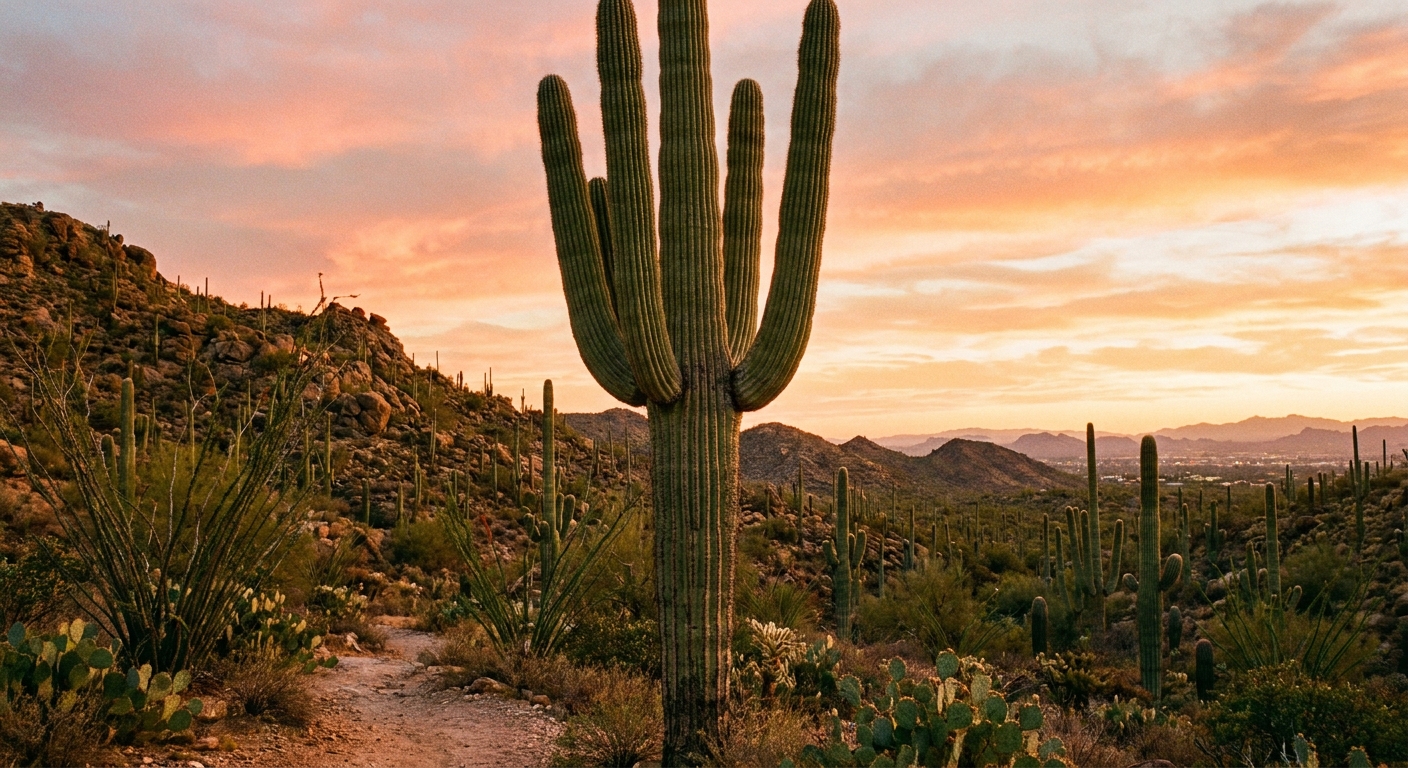
If you have ever seen a saguaro in real life, you know it feels less like a cactus and more like a character. Arms lifted mid-story, skin pleated as if it’s been patiently waiting out centuries of heat. Saguaro National Park protects the iconic giant of the Sonoran Desert, and it does it in a way that’s unusually friendly to travelers who want both a legit outdoor day and an easy return to a good meal and a comfortable bed in town.
One key thing to know up front: the park is split into two districts on either side of Tucson. Saguaro West is the Tucson Mountain District, famous for dense saguaro forests and a dreamy, low-effort scenic drive. Saguaro East is the Rincon Mountain District, where the desert floor rises into higher elevations and bigger backcountry ambitions. Many visitors can get a great taste of either district in a half day. If you’ve got a full day, do one at sunrise and the other at sunset and let Tucson handle the middle with coffee, air conditioning, and tacos.

Know before you go
- Fees and hours: Entrance fees and hours can change. Check the official NPS site for current fees, hours, road status, and alerts before you go.
- Two districts, not connected inside the park: You’ll drive through Tucson to go between West and East. Plan for city driving and extra time, especially around rush hour.
- Visitor centers: Each district has its own visitor center and it’s worth a quick stop for the latest trail conditions and road updates.
- Water: Don’t count on reliable water along most trails. Bring what you need for your entire hike.
Town Wander tip: Build your day around temperature. Hike early. Scenic drive midday. Sunset stroll late. Your legs and your water bottle will thank you.
Getting oriented
Two districts, two vibes
- Saguaro West (Tucson Mountain District): The classic postcard look. Thick stands of saguaro, more short and moderate trails, excellent sunset viewing, and the famous Bajada Loop Drive.
- Saguaro East (Rincon Mountain District): A bigger, wilder feel. Great for longer hikes and for seeing how the desert transitions as you gain elevation.
Where to start
Each district has its own visitor center. If you want the quickest win, grab a trail map and ask a ranger about current conditions. In the Sonoran Desert, “conditions” often means heat, storms, trail closures, road washboarding, or wildlife activity, and a two-minute check-in can save you from a rough afternoon.
Best things to do in Saguaro West
Drive the Bajada Loop
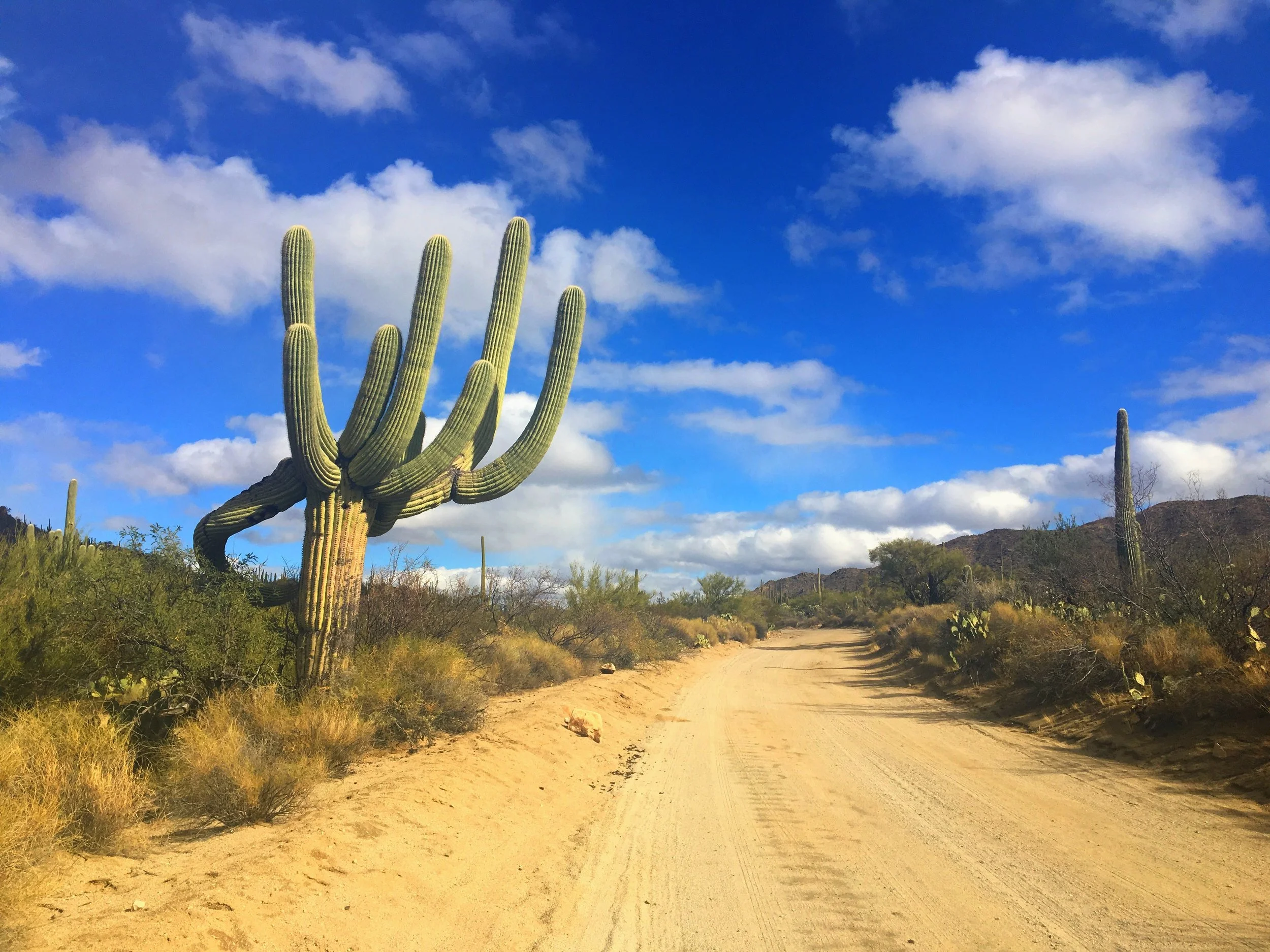
If you only do one thing, do this. The Bajada Loop Drive is an iconic route that threads you through a dense saguaro “forest” with frequent pullouts for photos and short walks. It’s the kind of scenic drive that feels like a reward, not a compromise.
Good to know: The Bajada Loop is largely unpaved and typically graded, so conditions can vary after rain or maintenance. A standard car is often fine in dry conditions, but drive slow, expect washboard, and check at the visitor center (or NPS alerts) for the latest road status.
Time estimate: Plan on about 1 to 2 hours if you’re stopping often for photos and quick viewpoints.
Easy hikes in the West district
Saguaro West is my go-to when I want a satisfying hike without committing to an all-day slog. These are first-timer-friendly options that get you into the saguaros fast. Distances and times are approximate and will vary with spurs, photo stops, and heat.
- Valley View Overlook Trail (easy, about 1 mile round trip, 30 to 60 minutes): A short, approachable hike to a classic viewpoint, especially good near sunset.
- Signal Hill Trail (easy, under 1 mile round trip, 20 to 45 minutes): A quick walk with a big payoff, including petroglyphs and a wide-open desert view.
- King Canyon to Wasson Peak (hard, roughly 6 to 8 miles round trip depending on route, 4 to 6+ hours): If you want a tougher day, this is a popular way to earn a summit and a huge panorama. Start early and bring more water than feels reasonable.
If you’re visiting during peak heat months, consider a shorter hike paired with a longer scenic drive. The views are still excellent, and you’ll stay safer.
Best things to do in Saguaro East
Desert to mountain
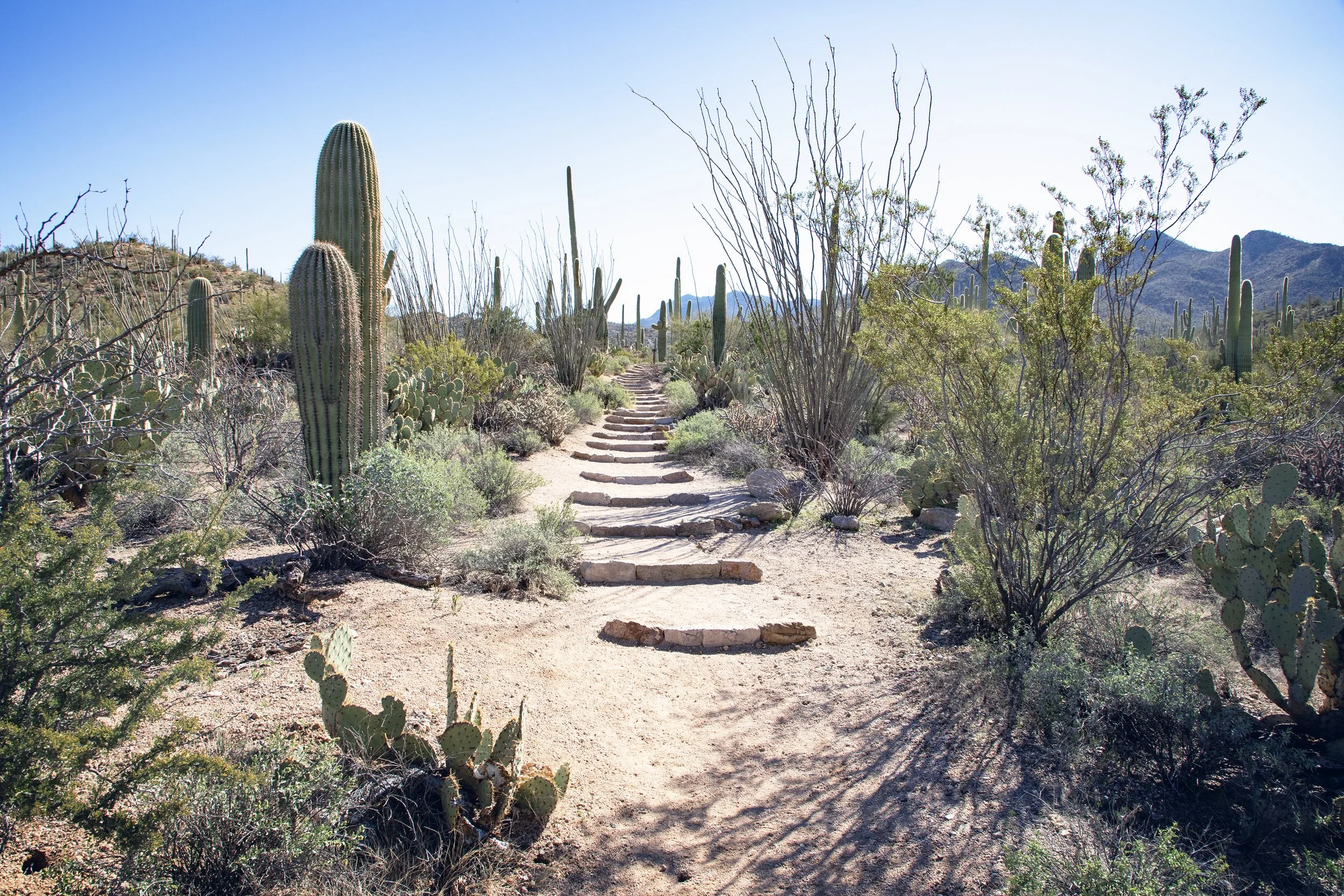
Saguaro East feels like it’s got more range. You can stay low among the saguaros or plan for longer mileage and more climbing. If you’re the type who likes to earn your views, this side tends to scratch that itch.
Good trails in the East district
The East side is great for stringing together a choose-your-own-adventure day. Names and route options can vary a bit on maps, so use the current NPS map to confirm your exact loop or out-and-back.
- Freeman Homestead Trail (easy, about 1 mile round trip, 30 to 60 minutes): An easy, history-tinged walk with great saguaro scenery and a low commitment level.
- Mica View Trail (easy, often done as a 1 to 2+ mile loop or out-and-back, 45 to 90 minutes): A mellow option that’s excellent for a casual morning and big-sky photos.
- Tanque Verde Ridge (hard, longer distance with significant climbing, 5 to 9+ hours depending on turnaround): For hikers who want a real workout and a more rugged feel.
For solitude, go early on weekdays if you can, and consider slightly less obvious trailheads. On this side, even small timing choices make a big difference.
When to visit
Best seasons
Comfort-wise, the best times are typically late fall through early spring when daytime temperatures are friendlier for hiking. Summer can be brutally hot, and monsoon season can bring sudden storms. That said, summer mornings can still be gorgeous if you’re disciplined about an early start and you treat midday as downtime.
Best time of day
- Sunrise: cooler temps, soft light, and more wildlife movement.
- Midday: best for scenic drives if you want to stay mostly in the car and pop out briefly.
- Sunset: a Tucson classic. The desert light turns sculptural and the saguaros look almost theatrical.
Wildlife and desert safety
The Sonoran Desert is alive, but it doesn’t announce itself loudly. Expect to see birds, lizards, and maybe jackrabbits. You might also encounter snakes, especially in warm weather. Keep a respectful distance, stay on trail, and watch where you place hands and feet around rocks and brush.
Heat basics
- Carry more water than you think you need. Desert air is sneaky. Many trails have no reliable water, so bring what you’ll drink.
- Start early. The difference between 7 a.m. and 11 a.m. can be the difference between “wow” and “why did I do this.”
- Sun protection matters. Hat, sunglasses, sunscreen, and lightweight long sleeves go a long way.
- Know your turnaround time. Desert trails feel faster on the way out and longer on the way back.
My personal rule: if your water plan feels slightly excessive, it’s probably finally adequate.
What to pack
You don’t need fancy gear to enjoy Saguaro National Park, but you do need smart basics. This is my minimal, repeatable kit.
- Daypack with room for water and a light layer
- Water plus electrolytes if it’s warm
- Sun protection: hat, sunscreen, sunglasses
- Good walking shoes with grip for rocky sections
- Snacks that won’t melt instantly
- Offline map or a paper map from the visitor center
- Small first-aid kit, especially blister care
Town and trail day
Half-day plan
- Early morning: a short hike on whichever side is closest to your stay. Valley View Overlook (West) or Freeman Homestead (East) are easy wins.
- Late morning: scenic drive and photo stops. If you’re in the West district, do the Bajada Loop and stop at signed pullouts for quick viewpoints and short walks.
- Lunch: head back to Tucson for something refreshing and filling, plus a cold drink that tastes like victory.
Full-day plan
- Sunrise: hike in Saguaro East for cooler temps and a big mountain backdrop. Freeman Homestead or Mica View keep it simple.
- Midday: Tucson break for coffee, shade, and a slow lunch.
- Late afternoon to sunset: Saguaro West for the scenic drive and golden-hour glow. Pair Bajada Loop with Valley View Overlook if you want a short walk with a view.

Where to stay
For most travelers, staying in Tucson is the sweet spot. You get quick access to both park districts plus the best part of a desert trip that nobody brags about but everybody loves: coming back to a real shower and a great dinner.
- For maximum convenience: choose a central Tucson base so you can pivot between East and West without overthinking logistics.
- For quieter nights: look toward the foothills, where it feels a bit more desert, even when you’re off trail.
Respect the desert
Saguaros are slow-growing and surprisingly vulnerable. The desert also recovers slowly from damage. A few small choices make a big difference.
- Stay on established trails to protect fragile soils and plants.
- Don’t touch or climb on cacti or rock features.
- Pack out everything, including food scraps.
- Give wildlife space, and never feed animals.
If you want a trip that feels good in your body and in your conscience, Saguaro National Park is a perfect place to practice slow travel. Move early, rest midday, watch the light shift, and let the desert set the pace.
Quick FAQ
Is Saguaro National Park worth it?
Yes, especially because it’s one of the easiest national parks to pair with a real city. You can do a memorable hike, a scenic drive, and a great meal in town all in the same day.
Which side should I visit?
West for the iconic scenic drive and dense saguaro landscapes. East for longer hikes and a bigger mountain backdrop. If you’ve got time for only one and you want the simplest, most photogenic experience, start with West.
How much time do you need?
It’s possible to get the magic in a half day, especially if you focus on one scenic drive plus one short hike. A full day lets you visit both districts and catch sunrise and sunset light.