Santa Fe to Taos Road Trip

Maya Lin
Maya Lin is a travel journalist and outdoor enthusiast who believes the best trips combine rugged adventures with urban comforts. After spending six years backpacking across four continents, she founded Trail & Town Guide to help fellow travelers navigate both hidden mountain passes and bustling city neighborhoods with confidence.
If you had to sum up northern New Mexico in one road trip, this is the one I’d hand you: canyon air that smells like warm piñon, a morning hike among volcanic cliffs, lunch in an old adobe plaza, and an afternoon detour that ends with your jaw hanging over the Rio Grande Gorge. Santa Fe and Taos are famous for art, but what makes them Town Wander material is how quickly you can swap a gallery stroll for real trail time, then clean up and be back at a white tablecloth dinner without feeling like you missed anything.
This guide links Santa Fe to Taos with the scenic High Road, plus the best nearby hikes and heritage sites: Kasha-Katuwe Tent Rocks (currently closed), Bandelier National Monument, the Rio Grande Gorge Bridge, and the art and food scenes in both towns. Think of it as a choose-your-own-adventure itinerary. You can do it as a long day. It’s much better as 2 to 4 days.
Best time to visit
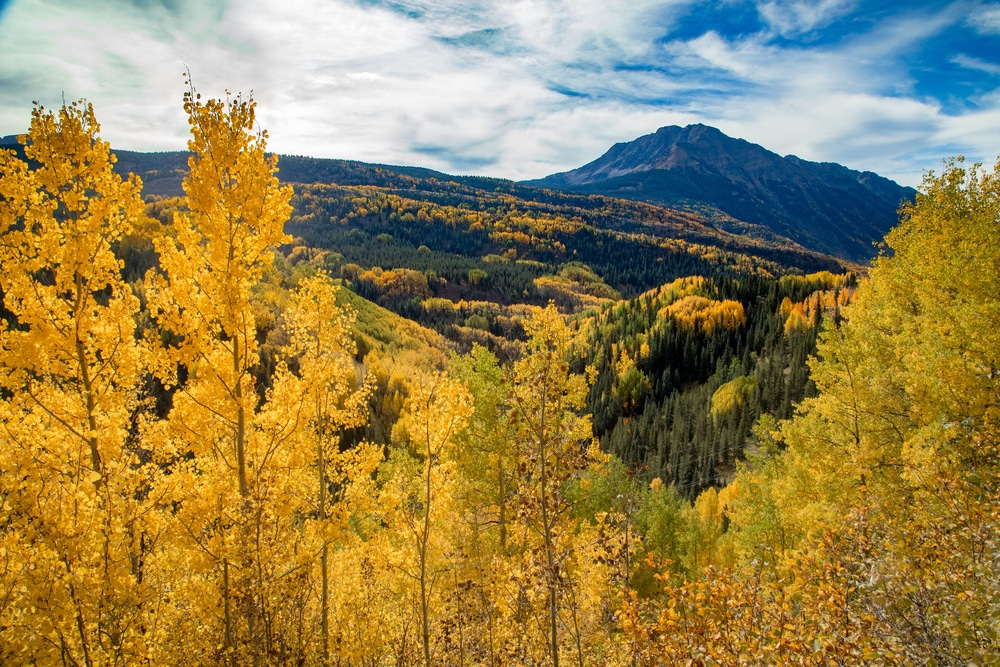
Fall (late September to mid-October) is my favorite: crisp hiking temps, cottonwoods and aspens turning, and fewer weather surprises than spring. Late spring (May to early June) is a close second with wildflowers and long daylight, though wind can be a thing.
- Summer: Warm days, cool nights at elevation. Afternoon thunderstorms are common, so hike early and plan museum time after lunch.
- Winter: Gorgeous light and cozy town vibes. Roads on the High Road can be snowy or icy, so check conditions and consider sticking to the faster Low Road if storms roll in.
- Monsoon season (roughly July to early September): Still doable, just build in flexibility for lightning and flash flood risk in canyons.
Altitude note: Santa Fe sits around 7,200 feet and Taos around 6,950 feet. Drink water like it’s your job, go easy on day one, and treat your first coffee as a ritual, not a race.
Quick route overview
Two classic drives
- High Road to Taos: Santa Fe to Chimayó to Truchas to (optional) Picurís area, then into Taos. Slower, scenic, artsy, full of pull-offs and small villages.
- Low Road: US-84/285 to Española, then continue north toward Taos (often via NM-68 along the river). Faster and practical, especially in winter or if you’re tight on time.
How many days?
- 1 day (fast): Santa Fe breakfast, Bandelier (or a local alternative), High Road drive, sunset at Rio Grande Gorge Bridge, Taos dinner.
- 2 days (sweet spot): One big hike day plus one deep-dive art and food day in each town.
- 3 to 4 days (slow travel): Add an Ojo Caliente soak, more museum time, and a longer hike near Taos.
Drive times at a glance
- Santa Fe to Bandelier: about 45 to 60 minutes (plus time for entry and parking).
- Santa Fe to Taos via High Road: about 2.5 to 3.5 hours depending on stops (and you will stop).
- Santa Fe to Taos via Low Road: about 2 to 2.5 hours.
- Taos to Rio Grande Gorge Bridge: about 15 to 20 minutes.
Reality check: These are ballparks, not promises. Weather, construction, shuttle seasons, and “wait, pull over” moments all add time.
Stop 1: Santa Fe
Santa Fe is the rare place where you can start the morning on a dusty ridge, be back in town for a blue corn enchilada, and spend the afternoon inside a museum that can hold its own against any big city.
Do this in town
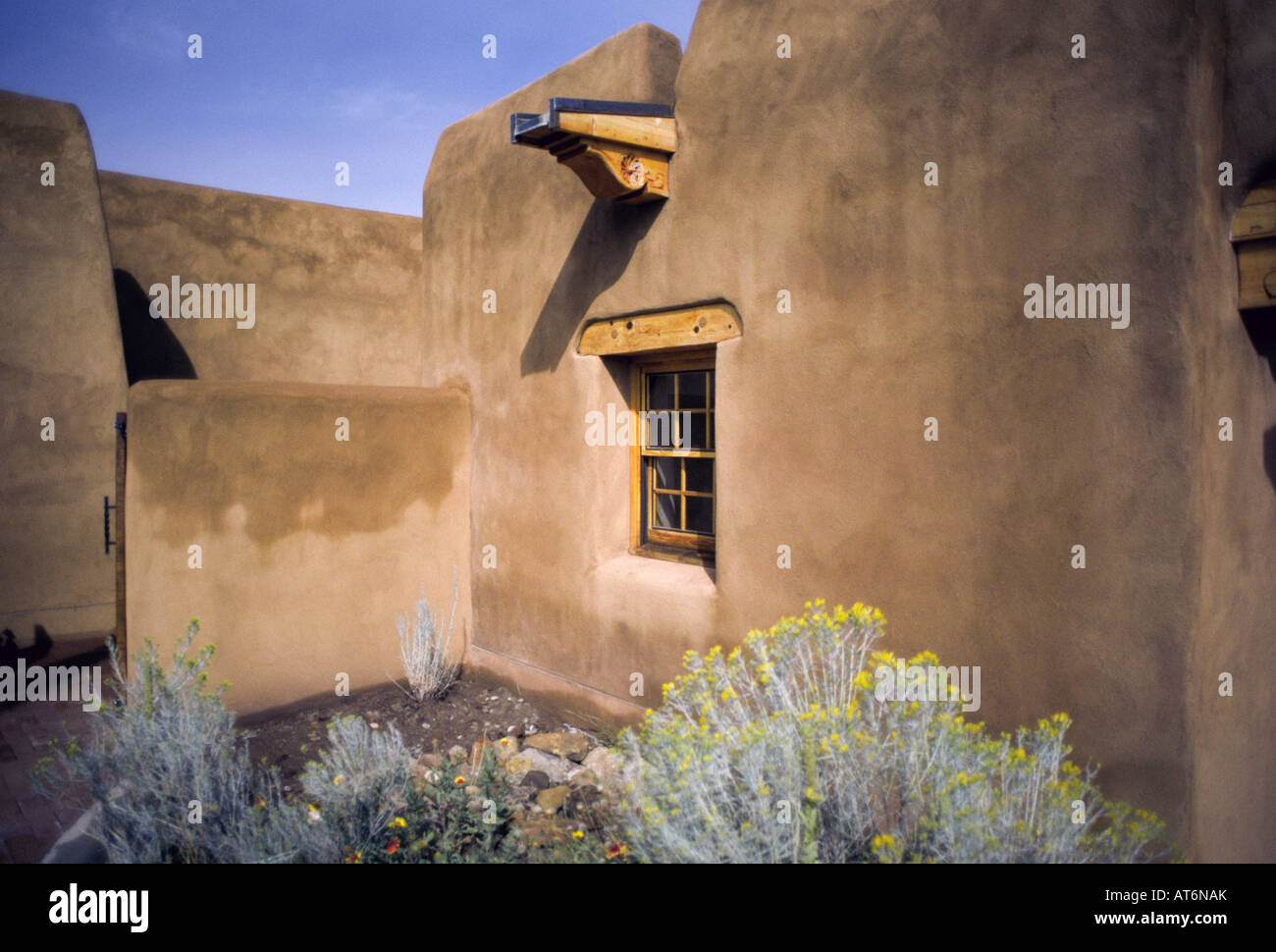
- Canyon Road: A walkable ribbon of galleries, sculpture gardens, and adobe courtyards. Go early for a quieter feel.
- Railyard District: Farmers market energy, good design shops, and easy strolling with coffee in hand.
- Plaza area: Historic core, great for people watching and quick pop-ins to small museums and shops.
Easy hikes near Santa Fe
- Dale Ball Trails: A network of choose-your-distance loops close to town with desert-meets-foothills views.
- Cerros del Bosque: Short trails with big skies and a good “first day in New Mexico” vibe.
Coffee stop I’d actually send a friend to: Aim for a locally owned spot near the Plaza or the Railyard so you can park once and start your day on foot.
Stop 2: Tent Rocks and Bandelier
These are two of the most memorable “how is this real” landscapes near Santa Fe. They’re also places where access can shift due to stewardship needs, weather, or management changes, so check official updates before you build your day around them.
Kasha-Katuwe Tent Rocks (currently closed)
Kasha-Katuwe Tent Rocks National Monument has been closed to the public since 2020 and remains closed indefinitely. It’s famous for cone-shaped hoodoos and a slot-canyon style trail that feels like you wandered into a geology lesson, in the best way. If it ever reopens, expect rules to change, potentially including permits or timed entry. Before you do anything else, check the official BLM monument page for the latest.
If it’s closed (plan on it): Don’t force it. You’ll get the same “wow, volcanic landscape” energy with one of these alternatives:
- Bandelier National Monument: Cliff dwellings, canyon shade, and big geology in one stop.
- Puye Cliff Dwellings (seasonal, guided): A culture-forward option with impressive cavates and views. Check hours and tour requirements.
- Santa Fe National Forest day hikes: For an easy win, pick a foothills route close to town (Dale Ball) or drive up toward higher elevation trails when temps climb.
Bandelier National Monument
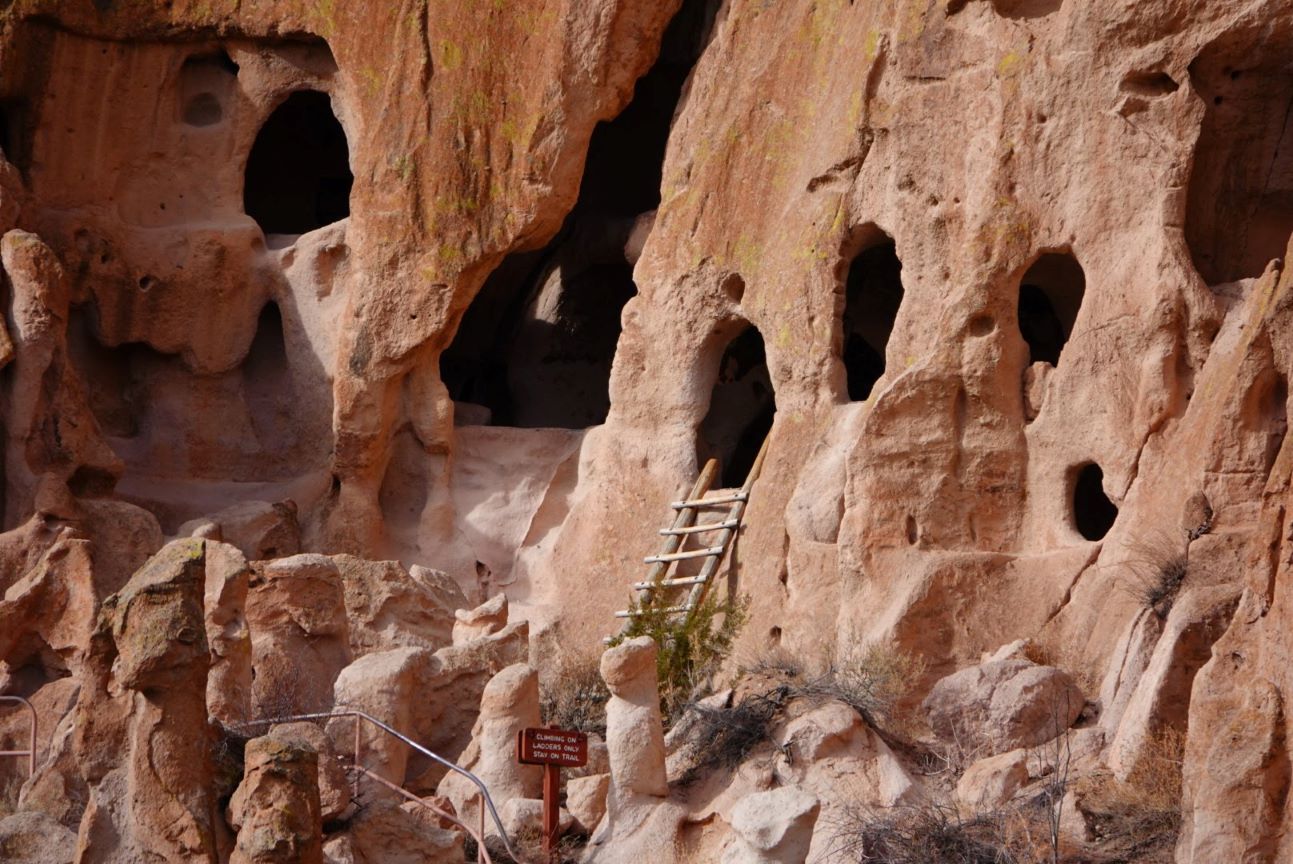
Bandelier pairs cliff dwellings with shady canyon walking, which is my favorite combo when you want culture and an easy hike in the same half-day. The Main Loop Trail is a classic introduction with ladders up to alcoves and a close look at ancestral Pueblo sites. If you have more time and stamina, longer routes head deeper into the monument.
- Timing tip: Start early to beat crowds and heat. In busy seasons, parking and access can be managed with a shuttle system. Check current details before you go so you’re not surprised at the entrance.
- Know before you climb: The Main Loop includes ladders and uneven footing. If heights or mobility are a concern, you can still have a great visit by focusing on the flatter portions and viewpoints.
- Leave no trace: Stay on trails and respect closures. This is living history, not a backdrop.
High Road to Taos
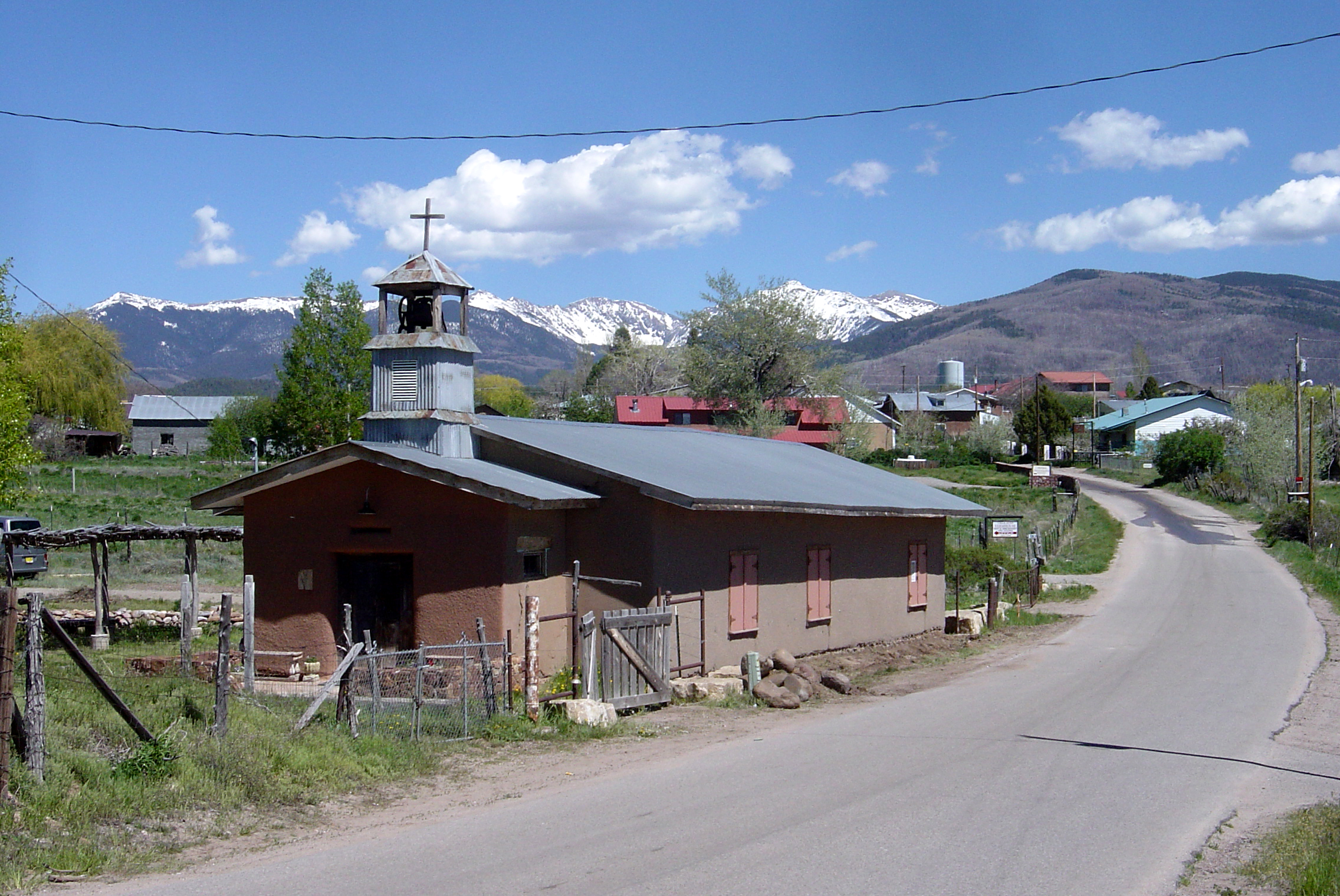
The High Road isn’t about speed. It’s about texture: weaving through high desert and mountains, passing old churches, roadside farm stands in season, and village plazas where daily life is the point, not the performance.
Best High Road stops
- Chimayó: Quiet, beautiful, and known for traditional weaving and the historic Santuario area.
- Truchas: A tiny village with dramatic views and serious “pull over, take a breath” energy.
- Picurís area: A forestier stretch with mountain backdrops. If you want a real stop instead of a drive-by, look for a short leg-stretcher walk and photo pull-offs as you climb and descend. If it doesn’t feel clear where to pause, skip it and save your time for Taos.
Drive-time reality: The High Road takes longer than you think because you’ll stop. Plan for that. It’s the whole point.
Stop 3: Taos
Taos feels a little wilder than Santa Fe. The light is sharper, the skies feel bigger, and the landscape drops away fast once you reach the gorge. It’s an art town, yes, but it’s also a basecamp.
Art and culture
- Taos Plaza: Compact, walkable, and full of galleries and shops. Great for a first orientation lap.
- Taos Pueblo (when open): A UNESCO World Heritage site and one of the most significant cultural experiences in the region. Check hours, photography rules, and closures in advance. Some days are closed for ceremonies or events, and that’s not a bug, it’s the point.
- Museums and studios: Taos has deep art history. If you love painting, modernism, or architecture, budget time for at least one museum stop.
Hikes near Taos
- Easy: Rio Grande Gorge rim trails near the bridge for short walks with huge payoff.
- Easy to moderate: Manby Hot Springs (Stagecoach Hot Springs). Short, scenic, and popular. Expect company, respect private land boundaries, and be extra careful near the river.
- Moderate: Williams Lake Trail (Taos Ski Valley) for alpine air and a classic mountain-lake finish. Start early, bring layers, and take the altitude seriously.
- Bigger day: Devisadero Loop Trail for views over town and a satisfying workout without a long drive.
Food and drink
Taos does cozy really well. Look for places that do seasonal New Mexican staples, local chile, and wood-fired comfort food. If you see a busy breakfast spot filled with locals, that’s your sign.
What to order when you’re undecided: Ask for Christmas if you want both red and green chile. Try blue corn when you see it. If you’re buying jewelry or weaving, ask about materials, who made it, and where it’s from. A good seller won’t act weird about provenance.
Rio Grande Gorge Bridge
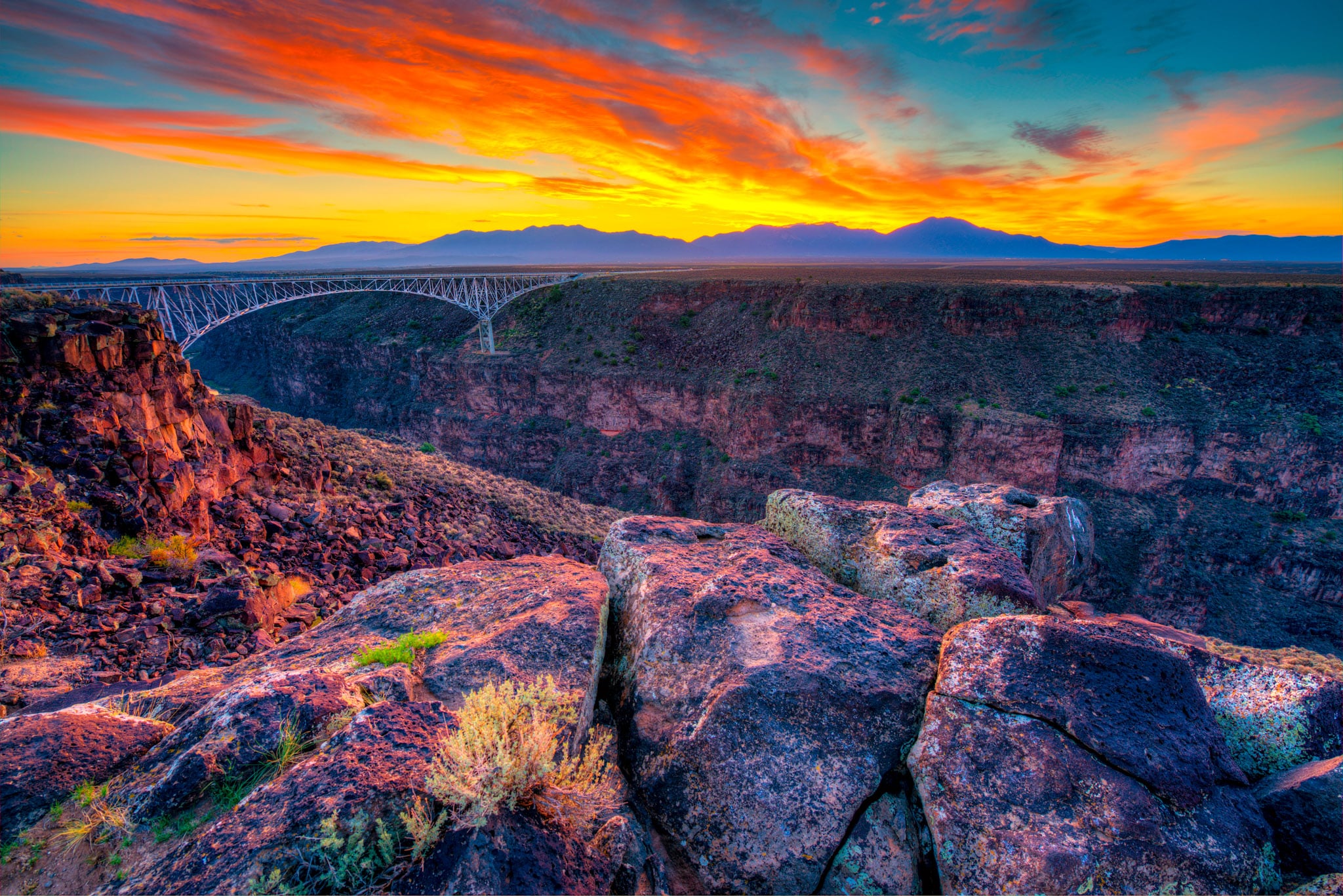
Even if you think you’re “not a viewpoint person,” the Rio Grande Gorge Bridge has a way of converting people. The land just opens up, and suddenly you’re staring down into a deep basalt canyon with the river threading through like a secret.
- Best time: Late afternoon into sunset for warm light on the canyon walls.
- What to do: Walk the sidewalk across the bridge, then explore short rim trails on either side for different angles.
- Safety: Wind can be intense. Keep a close hold on hats, phones, and small kids.
Suggested itineraries
2-day plan
Day 1: Santa Fe to Taos via the High Road
- Morning: Coffee and a quick gallery stroll in Santa Fe (Canyon Road or the Railyard).
- Late morning to early afternoon: Bandelier National Monument for the Main Loop and an unhurried picnic.
- Afternoon: Drive the High Road with stops in Chimayó and Truchas.
- Evening: Check into Taos, then sunset at the Rio Grande Gorge Bridge.
Day 2: Taos art and trails
- Morning: Taos Plaza plus Taos Pueblo if it’s open and accessible that day.
- Midday: Long lunch with local chile and something warm and carby.
- Afternoon: Pick your hike lane: gorge rim walk (easy), Devisadero (moderate), or Williams Lake (bigger).
- Evening: Dinner in Taos, then a slow walk under very dark skies.
3 to 4 days
- Add a half day in Santa Fe for museums and a longer foothills hike.
- Build in a soak at a regional hot springs stop if it fits your route and reservations.
- Spend one full day in Taos focused on Taos Pueblo, art, and a longer hike near the gorge or up at Taos Ski Valley.
Lodging tips
Santa Fe
- Walkability first: If you can, stay near the Plaza, Canyon Road, or the Railyard so mornings and evenings are effortless.
- Parking reality: Some central hotels have tight lots or valet-only setups. If you’re doing day trips, ask about in and out privileges.
- Style notes: Santa Fe is full of historic properties with charm and quirks. Read room details for noise, stairs, and older HVAC if you’re sensitive.
Taos
- Plaza area: Best for a car-light stay with easy access to galleries and restaurants.
- Gorge and outskirts: Quieter, darker skies, and a more desert-cabin feel. Great if you want calm evenings, but you’ll drive for dinner.
- Book ahead: Peak weekends and festival periods fill up fast, especially for smaller inns.
My practical rule: For a trip that mixes trail and town, pick lodging that makes your evenings easy. If you hike all day, you won’t want a complicated commute to dinner.
What to pack
- Layers: Mornings can be cold, afternoons can be hot, and evenings can swing back to chilly.
- Sun protection: Sunglasses, hat, and sunscreen. High altitude sun is no joke.
- Water and snacks: Towns are spread out. Trailheads aren’t always near a convenience store.
- Good shoes: One pair you can hike in and still wear to a casual dinner is the holy grail.
- Respectful essentials: If you plan to visit cultural sites, pack clothing that fits the setting and your own comfort.
Responsible travel
Northern New Mexico isn’t a theme park. These are living communities with deep cultural histories and sensitive landscapes.
- Follow posted rules at monuments, pueblos, and trailheads, especially around photography and access.
- Stay on trails to protect fragile desert soils and archaeological sites.
- Shop local when you can, and ask questions respectfully about provenance for art and jewelry.
- Plan ahead so you can avoid last-minute scrambling that leads to off-route driving and crowding.
Final notes
This stretch between Santa Fe and Taos is short in miles and huge in payoff. Give it time. Start early, keep your afternoons flexible, and build in at least one unplanned stop where the light looks good and the mountains pull you over. That’s the real New Mexico itinerary, and it never fits neatly in a map.