Sedona for First-Timers: Red Rock Hikes and Downtown Dining

Maya Lin
Maya Lin is a travel journalist and outdoor enthusiast who believes the best trips combine rugged adventures with urban comforts. After spending six years backpacking across four continents, she founded Trail & Town Guide to help fellow travelers navigate both hidden mountain passes and bustling city neighborhoods with confidence.
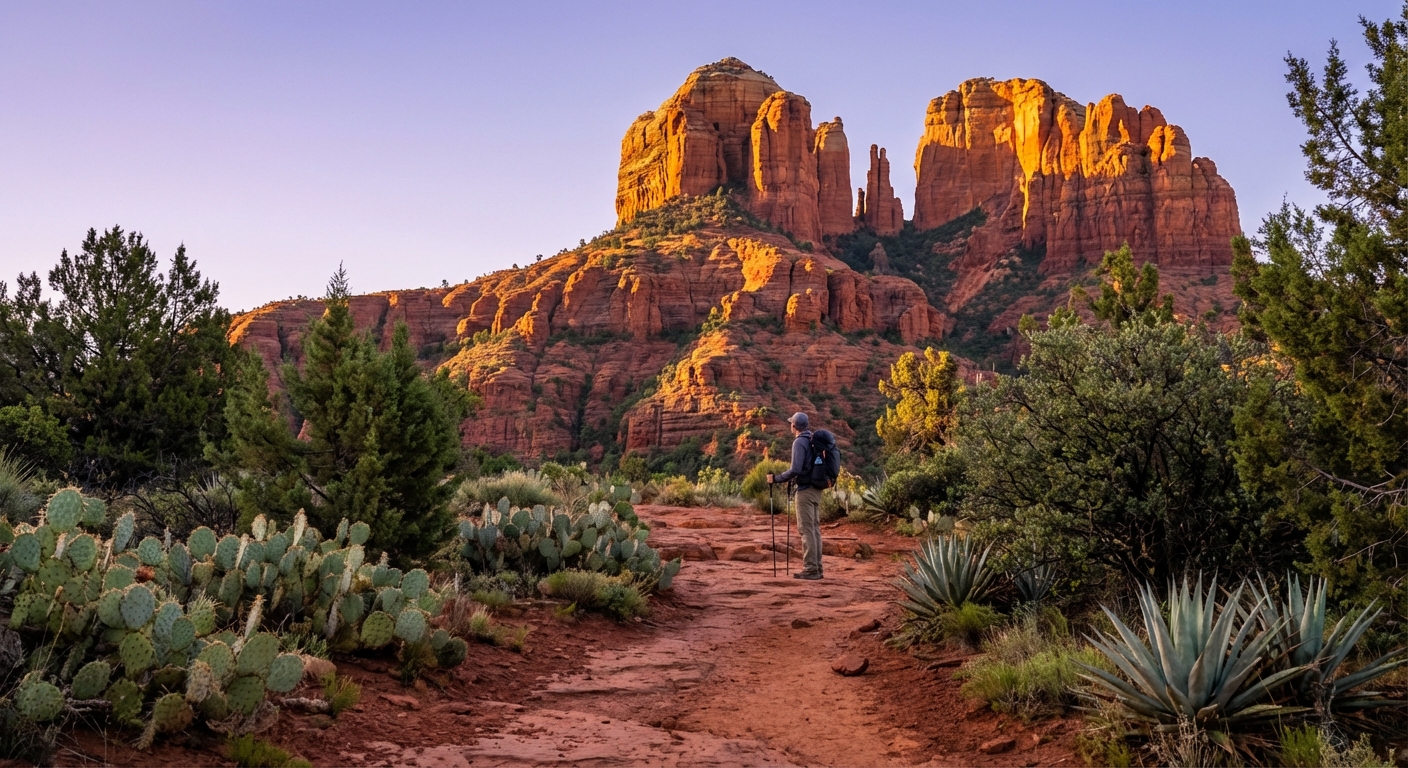
Sedona is one of those places that looks like a desktop wallpaper and then somehow feels even more unreal in person. The red rock glow at sunrise, the juniper-scented air, the way the trails start five minutes from town and still make you feel properly wild. But it is also a town with excellent espresso, polished patios, and just enough comfort to make you want to linger.
This guide is built for your first visit: a handful of moderate, crowd-pleasing hikes, a downtown dining hit list, and the real-world logistics (parking, passes, timing, and what to pack) that make the whole thing feel effortless.
Know before you go
Best time to visit
March to May and September to November are the sweet spots: warm days, cool mornings, and better hiking conditions. Summer brings intense heat and monsoon storms (usually July to September). Winter is crisp and quieter, with occasional snow dusting the red rocks.
Altitude and sun
Sedona sits at roughly 4,300 feet. That mild elevation still makes the sun feel stronger and dehydration sneakier, especially if you flew in from sea level. Start earlier than you think you need to, and drink consistently.
Getting around and parking
Sedona is car-friendly, but trailhead parking is not always friendly. Popular lots fill early, especially on weekends and in spring and fall.
- Start early: For the most popular trails, aim to arrive before 8:00 am, earlier on Saturdays.
- Have a backup trail: I always keep one nearby option in my pocket so I can pivot if a lot is full.
- Shuttles (important): Sedona operates Sedona Shuttle trailhead routes for high-demand areas. Routes and operating days change, and service can be adjusted. Check the official shuttle site the night before you hike.
Sedona Shuttle rules to know
This is the part people miss and it can wreck your morning if you do not plan for it.
- Cathedral Rock: During shuttle operating hours (often Thu to Sun, seasonally), private vehicle access to the trailhead parking area is closed and the shuttle becomes the practical way in. Plan on using the shuttle during those hours.
- Soldier Pass: Similar story. Trailhead parking closes to private vehicles during operating hours, so the shuttle is the move if you hike it then.
Passes and fees
Many trailheads in and around Sedona are in the Coconino National Forest and require a Red Rock Pass (daily, weekly, or annual) or an America the Beautiful interagency pass. Always verify the fee situation per trailhead, because some sites have different day-use systems or payment methods (West Fork, for example, is in Oak Creek Canyon and can be handled differently depending on current operations). Look for fee signs at trailheads and pay stations, and consider linking to the official Coconino NF fee page when you publish.
My first-timer packing list (carry-on-friendly)
- Footwear: Trail runners or light hikers with good grip. Sedona slickrock is fun, but it can be slippery when sandy.
- Sun: Hat, sunglasses, SPF. The sun here does not negotiate.
- Water: At least 1.5 to 2 liters per person for moderate hikes, more in heat. Add electrolytes if you sweat a lot.
- Layers: Mornings can be chilly even when afternoons are warm.
- Snacks: Something salty and something with quick sugar.
- Navigation: Download offline maps before you lose service. Trail apps help, but do not replace paying attention to junction signs.
Heat and storm safety
- In summer: Treat any exposed hike like a sunrise mission. If you are starting after 10:00 am, choose shade (like West Fork) or save it for another day.
- Turnaround rule: If you are halfway through your water, turn around. Sedona does not care about your itinerary.
- Monsoon season: Avoid narrow washes during heavy rain and watch for lightning. If thunder is close, get off exposed rock.
Leave no trace basics: stay on trail (cryptobiotic soil is fragile), pack out your trash, and keep music to yourself. Sedona is popular for a reason. Let’s keep it beautiful.
Top moderate hikes
These are the hikes I recommend when someone says, “I want the wow factor, but I also want to be able to enjoy dinner afterward.” Distances vary with spurs and viewpoints. Always check current conditions, closures, and official mileage before you go.
Cathedral Rock Trail (iconic)
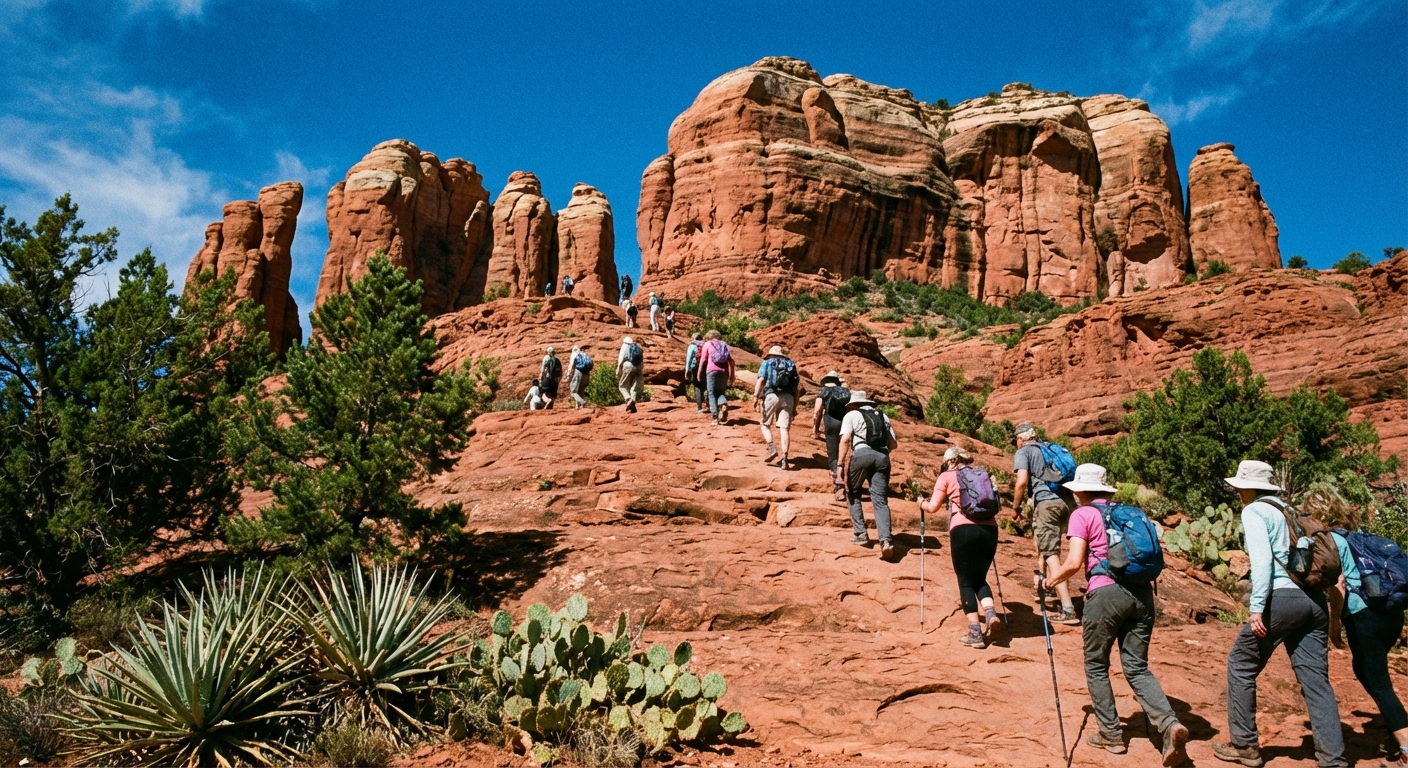
If Sedona has a signature skyline, this is it. The climb is short but steep, with some rock scrambling and light route-finding near the top. Most first-timers hike it as Cathedral Rock Trail (often accessed from Back O’ Beyond when open to private vehicles). You can also combine it with Templeton Trail for a longer loop-style outing if you want more miles.
- Typical stats: About 1.2 miles round trip, roughly 600 ft gain, 1 to 2 hours depending on crowds and how long you linger.
- Why it’s great: Iconic Sedona scenery in a relatively short hike.
- Effort level: Moderate trending strenuous because of steep slickrock sections.
- Parking and shuttle: This is where the Sedona Shuttle can be mandatory during operating hours because private vehicle access to the trailhead lot closes. Confirm your access plan before you go.
- Tip: Wear shoes with grip and expect crowds after mid-morning.
Bell Rock and Courthouse Loop (flexible)
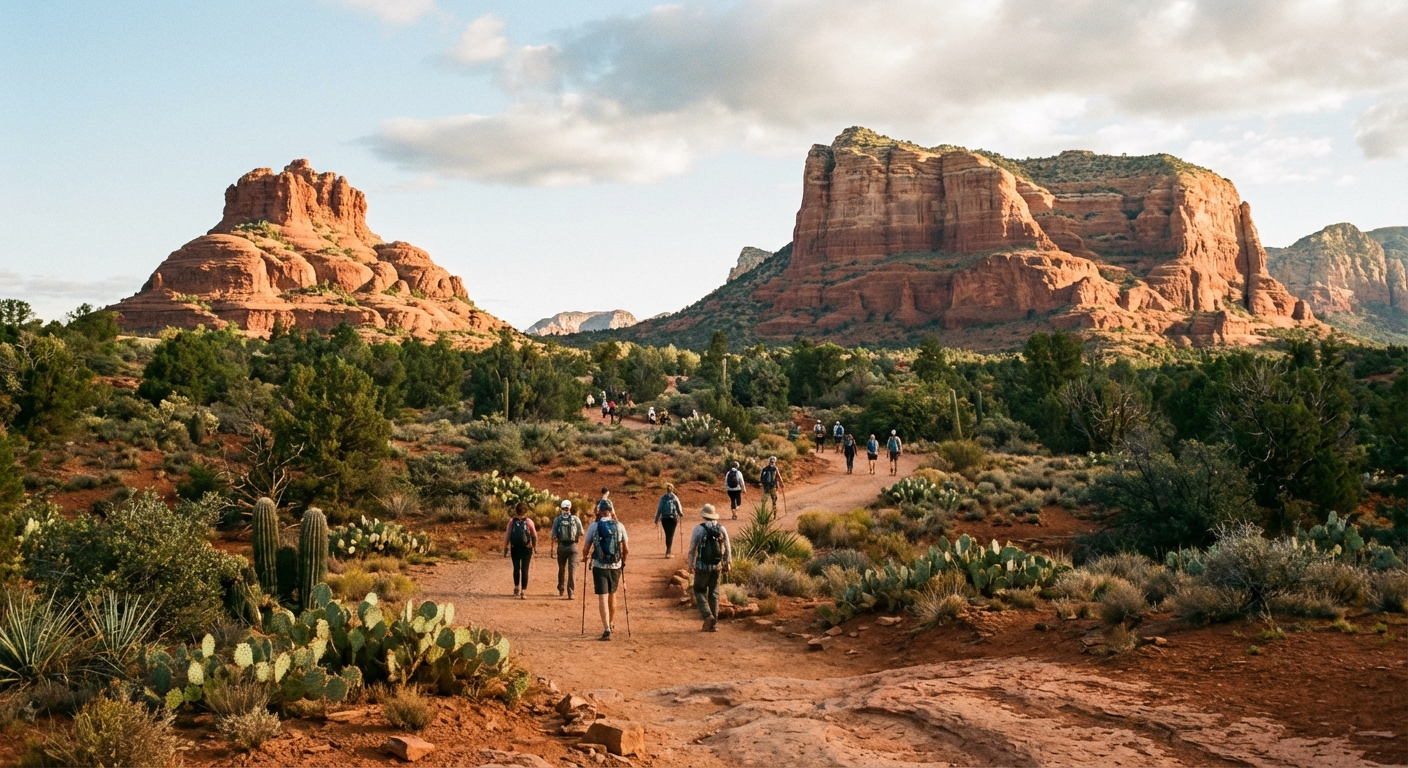
This is one of the best first-day hikes because you can dial it up or down. The loop gives you steady views without feeling like a sufferfest, and the open terrain makes it easy to orient yourself.
- Typical stats: About 3.6 miles for the full loop, minimal elevation gain on the main route, 1.5 to 2.5 hours. Add optional scrambling on Bell Rock for more effort.
- Why it’s great: Huge scenery, flexible mileage.
- Effort level: Easy to moderate depending on your route and how far you climb on Bell Rock.
- Best trailhead: Bell Rock Pathway parking areas (there are a few nearby lots, which helps on busy mornings).
- Tip: Sunrise here is magic, and the light hits the rock faces fast.
Devil’s Bridge (famous arch)
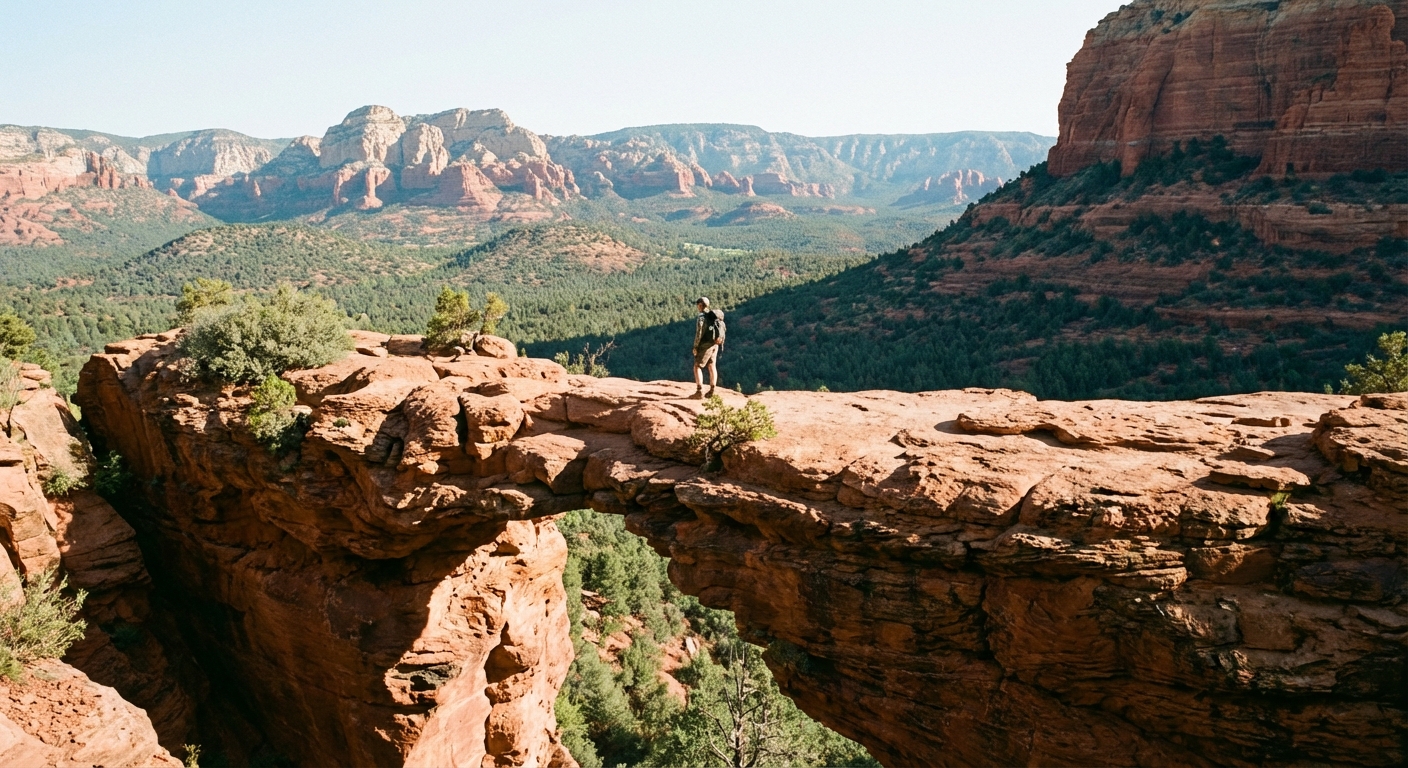
Yes, it is popular. Yes, it is worth it if you time it right. The arch is striking, and the final approach is a fun little adventure. If heights make you nervous, you can still enjoy the viewpoint without stepping onto the arch.
- Typical stats: Commonly 3.9 to 4.2 miles round trip, moderate elevation gain, 2 to 3 hours.
- Why it’s great: A true landmark moment you will recognize in your camera roll.
- Effort level: Moderate. The last section has some rock steps.
- Parking reality: Parking is often the hardest part. People typically start from the main trail access points along Dry Creek Road, but availability and rules can change. Have a backup hike ready if you cannot park.
- Trail etiquette tip: The photo line at the arch is real. Take your turn, help the next person get their shot, and keep your session quick and kind.
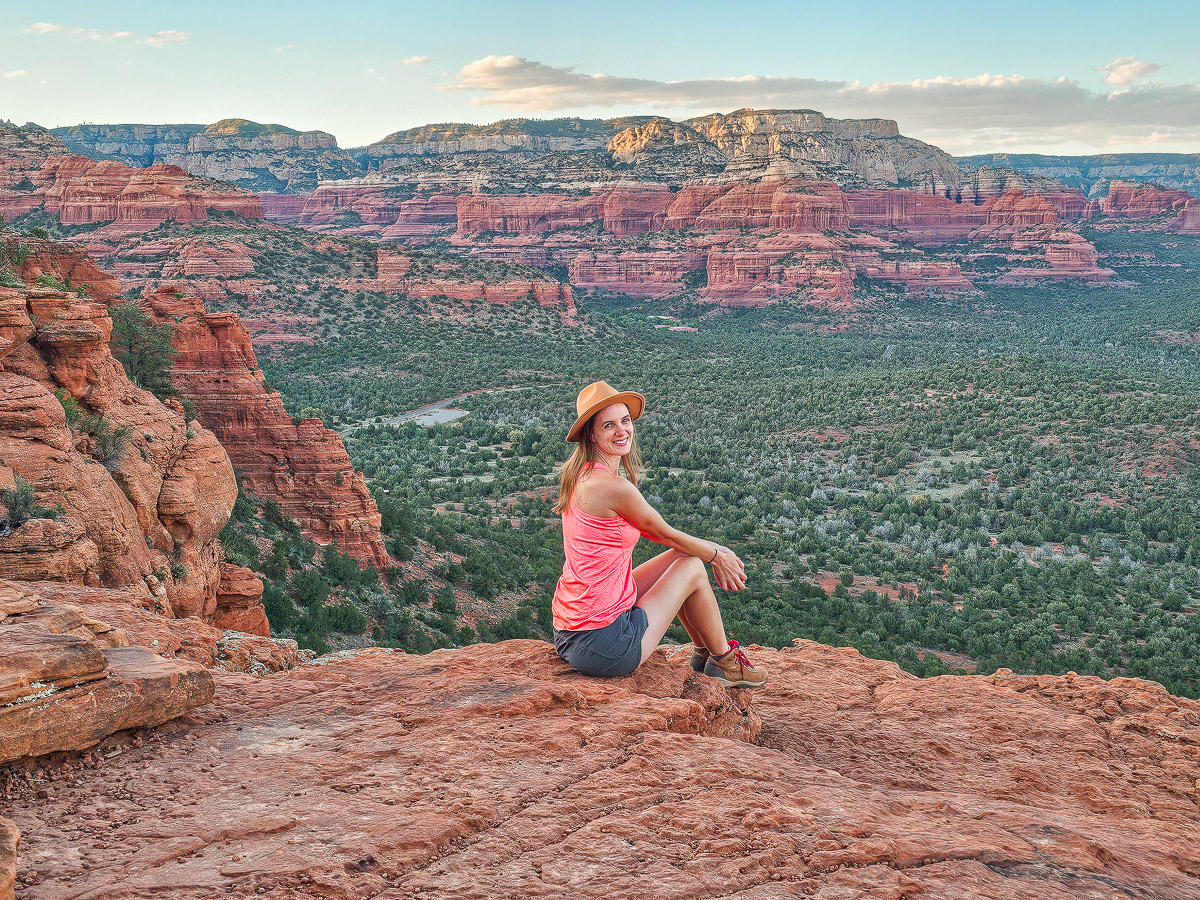
Doe Mountain (big views)
This is my go-to recommendation for first-timers who want a summit feeling without an all-day trek. The trail climbs steadily to a flat mesa top with 360-degree views and space to spread out.
- Typical stats: About 1.5 miles round trip, roughly 400 to 500 ft gain, 1 to 2 hours.
- Why it’s great: High reward for a relatively short effort.
- Effort level: Moderate. Steady uphill, then easy wandering on top.
- Tip: Pack a light picnic and linger. This one is made for a slow morning.
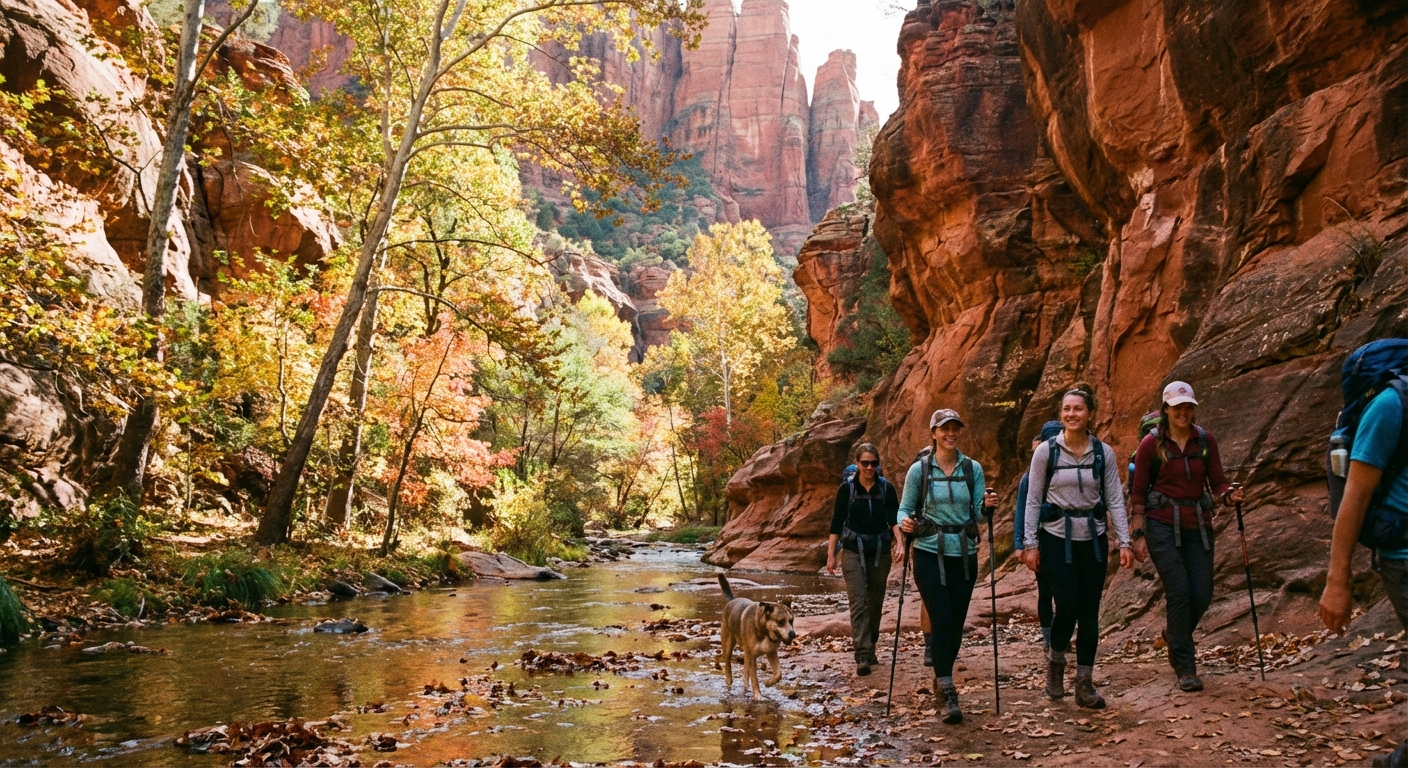
West Fork (shady and green)
When Sedona feels hot and bright, West Fork is your shady reset. You hike alongside the creek with canyon walls rising around you. It feels like a different ecosystem.
- Typical stats: About 6.5 miles round trip, gentle grade, 3 to 4.5 hours.
- Why it’s great: Shade, water, and a break from exposed slickrock hiking.
- Effort level: Moderate, mostly gradual with some uneven footing.
- Water crossings: Conditions vary by season and recent weather. Some days are dry-foot friendly, other days you may step across shallow water.
- Fees and parking: This area can have a different day-use setup than core Sedona trailheads, so verify current fees and payment method before you go.
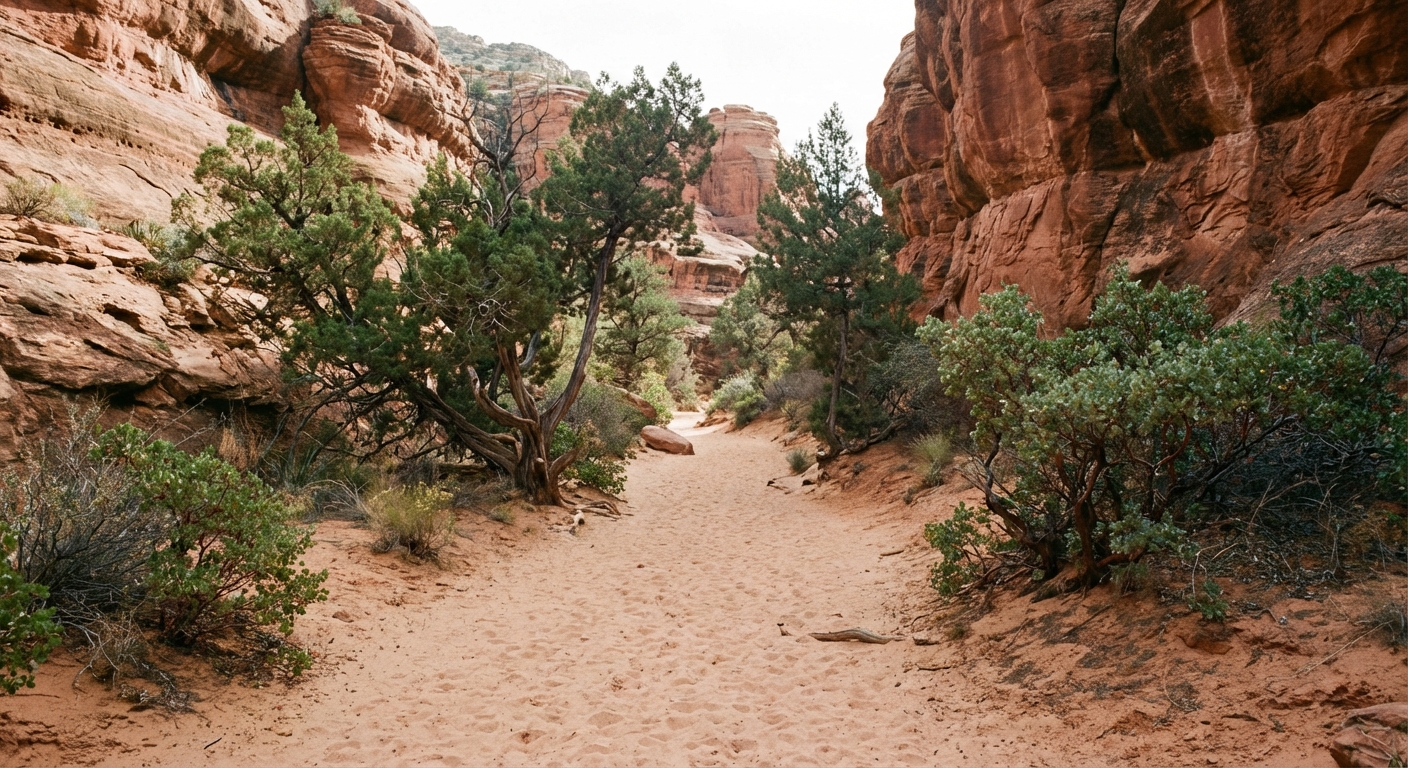
Fay Canyon (quieter)
Fay Canyon is a calmer alternative when the headline trails are slammed. The main canyon walk is mellow and scenic. If you feel like earning a bonus view, there is a short spur to an arch viewpoint that adds a bit of steepness.
- Typical stats: About 2.4 miles round trip out-and-back, 1 to 2 hours. Add time and effort for the arch spur.
- Why it’s great: Quieter vibe, beautiful canyon scenery.
- Effort level: Easy to moderate, depending on whether you add the arch spur.
- Tip: This is a great afternoon hike when you want something gentler after a big morning.
Easy itineraries
1 day
- Morning: Cathedral Rock (with a shuttle plan) or Devil’s Bridge at sunrise.
- Late morning: Coffee stop and a stroll through Tlaquepaque Arts and Shopping Village.
- Afternoon: Easy walk on the Sedona Heritage Trail or a quick viewpoint drive.
- Evening: Downtown dinner, then a sunset viewpoint if you still have energy.
2 days
- Day 1: Bell Rock and Courthouse Loop in the morning, lunch, then Doe Mountain for late afternoon light.
- Day 2: West Fork in the morning (cooler and shaded), then an unhurried dinner.
Where to stay
Your “base” changes how easy Sedona feels.
- Uptown: Walkable to shops and a lot of dining. More traffic and bustle.
- West Sedona: A practical home base. Often easier parking, quick access to a bunch of trailheads.
- Village of Oak Creek: Great if Bell Rock area is your priority. You are close to sunrise hikes and can eat nearby after.
Downtown dining
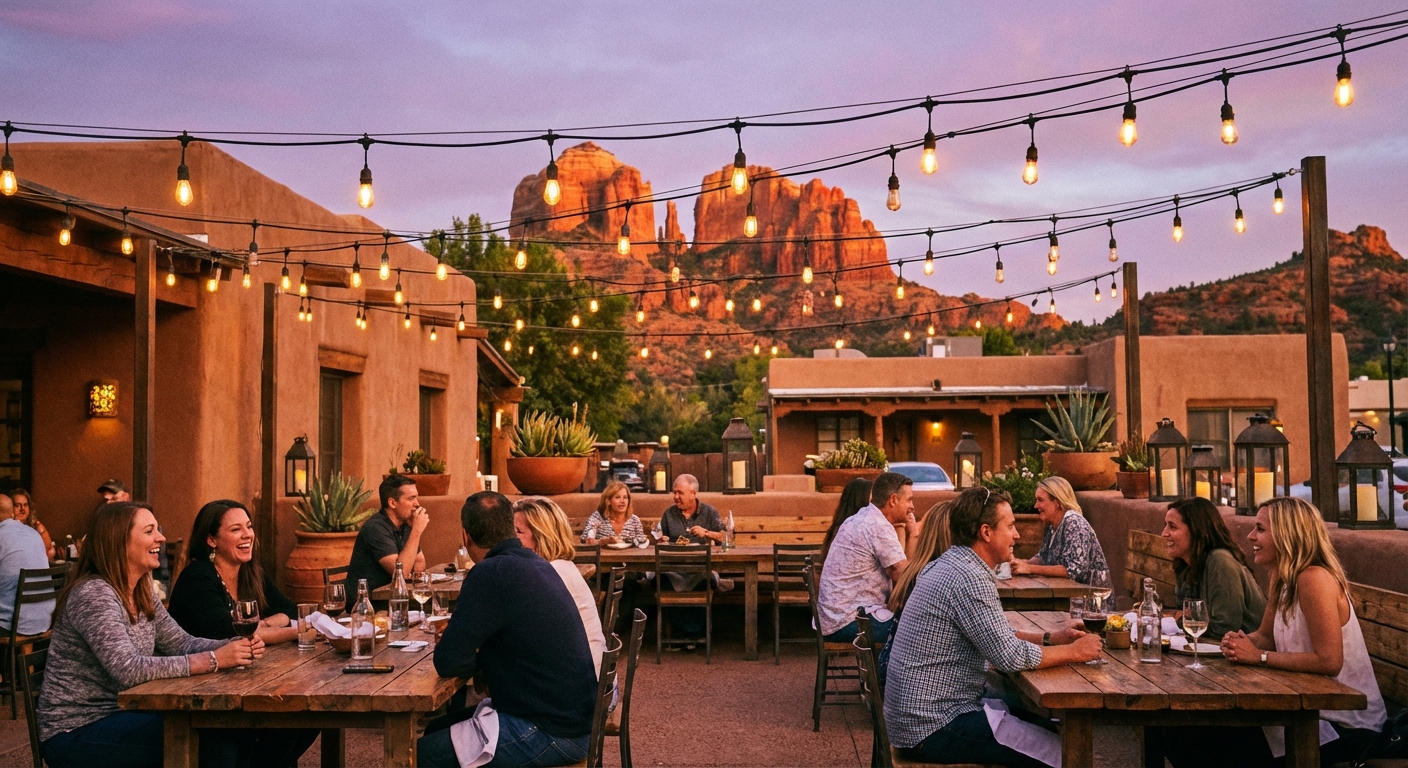
After red rock miles, I want two things: real vegetables and a patio where I can sit in trail dust without feeling judged. These spots are reliably loved by travelers for good reason. Menus change and hours shift seasonally, so confirm details before you go.
The Hudson
Come here when you want a broad menu and a lively room. It is a classic post-hike pick, especially if you can snag a view seat.
- Good for: Groups, first night in town, celebratory meals.
- Order strategy: Go for something hearty plus a bright salad or veggie side to balance the day.
Elote Cafe
If you have heard someone rave about Sedona food, it might have started here. Expect Mexican-inspired flavors, small plates, and a dining room that fills fast.
- Good for: Date night, food-focused travelers.
- Reservation reality: Reservations often book out weeks (sometimes months) in advance in peak seasons. If it is a must-do, lock it in early and build your itinerary around it.
- Tip: If you cannot get a table, look for takeout options and enjoy them somewhere scenic.
Mariposa
This is where you go when you want dinner to feel like part of the Sedona experience. It is upscale, view-forward, and ideal for a sunset reservation.
- Good for: A splurge meal after your biggest hike.
- Tip: Book ahead, especially in peak seasons.
Pisa Lisa
After a long day outside, pizza is the universal language. Pisa Lisa is casual and dependable, with a menu that works for mixed appetites.
- Good for: Families, low-key nights, easy wins.
Creekside
Creekside is a good pick when you want something central with a varied menu, plus a patio that makes lingering feel normal.
- Good for: Brunch or an early dinner after an afternoon hike.
Coffee stops
Sedona is a “wake up early” town, which means you need a coffee plan. Because coffee menus and hours can change, double-check before you go.
- Local Juicery: Solid for lighter breakfast options. If coffee is non-negotiable, confirm current offerings and hours.
- Bonus pairing: Colt Grill BBQ & Spirits is in the Village of Oak Creek, which makes it a very logical, low-effort meal stop after a Bell Rock morning.
Practical tips
Time hikes for light and heat
Sedona rewards early mornings. You get cooler temps, emptier trails, and that red rock glow that looks like someone turned up the saturation in real life.
Trail etiquette for crowded spots
- Yielding: On narrow slickrock, yield to uphill hikers when it is safe and step off durable surfaces, not fragile soil.
- Photo bottlenecks: Devil’s Bridge and Cathedral Rock both have choke points. Be patient, take turns, and keep groups moving.
Plan your town time
The best Sedona trips have a rhythm: hike early, long lunch, slow afternoon, then a great dinner. Trying to stack three big hikes into one day usually turns the town part into a rushed afterthought.
Accessibility friendly views
- Airport Mesa: A classic viewpoint with a short walk and big payoff.
- Crescent Moon day-use area: Creekside views of Cathedral Rock with an easy, mellow feel (fees and rules can vary, so check current info).
Comfort notes
- For knees: Trekking poles help on slickrock descents.
- For beginners: Start with Bell Rock area or Fay Canyon before tackling steeper climbs.
- For crowds: Go midweek, start early, and consider West Fork for a different feel.
Quick FAQ
How many days do you need?
Two to three days is ideal for a first trip: one iconic hike day, one scenic mellow day, and time for downtown meals and viewpoints without sprinting through it.
Is Sedona walkable?
Downtown areas are walkable once you park, but trailheads are spread out. A car (or a real shuttle plan) makes everything simpler.
Best moderate hike if I only do one?
If you want a headline moment, choose Devil’s Bridge. If you want the best all-around first-timer hike with flexible distance, choose Bell Rock and Courthouse. If you want maximum view for effort, choose Doe Mountain.
One last nudge
Sedona is not just a checklist of viewpoints. It is a place to move slowly enough to notice the details: the scent of warm rock after sunrise, the way shadows slide across the cliffs, the relief of an ice-cold drink when you step back into town.
Pick two or three hikes, book one great dinner, and leave some open space. Sedona fills it.