Sky Pond Hike: Timberline Falls and the Final Scramble

Maya Lin
Maya Lin is a travel journalist and outdoor enthusiast who believes the best trips combine rugged adventures with urban comforts. After spending six years backpacking across four continents, she founded Trail & Town Guide to help fellow travelers navigate both hidden mountain passes and bustling city neighborhoods with confidence.
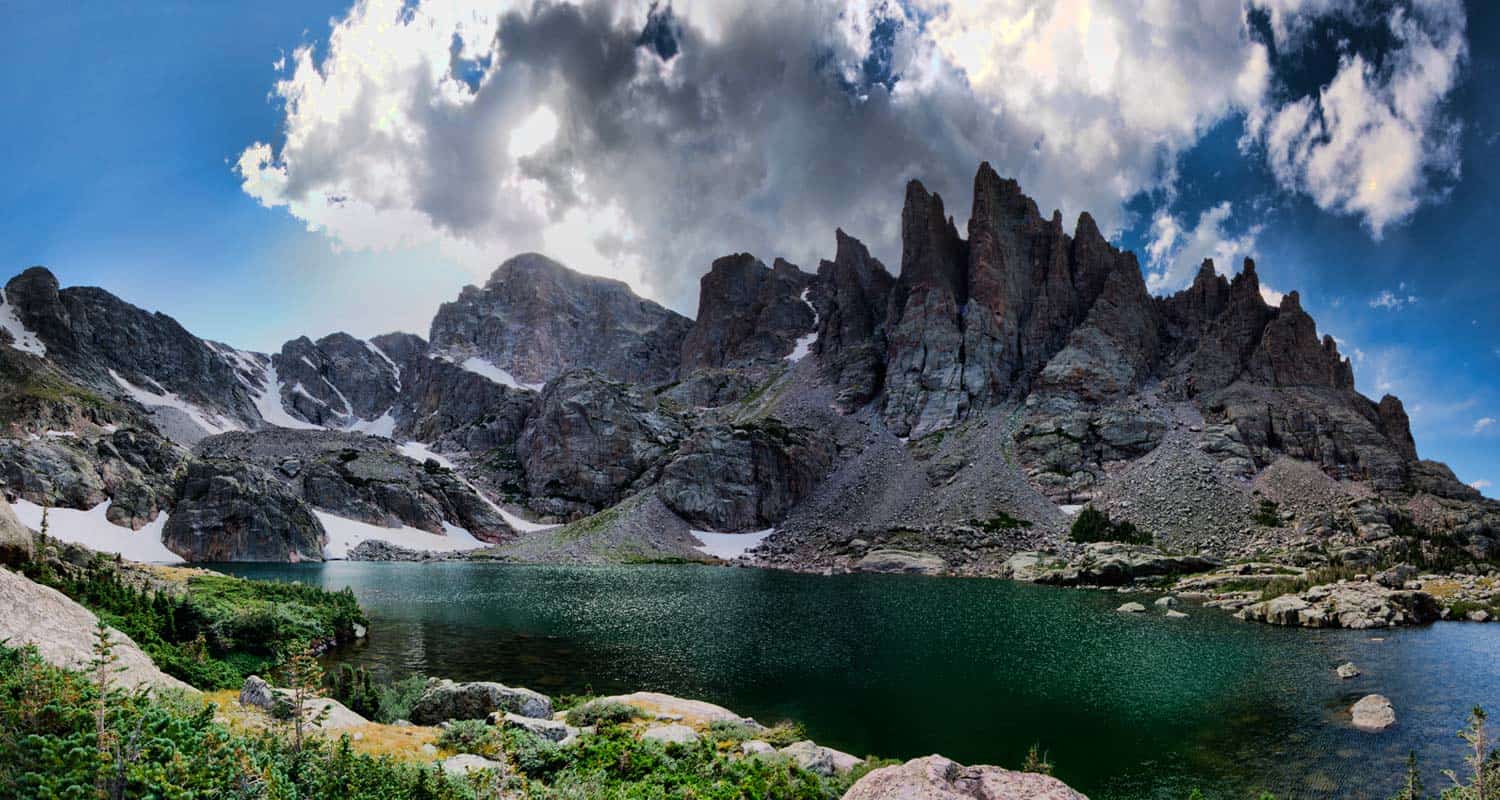
Sky Pond is one of those Rocky Mountain National Park hikes that starts out feeling like a classic waterfall-and-lake stroll, then quietly turns into a real mountain day. You will pass Alberta Falls, climb to The Loch, and then you will hit the part everyone talks about: the scramble beside Timberline Falls. If you are comfortable using your hands, choosing solid footholds, and making conservative decisions when the rock is wet or the wind is up, Sky Pond is unforgettable.
Sky Pond hike stats (Glacier Gorge Trailhead)
- Distance: about 9 miles round trip (GPS tracks can vary a bit)
- Elevation gain: about 1,700 to 1,800 feet (varies by device and exact track)
- Typical time: 5 to 7+ hours depending on pace, crowds, and conditions on the scramble
- Difficulty: strenuous, with a short but consequential Class 3 style scramble near Timberline Falls
- High point: Sky Pond sits around 10,900 feet, so altitude is part of the challenge
My honest framing: if you are choosing between the Bear Lake corridor classics and Sky Pond, this is the one you do when you want a bigger day and you are okay with a section that demands focus. The trail itself is straightforward until it is not.
Timed entry, parking, and early logistics
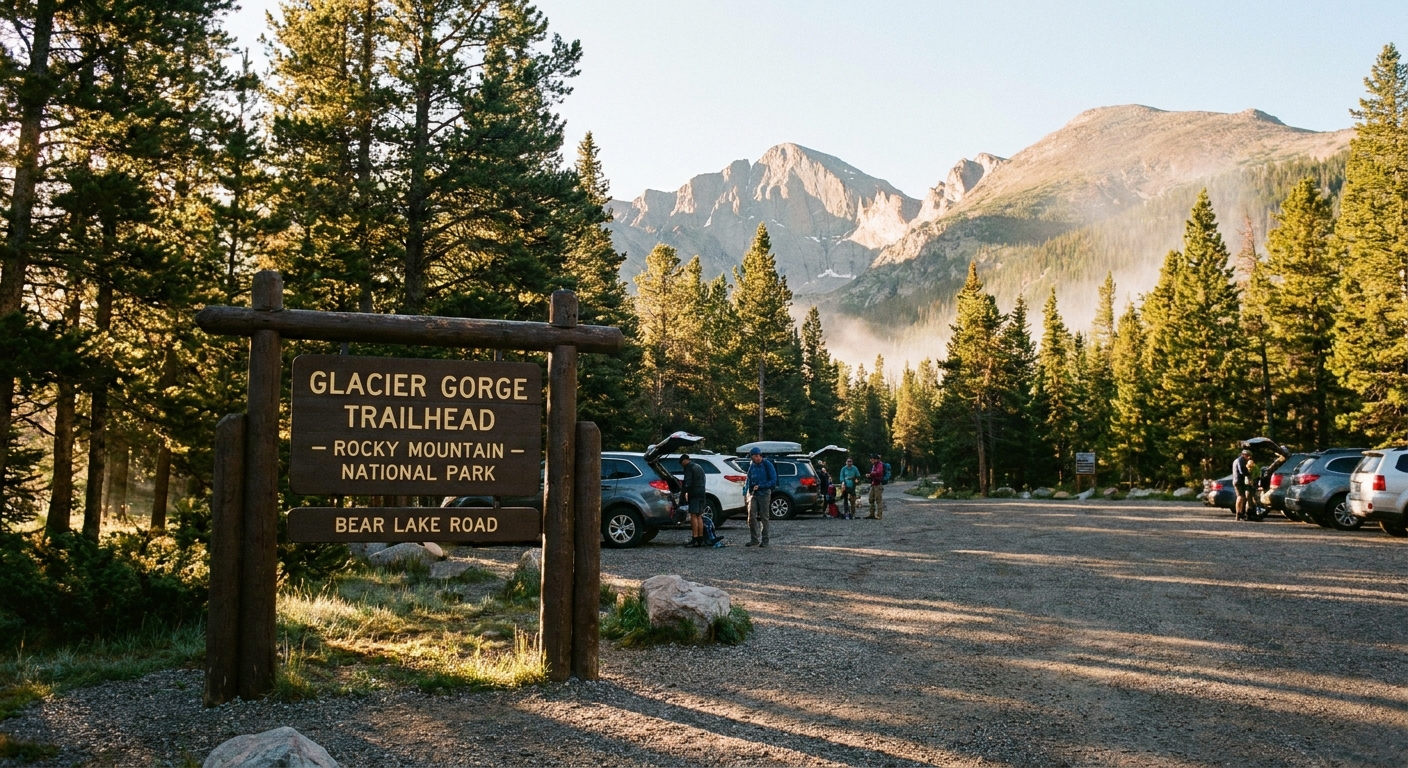
Most Sky Pond days begin the same way: you are trying to beat both the weather and the parking situation. Glacier Gorge Trailhead is a popular launch point, and it fills fast in peak season.
Timed-entry basics
Rocky Mountain National Park uses timed entry reservations during the busy months. The Bear Lake Road corridor often has its own reservation requirements and windows, which matters for Glacier Gorge access. Rules can change year to year, so confirm your date, entry corridor, and reservation type directly on the official NPS Rocky Mountain National Park timed-entry page before you drive up.
Parking at Glacier Gorge Trailhead
- Arrive early: Glacier Gorge parking fills quickly in summer and fall.
- Have a backup: when Glacier Gorge is full, parking around Bear Lake can also fill. Be ready to pivot to a different hike if you roll in late.
- Shuttle season: in summer, shuttles may operate along Bear Lake Road on a seasonal schedule. Routes and timing can shift, so check current shuttle details before you go.
Route guide: Glacier Gorge to Sky Pond
The route is a greatest-hits reel of Glacier Gorge scenery, with the hardest work concentrated late in the hike. That is why pacing matters. Eat early, hydrate often, and do not burn your legs sprinting to The Loch like it is the finish line.
Glacier Gorge Trailhead to Alberta Falls
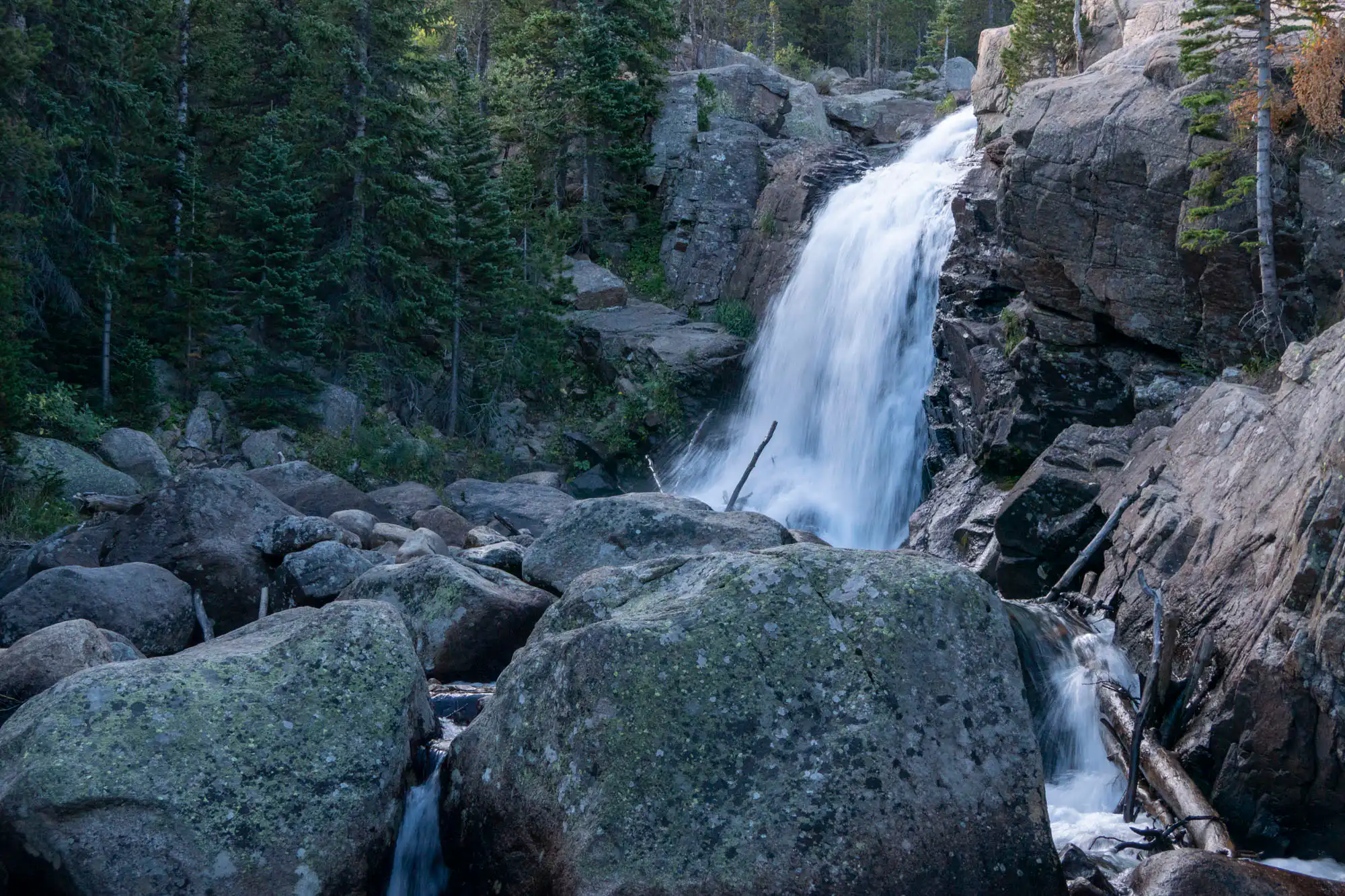
The first stretch is well-traveled and well-signed, winding through forest with classic Rocky Mountain granite and lodgepole pine. You will reach Alberta Falls relatively quickly, and it can be crowded even early. I like to treat this as a quick legs-and-breath check: if you already feel smoked here, today may become a “Loch and back” kind of day.
Alberta Falls to The Loch
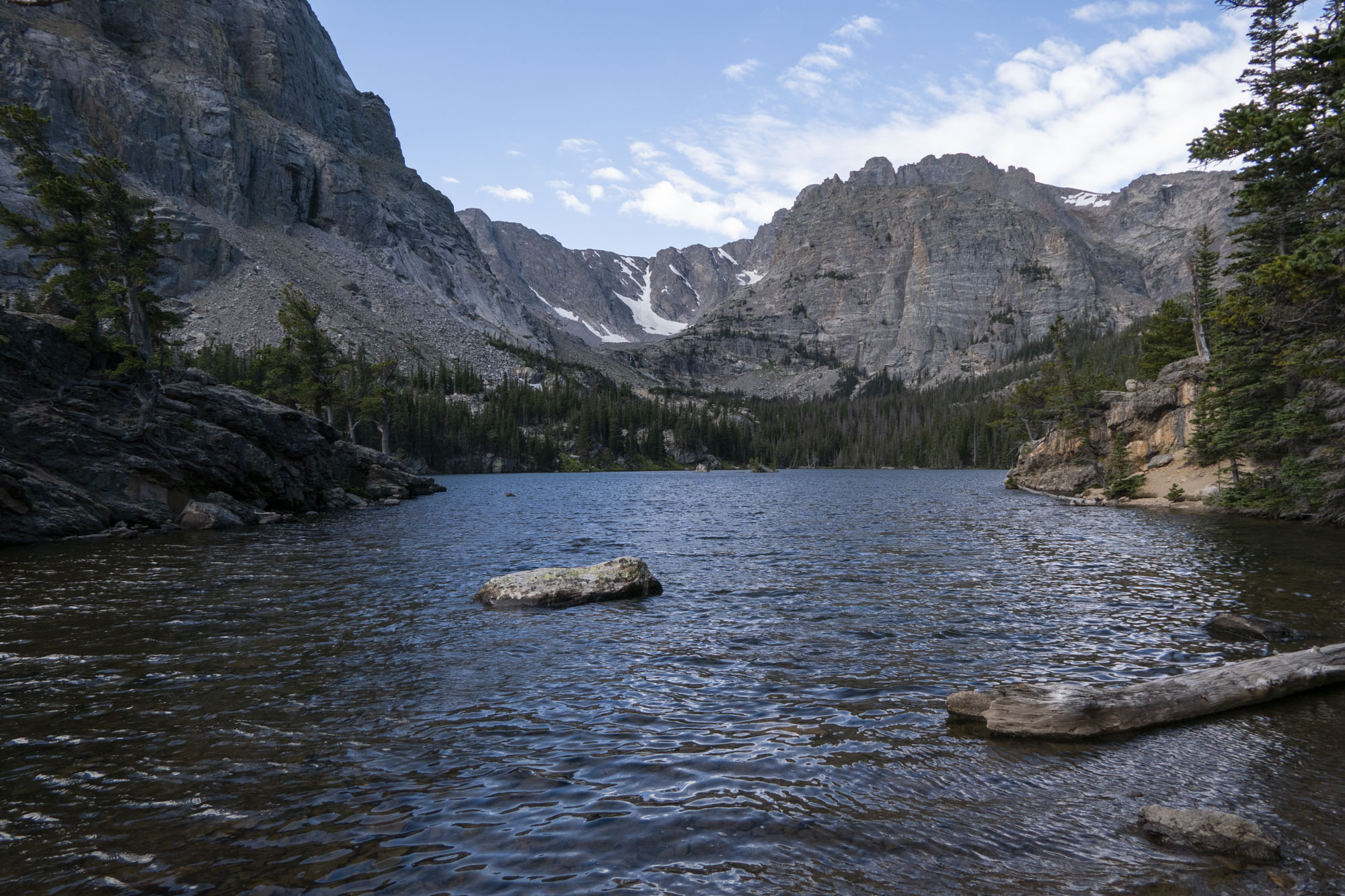
From Alberta Falls, the trail continues climbing steadily. The forest opens and closes, and you will start to feel the altitude as the grade stacks up. Eventually you crest into the basin that holds The Loch, a long alpine lake framed by steep walls. It is a perfect snack stop, and also a decision point.
The Loch to Timberline Falls
Past The Loch, the trail keeps gaining. You will pass smaller cascades and creek crossings, and the terrain starts to feel more rugged as you work toward the headwall. You will know you are close when the sound of rushing water starts bouncing off the rock walls and the route funnels you toward Timberline Falls.
Timberline Falls scramble
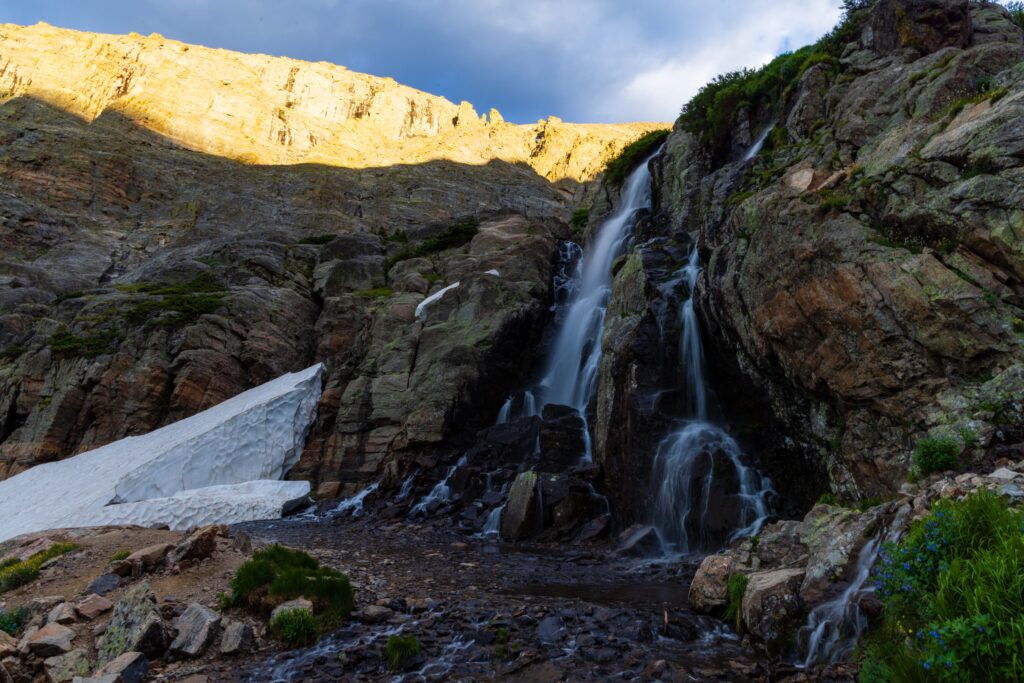
This is the crux. The maintained trail leads you to the base of Timberline Falls. From here, you scramble up rock slabs and ledges to the right of the waterfall (as you face uphill). People often describe it as “short,” which is true in distance, but not always true in consequence.
What the scramble feels like: steep, slabby rock with intermittent steps and handholds. You will use both hands. There is exposure, especially if you drift onto steeper, smoother lines. In early season or after rain, water and ice can make it far more serious.
Tips that make this section safer
- Pick a line you can reverse: before committing upward, pause and ask yourself if you can downclimb the same moves calmly.
- Stay on solid rock: avoid slick, polished sections closest to the flow. If the line you want is damp, back off early, find a drier alternative, or turn around at the base.
- Move one at a time in tight spots: this reduces rockfall risk. Keep space between you and the group ahead.
- Use three points of contact: two feet and a hand, or two hands and a foot, especially on the steeper steps.
- Do not follow footprints blindly: social trails form everywhere here. The best line is the one you can reverse confidently.
- Consider gloves: thin grippy gloves can help if your hands are cold or the rock is gritty.
If you are thinking, “This is already sketchy,” listen to that. You have not failed the hike if you turn around at the base. You have simply chosen the best version of the day for your comfort level.
Lake of Glass to Sky Pond
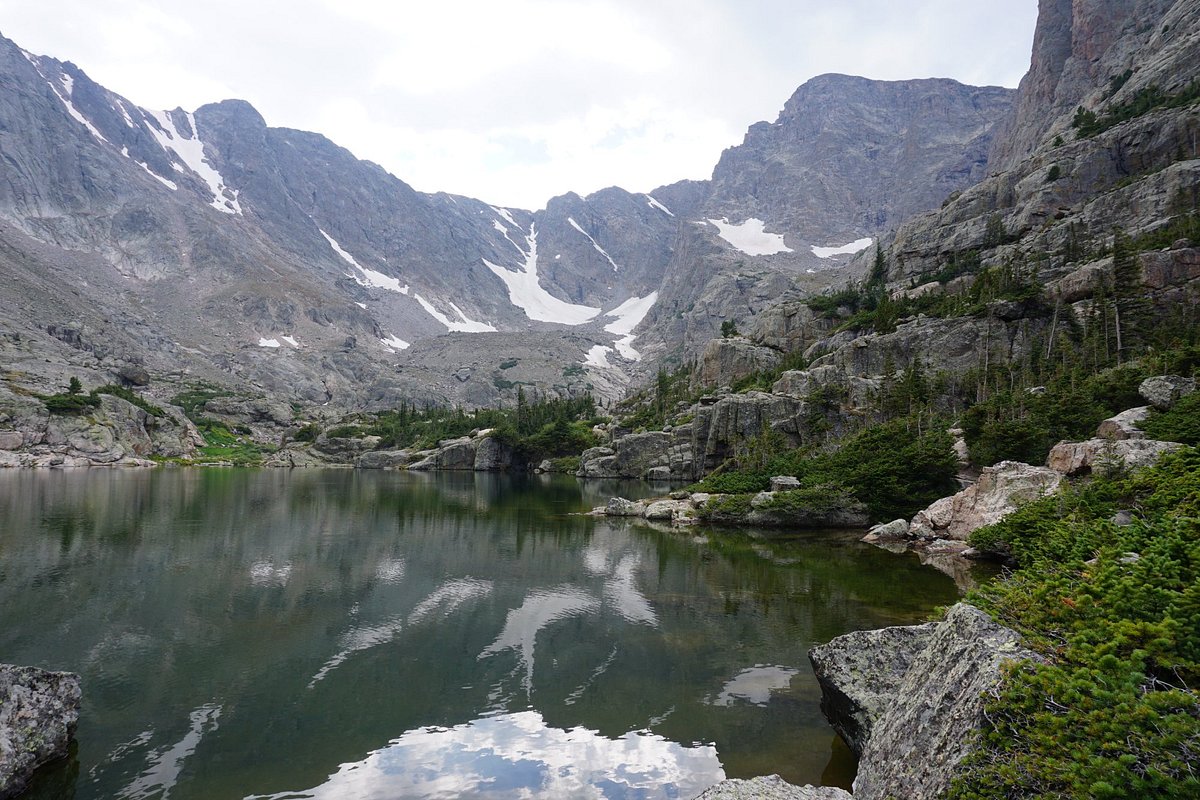
Right after you top out above Timberline Falls, you pop out at Lake of Glass, a small alpine lake that feels like a reward for staying focused through the scramble. When it is calm, it earns its name. When the wind is ripping, it is your warning label.
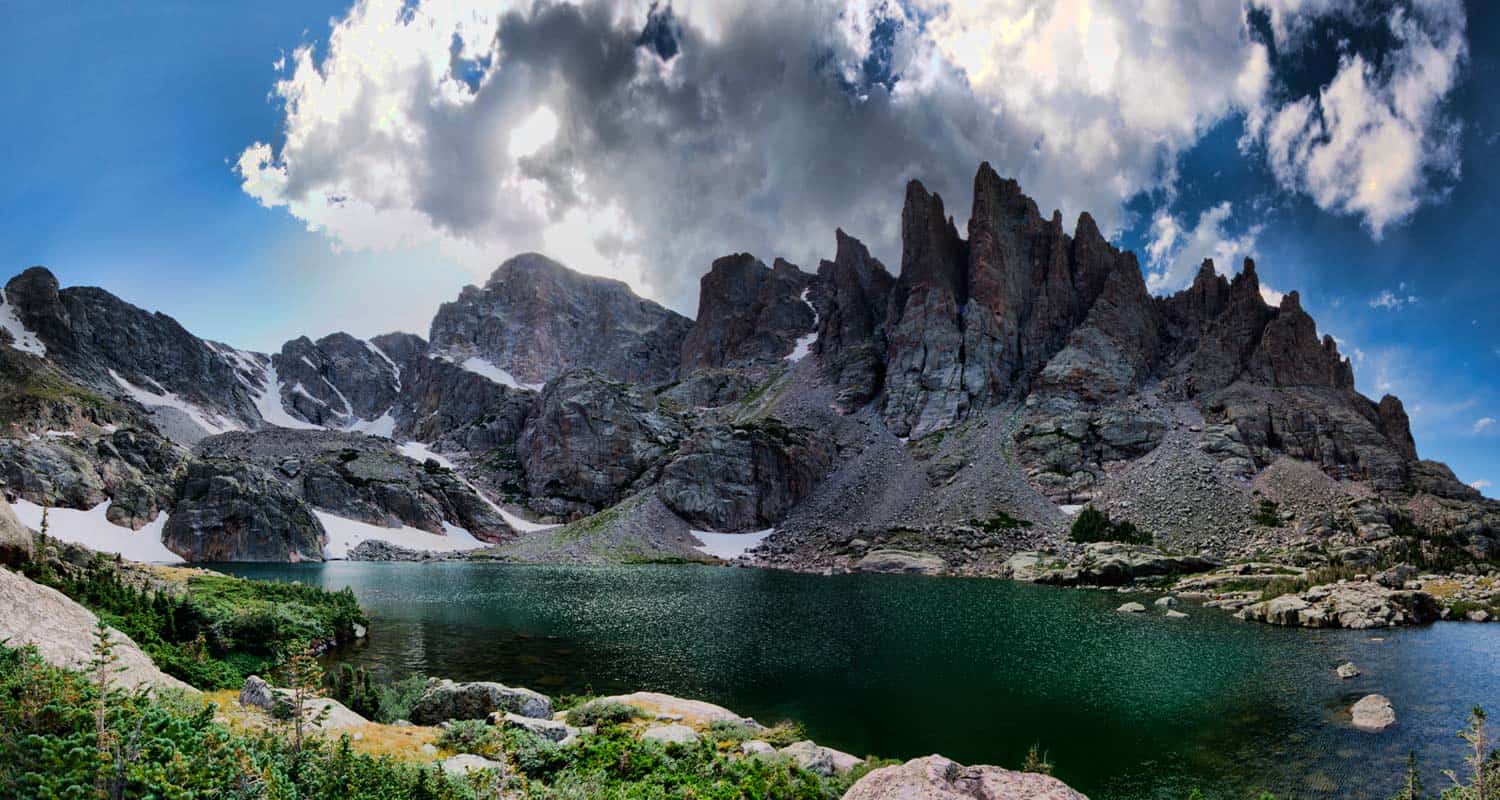
From Lake of Glass, it is a short final climb to Sky Pond. The trail threads through an alpine basin to the water, backed by dramatic spires and headwalls. On a calm morning it feels like a secret amphitheater. On a windy afternoon, it can feel like you walked into a giant outdoor wind tunnel.
Seasonal conditions
Even when the trail down low is dry, snowfields and runnels can linger near Timberline Falls and above The Loch well into early summer, especially in shaded pockets. Freeze-thaw cycles can also create early-morning slickness that softens into running water later in the day. If you are hiking in shoulder season or early summer, check recent trip reports and be honest about whether you have the skills and gear for snow and ice. Microspikes can be helpful in the right conditions, and an ice axe is only useful if you know how to use it.
Weather and wind
Sky Pond is high enough that “bluebird at the trailhead” means very little. In the Rockies, storms can build fast, and the terrain above The Loch is more exposed. Wind can be intense near Sky Pond and around the headwall, and it can also make the scramble feel more precarious.
What I check before leaving service
- Hourly forecast for a high elevation point: not just Estes Park. Look for gust speeds, not only sustained wind.
- Thunderstorm timing: if there is a strong chance of afternoon lightning, start earlier or choose a lower objective.
- Recent precipitation: rain the previous day can leave the scramble damp in shaded sections.
- Snowpack and freeze-thaw: early season conditions can add snowfields, hard ice in the morning, and running water later.
Carry-on-only philosophy meets alpine reality: even on a day hike, bring layers you can actually use. A light rain jacket, a warm layer, and gloves can turn a miserable windy hour at Sky Pond into a comfortable lunch stop.
When to turn around
Turnaround decisions are part of hiking Sky Pond responsibly. The “right” call is the one that gets you back to the trailhead safely, with energy in the tank and time before weather turns. Here are common, very valid reasons to call it.
Turn around at The Loch if:
- Thunderheads are already building early.
- You are feeling altitude symptoms that are worsening, like nausea or a pounding headache.
- You are behind schedule and will be scrambling down in the afternoon storm window.
Turn around at the base of Timberline Falls if:
- The rock is wet, icy, or running with water.
- You see rockfall, or crowds are funneling people into unsafe passing moves.
- Your comfort level with exposure is lower than you expected.
Turn around at Lake of Glass if:
- Wind gusts are strong enough that you cannot stand and move comfortably.
- You hear thunder. Do not debate it. Start descending.
- You are too fatigued to imagine downclimbing the scramble with control.
My rule of thumb: if I cannot picture myself downclimbing the scramble calmly, I do not climb it in the first place.
Descending the scramble
Budget real time and energy for the descent. For many hikers, downclimbing the Timberline Falls scramble feels harder than going up because you are facing outward more often and you are working around other people. If you are already running on fumes at Sky Pond, that is a signal to start down sooner, not later.
What to pack
This is a day hike, but it is a long one at altitude with a scramble. A little extra preparation matters here more than it does on the shorter Bear Lake corridor walks.
- Footwear with real traction: trail runners can work in dry conditions if they grip well, but this is not the place for worn-out soles.
- Layers: a warm midlayer plus a windproof or waterproof shell.
- Food you will actually eat: plan for a full day, not a “maybe I will snack” kind of outing.
- Water plan: bring enough and consider a filter if you are experienced using one.
- Headlamp: early starts and slow descents are common.
- Navigation backup: even though the route is popular, having an offline map is smart.
Leave No Trace notes
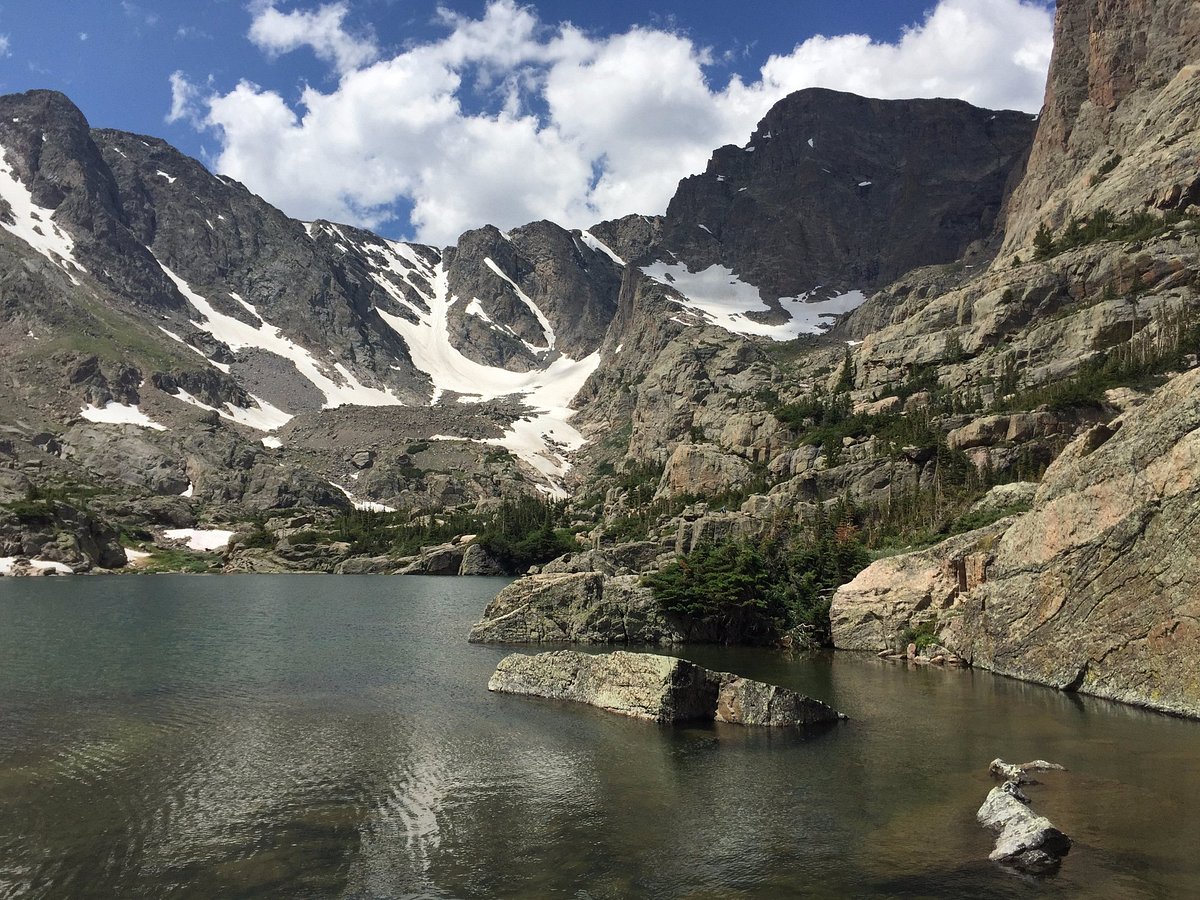
Sky Pond gets loved hard, and the basin shows it. A few small choices make a big difference.
- Stay on durable surfaces: do not shortcut switchbacks, especially above The Loch where social trails multiply.
- Be careful near the water: lakeside vegetation is fragile at this elevation.
- Pack out everything: including food scraps. Yes, even “biodegradable” ones.
- Bathroom plan: use restrooms at the trailhead before you go. If nature calls later, follow park guidance for waste and toilet paper packing.
FAQ
Is the Timberline Falls section really a scramble?
Yes. It is not technical climbing, but you will use your hands and you need to choose your line. In dry summer conditions, many hikers find it manageable. In wet, icy, or crowded conditions, it can feel dramatically harder.
Do I need trekking poles?
Poles are great for the long climb and the descent, but you will want your hands free for Timberline Falls. Many people stash poles for the scramble and pick them back up afterward.
When is the best time of day to hike Sky Pond?
Early morning. You will get better parking and typically calmer weather.
Is Sky Pond safe for kids or dogs?
Because of the exposure and the scramble, this is not a great choice for most young kids. Dogs are not permitted on trails in Rocky Mountain National Park, including this route.
Can I do Sky Pond if I am afraid of heights?
Some hikers with mild height sensitivity do fine, especially if conditions are dry and they move slowly. If exposure triggers panic or shaky legs, consider turning around at the base of Timberline Falls and saving Sky Pond for a day when you can go with a confident partner or guide.