Tent Rocks: Status, Trails, and Parking

Maya Lin
Maya Lin is a travel journalist and outdoor enthusiast who believes the best trips combine rugged adventures with urban comforts. After spending six years backpacking across four continents, she founded Trail & Town Guide to help fellow travelers navigate both hidden mountain passes and bustling city neighborhoods with confidence.
Tent Rocks is one of those New Mexico places that looks like another planet and sits inside very real, very strict access limits. As of last checked: 2026-05-30, Kasha-Katuwe Tent Rocks National Monument remains closed to the public. Because status can change, your starting move is always the same: verify the official notice before you plan a day around it.
Read this before you plan anything: do not build an itinerary around Tent Rocks without confirming, on the day you want to go, that it is open and what the current entry system is. When and if it reopens, access rules may include timed entry and capacity limits, but treat all logistics as subject to change.
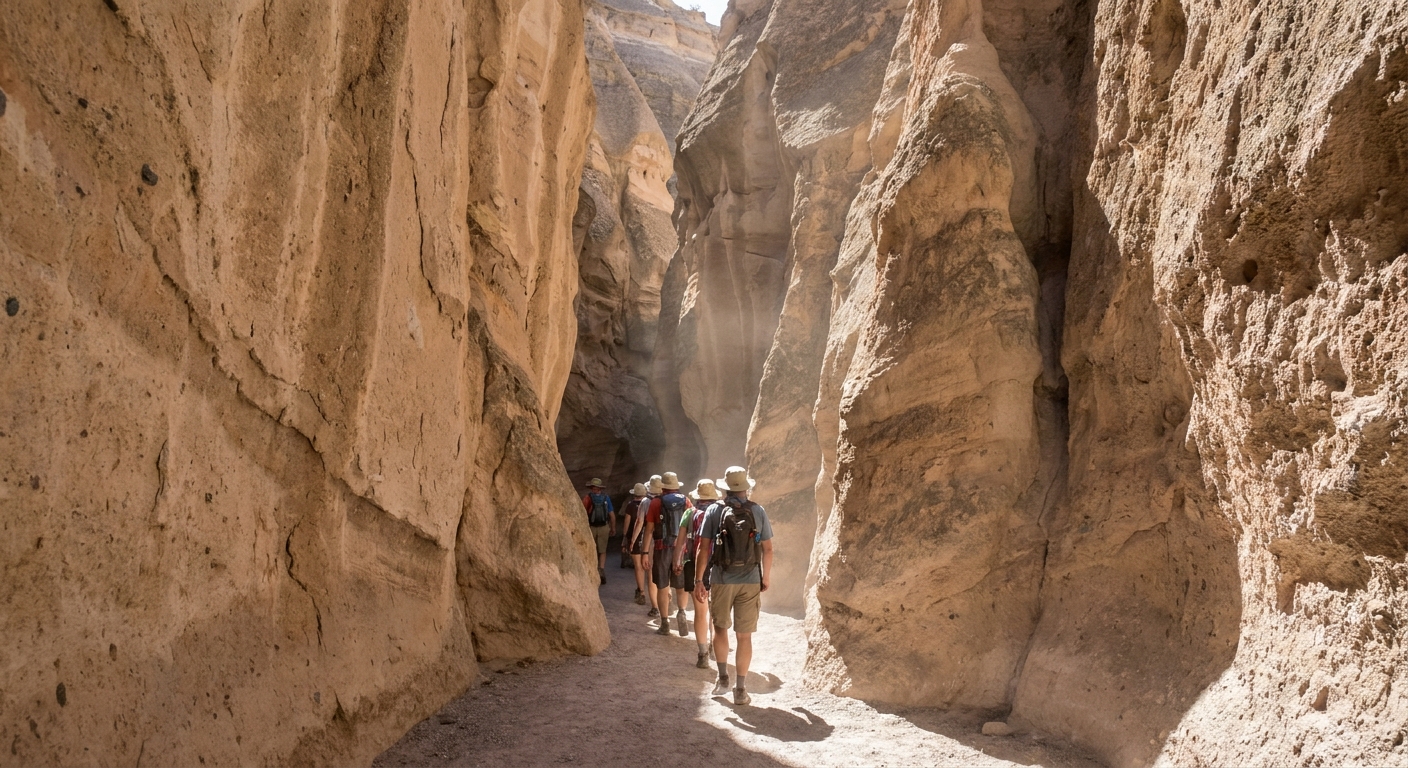
This guide explains what to check first (closure alerts and official updates), what the main trails are like (Canyon Trail vs Cave Loop), and what the narrow canyon sections actually require (steep steps and rock footing, not ladders). I also include a realistic half-day plan from Santa Fe or Albuquerque for the scenario where the monument is open, plus what to do instead when it is closed or full.
Before you go
Current status
Kasha-Katuwe Tent Rocks National Monument is managed by the Bureau of Land Management (BLM), and access decisions are closely tied to Cochiti Pueblo. In recent years, the monument has been closed to public access. That means the correct default plan is to assume you cannot visit unless an official notice says otherwise.
Even if you see older blog posts or social media suggesting you can simply drive in, do not rely on that. Access decisions here can change, and they are not driven by what is convenient for travelers.
What to check that day
- Official status updates: Check the BLM Tent Rocks page and any linked alerts. Use the exact page above rather than a third-party summary.
- Pueblo-related updates: If BLM references Cochiti Pueblo guidance or notices, read those too. If there is a conflict, assume the stricter rule applies.
- Entry system: If access returns, confirm whether it is first-come, timed entry, guided-only, or another format. Do not assume it will use Recreation.gov, even if that is what you have seen elsewhere.
- Weather: Look at wind, heat, and thunderstorms for the exact area, not just Santa Fe. Conditions can shift quickly.
Important: If the monument is closed, do not try to “peek in” or enter anyway. Closures are not suggestions. This is a cultural landscape first and a recreation site second.
Entry rules
If you have visited New Mexico sites that are casual pull-offs, Tent Rocks is the opposite. Access is limited, and rules can be strict when the site is open. If it reopens, expect some version of capacity control.
If timed entry returns
- You reserve an entry window through whatever official system is used and arrive within that slot.
- Entry is capacity-controlled because parking and trails cannot safely handle unlimited traffic.
- Late arrivals may lose access if rules require entry within the window. Build in a buffer for traffic, slow caravans, and navigation delays.
My practical rules
- Confirm open status first, then book, then plan the day. Do not design a whole Santa Fe itinerary and assume you will “fit Tent Rocks in.”
- Aim for early access if available. It helps with heat, photography, and parking turnover.
- Save proof offline if reservations exist. Cell service can be inconsistent. Screenshot, download, or print.
- Know what your reservation covers. Some systems are per-vehicle, some per-person. Confirm so you do not get surprised at the gate.
If you cannot get access, skip the stress and pick an alternative. I list solid options later.
Parking
The parking lot is not built for spontaneous mid-day surges. When the lot is full, the experience can quickly turn into a waiting loop, especially in peak seasons.
What to expect
- Limited spaces: Even on a “normal” day, it does not take many vehicles to fill the lot.
- Turnover can be slow: Many visitors stay 2 to 3 hours, so spots may not open quickly.
- No reliable overflow: Do not count on nearby roadside parking. Parking where you are not allowed can create safety issues and may get you ticketed or towed.
When it is full
- Skip circling the lot for 45 minutes. That time is better spent somewhere else, especially in heat.
- Skip “just one quick photo” attempts. If access is restricted or the lot is full, treat it as a no.
- Skip squeezing in a late-day visit. The canyon and ridges can stay hot and windy, and you risk cutting it too close to closing times.
My bias here is simple: Tent Rocks is worth doing well. It is not worth doing stressed.
Trails
These two hikes deliver very different experiences. If you only have time for one, your choice should be based on comfort with elevation, loose footing, and exposure to sun and wind, not just mileage.
Cave Loop
The Cave Loop is the best option if you want a taste of the geology without committing to the longer climb. It is also a better pick for families with young kids, travelers adjusting to elevation, or anyone who wants a lower-commitment walk that still feels unique.
- Choose Cave Loop if: you are short on time, visiting in high heat, or want the least stressful option.
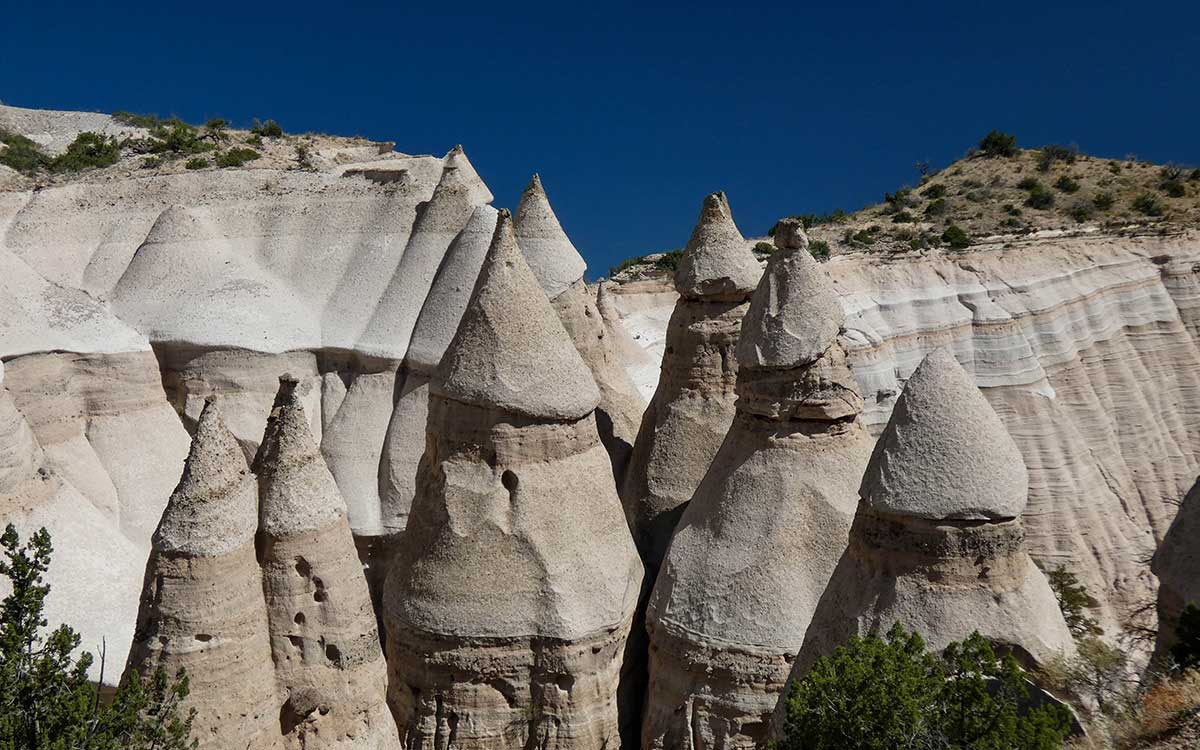
- Expect: open terrain, volcanic formations, and a short loop that can feel out-and-back in spots depending on how you explore and pause for photos.
Canyon Trail
If Tent Rocks is your main event, the Canyon Trail is the one people talk about. You get the narrow slot canyon experience and then climb up to viewpoints where the landscape opens like a map.
- Choose Canyon Trail if: you can handle sustained uphill and you have enough water for a hotter, longer effort.
- Expect: tighter canyon walls early on, then a more exposed climb and ridge section with big views.
Trail stats note: distances and elevation can vary by source and may change with management decisions. If the monument reopens, confirm the current mileage, elevation gain, and any route restrictions on the official BLM page before you go.
My first-timer advice: If you have early access and decent weather, pick the Canyon Trail. If you are arriving late, it is windy, or you are already feeling the altitude, the Cave Loop will still feel like you visited Tent Rocks without turning it into a grind.
Narrow sections
One quick correction because it matters for safety and expectations: Tent Rocks does not have ladder sections. The challenge here is narrower canyon passages and steeper trail segments where you need steady footing and patience, especially when the trail funnels people into the same pinch points.
What it is like
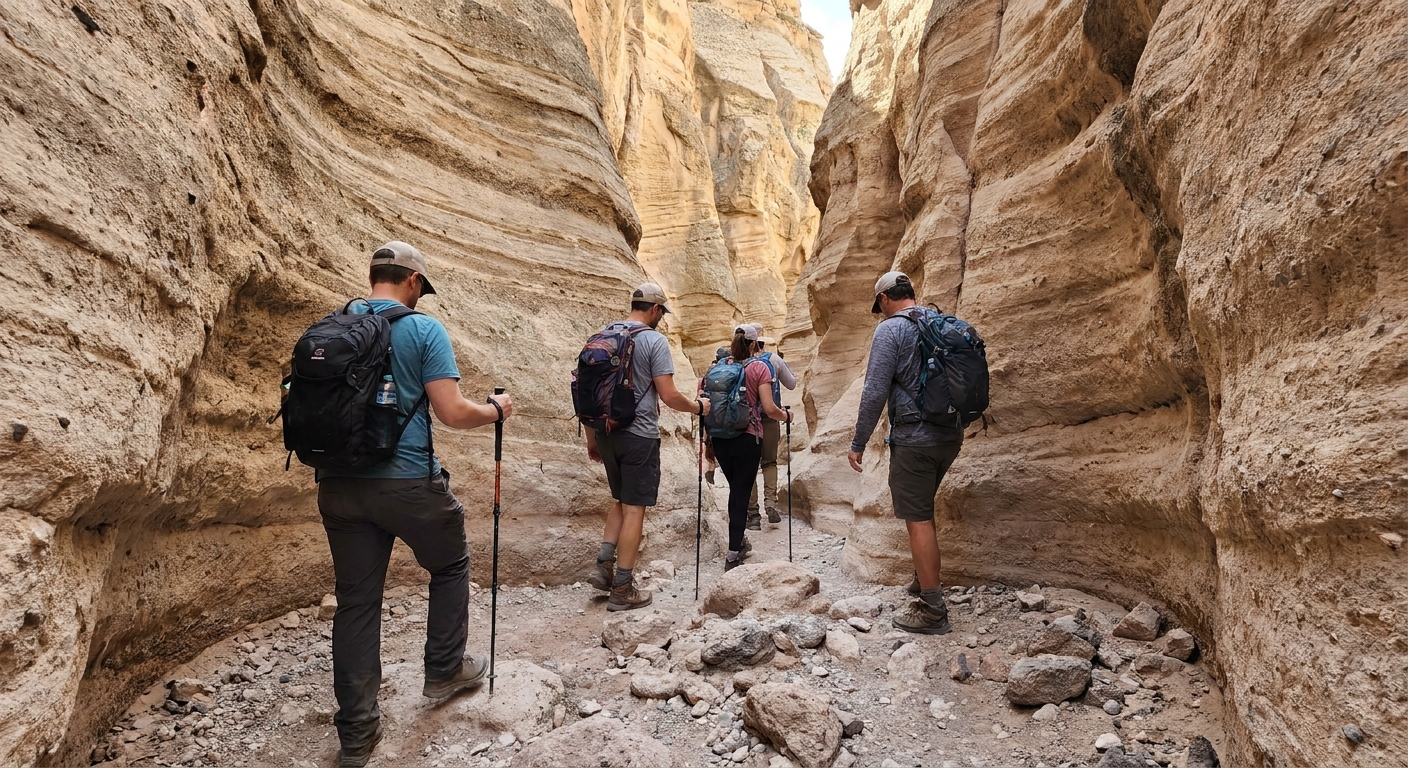
- Narrow canyon travel: Expect close walls, slower pacing, and stop-and-go movement when other hikers are coming through.
- Steeper steps and uneven rock: The trail can involve rock steps and rough footing that feels more like careful hiking than a smooth path.
- Loose grit: Sand and small gravel can make descents feel sketchier than the climb.
How to move safely
- Use hands when you need them. Keep your hands free by securing bottles and stowing loose gear.
- Watch spacing. Give the person ahead room to clear narrow or steep spots before you commit.
- Take your time on descents. Most “oops” moments happen when people rush back down.
- If you dislike tight spaces: The slot canyon feel can be intense for some people. The Cave Loop is the calmer choice.
If you are hiking with kids, this is the moment to decide if your group moves comfortably and patiently. The best etiquette in a narrow canyon is slow, steady, and non-competitive.
Weather risks
On paper, Tent Rocks looks manageable. In your body, it can feel tougher because of sun exposure, reflective rock, wind on the upper sections, and seasonal storm risk.
Heat
- Limited shade: The canyon provides some relief, but you spend significant time in exposed areas, especially higher up.
- Dry air tricks you: You can sweat less visibly but still dehydrate quickly.
- Radiant heat: Light-colored rock reflects sunlight back at you.
Wind
- Gusts are common and can make it feel cooler while still drying you out.
- Sand and grit happen. Sunglasses help, and contact lens wearers should carry drops.
- Hats try to leave. Use a strap or choose a cap that stays put.
Thunderstorms and flash flooding
- Monsoon season risk: Summer storms can build fast, even if the sky looks fine when you start.
- Slot-canyon-adjacent terrain: Narrow drainages can funnel water. Avoid committing to tight canyon sections if storms are in the forecast anywhere nearby.
- If you hear thunder: Treat it as a real signal to turn around and move toward safer, higher, open ground as directed by posted guidance.
What I pack for a half-day
- At least 1 to 2 liters of water per person depending on season and trail choice
- Electrolytes or a salty snack
- Sun protection: sunscreen, sunglasses, and a brimmed hat with a strap
- Closed-toe shoes with decent grip, not slick fashion sneakers
- Light layer for wind on the upper trail
Facilities
Facilities can be limited and can change with closure status and reopening plans. If access returns, double-check what is actually available on the official BLM page.
- Water: Do not assume potable water is available. Bring what you need.
- Restrooms: Expect basic facilities at best, and plan like you might not have options on trail.
- Trash: Pack out everything. If bins are present, do not count on them always being serviced.
- Shade: Minimal. Build your comfort around sun exposure.
Best times
If the monument is open, the most comfortable visits are usually the ones you plan around cooler temperatures and calmer light.
- Time of day: Early morning is the sweet spot for heat, crowds, and photos.
- Season: Shoulder seasons tend to be easier for hiking. Summer can be hot and stormy, and winter can bring cold wind and icy patches.
Half-day timing
Tent Rocks is often treated like a quick stop between city plans, but the logistics add up. For most first-timers, this is a half-day commitment, not a 60-minute detour. The timelines below apply only if the monument is open and you have confirmed entry requirements.
From Santa Fe
- Drive time: roughly 45 to 60 minutes each way depending on where you start in Santa Fe and traffic patterns.
- On-site time: 2 to 3.5 hours for hiking, photos, and a short break.
- Total: plan on 4 to 6 hours door-to-door.
From Albuquerque
- Drive time: roughly 60 to 75 minutes each way depending on where you start in Albuquerque and traffic patterns.
- On-site time: 2 to 3.5 hours.
- Total: plan on 4.5 to 6.5 hours door-to-door.
Timing tips
- Pick the earliest access you can, if access exists. Cooler temps, better light, less pressure.
- Build a food stop after. You will be hungrier than expected, and it is nicer to refuel in town than in a hot parking lot.
- Do not stack it with another big hike the same day unless you are very used to hiking in desert sun.
Accessibility
Tent Rocks is not an easy stroll, and parts of the experience depend on narrow paths, uneven rock, and sustained uphill. If you have mobility limitations or do not do well with uneven footing or tight passages, plan conservatively.
- Uneven terrain: Expect rocky steps and loose grit that can be tough for strollers, wheels, and unstable ankles.
- Comfort matters: If tight canyon spaces are not your thing, choose the most open, shortest option available, or pivot to an alternative site with wider paths.
Be respectful
This is the part I want you to remember even if you forget the trail stats. You are a guest here. Your choices affect whether places like this stay open and welcoming.
- Follow all posted rules about where you can walk, rest, and photograph.
- Leave what you find. No rock stacking, no carving, no souvenir stones.
- Stay on trail. Off-trail shortcuts damage fragile surfaces and widen erosion.
- Keep noise down. The canyon carries sound.
- Pack out everything. Yes, including fruit peels and tissues.
- Be patient. If you are in a narrow section, yield calmly and communicate with other hikers.
If you are unsure about a rule, choose the most conservative, respectful option. That is the right travel habit anywhere, and especially here.
If you cannot get in
It happens, and in recent years it has been the most likely scenario. The fix is having a Plan B that still scratches the “New Mexico wow” itch.
Great alternatives
- Bandelier National Monument: cliff dwellings, short trails, and a bigger overall footprint for visitors. It pairs well with a Santa Fe base.
- Petroglyph National Monument (Albuquerque): easy-to-moderate walks with real cultural depth.
- Cochiti Lake area viewpoints and picnic time: if you want a lower-effort outdoor reset, check what is open and permitted.
- Santa Fe reset: if the sun is brutal, pivot to a museum and a long coffee stop. Your trip does not need to be 100 percent hiking.
My rule: if Tent Rocks is closed or full, do not treat it like a failure. Treat it like New Mexico redirecting you to a place that will feel better today.
Quick checklist
- Confirm the monument is open and check the BLM status page plus any Cochiti Pueblo-related notices
- If an official system is active, reserve timed entry through the current official platform and save proof offline
- Arrive early with a buffer for the drive
- Pick your trail: Canyon Trail for the full experience, Cave Loop for a shorter visit
- Plan for narrow sections, steeper footing, and slower pacing
- Carry more water than you think you need and add electrolytes
- Dress for sun, wind, and sudden storms
- If access is restricted, pivot to a Plan B
Done right, Tent Rocks feels like a miniature expedition, the kind you can finish before lunch and still talk about for years. Done impulsively, it can feel like a line, a scorch, and a scramble. Confirm the status, respect the place, and give yourself time to enjoy the silence in that canyon, if and when it is open again.