The 50/50 Rule for a 7-Day Trip

Maya Lin
Maya Lin is a travel journalist and outdoor enthusiast who believes the best trips combine rugged adventures with urban comforts. After spending six years backpacking across four continents, she founded Trail & Town Guide to help fellow travelers navigate both hidden mountain passes and bustling city neighborhoods with confidence.
My favorite trips have two soundtracks: boots crunching on dirt in the morning, and espresso machines hissing in the afternoon. The trick is doing both without turning your “vacation” into a seven-day endurance event.
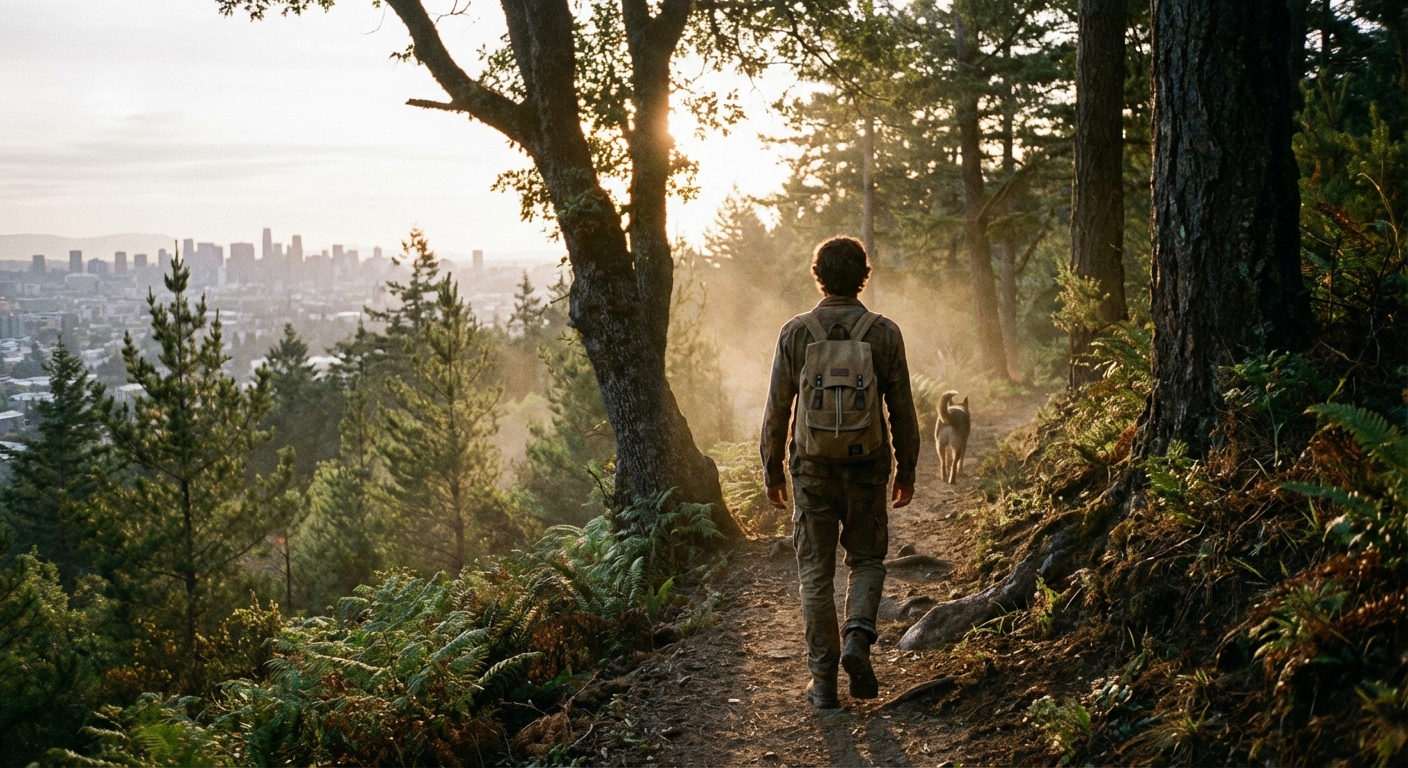
Enter my 50/50 approach: on a 7-day trip, plan roughly half your days around nature and half around the city, with intentional transitions in between. This isn’t about perfection. It’s about pacing, so you can hike hard, eat well, sleep enough, and still have the energy to wander a museum without feeling like a zombie.
What the 50/50 approach means
The 50/50 approach is a planning mindset more than a strict math problem. For a 7-day trip, it usually looks like:
- 3 nature-forward days (hike, kayak, national park, mountains, beach, desert, hot springs)
- 3 city-forward days (neighborhood walks, markets, museums, architecture, nightlife, food)
- 1 transition or buffer day (travel, recovery, laundry, low-key exploring, weather backup)
Why a buffer day? Because the moment you try to do a sunrise summit and a 4-hour food tour on the same day, your legs and your mood will file a formal complaint.
The goal isn’t “see everything.” The goal is to feel present in what you do see.
A 7-day plan that works anywhere
Below is the skeleton I use when I’m stitching together trails and town time. It’s designed for destinations where a city has easy access to nearby nature, like Vancouver and Whistler, Tokyo and Nikko, Cape Town and the Cape Peninsula, Denver and Rocky Mountain National Park, or Barcelona and Montserrat.
Day 1: Arrive + reset
City-light. Land, check in, and keep expectations humble. The best move is a simple loop: coffee, a local market, a park, and an early dinner.
- Do: a self-guided neighborhood walk and one “anchor” reservation you’re excited about.
- Avoid: stacking museums on arrival day, especially after a red-eye.
Day 2: City deep dive
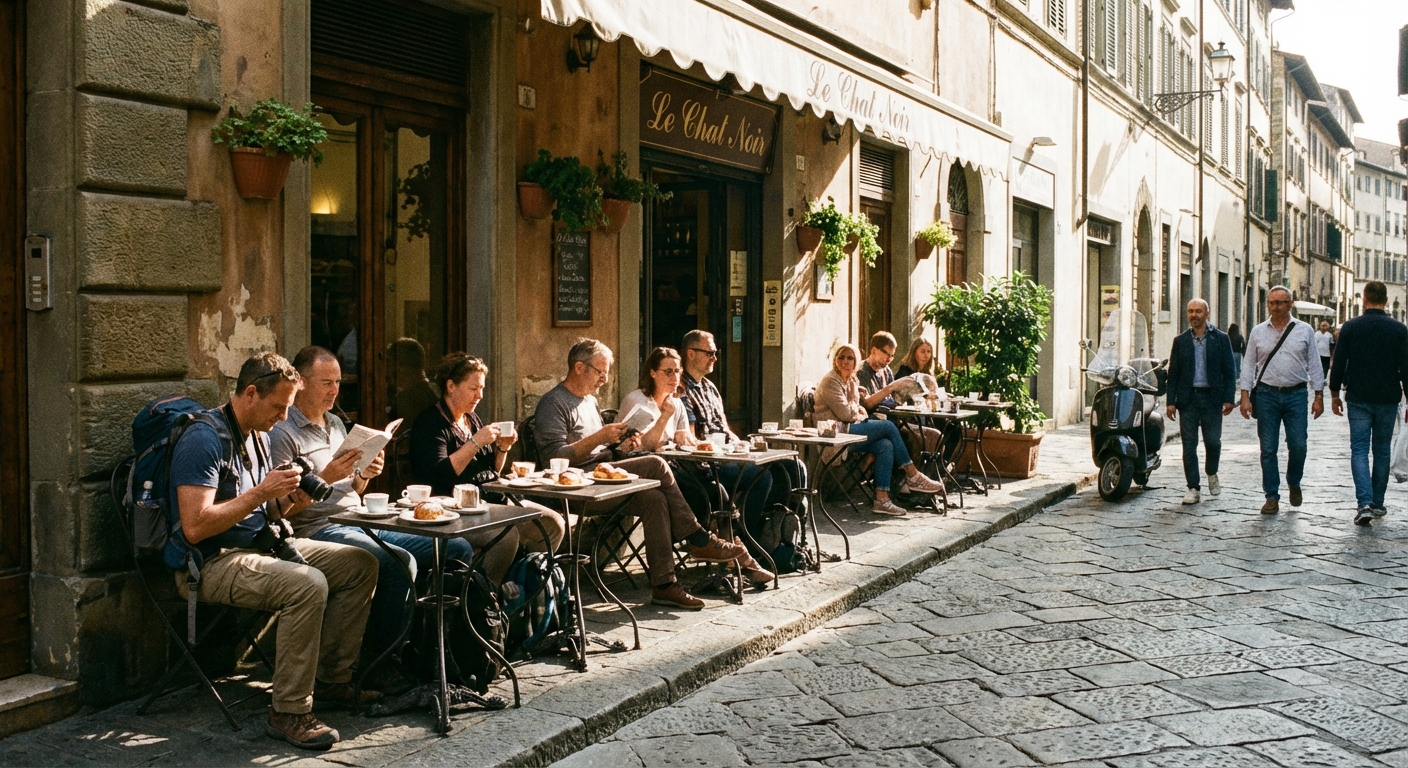
City-heavy. Put your most “brainy” sightseeing here: museums, historic districts, architecture tours. Your body’s still recovering from travel, so this is the day to walk a lot without climbing 3,000 feet.
- Plan: one major sight in the morning, one neighborhood in the afternoon, and a specific dinner target.
- Build in: a midday cafe stop that’s not negotiable.
Day 3: Nature day trip
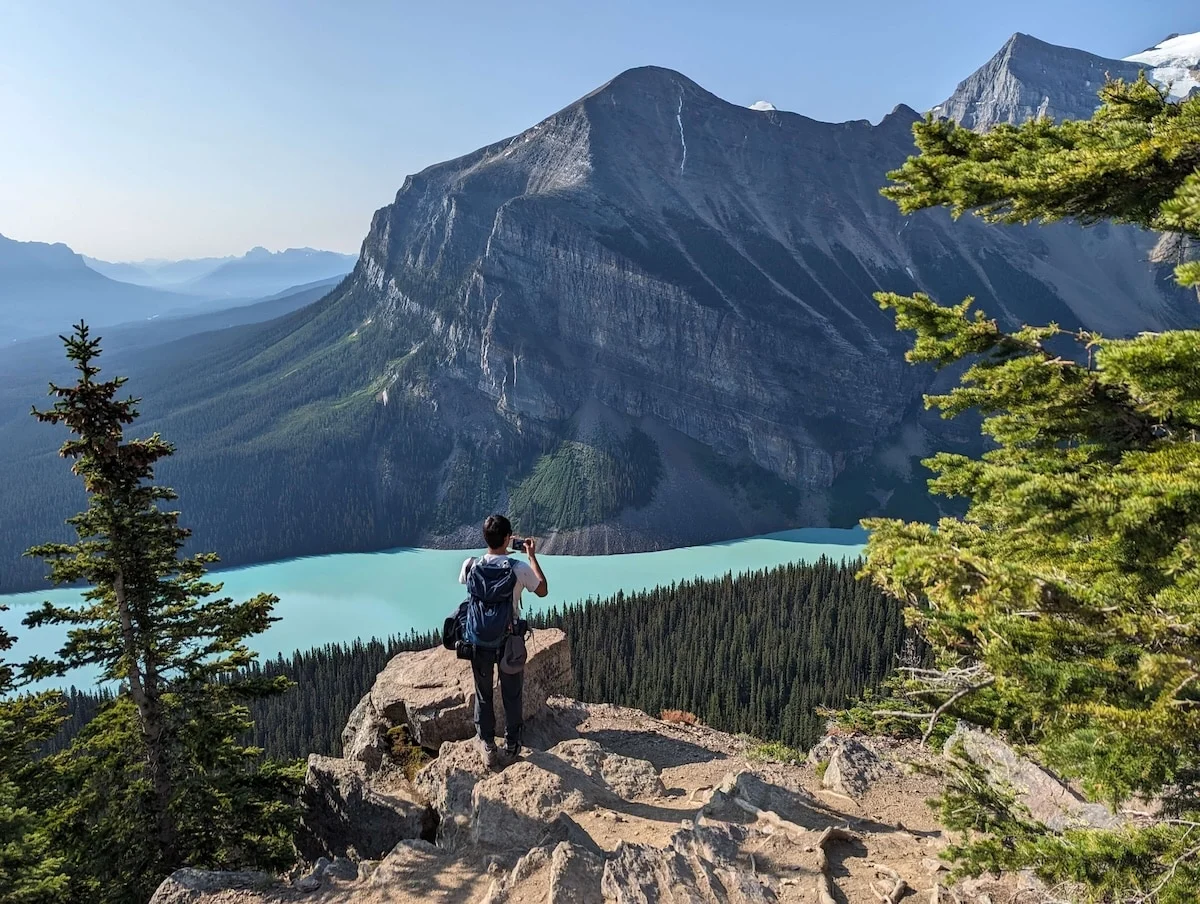
Nature-heavy. Go big while your legs are fresh and your motivation’s high.
- Choose one primary objective: a signature hike, a lake paddle, a scenic drive with short walks.
- Cap the day with a simple city dinner near your lodging. You don’t need a “cool neighborhood” tonight, you need carbs.
Pacing rule: if you start before 8 a.m., plan to be back to town by late afternoon. Evenings are for recovery, not another checklist.
Quick safety check: before you go big, confirm trail conditions and local rules, and carry the basics (water, layers, headlamp, and an offline map).
Day 4: Bridge day
Transition + buffer. This is where most itineraries fail, and where yours gets smarter.
Use this day to connect the two worlds:
- Option A: Late start city morning, then transfer to your nature base (mountain town, park lodge, coastal village).
- Option B: Sleep in, do laundry, visit a bathhouse or spa, then a sunset viewpoint.
- Option C: Save it as your weather wild card.
If you’re traveling with someone who’s more “town” than “trail” (or vice versa), Day 4 is where you keep the peace.
Day 5: Nature immersion
Nature-heavy. This is a great day for a longer hike or a guided activity because you’re now settled into the rhythm.
- Upgrade your experience with a guide when it matters: glaciers, canyoning, wildlife tracking, backcountry navigation.
- Keep one margin: either an easier route option or an earlier turnaround time.
My no-regrets move: plan a “soft landing” meal. Think ramen, pho, tacos, or a hearty local stew. You want salt and warmth, not a 10-course tasting menu while wearing damp socks.
Budget swap: if a guide or spa isn’t in the cards, trade it for a ranger-led walk, a scenic picnic, or a long soak at your lodging if there’s even a modest hot tub.
Day 6: City comeback
City-heavy. Return to town and enjoy the contrast. Your senses wake up in a different way: street life, design, galleries, bars, music, bookstores.
- Choose one neighborhood you’ll explore slowly.
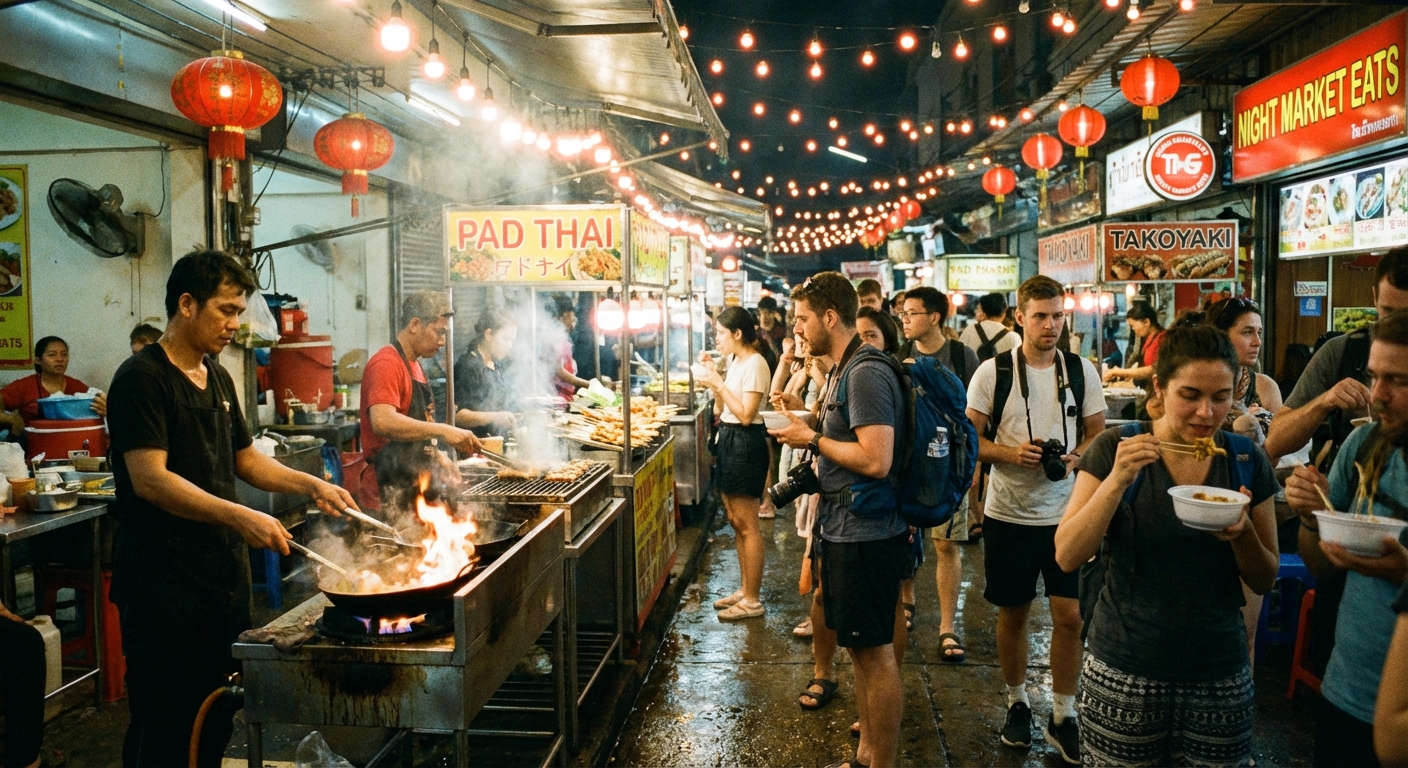
- Book your “big” urban experience: a show, a chef’s counter, a night market crawl, or a river cruise.
Day 7: Easy finale + departure
Flexible. Depending on your flight or train time, pick a low-stakes last act:
- City option: a bakery breakfast, a final museum, a waterfront stroll.
- Nature option: a short coastal walk, an easy viewpoint trail, a botanical garden.
The rule is simple: don’t start something today that could make you miss your ride home.
Accessibility note: this framework works even if your “nature” day is a gentle lake loop, a scenic rail ride, or a garden with paved paths. The point is the rhythm, not the elevation gain.
Pick nature days that won’t wreck you
Not all outdoor days cost the same energy. If you want a true 50/50 split without burnout, mix intensity levels.
Try hard–easy–hard
- Day 3: Big but straightforward (iconic hike, main park loop)
- Day 4: Easy or transitional (hot springs, scenic drive, town transfer)
- Day 5: Big again (longer hike, guided activity)
This keeps you from stacking three “hard” days in a row, which is how people end up eating granola bars for dinner because walking to a restaurant feels impossible.
Anchor around daylight and permits
In many places, nature logistics are controlled by:
- Daylight (short winter days change everything)
- Timed entry permits (increasingly common in popular parks and some high-demand routes)
- Weather windows (especially in mountains and on the water)
Plan your nature days first, then fit your city days around them like puzzle pieces.
Make city days feel restorative
City sightseeing can be sneakily brutal because it’s constant micro-decisions: where to go, how to get there, what to eat, whether that line is worth it. The fix is structure with breathing room.
The 3-2-1 city formula
- 3 hours for your main attraction (museum, palace, major market)
- 2 hours for a neighborhood wander (no tickets, no pressure)
- 1 hour for a cafe reset (sit down, hydrate, people-watch)
If you do that and add a great dinner, you’ll feel like you “did” the city without sprinting through it.
One neighborhood per day
Instead of ping-ponging across town, choose an area and commit. You’ll spend less time in transit and more time noticing details: small galleries, corner bakeries, community gardens, the way locals use public space.
Logistics that save a trip
Two bases max
For a 7-day 50/50 trip, the sweet spot is:
- One city base (Days 1 to 3, plus Day 6)
- One nature base (Days 4 to 5, sometimes Day 6 morning)
More than two accommodations usually creates a suitcase-forward vacation, and nobody wants that.
Schedule travel time
If your “nature” is two hours away, that’s four hours round-trip. Treat it as real time on the schedule, not a footnote.
- Buffer for parking and shuttles.
- Plan for at least one transit hiccup.
- Keep your post-trail dinner plan close to home base.
Book the essentials, keep the days loose
Book the items that sell out (permits, trains, a special restaurant) early. But don’t pre-book every hour. For example: book the permit, not the 9-to-5 schedule. Leave space for a local tip, a weather pivot, or a coffee shop that turns into your daily ritual.
Carry-on-only packing
If you’re doing both trail and town, packing can spiral fast. My rule: bring gear that can cross contexts.
Footwear
- One trail shoe: lightweight hikers or trail runners (great traction, quick dry)
- One city shoe: comfortable sneakers that can handle 20,000 steps
- Optional: a minimal sandal if your destination is warm or has spas
Skip heavy boots unless you’re doing technical terrain or shoulder-season conditions.
Clothing
- Neutral base layers that mix easily
- A packable rain shell that looks fine in town
- One warmer layer even in summer (mountains and coastlines get moody)
- One outfit that feels “nice” for a city night out
Daypack
Bring a small pack that works for both: a hike and a museum day. Ideal features: water bottle pocket, room for a light jacket, and a secure pocket for your passport and cards.
Common mistakes
Sunrise hikes + late nights
Fix: alternate. If you’ve got an early trail day, make that a quiet dinner night. Save nightlife for city-heavy days.
Nature days that are all driving
Fix: choose one “scenic driving” day and one “feet on ground” day. Your body wants movement, not just windshield views.
Overplanning meals in the wrong places
Fix: make your best dining reservations on city days. On nature days, plan for simple, high-calorie, early meals. You’re not failing travel if you eat noodles twice.
No recovery built in
Fix: schedule a real rest block. A bathhouse, a long cafe sit, a bookstore hour, or a park nap counts as sightseeing in my book.
Quick checklist
- Pick your two bases (city and nature) and confirm transit between them.
- Lock in two city anchors (must-see neighborhoods or attractions).
- Lock in two nature anchors (one iconic, one immersive), plus one lighter nature outing.
- Add one buffer day (transfer, rest, or weather backup).
- Set your daily ceiling: one big thing per day plus smaller moments.
- Pack for overlap: layers, trail shoes, and one nice outfit.
If you want a trip that feels both expansive and easy, this 50/50 approach is the simplest lever I know. Half wild, half wired. Boots in the morning, good coffee in the afternoon, and enough space in between to actually enjoy both.