Theodore Roosevelt National Park South Unit Drive

Maya Lin
Maya Lin is a travel journalist and outdoor enthusiast who believes the best trips combine rugged adventures with urban comforts. After spending six years backpacking across four continents, she founded Trail & Town Guide to help fellow travelers navigate both hidden mountain passes and bustling city neighborhoods with confidence.
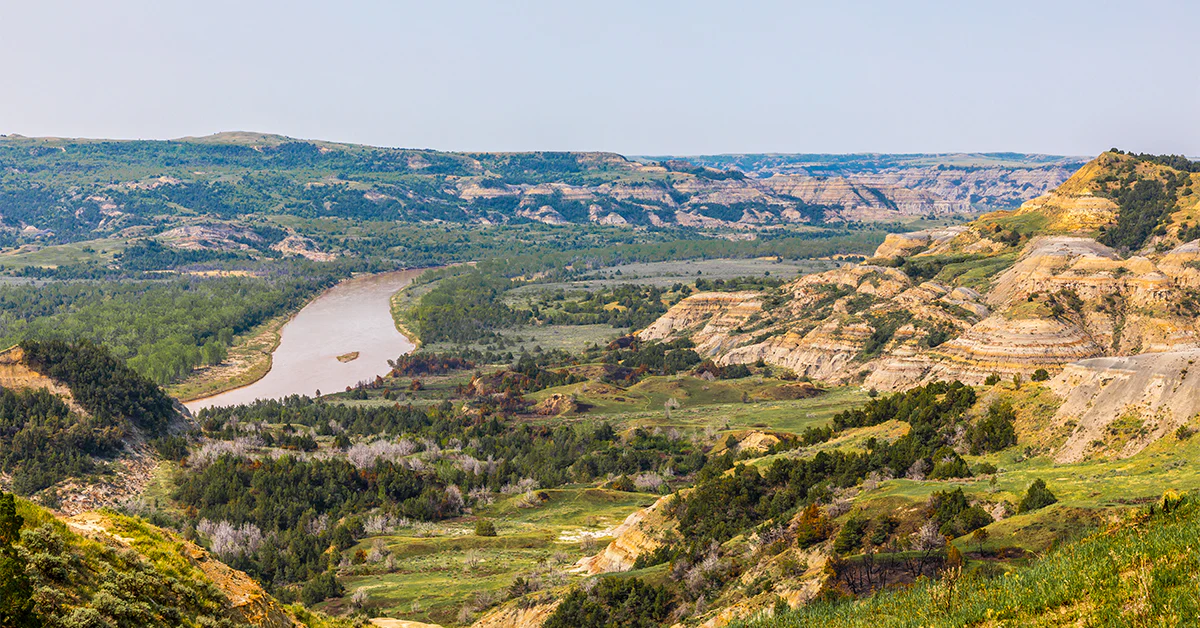
There are national parks that feel like a headline and others that feel like a secret you get to keep. Theodore Roosevelt National Park’s South Unit, tucked beside the small town of Medora, North Dakota, is firmly the second kind. The scenery is big-sky prairie spilling into jagged badlands, the wildlife is genuinely wild, and the best day here is a mix of slow scenic driving, short hikes, and a few moments where you simply pull over and listen.
This guide is built for first-timers: a one-day scenic drive plan (with the current road reality), where to spot bison, prairie dogs, and the park’s wild horses safely, and a shortlist of short hikes with easier options for kids and older travelers.
Last updated: April 2026. Conditions change fast here. Before you go, check the official NPS Theodore Roosevelt National Park alerts page for the latest on road closures, trail status, and weather impacts.
Before you go
Fees and hours
- Entrance fee: The park charges an entrance fee. If you visit multiple parks, the America the Beautiful pass can be a smart buy.
- Hours: Access and facilities can be seasonal, and hours can vary. Confirm current details on the NPS site before you roll into Medora.
Service and navigation
- Cell service can be spotty once you are in the park. Download offline maps, or grab a paper map at the Visitor Center.
- Plan to be self-sufficient for water, snacks, and a basic first-aid kit.
Road status
The South Unit entrance is just outside Medora. The primary experience is the scenic drive with multiple overlooks and trailheads. You can absolutely do a satisfying visit in a single day without feeling rushed.
Important road note (as of April 2026): The South Unit Scenic Drive is not a full loop. Because of a long-term road washout, the drive functions as an out-and-back. You still get the best viewpoints and wildlife opportunities, you just return the way you came. Mile-marker details can shift in reporting, so treat any specific mile references as approximate and confirm on the NPS alerts page or at the Visitor Center.
Best time of day
- Morning: cooler temps, soft light, and more animal activity.
- Late afternoon to sunset: another prime wildlife window and a gorgeous time for viewpoints.
- Midday: great for the scenic drive and short hikes if you carry water and take shade breaks when you can.
What to pack
- Water: more than you think you need, especially in summer.
- Sun and wind protection: hat, sunglasses, sunscreen, and a light layer.
- Closed-toe shoes: even for “easy” trails, the badlands can be uneven.
- Binoculars: small ones transform your bison, horse, and prairie dog viewing.
- Snacks: Medora is close, but you will want trail snacks in the car.
Quick safety notes
- Heat and wind are the main plot twists. Start early, take breaks, and do not treat short distances like easy conditions.
- Ticks and rattlesnakes exist. Stay on trail when possible, watch where you place hands and feet, and do a quick tick check after hikes.
- Carry a layer. It can feel hot in the sun and surprisingly cool once the wind picks up.
One-day drive plan
Think of the South Unit as a choose-your-own-adventure road day: drive the scenic road, stop often, then tack on one or two short hikes. Here’s a first-timer route that balances views, wildlife, and low-stress logistics, built around the fact that the scenic drive is currently an out-and-back, not a full loop.
Stop 1: Visitor Center
Start at the South Unit Visitor Center to check current trail conditions, road notes, and any temporary closures. Rangers can also tell you which areas have had recent bison activity and where people have been seeing wild horses.
Stop 2: Early pullouts
Ease into the landscape with the first overlooks and pullouts. The badlands are a texture park: bent rock layers, cottonwoods in the draws, and prairie grasses moving like water in the wind.
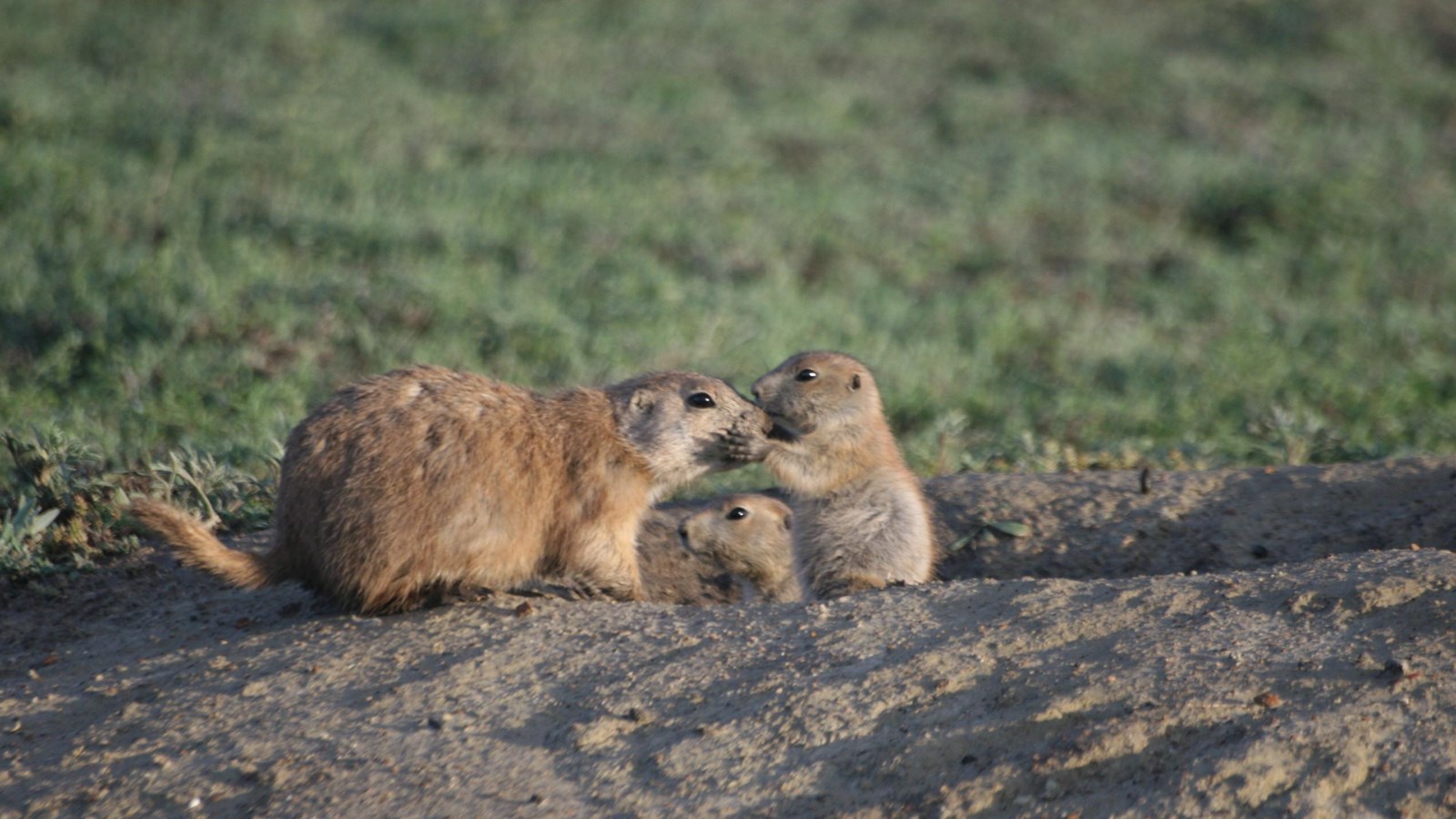
Stop 3: Prairie dog stop
Plan a dedicated stop where you can watch without rushing. Prairie dogs are tiny comedians, but they are also a key part of the ecosystem, and they deserve space.
Stop 4: Choose a short hike
This is where you trade windshield views for the sound of your own footsteps. Pick one hike from the list below based on weather, energy, and who is in your group.
Stop 5: Big viewpoints
Build in time for at least one longer “linger” at a major overlook. In this park, the magic is not just what you see. It is the scale of quiet.
Stop 6: Turnaround and sunset
Because the scenic road is an out-and-back, your return drive is a second chance at wildlife and light. If your schedule allows, aim to be on the road again in late afternoon. The cooler evening hours often bring more movement, and the rock layers catch warm color in a way that feels almost unreal.
Where to see wildlife
The South Unit is one of those places where wildlife viewing can be excellent from the road, which is great news for first-timers, families, and anyone traveling with mixed mobility.
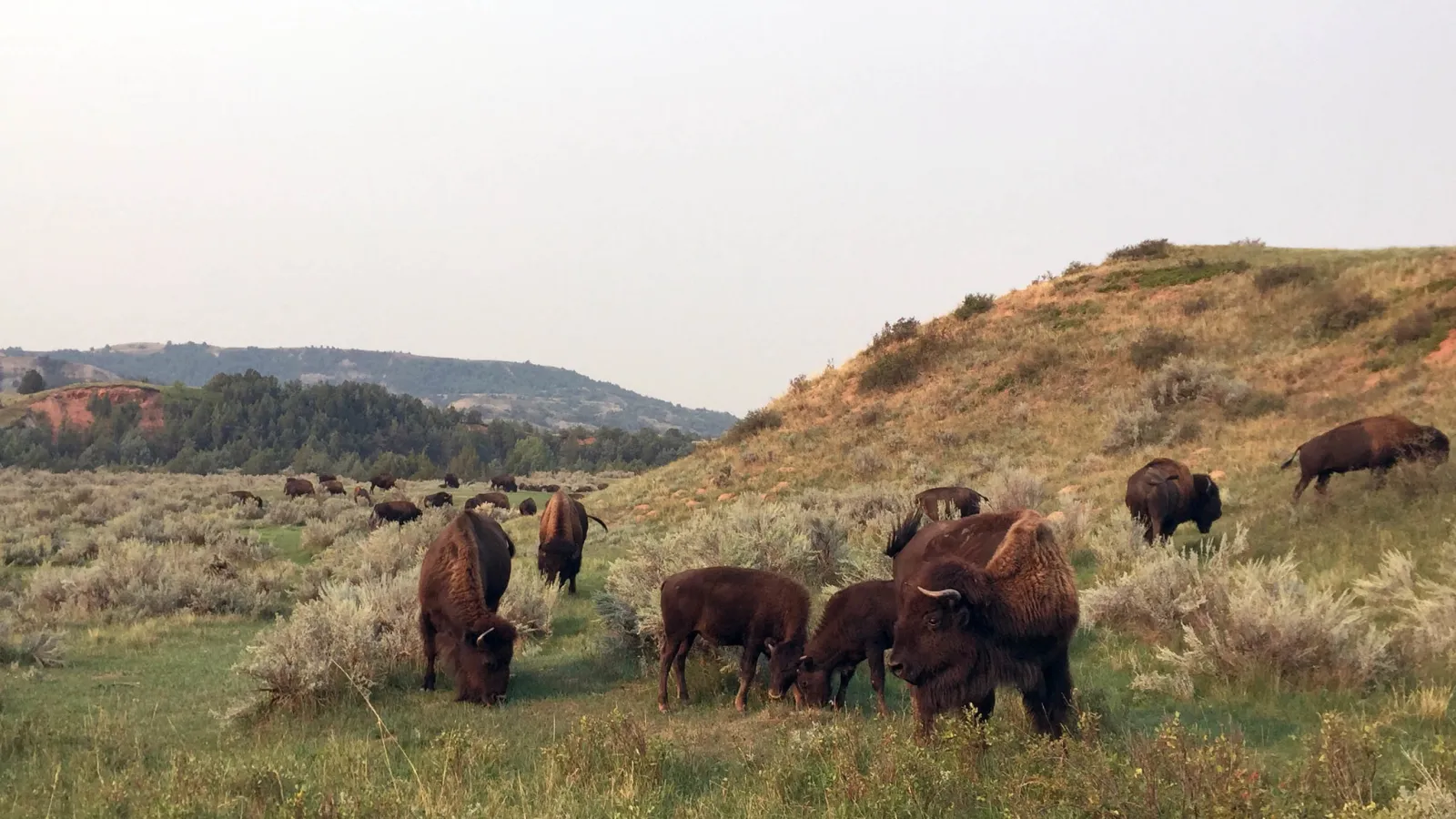
Bison
- Look for dark shapes in the grasslands and along rolling hills near the road. Early morning and late afternoon tend to be most productive.
- Stay in your vehicle if bison are near the road. Bison can move faster than you expect, and “they look calm” is not a safety plan.
- Give them serious space. If you are on foot, keep a very wide buffer and turn around if your route would bring you closer.
- Never try to pass a bison on a trail. Wait far back, reroute, or choose a different hike.
- Use binoculars instead of getting closer for photos.
Wild horses
The South Unit is also known for its wild (feral) horses, and spotting them can feel like finding a moving piece of old West history. They often appear in small bands and can be visible from the road or at a distance from overlooks. Sightings are not guaranteed, which is part of what makes the lucky moments feel earned.
- Scan open grasslands and ridge lines the same way you scan for bison, especially in the morning and late day light.
- Keep your distance. Treat horses like any other wild animal here. No approaching, no trying to “get them closer,” no blocking their path.
- Stay calm and predictable. If you pull over to watch, use a designated pullout and keep noise low.
Prairie dogs
- Watch from the edge of the colony and keep voices low. You will see more natural behavior.
- Do not feed them. Human food harms wildlife and creates unsafe habits.
- Mind where you step. Burrows can be hidden in grass, and the ground can be uneven.
- Keep kids close. It is easy to get excited and drift into the colony without noticing.
Wildlife basics
- Stay on designated trails where possible.
- Never approach, follow, or surround animals.
- Let wildlife cross roads and do not honk or edge forward.
- Pack out all trash, including food scraps.
Short hikes
The South Unit is perfect for “small hike, big reward” days. Below are reliable options, with clear distances and easy alternatives when you are traveling with kids, older adults, or anyone who just wants a mellow day. Distances are approximate and can vary slightly depending on routing and signage. If you are planning around exact mileage, confirm at the Visitor Center or on the official NPS trail listings.
Wind Canyon Trail
Why go: Big views for a tiny effort. This is one of the best introductions to the park’s drama, especially if you want a walk that still leaves energy for the rest of the scenic drive.
- Distance: about 0.4 miles (short loop)
- Time: 15 to 45 minutes, depending on how long you linger
- Good for: families, mixed groups, anyone wanting a “wow” payoff
- Kid and elder option: this is already the option, just take it slow if the wind is up
Ridgeline Nature Trail
Why go: When you want a hike that feels like stepping into a nature documentary without committing to a long outing. Expect wide views and frequent wildlife sightings at a distance.
- Distance: about 1 mile (loop)
- Time: 30 to 60 minutes
- Good for: kids, older travelers, and anyone arriving late in the day
- Kid and elder option: this is the option, especially in heat or wind
Buck Hill Trail
Why go: A quick climb that delivers one of the best big-picture views in the South Unit. It is a classic “stretch your legs” stop right off the scenic drive.
- Distance: about 0.6 miles (out-and-back)
- Time: 30 to 60 minutes
- Good for: first-timers who want a short hike with a viewpoint payoff
- Kid and elder option: go at your own pace, and turn around early if the wind is intense
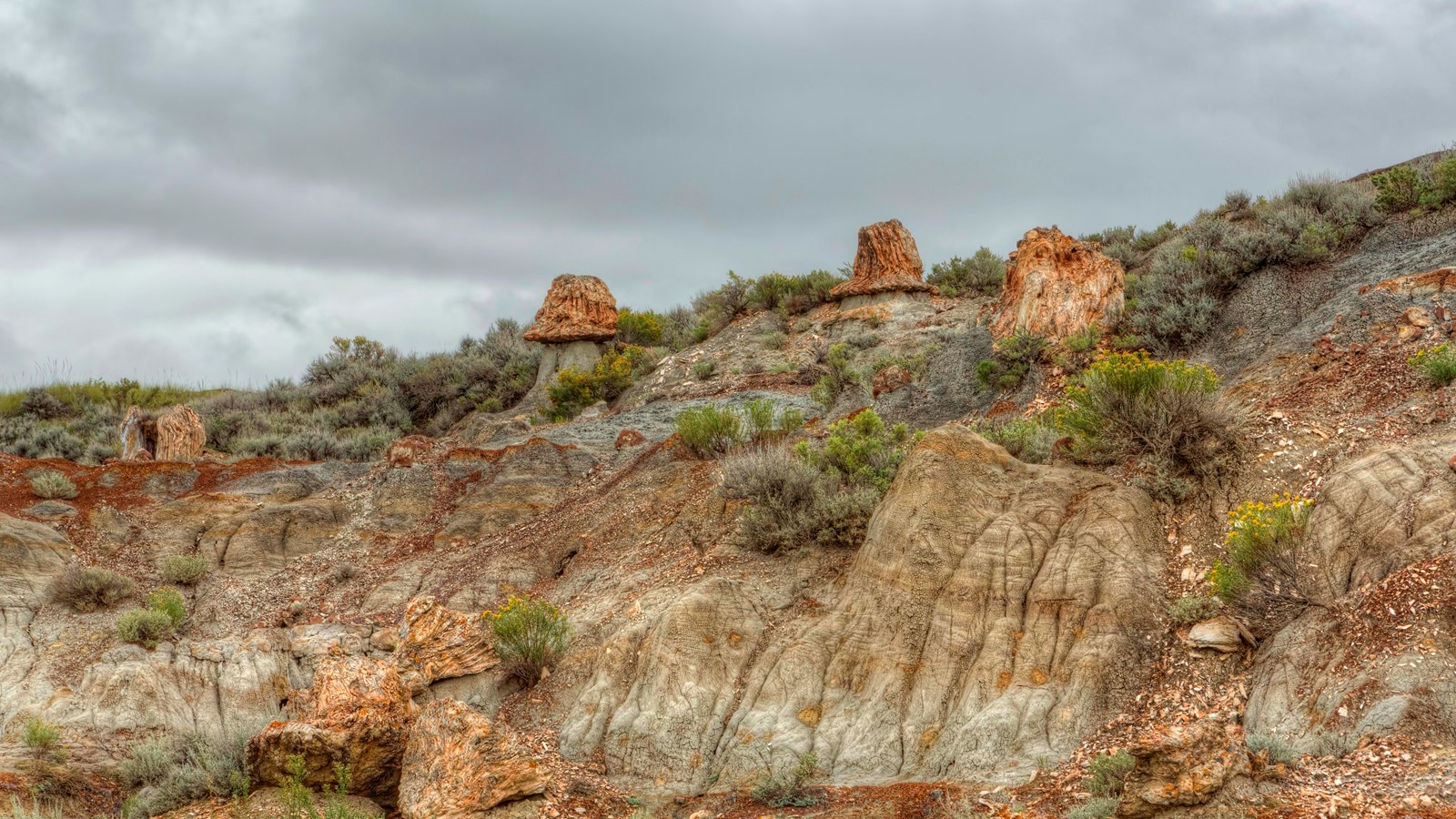
Petrified Forest (separate trailhead)
Why go: A geology bonus with classic badlands scenery. This one is all about tempering ambition with accuracy.
- Naming note: You may see this referenced as Petrified Forest Trail or Petrified Forest Loop depending on the source. Check the current NPS listing for the most up-to-date naming and route details.
- Key note: The full loop is over 10 miles and is not a casual half-day stroll for most first-timers.
- Logistics note: The Petrified Forest Trailhead is not on the South Unit Scenic Drive. It is accessed via West River Road outside the main park entrance. Road conditions can change and can be rough or even impassable after wet weather, so check status before you commit.
- First-timer friendly option: hike out-and-back to the nearer petrified wood and viewpoints.
- Distance (out-and-back option): about 3 miles round trip
- Time: 1.5 to 2.5 hours, depending on heat, wind, and stops
- Good for: first-timers who want a solid, not-too-long hike
- Kid and elder option: do a shorter out-and-back to the first features, then turn around while everyone still feels good
If you want a 3 to 4 mile day
If your group wants something closer to 3 to 4 miles without committing to a long backcountry route, the easiest move is to combine two short hikes with a long break in between. In the South Unit, stacking short trails often feels better than one long push, especially in summer sun.
Simple itinerary
Option A: Balanced day
- 8:00 am: Visitor Center, current conditions, restroom stop
- 8:30 am: Scenic drive out with frequent pullouts for views and wildlife
- 10:00 am: Prairie dog stop and slow watching time
- 11:00 am: Wind Canyon Trail
- 12:00 pm: Picnic lunch at a viewpoint or designated picnic pullout (do not stop in traffic lanes)
- 1:00 pm: Continue driving farther out, stopping at overlooks
- 2:30 pm: Buck Hill Trail (quick viewpoint hike on the scenic drive)
- 4:00 pm: Return drive, slow and wildlife-focused
- Sunset: Pick your favorite overlook again on the way back
Want to add Petrified Forest? Do it as a separate outing after you finish the South Unit drive (or on another day). It requires leaving the scenic drive area and driving to the West River Road trailhead. Check road conditions first, especially after rain.
Option B: Kid friendly
- Morning: Scenic drive out with lots of short stops
- Late morning: Ridgeline Nature Trail
- Lunch: Medora or a picnic with shade breaks
- Afternoon: Wind Canyon Trail, then more pullouts
- Late day: Easy wildlife watching from the road on the return drive
Option C: Hot, windy, or smoky day
- Focus on the drive: pullouts, overlooks, wildlife from the car
- One short trail: choose the briefest loop that feels comfortable
- Hydrate and reset: treat Medora like your air-conditioned basecamp
Make it smoother
Driving and pullouts
- Use designated pullouts and do not stop in the lane for wildlife.
- Keep an eye out for animals near the road, especially around dawn and dusk.
- Give yourself extra time. This is not a park to “beat the clock.”
Badlands comfort tips
- Wind happens. A light jacket can be more important than you expect.
- Shade is limited. Plan your longer hike for morning if the forecast is hot.
- Footing varies. Even easy trails can have loose rock or uneven edges.
Low-effort sustainable travel
- Stay on established trails to protect fragile soils and plants.
- Pack out everything, including fruit peels and crumbs.
- Keep wildlife wild by keeping your distance and your snacks to yourself.
Medora
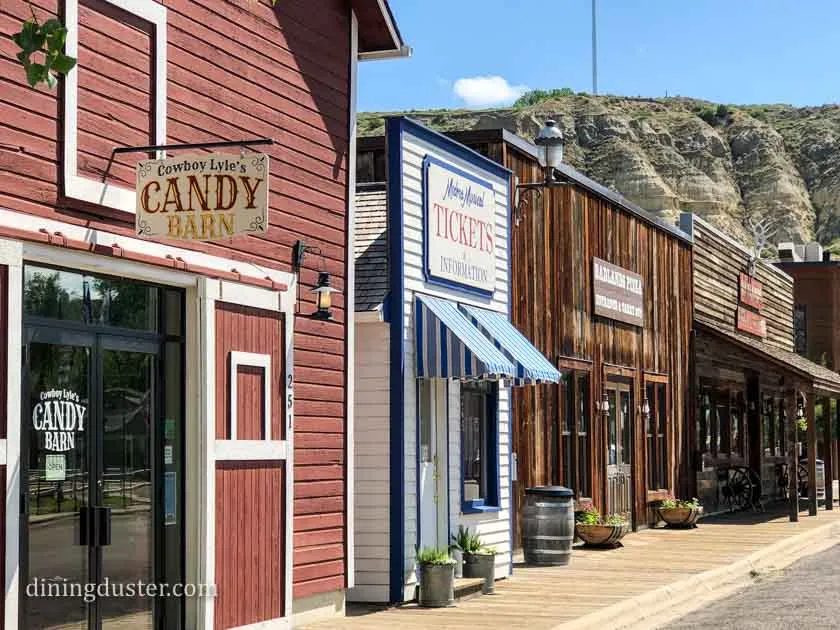
One of my favorite things about the South Unit is how easily you can pair it with a town reset. Medora is compact, visitor-friendly, and perfect for a post-hike meal, a hot coffee, and a little air-conditioned recovery before you head back out for late-day light.
Quick FAQ
Can I see wildlife without hiking?
Yes. The South Unit scenic drive is one of the easiest ways to see bison country, prairie landscapes, and sometimes wild horses with minimal walking.
Is it okay to visit with young kids?
Absolutely. Prioritize the scenic drive, short nature trails, and lots of small breaks. Keep kids close near prairie dog towns and never let them run ahead around blind corners.
What is the biggest mistake people make here?
Underestimating distance and conditions. The park looks gentle from the road, but the sun, wind, and uneven ground can add up fast. Also, double-check distances before committing. In this park, the difference between a 3-mile out-and-back and a 10-plus-mile loop matters.