Top U.S. National Parks for Winter Hiking
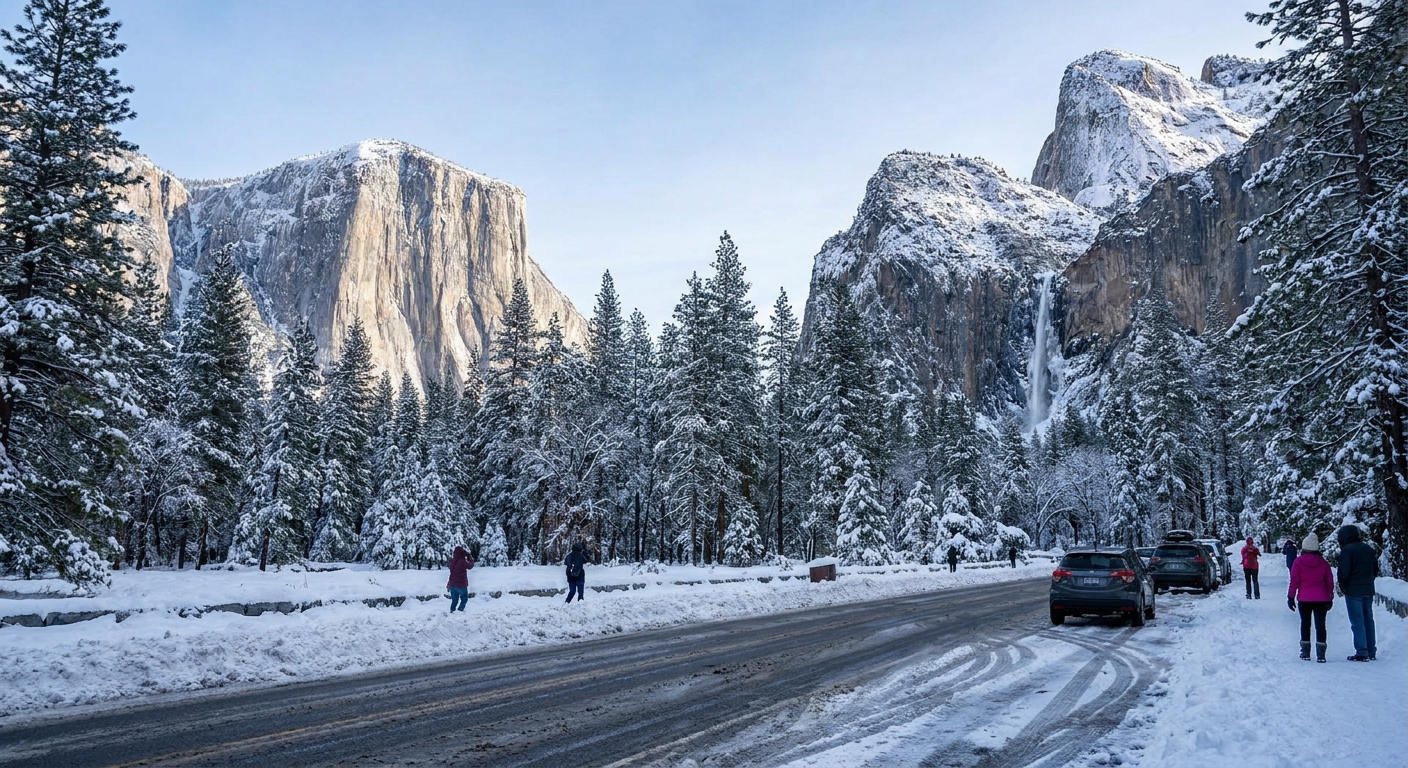
Winter hiking in a national park is equal parts magic and logistics. The magic is obvious: frosted pines, quiet trails, that crisp air that makes even a short walk feel like a reset. The logistics are the part that gets people: roads that close early, chain controls that turn a “maybe” into a “nope,” and trail conditions that swing from packed snow to glare ice in one shady corner.
This round-up is for day hikers who want the sweet spot: parks where winter hiking is realistic without a full mountaineering setup, plus the practical stuff in one place: what roads usually stay open, when traction devices matter, and how to use official winter pages so you are not guessing at the gate.

Before you pick a park: 3 winter realities
1) Open roads matter more than mileage
In winter, a park can be “open” while your planned trailhead is effectively unreachable. If one key road closes, your day hike options can shrink fast. When comparing parks, prioritize the ones with reliably plowed main corridors and services close to the entrance.
2) Traction is not optional on many trails
For most popular winter day hikes, microspikes are the MVP. They handle packed snow and slick, refrozen footprints far better than “aggressive” hiking boots alone. Snowshoes are more situational and typically useful after storms or on less-traveled routes where you will sink.
- Microspikes: Best for packed snow and icy sections on popular trails.
- Snowshoes: Best for deeper, unconsolidated snow or after fresh storms.
- Trekking poles: Strongly recommended for balance and confidence on descents.
3) The official winter pages are your best friend
Every park has an NPS website with winter-specific updates. The trick is knowing what to look for quickly:
- Alerts: Road closures, chain restrictions, temporary area closures.
- Current Conditions: Snow depth, weather, what is open today.
- Road Conditions / Winter Road Updates: Plowing status and required tire chains.
- Backcountry or Trail Conditions: Sometimes a separate page or a ranger report.
If you only do one thing before leaving your hotel or campsite, do this: check the park’s Alerts page the same morning. Winter changes fast.
Best national parks for winter day hiking (with realistic access)
These picks are focused on day hiking where you can typically find open roads, manageable logistics, and a solid selection of trails even when snow and ice are in play. Conditions still vary by storm cycles and elevation, so treat the notes as “what is often true,” then confirm on the park’s official winter access pages.
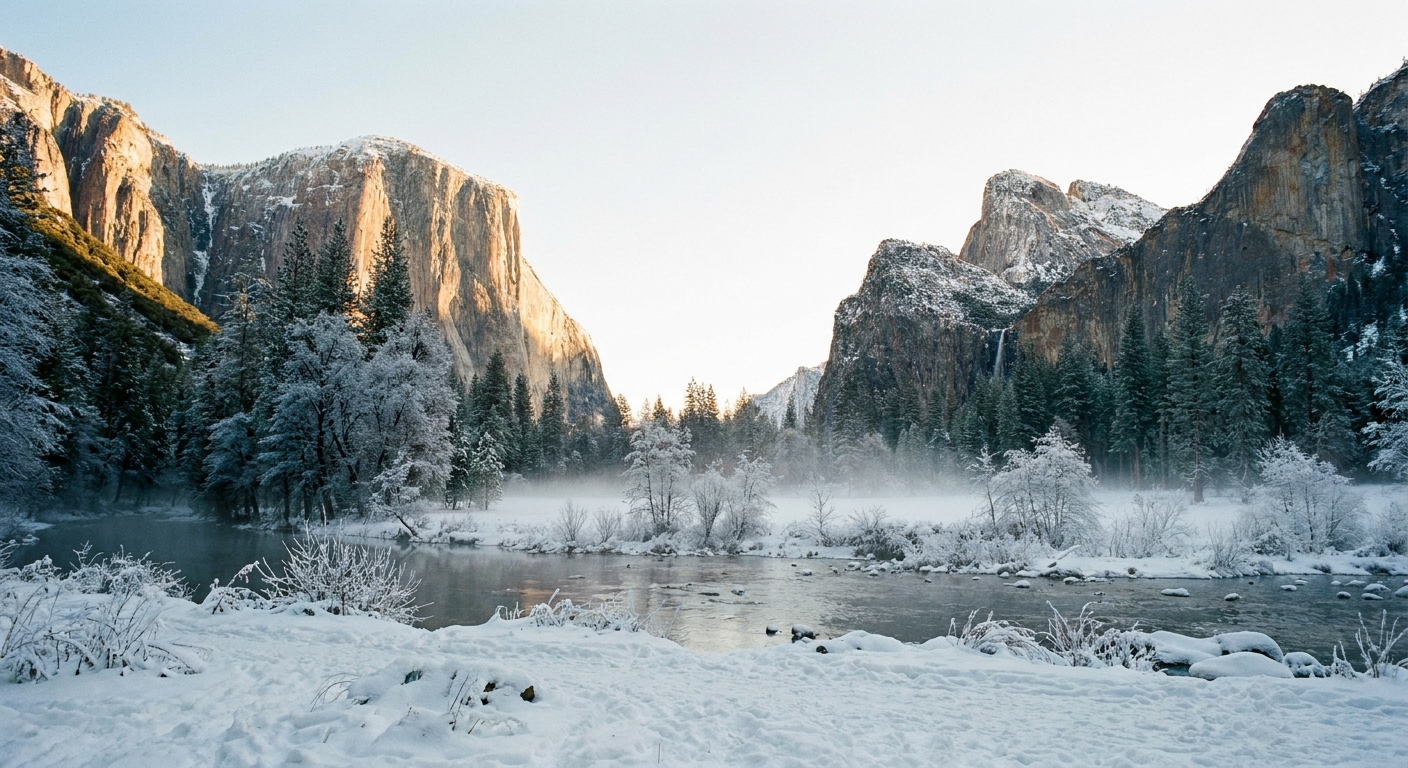
Yosemite National Park (California)
Why it works: Yosemite Valley is one of the best winter values in the entire system: iconic scenery, accessible trailheads, and a decent chance at clear days between storms. You can build a big day around short hikes, valley loops, and viewpoints without needing to reach high-country roads.
Road access snapshot: Yosemite Valley roads are regularly plowed, but chain requirements are common during storms. Tioga Road is typically closed in winter.
Traction reality: Microspikes are often useful on shaded paths and popular climbs that pack down and refreeze.
Quieter windows: Midweek in January and February, especially outside holiday weekends.
Zion National Park (Utah)
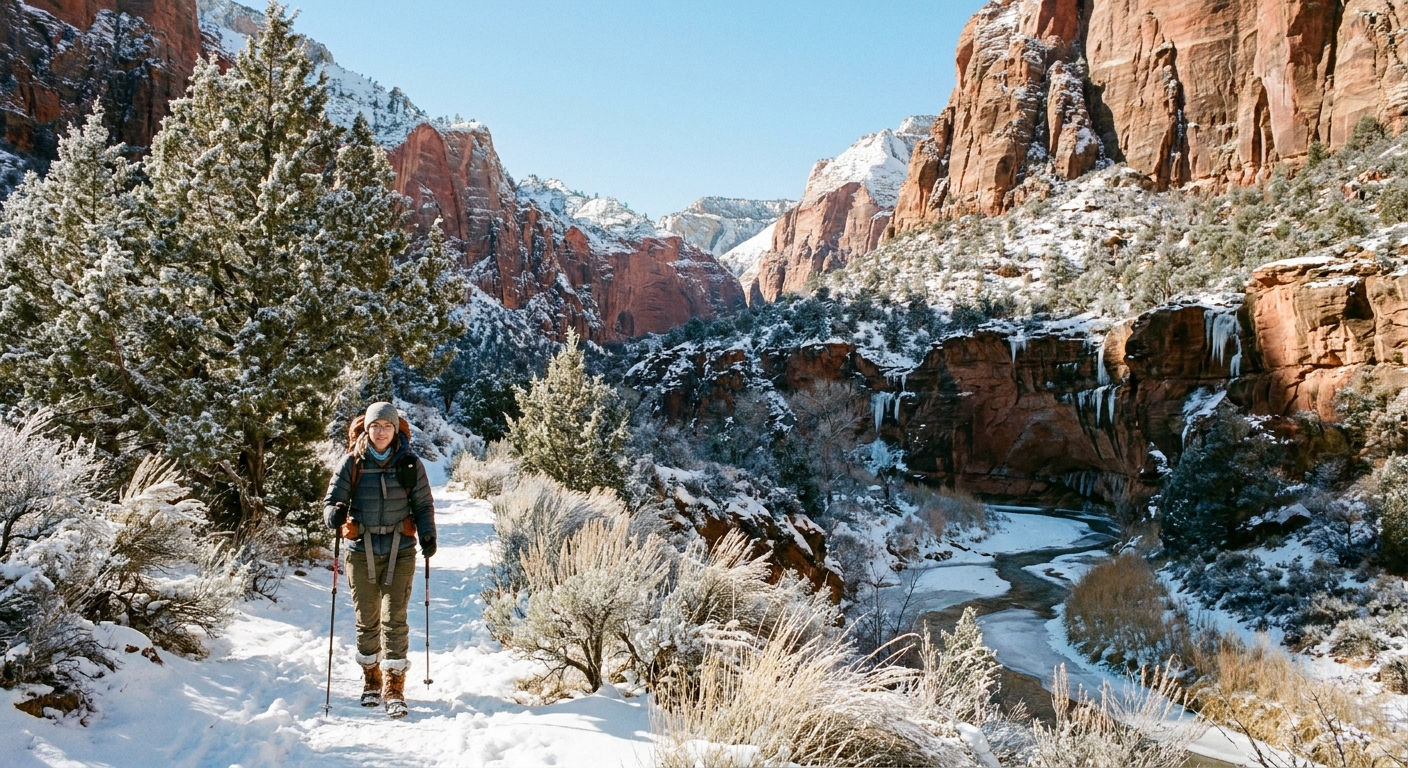
Why it works: Zion sits at a lower elevation than many parks, so you can often hike in cool, stable winter weather while higher places are buried. Winter light in the canyon is gorgeous, and crowds drop in a noticeable way.
Road access snapshot: The main canyon road access changes seasonally. In winter, private vehicles may be allowed on Zion Canyon Scenic Drive depending on shuttle schedules, but always verify current operations.
Traction reality: Expect icy patches in shaded canyon areas and on early-morning trails. Microspikes are a smart “just in case” even when the trailhead looks dry.
Read next: Zion in Winter: Trails, Shuttles, and What Actually Works
Bryce Canyon National Park (Utah)
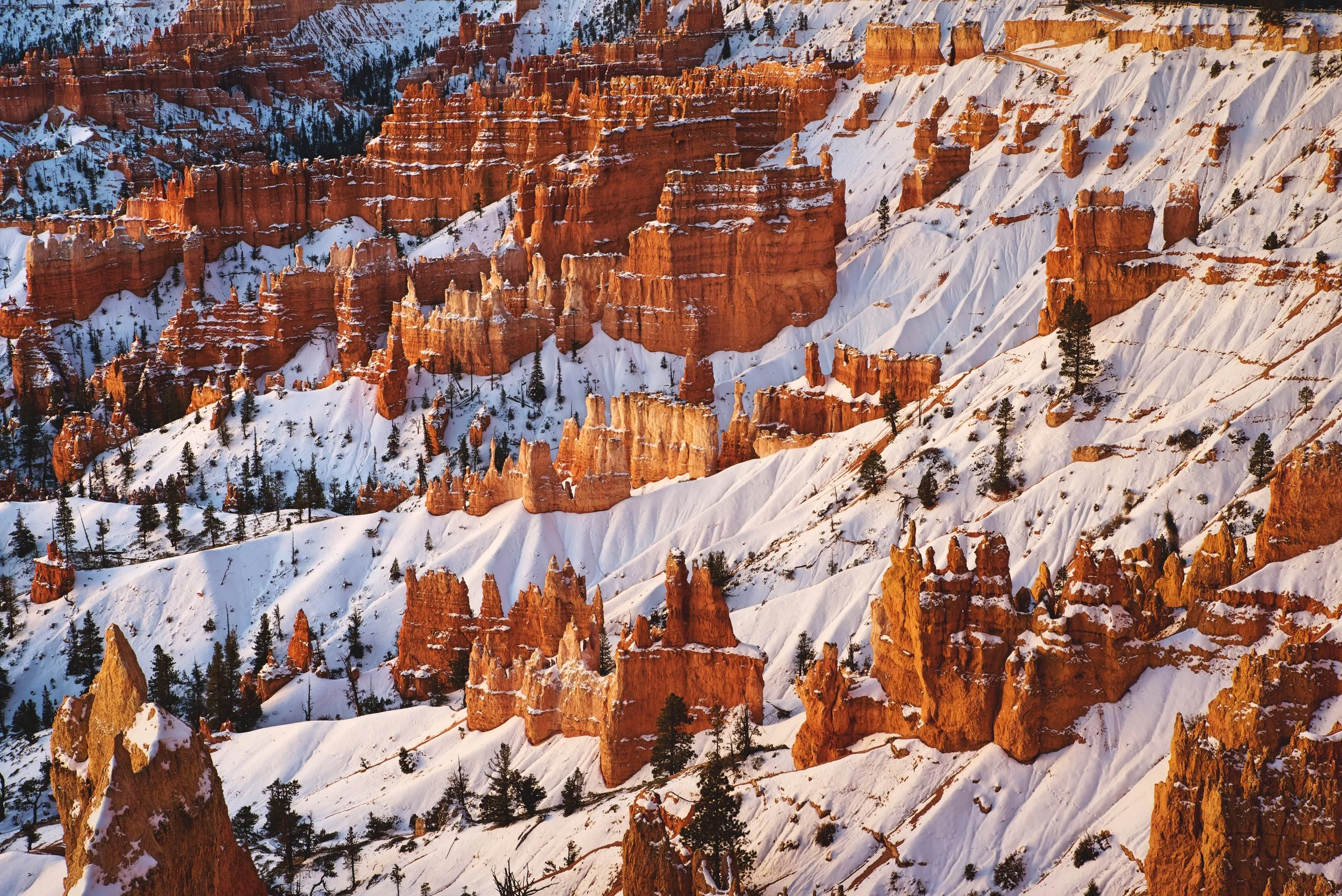
Why it works: Bryce is high and cold, but it is also compact, well-organized, and shockingly beautiful with snow. The amphitheater viewpoints are easy to access, and you can stitch together a day with short hikes and longer loops depending on conditions.
Road access snapshot: The main park road is often plowed to key viewpoints, but snowstorms can cause temporary closures. Sunrise Point and the main amphitheater area are usually the winter hub.
Traction reality: Microspikes are frequently helpful on the most popular descents where packed snow turns slick.
Read next: Bryce Canyon in Winter: Viewpoints, Trails, and Snow Logistics
Rocky Mountain National Park (Colorado)
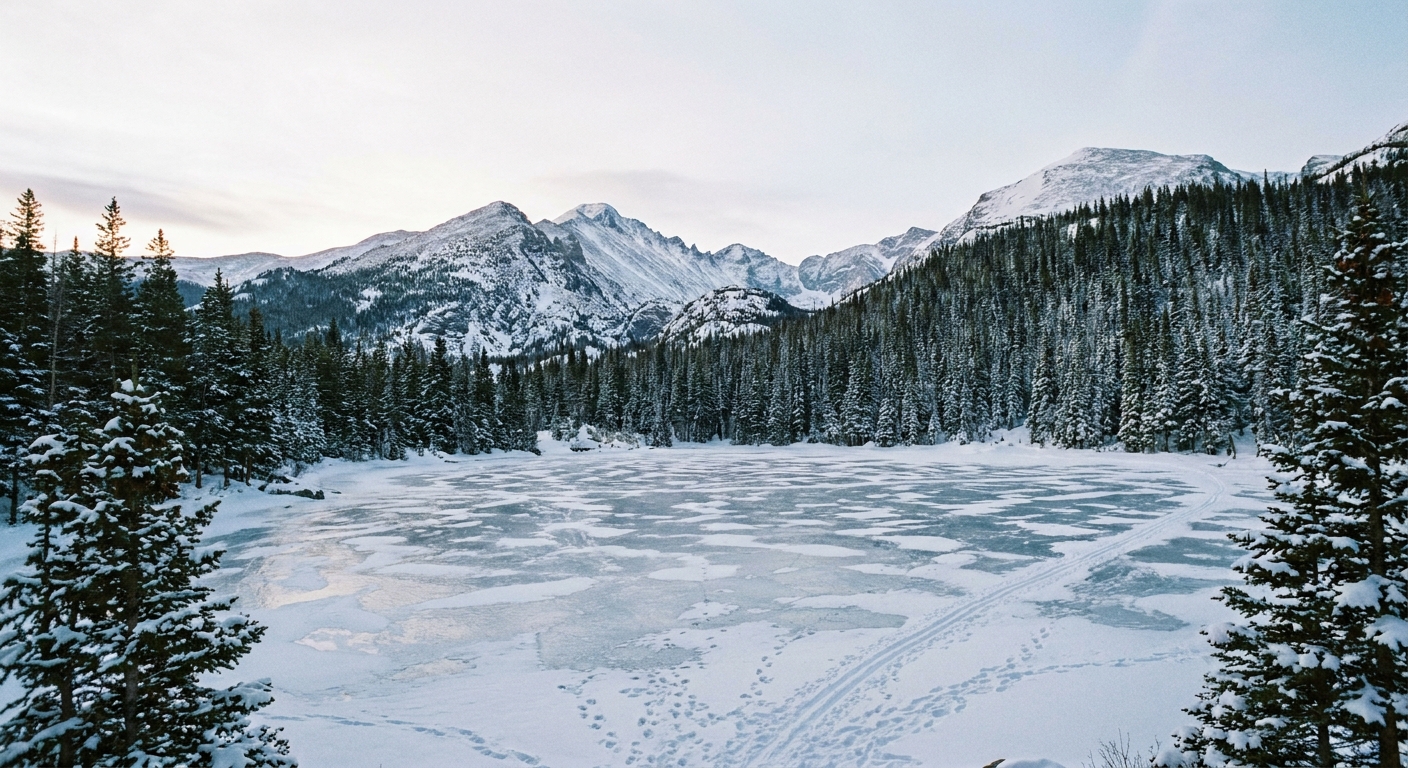
Why it works: If you want a true Rocky Mountain winter without committing to technical terrain, RMNP delivers: frozen lakes, snow-laden forests, and plenty of day-hike options near lower elevation corridors.
Road access snapshot: Trail Ridge Road is typically closed for the season, which is normal and not a dealbreaker. Most winter hiking centers around the Estes Park side and other plowed access points.
Traction reality: Microspikes are commonly needed, especially on well-traveled trails that get packed and icy. Snowshoes can be useful after storms.
Quieter windows: Early December (between fall and holiday travel) and midweek in January.
Grand Canyon National Park (South Rim, Arizona)
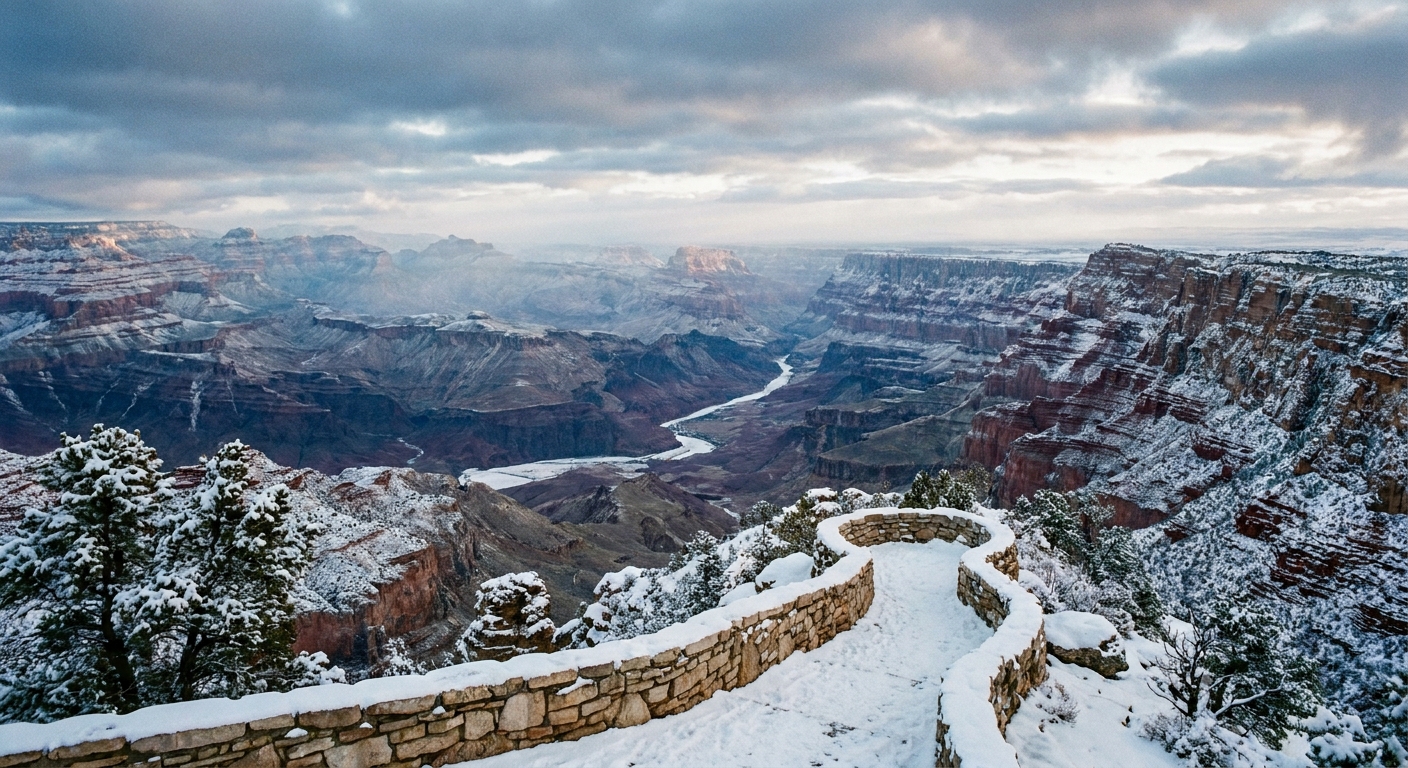
Why it works: The South Rim is high enough to get real winter weather, but the park infrastructure makes it approachable. You can hike rim trails with big views or descend carefully on corridor trails for a taste of the inner canyon, then retreat to warm lodging and hot food.
Road access snapshot: The South Rim is open year-round, though some viewpoint roads can close temporarily due to snow and ice.
Traction reality: Rim paths can ice up, and shaded sections stay slick. Microspikes are a common sense add-on.
Quieter windows: January into early February, avoiding MLK weekend if possible.
Joshua Tree National Park (California)
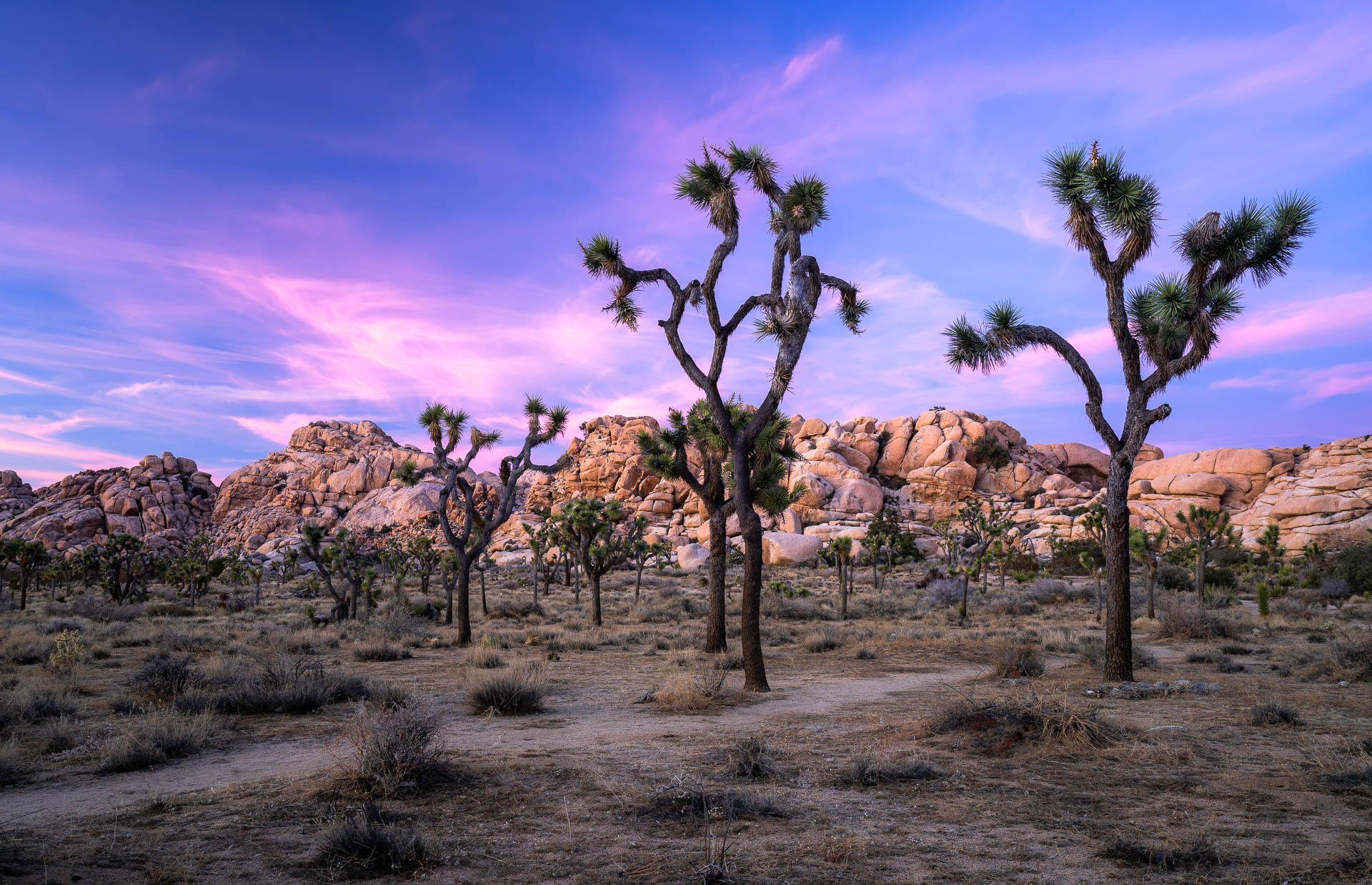
Why it works: Want winter hiking without the snow logistics? Joshua Tree is my favorite curveball. Days can be crisp and sunny, trails are generally accessible, and the desert light is peak-level photogenic. You trade traction drama for wind layers and big temperature swings.
Road access snapshot: Roads are generally open year-round, though rare storms can bring slick conditions at higher elevations.
Traction reality: Usually not needed. Instead, focus on sun protection, warm layers, and plenty of water.
Quieter windows: Midweek mornings in December and January.
Big Bend National Park (Texas)
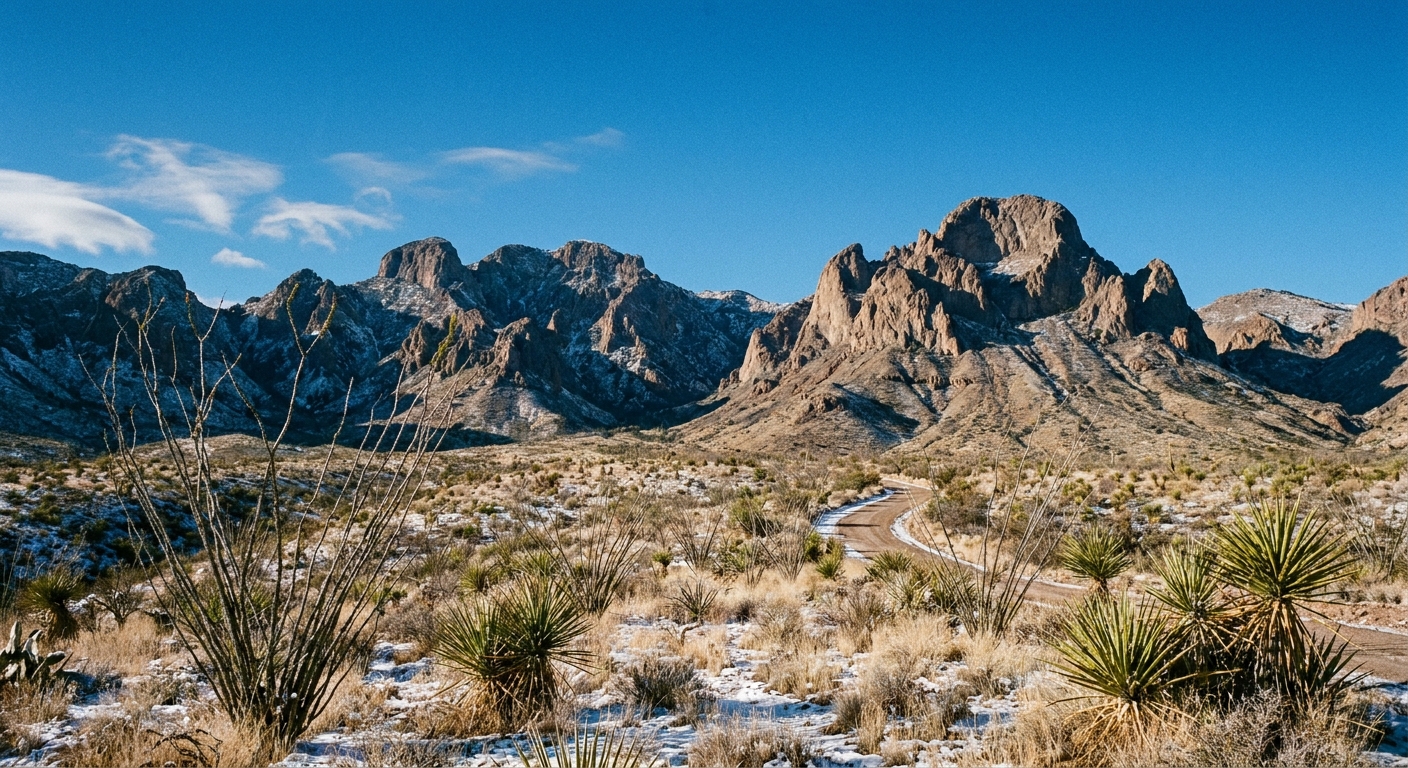
Why it works: Big Bend is a winter classic for a reason: comfortable hiking temps, wide-open views, and a mix of desert, river, and mountain environments. It feels like a true getaway when much of the country is locked into ice storms.
Road access snapshot: Most main roads are open year-round. Some primitive roads may be rough or impassable after rains.
Traction reality: Rarely needed. Prioritize sturdy footwear for rocky desert trails and bring extra water even in cooler weather.
Quieter windows: Early December and mid-January weekdays, especially away from holiday weeks.
Death Valley National Park (California and Nevada)
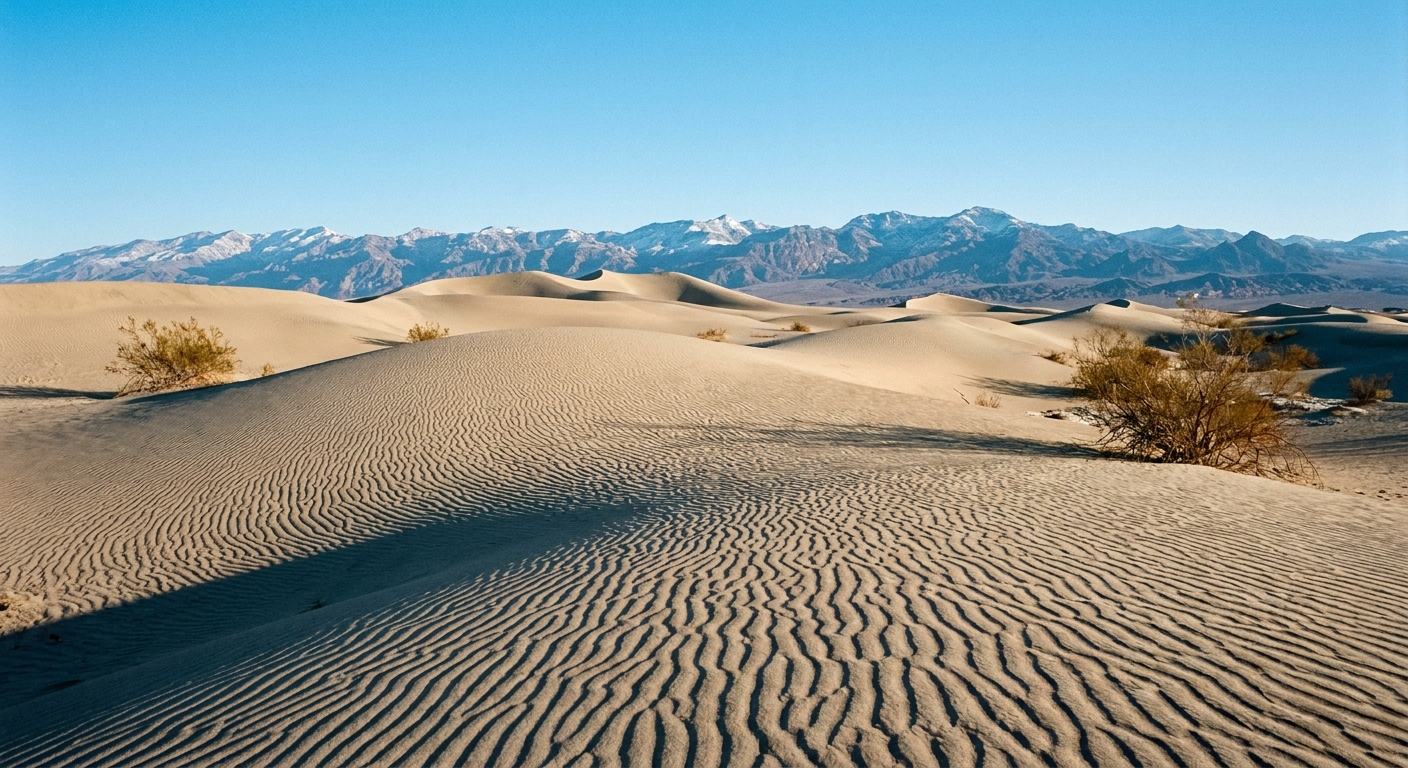
Why it works: Winter is prime time in Death Valley. You get hiking temperatures that are actually pleasant, plus a huge range of elevations. If a valley floor trail is warm, you can head higher for cooler air and expansive views.
Road access snapshot: Most main paved roads are open, but occasional storm damage can close specific routes. Always check current conditions since repairs can be ongoing.
Traction reality: Typically not needed on valley trails. Higher elevations can see snow and ice, so be prepared if you plan to go up.
Quieter windows: Midweek in January and February.
Traction devices: quick guidance that actually helps
I am not here to sell you gear you will never use again. But I am here to say this: in many winter parks, microspikes are the difference between “fun day” and “turn around early.”
When microspikes are usually enough
- Well-traveled trails with packed snow
- Short, steep sections that get polished by foot traffic
- Morning hikes where yesterday’s melt has refrozen into hard ice
When you may need snowshoes
- Right after a storm before trails get packed down
- Less popular routes where you will be breaking trail
- Flatter terrain with deeper snow where spikes do not prevent sinking
When to skip both
- Lower-elevation desert parks in typical winter weather
- Dry, sunny periods where trails are clear and temperatures stay above freezing
Want a deeper gear list, a simple layer system, and what to pack when conditions are mixed? Start here: Winter Hiking Gear: What You Actually Need.
How to use official winter access pages in 2 minutes
Here is my quick routine that I do from a coffee shop table before driving to the gate.
- Open the park’s NPS site and go to Alerts. Look for chain controls, temporary road closures, and area closures.
- Check the Road Conditions or Winter Road Updates page. Confirm what is plowed and what is closed for the season.
- Verify shuttle or seasonal operations if the park uses them. Winter schedules can change how you access popular trailheads.
- Scan the forecast for the nearest in-park location. Wind and overnight lows tell you a lot about how icy things will be.
- Make a Plan A and Plan B hike. Choose one that relies on minimal driving and one that is even simpler if conditions worsen.
If a ranger page says “traction devices recommended,” read it as “you will probably want them for the downhill.” That is where slips happen.
Quieter winter timing: when it feels like you rented the park
Winter crowds are not one single thing. You can absolutely show up on a sunny Saturday and feel like everyone had the same idea. Aim for these patterns instead:
- Midweek mornings: Tuesday through Thursday is the biggest difference-maker.
- Post-holiday lull: Early January after New Year’s is often beautifully quiet.
- Storm edges: The day after a storm can be stunning, but only go if roads are open and you have traction.
- Short daylight strategy: Start early, pick hikes with bailout options, and plan to be off exposed sections well before dusk.
Pick your park: a simple decision filter
If you are staring at a map and feeling overwhelmed, choose based on your tolerance for winter complexity:
Lowest logistics (usually no traction)
- Joshua Tree
- Big Bend
- Death Valley (mostly)
Moderate logistics (traction often helpful, roads mostly workable)
- Zion
- Grand Canyon South Rim
Higher logistics (big snow potential, closures more common)
- Yosemite
- Rocky Mountain
- Bryce Canyon
My personal rule: if you have only a weekend, choose the category below your comfort level. If you have a flexible week and love problem-solving with weather apps, level up.
Safety notes worth taking seriously
- Tell someone your plan. Winter days are short and cell service is spotty in many parks.
- Carry a headlamp. Even for “easy” hikes. Dusk comes fast in canyons and forests.
- Do not trust footprints. A packed path can hide ice underneath, especially in shade.
- Turnaround times matter. Set one before you start and stick to it.
And yes, you can absolutely do winter right while still enjoying urban comforts. One of my favorite winter itineraries is a morning hike with microspikes, then a long lunch in town with good coffee and even better heaters on the patio. The best trips do not have to be all grit or all cozy. Winter is when you can have both.