Torrey and Capitol Reef: Where to Stay, Eat, and Plan Fruita Day Loops
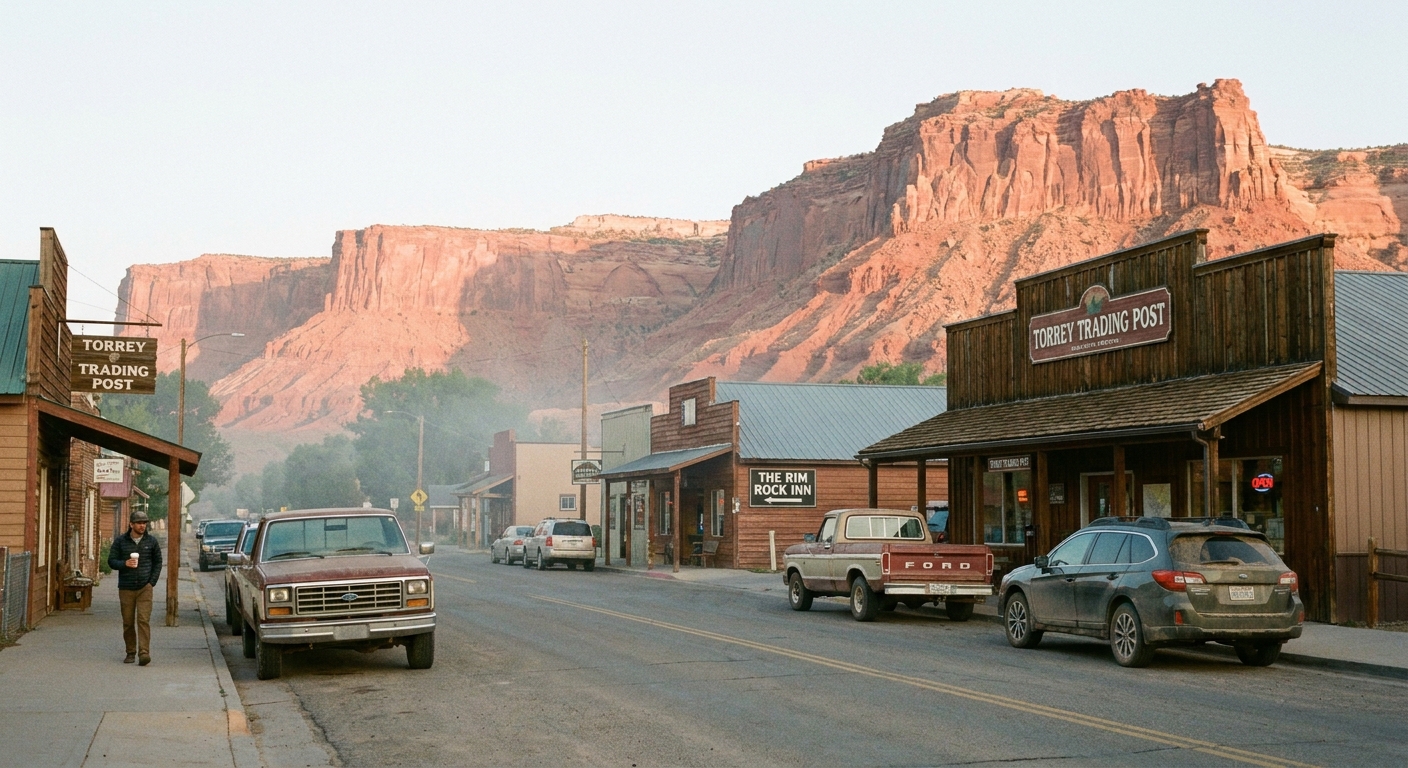
Torrey is the kind of gateway town I wish every national park had: small, friendly, and just close enough to feel effortless. It is also the kind of place where you want to plan one step ahead, because “I will just grab it in town” can turn into “wait, the store closes when?” fast.
This page is built for the Torrey-based trip: where to stay at different budgets, where to eat when you roll in dusty and hungry, what the gas and grocery situation is really like, and how to stack Capitol Reef’s scenic drives with short Fruita-area hikes without trying to do everything in one day.
Quick caveat before you lock anything in: road work, weather, and flash-flood impacts can change plans overnight. Check the Capitol Reef National Park conditions page (and alerts) for current closures and construction updates, especially if the Scenic Drive is central to your day.

Quick logistics for Torrey-based trips
How far is Torrey from Capitol Reef?
Torrey is the front-door base for Capitol Reef National Park. From Torrey, you are typically about 8 to 10 miles to the signed park area along UT-24 (roughly 10 to 15 minutes), and about 11 to 13 miles to the Fruita area and visitor center (roughly 15 to 25 minutes, depending on stops and traffic).
Entrance fees
Good news for planners: the main Capitol Reef area along UT-24 and the Fruita district are generally free to enter. Some activities and areas can involve fees or permits, so it is worth a quick check on the NPS site if you are heading beyond the basics.
Cell service and Wi-Fi
Expect patchy service once you leave town and head deeper into the park corridors. In Torrey, hotels and cafes often have workable Wi-Fi, but do not assume it will be fast or consistent. Either way, treat your phone like a camera and offline map, not a lifeline.
Road reality
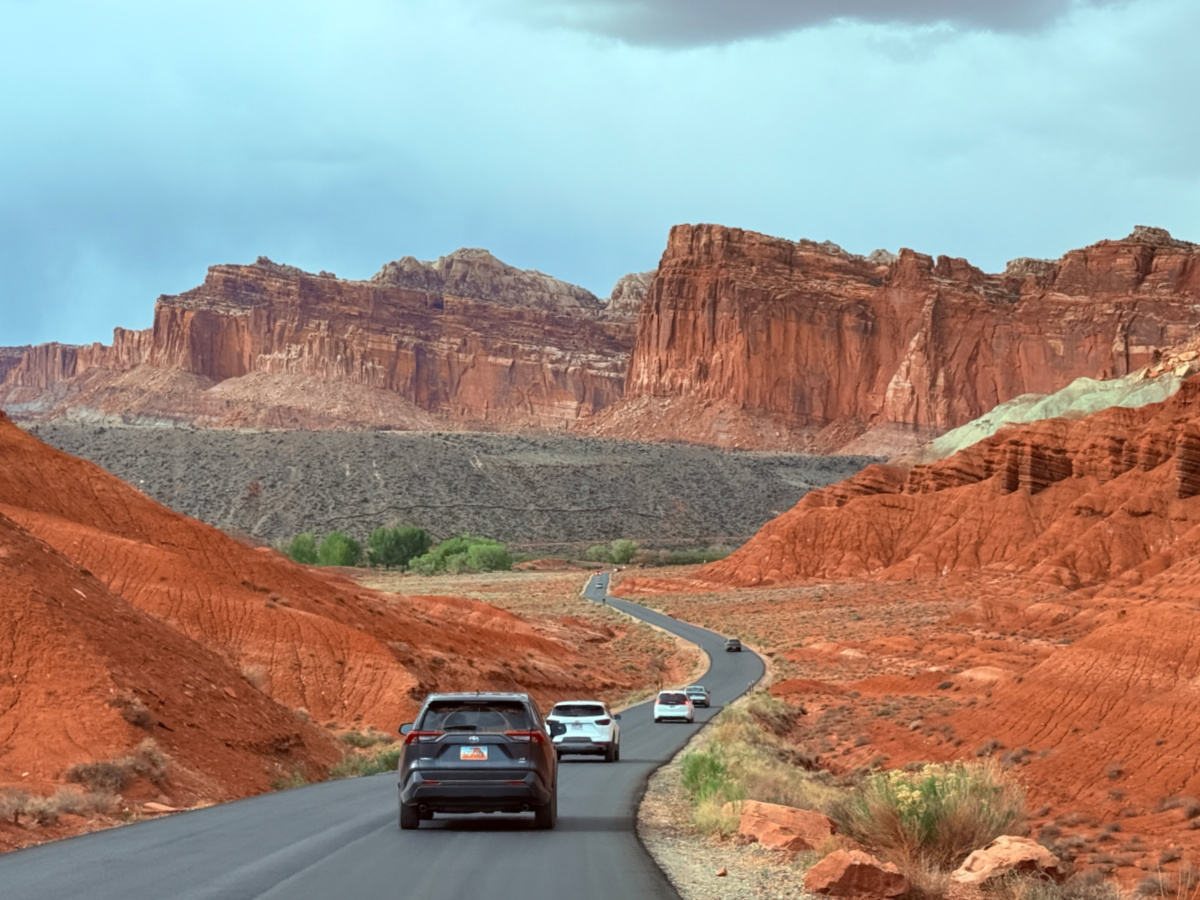
- Scenic Drive (Fruita area): paved through the main Scenic Drive and easy for any vehicle when open. Note: construction and long-term closures have affected access in recent seasons, so check current status before you build your loops around it.
- Capitol Gorge Road (beyond the paved section): the popular extension is unpaved and can be washboarded, sandy, or impassable when wet. If storms are in the forecast, do not force it.
- Capitol Reef backroads: can be rough, sandy, or muddy after storms. If a route is described as “high-clearance recommended,” believe it.
- Flash flood risk: slot canyons and washes can change quickly. Check conditions and avoid tight drainages if storms are on the way.
Best time of day to enter from Torrey
If you can swing it, go early. Morning light on the Waterpocket Fold is gorgeous, temperatures are calmer, and you can enjoy Fruita before the midday crowds do their loop.
Where to stay in Torrey (by travel style)
Torrey is small, so the real decision is not “which neighborhood,” it is “which vibe.” Book earlier than you think for spring and fall, especially weekends.
Comfort-forward hotels
- Best for: couples, families, and anyone who wants a hot shower and predictable amenities after a dusty day.
- What to look for: on-site breakfast, good parking, and quick access to UT-24 for easy park runs.
- My tip: if you plan sunrise in the park, prioritize a place with quick check-in and early coffee options nearby.
Cabins and boutique stays
- Best for: travelers who like a “place” more than a “room.”
- What to look for: patios, views, and quiet. Torrey nights can be wonderfully dark for stargazing.
- My tip: ask about heating and cooling. Desert shoulder seasons can swing from chilly nights to warm afternoons.
Budget-friendly stays
- Best for: hikers who would rather spend on trail snacks than thread-count.
- What to look for: clean rooms, solid reviews for noise, and reasonable cancellation policies.
- My tip: in small towns, the “cheapest” option can also be the most booked. Reserve early.
Camping near Torrey
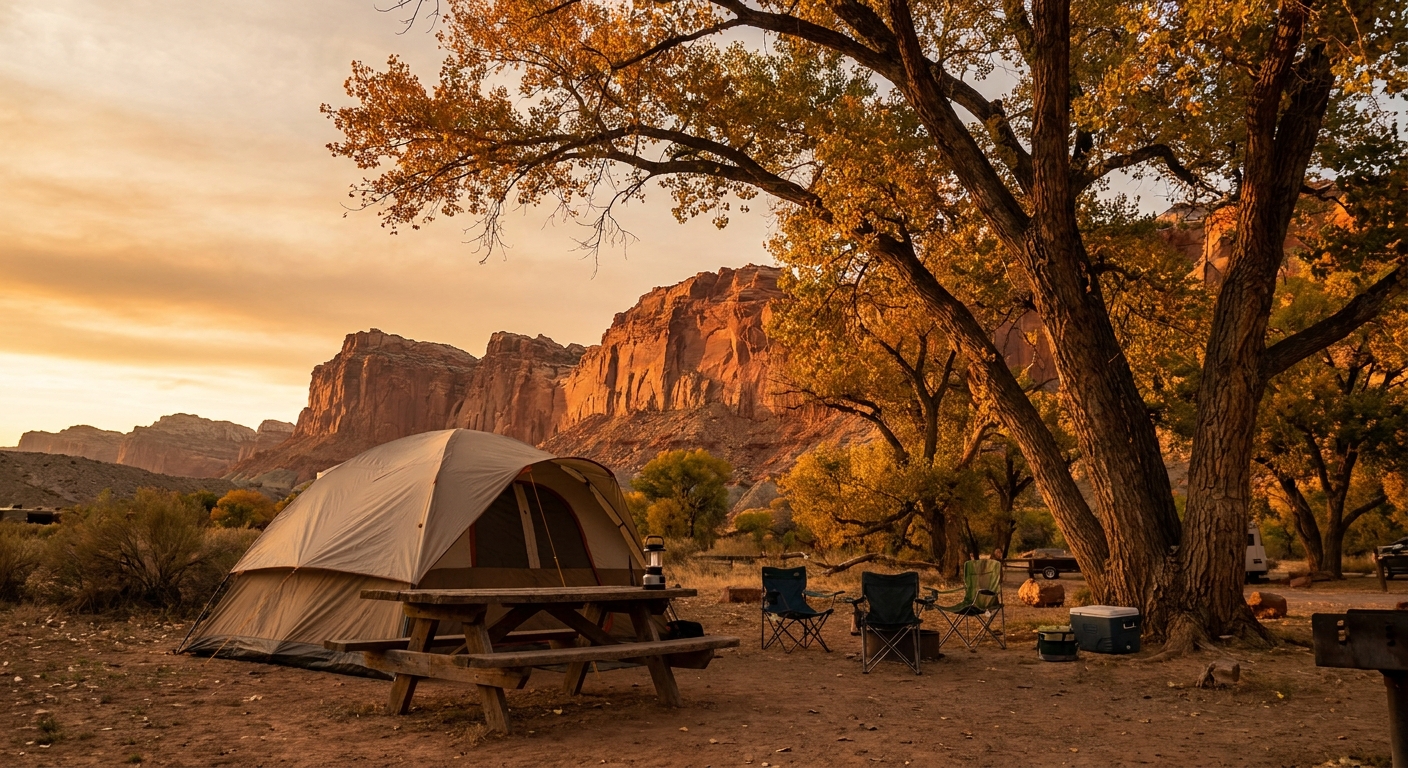
Camping can be fantastic here, but availability and conditions vary by season. Fruita Campground is the classic in-park option and can be highly competitive. If you are camping, build your plan around water, wind, and nighttime temps, and double-check the current camping season and reservation setup on the NPS site. Also remember that being “close to nature” is great until you realize you forgot coffee filters.
Where to eat in Torrey
Torrey dining is small-town practical. You will find good meals, but not endless options, and hours can be seasonal. The move is to choose one solid breakfast plan, one reliable dinner spot, and keep a backup snack stash.
Breakfast and coffee
- Early-start strategy: grab coffee the day before if you are chasing sunrise in Fruita.
- Packable breakfast: yogurt, fruit, bars, or a simple grocery run lets you hit the park before restaurant hours.
- My Torrey rule: if you find a coffee you love, remember the hours, then plan your morning loop around it.
Lunch between hikes
For midday, think portable. Capitol Reef days often run best as a picnic-style loop: hike, snack, scenic drive, short hike, late lunch. If you are set on a sit-down lunch, return to Torrey or plan around whatever is open in season.
Dinner after the Scenic Drive
After a day in the sun, you will want something easy. In peak season, restaurants can get busy. In shoulder seasons, they can close early. Either way, aim for dinner before you are ravenous, and consider a reservation if a place offers it.
If you arrive late
- Do not count on multiple open kitchens after dark.
- Have a “hotel dinner” plan: instant noodles, soup, sandwich fixings, or a frozen meal if your lodging has a microwave.
- Keep a gallon of water and a couple of real snacks in the car for the “everything is closed” scenario.
Groceries, gas, and supplies
Grocery basics
Torrey can cover essentials, but selection is not big-city broad. If you have special dietary needs or you are fueling a multi-day hiking plan, stock up before you arrive or plan one larger shop in a bigger town on your route.
Gas
Fill up when you can. Distances are not extreme if you are staying in the Fruita zone, but day loops plus detours plus scenic pullouts add up, and you do not want to watch your range drop while you debate a dirt road.
Park services and water
Plan for limited services once you are in the park. In the Fruita area, you can usually count on basic facilities like restrooms and seasonal visitor services, but do not assume you will find food, water, or reliable cell signal where you want it. Bring what you need for the day.
Outdoor essentials
- Water: bring more than you think, especially in warmer months.
- Sun: hat, sunscreen, and sunglasses are non-negotiable.
- Traction: sturdy shoes help on slickrock and sandy washes.
- Offline navigation: download maps before you lose service.
If I could hand every Torrey visitor one thing, it would be a small “Fruita day bag” that lives in your car: water, snacks, sun protection, headlamp, and a light layer. It turns spontaneous stops into stress-free ones.
How to build Fruita day loops
The easiest way to enjoy Capitol Reef from Torrey is to think in loops, not checklists. Pick one main drive, add one to two short hikes, then leave room for orchard wandering, pie stops, and scenic pullouts.
Heads-up: if the Scenic Drive is partially closed due to construction, treat these loops as flexible templates. You can still build great days around UT-24 viewpoints and Fruita-area trails, then swap the drive portion for whatever is currently open.
Below are day patterns that play nicely together. For deeper trail-by-trail descriptions, use our dedicated Capitol Reef hiking guides and scenic drive guides rather than trying to cram every detail into one page.
Loop 1: Fruita classics
Best for: first visit, families, or anyone who wants maximum scenery with minimal logistics.
- Morning: head from Torrey to the Fruita area and start with an easy-to-moderate short hike near the historic district (think Hickman Bridge or an orchard-area stroll if you want to keep it very mellow).
- Late morning: drive the main Scenic Drive if open, stopping at pullouts when the light looks good. If it is closed, stay on UT-24 and build your drive day around roadside viewpoints and short walks.
- Lunch: picnic in Fruita under the trees if weather is pleasant.
- Afternoon: add one more short hike (for example, Cohab Canyon if you want views), then finish with orchard wandering or a stop at Gifford Homestead if it is open for the day.
Why it works: you get the park’s signature feel without committing to long routes or rough roads.
Loop 2: Drive plus shade
Best for: warmer days when you want to avoid baking on exposed slickrock.
- Morning: start early and do one hike with canyon walls and more shade (for example, Grand Wash when conditions are safe).
- Midday: Scenic Drive and viewpoints when you can hop in and out of the car, or pivot to UT-24 viewpoints if the drive is closed.
- Afternoon: a second short walk, then back to Torrey for an early dinner.
Pro move: if you are sensitive to heat, keep the most exposed hike for early morning or skip it entirely and lean into the drive.
Loop 3: Quieter corners
Best for: repeat visitors who want a little more space without committing to full backcountry travel.
- Morning: one Fruita-area short hike to get the day started.
- Midday: pick one “quieter corner” that matches your vehicle and the forecast. Options that can work well depending on conditions include Cathedral Valley viewpoints (high-clearance is often recommended) or a conservative out-and-back on a well-graded dirt road when dry.
- Afternoon: short walk or viewpoint stop, then return to Torrey for food and a shower.
Important: conditions change quickly on secondary roads. If it rained recently or the forecast is unstable, keep your day anchored to UT-24, Fruita trails, and the paved sections that are currently open.
Loop 4: Sunrise to stargaze
Best for: photographers, early birds, and anyone who wants the park’s most dramatic light.
- Sunrise: drive from Torrey into the park before most visitors are moving. Pick one viewpoint or short trail that faces early light.
- Morning: one moderate short hike while temps are still friendly.
- Midday break: back to Torrey for lunch, a nap, or a coffee reset.
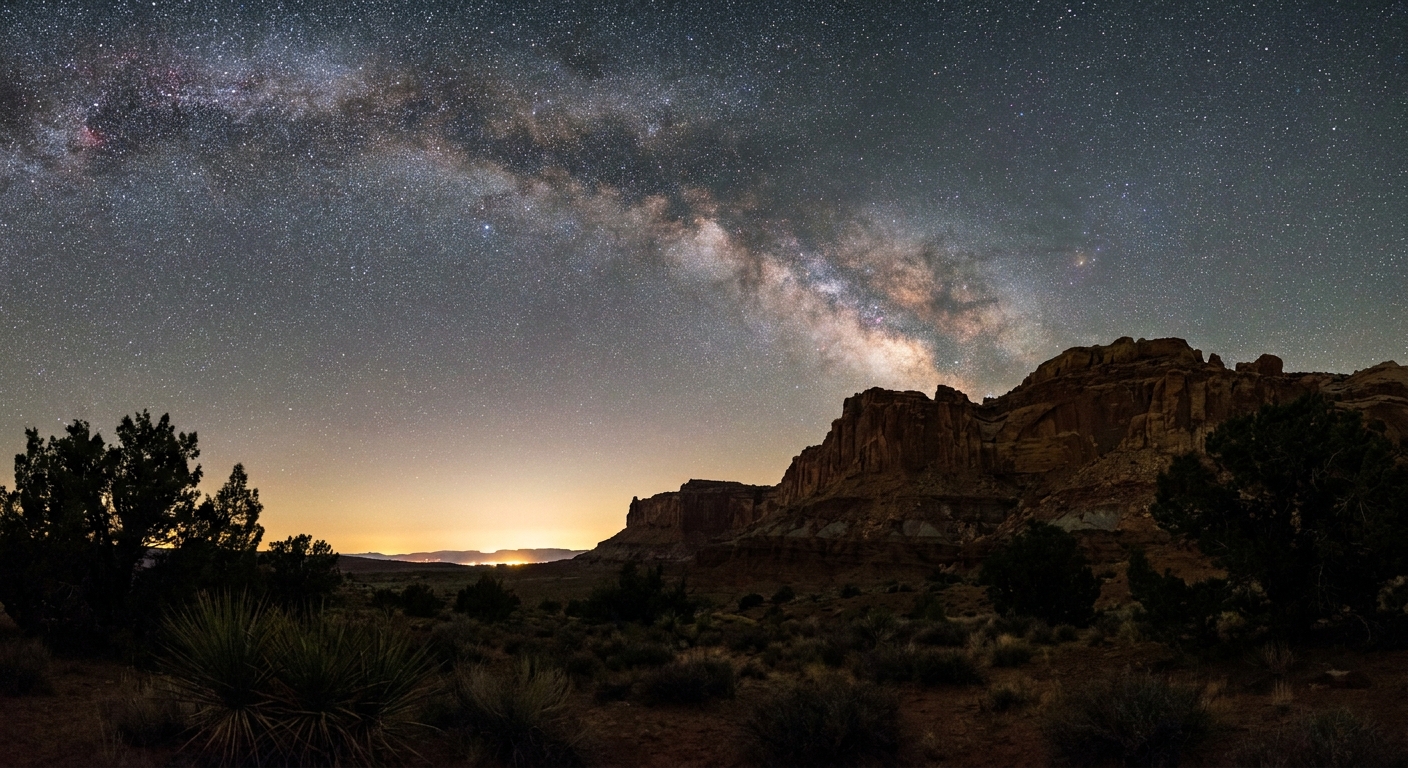
- Evening: return for golden hour, then stick around for dark skies if you have the energy.
Torrey itineraries
If you have 1 day
- Do Loop 1 (Fruita classics) and keep it simple.
- Prioritize one great short hike and the best drive option that is currently open.
- Eat dinner in Torrey early enough that you are not scrambling for an open kitchen.
If you have 2 days
- Day 1: Loop 1 for a full overview.
- Day 2: Loop 2 or Loop 3 depending on heat, storms, and road conditions.
- Add a sunrise or stargaze session if you are feeling ambitious.
If you have 3 days
- Day 1: Fruita classics plus your best open-drive option.
- Day 2: a quieter-corners day with conservative road choices.
- Day 3: repeat your favorite zone, slow down, and actually linger at pullouts instead of speed-running them.
What to pack for Fruita loops
- Water: more than you expect to drink, plus a little emergency buffer.
- Snacks: salty and sweet. Desert hiking makes you weirdly hungry.
- Layers: mornings can be cool, afternoons can be hot.
- Footwear: grippy soles help on slickrock and sandy stretches.
- Sun kit: hat, sunscreen, lip balm.
- Navigation: offline maps downloaded before you leave Torrey.
- Trash bag: easy leave-no-trace win.
Carry-on only note: I travel light, but this is the park where I never skip the extra water capacity. One collapsible bottle and a larger refillable jug in the car keeps you flexible.
Responsible travel
Torrey is not just a staging area. It is a real community supporting a seasonal wave of visitors. A few small choices go a long way:
- Be patient with staffing and hours: operations fluctuate seasonally.
- Spend locally: grab a meal, buy supplies in town, tip well when service is great.
- Stay on trails: cryptobiotic soil and fragile desert ecosystems take a long time to recover.
- Keep noise down at night: dark skies are part of the magic for everyone.
Plan your next clicks
If you are ready to plug in specific trail options and drive details, these Town Wander pages pair perfectly with a Torrey base plan:
- Capitol Reef day hikes roundup (choose your short hikes and one longer challenge)
- Capitol Reef scenic drives guide (conditions, highlights, and what is worth the detour)
Use this page to set your Torrey home base, then build one loop per day. Your legs will thank you, your camera roll will be fuller, and you will still have time to find that one coffee shop you keep returning to.