Trail Ridge Road Scenic Stops Without a Big Hike
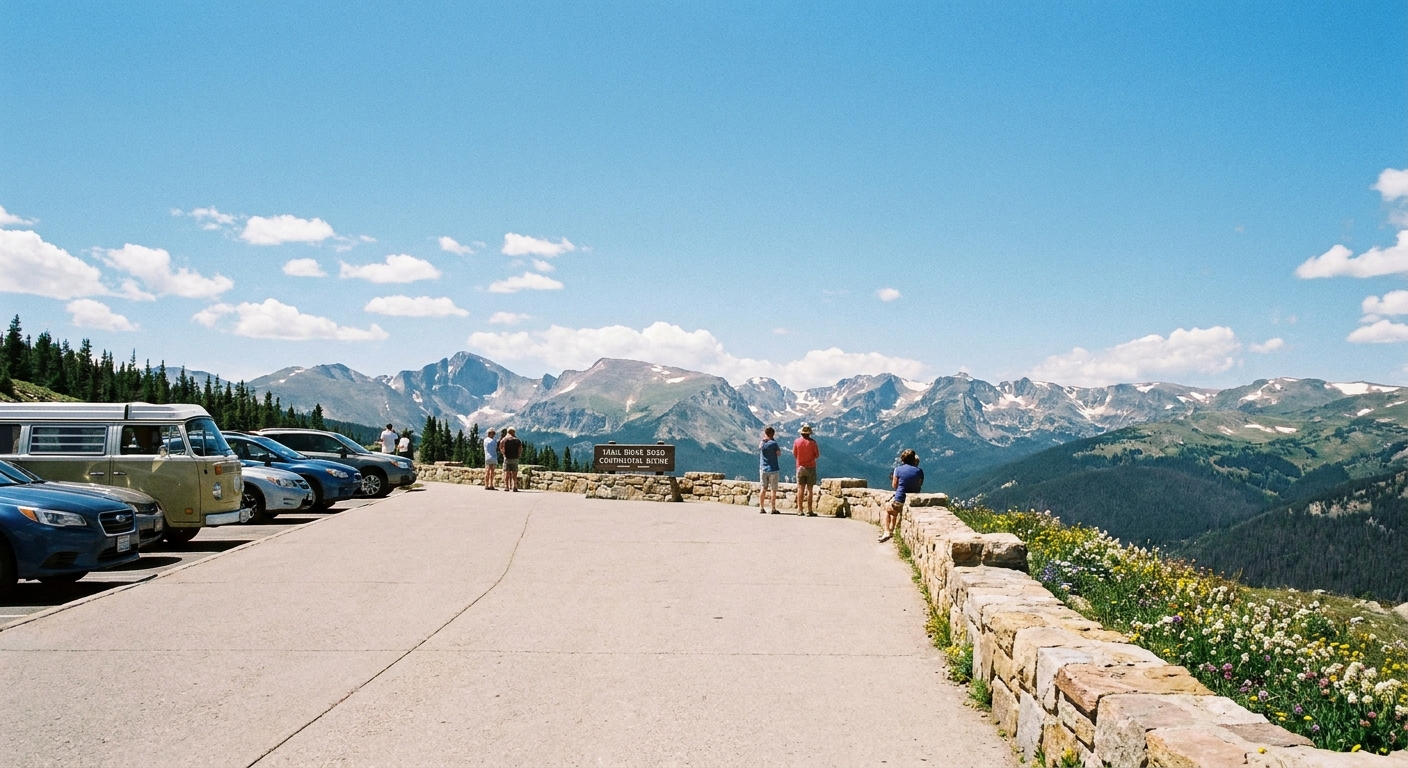
Trail Ridge Road is Rocky Mountain National Park’s choose-your-own-adventure for people who want the alpine wow factor without committing to a big hike. You can roll from pine forest to tundra, step out for a five-minute boardwalk stroll, then be back in the car before your lungs have time to file a formal complaint.
This guide is built for “elevation profile anxiety” travelers: families, first-timers, photographers, and anyone whose ideal day includes both rugged scenery and a warm drink waiting back in Estes Park or Grand Lake.

Before you go: altitude pacing that actually works
Trail Ridge Road is famously high. The road’s high point is 12,183 feet at Forest Canyon Pass, and many popular stops sit well above 11,000 feet (the Alpine Visitor Center is about 11,796 feet). Even if you are only walking short distances, altitude can hit harder than the mileage suggests.
A low-stress acclimation rhythm
- Start lower, then go higher. If you can, do a quick stop in Estes Park first, then ease into viewpoints along the climb.
- Use the “two-stop rule.” Make two short stops below treeline (forest zone) before you commit to longer time above treeline. It helps you notice how you feel.
- Keep first tundra walks short. Above treeline, start with boardwalks and overlooks, then decide if you want a tundra “stub trail” after you see how your body reacts.
- Hydrate and snack early. Altitude headaches love an empty stomach.
- Know when to call it. If you get dizziness, nausea, or a pounding headache that does not improve with rest and water, descend. The cure is losing elevation. If symptoms are severe, worsening, or you are worried, seek medical help.
Day-pack tip: Even in summer, pack a wind layer and a warm hat. The tundra is basically a giant outdoor refrigerator with sunshine.
Weather reality check: Above treeline, afternoon storms and lightning are a real thing in summer. An earlier start usually means calmer wind, better light, and fewer “why is the sky yelling at us?” moments.
Restrooms and stop spacing
One of the easiest ways to make Trail Ridge Road feel calm is to plan your bathroom breaks. Restroom availability is more limited once you are high and exposed, and windy conditions can make “quick stops” feel less quick.
Reliable restroom anchors
- Beaver Meadows Visitor Center (near Estes Park). Great first stop for maps, conditions, and a reset before climbing.
- Fall River Visitor Center (east side alternative). A helpful option depending on your entry route and timing. Good for current conditions and a last “civilization check” before you head higher.
- Alpine Visitor Center. The big high-elevation hub. If you only plan one long stop, make it here.
- Kawuneeche Visitor Center (near Grand Lake). Useful if you are crossing the park or ending your day on the west side. Hours and services can be seasonal, so treat it as a bonus stop and confirm day-of.
In between, you will find restrooms at some major areas and trailheads, but availability can change seasonally and with maintenance. When in doubt, treat visitor centers as your sure thing and plan your drive segments around them.
The best scenic stops
Below are my favorite “step out, breathe, take the photo, step back in” stops. Distances are intentionally simple here because conditions, construction, and snow can change what is accessible. Consider these a menu, not a checklist.
1) Many Parks Curve
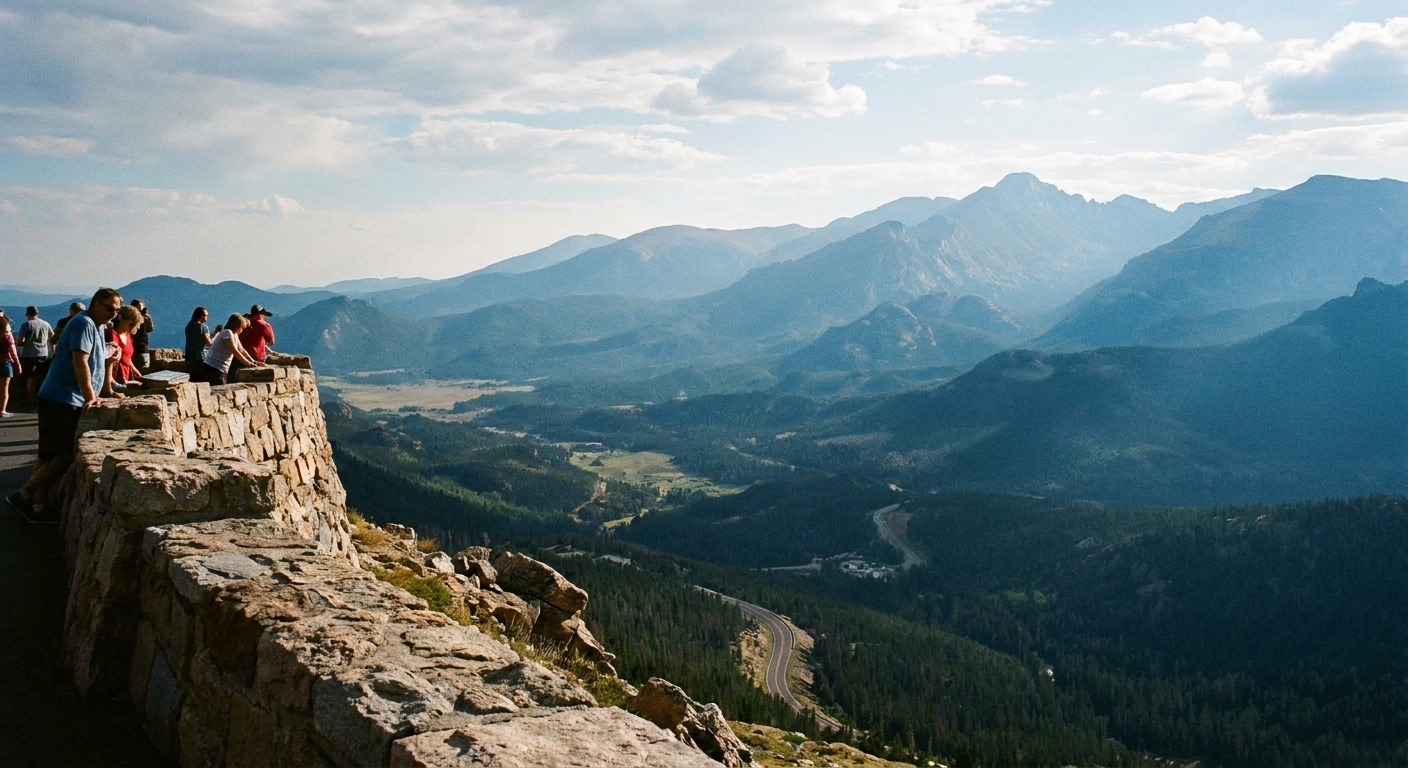
This is one of the quickest morale boosters on the east side climb. You get that classic layered-mountain view with very little effort. It is also a great place to gauge wind and temperature before you head higher.
2) Rainbow Curve
Higher than Many Parks Curve and often cooler, Rainbow Curve gives you a bigger sense of scale. If you are nervous about altitude, this is a smart “check in with your body” stop before you commit to more time above treeline.
3) Forest Canyon Overlook
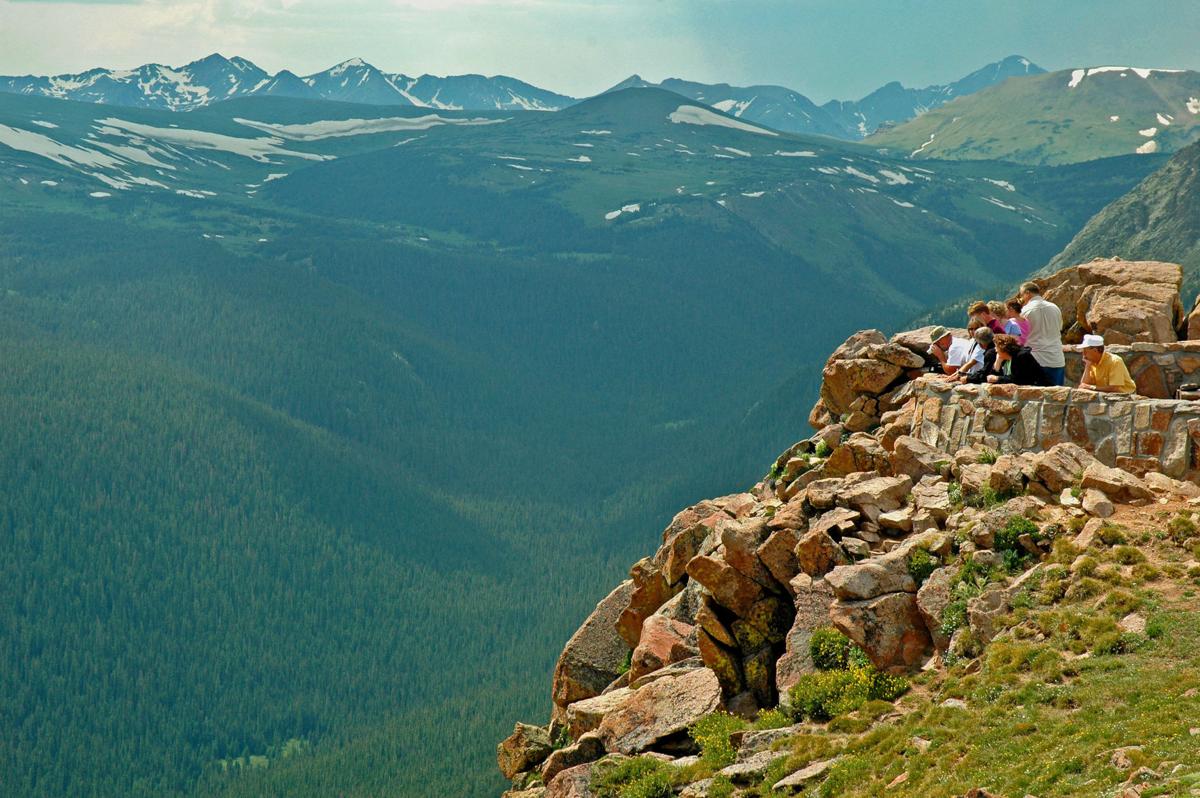
One of the most dramatic viewpoints on the road. You are looking into a massive glacial valley with cliffs and distant peaks. The walk from parking is short, and the payoff feels like a full hike’s worth of scenery.
4) Alpine Visitor Center area
If you want one “home base” above treeline, pick the Alpine Visitor Center. It is the simplest place to combine restrooms, ranger info, a warm layer check, and a short leg stretch. Around this area, you will also find quick tundra viewpoints where you can test how you feel at full elevation.
5) Gore Range Overlook (west side)
As you start descending toward Grand Lake, this overlook is a quieter-feeling stop with expansive views that shift from high tundra to distant ranges. Names and signage can change, so if you do not see “Gore Range Overlook” posted, treat this as a prompt to pull off at one of the marked west-side overlooks when parking is easy.
6) Kawuneeche Valley pullouts
Once you are down in the Kawuneeche Valley, the landscape opens into meadows and river corridors. The vibes are calmer, the air is thicker, and wildlife viewing can be excellent from roadside pullouts.
Wildlife note: If you are specifically hoping for moose, the west side meadows are often a better bet than the high tundra, especially at dawn and dusk.
Short boardwalks vs. tundra stubs
Not all “short walks” feel the same at 12,000 feet. Here is the decision framework I use when I am traveling with mixed energy levels.
Boardwalk viewpoints: best for everyone
Boardwalks and paved paths are ideal if you want a scenic pause without committing to uneven footing or extra elevation gain. They are great for kids, visitors managing mobility concerns, and anyone who just wants to keep the day feeling easy.
Accessibility note: Many of the main overlooks and visitor center areas have paved or graded paths, but conditions vary with snow, repairs, and crowds. If accessibility is a priority, ask at a visitor center for the most current recommendations.
Tundra stub trails: short, but feel bigger
These are the little out-and-back paths that leave the pavement and nudge into the open tundra. They can be only a fraction of a mile, but they often feel more intense because of wind, sun exposure, and thinner air.
- Choose a boardwalk if you are feeling headachy, you have not eaten yet, or the wind is strong.
- Choose a tundra stub if you want a quieter photo angle, you feel stable at altitude, and you have time to move slowly.
- Turn around sooner than you think. You do not need to “finish” a stub to get the tundra experience. Five minutes out, five minutes back can be perfect.
My personal rule: if I notice myself breathing with my shoulders, I stop, snack, and downgrade the next stop to a boardwalk.
Pet heads-up: RMNP has strict pet rules. Most trails are not pet-friendly, and pets are typically limited to roads, parking areas, and some campgrounds. If you are traveling with a dog, plan on scenic pullouts only and double-check current park rules before you go.
Elk timing and safe viewing
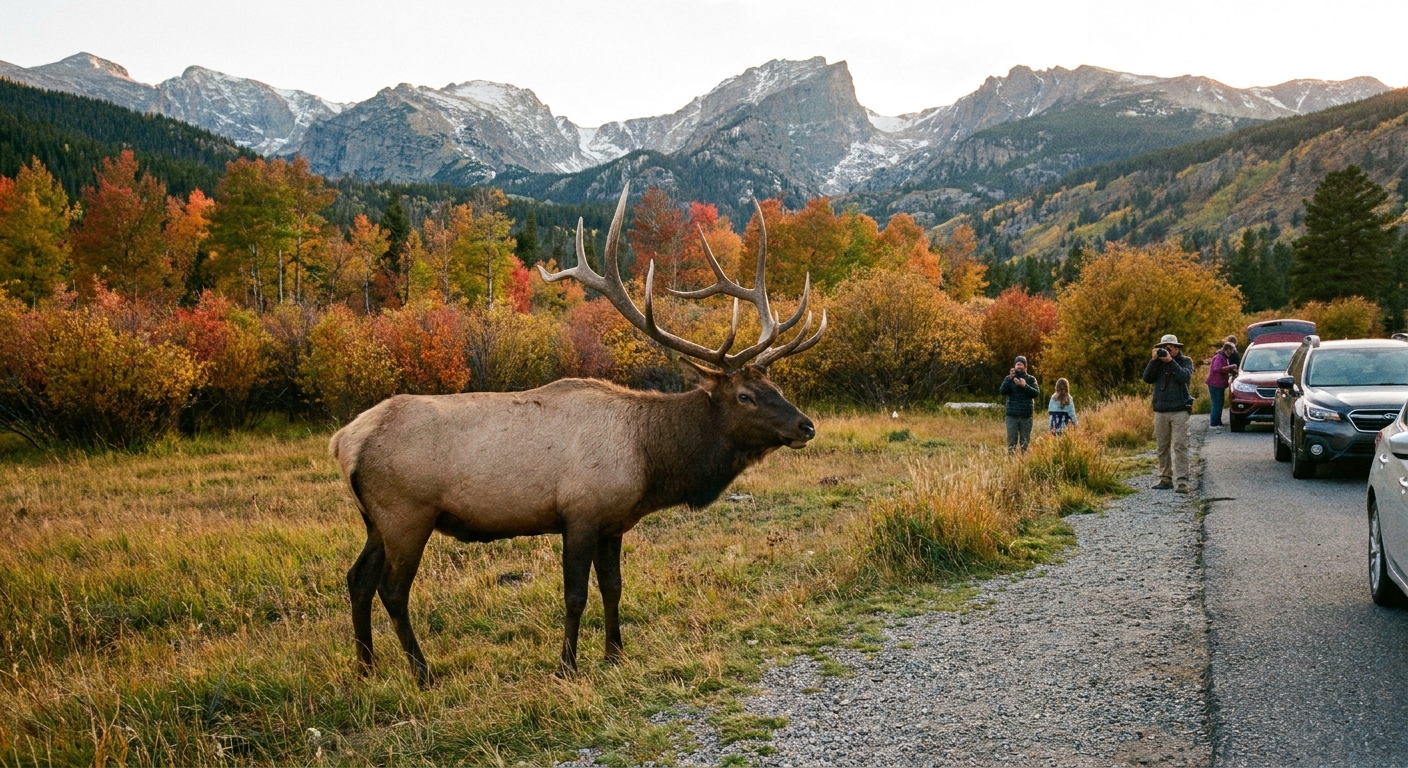
Trail Ridge Road days often include wildlife sightings. Elk are the headline act, and they can also create the biggest traffic chaos.
When you are most likely to see elk
- Early morning and late afternoon are typically best for wildlife movement and softer light for photos.
- During fall rut (usually September into October), elk activity increases, and so does visitor interest. Expect more stops and slower driving.
How to avoid turning a sighting into a mess
- Do not stop in the road. Use a legal pullout and keep your wheels fully out of the travel lane.
- Give wildlife space. The National Park Service recommends staying at least 75 feet (25 yards) from elk and other large animals, and at least 120 feet (40 yards) from moose and bears.
- Let faster cars pass. If you are creeping along for views, use pullouts to relieve pressure behind you.
- Never approach for a “quick photo.” Elk look calm until they are not, and rut season can change behavior fast.
Closures and seasonal reality checks
Trail Ridge Road is a high alpine road, which means it is at the mercy of snow, wind, and safety operations. Even in shoulder seasons, weather can change quickly.
What to know in plain language
- Seasonal opening and closing varies. The full road is typically a summer to early fall experience, but exact dates depend on snowpack and conditions.
- Temporary closures happen. High winds, lightning, wildfire activity, or sudden snow can shut down sections with little notice.
- Services have shorter windows. Visitor centers, restrooms, and other amenities can be seasonal or run on limited hours.
Check the official Rocky Mountain National Park website for current road status, construction updates, and facility hours before you leave cell service. If you are planning your day around a specific stop, verify it the morning of.
Timed entry permits
Rocky Mountain National Park uses timed entry systems during peak periods to manage congestion. Trail Ridge Road and the Bear Lake corridor can have different requirements depending on the season and time of day, and the details can change year to year.
Rather than rehashing the whole permit system here, my best advice is simple: confirm what is required for your exact date and entry time, and set yourself up with a plan B in case your first choice sells out.
- If you get an early slot, you will enjoy cooler temps, better wildlife chances, and easier parking at overlooks.
- If you arrive later, build in extra time and be pickier about stops. Fewer, longer viewpoint breaks can feel better than fighting for every pullout.
For official updates, check the NPS Rocky Mountain timed entry page in addition to Town Wander’s dedicated timed-entry guide for RMNP.
Two easy itineraries
Option A: The calm alpine sampler (half day)
- Start at Beaver Meadows or Fall River Visitor Center for conditions and a restroom stop
- Many Parks Curve
- Rainbow Curve
- Forest Canyon Overlook
- Alpine Visitor Center break, then decide whether you want one short tundra stub
- Return the way you came, stopping only if parking is easy
Option B: Full crossing (day trip)
- Enter on the Estes Park side
- Hit 2 to 3 east side overlooks on the climb
- Longer stop at Alpine Visitor Center
- Descend to the west side for a couple marked overlooks and Kawuneeche Valley pullouts
- End in Grand Lake for a meal, coffee, or lakeside walk
Time sanity tip: The drive from Estes Park to Grand Lake via Trail Ridge Road is often about 1.5 to 2+ hours one-way without stops. With viewpoints, wildlife traffic, and midday parking hunts, it can easily become a longer, leisurely day.
Urban comfort payoff: If you end on the west side, Grand Lake is an easy place to decompress after the altitude. If you end on the east side, Estes Park has plenty of cozy spots for a warm drink and a proper meal.
What to pack
- Windproof layer (the tundra wind is no joke)
- Warm layer, even in summer
- Water and salty snacks for altitude comfort
- Sunscreen and sunglasses since UV is stronger at elevation
- Binoculars for wildlife viewing without crowding animals
- Offline map or saved screenshots since service is inconsistent
- Full tank of gas and simple food backup (services inside the park are limited, and it is easier to fuel up in Estes Park or Grand Lake)
Make it memorable, not miserable
The magic of Trail Ridge Road is that you can taste the high alpine world without needing to train for it. Take fewer stops, stay longer at the ones that feel good, and give yourself permission to turn around early. The mountains will still be there, and you will remember the day for the views, not the headache.