Trail Runners vs. Hiking Boots

Maya Lin
Maya Lin is a travel journalist and outdoor enthusiast who believes the best trips combine rugged adventures with urban comforts. After spending six years backpacking across four continents, she founded Trail & Town Guide to help fellow travelers navigate both hidden mountain passes and bustling city neighborhoods with confidence.
I have packed for weeklong treks with a carry-on-sized backpack, then immediately turned around and spent the next day hunting down a great cappuccino in a city neighborhood. That mix of trail grit and town comfort is exactly why footwear decisions matter. The wrong shoe can turn a dream hike into a slow, blistery shuffle. The right one disappears under you, letting you focus on the ridgeline, the river crossings, and the post-hike bakery you earned.
So, trail runners or hiking boots? There is no universal winner. The best pick depends on three things: terrain, pack weight, and your feet (shape, strength, injury history, and how you move). Let’s break it down in a way that actually helps you choose.
The quick verdict
If you want the fastest answer before we go deep:
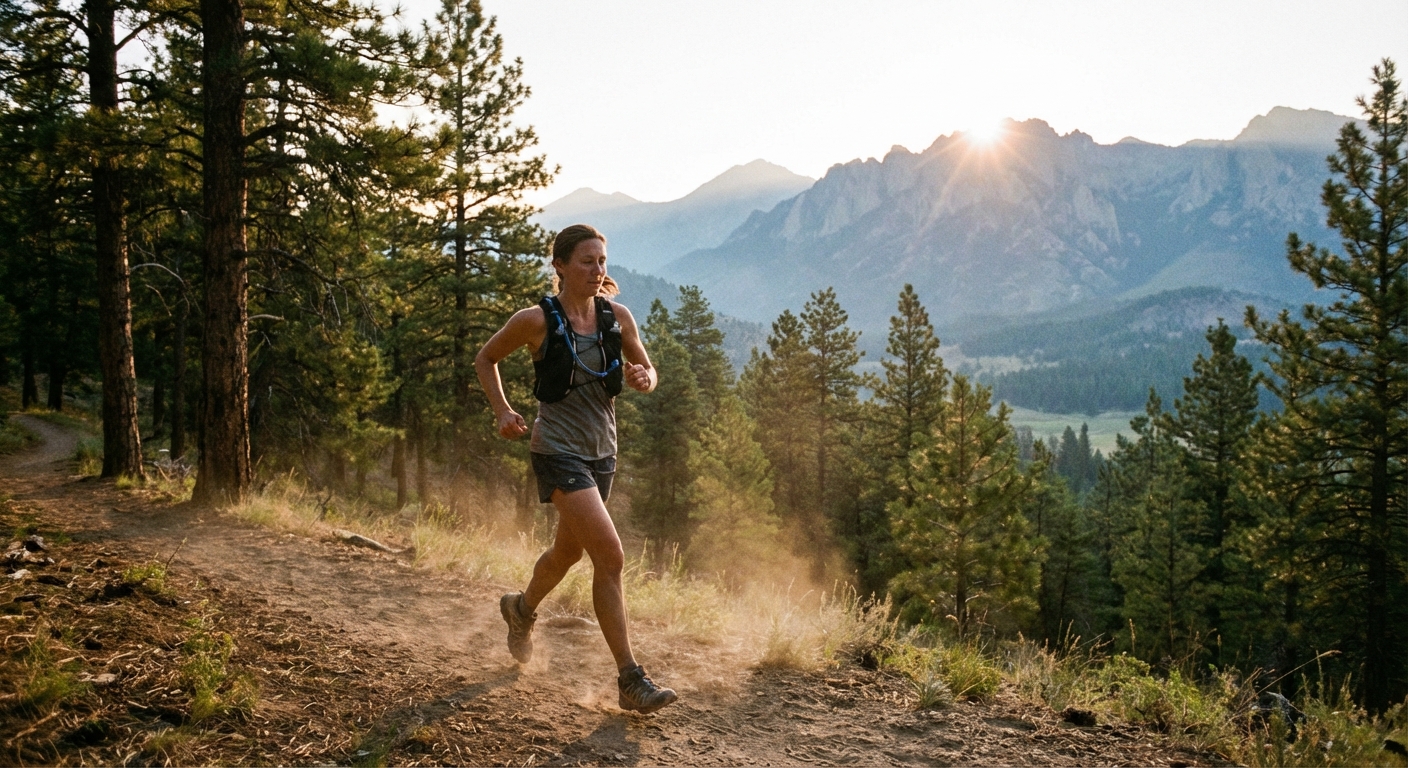
- Choose trail runners for well-maintained trails, long days with lots of miles, warm or mixed conditions, and lighter packs. They are hard to beat when you want comfort and agility.
- Choose hiking boots for off-trail travel, talus, snow, persistent mud, heavier packs, or when you want more underfoot protection and structure. They come into their own when the trail fights back.
Most hikers I meet end up owning both. One pair for “moving day” mileage, one pair for “unknown conditions” days.
Trail runners: what they do best
Trail running shoes are essentially athletic shoes built for dirt: sticky rubber, lugged tread, rock plates in many models, and uppers designed to breathe and dry fast. Backpackers adopted them for a simple reason: lighter shoes often mean less fatigue over long distances. (Fit, conditioning, and your biomechanics still matter a lot, so treat weight as one useful factor, not the whole story.)
Pros
- Lightweight: Less weight on your feet can feel dramatically easier on long climbs.
- Comfort out of the box: Many require little to no break-in, which is huge if your trip starts tomorrow.
- Breathable and quick-drying: Great for hot weather and frequent shallow water crossings.
- Agile: Better ground feel for precise foot placement on mellow to moderate terrain.
- Easy to pack: If you are doing a trail plus city combo trip, trail runners often double as a casual walking shoe in town.
Cons
- Less structure: If you rely on a stiff platform for stability, trail runners can feel wobbly under a heavy load.
- Less protection: Toes and sides are more exposed to sharp rocks and repeated kicking of scree.
- Shorter lifespan: Cushioning and tread can wear faster than traditional boots, especially on abrasive rock.
- Wet and cold limitations: They dry quickly, but they also get wet quickly. In cold conditions, wet feet can become a safety issue.
Hiking boots: what they do best
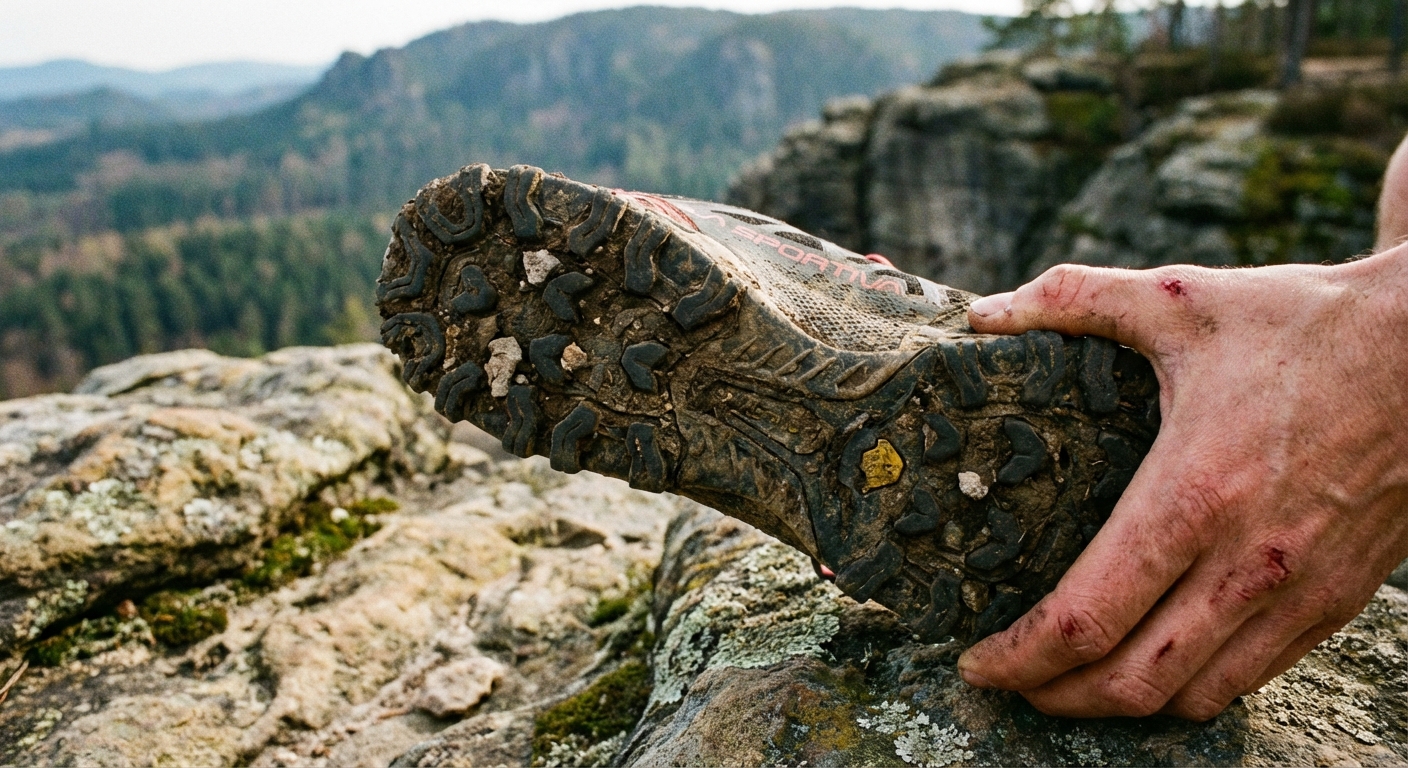
Traditional hiking boots are built around support and protection. That usually means stiffer midsoles, more durable uppers, and a design that shields feet from rock impacts and messy conditions. Boots vary a lot, from light hikers to full backpacking boots, so think of “boot” as a spectrum.
Pros
- More underfoot protection: Stiffer soles can reduce bruising on talus, lava rock, and long rocky descents.
- Better in cold, snow, and mud: Waterproof boots can be worth it when conditions are consistently wet or cold.
- Durability: Many boots handle seasons of abuse, especially when cared for.
- Load handling: Structure can feel steadier with heavier packs.
Cons
- Heavier: You feel it on long days, especially in heat.
- Break-in can be real: Some models need time to soften, and that can mean blisters if you rush it.
- Drying time: Waterproof boots can trap moisture from sweat or a surprise dunk, then take ages to dry.
- Less versatile in town: Boots are great on trail, but can feel clunky for all-day pavement wandering.
The middle ground
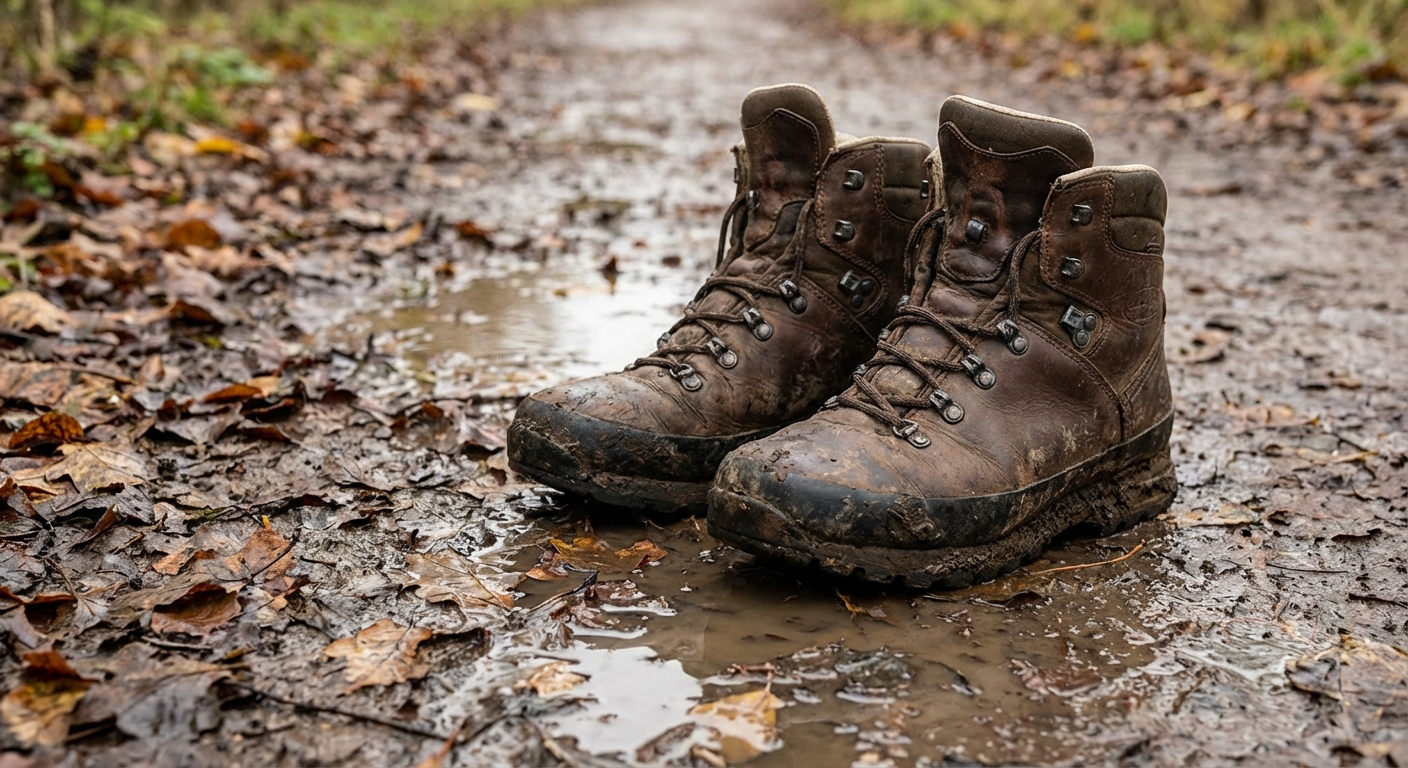
If you are stuck between the two extremes, consider hiking shoes (low-cut) or mid-cut hikers. They often blend a boot-like chassis (more structure and protection) with a shoe-like feel (lighter, quicker break-in). For a lot of people, this is the sweet spot for mixed terrain and moderate pack weights.
Choose by terrain
Terrain is the most honest decision maker. Ask: what will be under my feet most of the day?
Well-maintained trails
Edge: trail runners. On dirt paths, packed gravel, and typical national park style trails, trail runners feel efficient and comfortable. The cushioning helps on repetitive impact miles.
Rocky, technical trails and talus
Lean: boots or rugged trail runners. If your route is constant sharp rock and uneven blocks, a stiffer platform can reduce foot fatigue. If you love trail runners, look for a model with a rock plate, a more supportive midsole, and a solid toe bumper.
Off-trail travel, scree, and bushwhacking
Edge: boots. Off-trail means you will kick rocks, edge across slopes, and twist through uneven terrain. A tougher upper and more protection pays off. Gaiters can help either way, but boots start with an advantage.
Sand and desert terrain
Often: trail runners. Breathability matters. Pair them with gaiters to keep sand out. Boots can work, but they can also feel like ovens in full sun.
Frequent creek crossings
Usually: non-waterproof trail runners. They get wet, then dry. Waterproof boots can be great until water starts coming in over the collar during deeper crossings. At that point, they can hold water longer and feel heavier, and drainage varies by design. If the water is cold, consider neoprene socks or plan crossings strategically.
Cold, snow, shoulder-season slop
Edge: boots. When wet plus cold is the reality all day, waterproof boots (or boots paired with warmer socks) help manage risk. In real snow travel you may need compatible footwear for traction devices.
Choose by pack weight
Pack weight changes how much stability you need. It is not just about strength. It is about how your whole system behaves when you are tired at hour seven.
Ultralight to light (common starting point: under 20 to 25 lb total)
Trail runners are a great match. Many long-distance hikers live here for a reason. Your legs do less work lifting footwear, and you can keep a smooth pace.
Moderate (common starting point: 25 to 35 lb)
Either can work. This is where foot type and terrain decide. If the trail is smooth, trail runners still win for many people. If the route is rocky and you are carrying food for several days, boots start looking better.
Heavy (common starting point: 35 lb and up)
Boots often win. The stiffer platform can reduce foot strain, and the added protection matters when you misstep under load. That said, plenty of hikers still choose trail runners here, especially supportive models paired with trekking poles and careful pacing.
Reality check: footwear cannot magically prevent ankle sprains. Strong ankles and good foot placement do more. But a stable platform can reduce fatigue, which can reduce sloppy steps.
Choose by foot type
This is the part most packing lists skip, but your feet are not generic.
Wide feet or high-volume feet
Trail runners often fit better. Many brands offer wide sizes, and the uppers can be more forgiving. Boots can work too, but fit has to be dialed in to avoid pressure points.
Narrow heels
Boots can lock in well, but runners can too. Look for shoes with a secure heel cup. If you get heel lift, try a runner’s loop lacing technique, and choose socks that do not slide.
High arches
Focus on support and volume. You may prefer a shoe or boot with a supportive midsole. Some hikers do best adding an aftermarket insole. Prioritize heel stability and avoid crushing the top of your foot with overly tight lacing.
Flat feet or overpronation
Stability matters. Some trail runners are too soft and flexible for you, especially with a pack. A structured trail runner or a light boot can feel better. Again, insoles can be a game changer.
Plantar fasciitis history
Do not gamble on minimal cushioning. Many people do well in cushioned trail runners. Others need the stiffness of a boot. Test on a long downhill, because that is where issues often show up.
Grip and ankle support myths
“Boots have better grip”
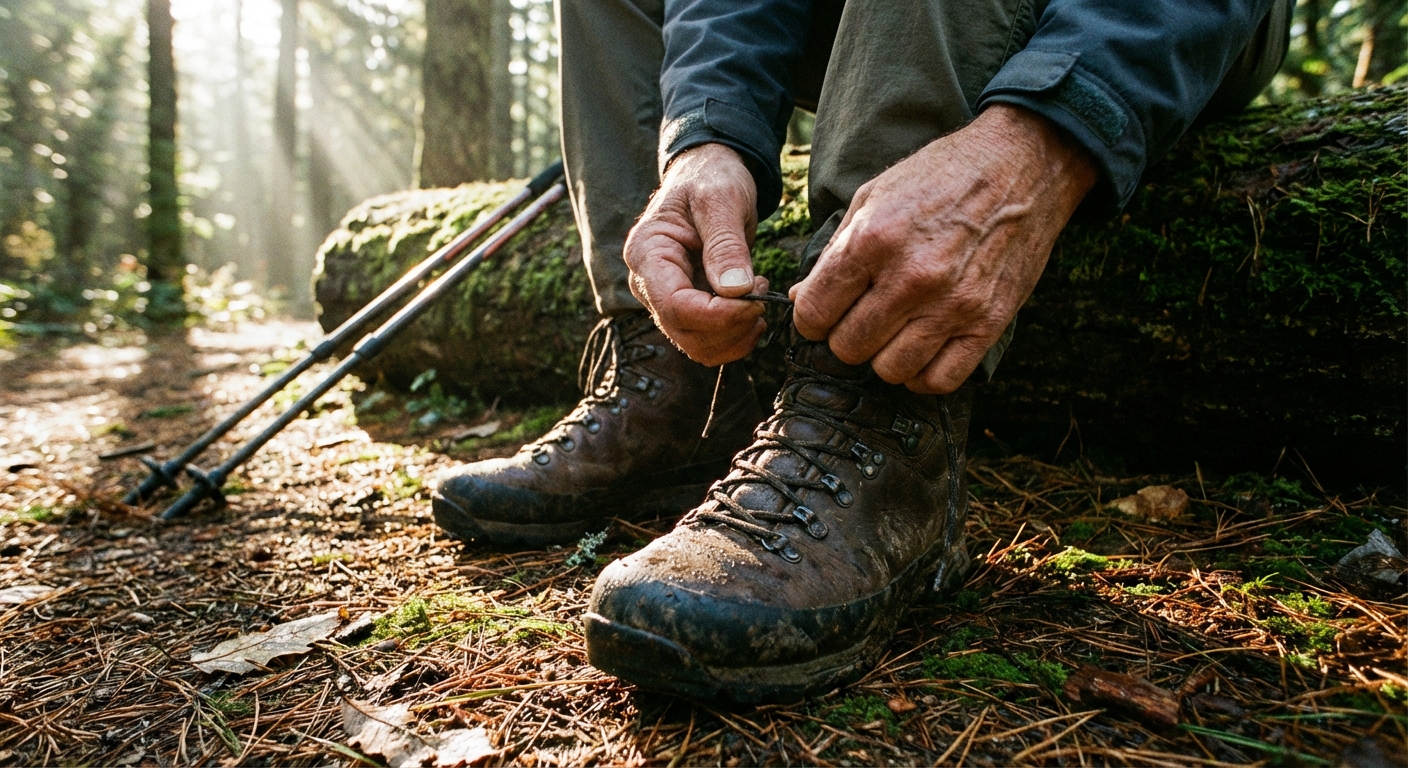
Not automatically. Grip comes from rubber compound and lug design, not height. Some trail runners have incredibly sticky rubber. Some boots are built for durability and sacrifice stickiness. If you hike on wet rock, pay attention to outsole reputation and test on a damp sidewalk before you commit.
“Boots prevent ankle sprains”
High tops may reduce ankle range of motion a bit, but they are not a guarantee. Evidence on sprain prevention is mixed, and conditioning, balance, pace, and poles matter a lot. If you feel safer in boots, that confidence can help you move better. Just do not treat them like armor.
“Trail runners are only for expert hikers”
Honestly, beginners often love trail runners because they feel like sneakers. The bigger factor is whether your trip demands protection and stiffness, not your experience level.
Waterproof or not?
This question can matter more than runner vs boot.
When waterproof makes sense
- Cold rain with low temperatures where wet feet become dangerous
- Snowy shoulder seasons where slush is constant
- Trips with lots of wet brush that soaks you from the sides
When non-waterproof is better
- Hot weather hiking where sweat is inevitable
- Routes with repeated stream crossings
- Humid climates where shoes need to breathe
If you do go waterproof, remember the tradeoff: once water gets in over the collar, it can be slow to leave.
Comfort and blisters
Footwear choice is only half the blister equation. The other half is fit plus moisture management.
Fit checklist
- Toe room: You want space to wiggle, especially on descents. Aim for about a thumb’s width in front of your longest toe.
- Heel hold: Your heel should not lift much when walking uphill.
- Midfoot security: Snug but not numbing. If your feet tingle, loosen.
- Try them tired: Shop later in the day when your feet are slightly swollen, like they will be on trail. Try them on with the socks you will actually hike in.
Socks matter more than you think
Bring socks that match your shoe volume. Too thick and you create pressure points. Too thin and you may slide. Merino blends are popular for a reason. In hot climates, thin synthetic can be great. If you blister between toes, toe socks can help.
My field kit (small, carry-on-friendly)
- Leukotape or blister tape
- A small alcohol wipe (useful for cleaning skin before tape)
- A tiny dab of anti-chafe balm for hot spots
- Optional: a hydrocolloid blister bandage for high-friction trouble areas
Quick safety note: Draining blisters can raise infection risk. Many hikers leave them intact and tape over them. If you choose to drain, use clean hands and a sterilized tool, keep the roof on, and watch for redness, warmth, pus, or worsening pain. When in doubt, get medical help.
Durability and cost
Boots often last longer in terms of upper durability and outsole wear, especially if they can be resoled. Trail runners tend to lose cushion and tread earlier, which can matter if you are doing high-mileage trips or training hikes.
Instead of asking “which lasts longer,” ask:
- How many days a year will I hike?
- Am I mostly on abrasive rock or soft dirt?
- Do I want one shoe that also works in cities?
If you are doing a trip that mixes trail time with urban travel, trail runners can pull double duty and save luggage space. Boots can still work, but you may end up packing extra shoes for town comfort.
Traction devices
If snow or ice is on the menu, think beyond footwear and consider what you will strap onto it.
- Microspikes: Many trail runners and boots can work, as long as the shoe fits the harness securely.
- Crampons: These often require a stiffer boot and, in some cases, specific welts. Most trail runners are not designed for true crampon use.
Gaiters: when they help
If you hate stopping to dump debris, gaiters are the quiet upgrade. They matter most in sand, scree, muddy shoulder seasons, and shallow snow where stuff wants to pour in around your ankles.
Common scenarios
- Summer day hikes on well-maintained trails: trail runners.
- Fast and light weekend backpack with a light pack: non-waterproof trail runners.
- Rocky alpine routes with lots of talus: supportive trail runners with a rock plate or light boots, depending on how my feet feel on rock.
- Multi-day trip with a heavy food carry: boots or a very structured trail runner.
- Shoulder season with cold rain and mud: boots, often waterproof.
- Trail plus city itinerary: trail runners, then clean them before heading into town.
Decide in 5 minutes
- Write down your conditions: dry, wet, snow, lots of creek crossings, or mostly mellow trail?
- Estimate pack weight: include water and food, not just base weight.
- Be honest about your feet: do you bruise easily, need more support, or have injury history?
- Choose your priority: speed and comfort (trail runners) or protection and structure (boots).
- Do a real test walk: stairs, a steep downhill, and uneven ground if possible.
If you are still stuck, choose the option that keeps you moving safely when tired. The best shoe is the one that makes the last two miles feel doable.
Final take
Trail runners are not a “lighter is always better” flex, and hiking boots are not a “serious hikers only” badge. They are tools. Match the tool to your terrain, load, and feet, and you will hike more comfortably and recover faster. Then you can do what I think travel is really about: finish a big day outdoors and still have energy to wander a neighborhood, find a local coffee shop, and actually enjoy where you are.