Trail Runners vs. Hiking Boots

Maya Lin
Maya Lin is a travel journalist and outdoor enthusiast who believes the best trips combine rugged adventures with urban comforts. After spending six years backpacking across four continents, she founded Trail & Town Guide to help fellow travelers navigate both hidden mountain passes and bustling city neighborhoods with confidence.
I love a good mountain suffer-fest, but I also love arriving in town with enough foot comfort left to hunt down a great coffee shop. Footwear is the make-or-break decision that affects both. The trail runner versus hiking boot debate gets weirdly emotional, but you can choose calmly if you match the shoe to your terrain, climate, and how many days you will be living in them.
This guide is built around real travel realities: wet cobblestones after a rainstorm, dusty switchbacks, long airport days, and the kind of “quick” side trail that turns into five hours.
The quick answer
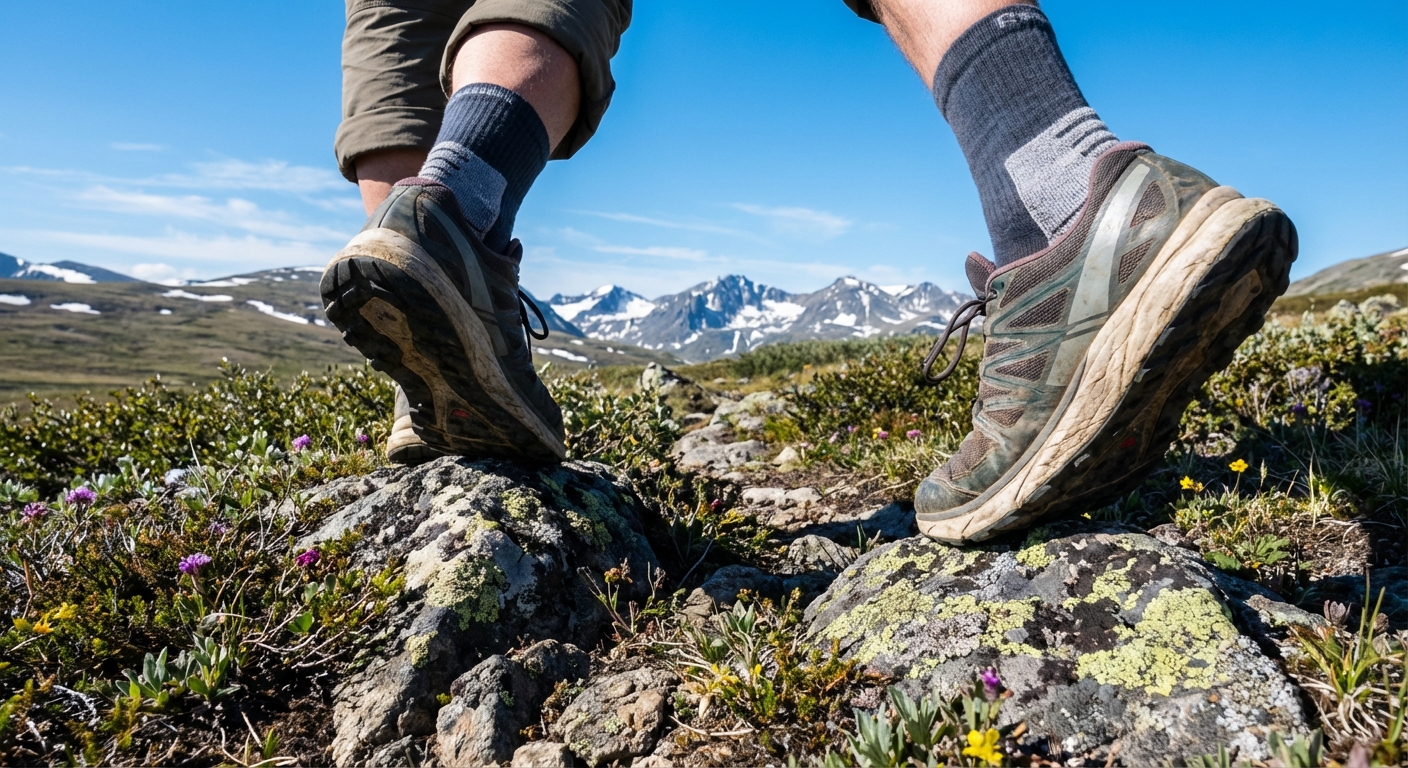
Choose trail runners if you want lighter weight, faster drying, all-day comfort, and a shoe that transitions well from trail to city.
Choose hiking boots if you want more underfoot protection and structure, better performance in cold and snow, more stability under a heavy pack, and tougher materials for abrasive terrain.
Fast decision (for skimmers): if your route is mostly established trails in three-season weather and your pack is reasonable, start with trail runners. If you expect sustained snow, cold and wet conditions, or consistently rough off-trail terrain with a heavier load, start with boots. If you are still on the fence, skip ahead to the decision checklist near the end. It is the same mental flowchart I run at home while staring at my gear pile and whispering, “Be brave, pack lighter.”
What changes on your trip
Weight and fatigue
Footwear weight adds up. A lighter shoe often means less leg fatigue over long days, especially on rolling terrain where you keep a steady pace. In most cases, trail runners win here, although some modern light hikers can get surprisingly close.
Support and stability
Boots usually provide more structure through the upper, stiffer soles on many models, and a more locked-in feel when you are carrying a heavier pack or side-hilling on loose ground. Trail runners can still be stable, but they rely more on your foot and ankle strength, plus the right fit. Also worth saying out loud: stability is not just “boot height.” It is a mix of sole stiffness, torsional rigidity, fit, and traction. (A taller collar can feel reassuring, but it is not a magic ankle-sprain shield.)
Dry time and water management
In most three-season conditions, staying dry is about drying fast, not staying perfectly waterproof. Trail runners, especially non-waterproof versions, usually dry quickly after streams or rain. Waterproof boots can keep water out, but once water gets in (from the top, sweat, or a deep puddle), they can take longer to dry.
Durability and protection
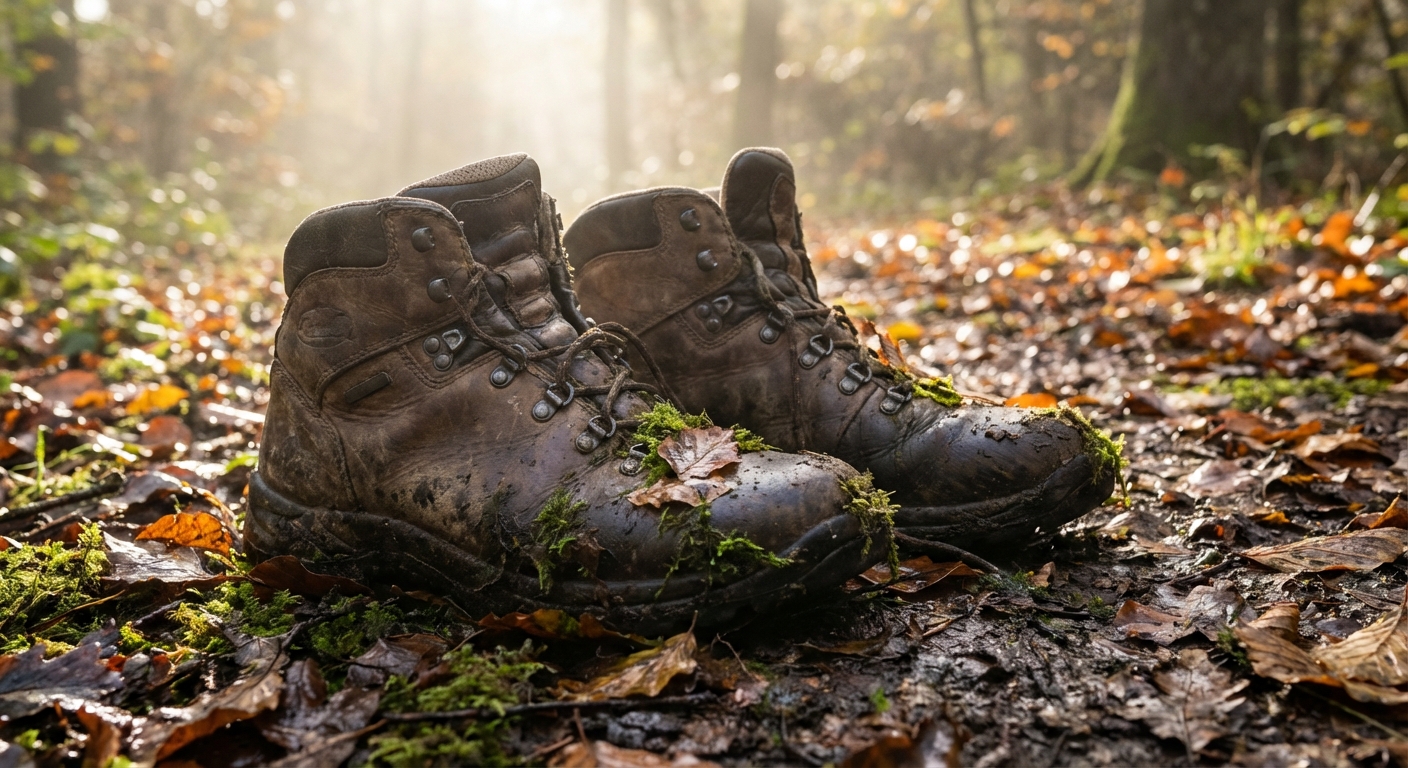
Boots typically handle sharp rock, scree, and brush better, and they often last longer if you are hard on gear. Trail runners feel more nimble, but the lighter uppers and softer midsoles can wear faster, especially if you are logging huge miles.
Trail runners
Why people love them
- Comfort out of the box: Many trail runners feel like sneakers on day one, which matters when you land somewhere and start walking immediately.
- Fast and efficient: Light shoes help you keep a steady rhythm on long days.
- Great for mixed trips: They do well on trails and do not scream “I am wearing mountaineering gear” in a city neighborhood.
- Quick-drying: Pair with good socks and you can recover from wet crossings fast.
Where they struggle
- Cold and snow: Less insulation, more exposure, and wet feet get serious quickly in shoulder seasons.
- Heavy loads: If you are carrying a big pack for multiple days, some people feel their feet get beat up faster.
- Very abrasive terrain: Sharp talus and constant scree can chew up softer shoes and your toes if the toe bumper is minimal.
Best uses
If your trip looks like any of these, trail runners are usually the better bet:
- Day hikes and hut-to-hut routes with a light pack
- Dry or warm climates where quick-drying matters more than waterproofing
- Trips that mix hikes with lots of city walking
- Established trails without prolonged snow travel
Hiking boots
Why people swear by them
- More protection: A stiffer platform and beefier materials help when the trail is rough or the ground is unpredictable.
- Better in cold, wet conditions: Boots paired with warm socks and gaiters can extend your season comfortably.
- Pack-carrying confidence: With a heavier load, boots can feel more planted, especially on descents.
- Longevity: Many boots handle long-term abrasion better, especially if you travel often and hike hard.
Where they struggle
- Break-in risk: Not all boots need a long break-in, but the risk of hotspots and blisters is higher if you rush it.
- Drying time: Waterproof liners and thicker materials can hold onto moisture longer.
- Heat: In hot climates, boots can feel like little personal saunas.
Best uses
Boots usually win for:
- Cold, wet shoulder-season hiking
- Rocky, brushy terrain where you want more protection
- Backpacking with a heavier pack or technical routes that demand stability
- Travel where one twisted ankle would derail the whole itinerary (boots can feel more confidence-inspiring, plus they tend to protect your feet from knocks)
Terrain guide
Groomed trails and rolling hills
Trail runners. You will appreciate the lightness and comfort, and you rarely need the extra structure of a boot.
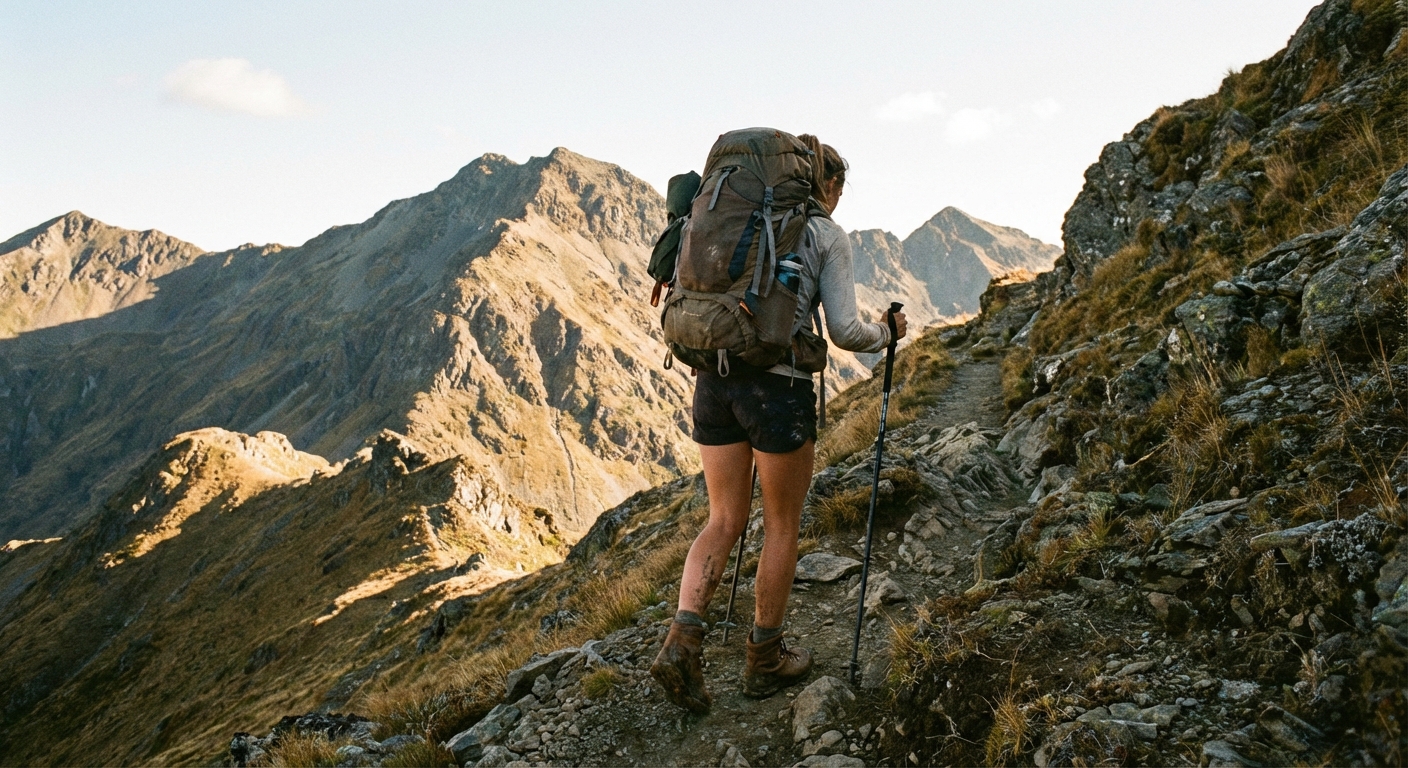
Rocky alpine trails and talus
It depends. If it is mostly trail with occasional rock hopping, trail runners with a rock plate and strong toe protection can be excellent. If it is sustained boulder fields, sharp scree, or off-trail travel, boots can feel less punishing underfoot and offer better protection.
Mud, roots, and slick forest paths
Either can work, but prioritize traction. Many trail runners have excellent lugs for wet ground. Boots can help if you want more protection from ankle knocks and brush. In deep mud, consider gaiters no matter what you wear.
Desert and volcanic terrain
For hot, dry routes, trail runners often feel best. Look for durable uppers and a toe cap. If the terrain is sharp and abrasive (hello, volcanic rock), you might prefer boots for protection, but choose breathable models and manage heat carefully.
Snow and early season
Boots more often than not. They pair better with gaiters, keep warmth in, and handle slush and variable conditions. Trail runners can work for light snow if you are moving fast and have the right socks and traction, but it is a narrower comfort window.
Climate guide
Warm and humid
Non-waterproof trail runners are hard to beat. In humidity, sweat management matters as much as rain. Fast-drying shoes plus good socks usually feel better than sealed-up waterproof footwear.
Wet and mild
If it is wet but not cold, you have two good strategies:
- Fast-dry strategy: Non-waterproof trail runners, accept wet feet sometimes, dry quickly during breaks.
- Keep-out strategy: Waterproof boots or waterproof trail runners, great for shallow puddles and wet grass, but be realistic about drying time.
Cold and wet
Boots are usually the most comfortable and safest option. Cold water plus wind equals misery fast, and boots give you more insulation options.
High altitude and big swings
If mornings are freezing and afternoons are sunny, I lean trail runners for dry conditions and boots if there is lingering snow or frequent creek crossings. Either way, bring sock options and plan for wet feet as a normal part of life.
Waterproof runners
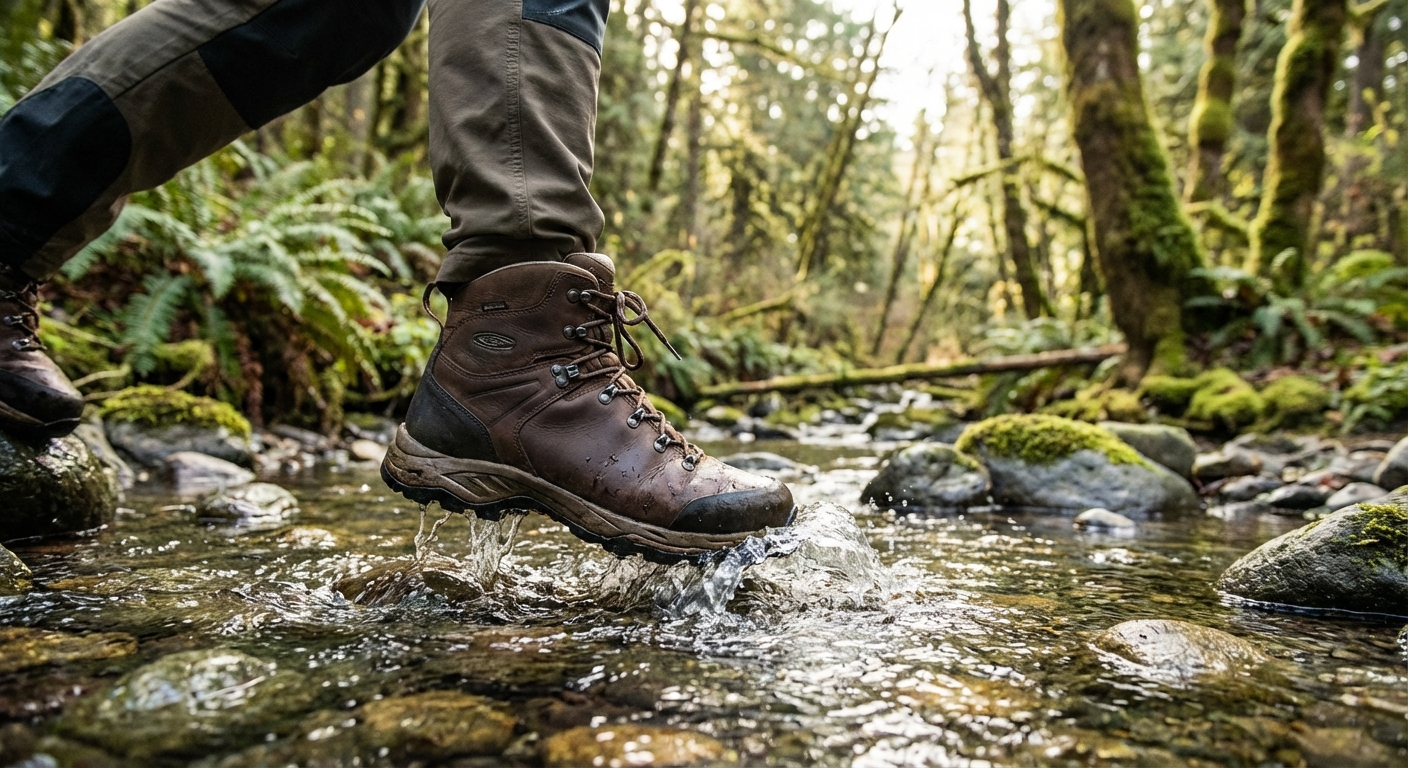
Waterproof trail runners (often labeled GTX) deserve their own little reality check.
- When they shine: Cold rain, wet grass, slushy shoulder-season trails, or trips where you hate the idea of starting a day with damp shoes.
- The tradeoff: They can feel clammy in warm weather, and once they get wet inside, they often dry slower than non-waterproof trail runners.
- My rule: If it is warm enough that getting wet is mostly annoying, go non-waterproof and embrace the fast-dry life. If it is cold enough that wet feet become a problem, waterproofing starts making more sense.
Trip length and pack weight
Day hikes and weekends
Trail runners are the easy winner for most people, especially if your day also includes driving, airports, or wandering a town afterward.
3 to 5 days, moderate pack
This is the gray zone. If you are on established trails and your pack is reasonable, trail runners work beautifully. If you are carrying extra water, camera gear, or cold-weather layers that bump your weight up, boots can feel more stable on long descents. Trekking poles can also be a game-changer here. They take pressure off your feet and knees, and they add a lot of confidence on loose descents.
Long-distance trekking
Plenty of thru-hikers choose trail runners because of comfort, lighter weight, and easier replacement. Boots still make sense for consistently rough terrain, cold climates, or if your feet simply feel better with a stiffer platform. The “best” answer is what keeps your feet healthy on day 12, not what looks toughest on day one.
Fit
You can pick the perfect category and still suffer if the fit is off. Here is what I check every time, even when I am impatient and already thinking about pastries.
Toe room on descents
Your toes need space. In both boots and trail runners, you want enough room that your toes do not slam the front on steep downhills. A simple test: with your heel seated, walk down a slight incline or do a few hard downhill steps in the shop. If your toes tap the front, the size or shape is wrong.
Heel lock
Heel slip creates blisters. Your heel should feel secure when you walk uphill. If you love everything else about a shoe, try a heel-lock lacing technique before giving up.
Width and volume
Many problems are actually “wrong shape,” not “wrong size.” If you have wider feet, look for wide options rather than sizing up. Sizing up often creates extra length that leads to toe bang.
Swelling is real
Feet swell on long travel days and long hikes. If you can, try on footwear later in the day, or after a walk, when your feet are a little puffier and more honest.
Socks are part of the system
Test footwear with the socks you will actually hike in. A thicker merino sock can change fit dramatically, especially in trail runners.
Traction and rock plates
When people say “boots have better grip,” they are often mixing up categories. Grip is mostly about the outsole design and rubber compound, not the height of the shoe.
- Lug depth: Deeper lugs tend to bite better in soft dirt and mud. Shallower lugs can feel smoother on rock and pavement.
- Rubber compound: Stickier rubber grips rock better but can wear faster.
- Rock plate: Common in trail runners, it helps protect the bottom of your foot from sharp stones. If you go trail runner on rocky terrain, prioritize this feature.
Common mistakes
- Cotton socks: They hold moisture and make blisters easier. Bring wool or a quality synthetic.
- Sizing too small: Toe bang on descents is a trip-ruiner. Leave room.
- Relying on waterproofing: Waterproof can help, but drying strategy matters more than wishful thinking.
- New boots on day one: Even “no break-in” boots deserve real walks before a big trip.
Blister prevention
Whether you are in trail runners or boots, the anti-blister routine is the same and it is very travel-friendly.
- Start dry: Put on socks only after your feet are fully dry, especially in humid climates.
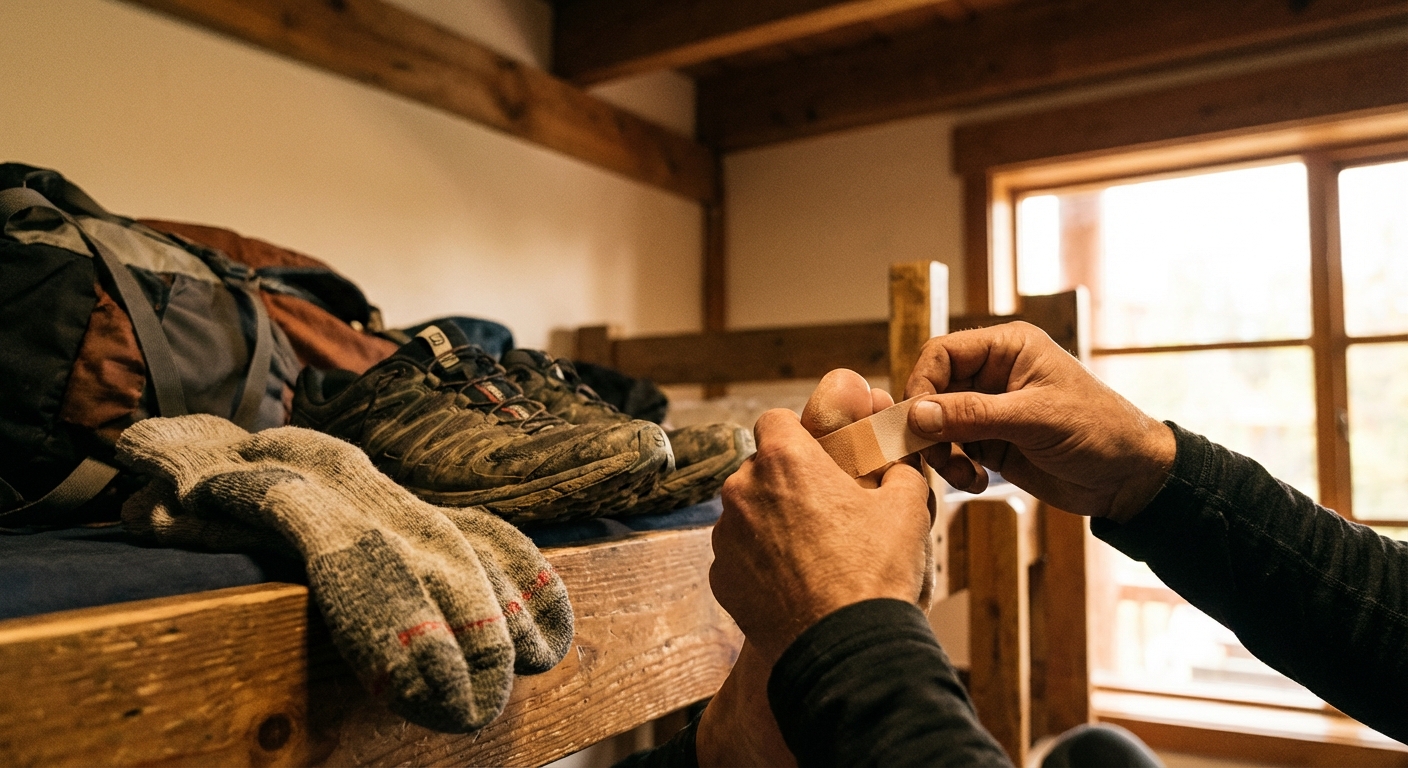
- Manage hotspots early: The moment you feel rubbing, stop. Use tape or a blister patch before it becomes a problem.
- Let shoes breathe: At lunch breaks, loosen laces and pull out insoles if they are soaked.
- Rotate socks: If you can pack two pairs, you can dry one on the outside of your pack while wearing the other.
Buying smarter
My most sustainable gear tip is unglamorous: buy less, but buy right. Footwear that fits and matches your trips is footwear you will actually wear for years.
- Resoling and repair: Many traditional boots can be resoled, extending life significantly. Some modern boots and most trail runners are harder to repair.
- Use-case honesty: If 80 percent of your trips are city walking with a couple of hikes, trail runners or light hikers reduce closet clutter and unused gear.
- Second life: Retire shoes to “town duty” when the lugs are worn but the upper is still comfortable.
Decision checklist
Choose trail runners if you want:
- One shoe for trails plus city neighborhoods
- Lightweight comfort for long days
- Fast drying in warm or wet conditions
- Flexibility and a natural walking feel
Choose hiking boots if you want:
- More protection and a stiffer platform on rough ground
- Better warmth and weather resistance in cold conditions
- More confidence with a heavier backpack
- Durability for abrasive terrain and frequent use
If you are still torn, ask yourself:
- What is the worst terrain I will face? Dress for the hardest day, not the easiest.
- How heavy is my pack? Be honest, including water and camera gear.
- Will I spend real time in town? If yes, comfort on pavement matters.
- How cold will it get when I stop moving? That is when footwear choices get loud.
Trail and town packing
If your trip blends hikes with cafes, museums, and long transit days, here is how I pack footwear without bringing my entire closet:
- Trail runner trip: Trail runners + merino socks + lightweight gaiters for dust or mud. This covers most three-season adventures and looks fine with casual city clothes.
- Boot trip: Lightweight boots + one thinner sock and one warmer sock option. If you can, pack a compact “town shoe” like a minimal sneaker or sandal for evenings so your feet can decompress.
- Universal add-on: Blister tape and a small foot care kit. It weighs almost nothing and can save a trip.
My personal rule: if I am choosing boots, I need a specific reason that shows up on the map or the forecast. If I cannot name that reason, I pack trail runners and spend the extra saved weight on better snacks.
Two quick examples: Dolomites hut-to-hut in July with a light pack, I am in trail runners with a rock plate. Iceland in shoulder season with cold rain, wet grass, and slush, I am usually in boots or waterproof trail runners, plus gaiters, and I am not pretending my feet will stay perfectly dry forever.