Tuzigoot National Monument: Pueblo Loop and Verde Valley Ruins Stop

Maya Lin
Maya Lin is a travel journalist and outdoor enthusiast who believes the best trips combine rugged adventures with urban comforts. After spending six years backpacking across four continents, she founded Trail & Town Guide to help fellow travelers navigate both hidden mountain passes and bustling city neighborhoods with confidence.
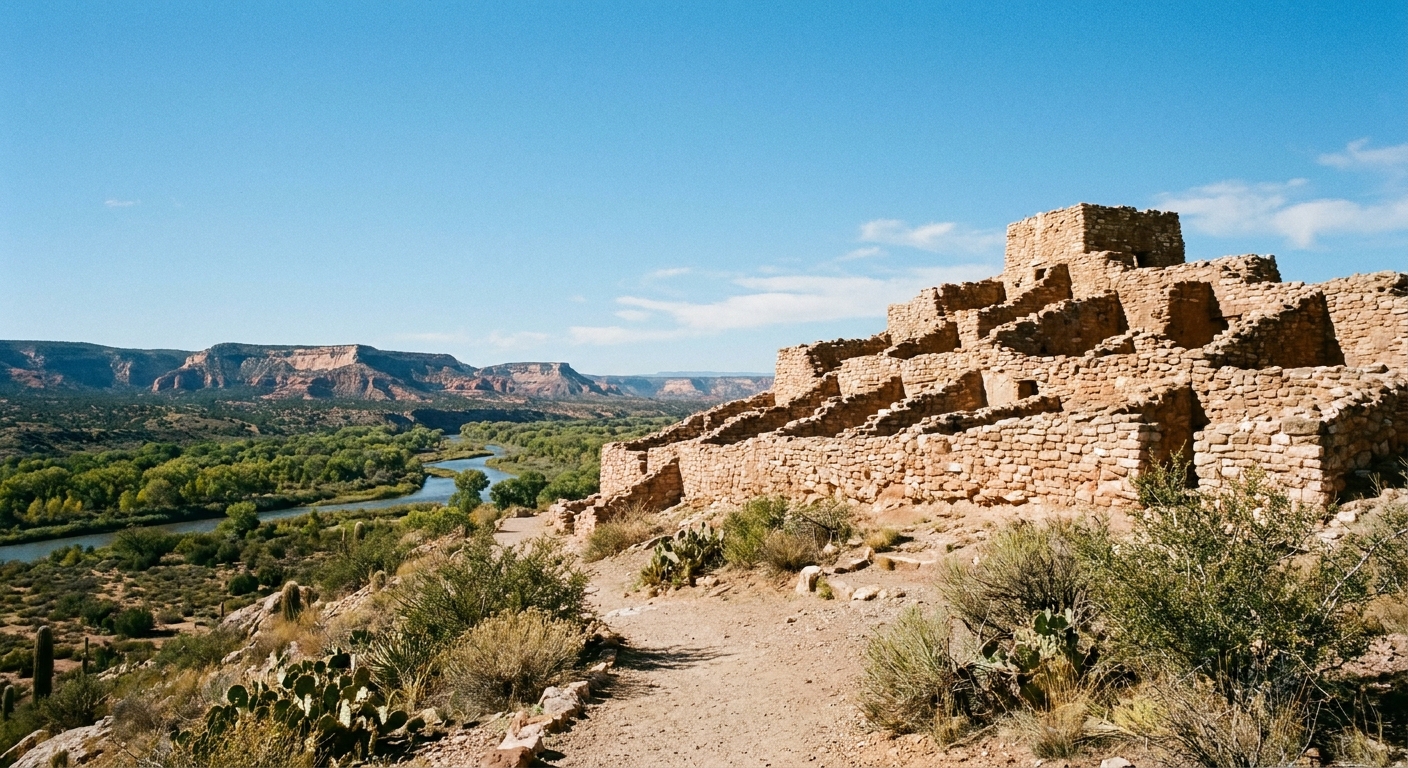
There is a particular kind of Arizona magic that happens when you climb a short hill and the whole Verde Valley opens up like a map. Tuzigoot National Monument is exactly that. In under an hour, you can walk a loop through a reconstructed hilltop pueblo, catch sweeping views of the river corridor, and still be back on the road with enough time to make your dinner reservation in Sedona or your next ruin stop near Camp Verde.
If Montezuma Castle is your “wow, how did they build that?” moment, Tuzigoot is more like “oh, this is how a community lived.” It is intimate, breezy up top, and surprisingly photogenic in golden hour light.
Quick facts
- Best for: Big view-per-minute, easy-to-pair Verde Valley history stop
- Time: 60 to 90 minutes (loop plus visitor center)
- Trail: Short paved loop with a steady climb and full sun exposure
- Restrooms: At the visitor center
- Pets: Leashed pets are allowed on the trails at Tuzigoot (one of the best perks for road-trippers). Pets are not allowed inside the visitor center.
- Fees and hours: Entrance fees and hours can change seasonally. Confirm current details on the official NPS Tuzigoot page before you go.
What Tuzigoot is and why it is worth your time
Tuzigoot is a hilltop pueblo built by the ancestral people archaeologists have historically referred to as the Sinagua, with the site generally described as occupied roughly c. 1000 to 1400 CE. Modern National Park Service interpretation also emphasizes the importance of living affiliated tribes, including Hopi and Yavapai-Apache communities, whose connections to this landscape continue today. A quick note of respect goes a long way here: stay on trails, do not climb walls, and leave anything you find exactly where it is.
The site sits above the Verde River floodplain near Clarkdale, with big sightlines in every direction. The viewpoint is part of the story. You can read the landscape like a timeline: river corridor, fields, towns, and the region’s long transportation history.
Because the loop is short and the visitor center is right there, Tuzigoot is one of my favorite “carry-on only” style stops: low effort, high payoff, and easy to combine with other Verde Valley highlights without committing half a day.
Pueblo Trail loop
Time and vibe
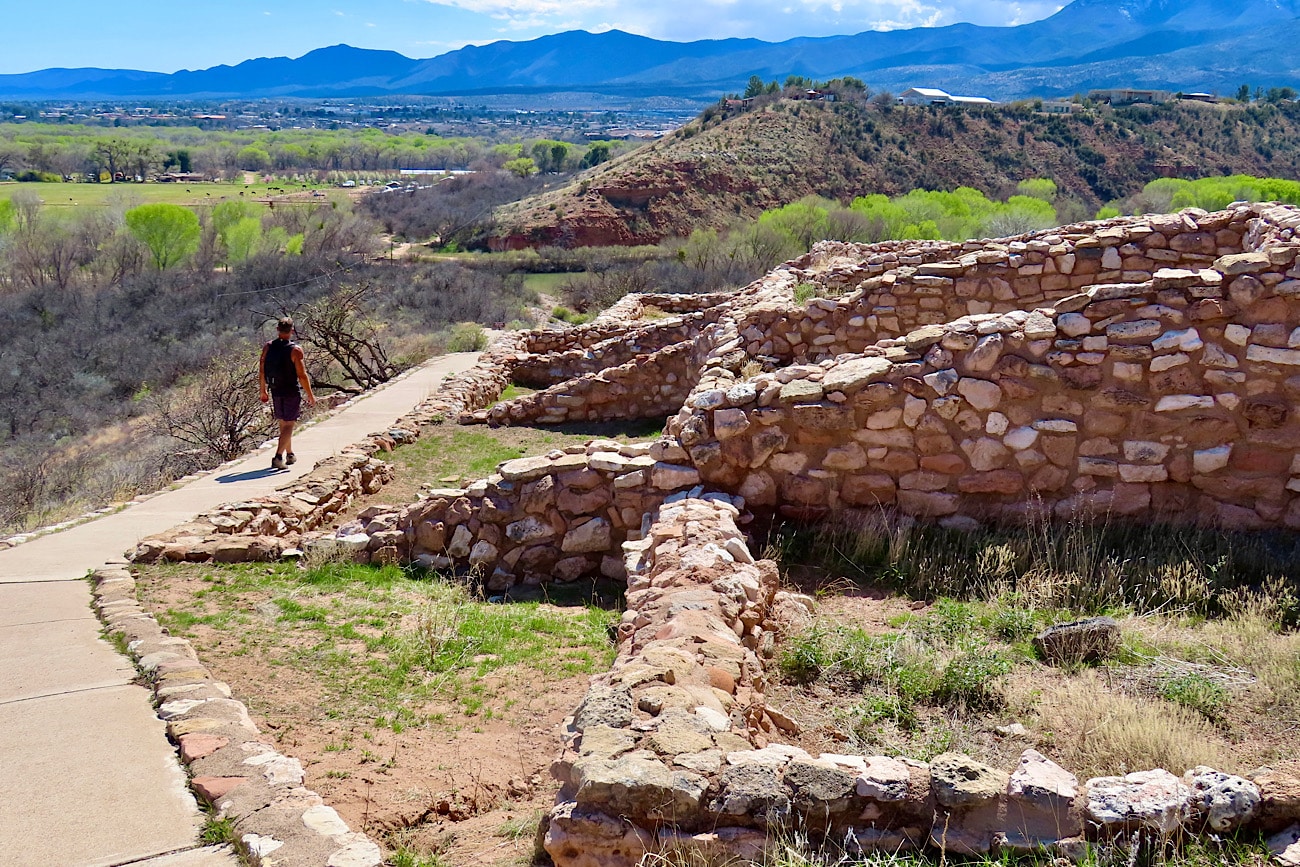
The main walk is a short, mostly paved loop that climbs from the visitor center to the hilltop pueblo and circles through the room blocks and foundations. Plan 30 to 45 minutes for an unhurried loop with photos. Add time if you like reading every interpretive sign or if you are visiting during a busy weekend.
- Effort: Short but includes a steady uphill grade to the top. The climb is the only real “work,” and it is brief.
- Views: Excellent. This is one of the most scenic quick walks in the Verde Valley.
- Shade: Limited. Expect full sun for much of the loop.
My favorite way to walk it
I like starting with a quick skim of the visitor center exhibits first, then walking the loop with context in my head. If it is hot, reverse that: do the hill first while you are fresh, then cool down inside with the exhibits afterward.
Look for the subtle differences in wall thickness, room size, and sightlines. Even with reconstruction, you can still sense the logic of daily life: clustered rooms, shared spaces, and a location chosen with purpose.
Photography tips
- Best light: Morning for softer shadows on the stonework, late afternoon for warm tones on the valley floor.
- Best angle: Step a bit away from the walls and shoot low to include both stone textures and the distant mesas.
- People-free shots: Arrive near opening or within the last hour before closing.
Visitor center
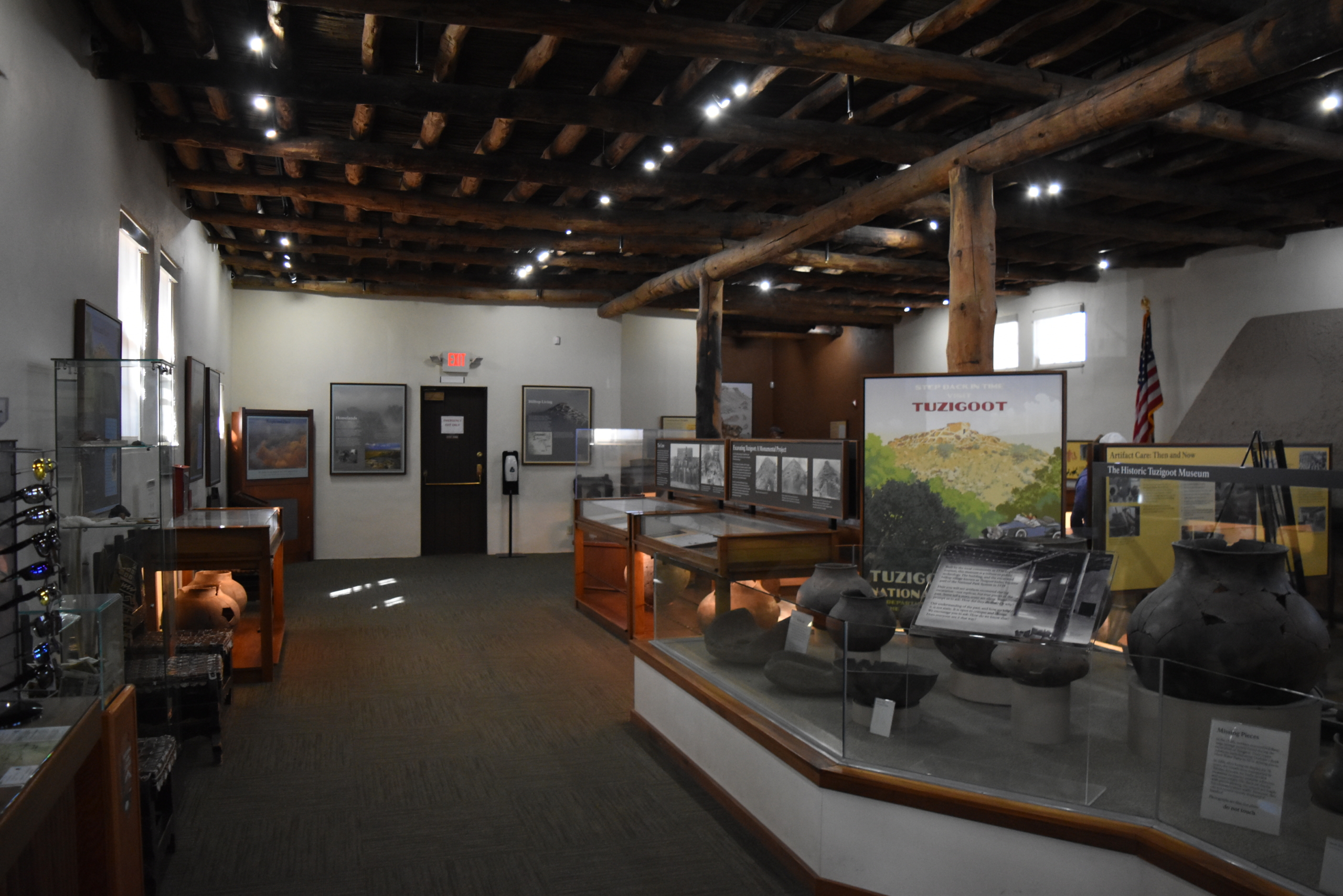
The visitor center is small enough to browse quickly but well done, and it rounds out what you just walked through. Expect exhibits that help you place Tuzigoot in the broader Verde Valley story, plus a bookstore area for maps and field guides.
If you are traveling with kids or anyone who is not fully sold on ruins, the visitor center helps turn “piles of rocks” into a real place with real people behind it. Give it 15 to 30 minutes, longer if you like museum-style reading.
Quick etiquette note: Stay on established paths at the pueblo. It protects the site and keeps everyone safe on uneven stone.
Tavasci Marsh Trail
If you want one more “only in the Verde Valley” layer, add the Tavasci Marsh viewpoint and trail. It is a rare wetland pocket in a desert landscape, and it is accessible right from the monument area. The vibe shift is instant: birds, reeds, and riparian greens tucked below the hilltop ruins.
If you have time for it, this is the move: do the pueblo loop first for the wide views, then drop down to the marsh for the close-up ecology contrast.
Best seasons and heat
The Verde Valley runs hotter than a lot of visitors expect, especially if you are coming down from Flagstaff or up from a cooler Sedona morning. Tuzigoot is exposed, and the climb to the top feels more intense under direct sun.
Best times to visit
- Late fall through early spring: The most comfortable time for the loop. Crisp mornings, clear views, and fewer heat concerns.
- Summer: Totally doable if you time it right. Aim for early morning or later afternoon and treat it like a short desert hike.
- Monsoon season: Afternoon storms can roll in fast. If thunder is in the area, get off the exposed hilltop.
Heat-smart strategy
- Carry water even for a short loop. The sun is the main challenge here.
- Wear a hat and sunscreen. There is not much shade on the hill.
- Plan the loop first or last in your day, not at peak afternoon heat if you can help it.
- If you feel lightheaded, pause near the visitor center and cool down before continuing.
How to fit it in
Tuzigoot is perfect when you want one more meaningful Verde Valley experience without duplicating what you will see at Montezuma Castle. Think of it as a different angle on the same region: Montezuma Castle is dramatic cliff architecture, while Tuzigoot is community layout and landscape position.
Easy time breakdown
- 10 minutes: Park, quick restroom break, check conditions.
- 30 to 45 minutes: Pueblo Trail loop at a comfortable pace.
- 15 to 30 minutes: Visitor center exhibits and bookstore.
- Optional add-on: Extra time for Tavasci Marsh if you want the ecological contrast.
- 5 minutes: Water refill, back to the car.
Drive logic
If you are traveling Sedona to Montezuma Castle, Tuzigoot is a detour toward Clarkdale. It is worth it if you are already planning to explore Cottonwood or Clarkdale, or if you have a true extra hour you can protect. If your schedule is tight and Montezuma Castle is the anchor, consider Tuzigoot your “bonus ruin” only if the day has breathing room.
If you are traveling between Sedona and the I-17 corridor, keep in mind that Tuzigoot is closer to Cottonwood and Clarkdale. It pairs naturally with a quick coffee stop, a low-key lunch, or a scenic drive through town streets before you hop back on the main route.
My rule: if you only have time for one Verde Valley ruin stop, keep Montezuma Castle. If you have an extra hour and want the best view-per-minute in the area, add Tuzigoot.
Accessibility notes
Tuzigoot is one of the more approachable ruin sites in the region because the main trail is paved, but it is still a hilltop loop with grade and full exposure. Accessibility can vary with maintenance and conditions, so it is smart to confirm current details before you go.
- Trail surface: The main route is generally paved, with some uneven transitions near stonework.
- Grade: The climb to the hilltop is steady and can be challenging in heat.
- Seating and breaks: Limited on the loop itself, so plan pauses and hydrate.
- Visitor center: Typically the most comfortable, climate-controlled portion of the stop.
If mobility is a concern, a good compromise is to focus on the visitor center and the lower viewpoints, then decide whether the climb feels right that day.
Rattlesnakes and safety
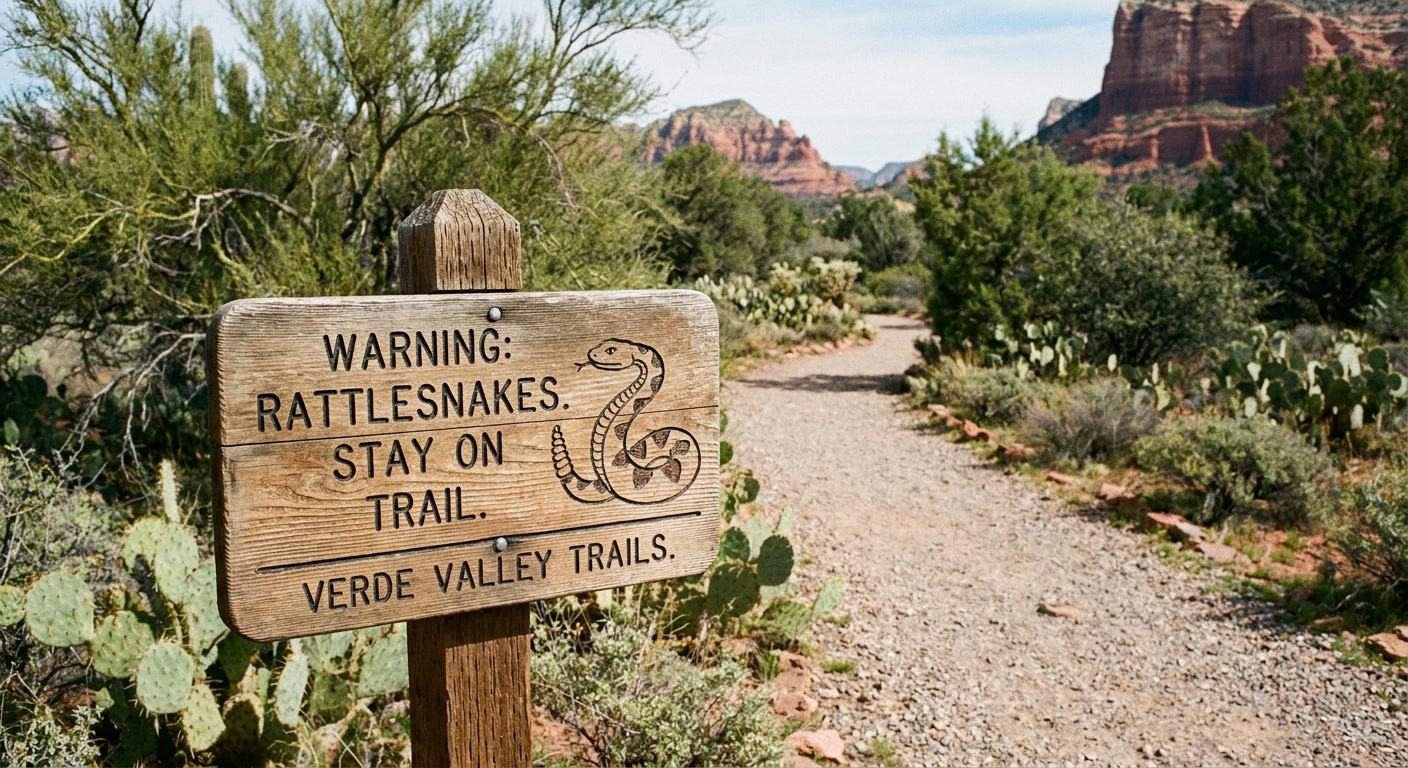
You do not need to be afraid of wildlife at Tuzigoot, but you do need to be alert. Warm months bring more snake activity across Arizona, and rocky edges and brushy areas are classic hangout zones.
- Stay on paved paths and avoid stepping over low rock walls.
- Watch where you place hands, especially near shaded stone.
- If you hear a rattle, stop moving, locate the sound directionally, and give the snake space to move away.
- Keep kids close and pets leashed.
Also, treat the sun seriously. Even a 30 minute loop can be the moment dehydration sneaks up on you if you started the day under-caffeinated and under-watered.
Passes and fees
If you have been hiking around Sedona, you might have a Red Rock Pass on your dashboard. It is useful in the Sedona area for certain trailheads and recreation sites, but it is not the same thing as admission to national monuments.
Tuzigoot is a National Park Service site with its own entrance fee structure. If you carry an America the Beautiful interagency pass, it generally covers entrance for the pass holder, and at sites that charge per person it typically covers additional adults as allowed by current pass terms (kids under 16 are usually free). Because fee policies can change, it is worth checking the current Tuzigoot fee details before you arrive.
Before you go, double-check current fees and hours on the official National Park Service page for Tuzigoot. Seasonal hours and special closures can happen.
What to bring
- Water for everyone in the car, even if you “are just stretching your legs.”
- Hat, sunglasses, sunscreen.
- Good walking shoes. The path is paved, but the hill and stone edges reward traction.
- A light layer in winter. The hilltop can feel windy even when the valley is mild.
- A leash and water for your dog if you are traveling with pets.
- A small notebook or phone notes if you like tracking sites. Tuzigoot is the kind of place that makes you want to connect dots across the Verde Valley.
Make it a Town Wander stop
Tuzigoot fits my favorite travel equation: a short, rugged little climb followed by a comfortable, culture-forward reset. Do the loop, learn the context in the visitor center, then head back into town for a slow coffee or an early lunch in Cottonwood or Clarkdale. You get the story of the land and the pleasure of the present day in one easy window.
If you are threading the needle between Sedona and Montezuma Castle, this is the Verde Valley ruins stop that gives you maximum meaning without turning your day into a marathon.